Baobab Processing & Extraction Plants
A baobab processing plant cracks the hard fruit shell, separates the dry pulp from seeds and fibre, and mills it to powder, with seed oil or water-extract lines added where the project needs them.
Product Categories
- Herbal, Botanical & Nutraceutical Extraction(9)
- Essential Oils, Spices & Oleoresins(6)
- Fruit & Vegetable Processing(8)
- Starch, Flour, Edible Oil & Food Processing(7)
- Drying & Dehydration Systems(5)
- Evaporation, Concentration & Solvent Recovery(4)
- Pharmaceutical & Industrial Process Equipment(4)
- Cocoa, Shea, Palm Oil & Oilseed Processing(6)
- Cereals, Tubers & Sugar Processing(6)
- Specialty African Botanical & Natural Ingredients(11)
- Specialty Food, Beverage & By-Product Processing(7)
Talk to Kadali Africa Ventures
Send your raw material, product and capacity for a technical proposal.
Contact Kadali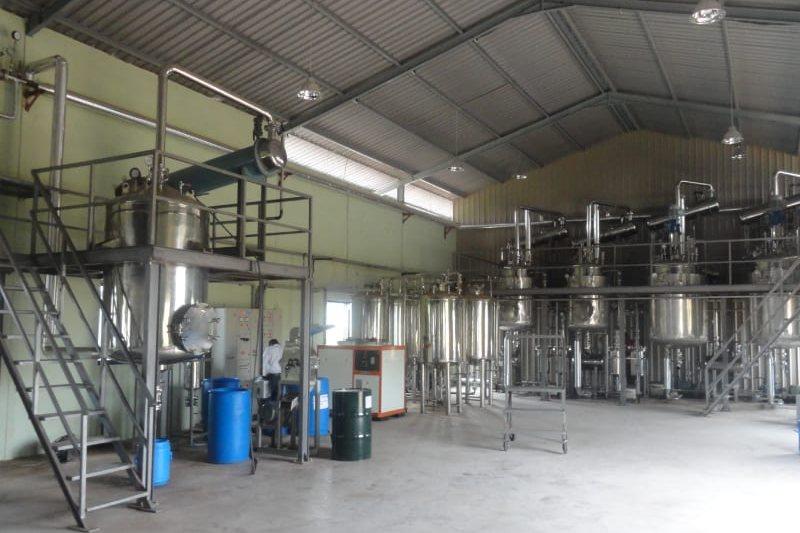
Baobab Processing & Extraction Plants
The pulp is a small part of the fruit: the shell weighs about three times as much as the pulp and the seeds weigh more than the pulp, so throughput and residue handling follow the whole-fruit mass balance. A buyer should settle which products the plant makes (pulp powder, water extract, seed oil or leaf powder), how fruit will be gathered and bought across the year from wild trees, and the specification for colour, particle size and moisture. Many baobab projects are dry processing only, with extraction and solvent recovery added just where an extract is wanted, so the proposal should state which steps are included. Dry covered storage and dust control matter for fruit and powder alike.
Baobab fruit has a hard shell. Inside, a dry, floury pulp surrounds seeds that sit in red fibre strands. Processing starts by cleaning and cracking the shell, then separating pulp from seeds and fibre by sieving and aspiration. The pulp is milled and sieved to a powder, which absorbs moisture readily, so low moisture, sealed packing and dry storage decide shelf life. This dry route is the simplest and the most common. Where a water extract is wanted, the pulp is stirred in water, the liquid is separated from the solids, and the filtrate is concentrated, often under vacuum, then dried. The pulp is very high in fibre, mostly soluble fibre, which is likely to thicken the liquid and slow filtration and concentration, so extract duty should be tested before equipment is sized. Seeds can be cleaned, dried and pressed for oil, or kept for traditional food uses, and the press cake and shells need an outlet. Leaves are a separate stream that is dried in shade to protect their pigments. Solvent management applies only where an organic solvent is used for a specific extract.
Indicative Capacity Range
- 100–5,000 kg feed/day
Key Specification Inputs
Extraction solvent/water, extraction stages, batch time, filtration and recovery.
Technical Specifications
| Technology | Dry fruit processing for pulp powder, with optional water extraction and seed oil pressing |
|---|---|
| Working Principle | Shell is cracked, pulp is separated from seeds and fibre by sieving, then milled; extracts are made by stirring pulp in water and separating the liquid |
| Product Routes | Pulp powder, water extract, seed oil or leaf powder; each needs different equipment after cracking |
| Pulp Separation | Cracker, sieves and air classification, chosen by the cleanliness and colour the powder must reach |
| Extraction Medium | Water, or another solvent where the target compound needs it, with recovery on solvent routes |
| Concentration | Vacuum concentrator for extract routes, with viscosity setting how far it can go |
| Drying | Hot-air, spray or vacuum dryer for extracts; fruit and leaves dried before processing, leaves in shade |
| Contact Material | Food-grade stainless steel on pulp, extract and oil contact surfaces |
| Dust Control | Enclosed milling and sieving with dust collection and explosion protection suited to fine powder |
| Utilities | Electric power, water and heat on extract routes, and compressed air for the pack line |
| Quality Parameters | Moisture, particle size, colour and fibre content, which should be written into the product specification with lot testing |
Typical Process Route
Fruit receiving and inspection
Fruit is checked for moisture, mould, insect damage and foreign matter, and the lot is recorded. Wild harvest varies through the year, so storage space for dry fruit is part of the plan.
Cleaning and cracking
Dust and loose debris are removed, then the shell is cracked open. Over-aggressive cracking breaks seeds and mixes shell fragments into the pulp.
Pulp separation from seeds and fibre
Pulp, seeds and red fibre strands are separated by sieving and air classification. The cleanliness of this cut sets powder colour and the fibre and shell specks that buyers reject.
Seed handling and oil pressing
Seeds are cleaned, dried and either pressed for oil or stored for other uses. This step applies only where the project includes a seed stream.
Controlled extraction
For an extract route, pulp is stirred with water, or another solvent where the target compound needs it, for a set time and temperature. Soluble fibre thickens the liquid, so batch time is found by trial.
Solid-liquid separation and concentration
Solids are removed by filter or decanter and the filtrate is concentrated, usually under vacuum. Viscosity limits how far it can be concentrated before pumping and fouling become a problem.
Purification where needed
A polishing filtration or clarification step clears the extract of fine solids, and any solvent used is recovered.
Milling, drying and packing
Pulp is milled and sieved to the specified particle size, extract is dried to powder, and both are packed in sealed, moisture-proof packs. Powder left open takes up moisture and cakes.
Process & Equipment Modules
- Fruit intake and sorting table
- Cleaning screen and aspirator
- Fruit cracker or shell breaker
- Pulp and seed separator with sieves
- Pulp mill and sifter
- Extraction vessels, for the extract route
- Filter press or decanter
- Vacuum concentrator
- Spray or tray dryer, for extract powder
- Seed press and oil filter, for the seed route
- Dust collection system
- Packing line and control panel
Plant Output
Applications
- Baobab pulp powder for fruit drinks, smoothies and cereal bars
- Pulp powder for capsules and supplement blends
- Water-based baobab extract, as a liquid concentrate or dried powder
- Baobab seed oil for cosmetics and personal care
- Seeds for traditional roasted butter and soup use
- Shade-dried leaf powder for soups and sauces
Key Features
Whole-Fruit Mass Balance
Shell, seeds and fibre together outweigh the pulp several times over. Throughput and residue handling must be sized on fruit received, not on powder made.
Dry Processing at the Core
Cracking, pulp separation, milling and sieving make a saleable powder without any extraction equipment, so extraction should be added only for a defined product.
Moisture and Dust Control
The powder absorbs moisture and the milling and sieving area makes dust. Enclosed transfers, dust collection and sealed packing protect product and people.
Extract Route Built for Viscosity
The high soluble fibre in the pulp thickens extracts. Pumps, filters and the concentrator should be chosen after small-scale tests.
Separate Seed and Leaf Streams
Seeds and leaves are different products with their own drying, storage and specification needs, and should be planned as separate lines.
Related Products
Frequently Asked Questions
What information is needed to size Baobab Processing & Extraction Plants?
What capacity range does Baobab Processing & Extraction Plants cover?
How much of the fruit becomes pulp?
Should the project make pulp powder or an extract?
Is the seed worth processing?
How should baobab powder be specified?
How does baobab leaf powder fit into the plant?
How do I request a proposal for Baobab Processing & Extraction Plants?
Enquire about Baobab Processing & Extraction Plants
Send your raw material, target product and capacity to Kadali Africa Ventures for a technical proposal.