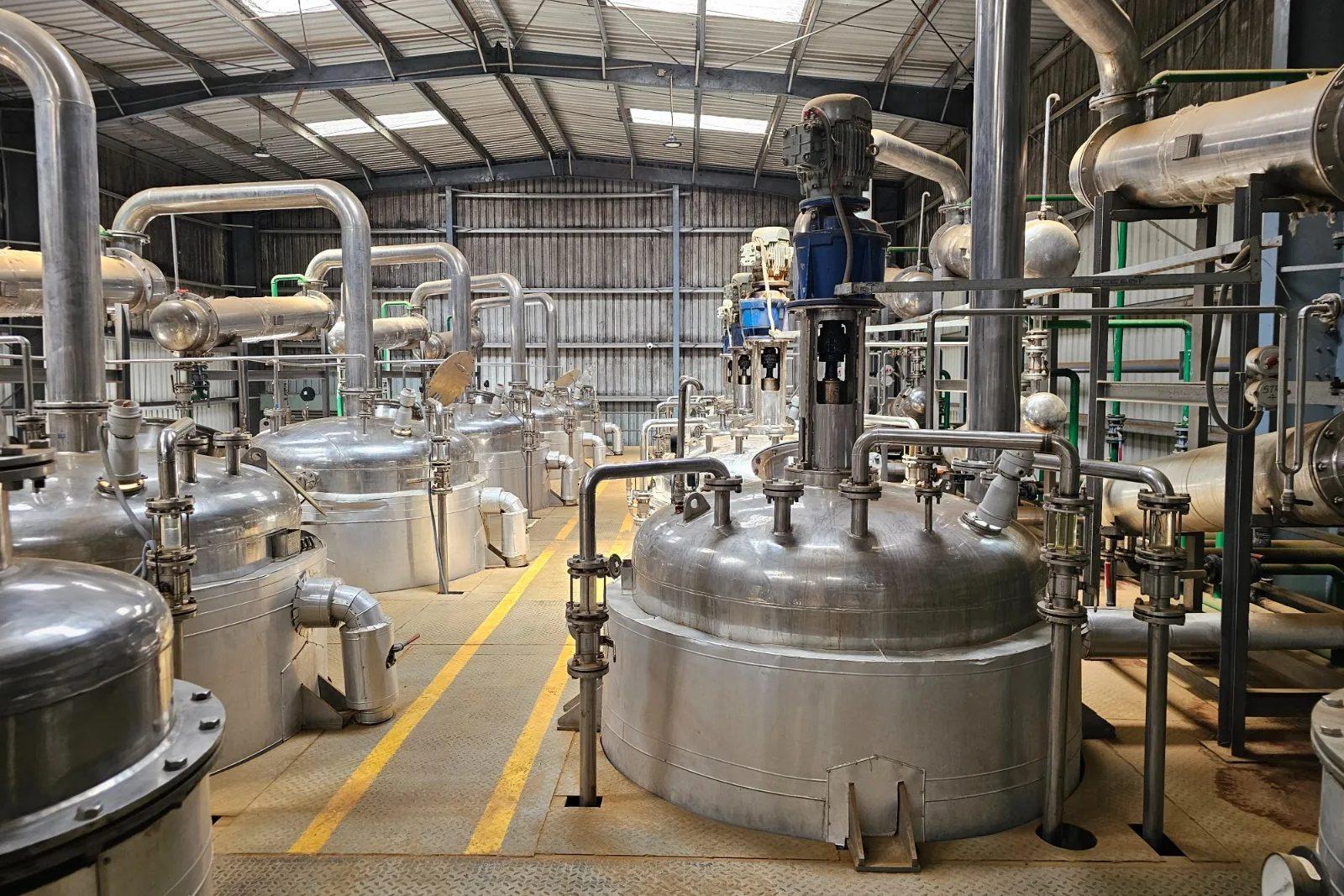
Pharmaceutical & Industrial Process Equipment
Pharmaceutical & Industrial Process Equipment (4 products)
This group is for equipment made to a written requirement rather than bought off the shelf: pharmaceutical process equipment, custom equipment and skids, stainless steel tanks, vessels and pipework, and process automation systems. None of it is sized from a capacity chart, because the buyer's requirement sets everything. The points that decide the design and the price are the duty (what moves, at what temperature and pressure), the materials and surface finish that touch the product, the documents the buyer needs with the equipment, and how much of the control and cleaning is automatic.
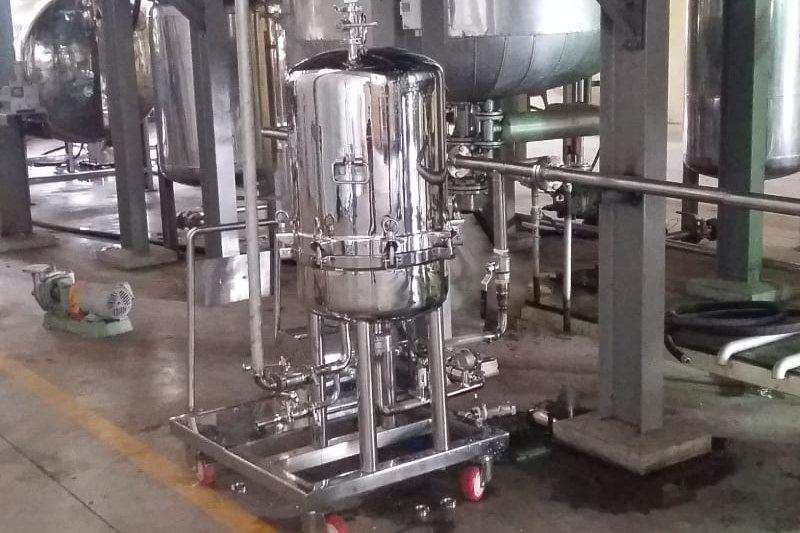
Pharmaceutical Process Equipment
View Product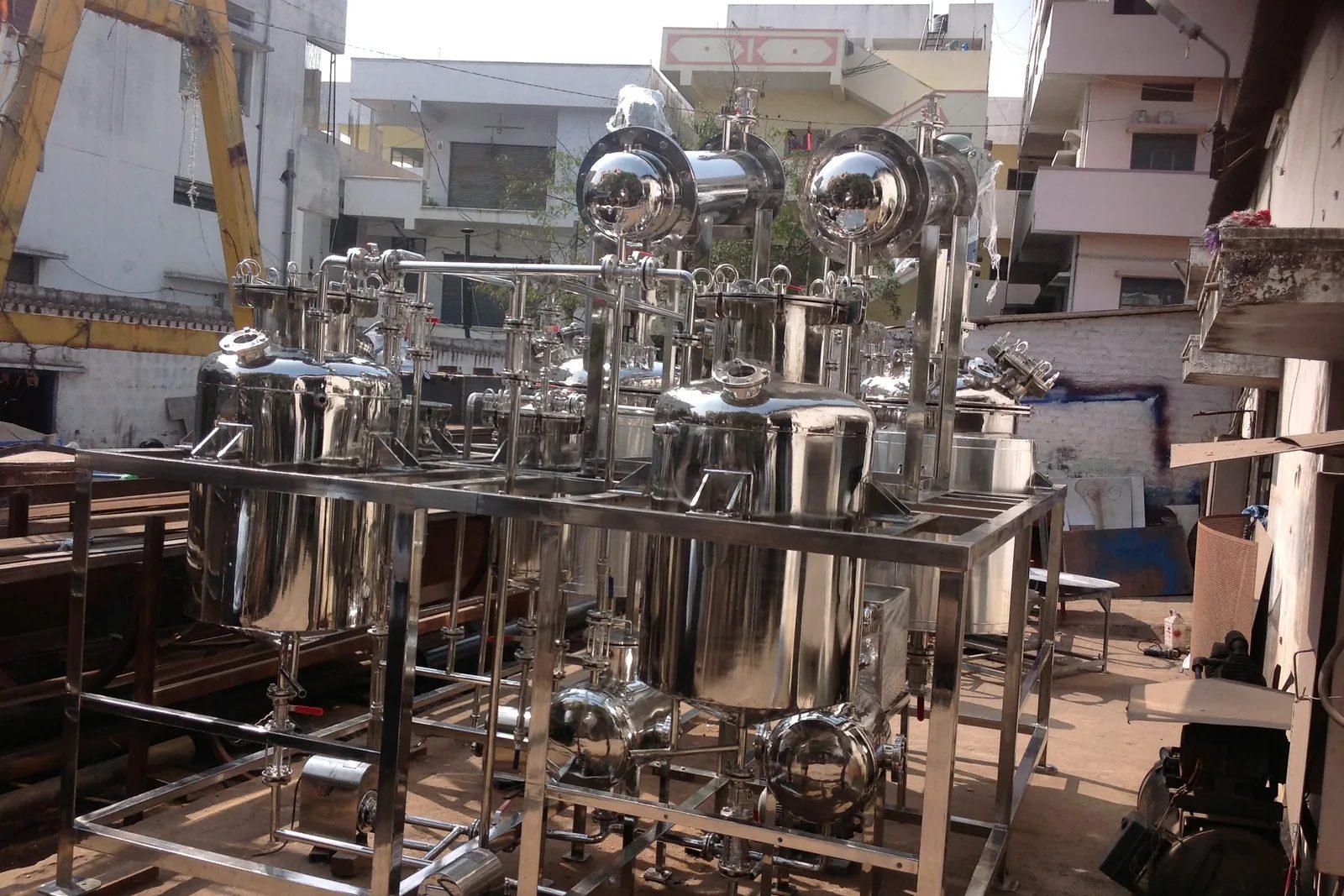
Custom Process Equipment & Skids
View ProductStainless Steel Process Equipment
View Product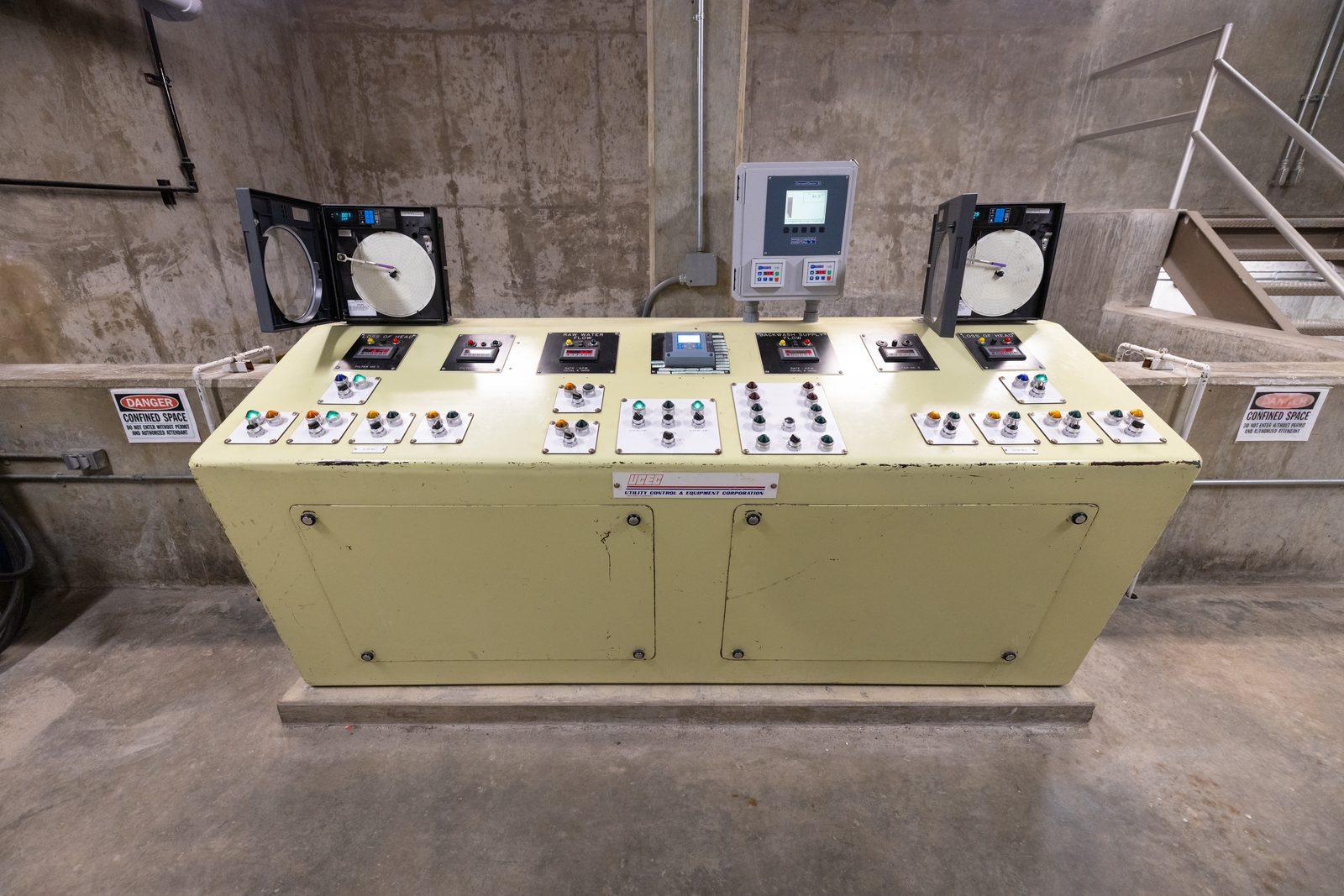
Industrial Process Automation Systems
View Product
What to Define Before You Ask for a Proposal
- The duty in plain terms: fluids or solids handled, batch size, cycle time and the steps the equipment must perform
- Design and operating pressure and temperature, including any hot cleaning or sterilising step
- What touches the product, the material and surface finish wanted and how the equipment is cleaned: by hand, spray balls or clean-in-place
- Where it will stand: room size, door and lifting access, floor loading, utility connection points and equipment it must join
- Control scope and records: manual or automatic, batch recipes, alarms, the response to a power cut or fault, and the batch or test documents you need
How to Choose
Compare proposals against your own requirement, not against each other's brochures. For stainless steel, check the grade chosen for your product and cleaning chemicals, and how welds and surfaces are finished where product touches. A skid is quicker to place and test as one unit; separate vessels suit large duties or a building whose layout is still changing. For automation, a PLC with a local screen is the economical base, and supervisory software adds recipes, trends and records. Ask for a general-arrangement drawing, a piping and instrument diagram, an instrument list, ownership of the control program, and the tests done at the maker's workshop and left for site.
Utilities, Site and Installation
Provide a level, load-bearing floor or plinth, lifting access to the final position, and clearance around vessels, valves and panels for operation and repair. Steam, cooling or chilled water, compressed air, treated water, drains and power must reach agreed connection points. Pharmaceutical duties often call for washable surfaces, floor drains, filtered air supply and controlled access, which the buyer defines before the layout is fixed. Control panels need a clean, dry, cool, ventilated room with stable power, surge protection and a good earth.
Maintenance and Safety
Keep a calibration and preventive maintenance routine with dated records for gauges, sensors, balances and control loops. Clean stainless steel with products that suit the grade, because chlorine bleach and chloride cleaners can pit it. Inspect welds, gaskets, seals and valve seats, and replace elastomers on a schedule. Back up control programs and recipes with a copy kept elsewhere, and limit who may change set points. Hot jackets, pressurised vessels and rotating agitators need guards, relief devices and lock-out procedures. Hold spares for seals, gaskets and instruments.
Related Services
Find Your Country
Kadali lists products on pages for 54 African countries, with offices in Accra, Ghana and Kano, Nigeria.
Offices and country pages →Countries Listing Pharmaceutical & Industrial Process Equipment
Frequently Asked Questions
What is a skid and when does it make sense?
A skid mounts the vessels, pumps, pipework and instruments of one process step on a single frame, so it can be built and tested as a unit and lifted into place. It shortens site work and suits compact duties, repeated units and sites with few skilled fitters. Very large vessels, or duties that must be spread across floors, are usually better built as separate items.
How do I write a requirement that gets comparable quotations?
Describe the duty, the fluids or solids, volumes, cycle time, pressure and temperature, product-contact materials and finish, cleaning method, utilities on site, control scope, documents wanted and the place of installation. Add a rough layout of the room. Every bidder then prices the same job, and differences in grade, instrumentation or testing show up in the quotations.
Which stainless steel grade should I specify?
It depends on what touches the steel. The common austenitic grades suit many food and botanical products, and the grade with added molybdenum resists chlorides, salt and acids better. Use it where the product or cleaning agent is aggressive. Higher grades cost more, so choose by the product, the cleaning chemicals and the water quality on your site, and keep a cheaper grade for non-contact parts.
How far can a line be automated?
From manual valves with a few gauges, through semi-automatic sequences with an operator confirming each step, to recipe-driven batches with logged data and alarms. Each step up adds valves, sensors and programming, and needs staff able to maintain them. Automate first what operators cannot do reliably by hand: temperature ramps, charging amounts, endpoints and record keeping.
What should be tested before the equipment is accepted?
Agree the tests in the requirement. Usual checks are a pressure or leak test, a run with water to prove flows, heating and agitation, instrument and alarm checks, and a review of drawings and documents. A second run with real product on site follows installation. Write down what counts as a pass, because disputes arise when acceptance is left undefined.