Solar-Assisted Drying Systems
A solar-assisted drying system heats the drying air in solar collectors and passes it over the product in a chamber, with a backup heater that takes over when the sun is weak or absent.
Product Categories
- Herbal, Botanical & Nutraceutical Extraction(9)
- Essential Oils, Spices & Oleoresins(6)
- Fruit & Vegetable Processing(8)
- Starch, Flour, Edible Oil & Food Processing(7)
- Drying & Dehydration Systems(5)
- Evaporation, Concentration & Solvent Recovery(4)
- Pharmaceutical & Industrial Process Equipment(4)
- Cocoa, Shea, Palm Oil & Oilseed Processing(6)
- Cereals, Tubers & Sugar Processing(6)
- Specialty African Botanical & Natural Ingredients(11)
- Specialty Food, Beverage & By-Product Processing(7)
Talk to Kadali Africa Ventures
Send your raw material, product and capacity for a technical proposal.
Contact Kadali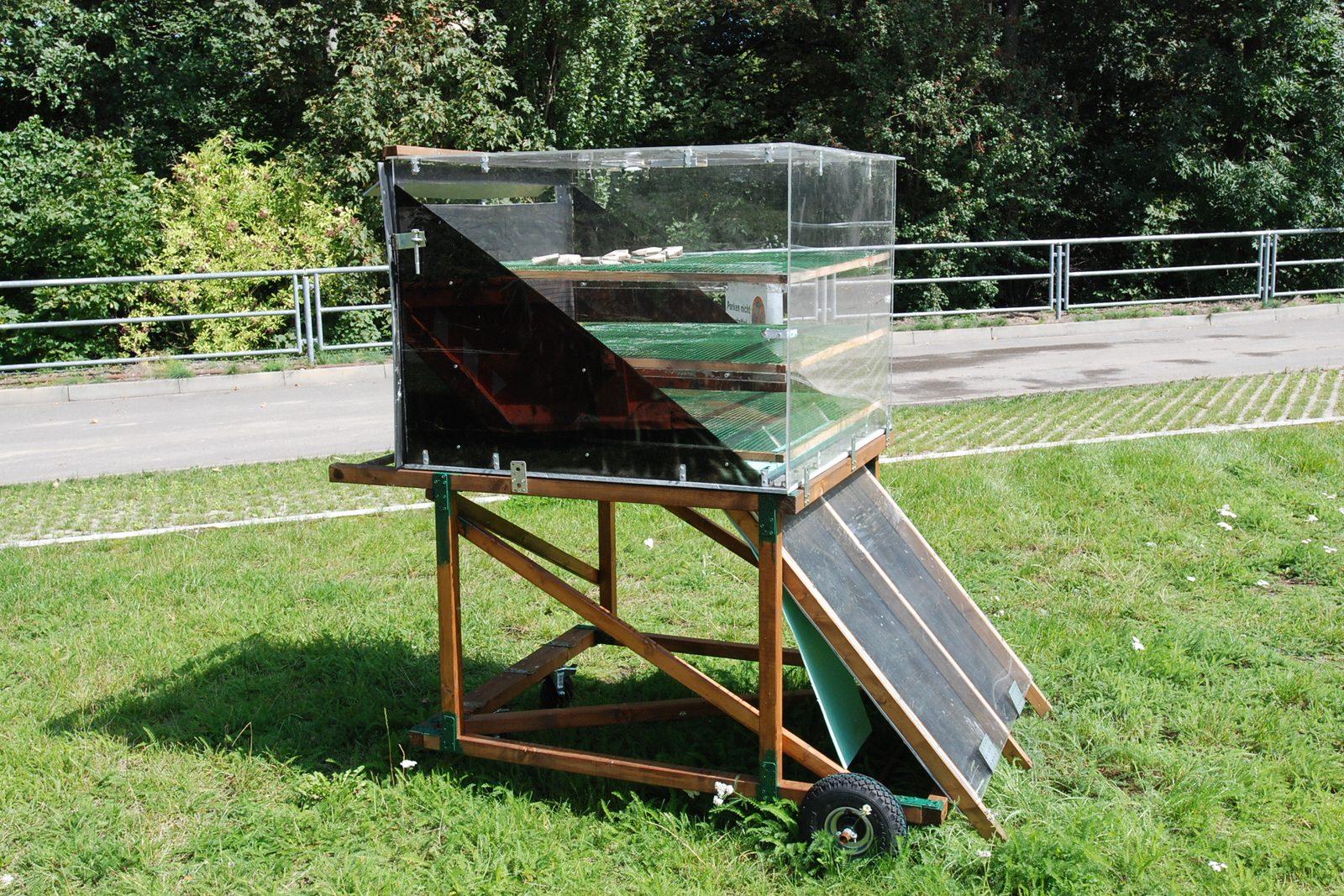
Solar-Assisted Drying Systems
It cuts fuel or electricity use compared with a conventional dryer but is tied to the climate: collector area, orientation, cloud cover and the length of the dry season decide how many hours a day the sun does the work. A buyer must settle how much of the heat should come from the sun, what backup will keep batches going at night and in rain, and how much open, unshaded ground or roof is available for collectors. The product, its starting moisture, its temperature limit and the batch size then set the chamber. Solar-assisted drying suits agricultural produce and other crops harvested in sunny months, and processors who are sensitive to fuel cost or short of grid power. Where output must be steady all year, the backup heater carries a larger share and the solar saving shrinks.
Most solar-assisted dryers are indirect. Air is warmed in flat-plate collectors, which are insulated, glazed boxes with a dark absorber, and is then led to a chamber where product sits on trays. The product is not in direct sunlight, which avoids vitamin loss and the exposure to dust, insects and rain that open sun drying brings. Direct designs, such as a glazed cabinet or tent, cost less but give less control. Air movement is the next choice. Natural convection uses warm air rising and needs no running power, but gives weak control. Forced convection uses fans and gives even drying with a smaller collector, although fan power should be kept modest, and a small solar panel can run the fans. Sunshine alone cannot hold a steady temperature, so a backup heater, whether a biomass burner, an electric element or gas, tops up the air or takes over at night and in cloudy spells. Thermal storage in water, rock or a phase-change material holds midday heat for the evening. Heat is lost in the duct between collector and chamber, so the run is kept short and insulated, and the product sees chamber air, not collector output. Collectors give a modest amount of heat for each square metre, so collector area grows quickly with throughput, which is why this design suits small to medium plants.
Indicative Capacity Range
- 100–5,000 kg wet feed/hour
Key Specification Inputs
Drying curve, moisture targets, temperature limits, emissions.
Technical Specifications
| Plant Type | Solar-assisted convective dryer: air collectors, drying chamber and backup heater |
|---|---|
| Drying Mode | Indirect, with air warmed in a collector and product kept out of the sun; direct glazed cabinet as a simpler alternative |
| Collector | Flat-plate air collectors on a roof or ground frame, with area sized to the throughput and local sunshine |
| Air Movement | Natural convection, or forced convection with fans on mains power or a small solar panel |
| Backup Heat | Biomass burner, electric heater or gas burner, sized for night and rainy-season duty |
| Thermal Storage | Optional water, rock-bed or phase-change store to carry midday heat into the evening |
| Drying Chamber | Insulated cabinet or drying room with trays or racks, trolleys for larger batches |
| Ducting | Short, insulated runs between collector and chamber, with dampers to set the flow |
| Pest Protection | Insect screens on inlets and vents, sealed doors and cleanable floors |
| Controls | Thermostat or PLC that starts the backup heater, with temperature and humidity sensors in the chamber |
| Site Needs | Unshaded ground or roof facing the sun, ground drainage and a clean packing area |
Typical Process Route
Feed Preparation
Produce is washed, cut to an even thickness and treated where the crop needs it, then drained of surface water. Even pieces matter more here than on a fuel-fired dryer, because batch times already vary with the weather.
Loading the Chamber
Trays or racks are loaded in a thin, even layer, timed so that the chamber is full before the strongest sun of the day. A late start loses the best hours of solar heat.
Collecting Solar Heat
Air passes through the collectors and is warmed by the sun. How hot it gets depends on collector area, orientation, clean glazing and the amount of cloud, so output swings through the day.
Moving Air Through the Chamber
Natural draught or fans carry the warm air through the ducts and across the trays. Fans give more uniform drying, and short, insulated ducts cut the heat lost before the air reaches the product.
Switching to Backup Heat
When the sun fades or cloud cover builds, a thermostat starts the biomass, electric or gas heater. Its size and fuel decide whether a batch keeps drying overnight and through the rainy season.
Drying and Moisture Checks
Samples are weighed and checked against the target moisture, and trays are rotated if one end dries faster. Batch length changes from day to day, so it is judged by the product, not by the clock.
Cooling and Collection
Dry product is allowed to cool inside the chamber or in a sheltered area before it is bagged. Leaving it out in the open after drying lets it take up water again.
Hygienic Packing
Product is graded and packed into moisture-barrier packs in a clean, dry room. Insect screens on vents and a swept chamber keep pests out between batches.
Process & Equipment Modules
- Flat-plate air collectors with mounting frame
- Insulated ducts between collector and chamber
- Drying chamber or cabinet with trays or racks
- Circulation fans, mains or solar-powered
- Backup heater: biomass burner, electric element or gas, with heat exchanger
- Thermal storage unit
- Dampers and vents with insect screens
- Temperature, humidity and sunshine sensors
- Controller that switches the backup heater
- Trolleys and loading racks
- Moisture-testing and cooling area
Plant Output
Applications
- Sun-season drying of mango, pineapple and other fruit slices
- Chilli, pepper and tomato pieces dried in the harvest months
- Leaf and flower crops such as moringa and hibiscus calyces
- Sliced ginger and turmeric dried before grinding
- Cassava chips and grain dried before storage or milling
- Drying at remote or off-grid sites with expensive fuel
- Pilot drying of new crops to build a drying curve
Key Features
Solar Heat With a Backup
Collectors supply what the sun gives and a backup heater supplies the rest, so a batch can finish after dark or in the rain at the cost of some fuel.
Indirect Drying Keeps Product Clean
Warming the air in a collector, not the product, avoids sun damage to nutrients and keeps dust, birds and insects away from the trays.
Natural or Forced Air
Natural draught needs no running power but gives weaker control. Fans give even drying and a smaller collector for the same duty, but add an electrical load.
Short, Insulated Ducting
Heat is lost between collector and chamber, so a compact layout with insulated ducts gets more of the collected heat to the product.
Thermal Storage Option
A tank, rock bed or phase-change store carries midday heat into the evening, which reduces the demand on the backup heater.
Country Pages for Solar-Assisted Drying Systems
This product is listed on the pages of the countries below, each with its own enquiry route. Where Kadali has no office in a country, enquiries are handled from the Accra office.
- Ghana
- Nigeria
- Côte d’Ivoire
- Senegal
- Benin
- Togo
- Burkina Faso
- Mali
- Guinea
- Sierra Leone
- Liberia
- Gambia
- Mauritania
- Guinea-Bissau
- Niger
- Cabo Verde
- Kenya
- Tanzania
- Uganda
- Ethiopia
- Rwanda
- Burundi
- South Sudan
- Djibouti
- Eritrea
- Seychelles
- Cameroon
- Democratic Republic of Congo
- Republic of Congo
- Gabon
- Angola
- Equatorial Guinea
- Central African Republic
- Chad
- São Tomé and Príncipe
- South Africa
- Zambia
- Mozambique
- Zimbabwe
- Malawi
- Botswana
- Namibia
- Eswatini
- Comoros
- Lesotho
- Algeria
- Libya
Frequently Asked Questions
What information is needed to size Solar-Assisted Drying Systems?
What capacity range does Solar-Assisted Drying Systems cover?
Can a solar dryer keep working at night or in the rainy season?
Is a fan needed, or does warm air rise by itself?
Should the product be dried directly in the sun or indirectly?
Does backup heat really shorten drying time?
How much heat is lost between collector and chamber?
When is solar-assisted drying the wrong choice?
How do I request a proposal for Solar-Assisted Drying Systems?
Enquire about Solar-Assisted Drying Systems
Send your raw material, target product and capacity to Kadali Africa Ventures for a technical proposal.