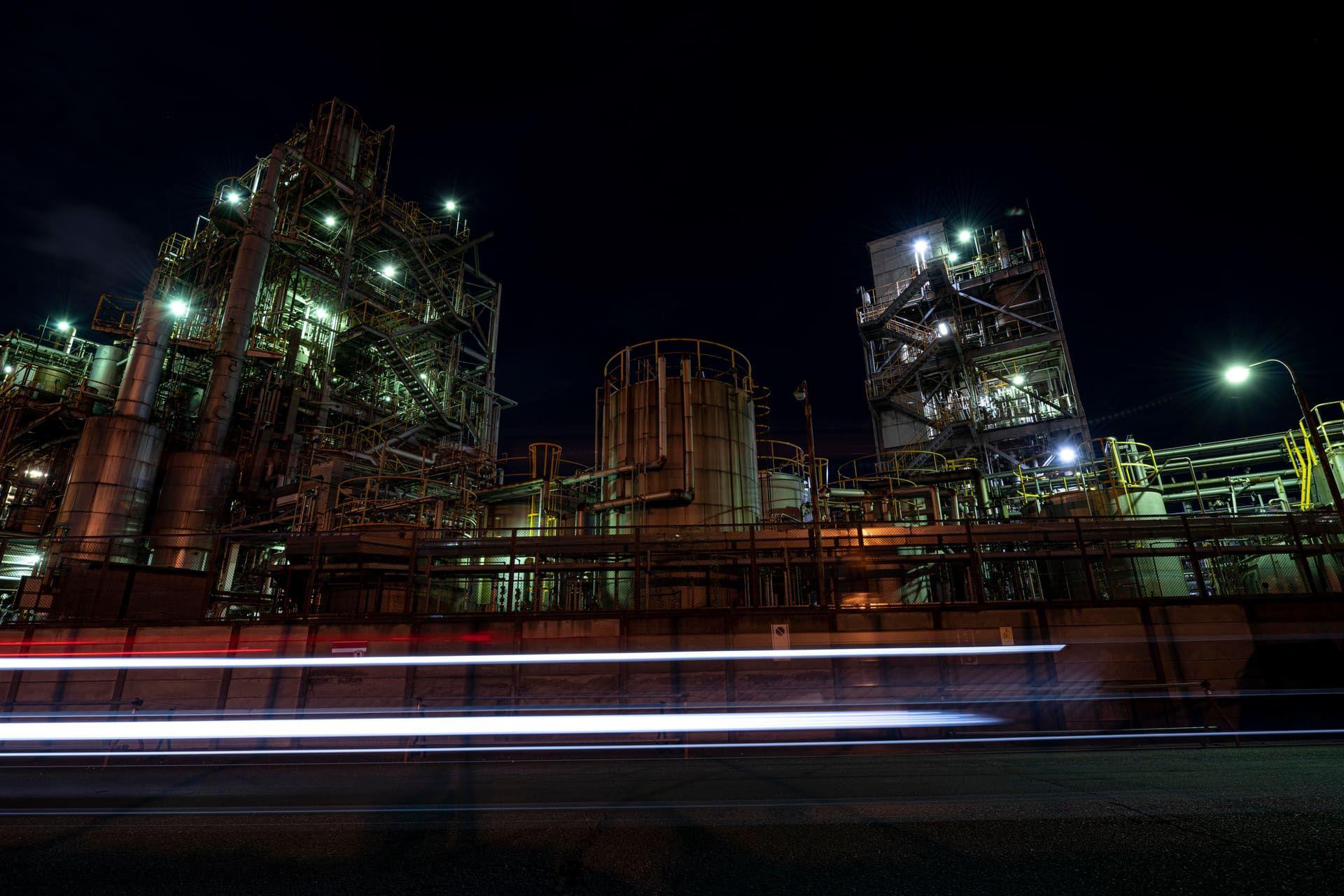
Industrial Process Automation Systems
An industrial process automation system links field instruments, a programmable logic controller (PLC), operator screens and sometimes a supervisory SCADA layer, so a plant's pumps, valves, heaters and dryers run to a set recipe with alarms and interlocks.
Product Categories
- Herbal, Botanical & Nutraceutical Extraction(9)
- Essential Oils, Spices & Oleoresins(6)
- Fruit & Vegetable Processing(8)
- Starch, Flour, Edible Oil & Food Processing(7)
- Drying & Dehydration Systems(5)
- Evaporation, Concentration & Solvent Recovery(4)
- Pharmaceutical & Industrial Process Equipment(4)
- Cocoa, Shea, Palm Oil & Oilseed Processing(6)
- Cereals, Tubers & Sugar Processing(6)
- Specialty African Botanical & Natural Ingredients(11)
- Specialty Food, Beverage & By-Product Processing(7)
Talk to Kadali Africa Ventures
Send your raw material, product and capacity for a technical proposal.
Contact Kadali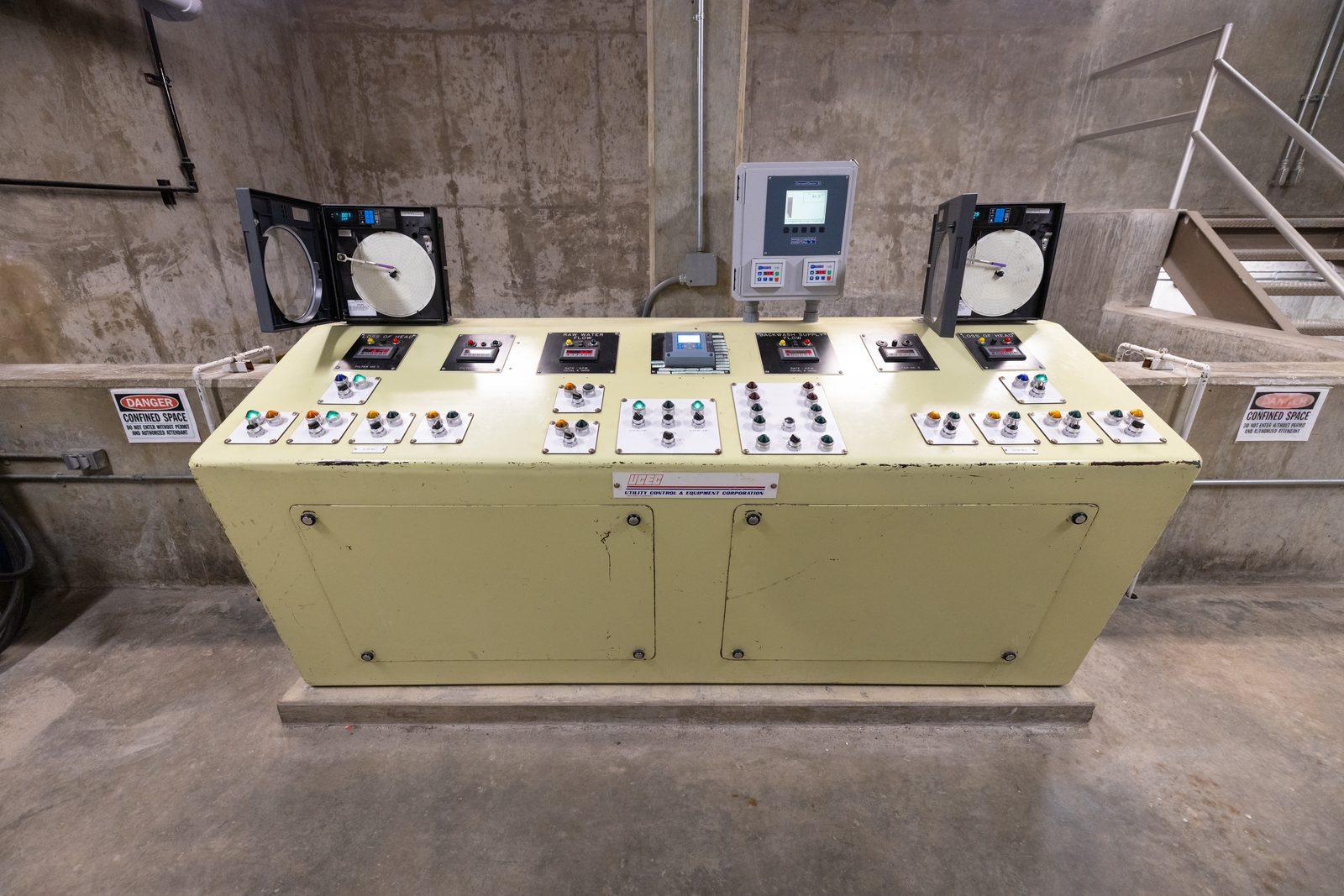
Industrial Process Automation Systems
Its inputs are signals such as temperature, pressure, level, flow, pH, weight and motor status, and its outputs are drive speeds, valve positions, heater power, alarms and batch records. Before a quotation, a buyer should settle the control philosophy, which means manual with indication, semi-automatic or fully automatic, the list of instruments and signals, what must trip safely, what the operators need to see, whether data must go to an office or a remote site, and whether the job is a new plant or a retrofit on existing equipment. The price follows the number of input and output points, panel size, software engineering hours and site cabling, so a clear instrument list is the best route to comparable proposals.
The system has layers. Field instruments such as temperature probes, pressure and level transmitters and flow meters send signals to a PLC, which runs the logic: sequences, PID loops that hold a temperature or flow, and interlocks. Starters and variable-frequency drives carry out its commands on motors, and control valves on process lines. A touch-screen HMI at the machine shows values and alarms, and a SCADA system adds several operator stations, trends, alarm history and, where wanted, remote monitoring over a mobile or internet link. Batch records store recipe set points, times, alarms and operator actions for each run. Dangerous duty, such as flammable solvents or pressure vessels, adds hardwired emergency stops and trips for pressure, temperature or level that act independently of the PLC. The panel itself needs a sealed, cooled enclosure for dust and heat, with surge protection, earthing and a UPS where the grid is unreliable. A new plant is designed around its instrument list and piping diagram. A retrofit keeps sound motors and valves but replaces sensors, starters and the panel, and begins with a survey, because old wiring is often undocumented. Control networks are kept apart from office IT.
Indicative Capacity Range
Project-specific; no universal capacity
Key Specification Inputs
Control philosophy, instrumentation list, PLC/SCADA and safety interlocks.
Technical Specifications
| Technology | PLC-based control with a local HMI and, where needed, a supervisory SCADA layer |
|---|---|
| Control Level | Manual with indication, semi-automatic sequences or fully automatic recipe control, chosen for each machine |
| Instrumentation | Temperature, pressure, level, flow, pH, weight and motor-status signals, set by the instrument list |
| Drives and Starters | Variable-frequency drives where the process or energy saving calls for speed control; direct-on-line or soft starters elsewhere |
| Operator Interface | Local touch screen at the machine, or SCADA stations in a control room |
| Safety Interlocks | Hardwired emergency stops and independent trips for pressure, temperature and level on hazardous duty |
| Data and Batch Records | Alarm, event and batch logging, held locally or on a server, with recipes and protected set points |
| Remote Access | Read-only monitoring or controlled remote support over a secured connection, kept apart from the office network |
| Panel Enclosure | Rating, cooling and sealing chosen for the dust, heat and humidity of the site |
| Power Protection | Surge protection, earthing and a UPS where the supply is unreliable |
| Retrofit Scope | Sound motors and valves reused; sensors, starters and panel replaced after a site survey |
Typical Process Route
Write the Control Philosophy
State what is measured, what is controlled, what the operator must see and what must happen when something goes wrong. A clear control description lets proposals be compared fairly.
Instrument and I/O List
Every sensor, valve, drive and signal is listed with type and range. The count of input and output points sets panel size, cabling and most of the price.
Panel and Network Design
Enclosure, protection devices, power supply and network layout are drawn for the site, with allowance for heat, dust, humidity and an unreliable supply.
Program and Screen Development
PLC logic, sequences, alarm limits and operator screens are written to the control description, with tags named to match the drawings. Recipes and user levels are set at this stage.
Panel Build and Simulation
The panel is built and tested with simulated inputs, so wiring errors and interlock faults are found before the system is anywhere near the plant.
Site Wiring and Loop Checks
Cables are run, earthing is checked, and every loop is tested from sensor to screen. A loop that reads wrongly now would otherwise cause a bad batch later.
Commissioning with the Process
The system is run on water, then on product, with loop tuning and alarm limits adjusted against real behaviour. Nuisance alarms are removed so operators trust the real ones.
Training, Backups and Handover
Operators learn the alarms and manual mode, and the buyer receives a backup of the program, passwords, drawings and the alarm and interlock list.
Process & Equipment Modules
- PLC with input and output modules
- Touch-screen HMI at the machine
- SCADA server and operator station
- Temperature, pressure, level and flow transmitters
- Variable-frequency drives and motor starters
- Control panel enclosure with protection devices
- Emergency-stop and safety-relay circuit
- Control valves and actuators
- Junction boxes, cable trays and glands
- Network switch and remote-access gateway
- UPS and surge protection
Plant Output
Applications
- Batch control of extraction, evaporation and distillation plants
- Temperature control of dryers, ovens and roasters
- Level and flow control on juice, oil and syrup lines
- Motor control and sequencing for conveyors, mills and presses
- Dosing and blending to a recipe
- Clean-in-place sequencing for tanks and lines
- Steam, cooling-water and compressed-air monitoring
- Remote monitoring for sites with few trained operators
Key Features
Control Philosophy Written First
A short document that says what is measured, controlled, shown and tripped keeps programmer, operator and buyer working from the same description.
Hardwired Safety Trips
On dangerous duty, emergency stops and key trips act independently of the PLC, so a software fault cannot defeat them.
Alarms Operators Can Act On
Alarms are prioritised and limited to those with a clear response. A screen full of nuisance alarms teaches operators to ignore the real one.
Manual Fallback
Each drive and valve can be run by hand, so production continues while an instrument or program fault is repaired.
Buyer-Owned Program and Passwords
The program, backup and access rights belong to the plant owner, and set points are protected from casual editing.
Panels Built for the Site
Enclosure rating, cooling, surge protection and a UPS are sized for local dust, heat, humidity and power cuts.
Country Pages for Industrial Process Automation Systems
This product is listed on the pages of the countries below, each with its own enquiry route. Where Kadali has no office in a country, enquiries are handled from the Accra office.
Frequently Asked Questions
What information is needed to size Industrial Process Automation Systems?
What capacity range does Industrial Process Automation Systems cover?
Is SCADA needed, or is a PLC with a touch screen enough?
Should the work be a retrofit or a new system?
What should be an interlock and what should be only an alarm?
Who should own the program, the backups and the passwords?
Can the plant be monitored remotely, and is it safe?
How do power cuts, heat and dust affect the controls?
How do I request a proposal for Industrial Process Automation Systems?
Enquire about Industrial Process Automation Systems
Send your raw material, target product and capacity to Kadali Africa Ventures for a technical proposal.