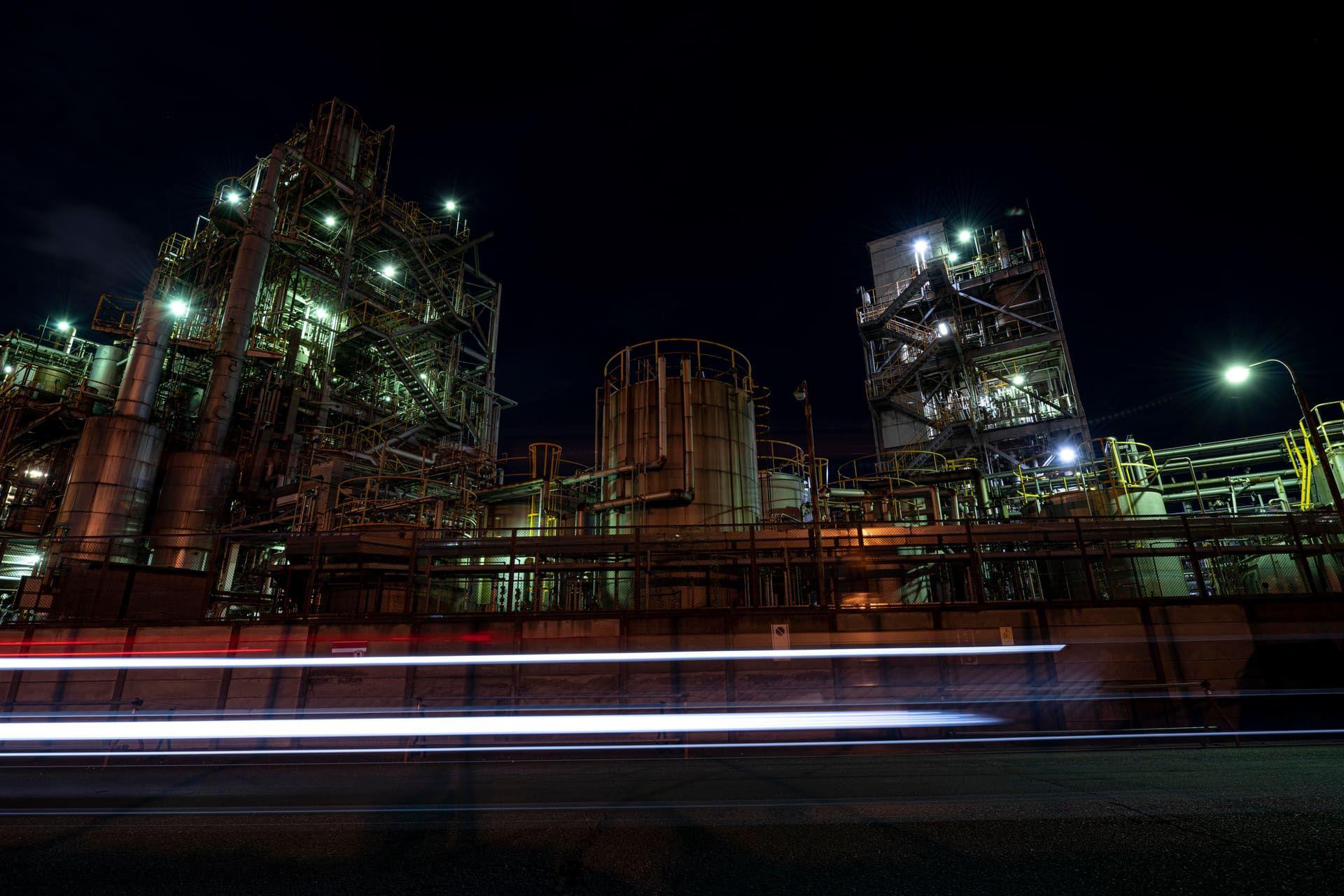
Fish Oil Recovery & By-Product Processing Plants
A fish oil recovery plant turns heads, frames, trimmings, offal or whole small fish into crude oil and, where wanted, fish meal, by cooking, pressing or decanting, and separating.
Product Categories
- Herbal, Botanical & Nutraceutical Extraction(9)
- Essential Oils, Spices & Oleoresins(6)
- Fruit & Vegetable Processing(8)
- Starch, Flour, Edible Oil & Food Processing(7)
- Drying & Dehydration Systems(5)
- Evaporation, Concentration & Solvent Recovery(4)
- Pharmaceutical & Industrial Process Equipment(4)
- Cocoa, Shea, Palm Oil & Oilseed Processing(6)
- Cereals, Tubers & Sugar Processing(6)
- Specialty African Botanical & Natural Ingredients(11)
- Specialty Food, Beverage & By-Product Processing(7)
Talk to Kadali Africa Ventures
Send your raw material, product and capacity for a technical proposal.
Contact Kadali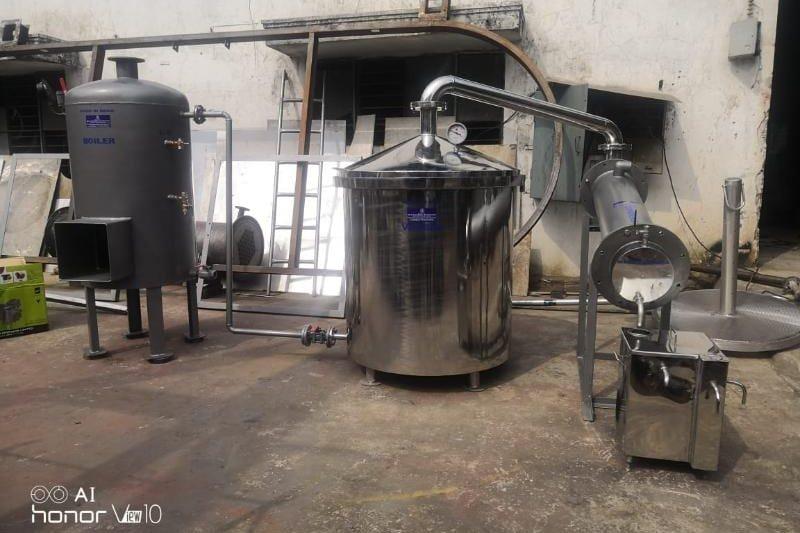
Fish Oil Recovery & By-Product Processing Plants
The raw material spoils quickly, so the cold chain from landing to cooker shapes oil quality as much as the equipment does. A buyer has to settle first which species and by-products will be supplied, how fresh they will be on arrival, how many tonnes come in each day across the season, and whether the plant makes oil alone or oil with meal. Fat content swings with species and season, so oil recovery per tonne means little until those are stated. The cooker, press or decanter and separators follow from the daily tonnage. Odour collection and wastewater handling are sized from the same figure and often decide whether a site can be permitted at all. Steam, cooling water, hot water for polishing and a route out for cake, meal and sludge complete the definition.
Raw material is ground and cooked with indirect steam, which breaks the cells, coagulates protein and frees the oil and water held in the tissue. The cooked mass goes to a screw press, or to a decanter, which splits it into press cake and a liquor of oil, water and fine solids. A decanter and then a disc-stack separator divide the liquor into oil, stickwater and sludge. Stickwater still carries dissolved protein and some oil, so many plants evaporate it and mix the concentrate back into the cake before drying; this also cuts the effluent to be treated. A rotary dryer turns the cake into meal, heated either by hot gas in direct contact or by steam-heated surfaces. The choices that change the plant are oil only or oil with meal, direct or indirect drying, whether stickwater is evaporated or treated as effluent, and batch cookers for small tonnages or a continuous line for larger ones. The oil leaves the separators wet and impure, so it is washed with hot water and polished before it goes to sealed storage.
Indicative Capacity Range
- 0.5–10 tonnes by-product/day
Key Specification Inputs
Cold chain, rendering, oil oxidation, odour and wastewater.
Technical Specifications
| Technology | Wet rendering: cooking, pressing or decanting, then separation of oil, stickwater and solids |
|---|---|
| Raw Material | Heads, frames, trimmings, offal or whole small fish; species and freshness set the design basis |
| Configuration | Oil only, or oil with stickwater evaporation and a meal drying section |
| Operating Mode | Batch cookers for small tonnages or a continuous cooker, press and decanter line, chosen by daily tonnage and how steady the supply is |
| Heat Source | Steam from a boiler on local fuel; hot gas where a direct-fired dryer is chosen |
| Contact Material | Stainless steel where oil, liquor and condensate are handled; wear-resistant parts on press screws |
| Oil Polishing | Hot-water wash and centrifugal separation ahead of storage |
| Meal Dryer | Rotary dryer, direct hot-gas or indirect steam-heated, chosen by fire risk, dust control and fuel cost |
| Odour Control | Hooded exhaust from cooker, press and dryer to condensing and gas treatment |
| Utilities | Steam, cooling water, hot water and electric power, plus ice or cold storage for raw material |
| Final Output | Crude fish oil, with fish meal where a dryer is included |
Typical Process Route
Raw Material Reception and Grinding
By-products are received chilled, weighed, cleared of foreign matter and ground to an even size. Warm holding at this point lets bacteria and enzymes break down the fat, which raises free fatty acids in the oil and worsens the smell of everything downstream.
Cooking
Ground material is heated with indirect steam until the cells open and the oil is released. Good cooking shows up as a mass that presses well, so it is judged on the plant's own raw material at commissioning and not assumed.
Pressing or Decanting
A screw press or decanter takes the liquid out of the cooked mass and leaves press cake. An undercooked mass leaves oil in the cake and blinds the press screens.
Separating Oil, Stickwater and Solids
The liquor is cleared of fine solids and the oil is split from the stickwater in a centrifugal separator. Feed temperature and throughput are matched so that oil is not carried away in the water phase.
Oil Polishing
The oil is washed with hot water to draw out impurities and then polished in a centrifuge before it reaches storage. Water and fine solids left in the oil shorten its storage life and raise its acidity.
Stickwater Evaporation
Stickwater is concentrated in an evaporator and the concentrate is returned to the cake. This recovers dissolved solids and reduces wastewater, but the liquor fouls heating surfaces and needs steam and regular cleaning.
Fish Meal Drying and Milling
Where meal is made, the cake is dried in a rotary dryer and milled. Dryer temperatures, dust handling and exhaust collection need attention, because meal from oily fish can heat and ignite and dryer exhaust is a main source of odour.
Odour Collection and Oil Storage
Vapour from the cooker, press and dryer is hooded and ducted to condensing and treatment. The polished oil goes to sealed, cool tanks kept full where possible, to limit contact with air.
Process & Equipment Modules
- Chilled raw material reception and holding
- Grinder with feed hopper and screw
- Indirect steam cooker
- Screw press or decanter
- Decanter centrifuge for solids removal
- Disc-stack oil separator and polisher
- Hot-water wash tank
- Stickwater evaporator
- Rotary meal dryer and mill
- Odour collection hoods, ducts and treatment unit
- Sealed oil storage tanks
- Wastewater interface and solids removal
Plant Output
Applications
- Crude fish oil sold to refiners and oil blenders
- Fish meal from the press cake for compounding by animal feed makers
- Oil and meal from heads, frames and trimmings left by canning and filleting
- Oil and meal from small pelagic fish landed in surplus
- Rendering of offal from fish markets and landing sites that otherwise goes to waste
- Oil as an input to aquaculture feed formulation
- Pilot runs to test a new species or by-product stream before a full plant is sized
Key Features
Freshness Protected Upstream
Chilled holding and a short path from landing to cooker are treated as part of the plant boundary, since warm raw material deteriorates before any equipment sees it.
Cooker Matched to the Raw Material
Indirect steam cooking is set against the species and fat level, and is checked by how well the cooked mass presses on your own raw material.
Oil Alone or Oil with Meal
The oil circuit can stand on its own. Adding stickwater evaporation and a dryer makes meal and recovers more solids, but brings dust, heat and exhaust duty.
Odour Collection Built In
Hoods, ducts and a treatment stage at the cooker, press and dryer are scoped from the start, because that is where the smell leaves the plant.
Hot-Water Polishing Before Storage
A hot-water wash and centrifuge ahead of sealed tanks keep the oil stable, and the hot-water supply belongs on the utilities list.
Country Pages for Fish Oil Recovery & By-Product Processing Plants
This product is listed on the pages of the countries below, each with its own enquiry route. Where Kadali has no office in a country, enquiries are handled from the Accra office.
- Fish Oil Recovery & By-Product Processing Plants: Senegal
- Fish Oil Recovery & By-Product Processing Plants: Gambia
- Fish Oil Recovery & By-Product Processing Plants: Mauritania
- Fish Oil Recovery & By-Product Processing Plants: Cabo Verde
- Fish Oil Recovery & By-Product Processing Plants: Somalia
- Fish Oil Recovery & By-Product Processing Plants: Djibouti
- Fish Oil Recovery & By-Product Processing Plants: Eritrea
- Fish Oil Recovery & By-Product Processing Plants: Seychelles
- Fish Oil Recovery & By-Product Processing Plants: South Africa
- Fish Oil Recovery & By-Product Processing Plants: Namibia
- Fish Oil Recovery & By-Product Processing Plants: Egypt
Related Products
Frequently Asked Questions
What information is needed to size Fish Oil Recovery & By-Product Processing Plants?
What capacity range does Fish Oil Recovery & By-Product Processing Plants cover?
Does the species of fish change where the oil comes from?
How fresh does the raw material need to be?
Should the plant make fish meal as well as oil?
Does a fish meal dryer add a fire or dust risk?
Why is odour such a demanding issue at a fish oil plant?
What happens to the stickwater and the wash water?
How do I request a proposal for Fish Oil Recovery & By-Product Processing Plants?
Enquire about Fish Oil Recovery & By-Product Processing Plants
Send your raw material, target product and capacity to Kadali Africa Ventures for a technical proposal.