This page is for plant owners and production managers who suspect that a line is under-performing. Output may be below the planning figure, yield may be drifting, the product may miss its specification, or energy and water bills may look high. The difficulty is that everyone has an opinion on the cause and nobody has measured it.
Performance validation sets out to measure first. It compares what the plant does with what it was specified to do, then looks for the cause of any gap among the feed, the operation, the equipment condition and the design. Optimisation follows from the findings. This is a technical review, not a certificate, and it does not guarantee any figure. What is measured, by whom and how it is recorded are agreed for each project.
What This Service Delivers
- Measured results set against the project specification instead of opinion
- A traceable test method with logged readings
- A likely cause identified among feed, operation, equipment and design
- Utility use expressed per unit of product, so waste becomes visible
- Improvement options ranked, with any equipment change scoped separately
1What a Review Measures
- Throughput: Feed processed per hour over a steady period, set against the capacity planned for the product.
- Yield and losses: How much finished product comes from a given amount of feed, and where the rest goes: residue, effluent, carry-over or spillage.
- Product quality: Moisture, concentration, purity or colour as defined in the project specification.
- Utility use per unit of product: Power, fuel, steam, water and cooling consumed for each unit of output, compared with a baseline from an earlier period so that changes can be quantified.
2Making a Test Worth Trusting
A short run on unusually good feed proves very little. A useful test uses representative raw material, runs long enough to reach steady operation, and relies on instruments whose loop checks and calibration are up to date. Feed, product and utility readings are logged at set intervals by named people, so the figures can be traced and challenged. Where a process step is still uncertain, a pilot trial can be arranged to separate a design question from an operating one.
3Common Causes of a Shortfall
- The feed has changed: Wetter, drier, coarser or less uniform material than the design assumed.
- The operation has drifted: Set-points, loading or cleaning intervals that have moved away from the agreed procedure. On an evaporator, raising the heating temperature to make up for a fouled surface can increase the fouling rate.
- The equipment has aged: Fouled heat-transfer surfaces, which add to energy input and lost productivity, worn seals, leaking joints or, on an evaporator, lost vacuum, found through inspection. Evaporators are commonly run under vacuum to lower the boiling point and limit thermal damage.
- The specification was optimistic: A planning figure that did not allow for the real feed or working pattern.
4Information That Speeds the Review
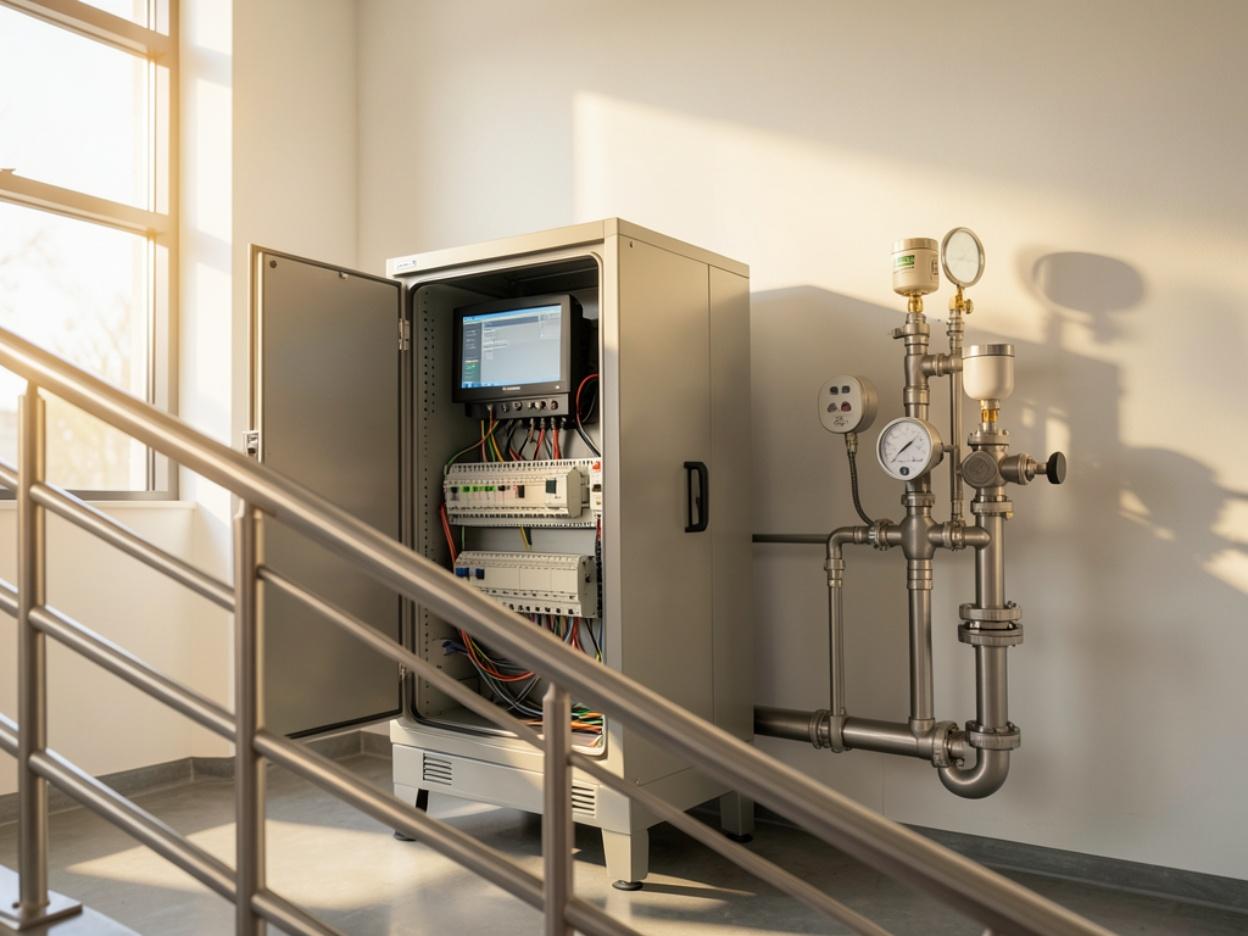
A review starts faster when you can lay out the original specification, any performance figures agreed at purchase, recent production logs, and notes on what changed before the problem began. Photographs of the control panel during a typical run are often more useful than a long description. Where records do not exist, the first task is simply to begin keeping them.
5Limits of This Service
A review is technical advice, not an approval or licence. Product registrations, quality approvals and regulatory acceptance remain with the competent authorities. Findings and recommended changes are discussed with you and recorded; any change to equipment is scoped separately.
Frequently Asked Questions
Is performance validation the same as pharmaceutical process validation?+
Can the review be done while the plant is in normal production?+
What if there is no original specification to compare against?+
Will the review recommend buying new equipment?+
Can this help reduce energy and water use?+
Related Product Categories
Related Products
Enquire About Performance Validation & Optimisation
Tell Kadali Africa Ventures about your raw material, target product and capacity, and the technical proposal will set out the scope for your project.