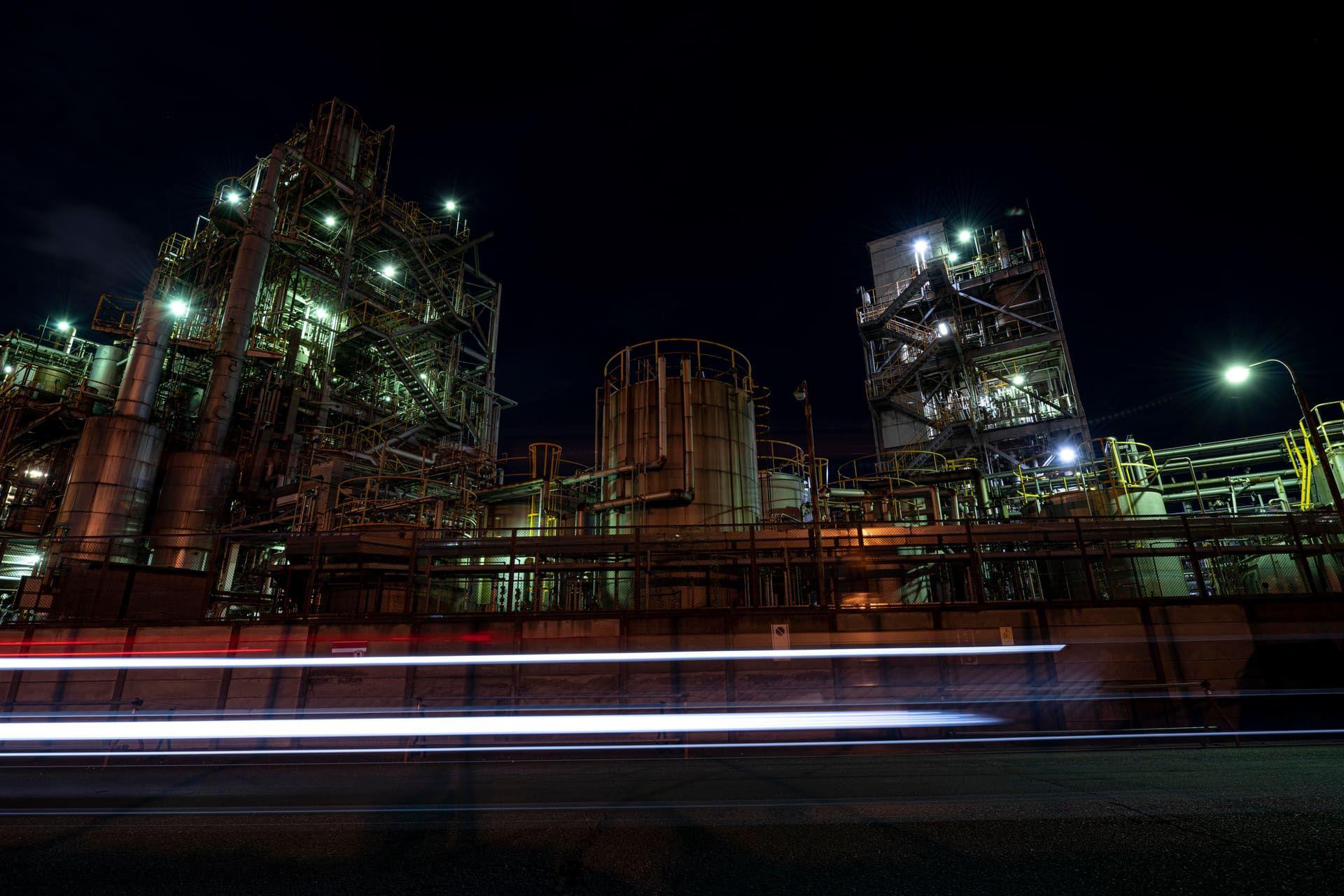
Dairy Evaporation & Spray Drying Plants
A dairy evaporation and spray drying plant turns fresh milk into concentrate or milk powder by heat treatment, vacuum evaporation and spray drying, with cooling and packing at each end.
Product Categories
- Herbal, Botanical & Nutraceutical Extraction(9)
- Essential Oils, Spices & Oleoresins(6)
- Fruit & Vegetable Processing(8)
- Starch, Flour, Edible Oil & Food Processing(7)
- Drying & Dehydration Systems(5)
- Evaporation, Concentration & Solvent Recovery(4)
- Pharmaceutical & Industrial Process Equipment(4)
- Cocoa, Shea, Palm Oil & Oilseed Processing(6)
- Cereals, Tubers & Sugar Processing(6)
- Specialty African Botanical & Natural Ingredients(11)
- Specialty Food, Beverage & By-Product Processing(7)
Talk to Kadali Africa Ventures
Send your raw material, product and capacity for a technical proposal.
Contact Kadali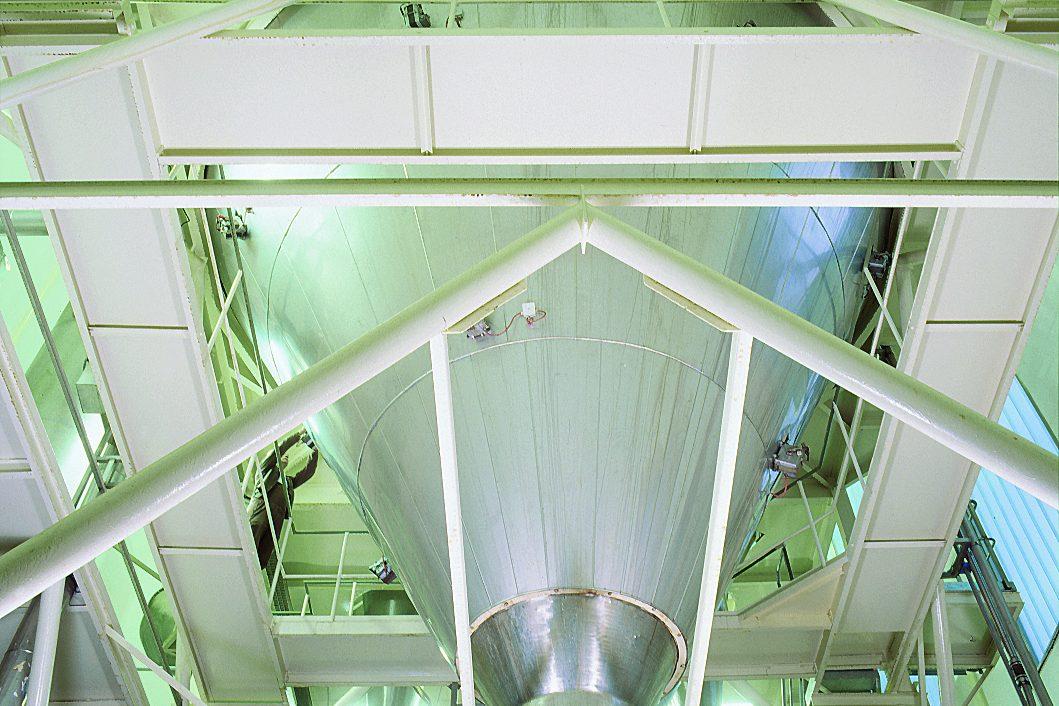
Dairy Evaporation & Spray Drying Plants
It suits dairies, cooperatives and processors that collect more milk in the wet season than the local market can use, or that want a storable powder to replace imports. The first points to settle are the milk volume and how it varies through the year, the product (concentrate, skim powder or whole powder), how milk reaches the plant and how well it is chilled on the way, and the steam, water and power the site can supply. Evaporation capacity is stated as water removed per hour, so the daily milk intake must be converted to that basis. Heat treatment, feed solids and the fat level set how fast the evaporator fouls and how sticky the powder is in the dryer. A hygienic stainless-steel line with cleaning in place and a dry packing room is part of the definition.
Milk is received cold, standardised for fat and solids, and heat treated before it is concentrated. The heat treatment is not only about safety: how severe it is changes the protein, the fouling rate of the evaporator and how the powder behaves when it is reconstituted. Concentration happens under vacuum in a falling-film evaporator, so that the milk boils at a low temperature and keeps its flavour and colour. The number of effects, or the use of vapour recompression, is a steam-cost decision. Concentrate is then atomised into hot air in a spray drying chamber. A rotary disc or a high-pressure nozzle forms the droplets, and the choice affects particle size and bulk density. Fat-rich whole milk is stickier than skim and needs more careful chamber and air design. An integrated fluid bed can agglomerate the powder for better wetting and flow, and also gives the final cooling. Dairy protein and mineral deposits build on heated surfaces and chamber walls, so cleaning-in-place circuits and dryer wall design matter as much as nominal capacity.
Indicative Capacity Range
- 100–10,000 kg water evaporation/hour
Key Specification Inputs
Feed Brix, boiling point rise, fouling, steam economy, vacuum.
Technical Specifications
| Technology | Milk reception, heat treatment, vacuum evaporation and spray drying as one line |
|---|---|
| Feed | Raw cow milk, and other dairy streams such as skim milk or whey after trials |
| Product Options | Concentrate, skim milk powder or whole milk powder; instant powder where agglomeration is added |
| Evaporator Type | Falling-film, with one or more effects, or vapour recompression where steam is costly |
| Dryer Configuration | Single-stage spray dryer, or with an integrated fluid bed for agglomeration and final cooling |
| Atomiser | Rotary disc or high-pressure nozzle, chosen against the powder properties wanted |
| Heat Source | Steam from a boiler on local fuel; indirect or direct heating of the drying air chosen by cost and product |
| Contact Material | Stainless steel with sanitary fittings and drainable pipework |
| Cleaning | Cleaning-in-place circuits for heat treatment and evaporation; dry cleaning on the powder side |
| Powder Safety | Surface temperature limits, explosion venting or suppression and dust collection on dryer and powder handling |
| Utilities | Steam, cooling water, chilled water, filtered air, compressed air and electric power |
Typical Process Route
Milk Reception and Chilling
Milk is weighed, sampled, filtered and cooled on arrival. Quality tests at the door decide whether a load is accepted, because souring and contamination cannot be corrected later in the line.
Standardisation
Fat and solids are adjusted for the product, skim, whole or a blend, by separating the cream and mixing back as needed. The balance set here changes how the powder behaves in the dryer and in storage.
Heat Treatment
Milk is pasteurised or given a stronger heat treatment before evaporation. Severity affects protein, evaporator fouling and the functional properties of the finished powder, so it is specified, not left to default settings.
Vacuum Evaporation
Milk is concentrated under vacuum in a falling-film evaporator at a low boiling temperature. Viscosity rises as solids increase and protein and mineral deposits build on the tubes, so the run length between cleans is set by fouling and not by capacity.
Spray Drying
Concentrate is heated and atomised into hot air in the drying chamber. Feed solids, droplet size and air temperature fix the moisture and structure of the powder; wall deposits and scorched particles are the usual faults.
Agglomeration and Fines Return
Fine powder is returned to the atomising zone or agglomerated in a fluid bed. The coarser, more porous particles wet and flow better, which matters for instant powders.
Powder Cooling and Sifting
Powder leaves the dryer warm and is cooled and sifted before packing. Packing warm powder lets moisture and fat migrate and the powder cakes in the bag.
Packing
Powder is filled in a clean, dry room into barrier packs. In a humid climate, packing-room humidity and the pack's moisture barrier set shelf life more than the dryer does.
Cleaning in Place
Heat treatment and evaporator circuits are cleaned in a set cycle with alkali and acid. Checking the returning cleaning solution for protein and cloudiness shows whether fouling is building and whether a clean has worked.
Process & Equipment Modules
- Milk reception and chilling tank
- Clarifier and cream separator
- Plate pasteuriser with holding section
- Falling-film evaporator with vapour separator
- Condenser and vacuum system
- Concentrate feed tank and high-pressure pump
- Spray drying chamber with atomiser
- Air heater, inlet filters and fans
- Cyclone or bag filter for powder recovery
- Fluid-bed cooler or agglomerator
- Sifter and powder packing station
- Cleaning-in-place station
Plant Output
Applications
- Whole milk powder for retail packs, institutional supply and import replacement
- Skim milk powder for recombining into milk, yoghurt and ice cream mixes
- Milk concentrate for further processing or for drying later
- Turning wet-season milk surplus into a storable powder
- Agglomerated instant powder for sachets and vending drinks
- Dairy ingredient powders for bakery, confectionery and chocolate makers
- Whey and other dairy streams concentrated and dried after trials
Key Features
Low-Temperature Evaporation
Falling-film evaporation under vacuum keeps the boiling temperature low, which protects milk flavour, colour and protein.
Heat Treatment Specified for the Product
Heat severity is chosen with the powder in mind, because it also governs how fast the evaporator fouls.
Fouling Run Length Designed In
Evaporator type, heat-treatment severity and cleaning circuits are chosen together so that runs between cleans fit the shift pattern.
Dryer Suited to Whole or Skim
Chamber size, atomiser and air flow follow the fat level, since whole milk concentrate sticks to surfaces far more readily than skim.
Dust and Fire Protection
Milk powder is an explosible dust, so surface temperatures, venting and dust collection are part of the dryer and powder-handling design.
Hygienic Stainless Circuit
Product-contact parts are stainless steel with smooth welds and drainable pipework, cleaned in place on the wet side and kept dry on the powder side.
Country Pages for Dairy Evaporation & Spray Drying Plants
This product is listed on the pages of the countries below, each with its own enquiry route. Where Kadali has no office in a country, enquiries are handled from the Accra office.
- Ghana
- Nigeria
- Côte d’Ivoire
- Senegal
- Benin
- Togo
- Burkina Faso
- Mali
- Guinea
- Sierra Leone
- Liberia
- Gambia
- Mauritania
- Guinea-Bissau
- Niger
- Cabo Verde
- Kenya
- Tanzania
- Uganda
- Ethiopia
- Rwanda
- Burundi
- South Sudan
- Djibouti
- Eritrea
- Seychelles
- Cameroon
- Democratic Republic of Congo
- Republic of Congo
- Gabon
- Angola
- Equatorial Guinea
- Central African Republic
- Chad
- São Tomé and Príncipe
- South Africa
- Zambia
- Mozambique
- Zimbabwe
- Malawi
- Botswana
- Namibia
- Eswatini
- Comoros
- Lesotho
- Algeria
- Libya
Related Products
Frequently Asked Questions
What information is needed to size Dairy Evaporation & Spray Drying Plants?
What capacity range does Dairy Evaporation & Spray Drying Plants cover?
Does the plant need a milk collection and cooling network?
Why does milk concentrate foul the evaporator?
Whole milk powder or skim milk powder: how does the line change?
Why does milk powder cake or clump in storage?
Is milk powder a dust explosion risk?
How does this line differ from a stand-alone spray dryer or evaporator?
How do I request a proposal for Dairy Evaporation & Spray Drying Plants?
Enquire about Dairy Evaporation & Spray Drying Plants
Send your raw material, target product and capacity to Kadali Africa Ventures for a technical proposal.