Hibiscus Extraction Plant
Part of the Kadali Africa Ventures catalogue. Send your raw material, target product and capacity for a technical proposal. Request a quote →
Product Categories
- Herbal, Botanical & Nutraceutical Extraction(9)
- Essential Oils, Spices & Oleoresins(6)
- Fruit & Vegetable Processing(8)
- Starch, Flour, Edible Oil & Food Processing(7)
- Drying & Dehydration Systems(5)
- Evaporation, Concentration & Solvent Recovery(4)
- Pharmaceutical & Industrial Process Equipment(4)
- Cocoa, Shea, Palm Oil & Oilseed Processing(6)
- Cereals, Tubers & Sugar Processing(6)
- Specialty African Botanical & Natural Ingredients(11)
- Specialty Food, Beverage & By-Product Processing(7)
Talk to Kadali Africa Ventures
Send your raw material, product and capacity for a technical proposal.
Contact Kadali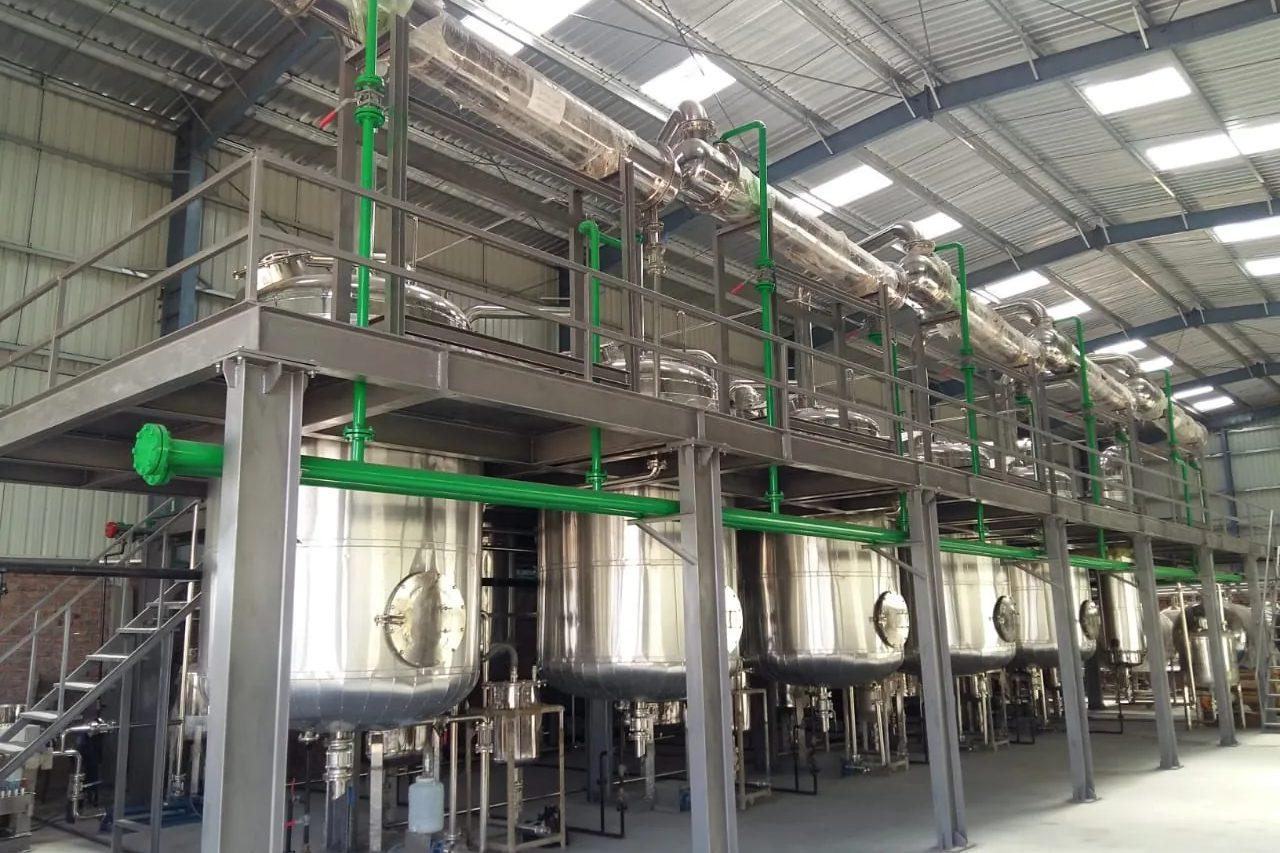
Hibiscus Extraction Plant
This plant is for ingredient makers who source hibiscus and want to sell a concentrated extract rather than dried flowers. The raw material most often meant in Africa is the roselle calyx (Hibiscus sabdariffa, known in Arabic as karkadeh and grown in countries such as Sudan, Egypt and Nigeria), though some hibiscus extracts are made from Hibiscus rosa-sinensis flowers, which are a different species. So the first decision is botanical: which species, which plant part (flower, petal or calyx), fresh or dried, and at what moisture. The second is the product, because three targets are listed: a red natural colour extract rich in anthocyanins, a standardised hibiscus liquid extract quoted with an HCA figure, and a mucilage and anthocyanin extract from calyces. Each can leave the plant as a liquid concentrate or, where a powder is needed, a dried extract.
The scope is the extraction plant itself. It begins with a cleaning and size-reduction section, then closed jacketed SS 316L extraction vessels, plate-and-frame and cartridge filtration, a falling-film / vacuum evaporator with solvent recovery, a standardisation vessel and, if a powder is wanted, a spray or vacuum dryer. CIP and PLC-based automation complete it. Hibiscus anthocyanins are sensitive to pH, heat, light and oxygen, so medium, acidity and temperature are chosen to hold the colour. A stand-alone line for drying, sorting or milling hibiscus flowers is outside this scope. Configuration follows raw material, product target and capacity.
Indicative Capacity Range
- 100–5,000 kg feed/day
Key Specification Inputs
Extraction solvent/water, extraction stages, batch time, filtration and recovery.
Technical Specifications
| Plant type | Turnkey hibiscus extraction on a solvent or water-based route |
|---|---|
| Raw material | Hibiscus flowers or calyces; species, plant part and whether fresh or dried are confirmed with the buyer |
| Product targets | Red colour (anthocyanins); standardised liquid extract (HCA as listed on the product page); calyx mucilage with anthocyanins |
| Extraction routes | Food-grade alcohol or aqueous extraction in sealed jacketed SS 316L extractors; subcritical water and enzyme-assisted options are screened for calyx mucilage and anthocyanins |
| Filtration | Plate-and-frame press with cartridge polish filters on the solvent route; filtration or centrifuging on the water-based routes |
| Concentration | Falling-film / vacuum evaporator, with a closed solvent-recovery loop |
| Drying | Spray or vacuum dryer when a powder is required |
| Contact surfaces | SS 316L, electropolished and cleaned in place |
| Controls | PLC-based, with PLC-SCADA available to suit the project |
| Utilities | Steam, chilled or cooling water, compressed air and power, confirmed per project |
| Plant capacity | Set per project from raw-material supply |
| Outside scope | Stand-alone hibiscus flower drying, sorting and powder-milling lines |
Typical Process Route
Sorting and Preparation
Flowers or calyces are sorted, cleared of dust and foreign matter and, where needed, crushed or milled so that pigment or mucilage is released evenly into the extraction medium. Species, form and moisture are confirmed with the buyer.
Extraction
Prepared material is extracted over several cycles in sealed jacketed SS 316L vessels at controlled temperature, using a food-grade alcohol or water-based medium. Subcritical water and enzyme-assisted extraction are the options screened for calyx mucilage and anthocyanins.
Clarification
A plate-and-frame press and cartridge polish filters clarify the solvent-route extract, while the water-based routes use filtration or centrifuging.
Concentration and Solvent Return
The extract is concentrated in a falling-film / vacuum evaporator so the pigment sees little heat, and solvent is condensed and returned for reuse.
Standardisation
The concentrate is checked against the buyer's declared target, for example colour strength for the colour extract, and adjusted before finishing.
Drying or Liquid Finish
If a powder is needed, the standardised extract is spray- or vacuum-dried. Otherwise it leaves the plant as a liquid concentrate.
Testing and Release
Batches are released on the agreed assay plus residual-solvent, heavy-metal, microbial and moisture tests, with methods defined during process development.
Major Plant Equipment
- Cleaning and size-reduction section
- Closed jacketed SS 316L extraction vessels
- Solvent storage tanks
- Plate-and-frame filter press
- Cartridge polish filters
- Falling-film / vacuum evaporator
- Solvent recovery unit with condensers
- Standardisation and blending vessel
- Spray dryer or vacuum dryer (powder route)
- Jacketed enzyme reaction vessel with pH and temperature control (enzyme-assisted route)
- Clean-in-place (CIP) skid
- PLC-based controls and instruments
Plant Output
Applications
- Natural colour and dye ingredient
- Colour for food and drinks
- Colour for cosmetic and personal-care products
- Nutraceutical, Ayurvedic and herbal formulations
- Supplement formulations built on a standardised hibiscus liquid extract
- Herbal drink, infusion and syrup concentrates
Key Features
Three Targets, One Plant Family
Colour extraction, standardised liquid extract and calyx mucilage with anthocyanins are separate products, so the route follows the ingredient you intend to sell.
Colour-Protective Extraction
Anthocyanins shift shade with pH. Medium, acidity and temperature are set in process development to hold the red to reddish-purple tone.
Low-Heat Concentration
A falling-film / vacuum evaporator limits heat on the pigment, and the closed recovery loop returns solvent to the process.
Stainless Build for an Acidic Extract
Hibiscus extract is acidic, so contact surfaces are electropolished SS 316L, cleaned in place between batches.
Trials Before Commitment
Feasibility and pilot work on your own hibiscus is worth doing before the plant is configured; ask in your enquiry whether it can be arranged.
Country Pages for Hibiscus Extraction Plant
This product is listed on the pages of the countries below, each with its own enquiry route. Where Kadali has no office in a country, enquiries are handled from the Accra office.
Related Products
Frequently Asked Questions
Which hibiscus species and plant part should the plant be designed around?
Which hibiscus product should I choose to make?
Why is pH so important for hibiscus colour?
Does this scope include flower drying, sorting or powder-milling lines?
What affects solvent and energy use in a hibiscus plant?
Can the hibiscus extract be spray dried to a powder?
What should I prepare before a pilot trial?
What decides the price of a hibiscus extraction plant?
What should I send to request a hibiscus plant proposal?
Ready to discuss your project?
Call or email Kadali Africa Ventures with your raw material, target product and capacity.