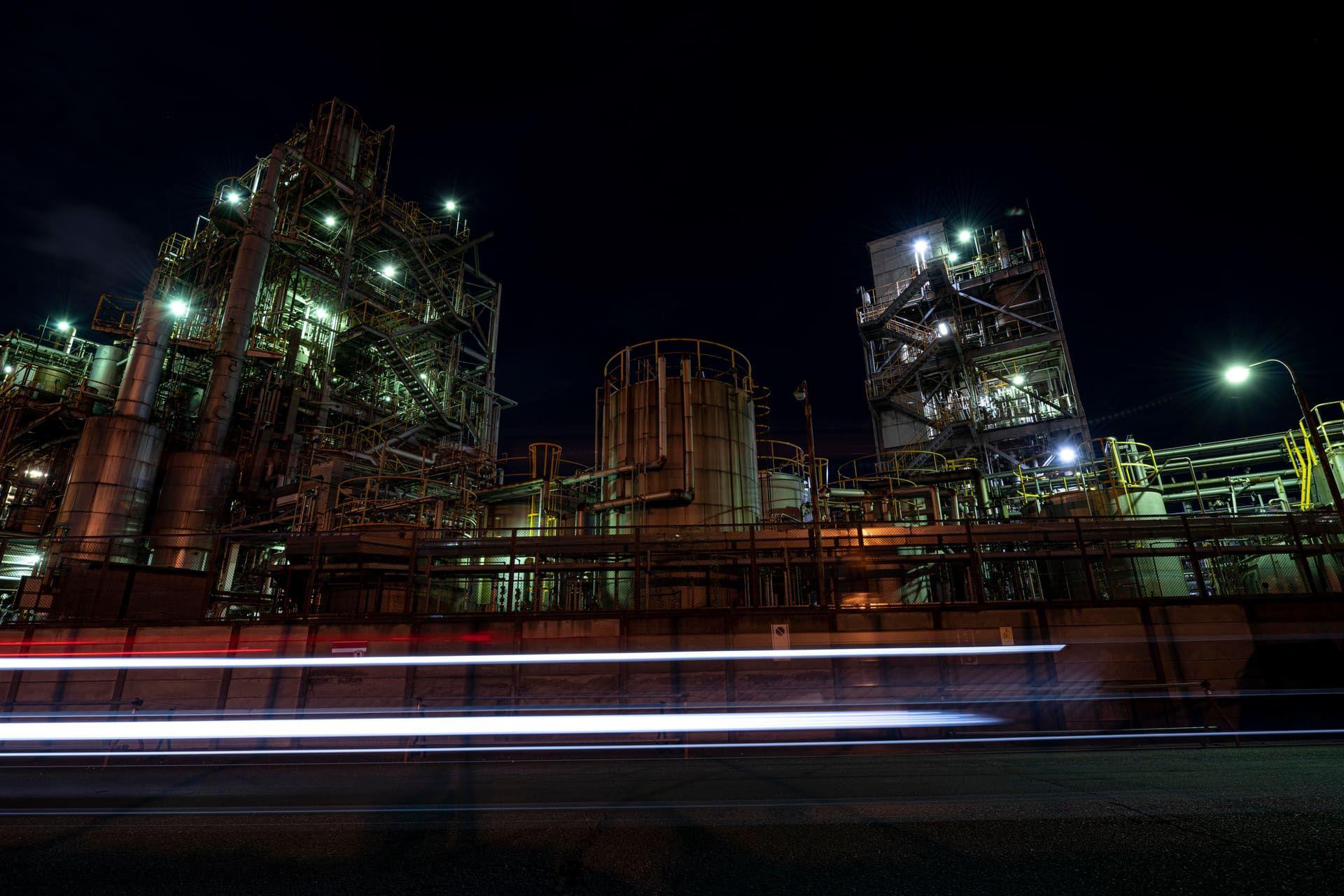
Ginger Processing Plants
A ginger processing plant takes harvested rhizome through washing, peeling, slicing and drying to dried slices or ginger powder, ready for sale or for use as feed to an extraction line.
Product Categories
- Herbal, Botanical & Nutraceutical Extraction(9)
- Essential Oils, Spices & Oleoresins(6)
- Fruit & Vegetable Processing(8)
- Starch, Flour, Edible Oil & Food Processing(7)
- Drying & Dehydration Systems(5)
- Evaporation, Concentration & Solvent Recovery(4)
- Pharmaceutical & Industrial Process Equipment(4)
- Cocoa, Shea, Palm Oil & Oilseed Processing(6)
- Cereals, Tubers & Sugar Processing(6)
- Specialty African Botanical & Natural Ingredients(11)
- Specialty Food, Beverage & By-Product Processing(7)
Talk to Kadali Africa Ventures
Send your raw material, product and capacity for a technical proposal.
Contact Kadali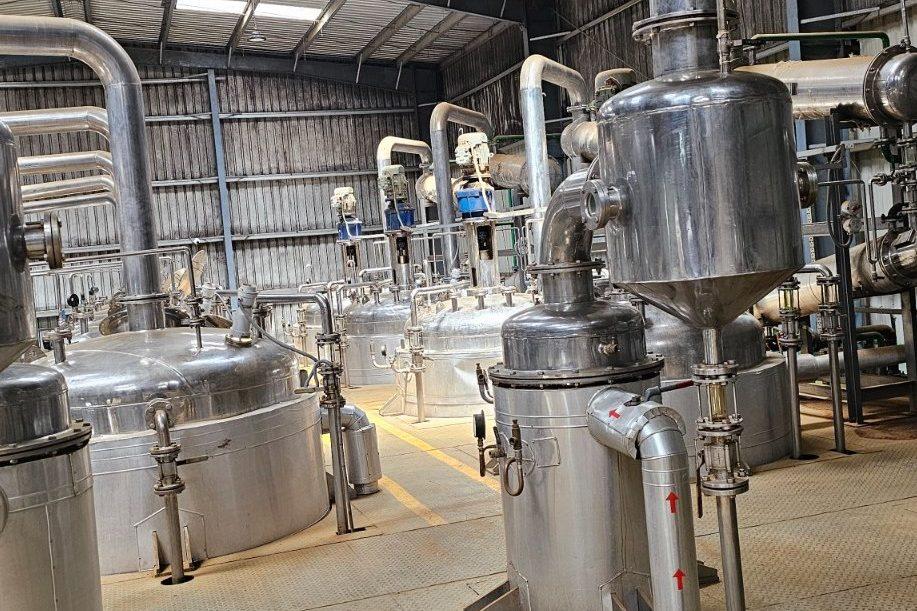
Ginger Processing Plants
Fresh ginger is mostly water and spoils quickly, so the first thing a buyer must settle is whether the plant will receive fresh rhizome at harvest, already dried root, or both. That decides how much washing, peeling, slicing and drying capacity the line needs, because fresh and dried ginger cannot be swapped one for one on a per-day basis. Next come the product form (whole pieces, slices or powder), the colour, pungency and moisture the market expects, and the heat source available for the dryer. Drying temperature and slice thickness change colour, pungency and aroma, so they are design inputs and not details left to commissioning. Oleoresin and oil are made in a separate extraction plant; this page covers the root-to-dried-product line that sits in front of it.
Ginger grows below ground, so the line starts with soil removal. A drum or brush washer with spray water takes off soil and loose skin, and the wash water carries silt, so a settling tank belongs in the layout. Peeling is optional and is decided by the market: it adds a machine, labour and waste, while unpeeled slices take up more moisture from humid air in storage. Slicing sets the drying time, because thin slices dry faster, and it also sets how quickly the dried piece rehydrates, which matters to a drink or tea maker. Blanching is an optional pre-treatment that lowers later moisture uptake. Drying is the step that shapes the product. A higher temperature dries faster but browns the slice, and heat converts gingerols into shogaols, more so with moist heat than with dry heat, so the pungent profile of dried ginger differs from fresh. A two-stage schedule can raise gingerol, while a constant lower temperature keeps more volatile oil, so the schedule follows whether the buyer values pungency or aroma. Dryers are cabinet, tray or belt types, heated by biomass, gas, electricity or steam according to local fuel cost. Dried slices are then milled and sieved to powder with dust collection and cooling, and packed in moisture-barrier bags.
Indicative Capacity Range
- 250–5,000 kg ginger/day
Key Specification Inputs
Fresh/dry feed basis, gingerols/oleoresin targets and moisture.
Technical Specifications
| Technology | Washing, optional peeling, slicing, hot-air drying and milling line for ginger rhizome |
|---|---|
| Feed | Fresh rhizome, dried root or both; fresh feed needs washing and drying capacity, dried feed needs mainly cleaning and milling |
| Product Forms | Dried slices, split pieces or ground powder |
| Peeling | Optional; abrasive or scraping peeler, chosen by market and acceptable waste |
| Slice Thickness | Set by the buyer, balancing drying time against rehydration of the dried piece |
| Dryer Type | Cabinet, tray or belt hot-air dryer, chosen by daily volume and the number of products |
| Heat Source | Biomass, gas, electricity or steam, chosen by local fuel cost and supply |
| Drying Control | Adjustable temperature, airflow and time, with staged profiles where pungency or aroma is targeted |
| Contact Material | Stainless steel on washing, cutting and product-contact surfaces |
| Milling | Hammer or pin mill with sieve, cooling air and dust collection, where powder is made |
| Utilities | Water and drainage; fuel or power for the dryer; power for washing, cutting, fans and milling |
Typical Process Route
Receiving and sorting
Rhizome is weighed, inspected and sorted by size and condition, and rotten or mouldy pieces are removed. Fresh ginger is held briefly in a ventilated, shaded area, because it spoils quickly.
Washing
A drum or brush washer with spray water removes soil from the folds of the rhizome. The wash water carries silt and skin, so it passes through a settling tank before discharge or reuse.
Peeling (optional)
Rhizome is peeled by abrasion or scraping where the market pays for peeled product. Peeling adds waste and labour, so the buyer weighs it against the price that peeled ginger earns.
Slicing or splitting
Ginger is cut into slices or split pieces of a set thickness. Thickness controls the drying time and the rehydration rate of the dried piece, so it is specified and not left to the operator.
Pre-treatment (where specified)
A short blanch or steaming lowers the moisture that dried slices take up later. Moist heat also converts gingerols to shogaols, so the step changes the pungent profile and is decided with the product specification.
Drying
Slices dry on trays or a belt in heated air at a controlled temperature and airflow. Too hot browns the slice and lowers quality, while too slow invites mould, so the profile is trialled on the actual ginger and set against the end moisture.
Cooling and moisture check
Dried slices are cooled and tested for moisture before they are handled further. Warm product packed straight away sweats inside the bag and can turn mouldy.
Milling and sieving
Where powder is sold, dried slices are ground and sieved. Milling heats the product and drives off aroma, and fine ginger dust can burn, so the mill needs cooling air and dust collection.
Packing and storage
Dried ginger goes into moisture-barrier bags and is stored dry, because slices take up water from humid air. Lots are kept by batch so a problem can be traced back.
Process & Equipment Modules
- Receiving hopper and sorting table
- Drum or brush washer
- Settling tank for wash water
- Peeler, where peeled product is sold
- Slicer or splitter
- Blancher or steamer, where specified
- Hot-air dryer with trays or belt
- Heater or burner with air handling
- Cooling and moisture-check station
- Hammer or pin mill with sieve
- Dust collector
- Packing station
Plant Output
Applications
- Dried ginger slices for the spice and herbal-tea trade
- Ground ginger for seasoning blends, bakery and sauce makers
- Ginger powder for drink makers and herbal sachets
- Peeled or split dried ginger for export buyers
- Washed, graded fresh ginger for markets and food-service buyers
- Dried, sized ginger root as feed for oil or oleoresin extraction
Key Features
Wash Water Handling
Washing needs a steady water supply, and the silt it carries calls for a settling tank and a drain before discharge.
Set Slice Thickness
A slicer that holds one thickness gives even drying and a predictable rehydration rate.
Programmable Drying Profile
Temperature, airflow and time can be set by stage, so the dryer can favour pungency or aroma as the specification requires.
Moisture Protection After Drying
Cooling, a moisture check and barrier packing keep dried slices from taking water back from humid air.
Dust Control at the Mill
A cooled mill with a dust collector limits heat damage to the powder and the fire risk from fine dust.
Country Pages for Ginger Processing Plants
This product is listed on the pages of the countries below, each with its own enquiry route. Where Kadali has no office in a country, enquiries are handled from the Accra office.
Related Products
Frequently Asked Questions
What information is needed to size Ginger Processing Plants?
What capacity range does Ginger Processing Plants cover?
Should ginger be peeled before drying?
How does drying temperature affect dried ginger?
Will dried ginger be as pungent as fresh?
How should the dryer be sized for the harvest season?
Can the same site also make ginger oil or oleoresin?
How do I request a proposal for Ginger Processing Plants?
Enquire about Ginger Processing Plants
Send your raw material, target product and capacity to Kadali Africa Ventures for a technical proposal.