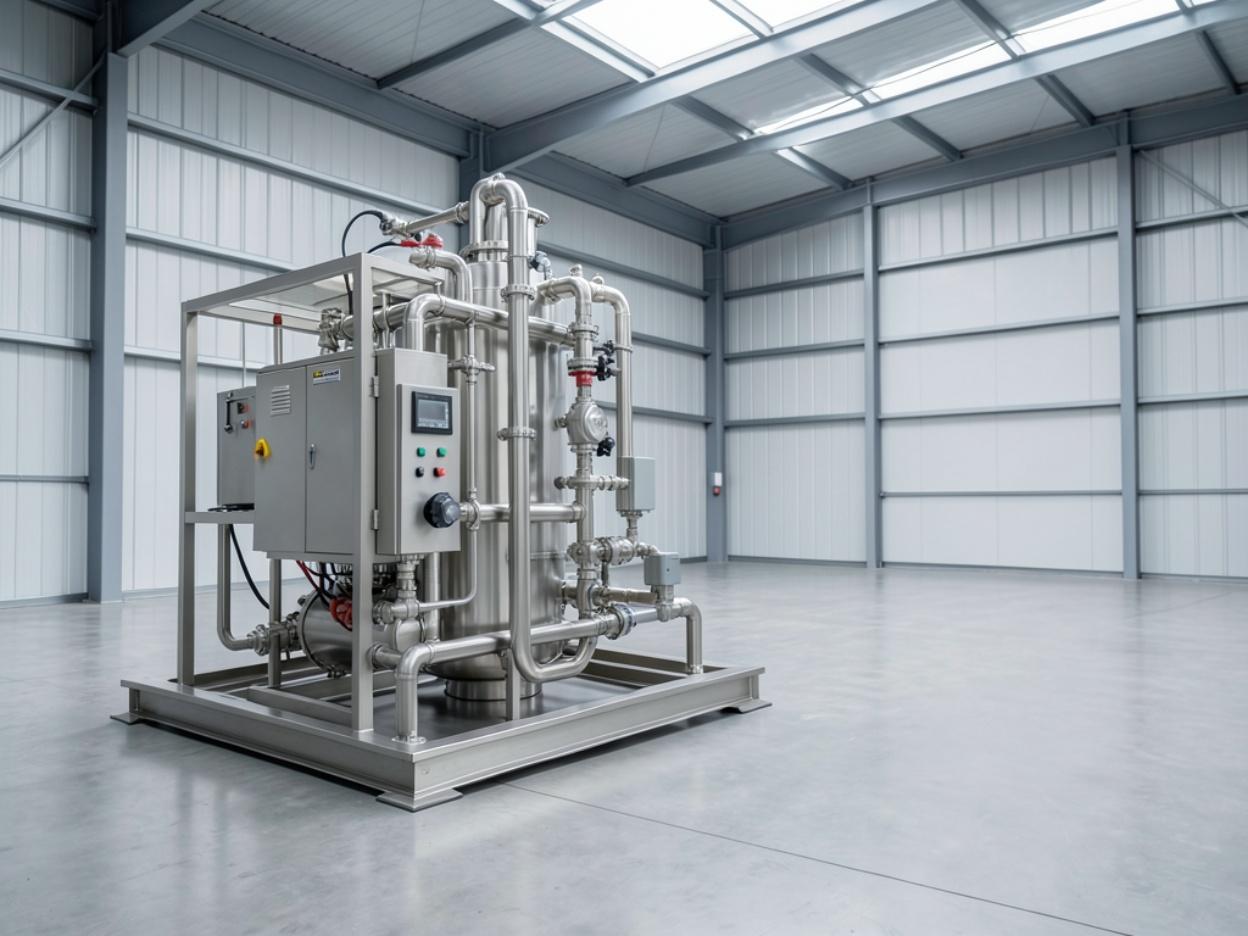
Process engineering is for the buyer who knows the raw material and the product wanted, but not yet the route between them. It is where a vague brief such as "we want to make an extract from this crop" is turned into a defined process, a list of unit operations, a sizing basis and a set of equipment options that can be priced.
The decision it supports is what to build, and at what size, before purchase commitments are made. Capacity, technology and investment are not read from a standard plant: they follow from the feedstock, the demand to be served and the utilities at your site. Kadali Africa Ventures helps define that basis and match catalogue equipment to it. Which party prepares detailed engineering and design for a particular project is set out in its technical proposal.
What This Service Delivers
- A written basis of design that every supplier can quote against
- Capacity chosen from feedstock, demand and utilities instead of a standard size
- Utilities and effluent loads known before the site is prepared
- Trials used only where they would change a decision
- Equipment shortlisted by process stage, with materials of construction considered
1Questions This Work Answers
- Which route?: Whether a product is more suitably reached by pressing, solvent extraction, steam distillation, aqueous extraction, drying or a combination of these.
- How big?: The throughput that the raw-material supply, the market and the working schedule can really support.
- What does it consume?: Power, fuel, steam, water and cooling the line draws, and what it sends to effluent and waste.
- Which equipment?: Machine types, materials of construction and process controls that suit the product and the way you intend to run.
2Inputs That Shape the Basis of Design
A process basis is only as good as the facts under it. The following change the answer more than any other detail:
- Feed variability: Moisture, particle size, seasonality and how consistent the raw material is from one delivery to the next.
- Product definition: The form, strength and purity the customer will accept, and whether there is a by-product worth recovering.
- Operating pattern: Shifts per day, days per week, and whether the plant must stop for seasons or cleaning.
- Site limits: Available power or fuel, water source, drainage, and the space and levels in the building.
3Balances, Trials and Layouts
Where appropriate to the project, the work draws on laboratory or pilot trials to confirm a process step, on mass and energy balances to size the equipment, and on layouts that show how machines, piping and operators' routes fit together. In an evaporator, for example, the energy balance gives the steam demand, and a multi-effect arrangement, which reuses vapour from one effect to heat the next, cuts steam use at a higher capital cost. A trial is proposed only where the result would change a decision, and who runs it is agreed in the proposal.
4What the Work Can Hand You
- A written requirement: The feedstock, product, capacity and utilities set down in one place, so every supplier quotes against the same facts. In turnkey contracting the employer's requirements play this role.
- Capacity options: Two or three realistic sizes, with what each would need in utilities and space.
- An equipment shortlist: Catalogue products mapped to each stage of the process.
- A line layout: A view of how the stages would be arranged on your site.
5Process Engineering Compared With Turnkey Supply
Process engineering can stand alone: an owner may take the defined basis and buy elsewhere. It can also be the first stage of a turnkey or part-turnkey project, in which case the same work feeds directly into supply planning. The route is your choice and is recorded in the proposal.
Frequently Asked Questions
Can I use the process engineering work and buy equipment elsewhere?+
What if I only have a raw material and no product in mind?+
Why are indicative capacity ranges on product pages not enough to size my plant?+
Are laboratory or pilot trials always required?+
Will process engineering reduce what I spend on equipment?+
Related Product Categories
Related Products
Enquire About Process Engineering
Tell Kadali Africa Ventures about your raw material, target product and capacity, and the technical proposal will set out the scope for your project.