Spice & Herbal Drying Plants
A spice and herb drying plant removes water from leaf, flower, root, seed and fruit under controlled temperature and airflow, so colour, aroma and drying time are managed instead of left to the weather.
Product Categories
- Herbal, Botanical & Nutraceutical Extraction(9)
- Essential Oils, Spices & Oleoresins(6)
- Fruit & Vegetable Processing(8)
- Starch, Flour, Edible Oil & Food Processing(7)
- Drying & Dehydration Systems(5)
- Evaporation, Concentration & Solvent Recovery(4)
- Pharmaceutical & Industrial Process Equipment(4)
- Cocoa, Shea, Palm Oil & Oilseed Processing(6)
- Cereals, Tubers & Sugar Processing(6)
- Specialty African Botanical & Natural Ingredients(11)
- Specialty Food, Beverage & By-Product Processing(7)
Talk to Kadali Africa Ventures
Send your raw material, product and capacity for a technical proposal.
Contact Kadali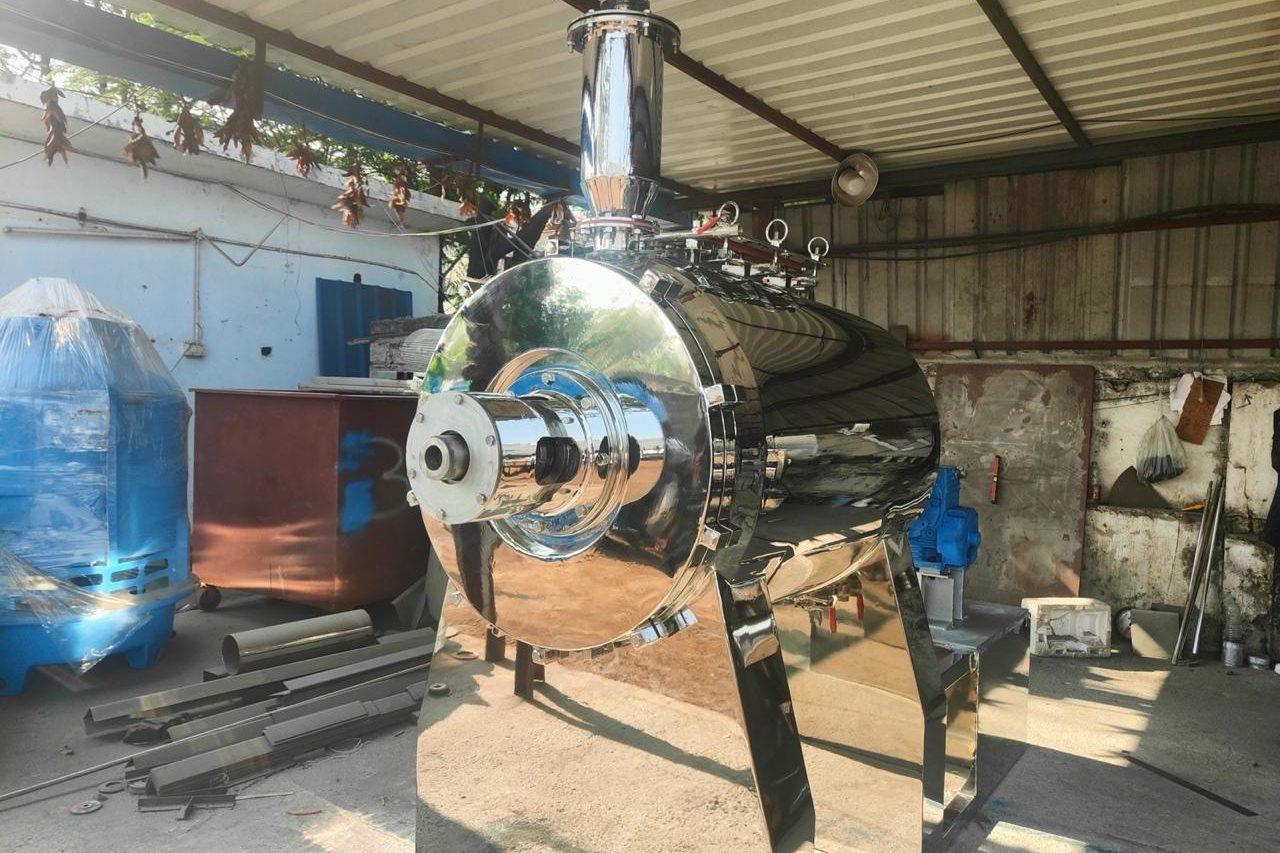
Spice & Herbal Drying Plants
Chilli, turmeric and ginger slices, moringa and culinary herb leaves, hibiscus calyces and aromatic seeds all dry differently, so a buyer should first settle which materials the plant must handle, their moisture on arrival and the moisture they must reach, the weight to be dried on the busiest harvest days, and the colour, aroma or marker compound the end customer tests for. Climate and fuel come next, because humid air limits drying in the rainy season and the heat source is the main running cost. This plant is a dryer line and not an extraction plant: the dried herb it produces can feed one, but solvent, extraction and concentration steps are separate scope.
Drying removes water until the product is stable in storage. Heated air passes over a thin layer of material, picks up moisture and leaves through an exhaust, and the dryer controls temperature, airflow and humidity so that water leaves at the right speed. Leaves and flowers dry quickly and lose aroma if overheated. Roots and fruit such as turmeric, ginger and chilli dry slowly because water must travel out of dense tissue, so slicing is part of drying. Heat combined with humid air lowers quality in leafy herbs, while moderate heat keeps colour and essential oil, so a dryer needs adjustable temperature and airflow and not one fixed recipe. For chilli, a variable temperature programme can protect surface colour. Open sun drying is cheap but gives inconsistent quality, long drying times and a contamination risk, including aflatoxin in chilli, and turmeric loses colour brightness and curcumin in the sun. Cabinet or tray dryers suit small, varied batches, belt dryers suit steady, larger volumes, and a vacuum tray dryer suits very heat-sensitive material. Heat comes from biomass, gas, electricity or solar-assisted hot air, with part of the exhaust air recirculated to save fuel. Dust control and clean collection finish the line.
Indicative Capacity Range
- 100–5,000 kg dry botanical/day
Key Specification Inputs
The materials to be dried and their form (leaf, flower, slice, whole fruit or seed), the moisture on arrival and the moisture required at the end, the weight of fresh material on the busiest harvest days, the heat source, the air humidity in the drying season, and the colour, aroma or marker compound the buyer tests for.
Technical Specifications
| Technology | Hot-air drying plant for spices and herbs |
|---|---|
| Working Principle | Heated air flows over a thin layer of product, takes up its water and leaves through an exhaust |
| Dryer Type | Cabinet or tray dryer for small varied batches; belt dryer for steady volumes; vacuum tray dryer for very heat-sensitive material |
| Heat Source | Biomass, gas, electric or solar-assisted, chosen by local fuel cost and climate |
| Temperature Control | Adjustable, with staged or variable profiles set by material |
| Airflow and Humidity | Fans with recirculation and exhaust dampers; heated or dehumidified air for humid seasons |
| Loading | Trays or belt, with a controlled bed depth |
| Contact Material | Stainless steel on trays, belts and product-contact surfaces |
| Dust Control | Extraction and filtered collection at unloading and packing |
| Automation | PLC or controller logging temperature, humidity and batch time |
| Utilities | Heat source, electric power for fans and controls, clean filtered air |
Typical Process Route
Raw material inspection and sorting
Incoming material is checked for moisture, mould, foreign matter and variety, and poor lots are set aside. Drying stops mould growing but does not repair a lot that is already mouldy.
Cleaning
Roots, fruit and leaves are washed or air-cleaned to remove soil and debris. Wet material takes longer to dry, so surface water is drained or blown off before loading.
Cutting and sizing
Roots such as turmeric and ginger are sliced, chilli may be left whole or split, and leaves are stripped from stems. Even thickness gives even drying, because thick pieces stay wet inside while thin ones over-dry.
Loading trays or belt
Material is spread in a thin, even layer. A deep or uneven bed blocks airflow and leaves wet pockets that spoil in storage.
Controlled drying
Hot air at a set temperature, airflow and humidity removes the water, with a staged or variable temperature where the material needs it. Too much heat browns colour and drives off aroma, while air that is too humid slows drying and lowers quality.
Cooling and moisture check
Dried product is cooled and tested against its end moisture before packing. Packing it warm or under-dried lets moisture condense in the pack and brings mould back.
Dust-controlled collection and packing
Fine, light dried material is collected under dust extraction and packed in sealed, moisture-barrier packs. The packing area is kept apart from raw-material handling.
Process & Equipment Modules
- Sorting and cleaning table
- Washer for roots and fruit, where used
- Slicer or cutter for roots
- Trays and trolleys, or a conveyor belt
- Drying chamber or tunnel
- Burner, heat exchanger or electric heater
- Circulation fans, ducts and dampers
- Air filters
- Temperature and humidity sensors
- Cooling and packing station
- Dust extraction unit
- PLC and control panel
Plant Output
Applications
- Dried chilli, whole or for grinding
- Turmeric and ginger slices for milling to powder
- Moringa leaf for powder, tea and capsules
- Hibiscus calyces for zobo, sobolo and bissap drinks
- Culinary herbs such as basil, thyme and mint
- Herbal tea leaves and flowers
- Dried spice and herb raw material for extraction plants
Key Features
Adjustable Temperature Profile
Constant or staged temperature suits different materials: leafy herbs need moderate heat, while chilli responds to a variable programme.
Humidity and Airflow Control
Exhaust and recirculation dampers manage humidity in the chamber, which matters most in the humid season.
Even Air Distribution
Baffled airflow across every tray or belt zone avoids wet corners and over-dried edges.
Easy Cleaning and Changeover
Smooth trays, removable sections and access doors let operators clean between different herbs and avoid flavour carry-over.
Protected Product
An enclosed chamber keeps out rain, insects and dust, which removes the contamination risks of open sun drying.
Dust Collection
Extraction and a clean collection point deal with the light, dusty product as it leaves the dryer.
Country Pages for Spice & Herbal Drying Plants
This product is listed on the pages of the countries below, each with its own enquiry route. Where Kadali has no office in a country, enquiries are handled from the Accra office.
- Ghana
- Nigeria
- Côte d’Ivoire
- Senegal
- Benin
- Togo
- Burkina Faso
- Mali
- Guinea
- Sierra Leone
- Liberia
- Gambia
- Mauritania
- Guinea-Bissau
- Niger
- Cabo Verde
- Kenya
- Tanzania
- Uganda
- Ethiopia
- Rwanda
- Burundi
- South Sudan
- Sudan
- Djibouti
- Eritrea
- Seychelles
- Cameroon
- Democratic Republic of Congo
- Republic of Congo
- Gabon
- Angola
- Equatorial Guinea
- Central African Republic
- Chad
- São Tomé and Príncipe
- South Africa
- Zambia
- Mozambique
- Zimbabwe
- Malawi
- Botswana
- Namibia
- Eswatini
- Comoros
- Lesotho
- Algeria
- Libya
Frequently Asked Questions
What information is needed to size Spice & Herbal Drying Plants?
What capacity range does Spice & Herbal Drying Plants cover?
Is open sun drying acceptable for spices sold to food manufacturers?
Why does drying temperature change the aroma of a herb?
Does a constant or a variable temperature suit chilli drying better?
Should I choose a tray dryer or a belt dryer?
How are turmeric and ginger slices dried differently from leaves?
Which heat source suits a spice dryer?
How do I request a proposal for Spice & Herbal Drying Plants?
Enquire about Spice & Herbal Drying Plants
Send your raw material, target product and capacity to Kadali Africa Ventures for a technical proposal.