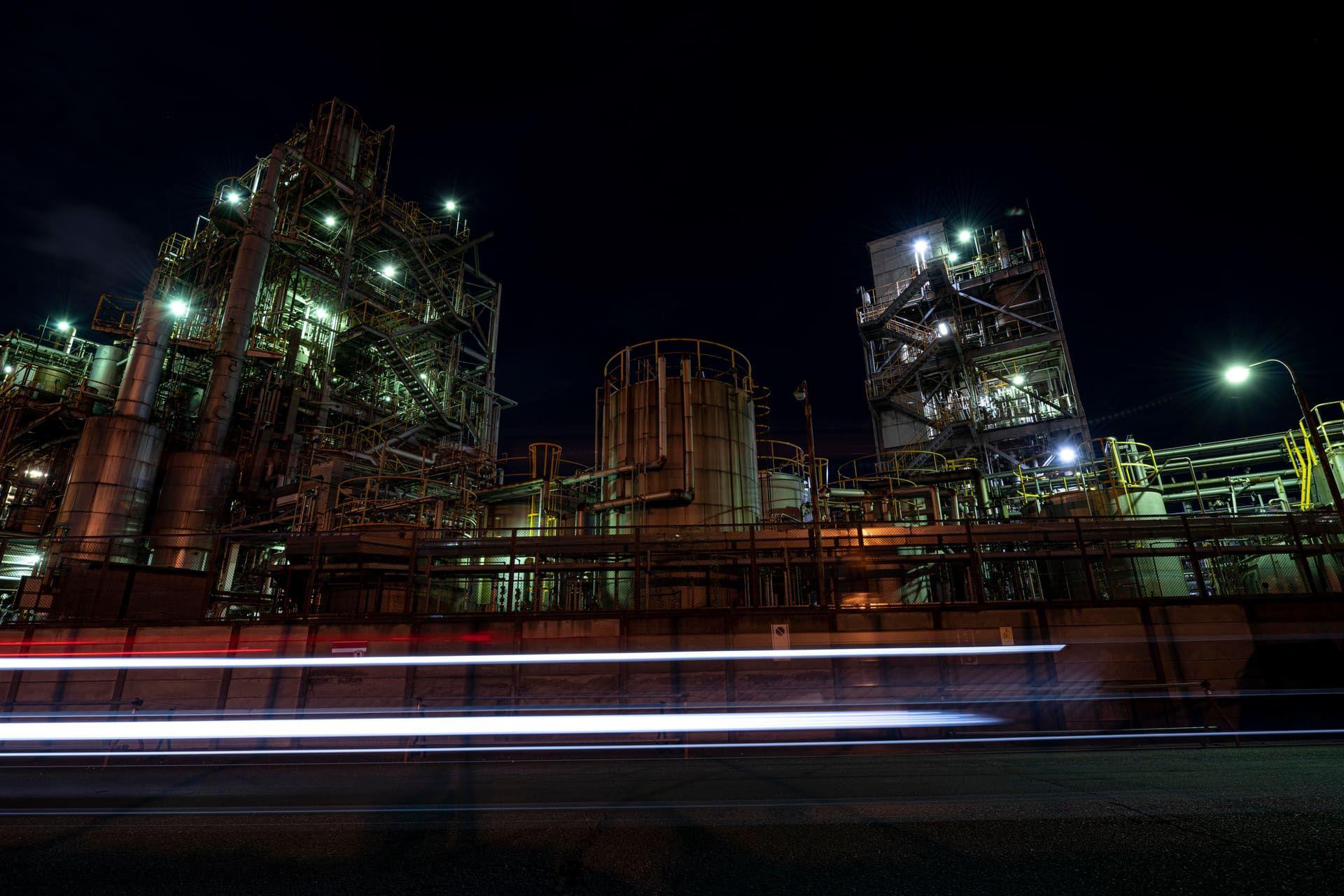
Fruit Juice Concentration Plants
A fruit juice concentration plant removes water from extracted juice under vacuum, and the design turns on feed solids, final Brix, how heat-sensitive the juice is and how much aroma must be saved.
Product Categories
- Herbal, Botanical & Nutraceutical Extraction(9)
- Essential Oils, Spices & Oleoresins(6)
- Fruit & Vegetable Processing(8)
- Starch, Flour, Edible Oil & Food Processing(7)
- Drying & Dehydration Systems(5)
- Evaporation, Concentration & Solvent Recovery(4)
- Pharmaceutical & Industrial Process Equipment(4)
- Cocoa, Shea, Palm Oil & Oilseed Processing(6)
- Cereals, Tubers & Sugar Processing(6)
- Specialty African Botanical & Natural Ingredients(11)
- Specialty Food, Beverage & By-Product Processing(7)
Talk to Kadali Africa Ventures
Send your raw material, product and capacity for a technical proposal.
Contact Kadali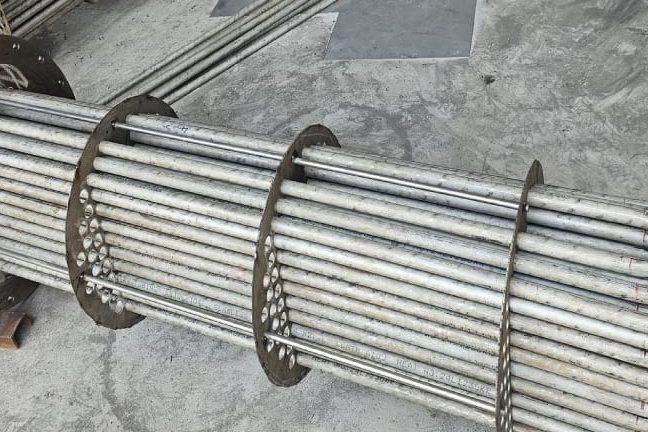
Fruit Juice Concentration Plants
The plant takes juice that has already been pressed, finished and, where needed, depectinised; fruit reception and extraction are separate scope. The core duty is evaporation, so the capacity that matters is the water removed per hour, not the juice fed. A buyer has to settle the feed (clear or pulpy), the concentration to reach, the number of effects, whether vapour is reused by recompression, and whether flavour is stripped from the vapour and returned to the concentrate. Steam and cooling water are the main running costs, and a plant on a weak boiler or a dry site is limited by them. How the concentrate leaves matters too: cooled and drummed, aseptic bulk or held in chilled tanks. Freeze concentration and membrane pre-concentration are alternatives to heat, each with limits on cost and on the concentration reached.
Evaporation under vacuum lowers the boiling point of the juice, so water leaves at a modest temperature and the sugars, colour and flavour are exposed to less heat. A falling-film evaporator spreads the juice as a thin film on tube walls, which gives a short contact time and suits clear, free-flowing juice. Pulpy or viscous juice fouls the tubes, and forced-circulation or plate designs handle it better. Linking several vessels in series reuses the vapour from each effect to heat the next, so steam use per tonne of water removed falls as effects are added, at the cost of capital and plant height. Thermal or mechanical vapour recompression cuts steam further where power is reliable. Volatile aroma leaves with the vapour, so an aroma recovery column strips it from the first-effect vapour and returns it to the concentrate. As water leaves, acids rise, so the later effects see a more acidic liquid and need materials chosen for it. Microbes can grow in low-temperature vacuum equipment, so cleaning in place and planned stops are part of the plant. The final concentration also decides whether the concentrate keeps without further heat treatment.
Indicative Capacity Range
- 100–10,000 kg feed/hour
Key Specification Inputs
Feed solids, final Brix, product sensitivity and energy.
Technical Specifications
| Technology | Vacuum evaporation of extracted fruit juice, with aroma recovery as an option |
|---|---|
| Working Principle | Water is boiled off under reduced pressure in one or more effects and the concentrate is cooled and stored |
| Evaporator Type | Falling-film for clear juice; forced-circulation or plate type for pulpy or viscous feed |
| Number of Effects | Set by steam cost and daily water load; more effects save steam and cost more to build |
| Heat Recovery | Thermal or mechanical vapour recompression, where power supply and steam economics favour it |
| Aroma Recovery | Stripping column on first-effect vapour, with essence returned to the concentrate |
| Operating Pressure | Vacuum, set by how heat-sensitive the juice is |
| Contact Material | Stainless steel grades chosen for the acidity of the concentrate |
| Automation | PLC control with in-line Brix measurement, vacuum and temperature records |
| Utilities | Steam, cooling water or a cooling tower, vacuum pump power, compressed air and chilled storage |
| Final Output | Cooled concentrate at the target Brix, plus condensate and recovered aroma |
Typical Process Route
Define the Feed and the Target
Feed solids, juice type, final Brix and the heat sensitivity of the fruit are written down first. They set the evaporator type, the number of effects and the cooling duty.
Juice Preparation
Pulp, fibre and pectin are reduced by a finisher, decanter or enzyme step. A clean feed keeps tubes from fouling and holds run times between cleans.
Preheating and Deaeration
The feed is warmed and drawn under vacuum so the juice enters the first effect at working temperature without foaming.
Staged Evaporation Under Vacuum
Juice passes through the effects in turn, getting thicker at each. The first effect works hottest and the last coolest, where the liquid is most viscous and most acidic.
Aroma Recovery and Return
Vapour from the first effect passes to a stripping column that captures volatile flavour, which is mixed back into the concentrate.
Cooling and Brix Control
Concentrate is cooled quickly and checked against the target Brix, with in-line measurement used to trim the final strength.
Storage and Packing
Cooled concentrate is held in chilled tanks, filled into drums or aseptic bags, or sent to the next process such as a spray dryer.
Cleaning in Place and Condensate Use
Evaporator tubes are washed on a set cycle, and the condensate is collected for cleaning or process-water use.
Process & Equipment Modules
- Feed tank and deaerator
- Juice finisher or decanter, where pulpy juice is fed
- Plate preheater
- Falling-film evaporator effects
- Forced-circulation finisher stage, for viscous concentrate
- Vapour recompressor, optional
- Aroma recovery column
- Condenser and vacuum system
- Concentrate cooler
- Chilled storage tanks and aseptic or drum filler
- CIP skid
- PLC panel with Brix and temperature instruments
Plant Output
Applications
- Concentrating orange, pineapple and mango juice for bulk sale
- Beverage base concentrate for local bottlers who reconstitute juice
- Cutting freight and cold-store volume for surplus or distant fruit
- Pre-concentrating juice ahead of spray drying into powder
- Concentrating tomato and other vegetable juices
- Pre-concentrating clarified juice before blending or sweetener use
Key Features
Low-Temperature Evaporation
Vacuum operation lets water leave at a modest temperature, so the juice sees less heat and keeps colour and taste.
Effects Sized to Steam Cost
More effects use less steam per tonne of water removed, and the right number is a cost trade-off at your fuel price.
Evaporator Type Matched to Pulp
Falling-film suits clear juice, while forced-circulation designs take pulpy or viscous feed that would block falling-film tubes.
Aroma Recovery Option
A stripping column returns volatile flavour to the concentrate, which matters where the taste of the finished product is sold.
Built for Frequent Cleaning
Low-temperature vacuum plants grow microbes, so CIP connections, access and spare capacity for cleaning stops are designed in.
Acid-Resistant Later Stages
Acid concentration rises as water leaves, so materials in the last effect are specified for the strongest liquid.
Country Pages for Fruit Juice Concentration Plants
This product is listed on the pages of the countries below, each with its own enquiry route. Where Kadali has no office in a country, enquiries are handled from the Accra office.
Related Products
Frequently Asked Questions
What information is needed to size Fruit Juice Concentration Plants?
What capacity range does Fruit Juice Concentration Plants cover?
Does concentrate need pasteurising after evaporation?
How many effects does the evaporator need?
Do I need aroma recovery?
Can juice be concentrated without evaporating it?
Why does pulpy juice need a different evaporator?
What decides the running cost?
How do I request a proposal for Fruit Juice Concentration Plants?
Enquire about Fruit Juice Concentration Plants
Send your raw material, target product and capacity to Kadali Africa Ventures for a technical proposal.