
Cocoa Processing Equipment & Plants
Cocoa processing turns dry cocoa beans into cocoa mass, cocoa butter, cocoa cake and cocoa powder through a sequence of mechanical stages.
Product Categories
- Herbal, Botanical & Nutraceutical Extraction(9)
- Essential Oils, Spices & Oleoresins(6)
- Fruit & Vegetable Processing(8)
- Starch, Flour, Edible Oil & Food Processing(7)
- Drying & Dehydration Systems(5)
- Evaporation, Concentration & Solvent Recovery(4)
- Pharmaceutical & Industrial Process Equipment(4)
- Cocoa, Shea, Palm Oil & Oilseed Processing(6)
- Cereals, Tubers & Sugar Processing(6)
- Specialty African Botanical & Natural Ingredients(11)
- Specialty Food, Beverage & By-Product Processing(7)
Talk to Kadali Africa Ventures
Send your raw material, product and capacity for a technical proposal.
Contact Kadali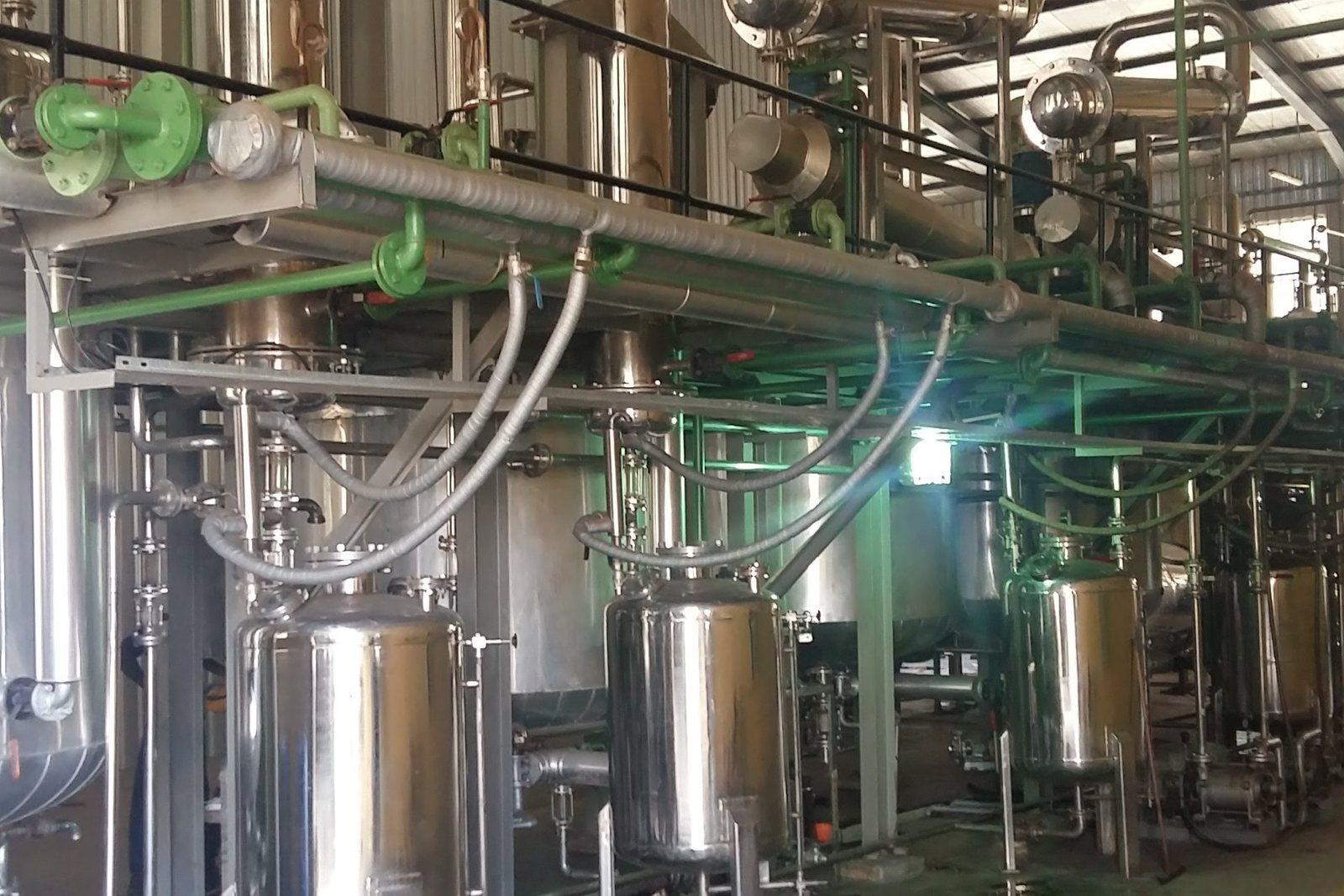
Cocoa Processing Equipment & Plants
The stages are bean cleaning and sorting, grinding to cocoa mass, pressing to cocoa butter and cake, cake breaking and powder milling, and cooling and packing. Where beans are processed locally rather than exported, how many of these stages are carried out decides the machine list, the building and the utilities. The feed is fermented and dried beans, so bean moisture, cleanliness and the share of broken or mouldy beans carry straight through into the quality of the fat. Buyers should settle the end product first (mass, butter, powder or a mix), then the daily bean throughput, the powder fineness and colour wanted, how warm fat-rich product will be pumped and cooled, and how much dust and odour control the site needs. In bean-growing countries the aim is usually to keep more of the value of the crop at home, but each added stage adds equipment, power and skilled labour. Cocoa bean processing is not a standard listed product; a request for it starts as a feasibility discussion, and the technical proposal states what is and is not included.
Cocoa beans arrive fermented and dried. They are cleaned and sorted first, because stones, dust, broken beans and mouldy beans damage mills and raise the free fatty acid of the butter, a fault that is costly to correct later. Beans are then ground to a fluid cocoa mass, normally in more than one milling step, with temperature held under control so the fat does not overheat. Warm mass is pumpable, which is why the layout uses jacketed, agitated tanks and heat-traced pipes. A horizontal hydraulic press then separates the mass into cocoa butter, which is filtered and stored, and a solid cocoa cake. The cake is broken, cooled and milled to the powder fineness the end use calls for. Cooling matters because butter left in warm powder smears and lumps, and powder is held cool until the remaining fat has set and the powder flows freely. The choices that change the plant are the number of grinding steps, the size and cycle of the press, the powder mill and sieving or classifying route, whether the cake is alkalised for a darker, milder powder, and the cooling and packing arrangement. Preparation between cleaning and grinding, including shell removal, is a further stage that some plants add.
Indicative Capacity Range
- 0.5–20 m³ working volume
Key Specification Inputs
Daily bean throughput in tonnes, the hours the plant will run, the stages to be carried out, the end product (mass, butter, cake or powder), the powder fineness and colour wanted, the bean moisture and share of defects, and the heat source on site.
Technical Specifications
| Technology | Mechanical processing of dry cocoa beans into mass, butter, cake and powder, with the stages carried out depending on the end product |
|---|---|
| Working Principle | Beans are cleaned, ground to a fluid mass, pressed to separate fat from solids, then the cake is milled to powder |
| Feed | Fermented, dried cocoa beans; moisture, broken-bean share and cleanliness set the cleaning and sorting duty |
| Stages | Bean cleaning and sorting, grinding, pressing, cake breaking and powder milling, and cooling and packing |
| Grinding Route | Single or multi-step mills, chosen by the fineness the press and the end product need |
| Pressing | Horizontal hydraulic press; size, pot arrangement and cycle control set by the butter and cake targets |
| Heating Medium | Hot water or thermal oil to jackets and traced lines, chosen by local fuel cost and plant layout |
| Contact Material | Food-grade stainless steel on product-contact surfaces; mild steel acceptable on frames and covers |
| Powder Fineness | Set by the sieve or classifier and mill; alkalisation for colour is an optional added stage |
| Automation | Temperature and press-cycle control with interlocks; level and power indication on tanks and mills |
Typical Process Route
Define the Stages and End Products
The first step is on paper: which of the stages are to be carried out locally, and whether the output is cocoa mass, butter, cake, powder or a mix. This fixes the equipment list, the building layout and the utilities.
Bean Intake, Cleaning and Sorting
Beans are screened to remove stones, dust, metal and foreign matter, and broken, mouldy or flat beans are picked out. Incoming moisture is checked, because damp beans spoil in store and damaged beans raise free fatty acid in the butter.
Grinding to Cocoa Mass
Mills reduce the beans to a fine, fluid cocoa mass, often in a coarse step followed by a fine step. Fineness and mass temperature are the settings to control, since overheating spoils the fat and coarse mass loads the press badly.
Holding and Pumping the Mass
Warm mass is held in jacketed tanks with slow agitation and moved through heat-traced lines. If the fat sets in a pipe or a valve, the line blocks, so the heating circuit is part of the design.
Pressing to Butter and Cake
A horizontal hydraulic press squeezes the warm mass, so the fat runs off as cocoa butter and the solids stay behind as cake. Press settings, mass temperature and fineness decide how much butter is released and how firm the cake is.
Butter Filtration and Storage
Pressed butter is filtered to remove fine particles and sent to a closed tank or to moulds or cartons. Any residue left in tanks and pumps goes rancid, so the cleaning routine is part of the plant definition.
Cake Cooling, Breaking and Powder Milling
Cake is cooled, broken into pieces and fed to a mill, then sieved or classified to the fineness the end use needs. Fine cocoa dust is easy to ignite and escapes into the building, so extraction and dust control matter.
Cooling and Packing
Powder and butter are cooled and packed in liners or cartons that protect them from moisture, heat and odour. Packing warm powder or butter leads to lumping, blooming and short storage life.
Process & Equipment Modules
- Bean intake hopper and screening cleaner
- Destoner and magnetic separator
- Bean sorting table or optical sorter
- Cocoa mass grinding mill
- Jacketed mass holding tank with agitator
- Horizontal hydraulic cocoa press
- Cocoa butter filter and storage tank
- Cake breaker
- Powder mill with sieve or classifier
- Cake and powder cooling unit
- Powder and butter packing station
- Control panel with dust extraction
Plant Output
Applications
- Cocoa butter for confectionery fats, bakery coatings and cosmetic bases
- Cocoa powder for bakery, biscuit fillings and ice-cream coatings
- Cocoa powder for drinking-cocoa and malted beverage mixes
- Cocoa mass sold on to confectionery makers
- Cocoa cake sold in block form to powder millers
- Cocoa butter for soap, lotion and lip-care products
- Local value addition for bean-growing regions that now export raw beans
Key Features
Separate Stages
Cocoa processing is a chain of separate stages, so the order in which they are set up can be planned, from cleaning and grinding alone up to pressing and powder milling.
Heat-Traced Fat Handling
Cocoa mass and butter set in cold pipes and valves, so jacketed tanks, traced lines and drained, accessible pump bodies keep the line from blocking.
Press Matched to the Product
The hydraulic press, its pot arrangement and cycle control decide butter recovery, cake quality and daily output, so it is specified against the end product.
Cake Cooling Before Milling
Cooling the cake before the mill avoids smearing and lets the powder reach a stable, free-flowing state.
Dust and Odour Control
Fine powder and warm fat vapour need enclosed conveying, dust extraction and a separate, clean packing room.
Country Pages for Cocoa Processing Equipment & Plants
This product is listed on the pages of the countries below, each with its own enquiry route. Where Kadali has no office in a country, enquiries are handled from the Accra office.
- Cocoa Processing Equipment & Plants: Ghana
- Cocoa Processing Equipment & Plants: Côte d’Ivoire
- Cocoa Processing Equipment & Plants: Sierra Leone
- Cocoa Processing Equipment & Plants: Liberia
- Cocoa Processing Equipment & Plants: Cameroon
- Cocoa Processing Equipment & Plants: Equatorial Guinea
- Cocoa Processing Equipment & Plants: São Tomé and Príncipe
Frequently Asked Questions
What information is needed to size Cocoa Processing Equipment & Plants?
What capacity range does Cocoa Processing Equipment & Plants cover?
What are the stages of cocoa processing?
Does a cocoa butter and powder line also make finished confectionery?
What bean problems follow the beans into the plant?
What decides how much butter and how much cake comes out of the press?
Should the cocoa powder be alkalised?
How is cocoa butter kept from spoiling in the plant?
How do I request a proposal for Cocoa Processing Equipment & Plants?
Enquire about Cocoa Processing Equipment & Plants
Send your raw material, target product and capacity to Kadali Africa Ventures for a technical proposal.