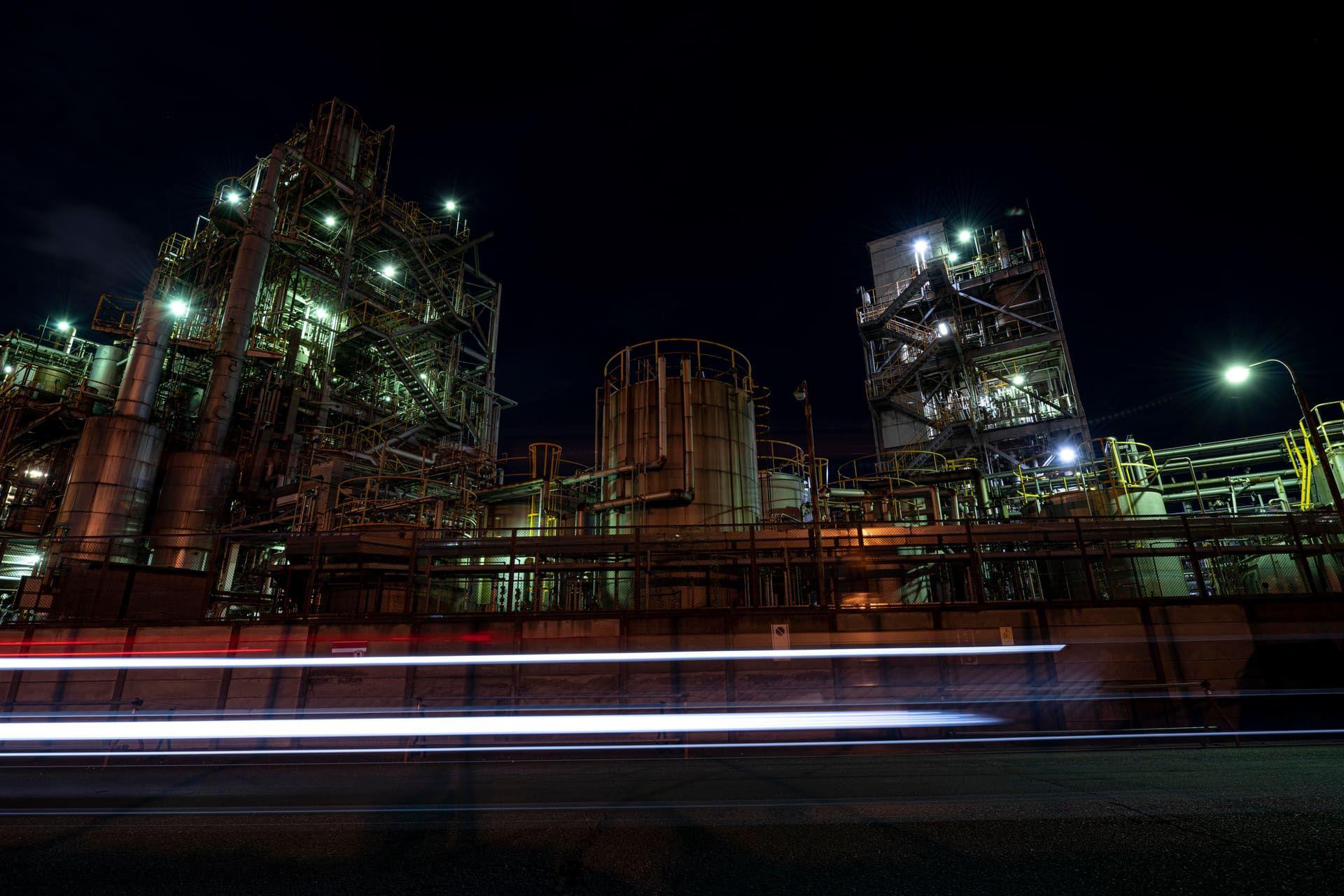
Sesame Oil Processing Plants
A sesame oil plant cleans small, oil-rich sesame seed, optionally hulls and toasts it, presses out the oil and filters it, with refining only for grades that need it.
Product Categories
- Herbal, Botanical & Nutraceutical Extraction(9)
- Essential Oils, Spices & Oleoresins(6)
- Fruit & Vegetable Processing(8)
- Starch, Flour, Edible Oil & Food Processing(7)
- Drying & Dehydration Systems(5)
- Evaporation, Concentration & Solvent Recovery(4)
- Pharmaceutical & Industrial Process Equipment(4)
- Cocoa, Shea, Palm Oil & Oilseed Processing(6)
- Cereals, Tubers & Sugar Processing(6)
- Specialty African Botanical & Natural Ingredients(11)
- Specialty Food, Beverage & By-Product Processing(7)
Talk to Kadali Africa Ventures
Send your raw material, product and capacity for a technical proposal.
Contact Kadali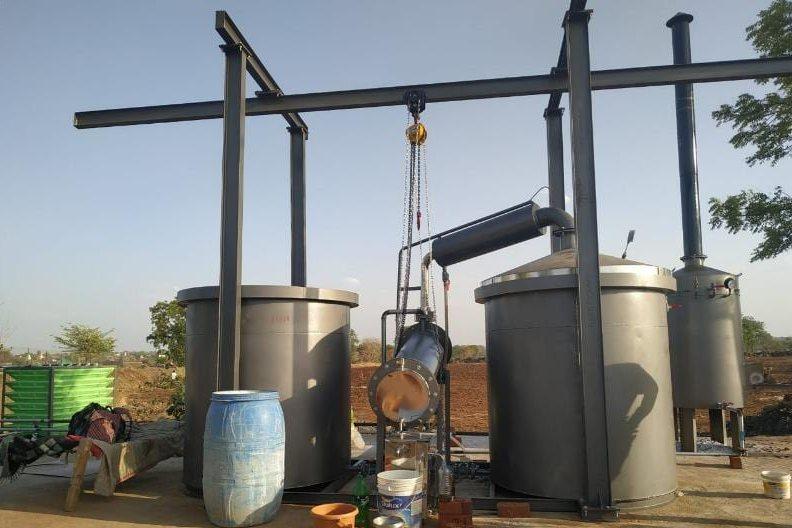
Sesame Oil Processing Plants
The questions to settle first are the oil style (light cold-pressed oil, dark toasted oil or refined oil), whether the seed is pressed hulled or unhulled, the seed supply across the year, and the pack formats. Seed is small and fine, so cleaning has to remove stones, dust and other seed, and press settings need adjusting as moisture changes between lots. Toasting develops flavour and colour, but temperature control is critical because the oil oxidises if the seed is overheated. At the scale of this range sesame is normally pressed, and the pressed cake is a protein-rich by-product with its own market. The result is a food oil, so clean packing, closed storage and good housekeeping count as much as press capacity, and the plant should be laid out so that oil, cake and seed dust never mix.
Sesame seed is cleaned and may be dehulled before pressing. Dehulling changes the oil: oil from raw unhulled seed starts at a lower quality, oxidises faster in storage and carries more of the hull's bitter antinutrients, but it adds a process step and a hull stream to dispose of. For a toasted oil, seed is heated in a roaster, and for a pale cold-pressed oil it is pressed without that step. A screw press then squeezes the seed, and three settings can be tuned: seed moisture, press speed and the size of the choke or restriction die. Because the best setting depends on the seed lot, a line that cannot vary them limits what an operator can do. The crude oil carries fine solids, so it is settled and filtered through a plate or pressure filter. Roasting raises oil recovery and changes colour and flavour, but too high a temperature oxidises the oil, so a roaster needs accurate temperature control. Pressed oil may be sold unrefined if its quality is good, and a refining line is needed only where a neutral oil is required.
Indicative Capacity Range
- 0.5–10 tonnes seeds/day
Key Specification Inputs
Seed cleaning, oil yield, pressing/refining and food safety.
Technical Specifications
| Technology | Mechanical screw pressing of cleaned sesame seed, with optional dehulling, roasting and refining |
|---|---|
| Working Principle | Seed is cleaned, conditioned and pressed under a restriction die, and the crude oil is settled and filtered |
| Feed | Whole sesame seed, hulled or unhulled; moisture, variety and cleanliness set the preparation duty |
| Oil Style | Cold-pressed, toasted or refined; the style fixes whether a roaster and a refining line are needed |
| Dehulling Option | Soak, rub and separate hulls where lower antinutrients and lighter oil are wanted |
| Press Controls | Variable speed and adjustable restriction die so settings can follow the seed moisture |
| Roaster Heating | Electric, gas or biomass heat, chosen by local fuel cost and the temperature control needed |
| Filtration | Settling tank followed by a plate or pressure filter for a clear oil |
| Contact Material | Food-grade stainless steel on oil-contact tanks, pipes and filters |
| Residue Streams | Pressed cake, hulls where dehulled and cleaning rejects, each with a separate destination |
Typical Process Route
Seed Intake and Cleaning
Seed is screened and aspirated to remove stones, dust, sand and other seeds, and moisture is checked. Stones damage the press, and dust and field residues carry through into the oil.
Optional Dehulling
Seed is soaked and the hulls are rubbed off and separated where a lighter oil with fewer antinutrients is wanted. This adds a soaking, drying and hull-removal step, and a hull stream to dispose of.
Moisture Conditioning
Seed is dried or lightly tempered to the moisture the press prefers. Wet seed presses poorly and blocks the choke, while very dry seed pushes up press heat.
Roasting for Toasted Oil
For a dark, nutty oil, seed is heated in a roaster. Temperature and time change colour, flavour and oxidative stability, so each batch is recorded, and overheating is the fault to avoid.
Screw Pressing
A screw press squeezes the seed under a restriction die. Moisture, press speed and die size are the settings that change oil recovery and cake texture.
Settling and Filtration
Pressed oil is left to settle and then filtered through a plate or pressure filter. Fine solids left in the oil darken it and shorten its storage life.
Optional Refining
Where a neutral, pale oil is needed, the crude oil is neutralised, bleached and deodorised. Toasted oils are normally sold unrefined, because refining strips the flavour that gives them value.
Storage and Packing
Filtered oil goes to closed tanks and then to bottles or drums, kept cool and away from light. Pressed cake is bagged separately for sale.
Process & Equipment Modules
- Seed intake hopper and cleaner
- Destoner and aspirator
- Seed dehuller and hull separator (optional)
- Seed roaster with temperature control
- Seed conditioning bin
- Screw oil press
- Settling tank
- Plate or pressure filter
- Refining vessels (optional)
- Oil storage tanks
- Bottling or drum filling station
- Cake bagging station
Plant Output
Applications
- Toasted sesame oil for cooking and seasoning
- Pale cold-pressed sesame oil for table and salad use
- Refined sesame oil for frying and food manufacturing
- Sesame oil as a carrier in cosmetic and massage products
- Sesame cake as animal feed
- Sesame cake as a food ingredient after further processing
- Packed retail oil for local and export markets
Key Features
Adjustable Press Settings
Variable press speed and restriction die let operators adjust to each seed lot instead of accepting one fixed recovery.
Accurate Roaster Temperature Control
Roasting raises recovery and flavour, but the oil oxidises if seed gets too hot, so the roaster must hold temperature closely and log it.
Hulled or Unhulled Choice
Hulling can be included or left out depending on the oil quality wanted and whether the hull stream can be handled.
Fine Seed Cleaning
Aspiration and screening suit small, light seed, and protect the press and the oil from stones and dust.
Filtration for Clear Oil
A filter after settling gives a clear oil that stores longer and packs cleanly.
Country Pages for Sesame Oil Processing Plants
This product is listed on the pages of the countries below, each with its own enquiry route. Where Kadali has no office in a country, enquiries are handled from the Accra office.
- Sesame Oil Processing Plants: Burkina Faso
- Sesame Oil Processing Plants: Mali
- Sesame Oil Processing Plants: Niger
- Sesame Oil Processing Plants: Tanzania
- Sesame Oil Processing Plants: Ethiopia
- Sesame Oil Processing Plants: South Sudan
- Sesame Oil Processing Plants: Sudan
- Sesame Oil Processing Plants: Somalia
- Sesame Oil Processing Plants: Eritrea
- Sesame Oil Processing Plants: Chad
- Sesame Oil Processing Plants: Mozambique
Related Products
Frequently Asked Questions
What information is needed to size Sesame Oil Processing Plants?
What capacity range does Sesame Oil Processing Plants cover?
Should I make cold-pressed or toasted sesame oil?
Does roasting sesame seed increase the oil recovered?
Why dehull sesame before pressing?
Which press settings can an operator adjust?
Can sesame oil be sold unrefined?
What can be done with sesame cake?
How do I request a proposal for Sesame Oil Processing Plants?
Enquire about Sesame Oil Processing Plants
Send your raw material, target product and capacity to Kadali Africa Ventures for a technical proposal.