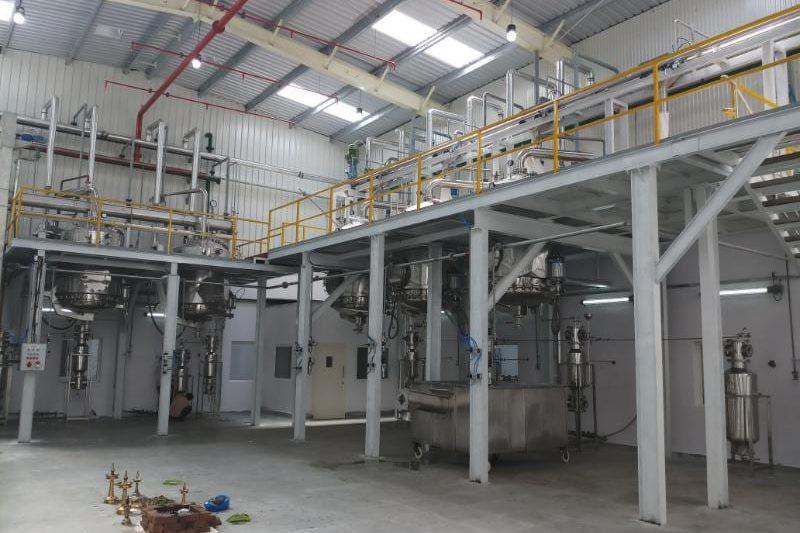
Herbal, Botanical & Nutraceutical Extraction
Herbal, Botanical & Nutraceutical Extraction (9 products)
Herbal, botanical and nutraceutical extraction plants turn dried leaf, calyx, root, bark and fruit into liquid extracts, soft extracts and free-flowing powders. The listed plants run from a general herbal line, through single-botanical plants for curcumin, ginger, hibiscus and moringa, to multi-herb and higher-specification systems. The backbone is the same: milling, extraction, separation, concentration with solvent recovery, standardisation and drying. Three things decide the design and the price: how consistent the raw herb is from season to season, the specification your customer buys against, and whether the route uses water, ethanol or another solvent.
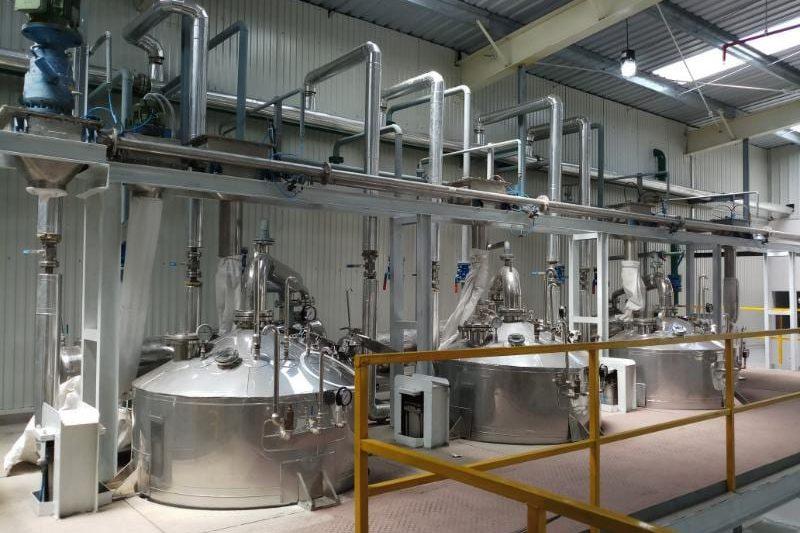
Herbal Extraction Plants
View ProductTurnkey Multi-Herbal Extraction Plants
View Product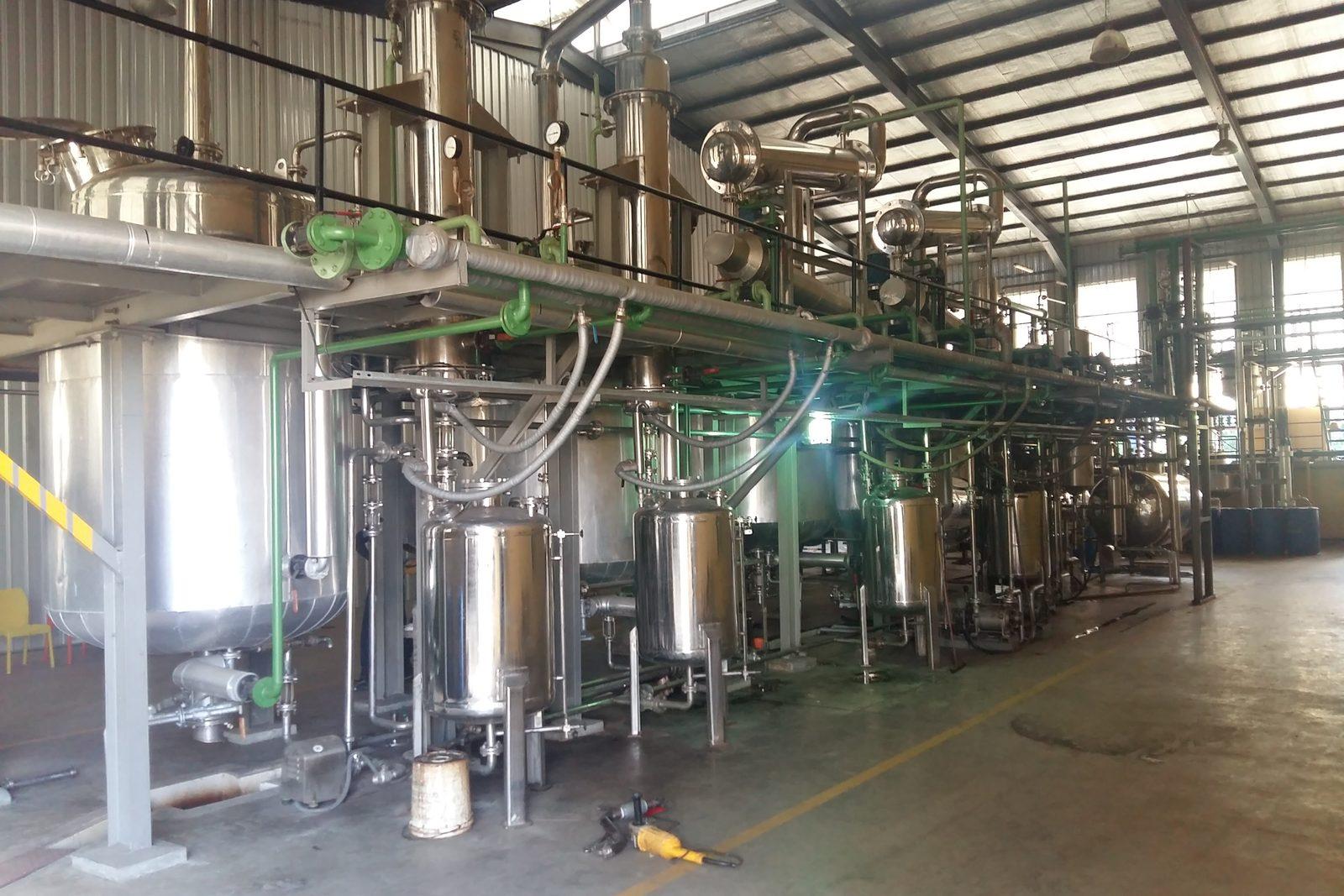
Nutraceutical & Botanical Extraction Plants
View Product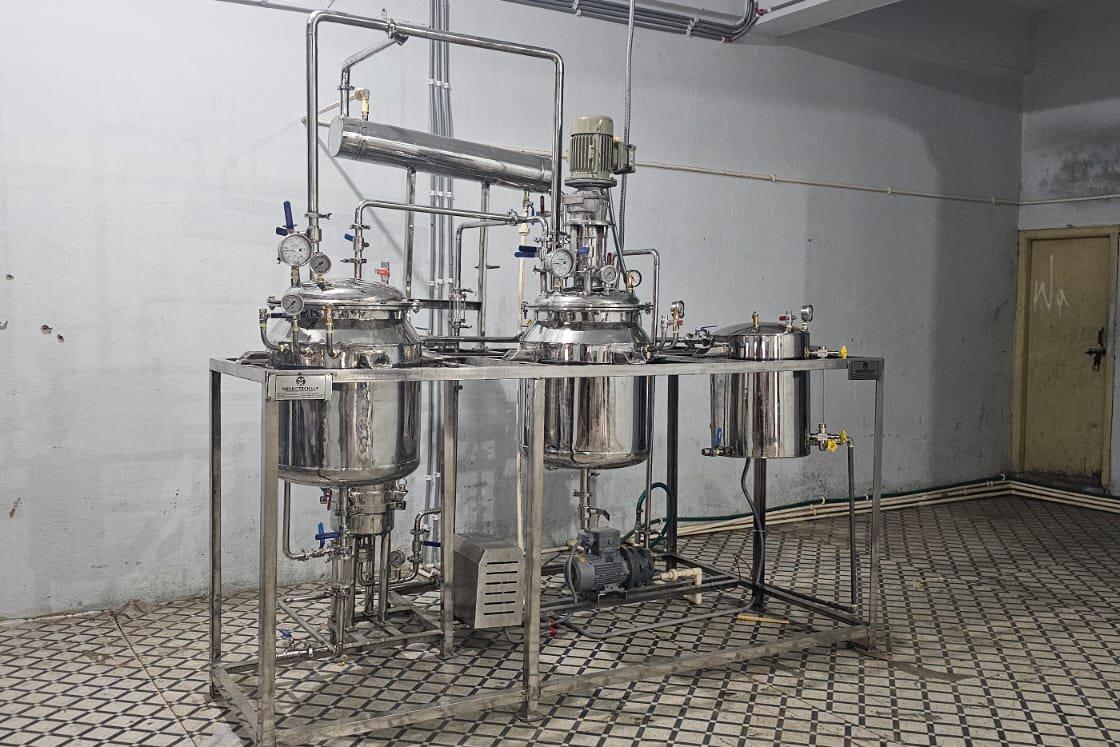
Pharmaceutical Extraction Plants
View Product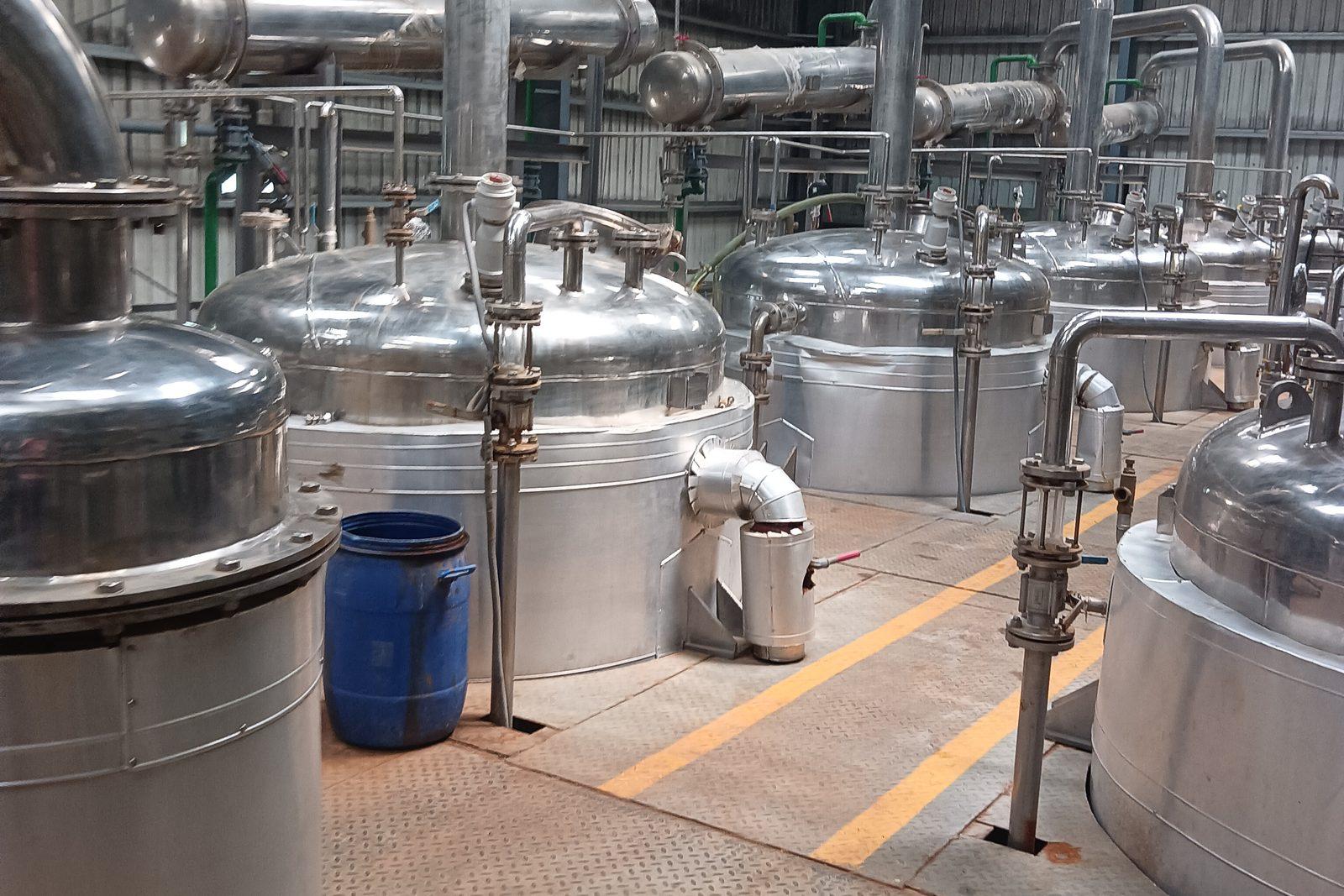
Curcumin Extraction Plant
View Product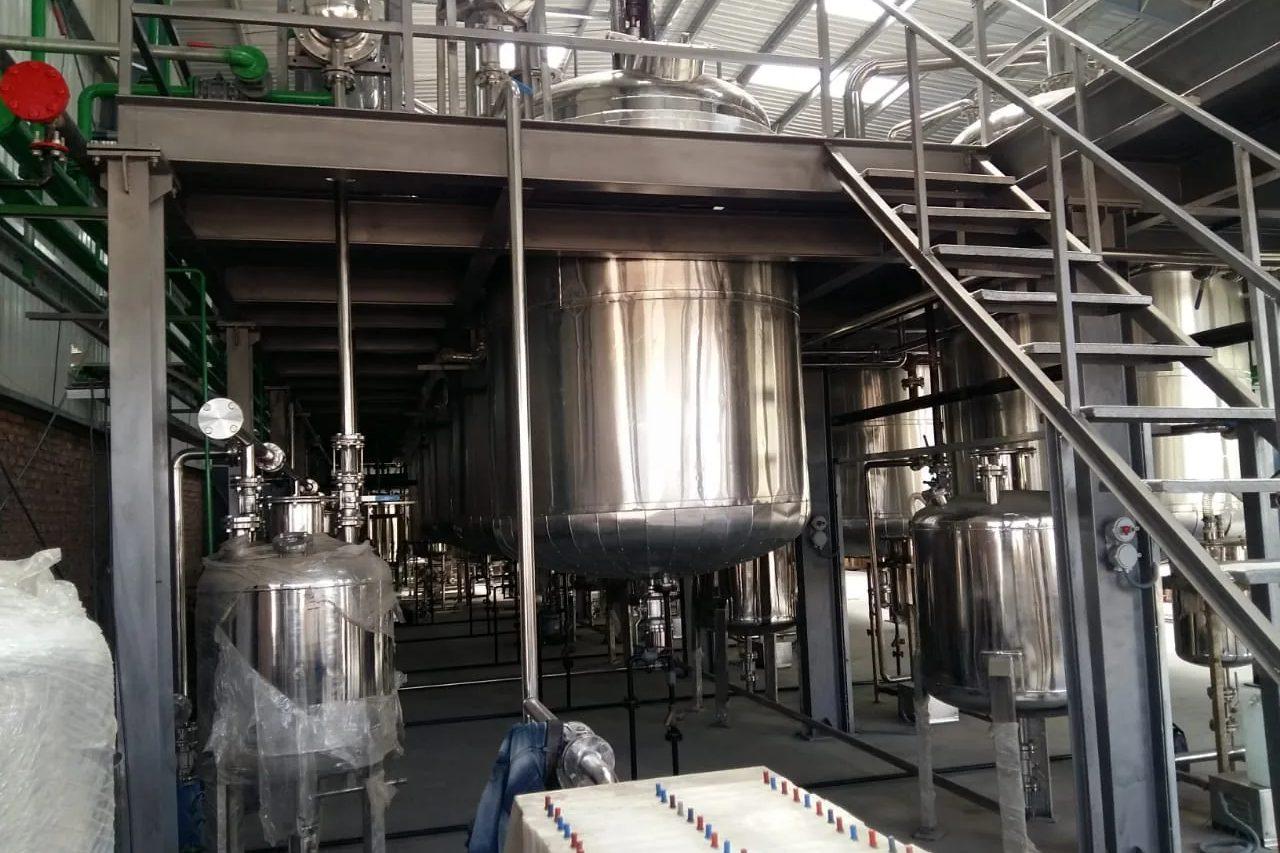
Ginger Extraction Plant
View Product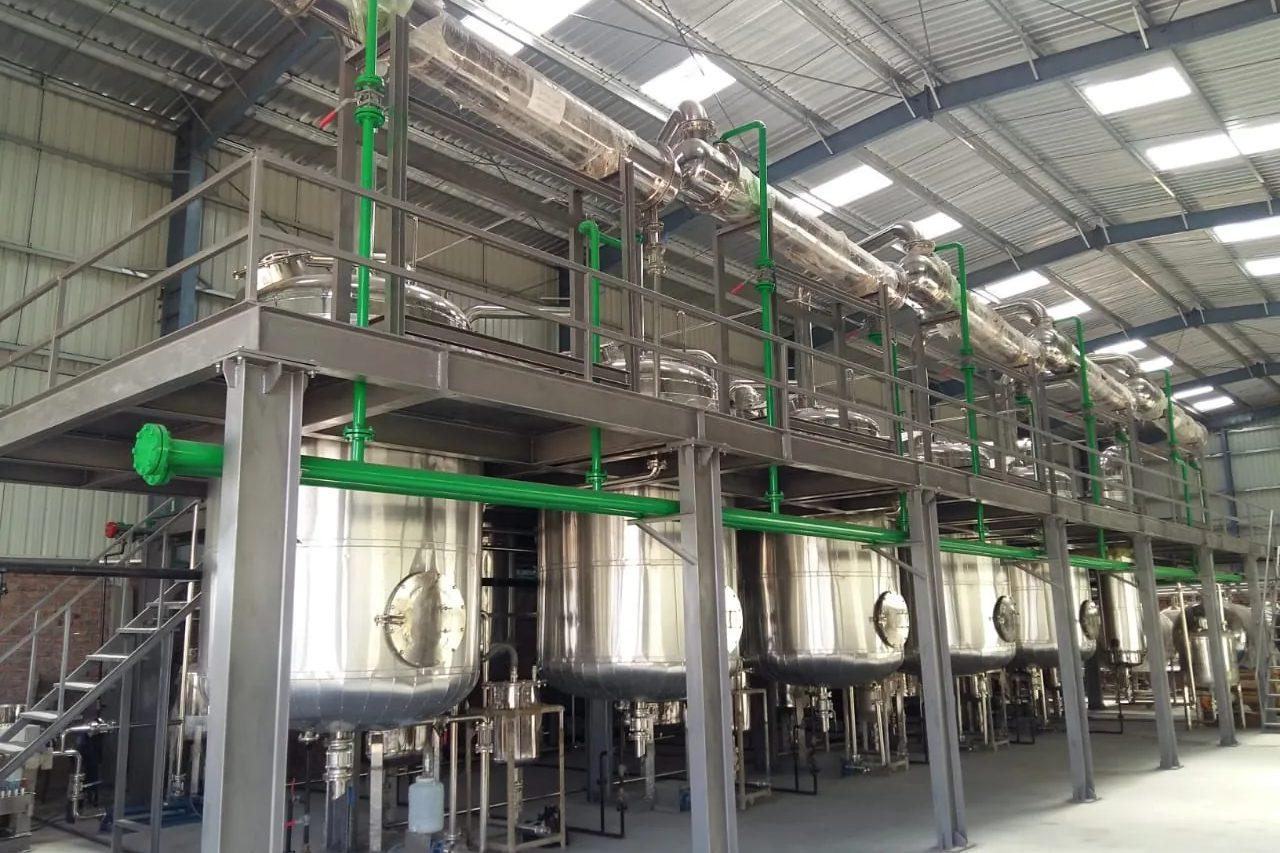
Hibiscus Extraction Plant
View Product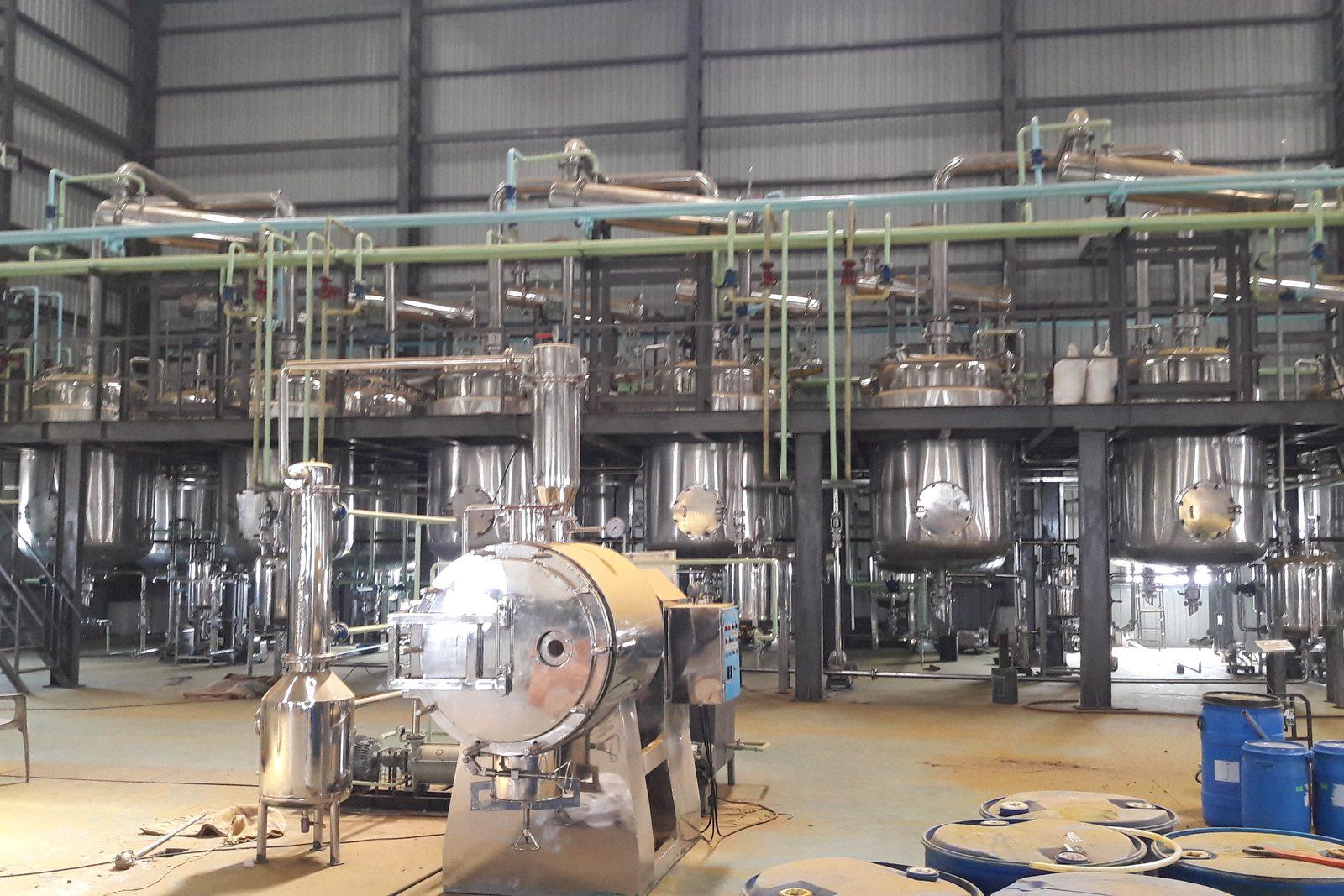
Moringa Extraction Plant
View Product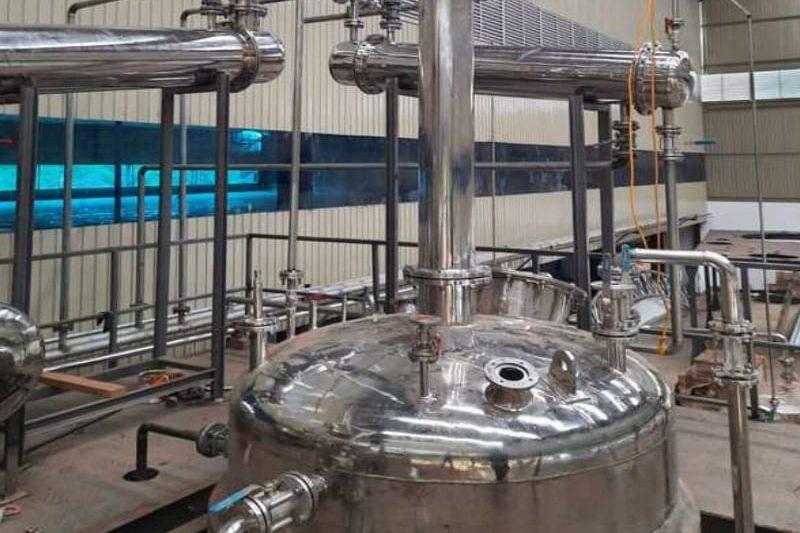
Advanced Botanical Extraction Systems
View Product
What to Define Before You Ask for a Proposal
- The botanical, the plant part, its moisture on arrival and how supply varies between seasons and suppliers
- The extract you will sell: a plain solids extract, a ratio extract or a marker compound, and the method your laboratory will use to measure it
- Your preferred solvent route (water, aqueous ethanol or another solvent) and whether solvent recovery and reuse are required
- Batch size, how many different botanicals the line must switch between, and weekly operating hours
- The final form and pack: liquid, soft extract or powder, and how it will be stored, since many dry extracts pick up moisture and cake
Choosing Between Dedicated and Multi-Herb Lines
Decide first between a dedicated plant and a multi-herb line. A dedicated plant can be tuned tightly for one extract; a multi-herb line gives up some tuning for flexibility and needs vessels that drain and clean fully between botanicals. Percolation and soaking are simple and forgiving, while agitated or recirculated extraction is quicker but needs even milling and better filtration. For powders, a spray dryer suits extracts that must dissolve well, and a vacuum dryer suits sticky or heat-sensitive ones. Ask each proposal to name the botanicals it was sized for and to show solvent in, solvent recovered and extract out.
Utilities, Solvent Area and Site
Plan for steam or another heat source, cooling water, clean process water, electricity and compressed air. Raw herb needs a dry, ventilated store and a milling room where dust can be drawn off. Spent herb is bulky and wet, so give it a route out of the building every day. Where ethanol or another flammable solvent is used, keep extraction and solvent storage in a separate, ventilated area with electrical fittings suited to flammable vapour and no open flames. Allow floor drains, and space to open filters and lift out agitators and baskets.
Filters, Evaporators and Solvent Handling
Filter cloths, gaskets, pump seals, agitator seals and condenser tubes are the routine wear items. Check cloths and screens every batch, because a torn cloth sends fines into the concentrate. Sugar-rich and mucilaginous extracts foul evaporator heating surfaces quickly, so plan regular cleaning. Clean fully between botanicals to stop colour and aroma carrying over. Store dry extract in sealed, moisture-proof containers. With ethanol, earth the hoses and vessels during transfers and keep written solvent procedures at the plant.
Related Services
Find Your Country
Kadali lists products on pages for 54 African countries, with offices in Accra, Ghana and Kano, Nigeria.
Offices and country pages →Countries Listing Herbal, Botanical & Nutraceutical Extraction
Frequently Asked Questions
Can one extraction plant run several different botanicals?
Yes, if it is built for it. Mixed-use plants need vessels with no dead legs, filters that open easily and a washing routine that is proved between runs. The conditions that suit a root differ from those that suit a leaf, so the proposal should state which botanicals the plant was sized for and what changes between them: solvent ratio, time, temperature and milling size.
Water, ethanol or another solvent: how do I choose?
Follow the compounds you want and the customer you sell to. Water and aqueous ethanol take polar compounds such as phenolics and flavonoids and are the usual choice for food and supplement extracts. Hexane and similar non-polar solvents take oils and carotenoids but need stricter safety and residue control. Ask the proposal to state the solvent, extraction time and temperature, and how the solvent is recovered.
Which dryer suits a herbal extract powder?
A spray dryer gives a fine, soluble powder and suits extracts that tolerate a short hot exposure, usually with a carrier added. A vacuum dryer or vacuum belt dryer is gentler for heat-sensitive or sticky extracts, but gives a lumpy product that needs milling. Choose from the extract's behaviour on a small trial, not from a catalogue.
What should I test with my own herb before ordering?
Run a bench or pilot extraction with your actual material. It shows the extraction time, the solvent-to-herb ratio that works, how the liquid filters, how thick the concentrate becomes and how the powder behaves when dried. Have your laboratory measure the marker you will sell against, then give those results to every bidder so proposals are sized on the same basis.
What happens to the spent herb and the wash water?
Spent herb is wet and bulky, and it holds solvent if an alcohol route was used, so a desolventising step may be needed before it leaves the plant. Many processors compost it or burn it as boiler fuel once dry. Wash water carries sugars and colour, so plan a drain, a settling tank and a treatment route before the first batch.