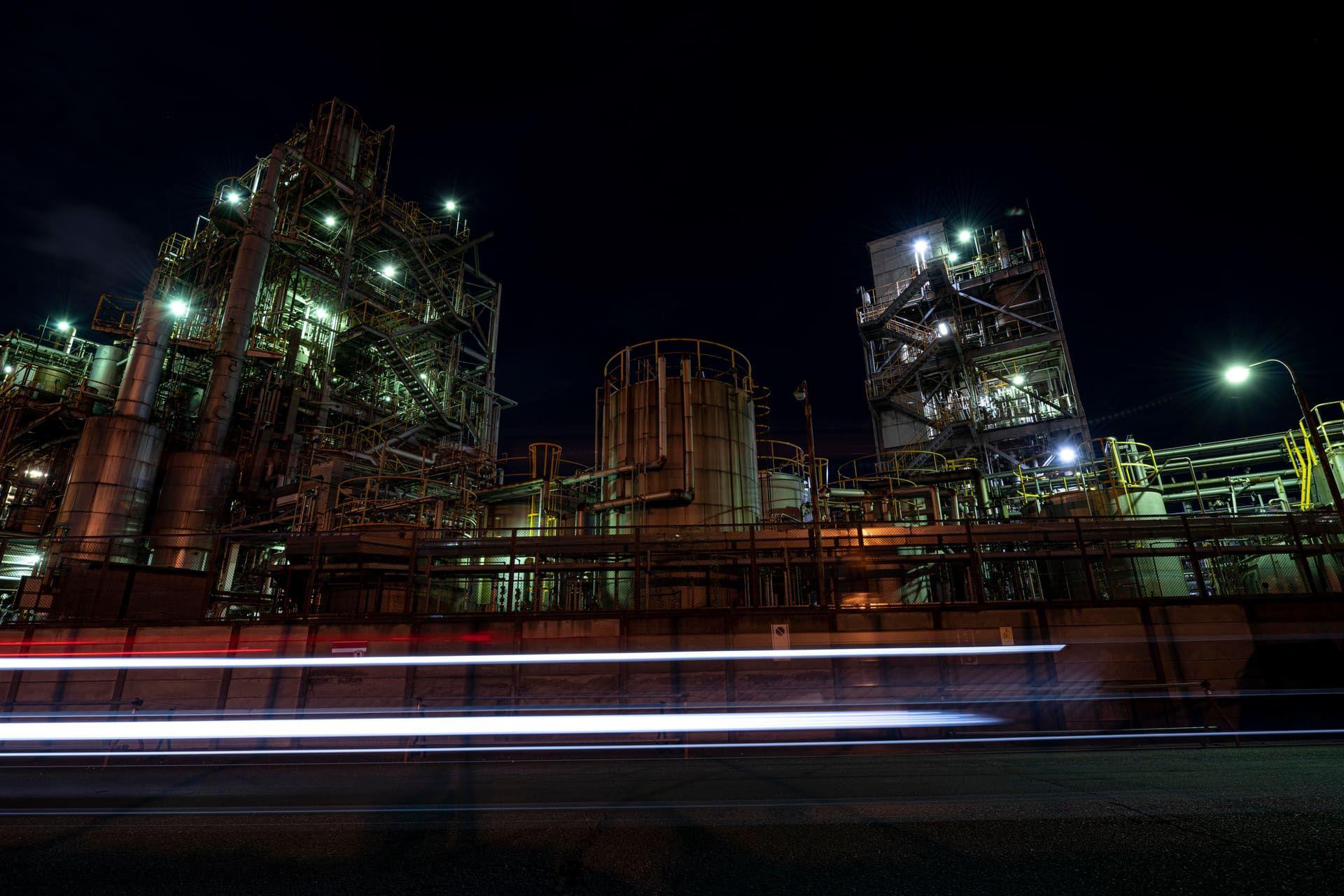
Cinnamon Extraction Plant
Part of the Kadali Africa Ventures catalogue. Send your raw material, target product and capacity for a technical proposal. Request a quote →
Product Categories
- Herbal, Botanical & Nutraceutical Extraction(9)
- Essential Oils, Spices & Oleoresins(6)
- Fruit & Vegetable Processing(8)
- Starch, Flour, Edible Oil & Food Processing(7)
- Drying & Dehydration Systems(5)
- Evaporation, Concentration & Solvent Recovery(4)
- Pharmaceutical & Industrial Process Equipment(4)
- Cocoa, Shea, Palm Oil & Oilseed Processing(6)
- Cereals, Tubers & Sugar Processing(6)
- Specialty African Botanical & Natural Ingredients(11)
- Specialty Food, Beverage & By-Product Processing(7)
Talk to Kadali Africa Ventures
Send your raw material, product and capacity for a technical proposal.
Contact Kadali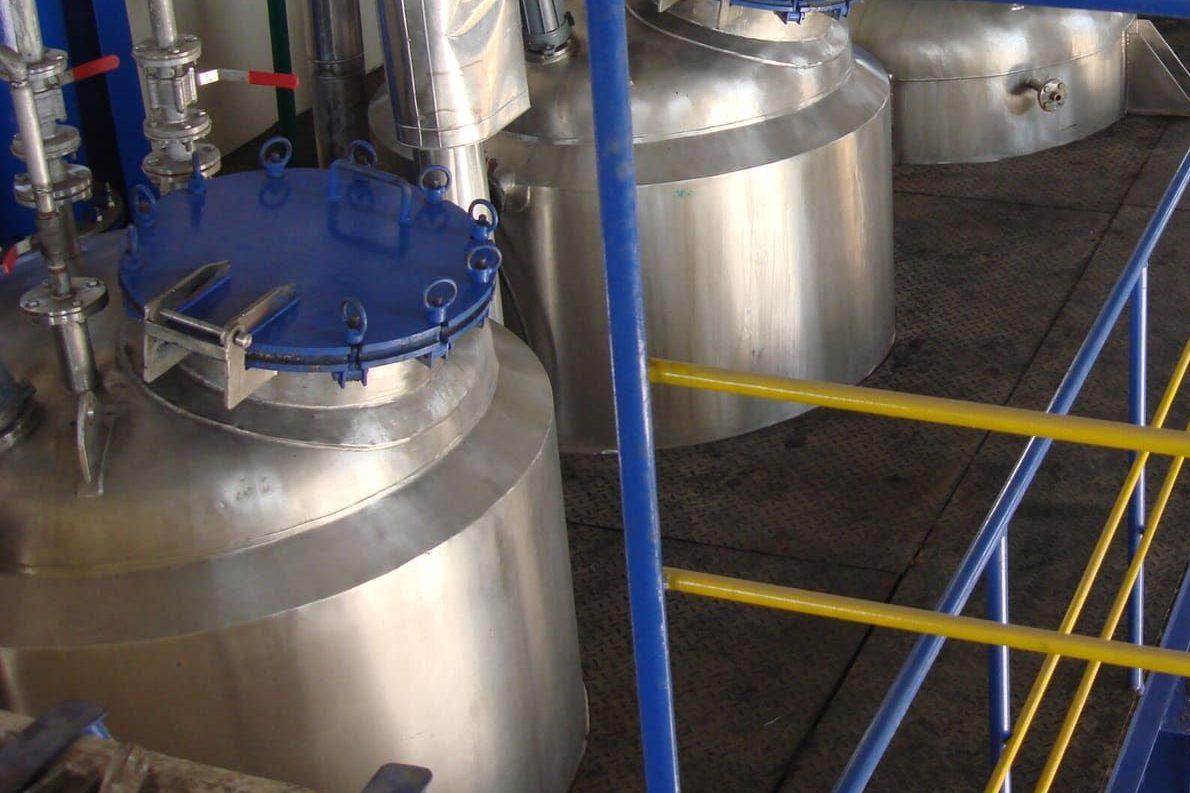
Cinnamon Extraction Plant
This page is for spice and essential-oil processors who handle cinnamon bark, cinnamon leaf or cassia bark and want to turn it into oil, oleoresin or extract. Cinnamon is not a single raw material: true cinnamon (Cinnamomum verum, also called zeylanicum) and cassia (Cinnamomum cassia) are different species, and trade names overlap, so confirm exactly what your supply is. Settle five things before a plant is sized: the species, the plant part (bark quills, chips, trimmings or leaf), moisture and particle size, the product you will sell, and the marker your buyer specifies, whether cinnamaldehyde, eugenol, polyphenols or coumarin control. Five routes are covered: bark oil and leaf oil by distillation, cassia oleoresin by solvent extraction, a non-volatile polyphenol bark extract, and CO2 extracts of bark oil.
Equipment depends on the route. Distillation lines centre on an SS 316L still, a multi-tube condenser with chilled-water circulation, a stainless-steel Florentine flask, polish filtration and an oil drying unit, with size reduction because the bark is dense. Oleoresin and polyphenol lines add sealed jacketed extractors, a plate-and-frame filter press, a falling-film / vacuum evaporator, solvent recovery and, for a powder, a spray or vacuum dryer. CO2 lines use high-pressure SS 316L vessels that recover and recirculate the CO2. Final configuration follows the species, the product target and the capacity.
Indicative Capacity Range
- 100–5,000 kg feed/day
Key Specification Inputs
Extraction solvent/water, extraction stages, batch time, filtration and recovery.
Technical Specifications
| Plant type | Cinnamon plant built by route: distillation, solvent extraction or CO2 extraction |
|---|---|
| Raw material | Cinnamon bark or leaf, and cassia bark; species (Cinnamomum verum / zeylanicum or Cinnamomum cassia), part and form are confirmed with the buyer |
| Bark oil | Steam, hydro, vacuum or pressure distillation; cinnamaldehyde is the marker, typically 65-80% in bark oil |
| Leaf oil | The same distillation modes; eugenol is the marker, typically 70-90% in leaf oil |
| Cassia oleoresin | Solvent percolation of Cinnamomum cassia bark, with cinnamaldehyde assayed by GC and natural coumarin followed by HPLC; a viscous liquid, not a powder |
| Bark polyphenol extract | Aqueous or hydro-alcoholic extraction; a standardised dry extract at 20% polyphenols by UV is the listed target |
| CO2 oils | Supercritical CO2 extraction suits cinnamon bark oil and cinnamon cassia bark oil |
| Oil finishing | Stainless Florentine flask for separation, polish filtration, then drying over anhydrous sodium sulphate or under vacuum |
| Contact surfaces | SS 316L and cleaned in place |
| Controls | PLC-based; PLC-SCADA with recipe management on the extraction routes |
| Plant capacity | Set per project from raw-material supply and the product route |
Typical Process Route
Preparation of Bark or Leaf
Bark is cleaned and ground or crushed to open the oil-bearing cells and give steam a way in. Leaf is cleaned, sorted and cut where needed. For solvent routes the bark is milled to an even size. Particle size is fixed during process development.
Distillation: Charging and Steam
The prepared charge goes into the SS 316L still and is distilled by steam, hydro, vacuum or pressure mode, whichever suits the volatility and heat sensitivity of the oil being made.
Distillation: Condensing and Separating
Vapour is condensed in a multi-tube condenser with chilled-water circulation. In the Florentine flask the oil is separated from the hydrosol, with the separator arranged for the oil being made, and the hydrosol can be kept as a co-product.
Distillation: Polishing and Release
Crude oil is polish-filtered and dried over anhydrous sodium sulphate or under vacuum. Each batch is checked by GC-MS and physical parameters against the agreed specification.
Solvent Extraction (Oleoresin and Polyphenol Routes)
Milled bark is extracted in sealed jacketed SS 316L vessels, by solvent percolation for cassia oleoresin or by aqueous or hydro-alcoholic extraction at moderate temperature for the polyphenol extract.
Clarification, Concentration and Solvent Return
The miscella is cleared through a plate-and-frame press and cartridge polish filters, concentrated in a falling-film / vacuum evaporator and the solvent is returned through a closed recovery loop.
Standardisation and Finishing
Cassia oleoresin is assayed for cinnamaldehyde, with coumarin monitored. Polyphenol extract is assayed by UV, then spray- or vacuum-dried to a free-flowing powder.
Supercritical CO2 Route
Prepared bark is loaded into a high-pressure SS 316L vessel where supercritical CO2 draws out the oil. Pressure is dropped in a separator, and the CO2 is recompressed and recirculated.
Major Plant Equipment
- Cleaning and sorting line for bark and leaf
- Bark crusher or size-reduction unit
- SS 316L distillation still for steam, hydro, vacuum or pressure modes
- Multi-tube condenser with chilled-water circulation
- Stainless Florentine flask (oil-water separator)
- Polish filtration and oil drying unit (sodium sulphate or vacuum)
- Jacketed SS 316L extraction vessels (oleoresin and polyphenol routes)
- Plate-and-frame filter press and cartridge polish filters
- Falling-film / vacuum evaporator with closed solvent recovery loop
- Spray dryer or vacuum tray dryer (polyphenol powder)
- Supercritical CO2 vessel, separator and CO2 recovery system (CO2 routes)
- Clean-in-place (CIP) skid
- PLC-based controls, electrical MCC and instruments
Plant Output
Applications
- Fragrance, flavour and aromatherapy oils
- Flavour use in food and drinks
- Warm-spice flavour compounding for bakery and confectionery (cassia oleoresin)
- Eugenol-rich leaf oil for flavour and fragrance use
- Nutraceutical and functional-food formulations (polyphenol extract)
- Standardised ingredient for pharmaceutical manufacturers
- Active ingredient for cosmetic and personal care formulators
Key Features
Species and Part Kept Apart
Bark oil is led by cinnamaldehyde and leaf oil by eugenol. Cassia is a different raw material from true cinnamon, and the routes treat them separately instead of blending them.
Separation Set for the Oil Being Made
The Florentine flask separates oil from hydrosol and is arranged to suit bark oil or leaf oil, which differ in composition.
Coumarin Watched on Cassia
On the cassia oleoresin route natural coumarin is a monitored release parameter beside the cinnamaldehyde assay.
Gentle Polyphenol Route
The non-volatile polyphenol fraction is extracted at moderate temperature and concentrated under vacuum, a different aim and process from the oil distillation lines.
Stainless and CIP
SS 316L contact surfaces with CIP between batches, so a bark-oil run is not contaminated by eugenol-rich leaf oil, or the reverse.
Related Products
Frequently Asked Questions
Is the raw material true cinnamon or cassia, and does it matter?
Should I make cinnamon oil, oleoresin or a polyphenol extract?
How does bark oil differ from leaf oil?
How should bark and leaf be prepared and stored in humid climates?
Distillation, solvent or CO2: how do I choose, and what drives energy use?
What test work should I prepare for cinnamon?
Are bark peeling or quill-making lines included?
What drives the cost of a cinnamon plant?
What should I send to request a cinnamon plant proposal?
Ready to discuss your project?
Call or email Kadali Africa Ventures with your raw material, target product and capacity.