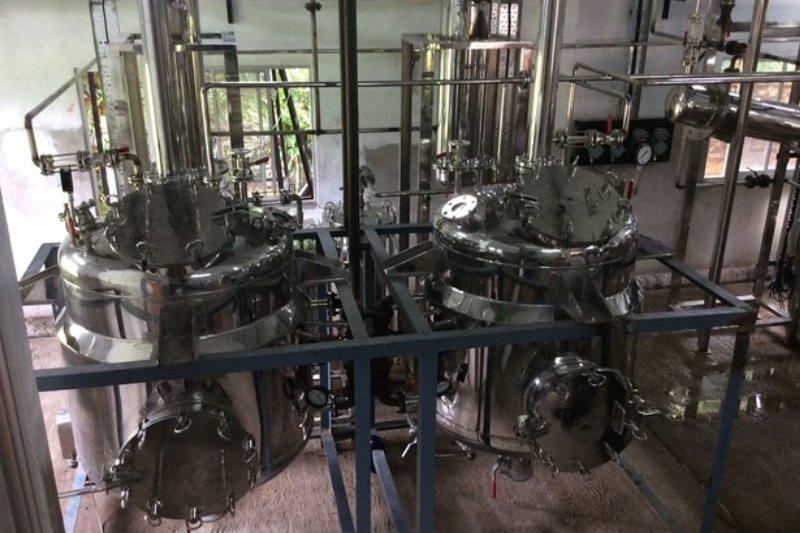
Specialty African Botanical & Natural Ingredients
Specialty African Botanical & Natural Ingredients (11 products)
Specialty African botanical projects cover baobab, aloe, gum arabic, seaweed, natural colours, vanilla, clove, ylang ylang, argan, olive leaf and frankincense. Each is a different crop, part of the plant and product, from powder or oil to extract, gum, resinoid or pigment. Much of the raw material is gathered from wild trees or small farms. Three things decide the design: how steady and clean the supply is, which route turns it into the product (dry milling, pressing, steam distillation or extraction), and the assay, aroma or colour a buyer will pay for.
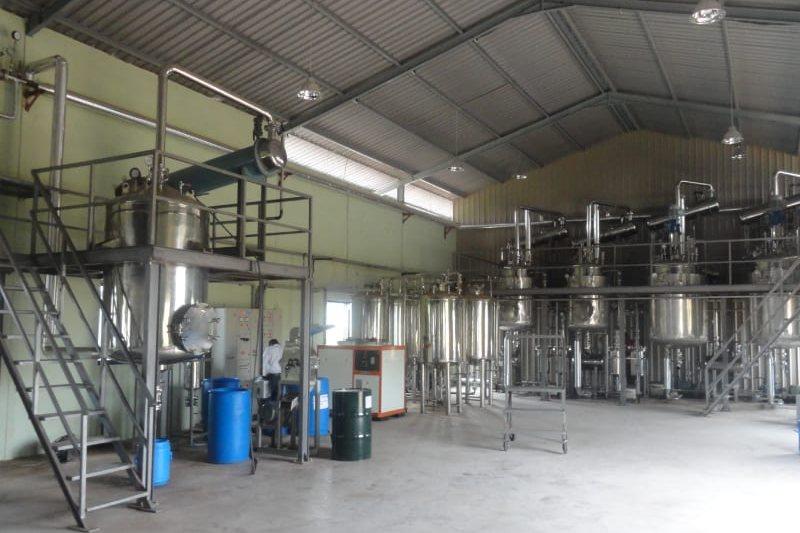
Baobab Processing & Extraction Plants
View Product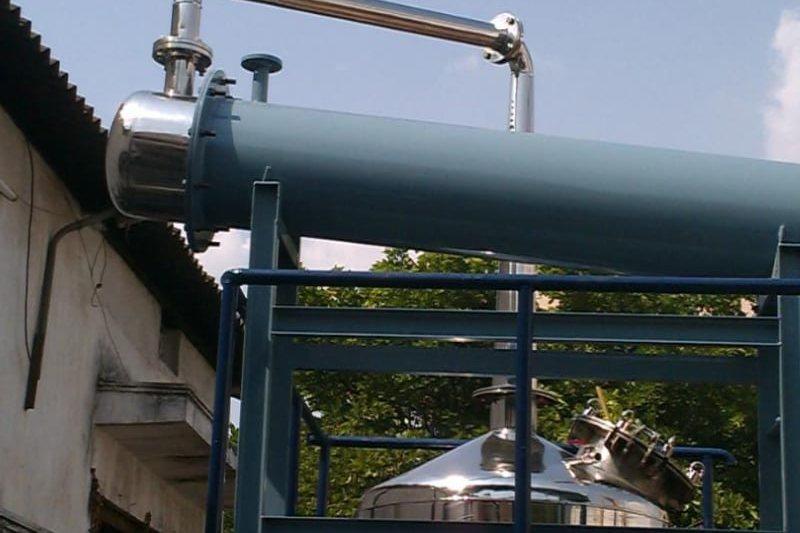
Aloe Vera
View Product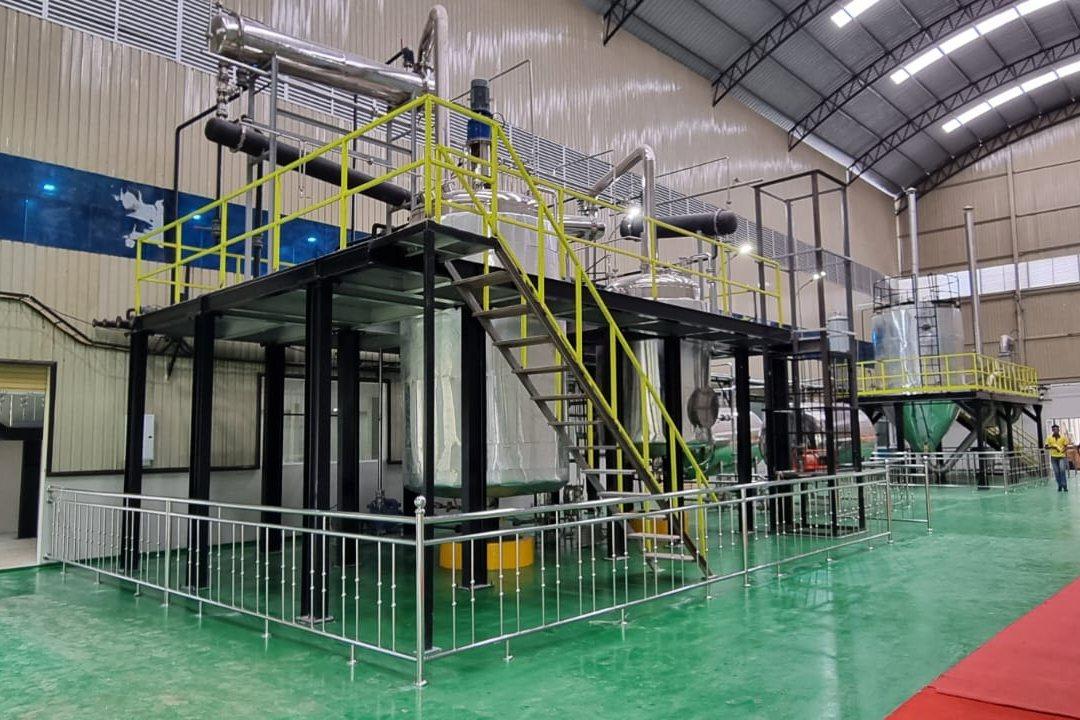
Gum Arabic Processing Plant
View ProductSeaweed Extraction & Drying Plants
View Product
Natural Colour Extraction Plants
View Product
Vanilla
View Product
Clove Buds
View Product
Ylang Ylang
View Product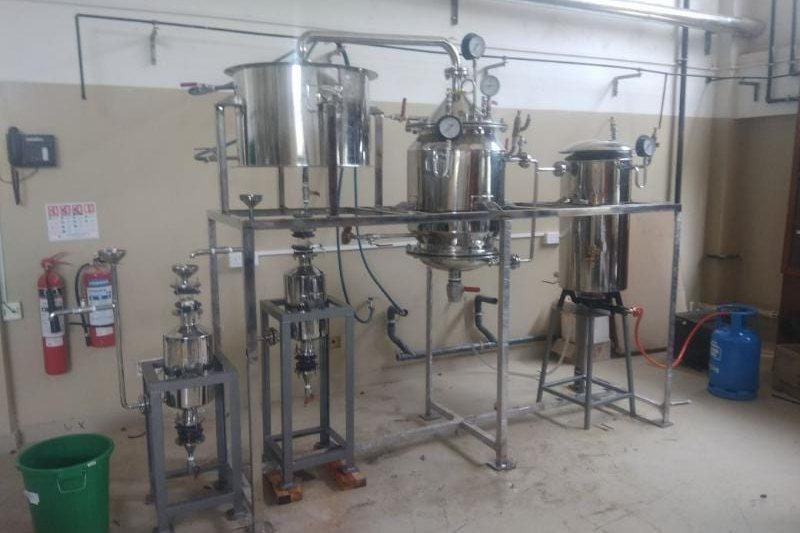
Argan Oil Processing Plants
View Product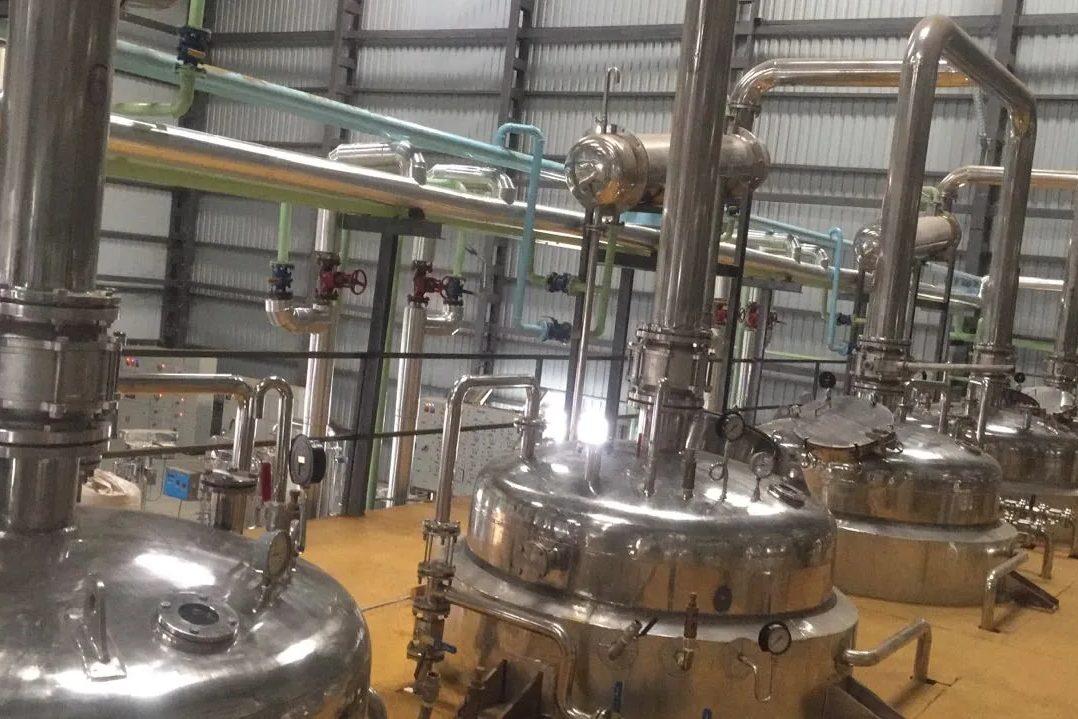
Olive Leaf Extract Powder
View Product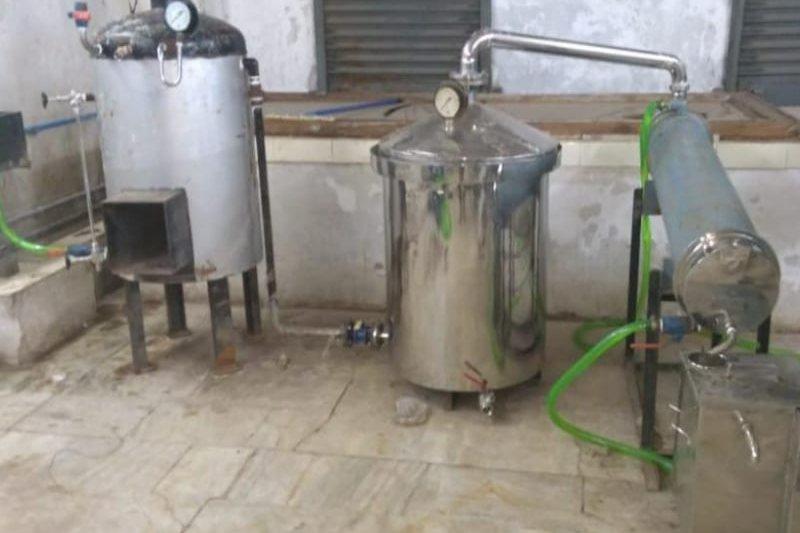
Frankincense Extraction Plant
View Product
What to Define Before You Ask for a Proposal
- The exact plant part (pulp, leaf, bud, flower, resin, kernel or frond), its moisture on arrival and how it is dried at source
- The target product and the buyer's test for it: powder grade, oil or resin quality, colour strength or assay
- The route under comparison: dry milling, pressing, steam distillation, water or alcohol extraction
- Monthly volume, the collection radius and how many months of the year raw material is really available
- What happens to press cake, shells, seeds, spent leaf, hydrosol and process water
Matching the Route to the Product
Pick the route from the product. Steam distillation suits oils from clove, ylang ylang and frankincense, and ylang ylang needs a still that lets you cut timed fractions. Alcohol or other solvent extraction is the route for vanilla, resinoids, boswellic-acid extracts and olive leaf, and it brings solvent recovery and a flameproof area. Water extraction followed by spray drying suits gum arabic, colours and seaweed. Pressing suits argan and baobab seed. A proposal should name the product each module makes and what must change to switch crop.
Stores, Steam, Solvent Zones and Drainage
A dry, ventilated store for raw material, kept off the floor and away from damp walls; steam and cooling water for stills and extractors; a flameproof, well-ventilated zone for any alcohol or solvent work; dust extraction at gum and baobab milling; drainage and treatment for coloured or organic process water, which is heavy in seaweed and colour plants; a place to collect and use hydrosol and press cake; and a cool, dark room for finished oils and extracts.
Cleaning Between Crops, Storage and Solvent Safety
Check still gaskets, condensers and oil separators, filter cloths on extractors and the nozzles of any spray dryer. Strong aromas carry over, so clean thoroughly between crops, for example between clove and vanilla. Oils and extracts oxidise with air, warmth and light, so fill containers full and store them cool. Alcohol vapour, hot steam, fine powder dust and slippery floors are the real hazards, and damp raw material can go mouldy within days.
Related Services
Find Your Country
Kadali lists products on pages for 54 African countries, with offices in Accra, Ghana and Kano, Nigeria.
Offices and country pages →Countries Listing Specialty African Botanical & Natural Ingredients
Frequently Asked Questions
How do I secure steady supply of a wild-harvested raw material before building?
Work with the collectors first: agree what is picked, when and how it is dried, then run a trial season with weighing, grading and written lot records on arrival. Pay for quality, not only weight, and test on receipt. A plant sized for a harvest you cannot reliably collect will run part-empty, so size to the supply you can prove, not the supply that exists in the field.
Should resins and flowers be distilled or solvent-extracted?
It depends on what the buyer purchases. Distillation gives a volatile essential oil for perfumery and aromatherapy. Solvent or alcohol extraction gives a heavier resinoid, absolute or concentrated extract with a different aroma and different active compounds. They are separate process trains, not settings on one machine, so decide the product first and then ask for the route.
Can one plant process several botanicals?
It can, if the crops are harvested in different months and the equipment suits all of them. The compromises are cleaning between aromatic crops, vessel sizes that fit no crop perfectly, and idle equipment in the months a crop is out of season. Many buyers do better with a core unit for their main crop and a smaller flexible module for secondary ones.
Can I start with dry processing and add extraction later?
Often yes, if the layout leaves floor space, steam, cooling water and drainage for the later step, and if the dried product you make first is one you can sell on its own. Say so in your enquiry so the building, utilities and control cabinets can be planned for the second phase rather than rebuilt.
How should essential oils and extracts be stored?
Keep them in full, tightly closed, dark containers in a cool room. Air, light and warmth degrade terpenes and colour, and oil left in half-empty drums changes aroma. Filter and dry oils before filling, label each lot with its raw material batch, and keep a retained sample so quality complaints can be traced.