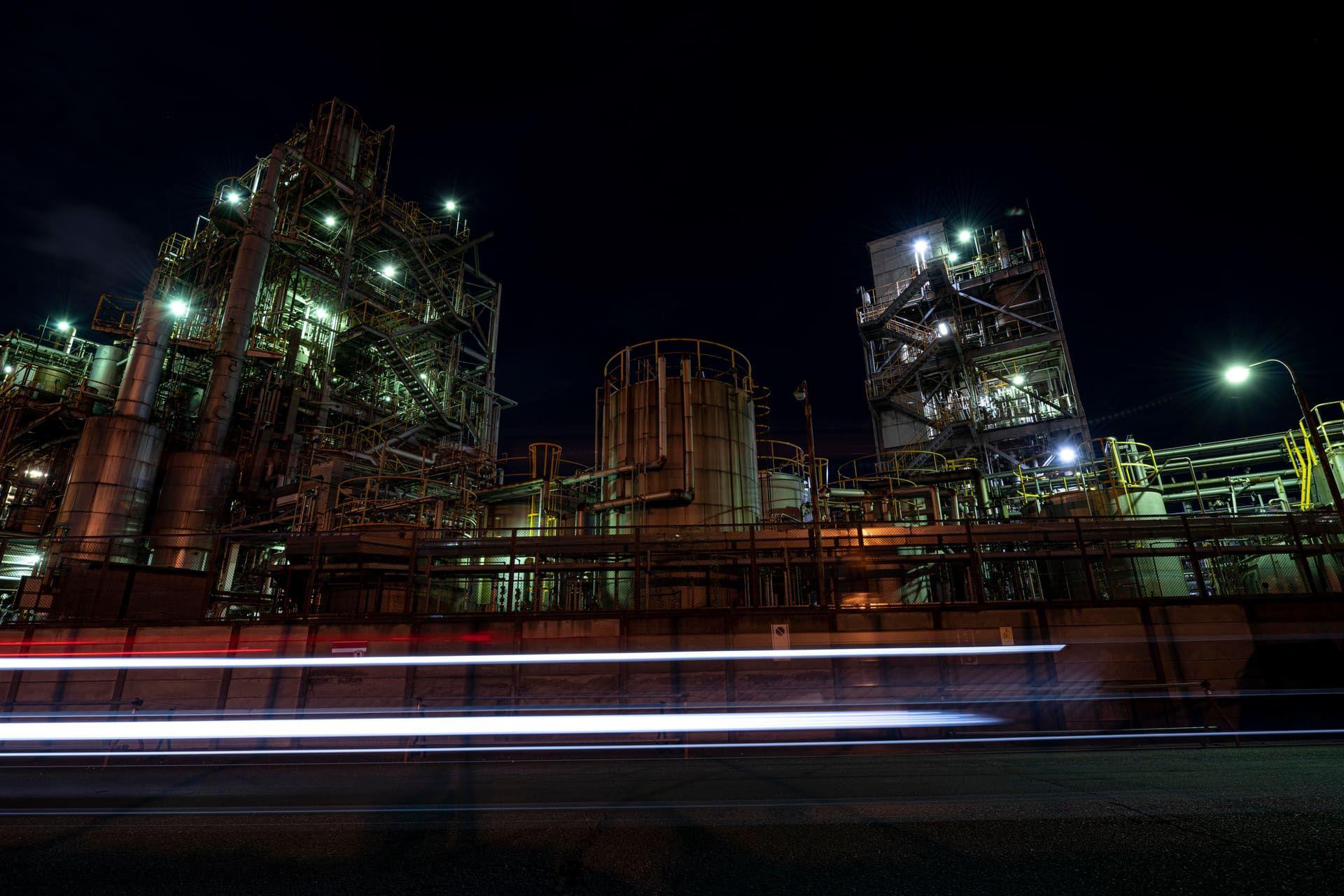
Soybean Oil Processing Plants
A soybean oil plant prepares whole beans, then recovers the oil by pressing or solvent extraction and toasts the de-oiled meal, so the project makes two products, oil and protein meal.
Product Categories
- Herbal, Botanical & Nutraceutical Extraction(9)
- Essential Oils, Spices & Oleoresins(6)
- Fruit & Vegetable Processing(8)
- Starch, Flour, Edible Oil & Food Processing(7)
- Drying & Dehydration Systems(5)
- Evaporation, Concentration & Solvent Recovery(4)
- Pharmaceutical & Industrial Process Equipment(4)
- Cocoa, Shea, Palm Oil & Oilseed Processing(6)
- Cereals, Tubers & Sugar Processing(6)
- Specialty African Botanical & Natural Ingredients(11)
- Specialty Food, Beverage & By-Product Processing(7)
Talk to Kadali Africa Ventures
Send your raw material, product and capacity for a technical proposal.
Contact Kadali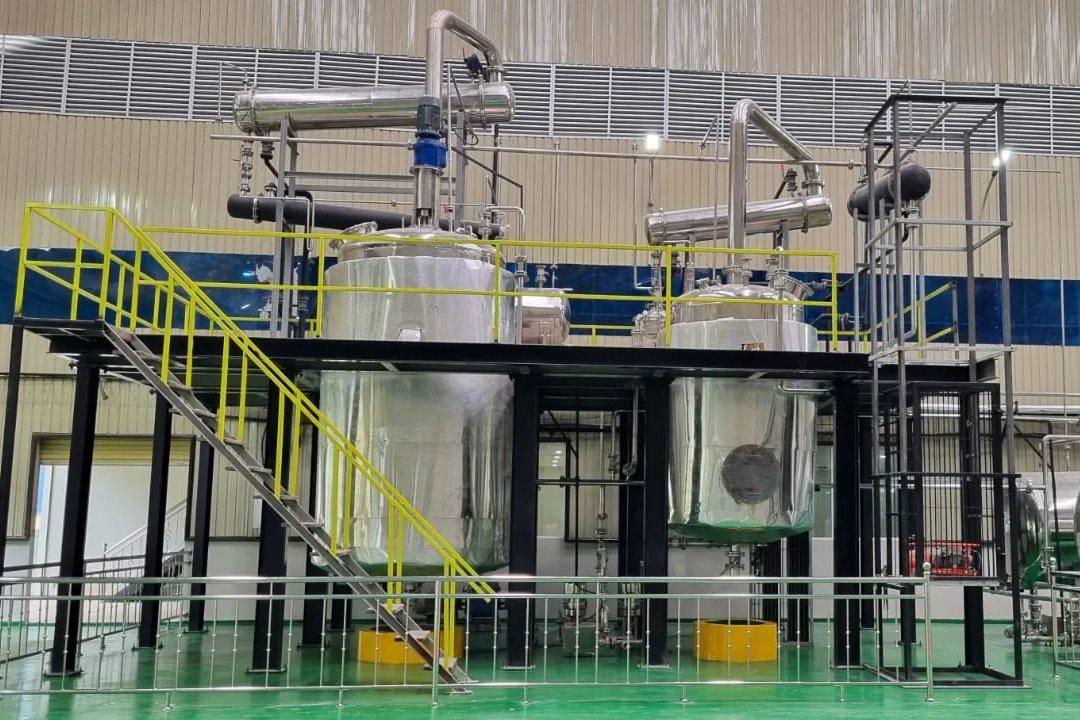
Soybean Oil Processing Plants
Soybeans are low in oil and high in protein, which makes the meal at least as important as the oil, so the meal market matters to the plant's economics. The buyer should first settle how the meal will be sold, because the protein target decides whether the beans are dehulled and how the meal is toasted. The next questions are the scale, since solvent extraction is more usual at larger scale while smaller operations tend to press, whether crude oil will be sold or refined, and whether the site can handle a flammable solvent with hazardous-area design, trained operators and steam. Bean moisture, cleanliness and storage affect both oil and meal. The bean supply across the year and the route for hulls, gums and wastewater also decide what size of plant makes sense in the first place.
Beans are cleaned, cracked into pieces, conditioned with heat and flaked. Cracking sets the flake size, and flake size sets how much material fits in the extractor, so these settings are linked. Dehulling removes hull and lowers fibre, which raises the protein of the meal, and it can be done before flaking (front end) or after (tail end). Oil is then recovered in one of two ways. A screw press, usually after an expander, squeezes the oil out and leaves more oil in the cake. Solvent extraction washes flakes with hexane and leaves very little oil behind, but it needs a closed extractor, solvent recovery and hazardous-area design because hexane vapour and air are flammable. In either case the meal must be toasted: heat removes the solvent and reduces anti-nutritional factors, and the desolventiser-toaster is designed for the seed it handles. The meal is then dried, cooled and ground. Crude oil deposits gums in storage, so degumming (hydrating and removing the gums) comes before the storage tank, and refining (neutralising, bleaching and deodorising) is added where a bland, stable oil is needed.
Indicative Capacity Range
- 1–20 tonnes beans/day
Key Specification Inputs
Dehulling, oil recovery, meal quality, refining and solvent safety.
Technical Specifications
| Technology | Bean preparation, then screw pressing or hexane extraction, meal toasting and oil degumming, with optional refining |
|---|---|
| Working Principle | Cracked and flaked beans give up oil to a press or solvent, and the de-oiled meal is heat-treated and dried |
| Feed | Whole soybeans; moisture, cleanliness and storage condition set the cleaning and conditioning duty |
| Seed Preparation | Cleaning, cracking, dehulling, conditioning and flaking, with dehulling placed front-end or tail-end |
| Oil Recovery Route | Expander and screw press, or closed hexane extractor, chosen by scale, safety capability and meal needs |
| Meal Treatment | Desolventiser-toaster or heat treatment sized to the seed, then drying, cooling and grinding |
| Solvent Safety | Closed circuit, solvent recovery, flame-proof electrics and vapour detection where hexane is used |
| Heat Source | Steam from a boiler on local fuel, as the process needs heat for conditioning and toasting |
| Oil Treatment | Gum hydration and separation before storage; neutralising, bleaching and deodorising only where refined oil is needed |
| Contact Material | Mild steel for the seed and meal sections; stainless steel on oil-contact surfaces |
Typical Process Route
Bean Receiving and Cleaning
Beans are received, screened to remove stones, dust, stems and metal, and dried if damp. Foreign matter damages cracking rolls and presses, and wet beans spoil in storage.
Cracking and Dehulling
Rolls crack the beans into pieces and the hulls are aspirated off. How much hull is removed sets the fibre and so the protein level of the meal.
Conditioning and Flaking
Pieces are heated so they flake rather than crumble, then rolled into thin flakes. Thin, even flakes let the solvent or the press reach the oil, and the flake thickness has to match the extractor loading.
Pressing or Solvent Extraction
Flakes go to a screw press, often after an expander, or into a closed extractor washed with hexane. Pressing leaves more oil in the cake, while solvent extraction removes almost all of it but brings flammable-solvent duty.
Desolventising and Toasting
On the solvent route the meal is heated with steam to drive off the solvent, which is condensed and reused, and to reduce anti-nutritional factors. Under-toasted meal is poor feed, and over-toasted meal loses protein quality.
Meal Drying, Cooling and Grinding
Toasted meal is dried to a trading moisture, cooled and ground, then bagged or stored loose. Warm, damp meal moulds and cakes, and fine dust is a fire hazard.
Degumming and Crude Oil Storage
Gums are hydrated and removed from the crude oil before it is stored, otherwise they settle out as a deposit in the tank. The gums form a separate stream with their own use or disposal.
Refining and Packing
Where a bland oil is needed, the crude oil is neutralised, bleached and deodorised, then packed. Crude oil can instead go straight to a refiner.
Process & Equipment Modules
- Bean intake hopper and cleaning screen
- Cracking rolls
- Hull aspirator or dehulling section
- Conditioner
- Flaking mill
- Expander with screw press
- Solvent extractor with solvent recovery, where used
- Desolventiser-toaster
- Meal dryer, cooler and mill
- Degumming vessel and separator
- Crude oil storage tank
- Refining train, where refined oil is needed
Plant Output
Applications
- Crude degummed soybean oil sold to refiners
- Refined soybean oil for household and catering use
- Soybean meal for poultry, pig and fish feed
- Full-fat or partly de-oiled soybean cake for feed compounders
- Soy gums (lecithin) from degumming for food and feed use
- Soybean hulls as a fibre feed or boiler fuel
- Soybean meal as a protein base for further food processing
Key Features
Meal as a Design Target
The seed preparation and toasting sections are specified against the meal protein and quality wanted, not just the oil recovered.
Front- or Tail-End Dehulling
Dehulling can be placed before or after flaking, and it sets the fibre and protein of the meal.
Press or Solvent Route
A screw press suits small scale and simple sites, while a hexane extractor suits larger scale and higher oil recovery.
Safety Designed In for Solvent Duty
A closed circuit, solvent recovery, flame-proof items and vapour detection are part of any hexane plant, not an add-on.
Toaster Designed for the Seed
The desolventiser-toaster residence time depends on the seed, so a line built for soybean does not automatically suit rapeseed.
Degumming Before Storage
Removing gums before crude oil goes to the tank prevents a sludge deposit and gives a separate gum stream.
Country Pages for Soybean Oil Processing Plants
This product is listed on the pages of the countries below, each with its own enquiry route. Where Kadali has no office in a country, enquiries are handled from the Accra office.
Related Products
Frequently Asked Questions
What information is needed to size Soybean Oil Processing Plants?
What capacity range does Soybean Oil Processing Plants cover?
Should a small plant press the beans or use solvent extraction?
How does dehulling change the meal?
How do I know the meal has been toasted enough?
Is hexane extraction a fire risk?
Can a soybean line also process rapeseed or sunflower seed?
Why is degumming done before storage?
How do I request a proposal for Soybean Oil Processing Plants?
Enquire about Soybean Oil Processing Plants
Send your raw material, target product and capacity to Kadali Africa Ventures for a technical proposal.