Starch, Flour, Edible Oil & Food Processing
Starch, Flour, Edible Oil & Food Processing (7 products)
This group covers staple-crop, oilseed and feed projects: cassava starch and cassava flour, sunflower and groundnut oil, peanut butter, coffee and animal feed. These are volume businesses, so the raw material supply, the water and energy balance and the market for by-products usually decide whether a plant pays. The crop's keeping time matters too: cassava roots must be processed soon after harvest, while oilseed and coffee can be stored if they are dry. The three things that set the design and the price are the crop and its supply, the process route, and the by-product and effluent plan.
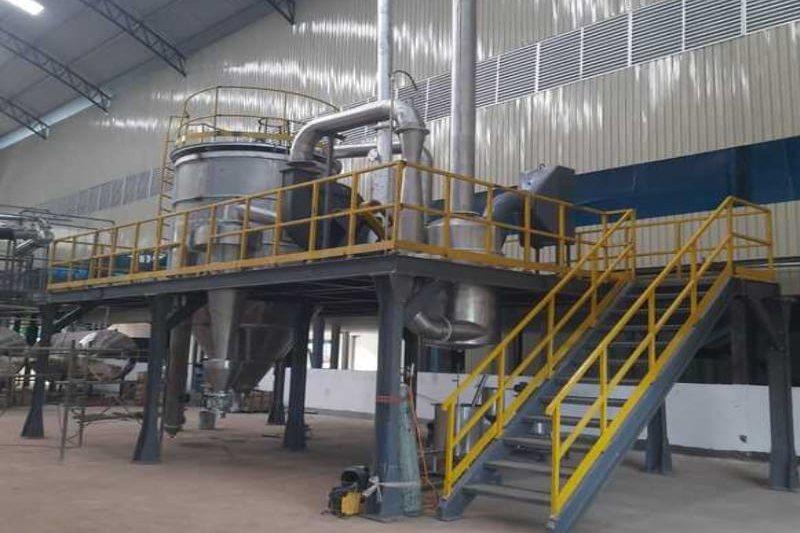
Cassava Starch Processing Plants
View Product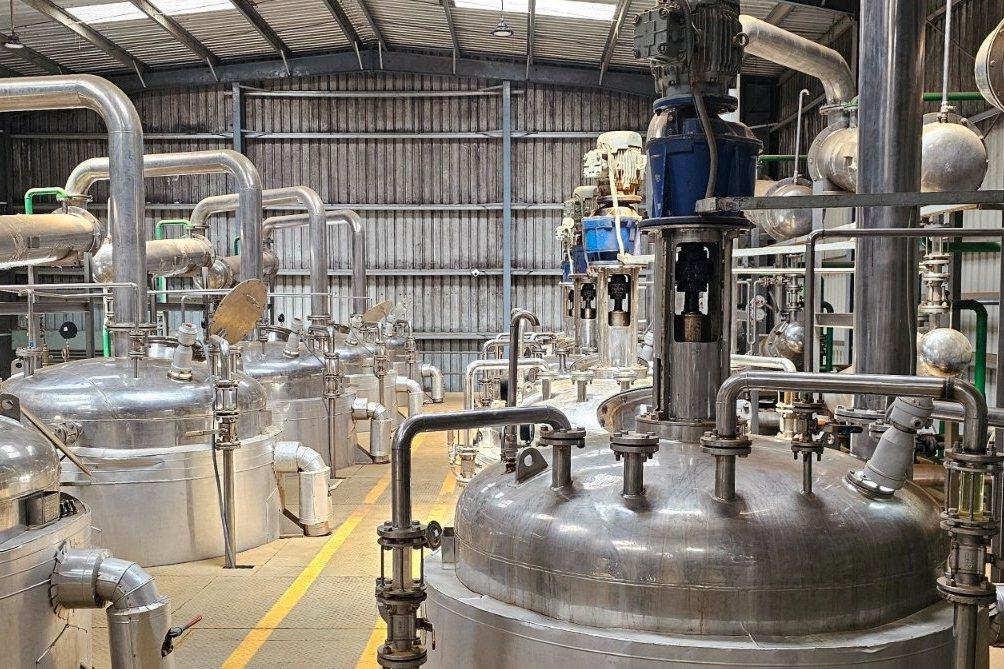
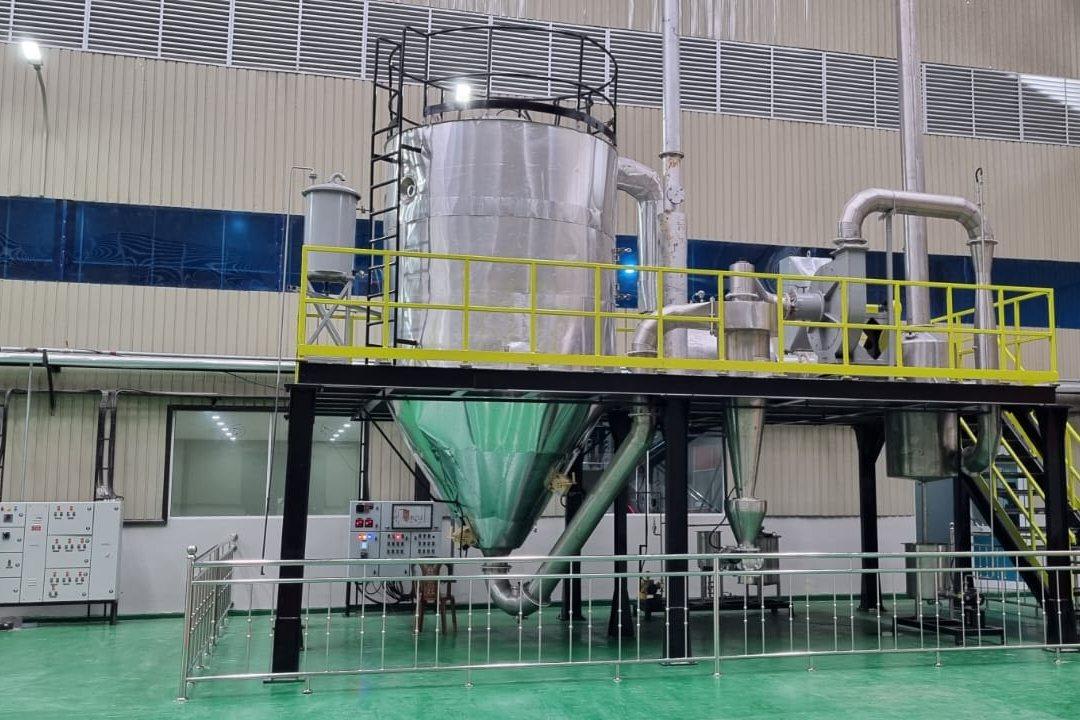
Cassava Flour Processing Plants
View ProductSunflower Oil Processing Plants
View Product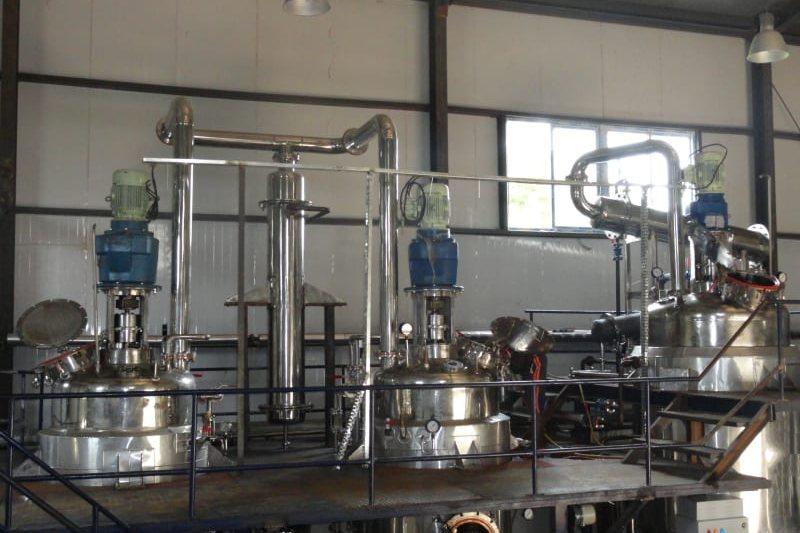
Groundnut Oil Processing Plants
View Product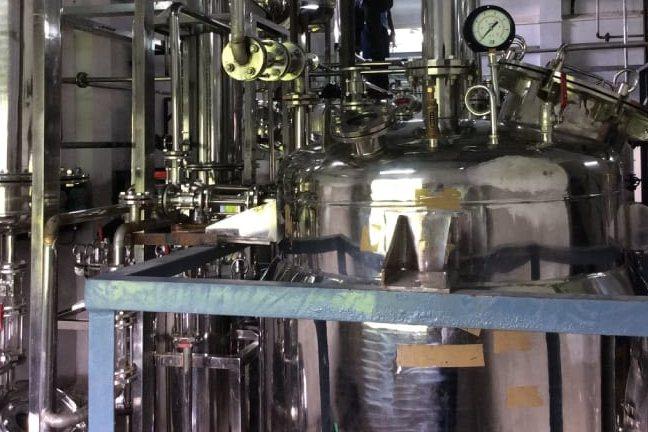
Peanut Butter Processing Plants
View Product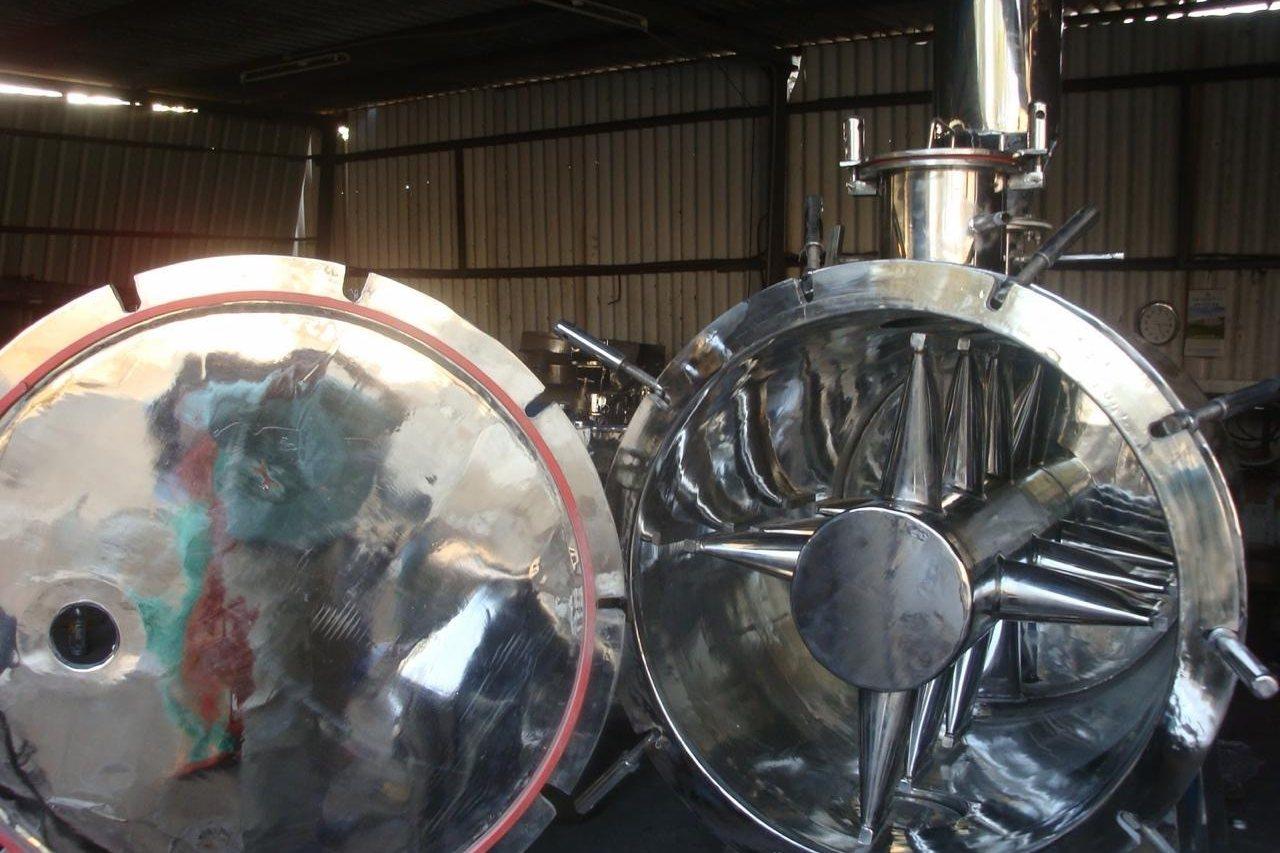
Coffee Processing Plants
View Product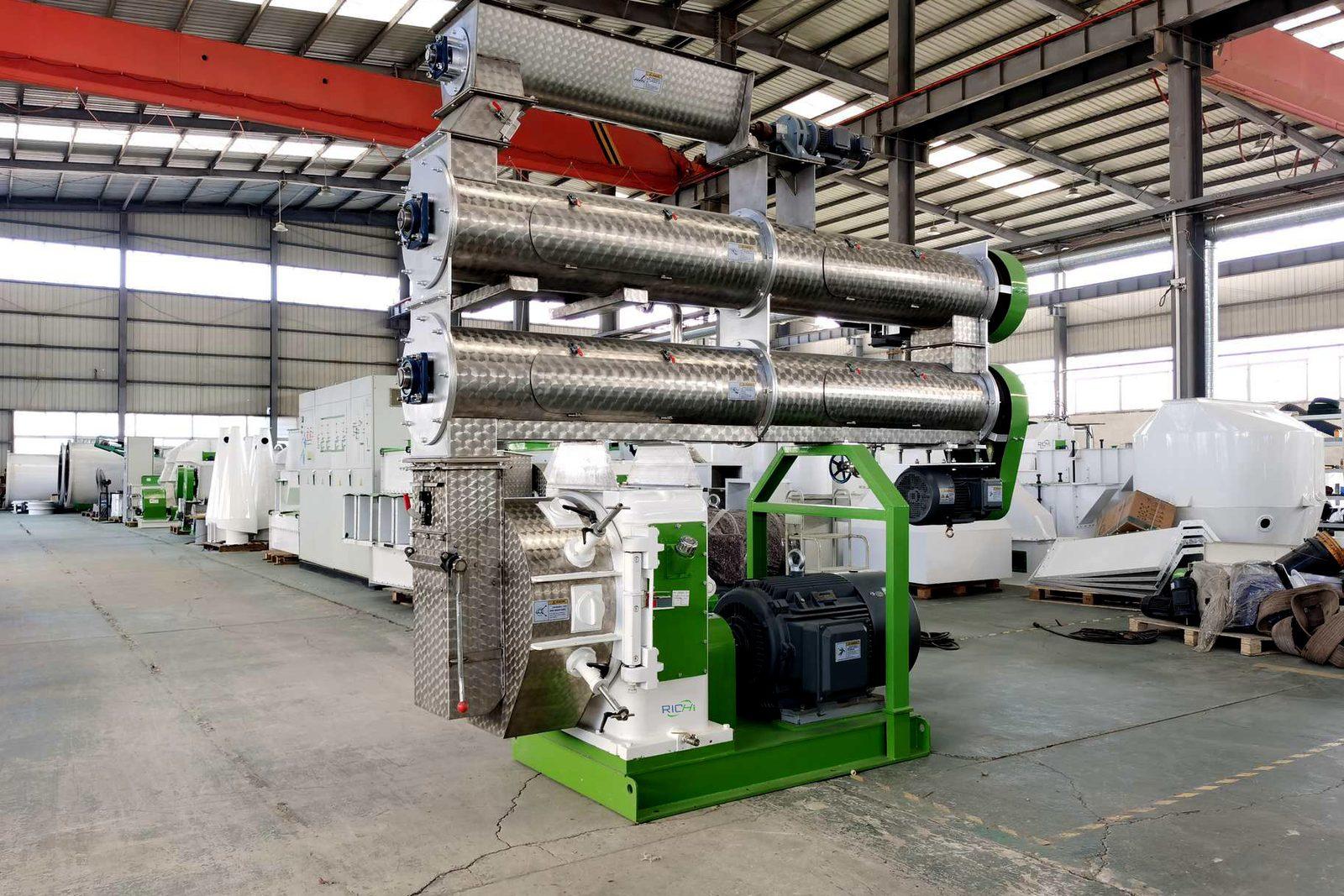
Animal Feed Plant Enquiry (Poultry, Cattle & Aqua Feed)
View Product
What to Define Before You Ask for a Proposal
- The crop, tonnes per day at the peak, the length of the season and the haul distance from farm to plant
- The product and grade: starch or flour, crude or refined oil, peanut butter, green or roasted coffee, or mash, pellet or extruded feed
- The route you prefer: wet or dry cassava, pressing alone or pressing and solvent for oil, wet or dry coffee processing
- Power, fuel and water at the site, and where effluent can go
- Who will buy each by-product: cassava peel and pulp, press cake, husk, bran or shells
Choosing the Crop Route and Plant Scope
Ask for a mass balance and a water and energy balance, not just a capacity. Starch uses a water-based separation and needs effluent treatment; flour dries and mills the root, using less water but keeping the fibre. A screw press alone leaves oil in the cake; adding solvent extraction recovers more but brings a hazardous area. Compare selling crude oil with refining it yourself. Wet coffee processing uses water and fermentation, dry processing uses patio or dryer capacity. Mash feed is simple, while pellets need steam conditioning and a die.
Power, Water, Fuel and Effluent
Expect large electricity use for rasper mills, presses, hammer mills and pelleting. Cassava starch and wet coffee need abundant clean water and a treatment lagoon or digester. Dryers and refineries need a boiler or hot-air fuel supply. Keep the oil press and any solvent area away from ignition sources. Allow truck access and a weighbridge, a roofed receiving yard, and dry, ventilated, rodent-proof stores for finished goods. Roasting needs an exhaust stack, since smoke carries odour.
Wear Parts, Rancidity, Mould and Dust
Cassava raspers, screens and screw press worms wear quickly, particularly where roots carry sand, so keep spare blades and worms. Filter cloths, dryer burners and cyclones need regular checks. Oil and peanut paste turn rancid if they sit warm or in air, and damp stores grow mould; groundnuts can carry aflatoxin if dried badly, and raw cassava contains cyanogenic compounds, so test and process accordingly. Flour, starch and feed dust can burn, so keep dust collection and housekeeping strict, and keep batch records for traceability.
Related Services
Find Your Country
Kadali lists products on pages for 54 African countries, with offices in Accra, Ghana and Kano, Nigeria.
Offices and country pages →Countries Listing Starch, Flour, Edible Oil & Food Processing
Frequently Asked Questions
Should I press my oilseed only, or add solvent extraction?
Pressing needs less equipment, little supervision and leaves a cake that sells well as feed. Adding a solvent plant recovers more of the oil from the seed or cake, but brings a hazardous area, trained operators and local permits. Ask the proposal to show the oil left in the cake for your seed with each route, then compare the extra oil to the extra cost.
How is cassava starch different from cassava flour?
Starch is separated from fibre and protein in water, so it needs clean water, effluent treatment and a flash dryer, and it sells as a purified ingredient. Flour is made by grating or chipping, pressing and drying the whole root, so it uses less water but contains the fibre. Starch buyers pay for purity; flour buyers pay for colour and low grit.
Should I sell crude oil or refine it?
Crude oil needs only pressing, settling and filtering, and sells to refiners or local users. A refinery removes free fatty acids, colour and smell through several more steps, needing steam, chemicals and trained staff. Refining makes sense where you can sell packed oil to shops and manufacturers. Good seed handling cuts refining losses either way, since damaged or damp seed gives higher free fatty acids.
Mash, pellet or extruded feed: which should I plan for?
Mash is cheapest and simplest. Pellets bind ingredients and cut waste, but need a steam boiler, a conditioner and a die. Extruded feed suits fish and pet feed because it floats or sinks as designed, but it needs an extruder and a dryer. The species and growth stage you serve decide the form, and the form decides the power and steam you need.
What can I do with cassava peel, press cake, husk and shells?
Plan buyers before building. Oilseed cake and meal sell as animal feed, cassava peel and pulp can be dried for feed, coffee husk and groundnut shells make fuel, and starch effluent can feed a biogas digester. Wet by-products spoil fast, so storage and a collection schedule are part of the business case.