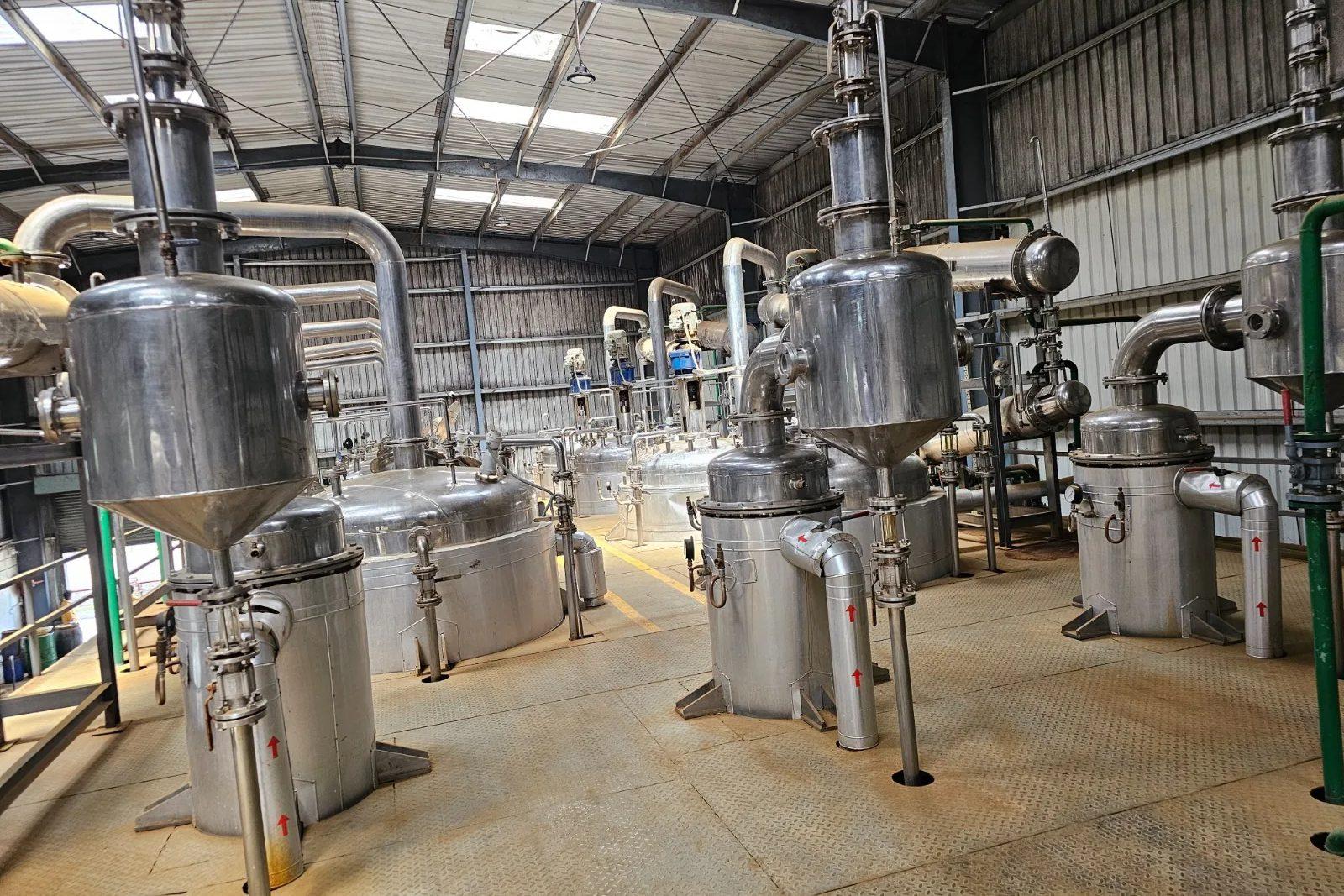
Evaporation, Concentration & Solvent Recovery
Evaporation, Concentration & Solvent Recovery (4 products)
Evaporation and distillation plants split a liquid into a thicker product and a vapour that is condensed and reused. Evaporators thicken juices, extracts, syrups and process liquors by boiling off water. Solvent recovery plants boil spent ethanol, hexane or acetone away from the extract or oil it carried so the solvent can return to the process. This group covers the vacuum evaporator, the multiple-effect evaporator, the solvent recovery plant and solvent distillation systems. Steam use, cooling water, the heat sensitivity of the feed and how quickly it fouls decide the design and the price.
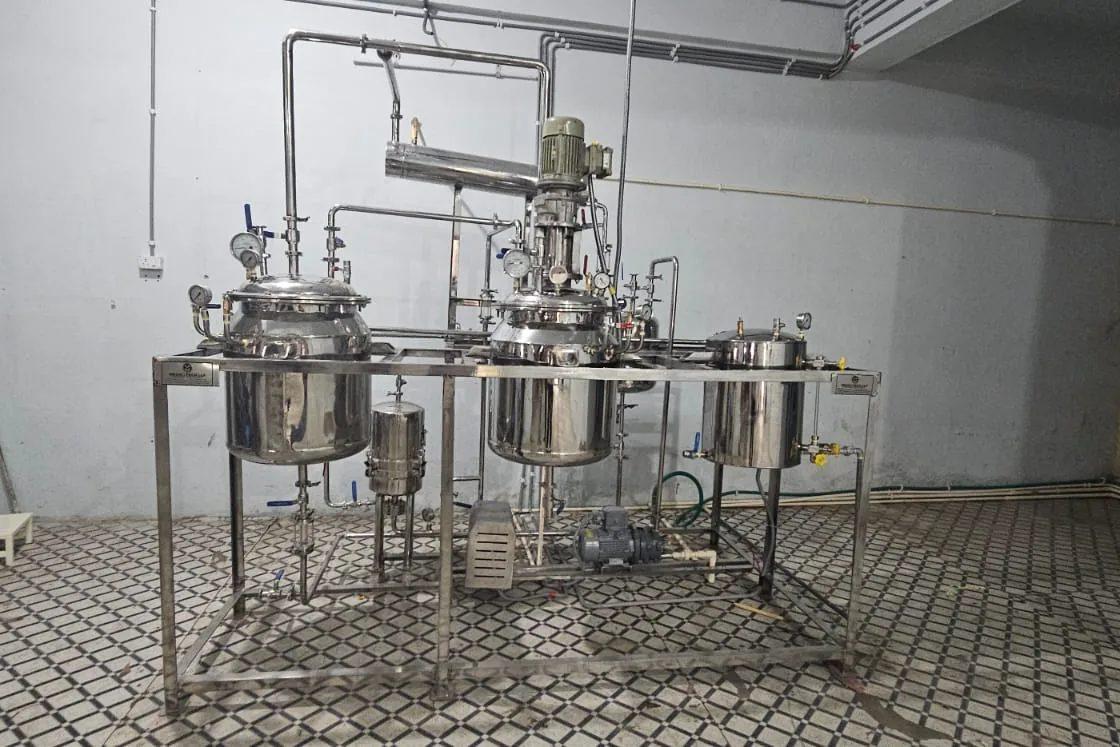
Solvent Recovery Distillation Plant
View Product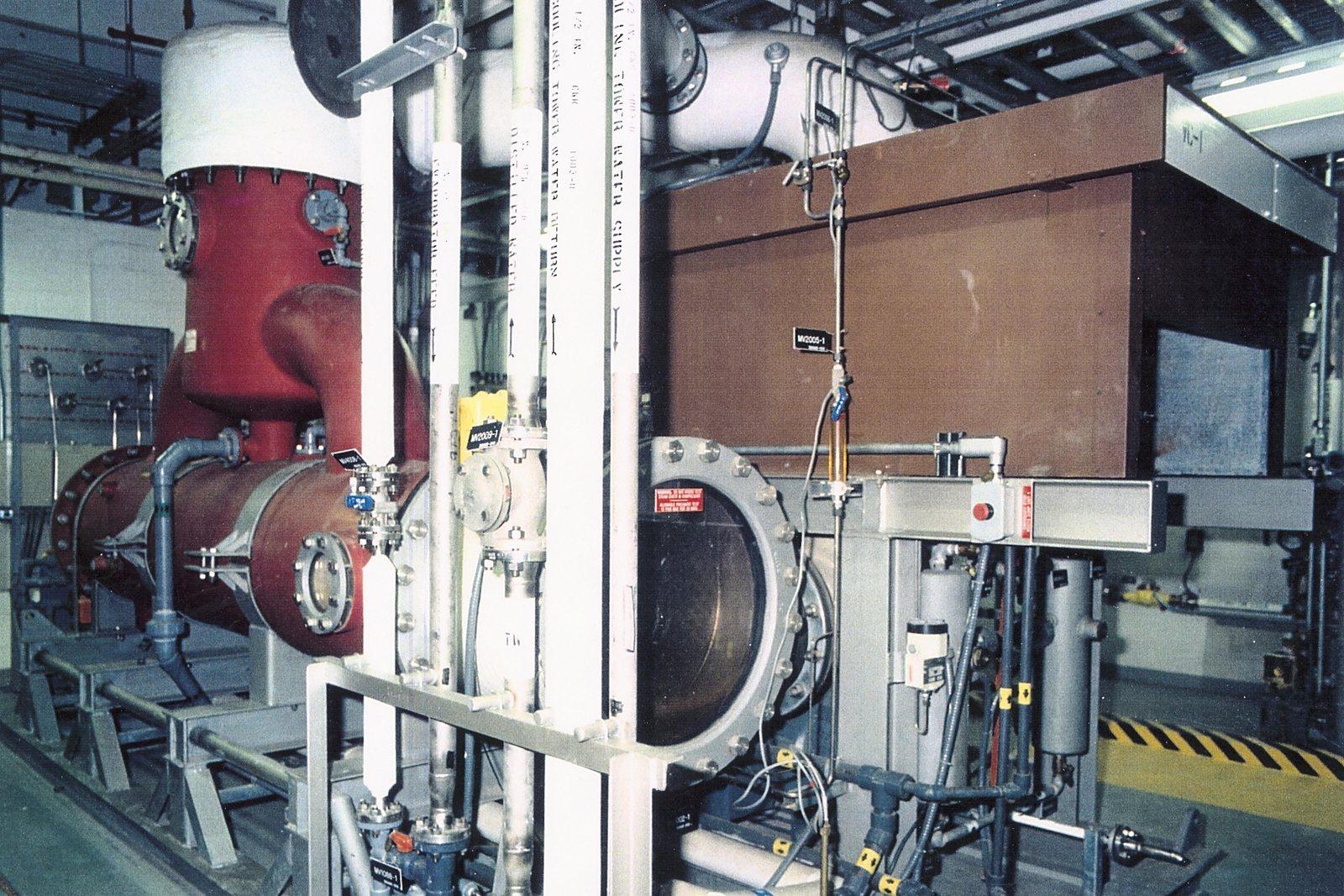
MEE – Multiple Effect Evaporator
View Product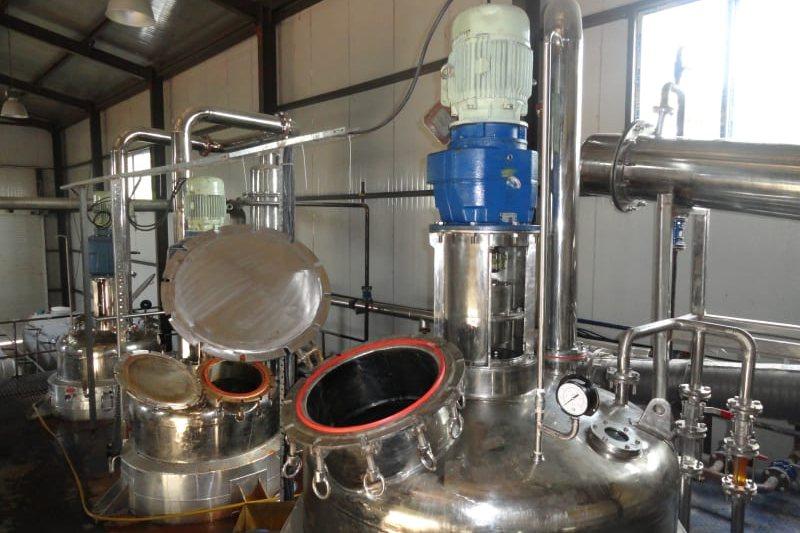
Vacuum Evaporator
View ProductSolvent Distillation Systems
View Product
What to Define Before You Ask for a Proposal
- What the feed contains: solids or Brix, dissolved extract, water, colour, and whether it foams or scales when boiled
- The finish you want: final solids for an evaporator, or the purity and water content a recovered solvent must reach before reuse
- Batch size and batches per day, or the water or solvent to be boiled off per hour
- Steam or thermic-fluid capacity, cooling water supply and temperature, vacuum source and electricity on site
- The highest temperature the product can see and, for any solvent, its name, the quantity stored and the area where the plant will stand
How to Choose
A vacuum evaporator is a single jacketed, stirred vessel for modest batches and frequent product changes. A multiple-effect train reuses vapour to cut steam use, and it pays back only when volumes are large and steady; more effects save steam but add vessels, so fuel cost and running hours decide. Film types handle thin, heat-sensitive liquids, while forced circulation copes with feeds that foul or crystallise. For solvents, a simple still serves one clean solvent; a column with reflux splits mixtures or reaches higher purity. Ask the proposal for steam and cooling-water use at your duty and the time the product spends hot.
Utilities, Site and Installation
Evaporators and stills need a steam or thermic-fluid source, cooling water that stays cool in hot weather (warm water weakens the vacuum), electricity, compressed air for valves and floor drains for condensate and washing. Tall effects and columns need headroom and a firm supporting structure. Solvent duties need a separate, well-ventilated area with flameproof electrics, earthing and bonding, vapour-tight vents, spill containment and fire protection, with bulk solvent stored away from the building. Plan how residue is drawn off and disposed of.
Maintenance and Safety
Fouling of the heating surface is the routine problem, so set cleaning cycles from the feed and watch for falling output or rising steam use. Inspect tubes, gaskets, condensers and the vacuum pump or ejector, and test relief valves and temperature, level and vacuum instruments on a schedule. On solvent plants flammable vapour is the real hazard: keep vents clear, check earthing, use inert-gas blanketing where it is fitted and write procedures for charging, draining and cleaning the still. Never open a hot still, and guard hot surfaces and condensate lines.
Related Services
Find Your Country
Kadali lists products on pages for 54 African countries, with offices in Accra, Ghana and Kano, Nigeria.
Offices and country pages →Countries Listing Evaporation, Concentration & Solvent Recovery
Frequently Asked Questions
What decides the running cost of an evaporator?
Steam is the main cost, followed by cooling water and the power for the vacuum system and pumps. A multiple-effect train uses far less steam per tonne of water removed than a single vessel, but each extra effect adds equipment and cleaning. Run time matters: a plant working long hours on steady feed justifies more effects, while a plant used a few hours a week usually does not.
Why run an evaporator under vacuum?
Lower pressure lowers the boiling point, so the liquid thickens at a gentler temperature. That protects colour, aroma and active compounds in juices, extracts and flavour concentrates, and it lets low-grade heat such as hot water do some of the work. The price is a vacuum system, a condenser and cooling water, so weigh them against how sensitive the product is.
Does a solvent still need a column?
Not for one clean solvent that only has to leave a non-volatile residue behind; a simple still, condenser and receiver can do that. A column with reflux is needed when several solvents must be separated, when water must be kept out of recovered ethanol, or when a higher purity is wanted. A column adds height, heat and control, so confirm the purity you actually need first.
Can solvent recovery pay for itself?
It can where you buy a lot of solvent, lose most of it with each extraction batch or pay to dispose of the spent liquid. Compare the cost of fresh solvent and disposal with the fuel, cooling water, labour and losses of recovery. Recovered solvent must also be clean enough for the next extraction, so check that purity before counting the saving.
What should I test before specifying an evaporator?
Boil a sample of your own liquid in a laboratory flask under vacuum. Note how far the boiling temperature rises as it thickens, whether it foams, how thick it becomes at the target concentration and whether a scale or crust forms on the glass. These results choose the effect type, the temperature and the cleaning routine, and they warn you early if the product cannot take the heat.