Seaweed Extraction & Drying Plants
A seaweed extraction and drying plant washes and dries harvested seaweed and, where the project needs it, extracts agar, alginate or carrageenan with water or alkali, then dries the product.
Product Categories
- Herbal, Botanical & Nutraceutical Extraction(9)
- Essential Oils, Spices & Oleoresins(6)
- Fruit & Vegetable Processing(8)
- Starch, Flour, Edible Oil & Food Processing(7)
- Drying & Dehydration Systems(5)
- Evaporation, Concentration & Solvent Recovery(4)
- Pharmaceutical & Industrial Process Equipment(4)
- Cocoa, Shea, Palm Oil & Oilseed Processing(6)
- Cereals, Tubers & Sugar Processing(6)
- Specialty African Botanical & Natural Ingredients(11)
- Specialty Food, Beverage & By-Product Processing(7)
Talk to Kadali Africa Ventures
Send your raw material, product and capacity for a technical proposal.
Contact Kadali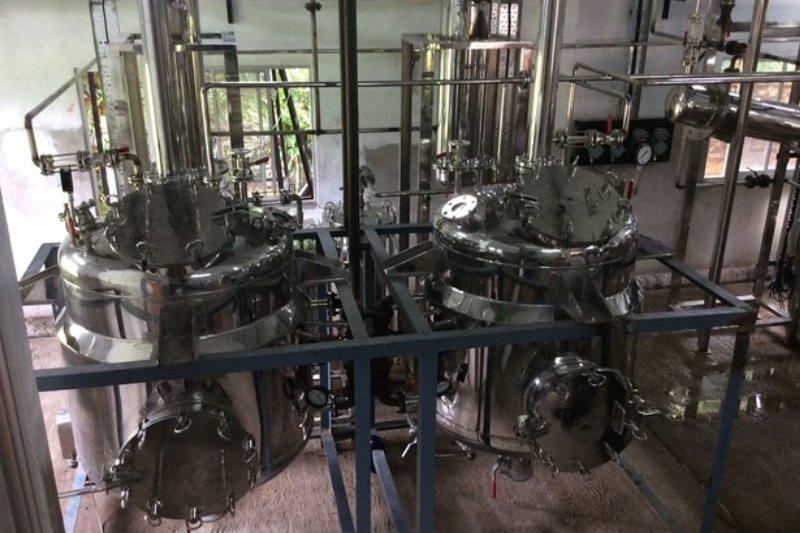
Seaweed Extraction & Drying Plants
The species decides the line. Agar seaweeds, brown alginate seaweeds and carrageenan seaweeds each follow a different route, and a line built for one will not suit another without added stages. A buyer should settle the species and where it comes from, the form in which it arrives (wet, or dried to a graded moisture), the product wanted (cleaned dried seaweed, seaweed meal, semi-refined carrageenan or a refined extract), and the water, fuel and effluent that the site can handle. Water for washing and dilution, filter capacity and drying heat are the big sizing items, and salt-laden washings need disposal. The route differs for each hydrocolloid, so the proposal should name exactly which route and which steps are included.
Dry seaweed is bought as a graded raw material. Too wet and it rots in storage and transport, too dry and it is too firm to bale. It is washed at the plant to remove sand, salt, shells and other foreign matter, and seaweed dried off the ground arrives cleaner. After washing the routes diverge. Gelidium for agar is extracted in hot water in tanks, while Gracilaria must first be treated with alkali, otherwise the agar gel is too weak. Alginate from brown seaweeds is digested with alkali to a thick slurry containing undissolved cellulose, which is diluted with a very large quantity of water and pressed through filter cloth in a filter press. Refined carrageenan is extracted into solution and recovered, a difficult and expensive stage. Semi-refined carrageenan skips this: everything soluble in alkali and water is washed out, and the residue is dried and sold. Seaweed meal is simply dried and milled brown seaweed. Every route ends in a dryer, usually fired by oil, so fuel price strongly affects cost. Salt and alkali attack poor materials, so stainless steel grade and washing-down access are part of the specification.
Indicative Capacity Range
- 100–5,000 kg feed/day
Key Specification Inputs
Extraction solvent/water, extraction stages, batch time, filtration and recovery.
Technical Specifications
| Technology | Washing, extraction with water or alkali, filtration, concentration and drying of seaweed |
|---|---|
| Working Principle | Seaweed is cleaned, treated and heated so the gelling agent dissolves, the liquor is separated from solids, and the product is recovered and dried |
| Seaweed Type | Agar, alginate and carrageenan seaweeds follow different routes; the species fixes the equipment |
| Pre-Treatment | Hot-water extraction for Gelidium; alkali treatment first for Gracilaria; alkali and water wash for semi-refined carrageenan |
| Extraction Medium | Water or alkaline solution, with the strength and time set in process development |
| Separation | Filter press or decanter; alginate liquor needs heavy dilution first |
| Concentration and Recovery | Vacuum evaporation and recovery stages on refined routes; not needed for semi-refined carrageenan or meal |
| Drying | Hot-air dryer, with oil, biomass or solar-assisted heat chosen by local fuel cost |
| Contact Material | Stainless steel grade chosen for salt, alkali and heat resistance |
| Utilities | Large volumes of clean water, heat, electric power and a route for salty wash water and residue |
| Quality Parameters | Incoming moisture, cleanliness, and gel strength or viscosity of the product, which drive the stages used |
Typical Process Route
Raw material inspection
Species, moisture, sand and shell content are checked on arrival. Moisture is the first test, because overly wet bales rot and overly dry seaweed will not compress.
Washing and sizing
Seaweed is washed in tanks or drums to remove sand, salt, shells and foreign matter, then cut or chopped to size. The wash water is salty and silty, and its disposal needs planning.
Alkali or water pre-treatment
Gracilaria needs an alkali treatment before agar extraction, and the semi-refined carrageenan route washes out soluble matter with alkali and water. Gelidium goes straight to hot water.
Controlled extraction
The seaweed is heated in tanks with water or alkali for a set time to take the gelling agent into solution. Time, temperature and alkali strength are found by trials, since they change the gel strength or viscosity.
Solid-liquid separation
Alginate liquor is too thick to filter, so it is diluted heavily and pressed through filter cloth. Agar liquor is filtered hot. The cellulose-rich residue left behind needs an outlet.
Concentration and recovery
Dilute liquor is concentrated, and for refined products the hydrocolloid is recovered from the solution. Recovery is the difficult, expensive part of refined carrageenan.
Purification where needed
Further washing, bleaching or polishing filtration is added only if the product specification demands it.
Drying, milling and packing
The seaweed, residue or recovered gel is dried, usually in a hot-air dryer, then milled and sieved and packed sealed. Seaweed meal and semi-refined carrageenan finish here.
Process & Equipment Modules
- Bale opener and intake hopper
- Washing tank or drum washer
- Cutter or chopper
- Alkali treatment tank
- Heated extraction tanks
- Filter press or decanter
- Dilution water system
- Vacuum evaporator for concentration
- Recovery vessels, for refined routes
- Hot-air dryer
- Mill and sifter
- Wash-water and residue handling set
Plant Output
Applications
- Cleaned dried seaweed for onward sale or further processing
- Agar for food gelling and for laboratory culture media
- Alginate as a thickener and gelling agent in food and industry
- Refined carrageenan for gelling and stabilising dairy products and desserts
- Semi-refined carrageenan for food and pet-food stabilising
- Seaweed meal from brown seaweeds for animal feed and soil use
Key Features
Line Built for the Species
Agar, alginate and carrageenan seaweeds need different pre-treatment and recovery stages. Fixing the species and route first prevents buying a line that cannot run the raw material.
Water and Filter Capacity
Alginate liquor must be diluted with a great deal of water before it filters. Water supply, filter press size and liquor handling often decide the plant size more than the extraction tank does.
Refined or Semi-Refined Carrageenan
The semi-refined route washes and dries the residue and needs no recovery stage. The refined route extracts and recovers carrageenan, which costs more in equipment and energy.
Drying Heat Planned Early
Every route ends in a dryer. Heat source and fuel price drive running cost, so options from oil to biomass or solar-assisted drying are worth comparing.
Salt-Resistant Construction
Salt, alkali and wet seaweed corrode weak materials. Stainless steel selection, sealed drives and washdown access protect the plant.
Country Pages for Seaweed Extraction & Drying Plants
This product is listed on the pages of the countries below, each with its own enquiry route. Where Kadali has no office in a country, enquiries are handled from the Accra office.
- Ghana
- Nigeria
- Côte d’Ivoire
- Senegal
- Benin
- Togo
- Burkina Faso
- Mali
- Guinea
- Sierra Leone
- Liberia
- Gambia
- Mauritania
- Guinea-Bissau
- Niger
- Cabo Verde
- Kenya
- Tanzania
- Uganda
- Ethiopia
- Rwanda
- Burundi
- Madagascar
- South Sudan
- Djibouti
- Eritrea
- Seychelles
- Cameroon
- Democratic Republic of Congo
- Republic of Congo
- Gabon
- Angola
- Equatorial Guinea
- Central African Republic
- Chad
- São Tomé and Príncipe
- South Africa
- Zambia
- Mozambique
- Zimbabwe
- Malawi
- Botswana
- Namibia
- Eswatini
- Comoros
- Lesotho
- Algeria
- Libya
Frequently Asked Questions
What information is needed to size Seaweed Extraction & Drying Plants?
What capacity range does Seaweed Extraction & Drying Plants cover?
Does the seaweed species change the extraction line?
Why does an alginate line use so much water?
Refined or semi-refined carrageenan: what is the difference for the plant?
What moisture should incoming dry seaweed have?
What drives drying cost in a seaweed plant?
How do I request a proposal for Seaweed Extraction & Drying Plants?
Enquire about Seaweed Extraction & Drying Plants
Send your raw material, target product and capacity to Kadali Africa Ventures for a technical proposal.