Spices Oleoresin Extraction Plants
Part of the Kadali Africa Ventures catalogue. Send your raw material, target product and capacity for a technical proposal. Request a quote →
Product Categories
- Herbal, Botanical & Nutraceutical Extraction(9)
- Essential Oils, Spices & Oleoresins(6)
- Fruit & Vegetable Processing(8)
- Starch, Flour, Edible Oil & Food Processing(7)
- Drying & Dehydration Systems(5)
- Evaporation, Concentration & Solvent Recovery(4)
- Pharmaceutical & Industrial Process Equipment(4)
- Cocoa, Shea, Palm Oil & Oilseed Processing(6)
- Cereals, Tubers & Sugar Processing(6)
- Specialty African Botanical & Natural Ingredients(11)
- Specialty Food, Beverage & By-Product Processing(7)
Talk to Kadali Africa Ventures
Send your raw material, product and capacity for a technical proposal.
Contact Kadali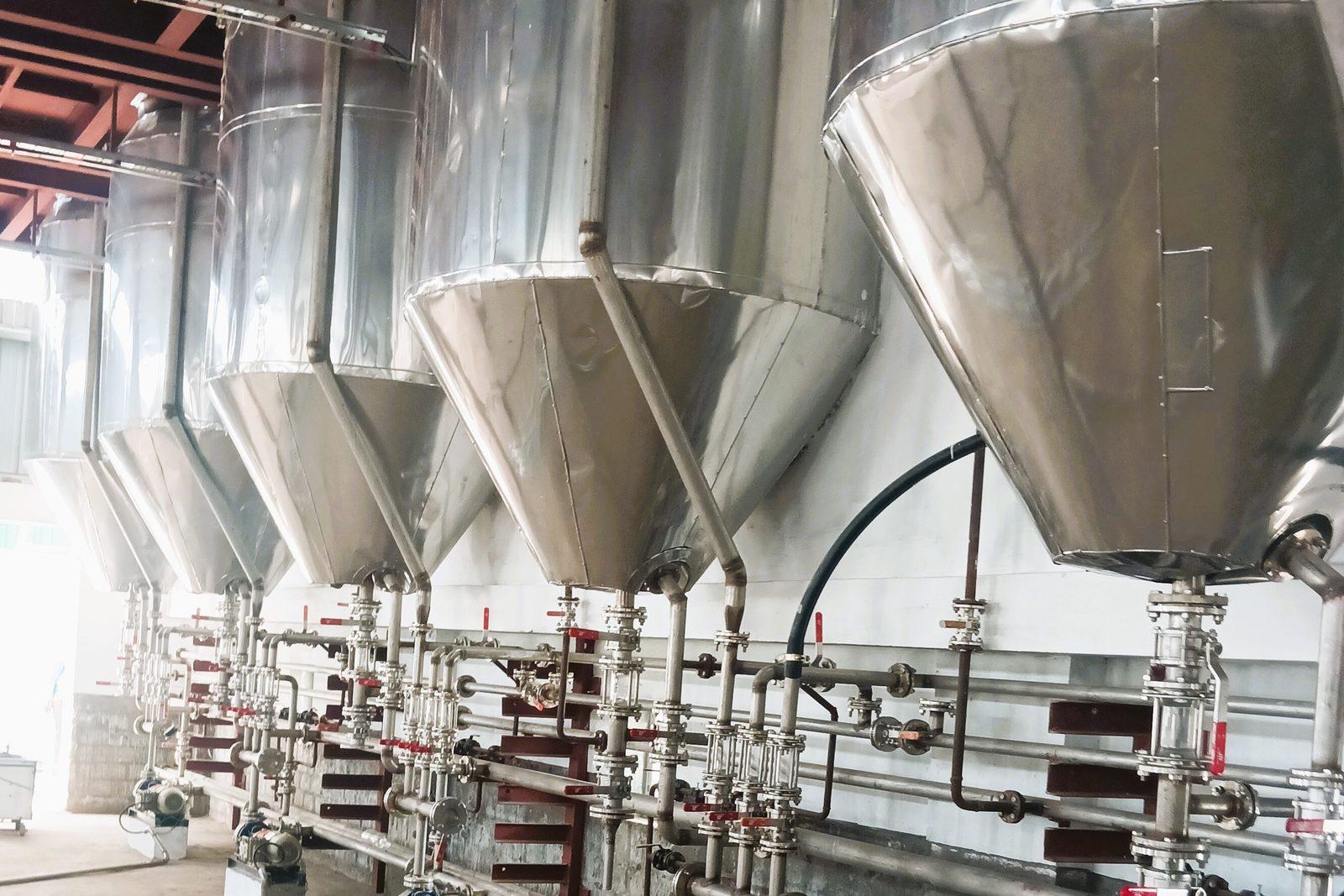
Spices Oleoresin Extraction Plants
An oleoresin plant makes sense when a spice grower or processor wants to sell concentrated flavour, pungency or colour instead of whole or milled spice. The first decisions are the spice and how it is supplied, the oleoresin quality the buyer will pay for, which solvent or water route is acceptable, and whether the site can handle a flammable solvent. Spice variety, harvest season and moisture then decide most of the extraction design, and the plant is built in SS 316L.
The same backbone serves each spice: cleaning and milling, extraction, filtration, vacuum concentration with solvent recovery, standardising and drying. A spice changes the particle size, the solvent, the time and temperature and the point of standardisation, but not the layout of the train. Wetted parts are SS 316L and the controls are automated. Solvent recovery is a large part of the economics, because the solvent is reused rather than bought again for every batch.
Indicative Capacity Range
- 100–5,000 kg feed/day
Key Specification Inputs
Extraction solvent/water, extraction stages, batch time, filtration and recovery.
Typical Process Route
Cleaning and milling
The spice is cleaned and ground to an even particle size so the solvent reaches the oleoresin-bearing tissue. Fine dust must be controlled during this step, because a dust cloud of combustible material can explode.
Solvent extraction
Milled spice is extracted with a food-grade solvent in closed, jacketed SS 316L extractors. Temperature is held under control and the spice is extracted in several cycles to recover the oleoresin as fully as practical.
Filtration
The miscella is passed through a filter system that takes out fines and fibrous matter before it goes to the evaporator.
Vacuum concentration and recovery
A vacuum concentrator removes solvent at a lower temperature, which limits heat damage such as darkening of colour and cooked notes. Some volatile aroma can still be lost on evaporation, so aroma recovery is worth discussing for delicate spices. Solvent is condensed and returned for reuse.
Purification and standardisation
The concentrate is purified as needed and adjusted to the declared specification for that spice, such as its pungency, colour or volatile-oil content as agreed with the buyer.
Drying, packing and release
The oleoresin is brought to the required consistency and packed hygienically. Oleoresins are often viscous liquids or pastes, so a drying stage applies where a powder is to be sold. Release follows quality testing.
Major Plant Equipment
- Spice cleaning and destoning line
- Mill or grinder with dust collection
- Jacketed SS 316L extractors
- Filter press or polish filter for the miscella
- Vacuum concentrator
- Condenser and closed solvent recovery loop
- Purification and standardising vessel
- Dryer, where a powder is to be sold
- Solvent storage in a ventilated, explosion-protected area
- Clean-in-place (CIP) skid
- PLC and SCADA panel, electrical MCC and instruments
Plant Output
Applications
- Seasoning and flavour blends for snacks, sauces and meat products
- Standardised pungency from chilli, ginger and pepper oleoresins
- Natural colour from paprika and turmeric oleoresins
- Nutraceutical and supplement formulations
- Cosmetic and personal-care ingredients
- Fragrance applications
Key Features
Hygienic stainless-steel build
Electropolished SS 316L extractors and tanks, with clean-in-place washing between batches.
Vacuum concentration with recovery
Low-temperature evaporation limits heat damage to colour and flavour, while the recovery circuit returns solvent.
Fines and fibre removed
A filtration stage, typically a filter press, clears the miscella ahead of concentration.
Recorded control
PLC and SCADA automation control temperature, pressure, solvent flow, vacuum and agitation and record each batch.
Matched finishing
Finishing equipment matched to the product form, with a dryer where a powder is wanted, gives a standardised, hygienically packed product ready for dosing and blending.
Country Pages for Spices Oleoresin Extraction Plants
This product is listed on the pages of the countries below, each with its own enquiry route. Where Kadali has no office in a country, enquiries are handled from the Accra office.
Related Products
Frequently Asked Questions
What is an oleoresin, and how is it made from a spice?
What should I decide before asking for a spice oleoresin plant?
How does oleoresin differ from essential oil?
How do turmeric oleoresin and curcumin differ?
Which spices are commonly extracted?
How should spices be prepared and stored in hot, humid climates?
What drives solvent and energy consumption, and how is carry-over avoided?
What should I prepare for a technical proposal?
What drives the cost of an oleoresin plant?
Ready to discuss your project?
Call or email Kadali Africa Ventures with your raw material, target product and capacity.