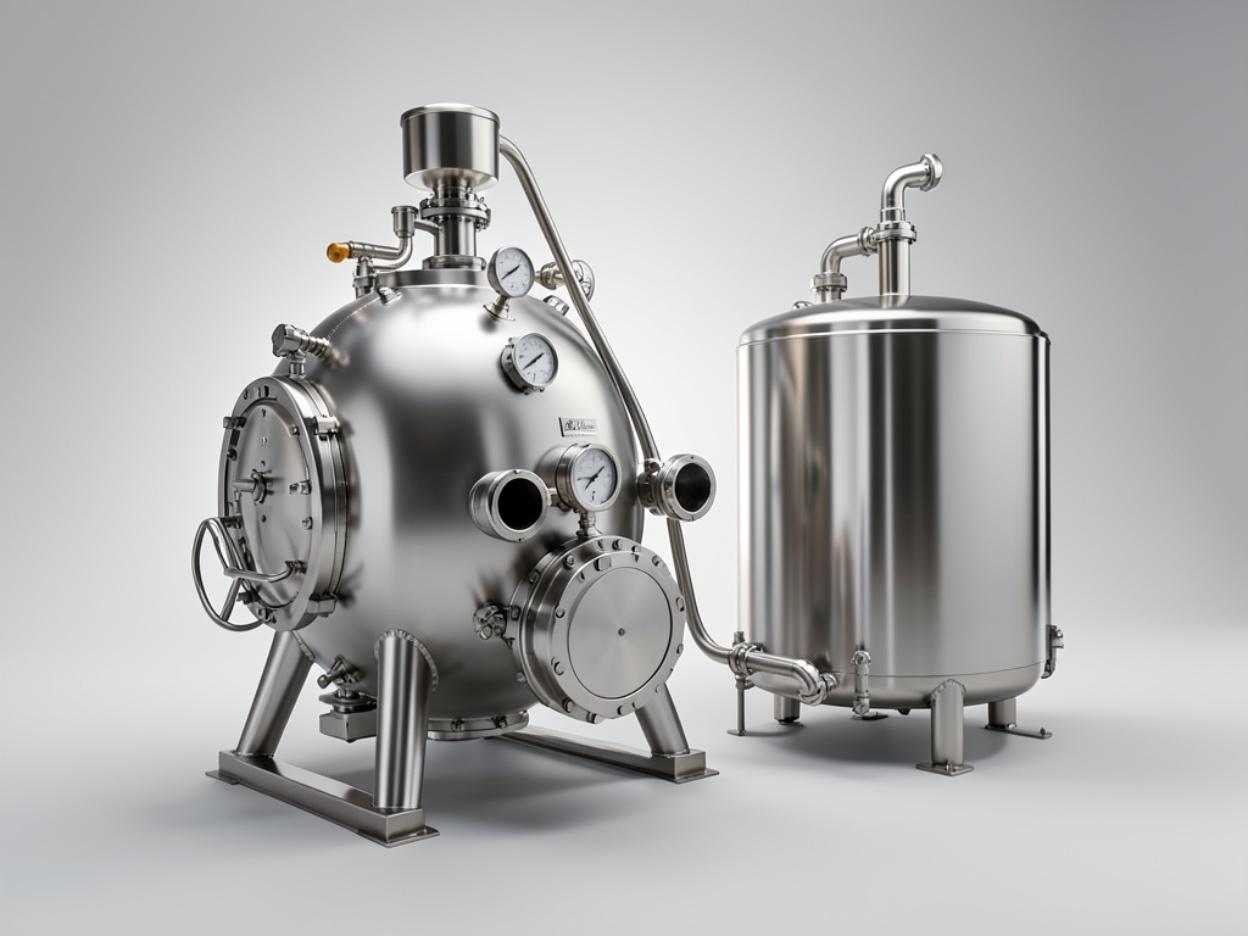
This page is for owners, plant managers and project engineers whose equipment is about to arrive, or already has. The risk at this stage often lies in the site as much as in the machine. It can be a site that is not ready for it: a foundation in the wrong place, a utility that cannot carry the load, an operating team that has never run this kind of plant.
Kadali Africa Ventures coordinates installation planning, commissioning, operating procedures and operator training for the equipment it lists. The decision you face is who does which part of the work and in what order. That differs from one product and one site to the next, so it is written down in the technical proposal rather than assumed here.
What This Service Delivers
- Site readiness checked before equipment arrives, not after
- A stepwise start-up that finds faults before product is at risk
- Operating procedures agreed with the people who will use them
- Operators and maintenance staff trained on their own equipment
- A planned handover into after-sales support
1Site Readiness Before Delivery
Utilities are the most important part of site readiness: electricity, water and instrument air must be available without fail before commissioning begins. A pre-delivery check normally walks through:
- Foundations and floor: Loads, levels, drainage falls and fixing points for heavy or vibrating equipment.
- Access: Doors, routes and lifting arrangements wide and strong enough to bring large vessels and frames to their final position.
- Utility points: Electrical supply, water, steam or fuel, compressed air and drainage, each brought to the agreed point of connection.
- Space for operation: Room for cleaning, maintenance access, raw-material staging and product handling around the machines.
2From Positioned Machine to First Product
- Positioning and connection: Equipment is placed, levelled and connected to utilities and to the neighbouring equipment in the line.
- Pre-start checks: Wiring, rotation direction, instrument loop checks and calibration, safety devices and leak tightness are examined, and construction debris is cleaned out, before anything is fed in. Particles left in lines can damage sensors or choke the lines.
- Running empty and on water: The line is run without product and then on water, ahead of final product trials, to find faults cheaply.
- Run on the real material: Feed is introduced stepwise, and results are compared with the figures the equipment was specified for.
- Handover: Agreed procedures, drawings and records pass to the operating team.
3Training the People Who Will Run It
Operator training is planned around the equipment and the team: starting and stopping safely, routine checks, cleaning, simple fault-finding and recording of results. Operators should be trained before final commissioning, because the success of start-up depends on how well they have learned and practised. Maintenance staff are usually taught lubrication, inspection and what to do before calling for help, and maintenance should be done only by people who are competent and have been given enough information and instruction. Process-safety rules in the United States, for example, require that procedures are in place and operator training is complete before hazardous chemicals enter a process. Content, duration and who delivers it are agreed for the project; this page does not set them.
4Who Normally Provides What
- From the owner: A prepared site, utilities to the connection points, local labour, permits, and raw material for trial runs.
- From the equipment side: Installation drawings, utility requirements, commissioning steps and training, in the form the proposal sets out.
- To be decided: Whether skilled installers are supplied or local contractors work under direction. This is confirmed in the proposal and varies between products.
Frequently Asked Questions
Which of our site works must be finished before the equipment arrives?+
Does commissioning mean the plant is guaranteed to reach its rated output?+
Can our own staff install the equipment under supervision?+
How long should we allow for commissioning?+
Do we need raw material on site for commissioning?+
Related Product Categories
Related Products
Enquire About Installation & Commissioning
Tell Kadali Africa Ventures about your raw material, target product and capacity, and the technical proposal will set out the scope for your project.