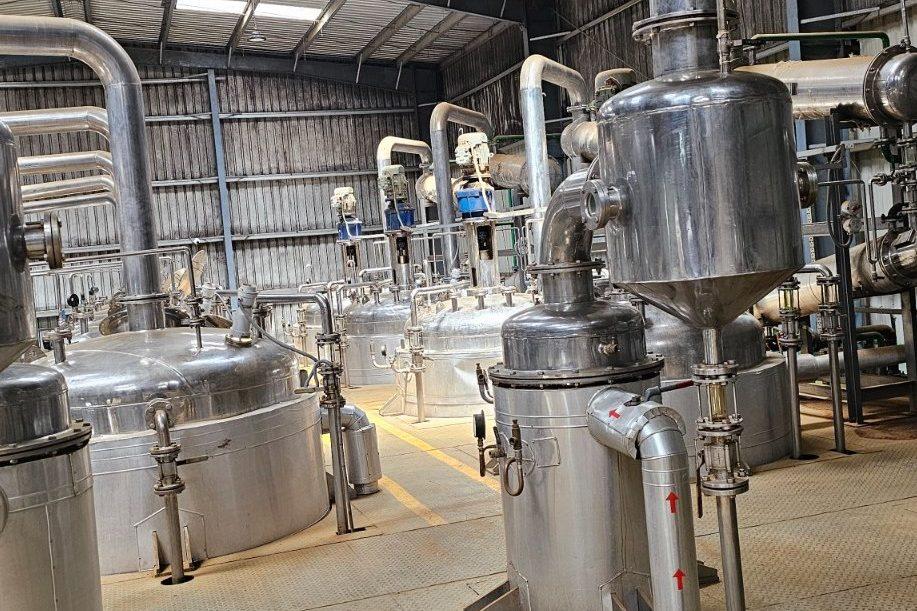
Essential Oils, Spices & Oleoresins
Essential Oils, Spices & Oleoresins (6 products)
Essential oil, oleoresin and spice plants turn aromatic and spice crops into three different families of product. Steam distillation recovers the volatile oil from leaf, bark, flower or peel. Solvent extraction recovers an oleoresin, which also carries the pungent and coloured parts that distillation leaves behind. A spice line cleans, dries, grinds and packs the crop whole or milled. The listed plants cover distillation, oleoresin, turmeric, ginger, cinnamon and integrated spice sites. What decides the design and the price is the crop and its form, the product you choose to sell, and whether a flammable solvent can be used on your site.
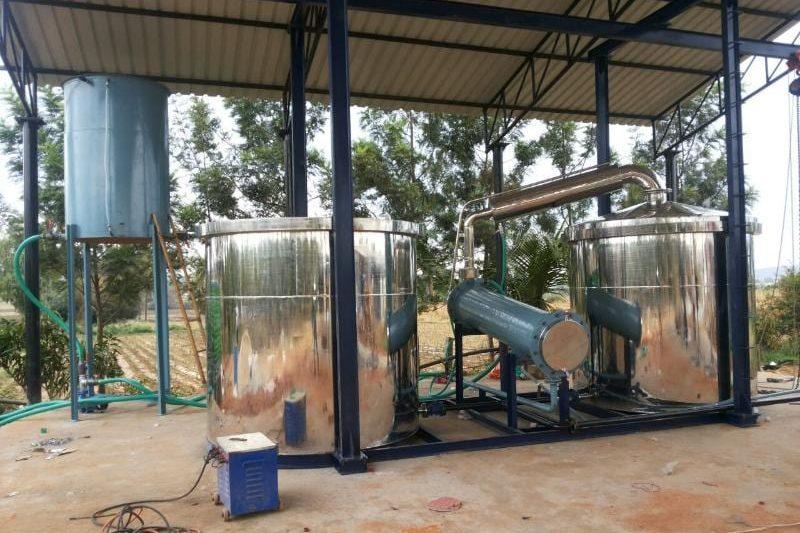
Essential Oil Distillation Plants
View Product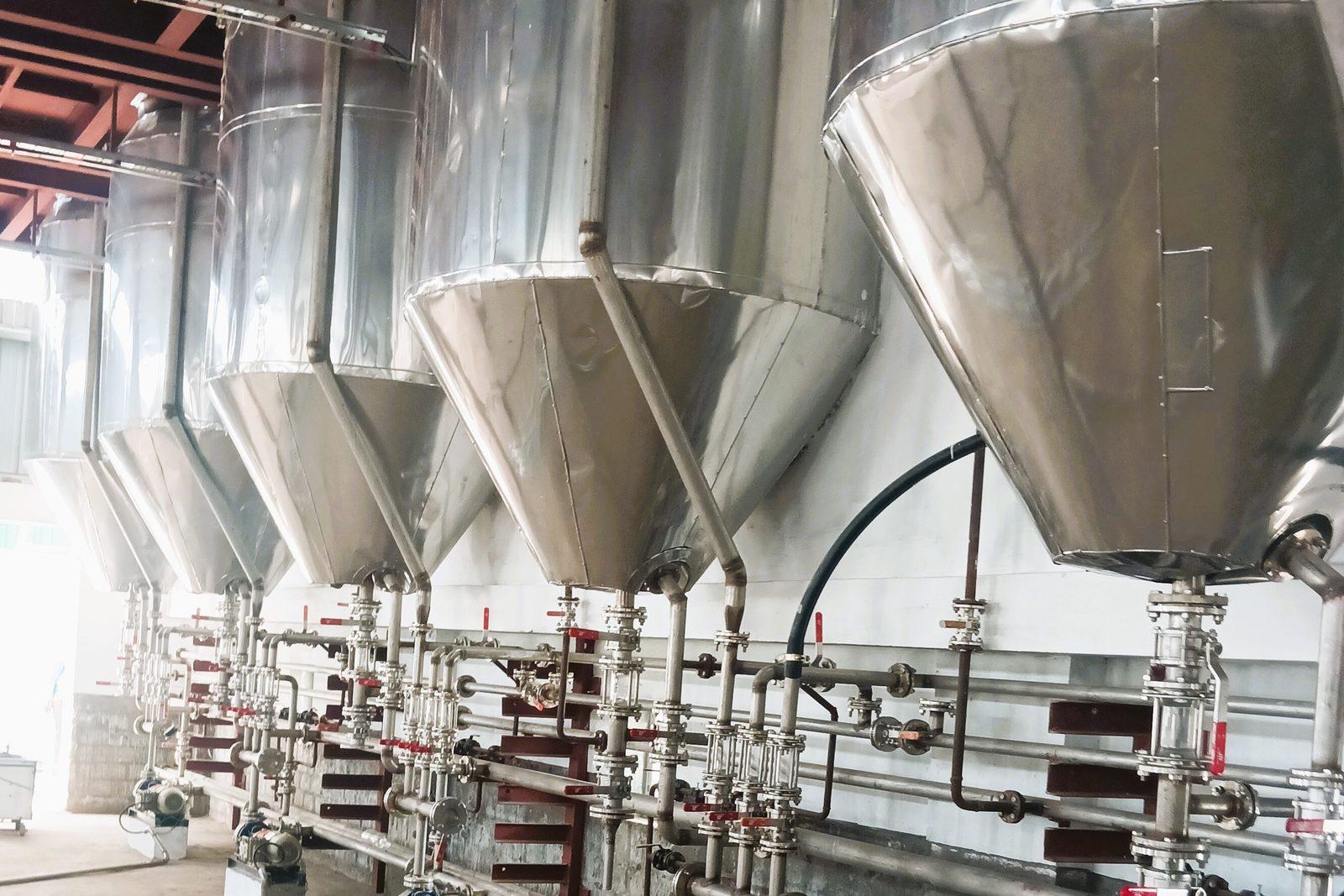
Spices Oleoresin Extraction Plants
View Product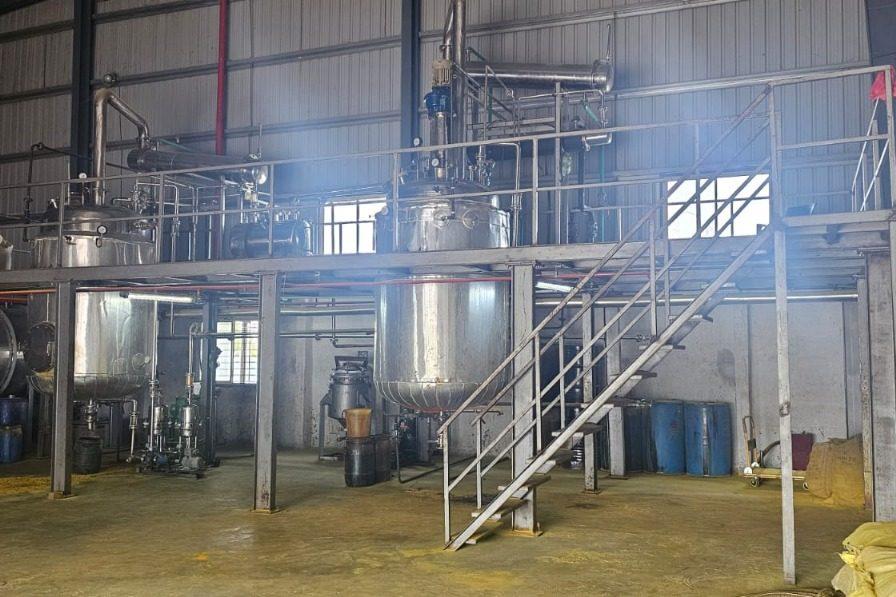
Turmeric Processing & Extraction Plants
View ProductGinger Processing Plants
View Product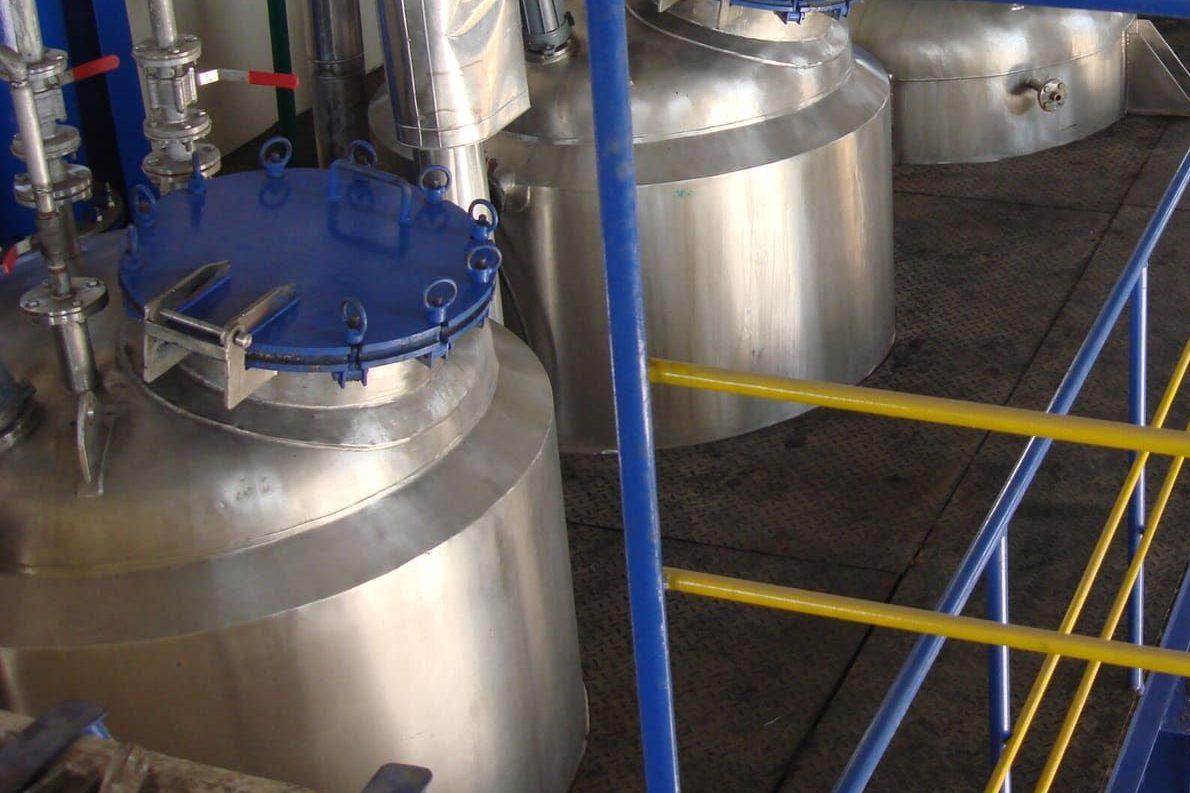
Cinnamon Extraction Plant
View Product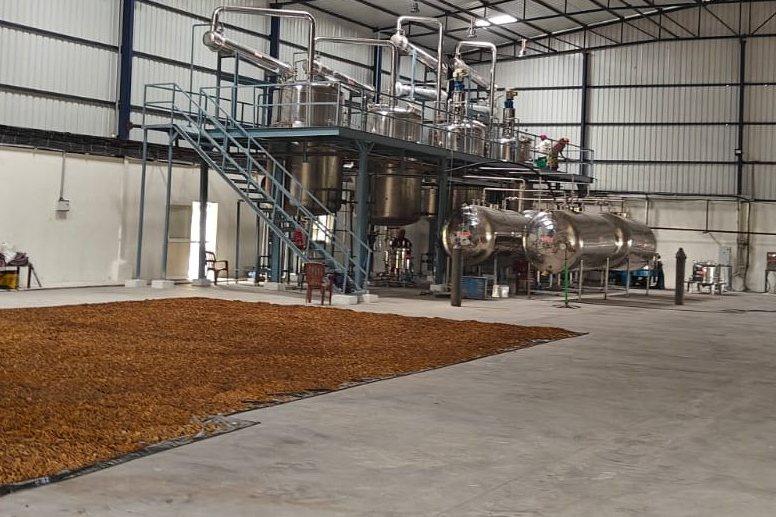
Integrated Spice Processing Plants
View Product
What to Define Before You Ask for a Proposal
- The crop and plant part (leaf, bark, rhizome, seed or peel) and whether it reaches the still or mill fresh, wilted or dried
- The products to sell: oil, oleoresin, milled spice, or a mix, and whether hydrosol or spent material will also be sold
- What your buyer tests: oil content and aroma profile, curcumin or pungency level, colour, moisture and residue
- The harvest calendar and the weekly tonnage at the peak, which sets storage, drying and still numbers
- Your fuel for steam, cooling water and drainage, and whether a separate area for flammable solvent can be built
Distillation, Solvent Extraction or Spice Line
Choose the product route before the equipment. Steam distillation needs no solvent, and the oil depends on charge density, steam rate and run time; a separate boiler is gentler on the crop than a fire-heated still. Oleoresin extraction captures flavour, pungency and colour together but needs solvent, vacuum recovery and a hazardous area. A spice line is the simplest and quickest to start. Ask proposals to price the preparation, drying, still or extraction scope separately so that you compare like with like, and to say how the still or extractor is cleaned between crops to avoid flavour carry-over.
Water, Dust and Solvent Areas
Fresh rhizomes and leaf need a covered receiving yard, wash water and drains that can take soil and plant debris. Drying needs a heat source and filtered air. Milling raises fine spice dust, so it needs extraction at the mill and a dust collector kept away from sparks. A still needs a large, steady flow of cooling water, ideally recirculated through a cooling tower, plus a drain for hydrosol. Solvent extraction needs its own ventilated area, away from the boiler, with suitable electrical fittings.
Stills, Mills and Oil Storage
Still door gaskets, condenser tubes and boiler scale need routine attention, since scale and fouled tubes lengthen distillation runs and cost fuel. Mill blades and screens wear on hard spice, and dust collector bags clog. Store oil in full, sealed, dark containers away from heat, because air and warmth dull the aroma. Keep dried spice dry and pest-free to stop mould. Hot stills and steam lines burn; guard them and keep the floor around them clear of water.
Related Services
Find Your Country
Kadali lists products on pages for 54 African countries, with offices in Accra, Ghana and Kano, Nigeria.
Offices and country pages →Countries Listing Essential Oils, Spices & Oleoresins
Frequently Asked Questions
Should I distil, extract with solvent, or just dry and mill?
Match the route to your buyer and your site. Drying and milling is the cheapest to build and the quickest to sell, but it sells bulk. Distillation and oleoresin extraction make concentrated, lower-volume products, but they need buyers who test and reorder, and extraction needs a safe solvent area. Many sites start with a spice line and add a still or extractor later.
Can the residue after distillation still be used?
Yes. Spent leaf or bark can still hold non-volatile pungent or coloured compounds that a solvent can recover, so some buyers run both routes on the same crop and sell the volatile oil separately. In many aromatic crops the spent material also burns as boiler fuel once it has dried, which cuts the fuel bill for the still.
How should spice crops be dried and stored before processing?
Rhizomes and bark are sliced, boiled or cured as the crop requires, then dried to a low, even moisture before storage. Slow or uneven drying invites mould and ruins colour. Ask the proposal how drying air is heated and filtered, how long a batch takes and how the dried crop is held between the harvest peak and the slower processing months.
Is water distillation or steam distillation better for my crop?
It depends on the crop. Steam from a separate boiler is gentler and easier to control for leaf and herb. Crops that pack down or clump, such as ground bark or flowers, often do better with the charge in water. Ask the proposal why it chose its method for your crop, and how oil and hydrosol are separated afterwards.