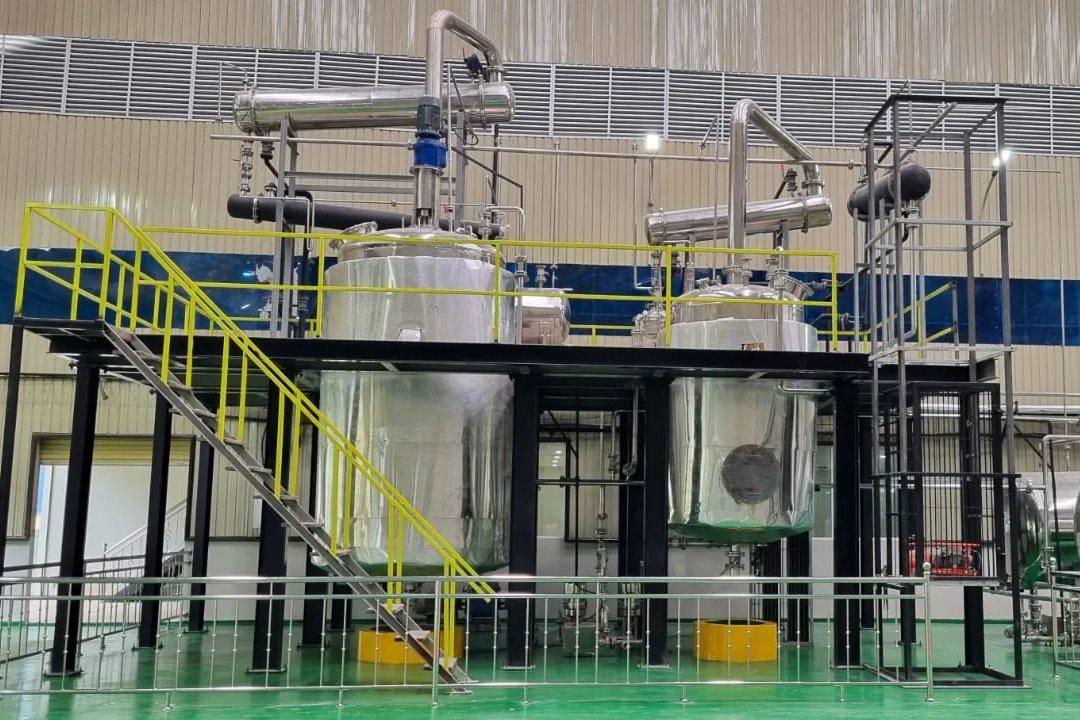
Cocoa, Shea, Palm Oil & Oilseed Processing
Cocoa, Shea, Palm Oil & Oilseed Processing (6 products)
This group covers equipment for Africa's main oil and fat crops: cocoa processing to liquor, butter and powder, shea butter extraction and refining, palm oil milling and refining, sesame and soybean oil plants, and edible oil filtration and refining. Each crop behaves differently, so the raw material sets the design: how fast it spoils after harvest, how oily it is, how it is pre-treated and how the oil or butter is separated from the solids. What you want to sell, crude or refined, and what happens to the cake, shell and effluent decide the price.
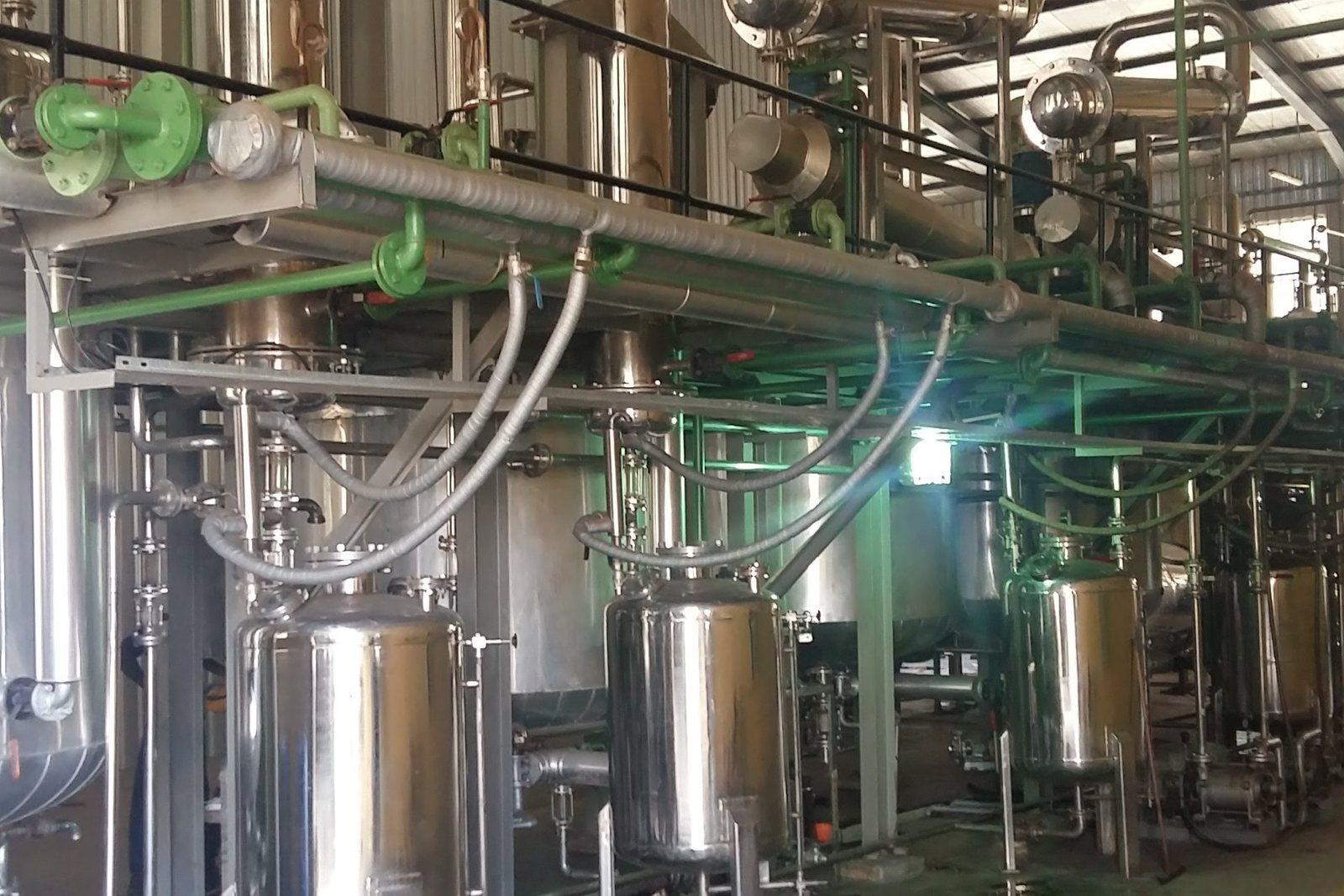
Cocoa Processing Equipment & Plants
View Product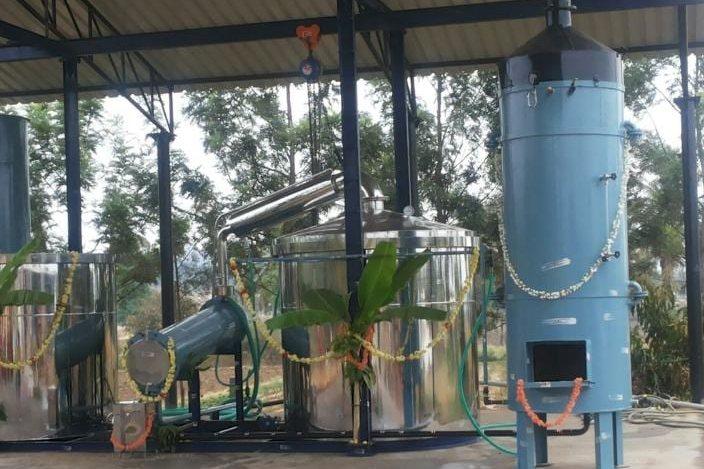
Shea Butter Extraction & Refining Equipment
View Product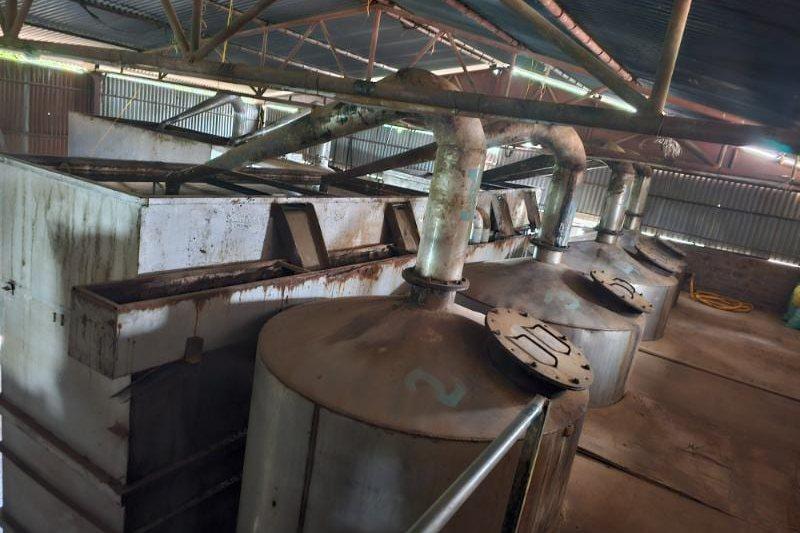
Palm Oil Processing & Refining Plants
View Product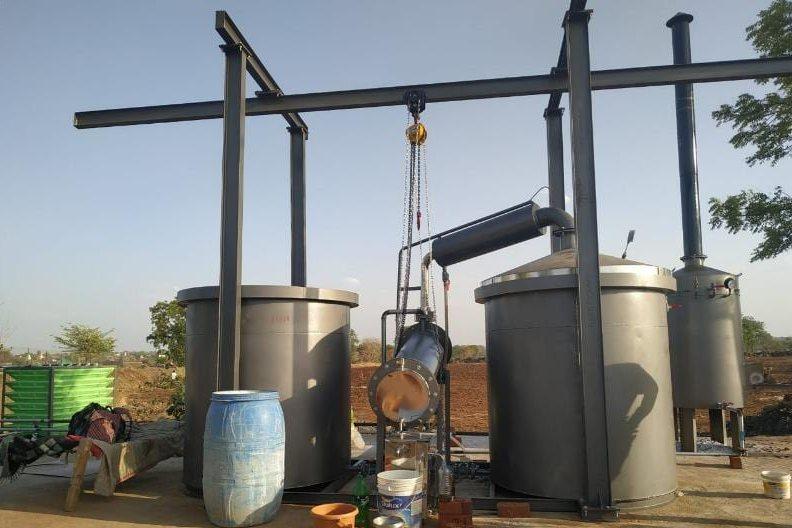
Sesame Oil Processing Plants
View ProductSoybean Oil Processing Plants
View Product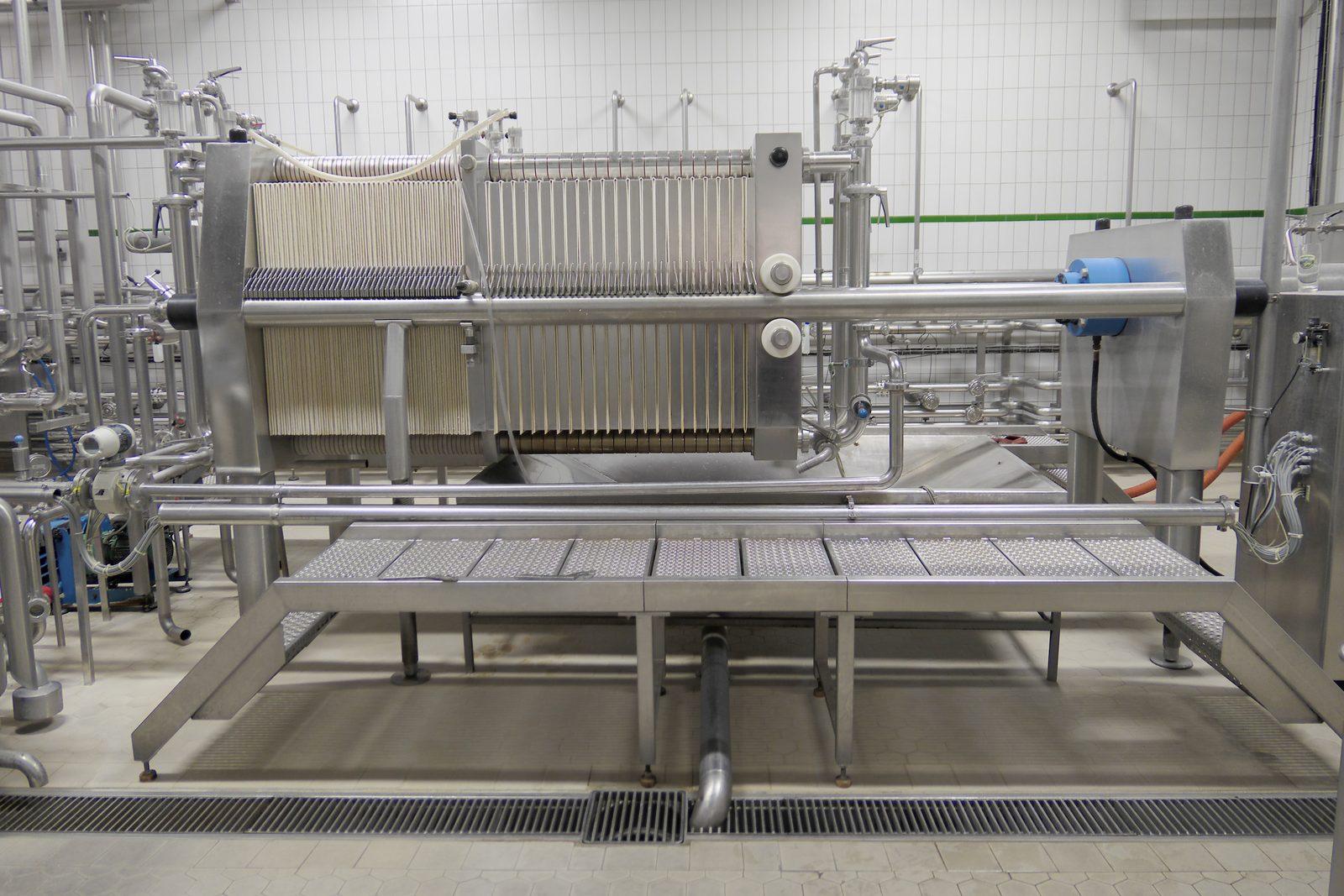
Edible Oil Filtration & Refining Systems
View Product
What to Define Before You Ask for a Proposal
- The crop, the season length and how it reaches the plant: tonnes per day at the peak, haulage by truck or head-load, and days between harvest and processing
- The product to sell: crude, filtered or fully refined oil or butter, or cocoa liquor, butter or powder
- The by-products and who will buy them: meal, press cake, palm kernel, shell, cocoa shell and fibre
- The fuel and utilities on site: boiler fuel such as shell or fibre, steam, grid power or generator, and process and washing water
- Where effluent, press-cake dust and any solvent can be handled safely at the plant site
Matching the Plant to the Crop
Start from the crop and the product. Palm needs sterilising, threshing, digesting, pressing and clarifying close to the fruit, and scale follows how much fruit arrives within a day or two. Shea and sesame are normally pressed, with roasting or kneading where flavour or recovery calls for it. Soybean is lower in oil than most oilseeds, so pressing alone leaves a large share of the oil in the cake; large plants use solvent extraction while small ones press and sell the cake. Cocoa runs from cleaning and roasting through winnowing, grinding and pressing. Refining is optional: crude oil needs fewer machines, while degumming, neutralising, bleaching and deodorising add cost, steam and effluent. Ask each proposal to list its stages and utilities.
Steam, Water and Effluent at the Plant Site
Palm mills need steam, large volumes of water and effluent ponds or treatment, and a boiler fed with fibre and shell uses the mill's own by-products. Seed and shea pressing plants need dry, ventilated seed storage, a strong floor for presses, three-phase power and fire precautions around dust and hot oil. Solvent extraction needs an isolated, classified area with flameproof electrics and vapour control. Refining needs steam, cooling water, vacuum and a place to treat soapstock and wash water. Cocoa lines need dry, pest-proof storage and dust extraction. Keep raw and finished material apart.
Wear, Rancidity and Fire Risk
Presses, worm shafts, digesters, screens and pumps wear against hard, abrasive material, so hold spares for shafts, cages and seals. Oil turns rancid with heat, air, water and metal contact, so store it clean, closed, cool and dry and filter it promptly. Boilers, sterilisers and steam lines need regular pressure checks. Hot oil causes burns and fires, seed, cocoa and meal dust is combustible, and oil on floors makes falls likely. Solvent plants carry flammable vapour and need strict control of hot work. Keep lot records so a quality problem can be traced.
Related Services
Find Your Country
Kadali lists products on pages for 54 African countries, with offices in Accra, Ghana and Kano, Nigeria.
Offices and country pages →Countries Listing Cocoa, Shea, Palm Oil & Oilseed Processing
Frequently Asked Questions
Why must palm fruit reach the mill quickly?
Bruised or over-ripe fruit starts to break down at once, and the oil's free fatty acid rises, which lowers its value to refiners and for storage. Heat treatment soon after harvest stops that enzyme action. Long hauls and irregular supply therefore decide mill size: a small mill near the fruit often gives better oil than a large mill fed from far away.
Do I need to refine, or can I sell crude oil?
Sell crude or filtered oil if your buyers accept it, since that needs the fewest machines. Refining removes gums, free fatty acids, colour and smell for oil sold to food manufacturers or in retail packs, but it adds steam, vacuum, chemicals and effluent. Check what price premium refined oil earns locally before adding the plant, and consider starting with filtration.
Should I press or use solvent extraction?
Pressing is simpler, needs no flammable solvent and leaves a cake still holding some oil, which suits small and medium plants and seeds rich in oil. Solvent extraction takes more oil from the seed and is the usual route for soybean at scale, but it needs a classified area, a larger site and trained operators. Decide from daily volume and the value of the extra oil.
What else earns money besides the oil?
By-products can carry a large part of the margin. Press cake and soybean meal are sold as animal feed, palm kernel and shea kernel have their own buyers, palm fibre and shell fire the boiler, and cocoa shell has uses in feed and fuel. Settle who will buy each stream and how it is stored before you choose the plant.
Which stage of cocoa processing should I start with?
Most African projects start with cleaning, roasting, winnowing and grinding the beans to liquor, then pressing the liquor into cocoa butter and cake, which is milled to powder. Chocolate making is a separate step with its own equipment. Say which products you plan to sell, because the roasting, pressing and milling sections must be matched to them.