Edible Oil Filtration & Refining Systems
An edible oil refining system turns filtered crude vegetable oil into a clean, bland, stable oil for retail or food-industry sale, using degumming, neutralisation, bleaching and deodorisation as the grade demands.
Product Categories
- Herbal, Botanical & Nutraceutical Extraction(9)
- Essential Oils, Spices & Oleoresins(6)
- Fruit & Vegetable Processing(8)
- Starch, Flour, Edible Oil & Food Processing(7)
- Drying & Dehydration Systems(5)
- Evaporation, Concentration & Solvent Recovery(4)
- Pharmaceutical & Industrial Process Equipment(4)
- Cocoa, Shea, Palm Oil & Oilseed Processing(6)
- Cereals, Tubers & Sugar Processing(6)
- Specialty African Botanical & Natural Ingredients(11)
- Specialty Food, Beverage & By-Product Processing(7)
Talk to Kadali Africa Ventures
Send your raw material, product and capacity for a technical proposal.
Contact Kadali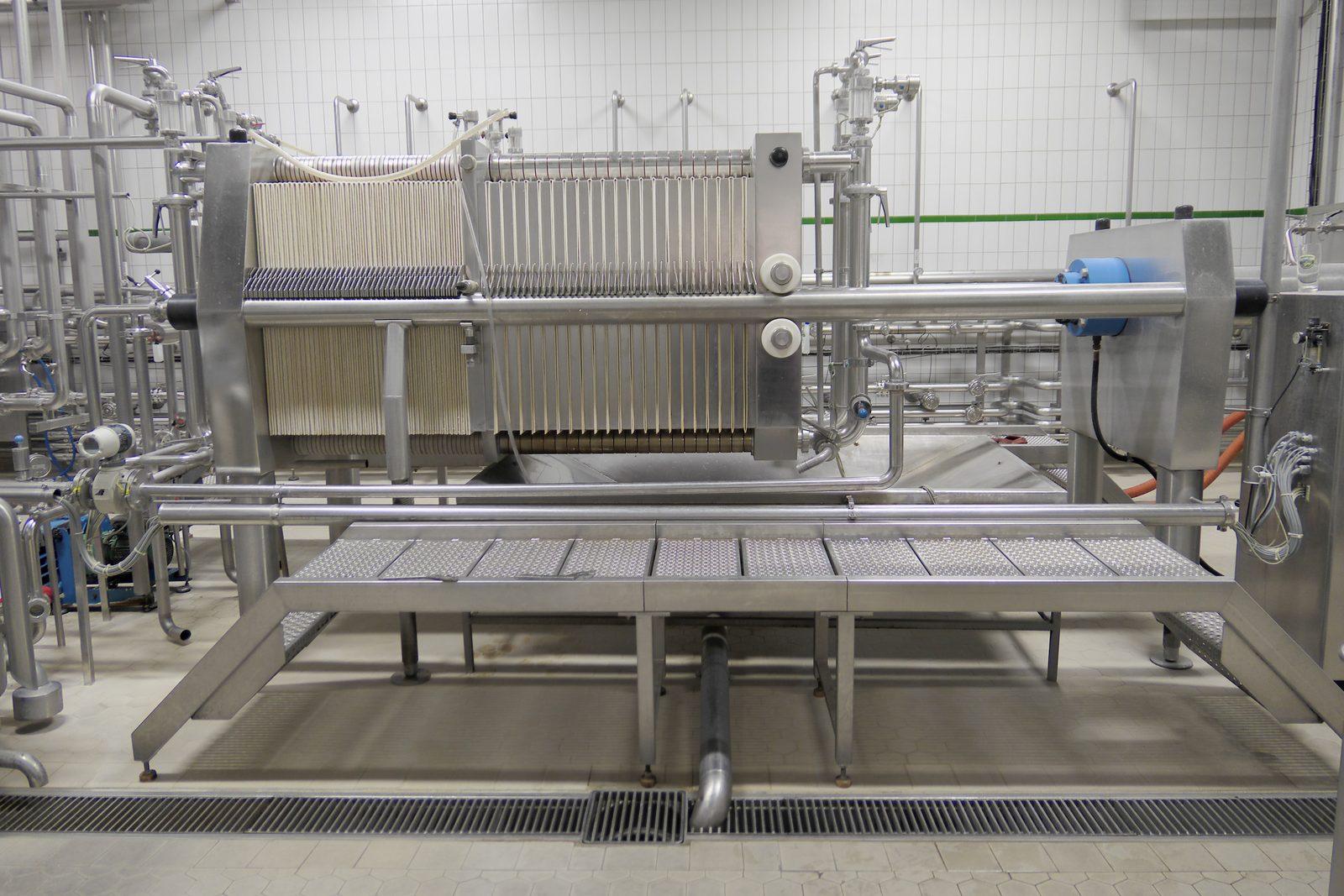
Edible Oil Filtration & Refining Systems
It takes crude oil from any pressing or solvent extraction line, so the first things a buyer must settle are the crude's free fatty acid level, colour, gum and wax content and moisture, and which grade will be sold: filtered crude, degummed oil, or fully refined, bleached and deodorised oil. Each added stage brings capital cost, steam, vacuum, chemicals and effluent, so the grade chosen shapes the plant more than the throughput does. The refining route matters too. Chemical refining uses caustic soda to remove free fatty acids and leaves soapstock to dispose of, while physical refining strips them with steam under vacuum and suits oils that can be degummed very well. Batch plants suit small volumes and frequent oil changes; continuous lines suit steady, single-oil volume. This page covers the cleaning and refining stage only. Pressing and extraction are dealt with on the pages for each oilseed.
Refining removes, in a fixed order, the components that make crude oil dark, unstable or unpleasant. Degumming removes phospholipids with water or acid, because gums cause losses in neutralisation and darken the oil in later stages. Neutralisation with caustic soda turns free fatty acids into soap, which a centrifuge separates as soapstock before the oil is water-washed and dried. In physical refining this step is skipped and the deodoriser strips the free fatty acids instead, which is why the oil must arrive well degummed. Bleaching mixes the oil with bleaching earth, sometimes with activated carbon, under vacuum and then filters it; the earth type, moisture, temperature, contact time and vacuum all change the result. Oils that carry waxes, sunflower oil for example, are winterised by chilling and filtering so they stay clear on a cool shelf. Deodorisation passes steam through hot oil at low pressure to carry away odour and flavour compounds, so the vacuum system and steam supply decide how good this section is. Batch plants run every stage in turn in one or two vessels. Continuous lines add heat recovery and steadier quality but need steady feed, trained operators and more utilities. Settling and filtration alone, with a polishing filter, is a complete product line for a processor selling lightly cleaned oil.
Indicative Capacity Range
- 100–5,000 litres oil/hour
Key Specification Inputs
FFA, colour, phospholipids, filtration grade and refining stages.
Technical Specifications
| Technology | Filtration and chemical or physical refining of crude vegetable oil |
|---|---|
| Working Principle | Gums, free fatty acids, colour bodies, waxes and odour compounds are removed in separate stages, each with its own separation step |
| Operating Mode | Batch, semi-continuous or continuous, chosen by volume and how often the oil type changes |
| Refining Stages | Filtration only, or any mix of degumming, neutralisation, bleaching, winterisation and deodorisation, chosen by the grade to be sold |
| Degumming | Water or acid, chosen by the phospholipid level of the crude |
| Bleaching Adsorbent | Natural or acid-activated earth, with optional activated carbon, chosen against free fatty acid, colour and contaminant targets |
| Filtration | Pressure leaf, candle or plate-and-frame filters, plus a polishing filter before storage |
| Deodorisation | Steam stripping under vacuum, in a batch vessel, a semi-continuous unit or a tray column |
| Contact Material | Stainless steel for hot, wet and chemical-contact parts; carbon steel can serve for crude oil storage |
| Utilities | Steam or thermal oil, cooling water, vacuum, electric power, process water, caustic soda and bleaching earth |
| Waste Streams | Soapstock, wash water, spent earth and deodoriser distillate, each needing its own handling |
Typical Process Route
Receiving, Settling and Filtering Crude Oil
Crude oil is settled to drop out meal fines and water, then filtered. A refining line needs a clean, dry feed, and solids carried forward foul heat exchangers and wear pumps.
Degumming
Water or acid brings the phospholipids out of the oil as gums, which a centrifuge removes. This stage protects the oil recovered in neutralisation, so the amount of gum in the crude sets its size.
Neutralisation or Physical Route
In chemical refining, caustic soda is mixed in and the soap formed is separated as soapstock, then the oil is washed and dried. Physical refining skips this and leaves free fatty acid removal to the deodoriser.
Bleaching
Bleaching earth, with activated carbon if needed, is mixed into the dry oil under vacuum to take out colour and trace contaminants. Clay grade, contact time and moisture all change the outcome.
Filtering Out the Spent Earth
Pressure leaf or candle filters remove the spent earth from the bleached oil. Filter area and cake handling often limit how fast a bleaching line can run.
Winterisation Where the Oil Clouds
Oils that carry waxes are chilled slowly so the waxes crystallise, then filtered. The cooling rate decides how well the filter runs, and the step is needed only for oils sold in cool conditions.
Deodorisation
Steam is passed through hot oil under low pressure to strip odour and flavour compounds, and free fatty acids in the physical route. Air leaks and weak vacuum show up as off-flavours and darker oil.
Polishing, Cooling and Storage
The finished oil is cooled, passed through a last polishing filter and stored in clean, closed tanks before packing. Cooling it quickly and keeping air away protects its shelf life.
Process & Equipment Modules
- Crude oil receiving and settling tanks
- Crude oil filter or strainer
- Degumming reactor with acid or water dosing
- Neutraliser with caustic dosing and centrifugal separator
- Water-wash unit and vacuum dryer
- Bleaching vessel with vacuum and earth dosing
- Pressure leaf or candle filters for spent earth
- Winterisation chiller and wax filter, where needed
- Deodoriser with stripping steam and vacuum ejectors
- Heat exchangers and heat-recovery section
- Polishing filter and finished-oil storage
- Soapstock tank and effluent handling
Plant Output
Applications
- Refined sunflower, groundnut or soybean oil for bottles, jerrycans and bulk tankers
- Bleached and deodorised palm oil for cooking-oil blends and frying fat
- Winterised oil that stays clear in cool shops and kitchens
- Frying oil for snack, bakery and fast-food makers that need a neutral taste
- Degummed oil sold on to a central refinery
- Filtered or polished pressed oil sold with little or no chemical refining
- Upgrading oil from several small mills to one common grade
Key Features
Route Matched to the Crude
Chemical refining copes with most crude oils, including poor ones. Physical refining saves chemicals and soapstock but needs a well-degummed feed and a stronger deodoriser.
Gum Removal Ahead of Neutralisation
Seed oils with a high gum content lose oil in neutralisation. A degumming stage sized for the real phospholipid level protects recovery and keeps the soapstock manageable.
Bleaching Specified, Not Defaulted
Earth type, dosage, temperature, contact time and vacuum belong in the specification. Acid-activated earth can raise free fatty acids and form MCPD esters, which is why natural earth is often preferred.
Vacuum and Steam Sized for Deodorising
The ejectors or vacuum pumps, the stripping steam and the heat recovery decide the quality and running cost of the final section. They deserve close reading in any proposal.
Waste Streams Planned From the Start
Soapstock, wash water, spent earth and deodoriser distillate all leave the plant. Knowing where each goes keeps effluent from becoming the site's biggest problem.
Staged Build-Up
A processor can begin with settling and filtration and add degumming, bleaching or deodorising later if the piping, utilities and layout are planned for them.
Country Pages for Edible Oil Filtration & Refining Systems
This product is listed on the pages of the countries below, each with its own enquiry route. Where Kadali has no office in a country, enquiries are handled from the Accra office.
Related Products
Frequently Asked Questions
What information is needed to size Edible Oil Filtration & Refining Systems?
What capacity range does Edible Oil Filtration & Refining Systems cover?
Should I choose chemical or physical refining?
Can I sell filtered oil without full refining?
Is chemical refining suitable for low-quality crude oil?
What are the drawbacks of acid-activated bleaching earth?
Why is sunflower oil winterised?
Can refining lower benzo(a)pyrene in edible oil?
How do I request a proposal for Edible Oil Filtration & Refining Systems?
Enquire about Edible Oil Filtration & Refining Systems
Send your raw material, target product and capacity to Kadali Africa Ventures for a technical proposal.