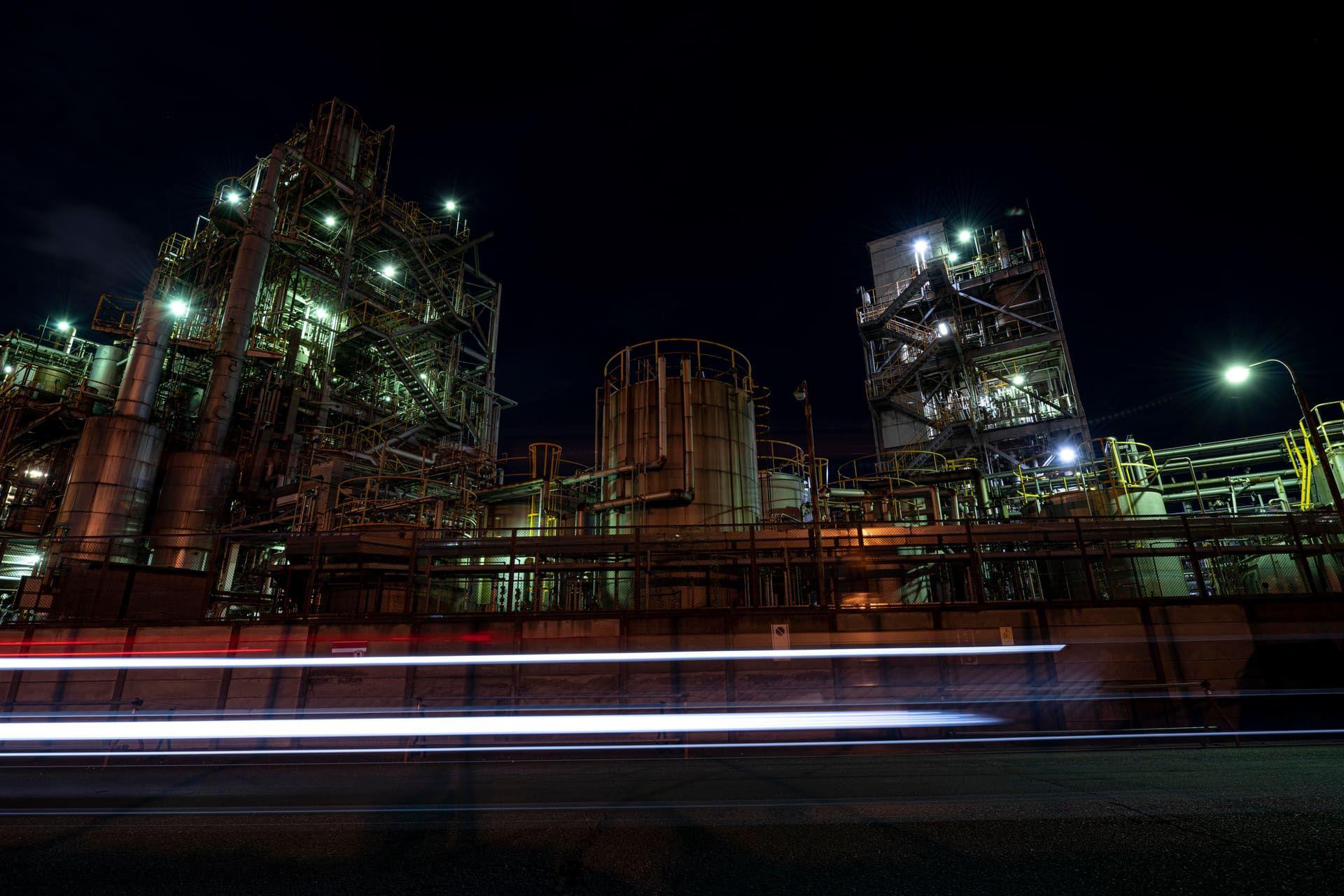
Cassava Starch Processing Plants
A cassava starch plant turns fresh roots into dry, white starch by rasping the roots, washing the starch out with water and drying it.
Product Categories
- Herbal, Botanical & Nutraceutical Extraction(9)
- Essential Oils, Spices & Oleoresins(6)
- Fruit & Vegetable Processing(8)
- Starch, Flour, Edible Oil & Food Processing(7)
- Drying & Dehydration Systems(5)
- Evaporation, Concentration & Solvent Recovery(4)
- Pharmaceutical & Industrial Process Equipment(4)
- Cocoa, Shea, Palm Oil & Oilseed Processing(6)
- Cereals, Tubers & Sugar Processing(6)
- Specialty African Botanical & Natural Ingredients(11)
- Specialty Food, Beverage & By-Product Processing(7)
Talk to Kadali Africa Ventures
Send your raw material, product and capacity for a technical proposal.
Contact Kadali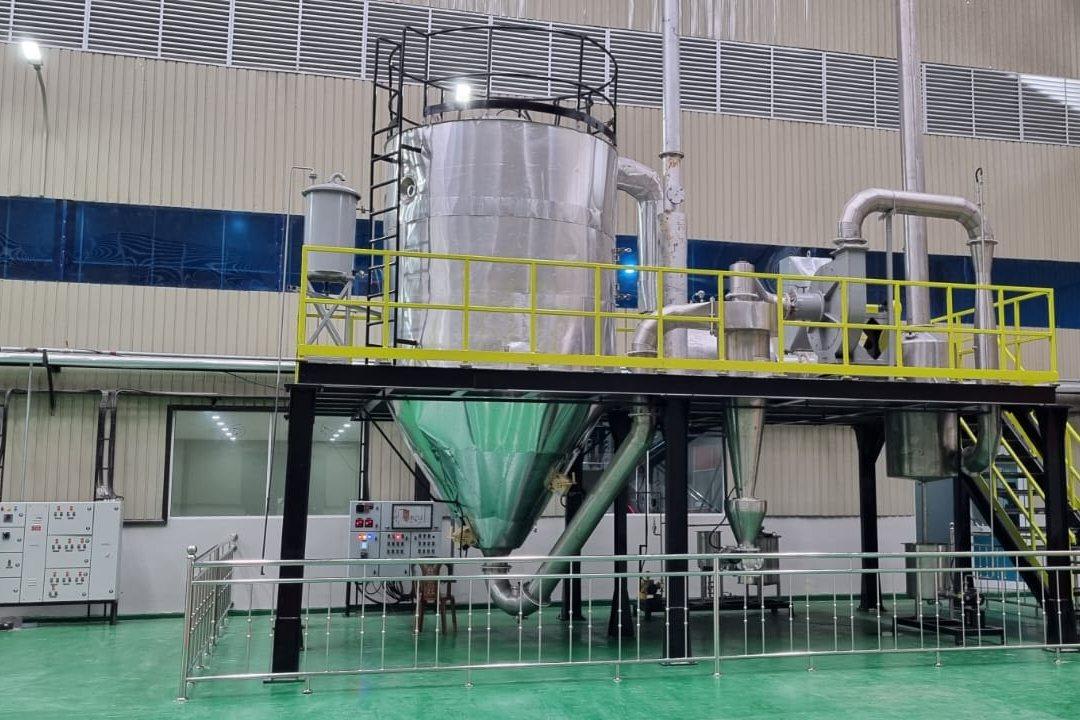
Cassava Starch Processing Plants
The plant takes fresh roots that must be processed soon after harvest and makes native starch for food, paper, textile, adhesive and fermentation users, with wet fibre pulp and peel as large by-product streams. What separates it from a flour line is the water stage: starch is released from the fibre in water, so the plant is built around a water balance as much as around machines. A buyer needs to settle the root supply first, meaning tonnes a day, the length of the season and the haul distance, then the starch grade to be sold, the quality and hardness of the water on site, and where the effluent and fibre will go. These points decide the size of the rasper and fibre extractors, the way the starch milk is cleaned, the dryer and its heat source, and the effluent treatment, which together drive most of the cost. The technical proposal then fixes the scope of supply and the capacity.
Washed roots go to a rasper, which tears the root cells open and frees the starch granules. The pulp is diluted with water and passed through jet extractors, perforated-basket centrifuges or screens, which carry the starch milk through and hold back the cellulose fibre; a second wash stage recovers starch still caught in the fibre. The milk is then cleaned and concentrated in settling tanks, hydrocyclones or a centrifuge, rinsed with fresh water to remove soluble matter, and dewatered on a vacuum filter or in a centrifuge to a damp cake. A flash dryer takes the cake, so the dewatering stage is part of the dryer's performance, and the dry starch is milled, sieved and packed. The choices that change the plant are the rasper size and drive, the number of extraction stages, the equipment used to clean the milk, and the dryer heat source, chosen by local fuel cost. Material choice matters because iron ions fix the hydrocyanic acid in cassava as dark compounds, so surfaces that touch the milk are stainless steel or another non-iron material. Water is the other design driver: soft water gives the purest starch, and a recirculation loop reduces both the intake and the effluent volume.
Indicative Capacity Range
- 1–20 tonnes fresh roots/day
Key Specification Inputs
Cyanogenic compound reduction, water balance, dewatering, drying.
Technical Specifications
| Technology | Wet extraction of starch from rasped cassava, followed by dewatering and flash drying |
|---|---|
| Feed | Fresh cassava roots, processed soon after harvest; variety and root age affect starch content |
| Fibre Separation | Jet extractors, perforated-basket centrifuges or screens, with a second wash stage |
| Milk Purification | Settling tanks, hydrocyclones or a centrifuge, chosen by scale and the starch grade to be sold |
| Dewatering | Vacuum filter or centrifuge, sized to give the dryer a steady feed |
| Drying | Pneumatic flash dryer; heat source chosen by local fuel cost and availability |
| Contact Material | Stainless steel or another non-iron material wherever the starch milk is in contact |
| Water Supply | Soft, clean water in liberal quantity; recirculation loop to cut intake |
| Effluent Treatment | Treatment sized for suspended solids, organic load, turbidity and cyanide in the process water |
| Utilities | Process water, electric power for rasper, pumps and centrifuges, and fuel or biomass for the dryer |
| Final Output | Dry native cassava starch, packed in bags, plus wet fibre pulp and peel |
Typical Process Route
Receiving and Washing Roots
Roots are weighed and fed to the line as soon as possible, because enzyme action starts at harvest and damages starch quality. A drum washer removes soil and sand that would wear the rasper and foul the starch, and loosens part of the peel.
Rasping
A high-speed rasper breaks the root cells and releases the granules. Starch inside cells that escape the rasper leaves with the fibre, so the starch left in the pulp is a direct measure of how well the rasper is working.
Fibre Extraction
Water is added to the pulp, which then passes through jet extractors, basket centrifuges or screens that let the starch milk through and retain the fibre. A second wash frees more starch, and the wet pulp leaves as a by-product.
Starch Milk Purification
The milk is concentrated and rinsed in settling tanks, hydrocyclones or a centrifuge to remove soluble matter and fine fibre. Soft, clean water is needed here, since hard water can leave calcium oxalate in the starch.
Dewatering
A vacuum filter or centrifuge turns the milk into a damp cake. How dry the cake is decides the heat load on the dryer and whether it runs steadily.
Flash Drying
A pneumatic flash dryer has a very short residence time and suits starch that has already been dewatered. The heat source is a running-cost decision, and the drying air must be clean so the starch does not pick up smoke or dust.
Milling, Sieving and Packing
Dried starch is milled and sieved to break lumps and hold back specks, then packed in a dry, dust-controlled area. Starch takes up moisture from the air, so bagging and storage have to stay dry.
Process & Equipment Modules
- Root receiving hopper and weighing point
- Drum washer and stone trap
- High-speed rasper
- Jet extractors or perforated-basket centrifuges
- Starch milk settling tanks, hydrocyclones or centrifuge
- Vacuum filter or dewatering centrifuge
- Flash (pneumatic) dryer with heat source and cyclone
- Mill and sieve for dried starch
- Bagging and packing station
- Water recirculation tanks and pumps
- Effluent treatment section
Plant Output
Applications
- Native starch as a thickener in soups, sauces and instant foods
- Binder and surface sizing in paper and board making
- Textile sizing and finishing
- Adhesives for corrugated board and paper sacks
- Feedstock for glucose syrup and fermentation, including ethanol
- Base material for modified starches
- Wet fibre pulp, once dried, as an animal-feed ingredient
Key Features
Fibre Separation Stage
The jet extractor or basket centrifuge section is what makes this a starch plant and not a flour plant, and it largely decides how pure the starch is.
Non-Iron Contact Surfaces
Tanks, pipework and fittings that touch the starch milk are specified to avoid iron, because iron discolours the starch through the cyanide naturally present in cassava.
Water Balance and Recirculation
Water meets the product at every stage. A designed water balance with recirculation reduces fresh-water demand and the volume of effluent to be treated.
Dewatered Feed for the Dryer
The flash dryer is sized for a dewatered cake, so the filter or centrifuge ahead of it is chosen together with the dryer, not separately.
Effluent Treatment Built In
Wash water, fibre-press liquor and process bleed are treated against suspended solids, COD, turbidity and cyanide before reuse or discharge.
Country Pages for Cassava Starch Processing Plants
This product is listed on the pages of the countries below, each with its own enquiry route. Where Kadali has no office in a country, enquiries are handled from the Accra office.
Related Products
Frequently Asked Questions
What information is needed to size Cassava Starch Processing Plants?
What capacity range does Cassava Starch Processing Plants cover?
What extra steps does starch need compared with cassava flour?
Does water hardness matter for cassava starch quality?
How should the effluent be planned?
Why must roots reach the line so quickly?
How can I judge whether the rasper is working well?
What should I check on the dryer?
How do I request a proposal for Cassava Starch Processing Plants?
Enquire about Cassava Starch Processing Plants
Send your raw material, target product and capacity to Kadali Africa Ventures for a technical proposal.