Sunflower Oil Processing Plants
A sunflower oil plant cleans and conditions sunflower seed, presses out the oil, filters it and, where the oil is sold refined, refines it.
Product Categories
- Herbal, Botanical & Nutraceutical Extraction(9)
- Essential Oils, Spices & Oleoresins(6)
- Fruit & Vegetable Processing(8)
- Starch, Flour, Edible Oil & Food Processing(7)
- Drying & Dehydration Systems(5)
- Evaporation, Concentration & Solvent Recovery(4)
- Pharmaceutical & Industrial Process Equipment(4)
- Cocoa, Shea, Palm Oil & Oilseed Processing(6)
- Cereals, Tubers & Sugar Processing(6)
- Specialty African Botanical & Natural Ingredients(11)
- Specialty Food, Beverage & By-Product Processing(7)
Talk to Kadali Africa Ventures
Send your raw material, product and capacity for a technical proposal.
Contact Kadali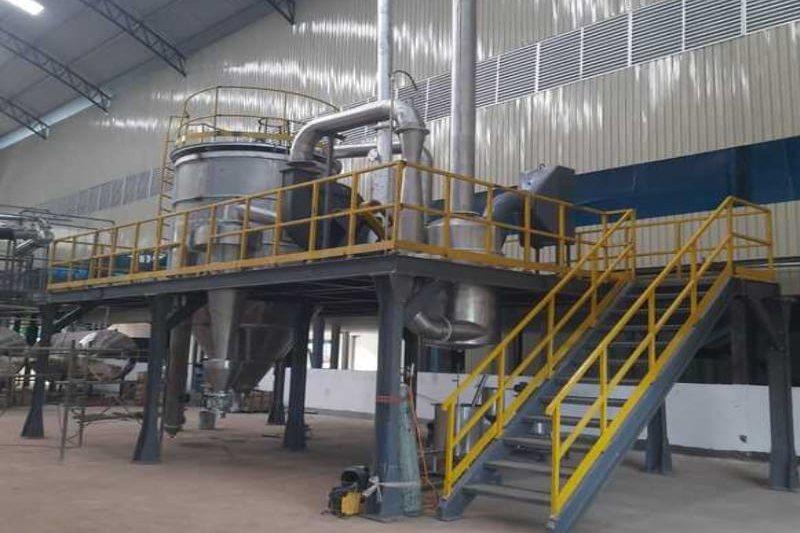
Sunflower Oil Processing Plants
Sunflower seed is rich in oil, so industrial lines press it first and then pass the cake to a solvent extractor for the oil that remains, while smaller plants press only and sell filtered oil. The seed carries a hull: some hull helps the press work economically, but the hull also adds wax to the oil, so the amount of dehulling is a design decision. The plant makes crude, filtered or refined oil, plus sunflower cake or meal for animal feed and hulls that can fire a boiler. A buyer must settle the seed supply and its oil content, whether pressing alone is enough or a solvent extractor is wanted, the oil grade to be sold, and the market for the meal. Press-only or press-plus-solvent sets capital cost, the hazardous-area requirement, how much oil is recovered and the condition of the meal. Seed storage and the way seed is dried are part of the plant definition too.
Seed is cleaned of stalks, stones and metal, stored dry, then usually partly dehulled and conditioned by heating, which makes the oil flow from the cells under the press. A screw expeller squeezes out most of the oil. In a press-only plant the oil is settled and filtered, and the cake is sold as feed. Larger plants send the cake to a solvent extractor, where hexane washes out the remaining oil, and the extracted meal is desolventised; this part sits in a separate, flame-proof area. Crude oil is refined if it is to be sold in retail packs: degumming, neutralising, bleaching and deodorising, with a separate wax-removal step, because sunflower oil carries natural waxes and extracted oil carries more than pressed oil. Hull level is the main trade-off: a certain amount helps the press, but more hull means more wax to remove later and more refining loss. Heating arrangement also matters for food safety, because seed that meets combustion gases while drying can pick up polycyclic aromatic hydrocarbons, so conditioners and dryers are heated indirectly. The practical choices are press-only or press plus extraction, how much to dehull, how far to refine, and what to do with the cake and hulls.
Indicative Capacity Range
- 0.5–20 tonnes seeds/day
Key Specification Inputs
Oil content, expeller vs solvent, filtration, refining and utilities.
Technical Specifications
| Technology | Mechanical pressing of conditioned sunflower seed, with optional solvent extraction of the cake, filtration and optional refining |
|---|---|
| Feed | Cleaned sunflower seed, whole or partly dehulled; oil content and moisture on arrival set the line |
| Dehulling | Partial removal and separation of hull, set by press performance and the wax level the refining stage can accept |
| Conditioning | Seed cooker heated indirectly by steam, thermal oil or electricity |
| Pressing | Screw expeller, with a pre-press where a solvent extractor follows |
| Solvent Extraction | Optional hexane extractor with desolventiser and solvent recovery, in a separate flame-proof area |
| Oil Clarification | Settling tanks followed by a filter press or leaf filter |
| Refining | Optional degumming, neutralising, bleaching and deodorising, with a separate wax-removal stage |
| Utilities | Electric power for presses, steam or thermal oil for conditioning and refining, cooling water, and compressed air |
| Final Output | Crude, filtered or refined sunflower oil, plus cake or meal and hulls |
Typical Process Route
Seed Cleaning and Storage
Stalks, stones, dust and metal are removed before the press. Seed is held dry, because damp seed heats, goes mouldy and gives poor oil.
Partial Dehulling
Hull is removed down to the level the press needs, not to zero. Some hull gives structure for economical pressing, while too much adds wax and bulk.
Conditioning
Seed is heated and moistened to the right state for pressing. Heating is indirect, so combustion gases do not reach the seed.
Pressing
A screw expeller squeezes out most of the oil. Press wear parts and the amount of oil left in the cake decide how much a downstream extractor, if fitted, has to do.
Settling and Filtration
Crude oil stands in tanks and then passes through a filter press or leaf filter to remove fines. Poor filtration shows up later as sediment and shorter shelf life.
Solvent Extraction of the Cake
Where fitted, hexane washes the oil out of the cake and is then removed from the meal and recovered. This step needs its own flame-proof area and solvent handling.
Refining and Dewaxing
Crude oil can be degummed, neutralised, bleached and deodorised, with wax removal planned as its own stage. The degree of refining depends on the oil grade you sell.
Storage and Filling
Oil goes to closed storage tanks and is filled into bottles, jerrycans or drums. Cake and meal are cooled and bagged, and hulls go to the boiler or fuel store.
Process & Equipment Modules
- Seed intake, cleaner, magnet and stone trap
- Dry seed storage bin or silo
- Dehuller and hull separator
- Seed conditioner or cooker
- Screw expeller press
- Settling tanks and filter press or leaf filter
- Cake conveyor and cooler
- Solvent extractor with desolventiser and solvent recovery, where fitted
- Refining section with degumming, neutralising, bleaching, deodorising and dewaxing, where fitted
- Oil storage tanks
- Filling and packing line
Plant Output
Applications
- Filtered cooking and frying oil for local retail
- Refined sunflower oil in bottles and jerrycans
- Crude oil sold to refiners and food manufacturers
- Sunflower cake as a protein feed for poultry, pigs and cattle
- Desolventised meal as a feed ingredient from larger solvent plants
- Sunflower hulls as boiler or cooker fuel
- Pre-pressed cake feeding a central solvent extractor
Key Features
Press First, Extract Second
The press is the front section even where a solvent extractor follows, and its performance sets the load the extractor has to carry.
Hull Level Set Deliberately
A fixed dehulling level balances press operation against the wax and refining loss that extra hull brings.
Wax Removal Planned as a Step
Wax is not removed by ordinary water degumming, so dewaxing is specified where the oil is sold clear and refined.
Indirect Seed Heating
Conditioners and any seed dryers are heated by steam, thermal oil or electricity so combustion gases never touch the seed.
Cake and Hull Outlets Planned
The meal market and the boiler use of hulls are agreed before the plant is specified, because they affect revenue and the heat plan.
Country Pages for Sunflower Oil Processing Plants
This product is listed on the pages of the countries below, each with its own enquiry route. Where Kadali has no office in a country, enquiries are handled from the Accra office.
Related Products
Frequently Asked Questions
What information is needed to size Sunflower Oil Processing Plants?
What capacity range does Sunflower Oil Processing Plants cover?
Should the plant press only, or add a solvent extractor?
How much oil should I expect from the press?
Does leaving hull on the seed affect the oil?
Why does sunflower oil need a separate wax-removal step?
Can contamination picked up during seed drying be fixed in refining?
What happens to the cake and the hulls?
How do I request a proposal for Sunflower Oil Processing Plants?
Enquire about Sunflower Oil Processing Plants
Send your raw material, target product and capacity to Kadali Africa Ventures for a technical proposal.