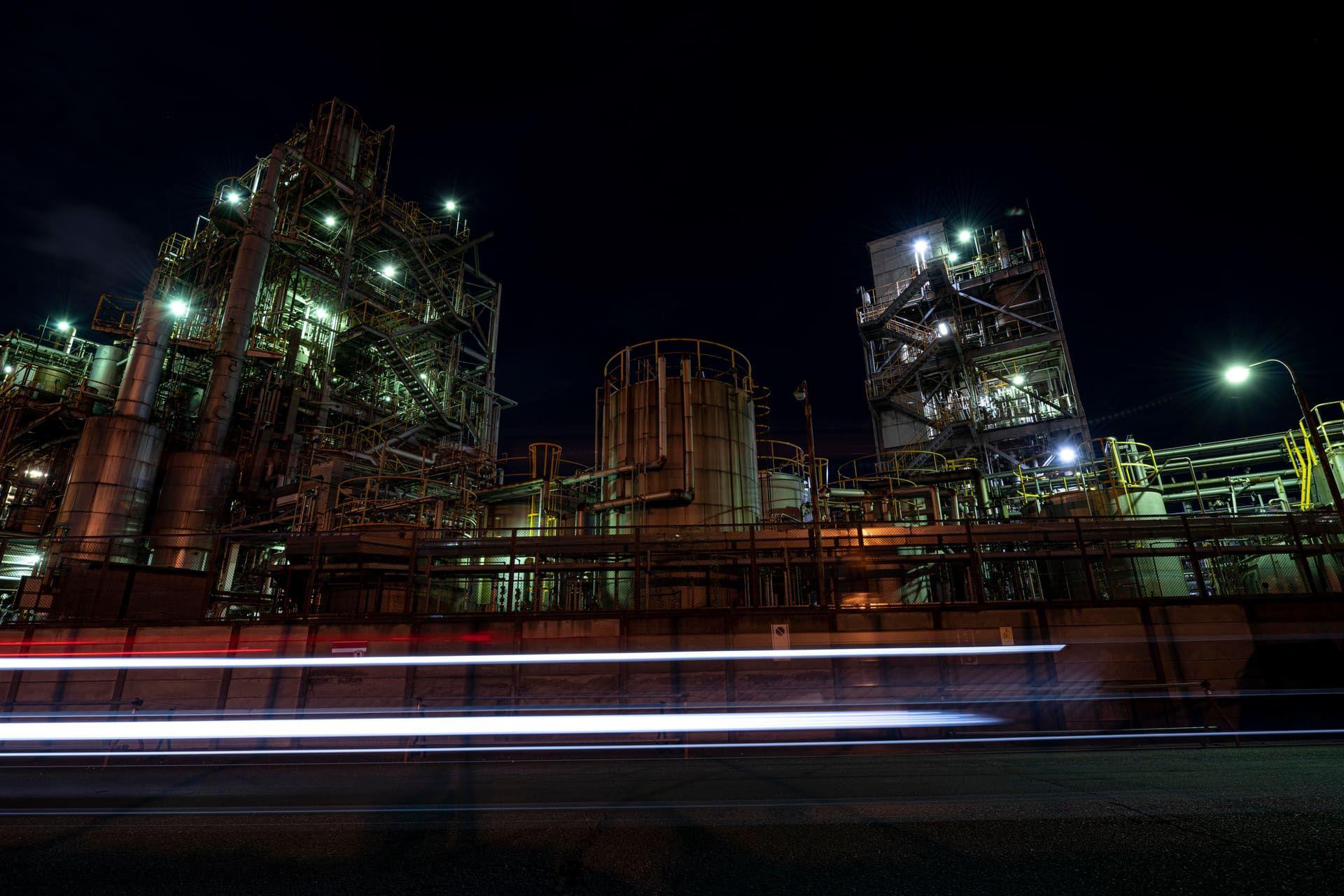
Fruit Juice Processing & Concentration Plant
Part of the Kadali Africa Ventures catalogue. Send your raw material, target product and capacity for a technical proposal. Request a quote →
Product Categories
- Herbal, Botanical & Nutraceutical Extraction(9)
- Essential Oils, Spices & Oleoresins(6)
- Fruit & Vegetable Processing(8)
- Starch, Flour, Edible Oil & Food Processing(7)
- Drying & Dehydration Systems(5)
- Evaporation, Concentration & Solvent Recovery(4)
- Pharmaceutical & Industrial Process Equipment(4)
- Cocoa, Shea, Palm Oil & Oilseed Processing(6)
- Cereals, Tubers & Sugar Processing(6)
- Specialty African Botanical & Natural Ingredients(11)
- Specialty Food, Beverage & By-Product Processing(7)
Talk to Kadali Africa Ventures
Send your raw material, product and capacity for a technical proposal.
Contact Kadali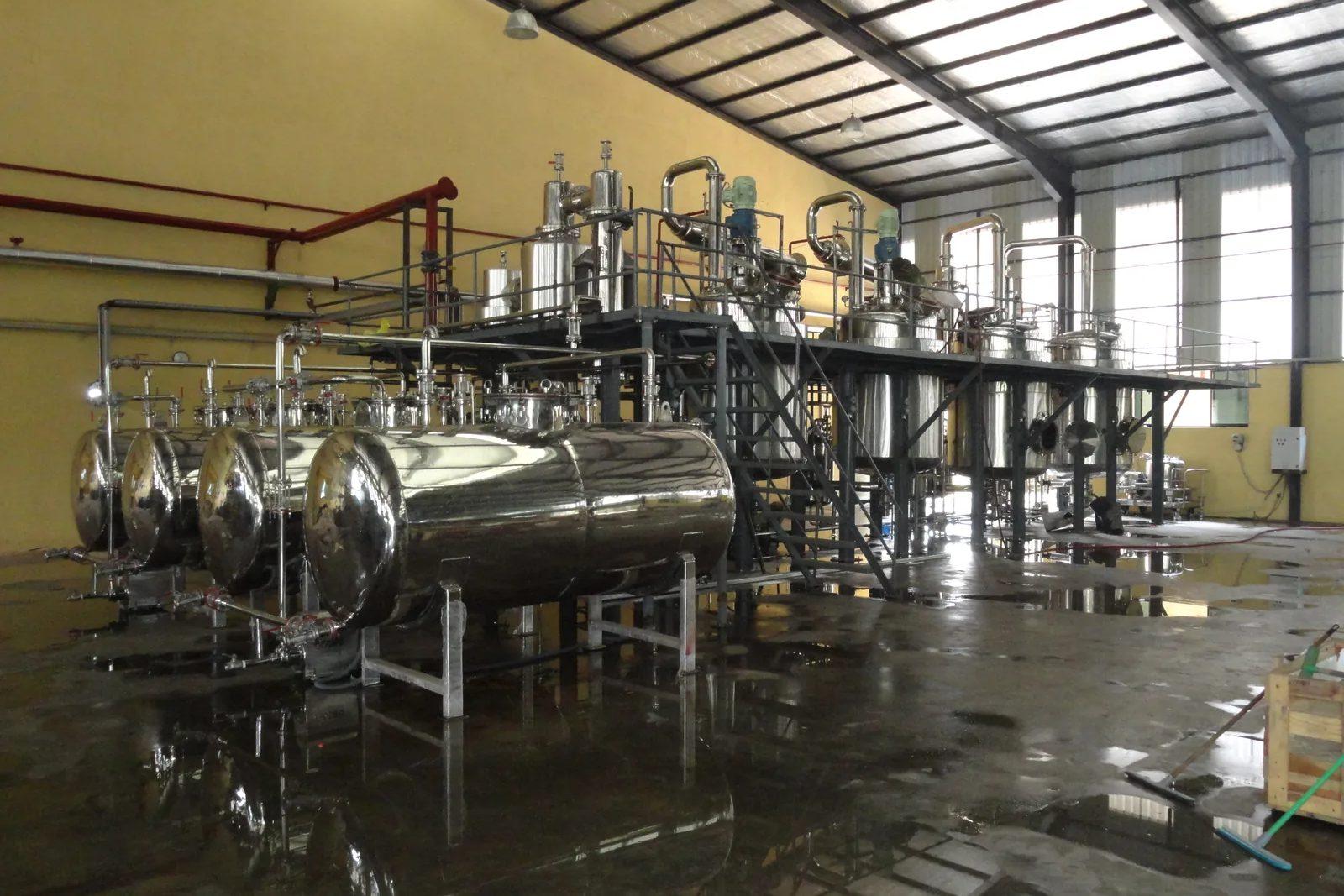
Fruit Juice Processing & Concentration Plant
A juice project begins with the fruit, not the machine: which fruit and variety, how many weeks of the season supply can be secured, whether the product is single-strength juice, concentrate, pulp or powder, the solids (Brix) the buyer wants, and how it will be packed. Mango, pineapple and citrus are widely grown fruits that processors look at for juice, and a short, heavy harvest makes plant size and fruit supply decisions as important as the equipment. Kadali Africa Ventures lists the concentration and drying part of a juice line: falling-film and multiple-effect evaporators for juice concentration, an aloe vera gel and juice processing line, and spray or freeze dryers where a powder is wanted. Fruit reception, washing, pulping, extraction and filling for a particular fruit are not part of the standard listed equipment; where a project needs them, their scope is defined in the technical proposal after review of the fruit, capacity and target product.
Concentrating juice is a heat duty on a delicate liquid, and the plant should be chosen from the fruit's viscosity, solids content and tendency to foul. A falling-film evaporator concentrates juice under vacuum with only a short time on the heated surface. A multiple-effect evaporator links several stages to cut steam use on larger daily volumes, and a vacuum evaporator covers batch duties. Concentrating cuts the weight and bulk of the product, so storage and freight per litre of juice fall; Juice concentrates made under vacuum are commonly taken to about 40-65 Brix, or four to sevenfold, and are usually stored refrigerated or frozen. The cost is evaporation energy and, where needed, cold storage, so the choice between concentrate and single-strength juice should be made against the market and the supply chain. Evaporation also carries aroma and other volatiles over with the water vapour, and modern evaporation installations recover that flavour and return it to the concentrate, so whether aroma recovery is needed is a point to raise when the flavour of the product matters. The aloe line is a separate, listed process that covers washing, filleting, filtration, pasteurisation, optional concentration and drying, and aseptic filling for gel, juice, concentrate and powder. For other fruits, the front end of the line (reception, washing, pulping, extraction, clarification) and filling are scoped project by project, and the final configuration follows the fruit, the target product and the capacity.
Indicative Capacity Range
- 500–10,000 kg fruit/hour
Key Specification Inputs
Fruit grading, pulp yield, Brix, pasteurisation, packaging.
Technical Specifications
| Project Type | Juice concentration and processing equipment; scope confirmed on enquiry |
|---|---|
| Listed Concentration Equipment | Falling-film evaporator, multiple-effect evaporator (MEE) and vacuum evaporator |
| Listed Juice Line | Aloe vera gel and juice processing line, for gel, juice, concentrate and powder |
| Powder Option | Spray dryer or freeze dryer for juice concentrates; feed suitability confirmed on a trial |
| Scoped Per Project | Fruit reception, pulping, extraction and filling lines for a specific fruit |
| Contact Material | SS 316L, or another grade suited to the product; electropolished, with CIP capability on the listed equipment |
| Capacity | Sized to the requirement, from pilot to commercial duty on the listed evaporators |
| Scope Confirmation | Engineering review of the fruit, target concentration and capacity comes before any quotation |
Typical Process Route
Settle the Fruit, Product and Pack
The fruit and its season, the product form (juice, concentrate, pulp or powder), target Brix, pack type and hourly fruit tonnage are agreed first, as they shape every later stage.
Reception, Washing and Pulping
This front end is not part of the standard listed equipment for specific fruits. Where a project needs it, it is defined in the technical proposal after review.
Extraction and Clarification
Juice is separated and cleared using the filtration and centrifuge range. Which steps are used depends on the fruit and on whether the result is cloudy juice or clear concentrate.
Heat Treatment
A plate heat exchanger and pasteuriser belong to the listed aloe line. Heat treatment for other juices is set per project.
Concentrating by Evaporation
The juice is concentrated under vacuum in a falling-film evaporator, or over several stages in a multiple-effect evaporator, until the target solids are reached.
Optional Conversion to Powder
A concentrate can be turned into powder in a spray dryer or freeze dryer when the feed suits the dryer. A trial confirms this.
Storage and Filling
Concentrate waits in storage tanks. Aseptic filling is part of the listed aloe line; filling for other juices is scoped per project.
Cleaning in Place
CIP between runs keeps product-contact surfaces and evaporator tubes clean, which matters for sugar-rich liquids that foul heating surfaces.
Major Plant Equipment
- Falling-film evaporator
- Multiple-effect evaporator (MEE)
- Vacuum evaporator for batch work
- Filtration and centrifuge equipment
- Plate heat exchanger and pasteuriser (aloe line)
- Spray dryer or freeze dryer, optional for powder
- Storage tanks and aseptic filling system (aloe line)
- Clean-in-place (CIP) system
- PLC control panel and instruments
Plant Output
Applications
- Concentrating fruit and vegetable juice
- Juice and beverage base concentrates
- Aloe vera gel, juice, concentrate and powder
- Pre-concentrating botanical extracts before drying
- Converting juice concentrate to powder, subject to trial
Key Features
Low-Temperature Concentration
The falling-film evaporator works under vacuum with a short contact time on the heated surface, which suits delicate fruit liquids.
Lower Steam Use on Larger Duties
Multiple-effect evaporators pass heat from stage to stage, so a larger daily volume needs less steam than separate evaporators would.
A Listed Aloe Line
The aloe vera line already joins filleting, filtration, pasteurisation, optional concentration and drying, and aseptic filling in one defined process.
Stated Scope Boundaries
The proposal separates listed equipment from the stages scoped per project, so the buyer knows what is being supplied and what is not.
Country Pages for Fruit Juice Processing & Concentration Plant
This product is listed on the pages of the countries below, each with its own enquiry route. Where Kadali has no office in a country, enquiries are handled from the Accra office.
- Fruit Juice Processing & Concentration Plant: Ghana
- Fruit Juice Processing & Concentration Plant: Nigeria
- Fruit Juice Processing & Concentration Plant: Tanzania
- Fruit Juice Processing & Concentration Plant: Kenya
- Fruit Juice Processing & Concentration Plant: Uganda
- Fruit Juice Processing & Concentration Plant: Côte d’Ivoire
- Fruit Juice Processing & Concentration Plant: Democratic Republic of Congo
- Fruit Juice Processing & Concentration Plant: Cameroon
- Fruit Juice Processing & Concentration Plant: Zambia
- Fruit Juice Processing & Concentration Plant: Mozambique
Related Products
Frequently Asked Questions
What should a fruit processor decide before approaching a supplier?
Does the supply cover a complete juice line?
Juice or concentrate: which should be made?
Which evaporator suits juice concentration?
What preparation does fruit need in tropical conditions?
Can concentrate be dried into powder?
What is the aloe vera line?
What test work is worth doing before sizing a juice plant?
What drives the cost of a juice concentration plant?
Ready to discuss your project?
Call or email Kadali Africa Ventures with your raw material, target product and capacity.