Drying & Dehydration Systems
Drying & Dehydration Systems (5 products)
Drying plants take water out of crops, spices, herbs and liquid concentrates so the product keeps, weighs less to ship and can be sold in a stable form. This group covers hot-air dryers, solar-assisted dryers, fruit and vegetable dehydration lines, spice and herbal drying plants and spray dryers for pumpable feeds. Three things decide the design and the price: how much water must leave each hour, how much heat the product tolerates before colour, aroma or texture suffer, and which fuel or power source is cheapest to run at your site through the year.
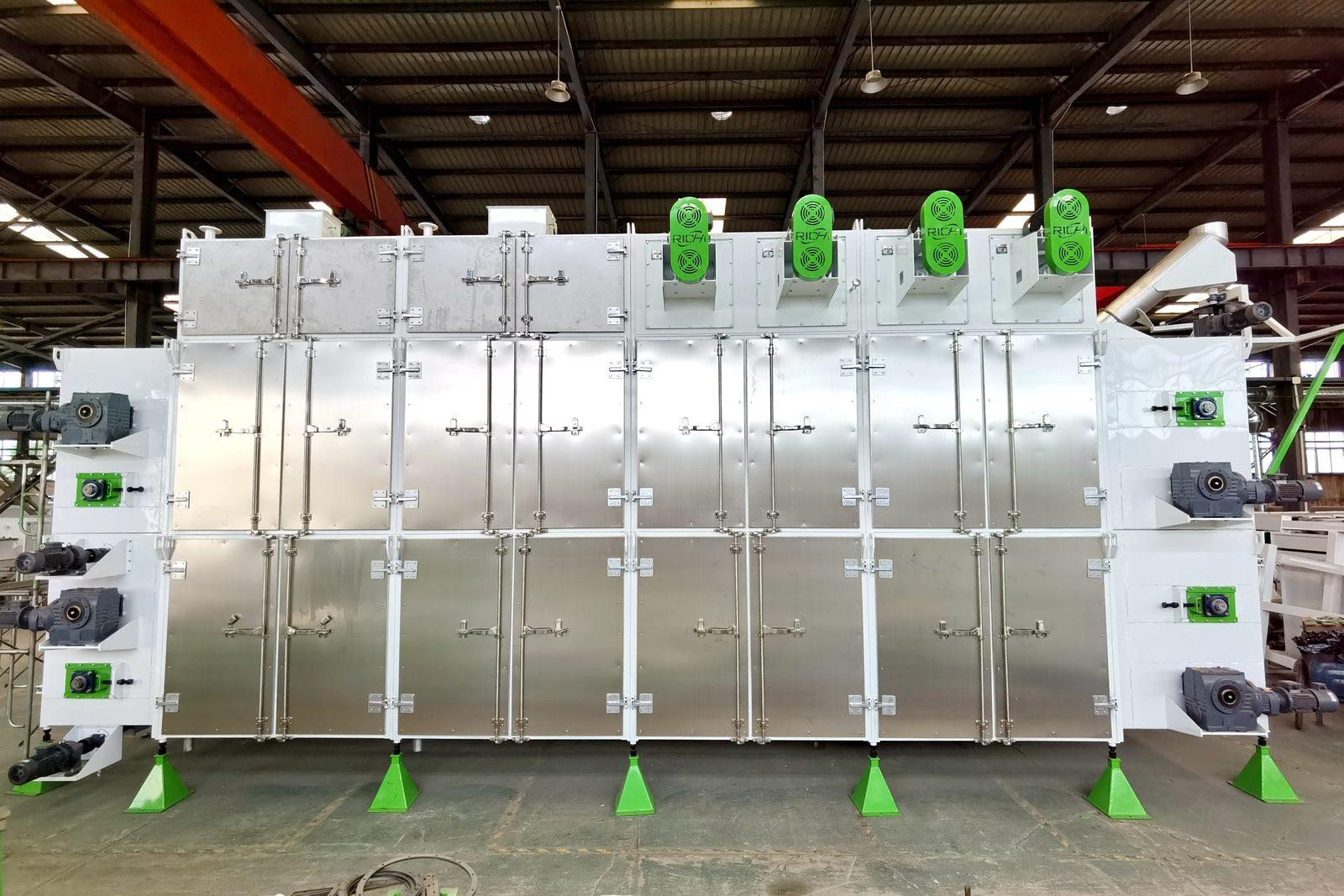
Industrial Hot-Air Drying Systems
View Product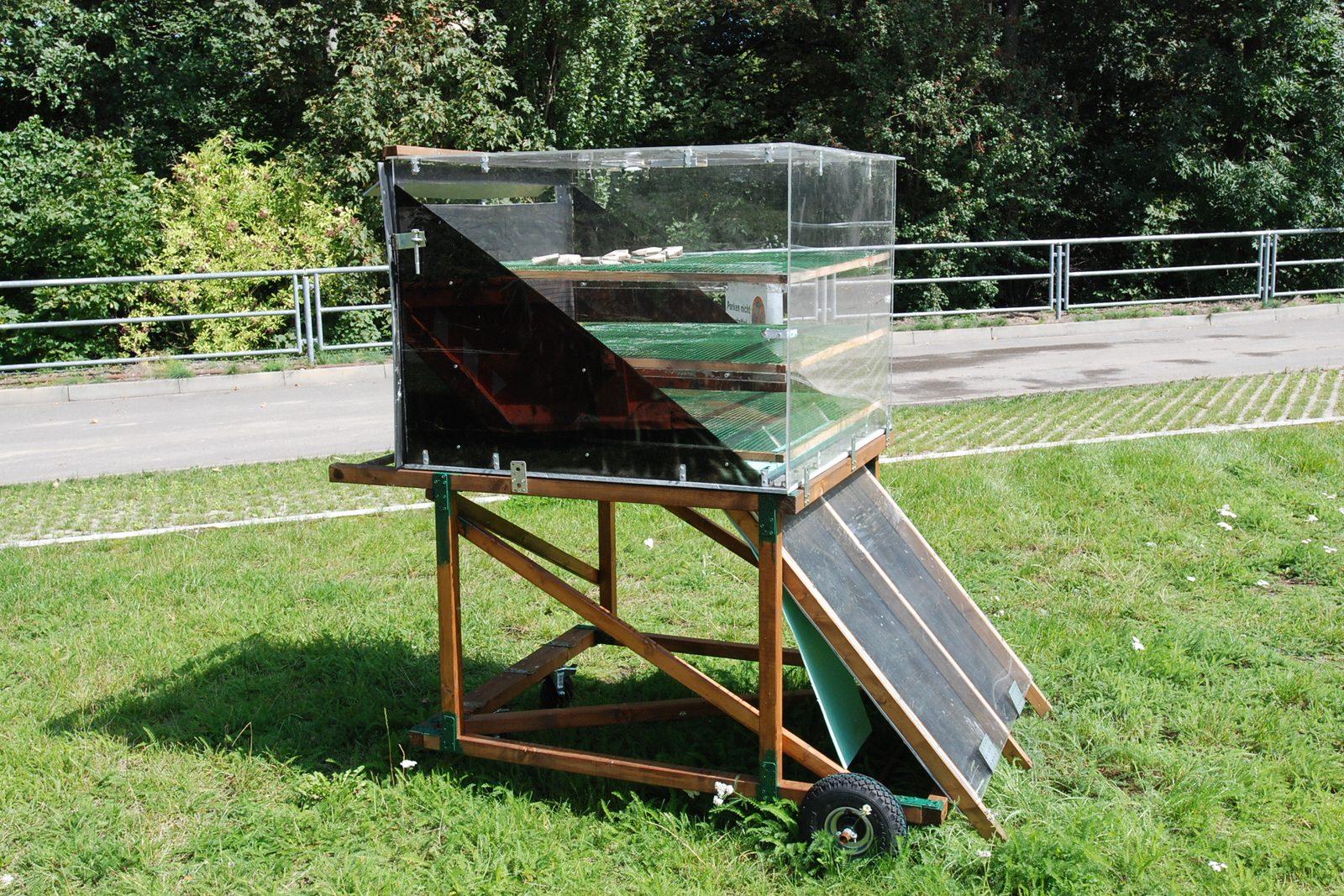
Solar-Assisted Drying Systems
View Product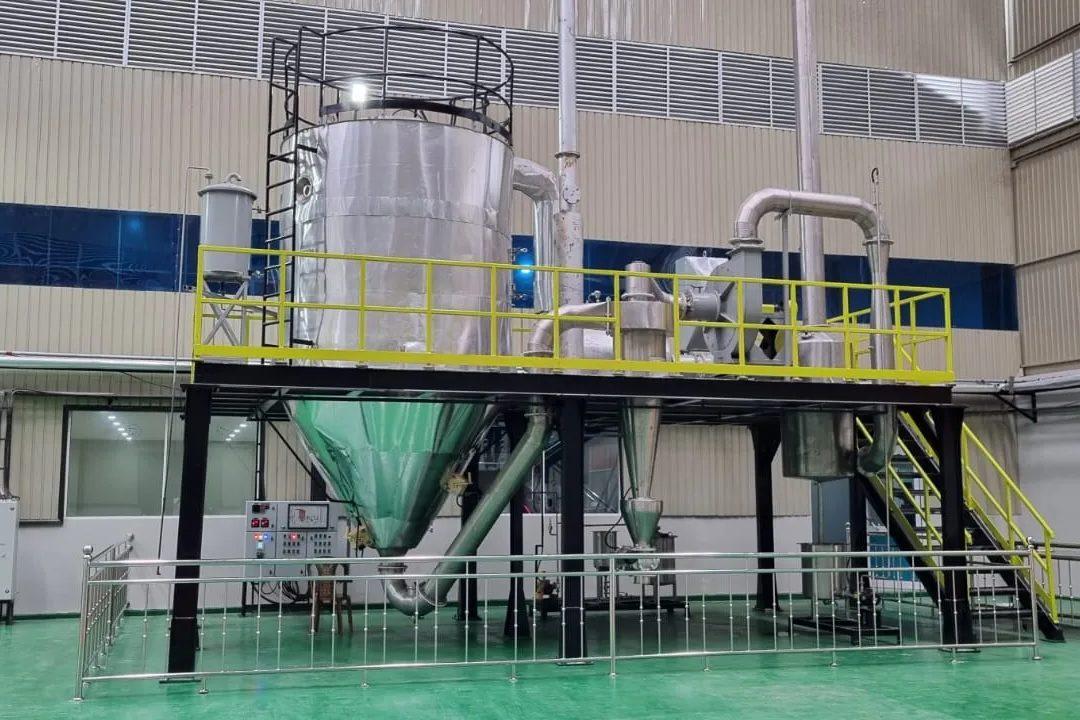
Spray Dryer
View Product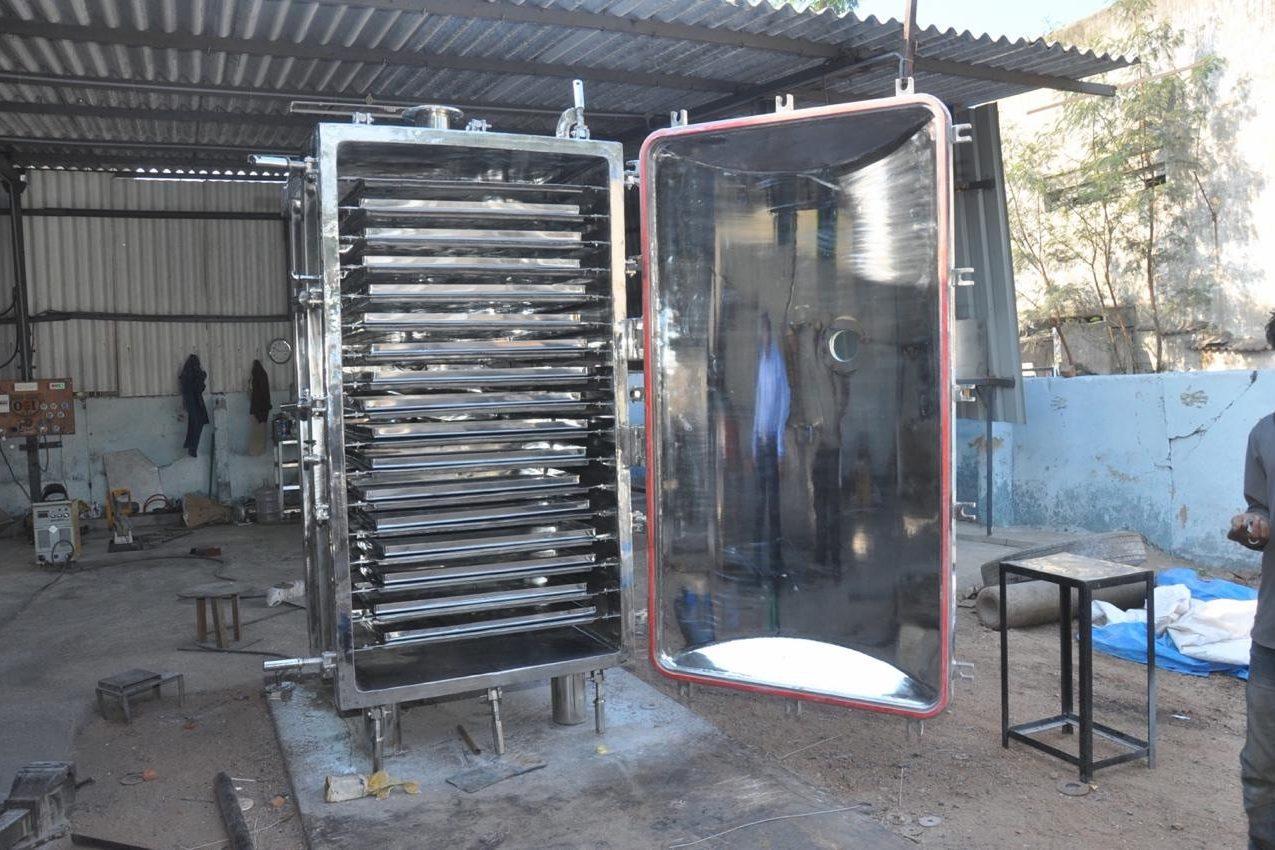
Fruit & Vegetable Dehydration Plant
View Product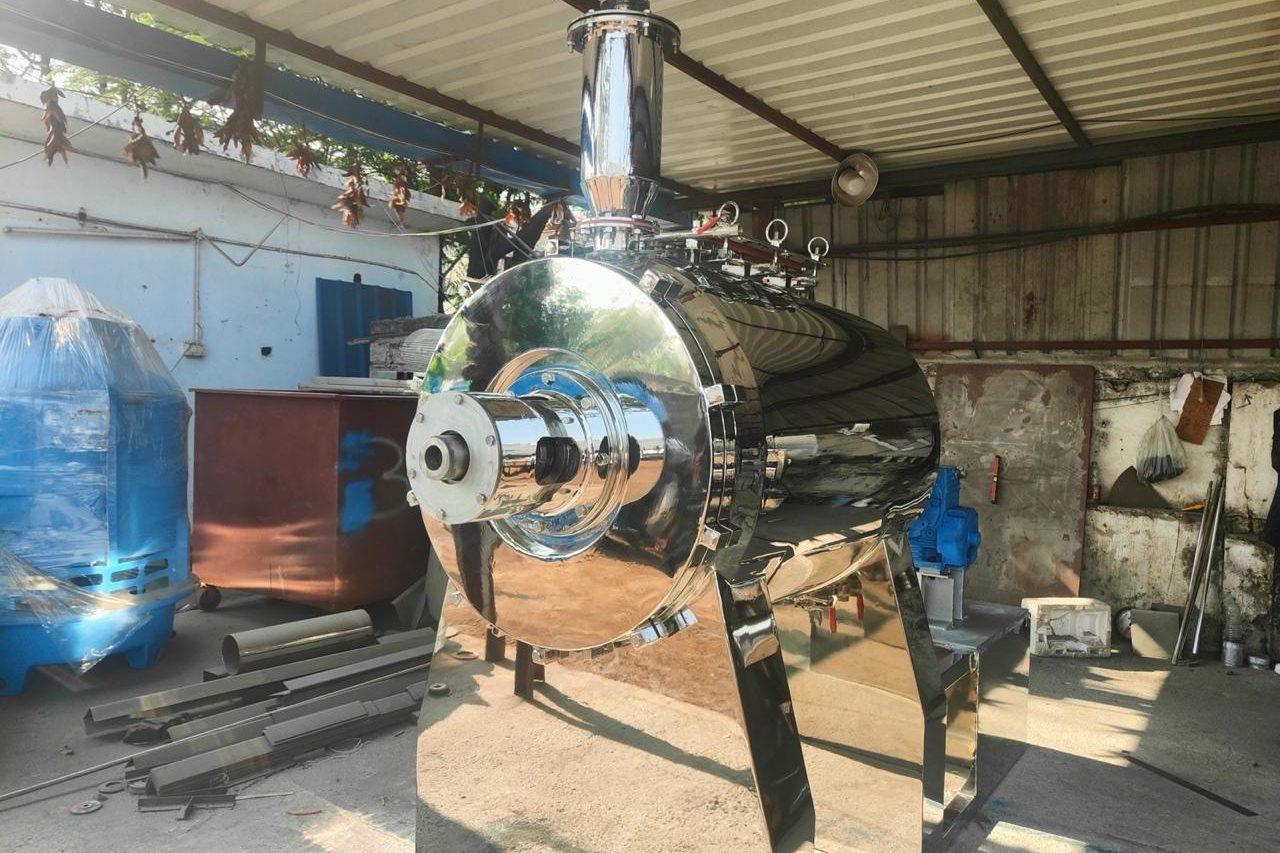
Spice & Herbal Drying Plants
View Product
What to Define Before You Ask for a Proposal
- The product, its form (whole, sliced, pulped or liquid) and its moisture at the start and at the finish the buyer expects
- Water to be removed per hour, and the hours per day and months per year the dryer will run
- The highest air temperature the product can take, and whether colour, aroma or active compounds earn a price premium
- The heat source on site and what it costs: biomass, gas, steam, electricity, waste heat or sunshine
- Sample material for a drying trial, and which other crops may later share the same machine
How to Choose
Hot-air dryers (cabinet, tray, tunnel or belt) suit most pieces, slices and herbs. Batch units cope with many crops; a continuous belt suits one product running all season. Solar-assisted dryers cut fuel use but follow the weather, so they normally carry a backup heater. Spray dryers are for liquids and extracts, not for pieces. Dehydration lines add washing, peeling and cutting ahead of the dryer. Ask each proposal to show the water removed per hour, the air temperature range, the energy used per kilogram of water removed and how air reaches every tray or belt position evenly.
Utilities, Site and Installation
A dryer needs a heat source with fuel storage, electricity for fans and controls, and clean, dry intake air. Exhaust must leave the building without wetting walls or returning to the intake. Plan a washable zone for washing, cutting and loading ahead of the dryer and a separate dry area for cooling and packing, because warm product bagged too early takes moisture back up. Solar units need open, unshaded ground and a structure that withstands local wind and storms. A spray dryer chamber needs generous headroom.
Maintenance and Safety
Airflow decides uniformity, so clean filters, check fans and belts, and clear trays, belts and ducts after each batch; blocked air leaves wet spots beside over-dried pieces. Calibrate temperature and humidity sensors and inspect burners or heating coils on a schedule. Fine dust from dried spices, herbs and powders is combustible, and dust that settles in ducts, cyclones and filters can burn, so keep surfaces clean and control ignition sources. Guard hot casings and exhaust ducts. Check the moisture of each dried lot before packing.
Related Services
Find Your Country
Kadali lists products on pages for 54 African countries, with offices in Accra, Ghana and Kano, Nigeria.
Offices and country pages →Countries Listing Drying & Dehydration Systems
Frequently Asked Questions
Should I choose a batch or a continuous dryer?
Batch dryers suit seasonal or mixed crops, small lots and frequent product changes, and they are simple to clean between products. Continuous belt or tunnel dryers suit one product running for long hours, because loading, drying and unloading stay steady and heat use is easier to hold. Decide from how many products you dry, how many hours a day the line runs and how much labour you can spare for loading.
Can a solar dryer replace fuel completely?
Rarely for a commercial line. Sunshine varies by hour and by season, and nothing dries at night or in a long wet spell. A solar-assisted dryer therefore adds a biomass, gas or electric heater so drying carries on, and the saving is the fuel the sun displaces. Ask the proposal how much of the heat the sun is expected to supply at your site and in your cloudiest months.
What drives the running cost of a dryer?
Heat is the largest cost: every kilogram of water removed needs energy, and wet feed needs far more than lightly wet feed. Cost falls when the dryer runs full, when ducts and casings are insulated, when part of the exhaust air is reused, and when a cheap fuel such as biomass or waste heat replaces electricity. Pre-draining, pressing or cutting feed finer before drying also saves energy.
What should I test before choosing a dryer?
Dry a sample of your own product in a pilot or trial dryer at the temperature you plan to use. The trial shows how long drying takes, what moisture and colour you reach, whether the surface hardens, how much the product shrinks and what it smells like. Those results size the equipment far better than a figure for a similar crop, and they show whether the product needs a gentler or a faster dryer.
Can one dryer handle several products?
Yes, where the crops dry at similar temperatures and the machine is cleaned thoroughly between them. Strong-smelling products such as garlic, onion and chilli leave flavour behind that taints a mild herb or fruit, and coloured products stain trays and belts. If the range is wide, plan separate dryers or clear cleaning routines, and size to the product that removes the most water.