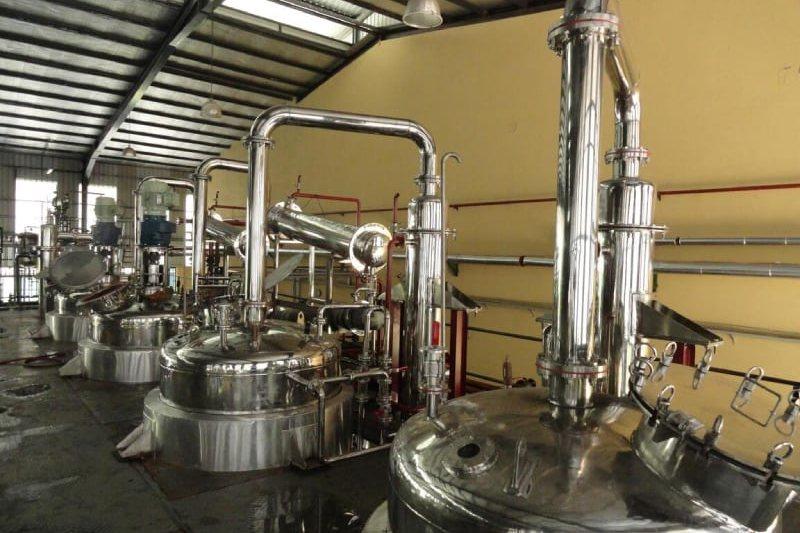
Cereals, Tubers & Sugar Processing
Cereals, Tubers & Sugar Processing (6 products)
Cereals, tubers and sugar plants turn staple crops into shelf-stable products: parboiled rice, maize starch, grits and flour, banana and plantain flour, dried potato and sweet potato, sorghum and millet flour, and concentrated cane syrup. Volumes are large and margins thin, so three things set the design and the price: how steadily and cheaply the crop reaches the gate, how much water has to be removed or treated, and which fuel does the drying or boiling. Moisture and dust control at the intake matter as much as the machines.
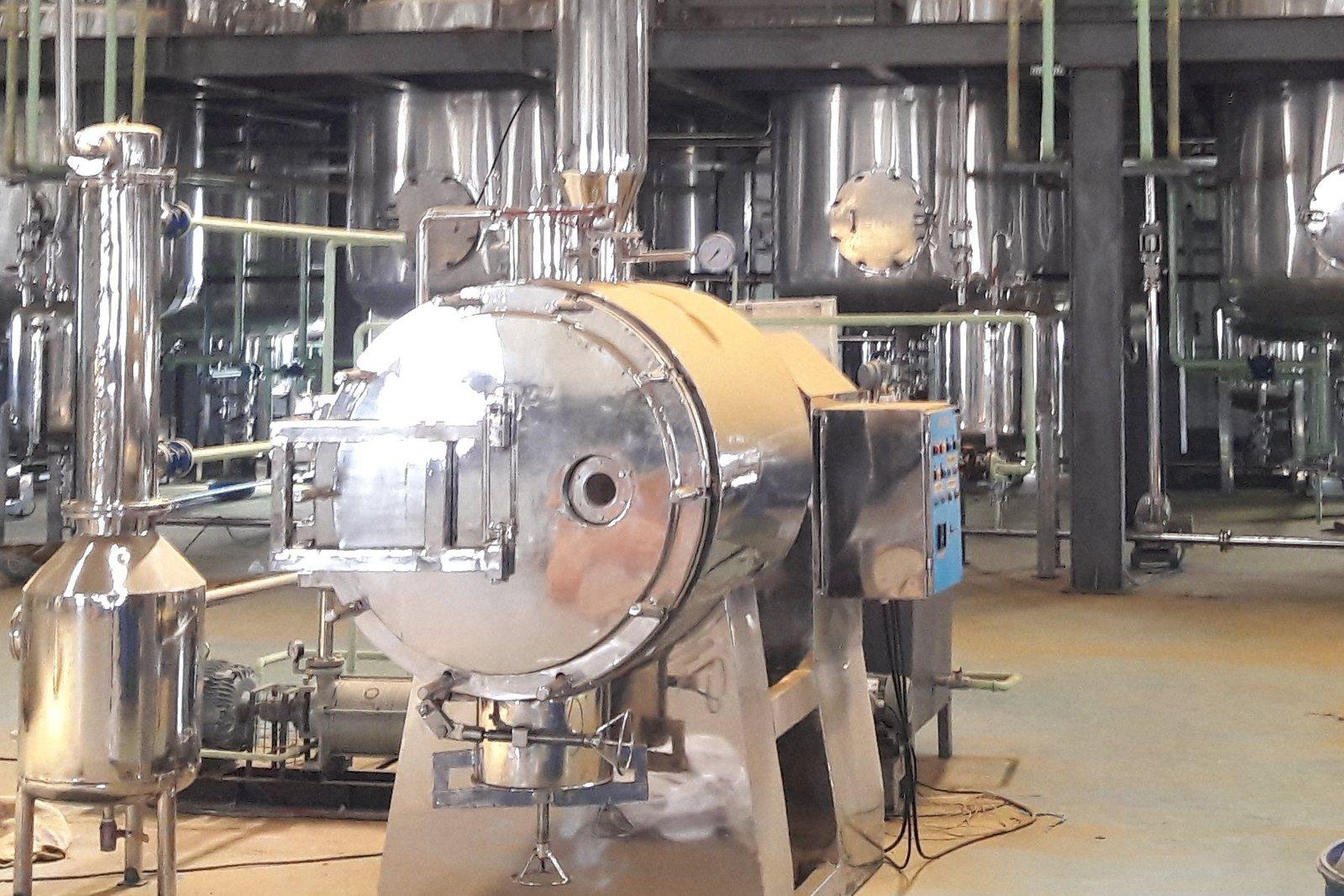
Rice Parboiling & Drying Plants
View ProductMaize Starch & Flour Processing Plants
View Product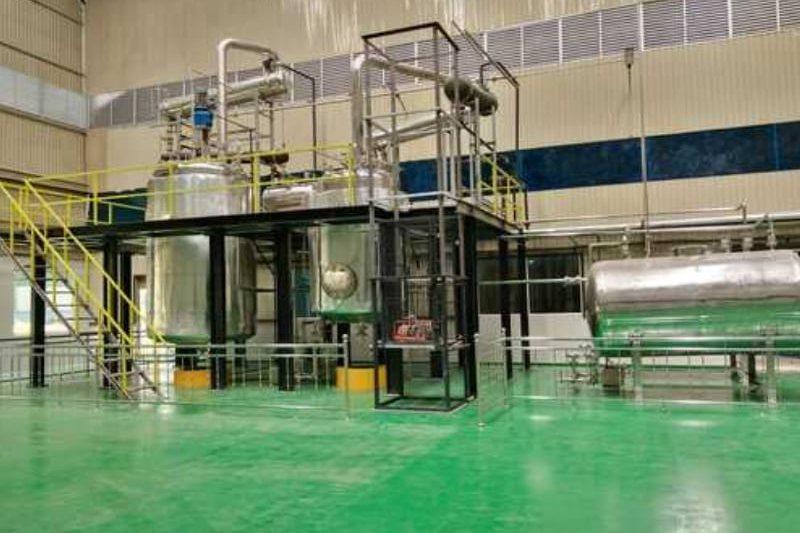
Banana & Plantain Flour Processing Plants
View Product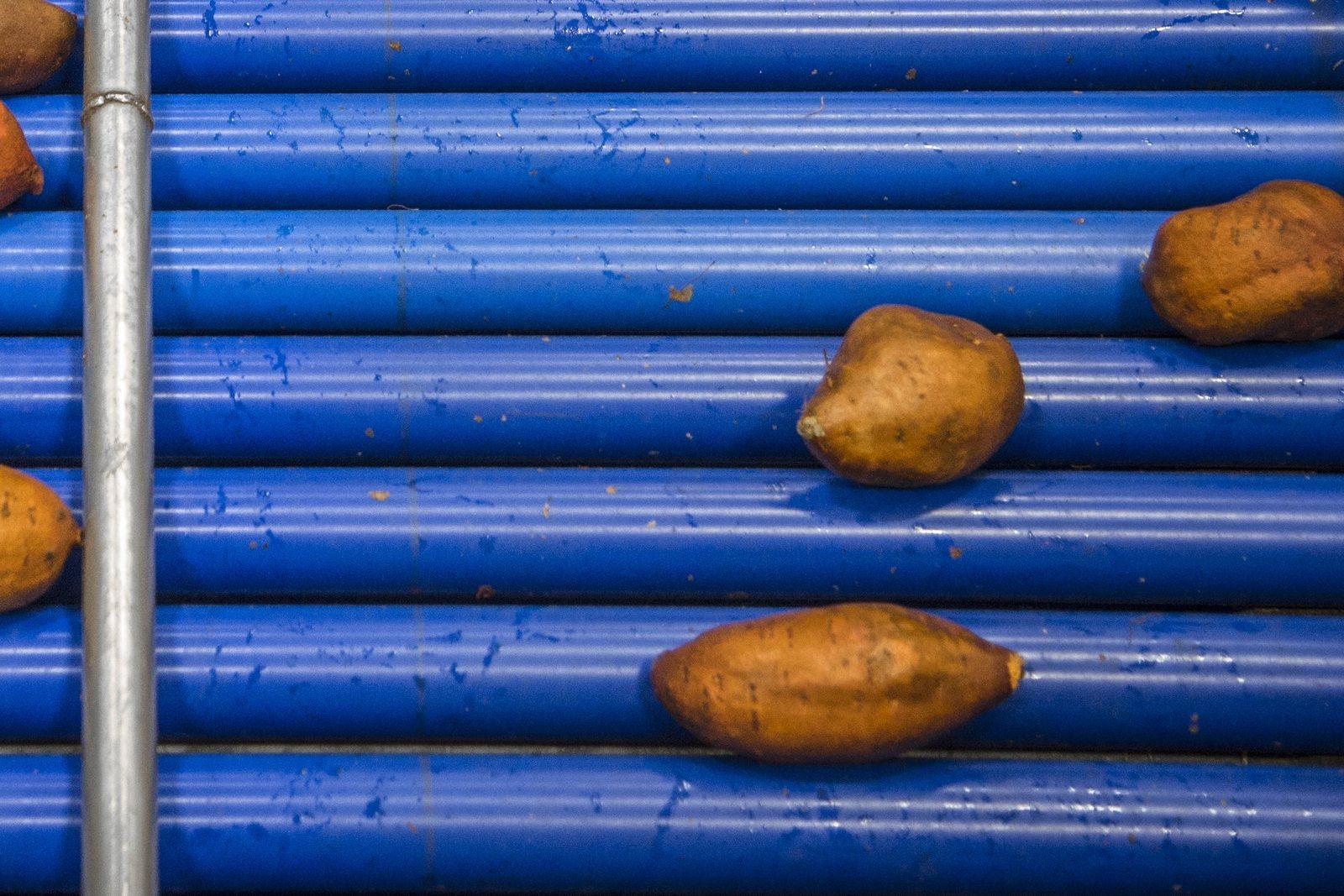
Potato & Sweet Potato Processing Plants
View Product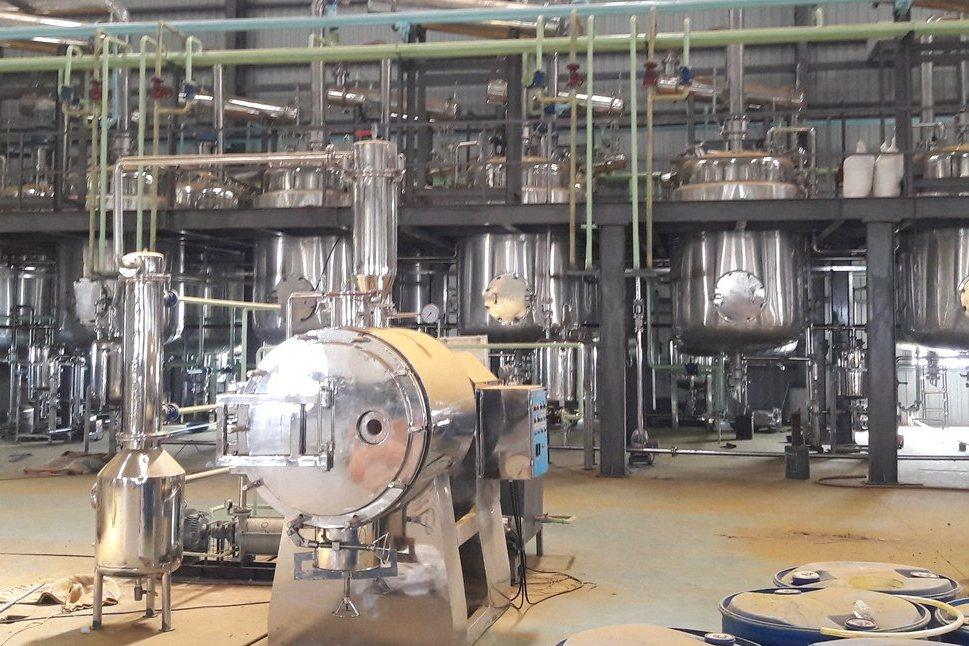
Sorghum & Millet Processing Plants
View Product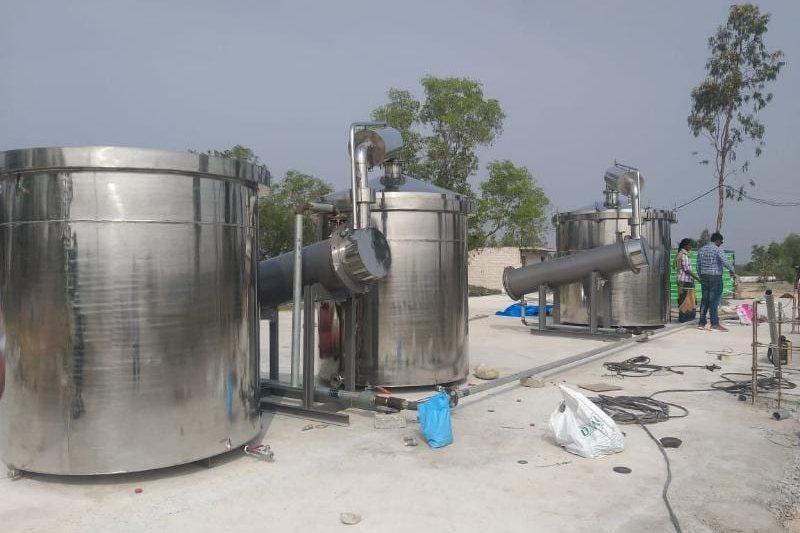
Sugarcane Syrup Concentration Plants
View Product
What to Define Before You Ask for a Proposal
- The crop variety, its condition on arrival and the months it is actually available, including how much you will hold in store
- The product and its specification: flour particle size, starch purity, colour, parboiled grain finish or syrup concentration
- Raw crop in tonnes per day, the length of the season and what the plant does between seasons
- The fuel you can buy cheaply for drying and boiling (biomass, bagasse, gas or grid power) and the water source
- Where peel, bran, germ, pulp, filter mud and wash water will go once separated
Choosing the Route: Dry, Wet or Dehydrated
Settle the route first, because it fixes everything after it. Dry milling gives flour or grits with little water; wet milling gives starch plus germ and gluten streams but needs separation and effluent treatment. For roots and plantain, compare a press and flash dryer against belt or cabinet drying on energy and colour. For sorghum and millet, abrasive decortication suits hard, round, pale grain, while conditioned roller milling copes better with mixed varieties. Ask each proposal for a mass balance that includes by-products, the dryer fuel use and exactly where the scope starts and stops.
Intake, Dust, Fuel and Effluent
A covered, dry grain or root intake with aeration, sampling and cleaning space; a mill floor on solid foundations; dust extraction ducted away from the building, with explosion vents and dust-rated electrics; a boiler or furnace house with a covered fuel store, which for bagasse or biomass must also carry the plant through the off-season; a water supply with drainage to an effluent system sized for starch or soak water; separate stores for bran and peel; and a washable packing room.
Dust, Fire and Wear in Staple Plants
Rolls, sieves, decortication stones and rasps wear first, and the bran of parboiled rice tends to clog sieves. Dryer burners, fans and belts need routine checks, as do evaporator pans and filters where cane syrup scales. Keep soak tanks clean and do not top up old soak water. Grain and flour dust is combustible, so sweep rather than blow it, watch bearing temperatures, guard hot furnace and steam surfaces, and keep starch-house floors drained.
Related Services
Find Your Country
Kadali lists products on pages for 54 African countries, with offices in Accra, Ghana and Kano, Nigeria.
Offices and country pages →Countries Listing Cereals, Tubers & Sugar Processing
Frequently Asked Questions
Do I need wet milling for maize, or is dry milling enough?
Dry milling is enough if the market wants grits, meal or flour; it uses little water and a simpler building. Wet milling is justified when you can sell starch and its by-streams of germ oil, gluten meal and feed, and can treat the soak and wash water. Check demand for each stream before choosing, because a starch line without buyers for its by-products loses much of its logic.
Is sun drying acceptable for parboiled rice, plantain flour or sweet potato chips?
It works where the weather is dependable and the volume is small, and many producers still start there. The limits are control and contamination: rain stops the line, and drying is uneven. A controlled dryer lets set points rather than weather decide the final moisture. Many projects keep sun drying as a pre-dry or back-up and add a dryer for the final stage.
Which sorghum and millet suit a mechanical mill?
Pale, hard, round grain without a coloured coat decorticates cleanly and gives pale flour. Brown or tannin-bearing sorghum and irregular pearl millet lose more grain and colour in abrasive machines, so ask for trial runs on your own varieties before basing the economics on a recovery figure. If the supply is mixed, discuss conditioned roller milling as an alternative.
What fuel should heat the dryer or the syrup pans?
Use whatever is cheapest and most reliable on your site: crop residue, bagasse, firewood, gas or grid electricity. Cane syrup plants often burn their own bagasse, but the crushing season is short, so plan fuel storage or a second fuel for the rest of the year. The proposal should state fuel use per tonne of product so you can compare running costs.
How do I stop the crop spoiling before it is processed?
Control moisture, temperature and pests at the intake. Grain should be dried and aerated before storage, roots and plantain processed soon after harvest, and cane juiced quickly. Damaged or mouldy roots and grain should be rejected or trimmed at the gate, because toxins formed in the field or store are not removed by milling or cooking.