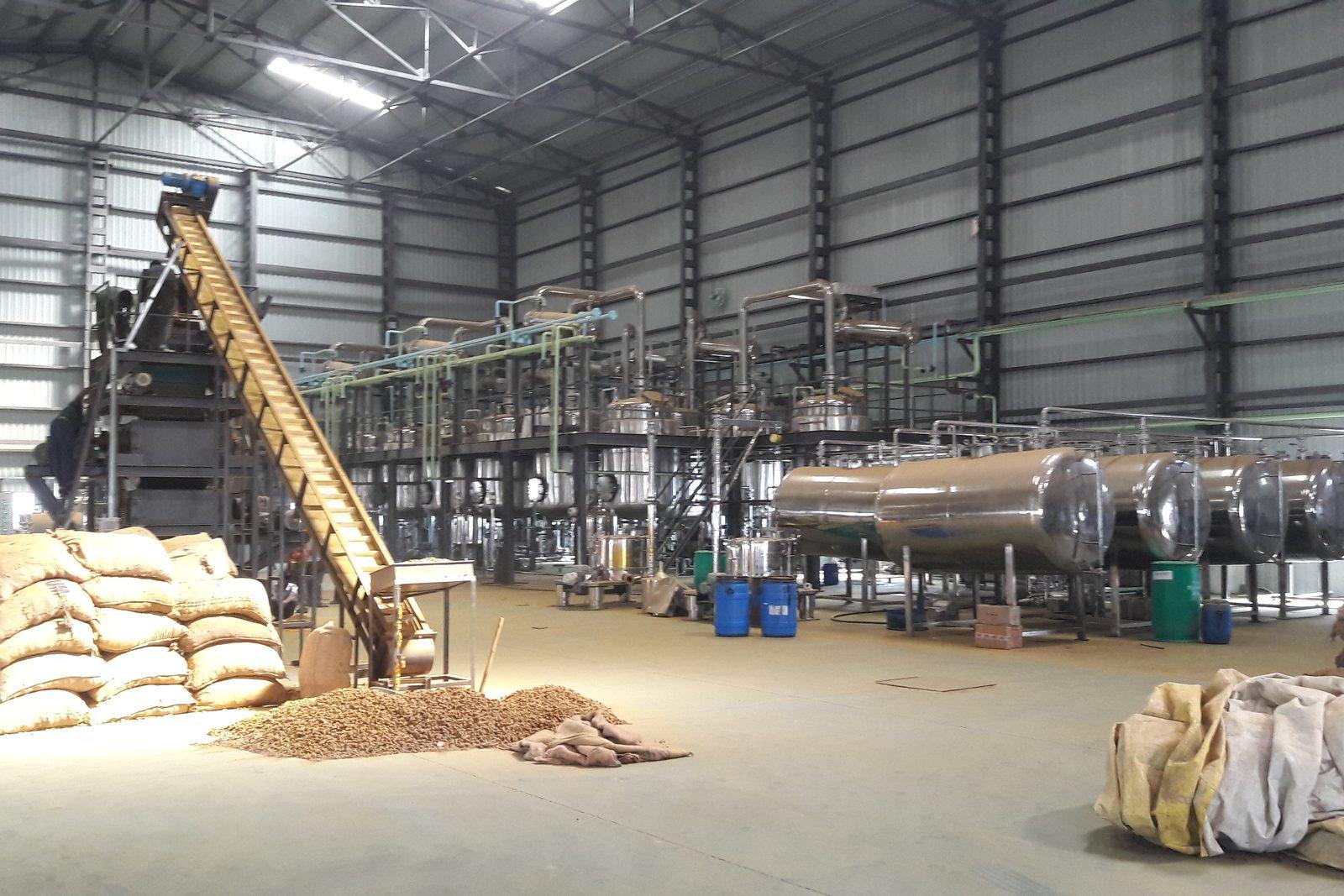
Specialty Food, Beverage & By-Product Processing
Specialty Food, Beverage & By-Product Processing (7 products)
This group covers date syrup and concentrate, fish oil and meal, dairy evaporation and spray drying, tea and coffee extraction, coconut oil and milk, and dehydrated onion and garlic. Each turns a perishable crop, catch or milk supply into a stable product, and each loses value fast when handled badly. The design and price are set by how quickly raw material reaches the plant, how gently a delicate product (aroma, protein, colour) must be heated, and how much water the evaporators and dryers have to remove.
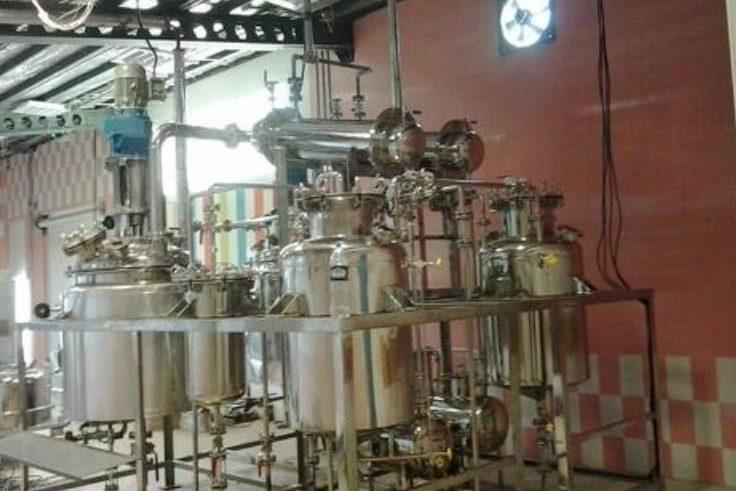
Date Processing Plant: Extracts & Concentration
View Product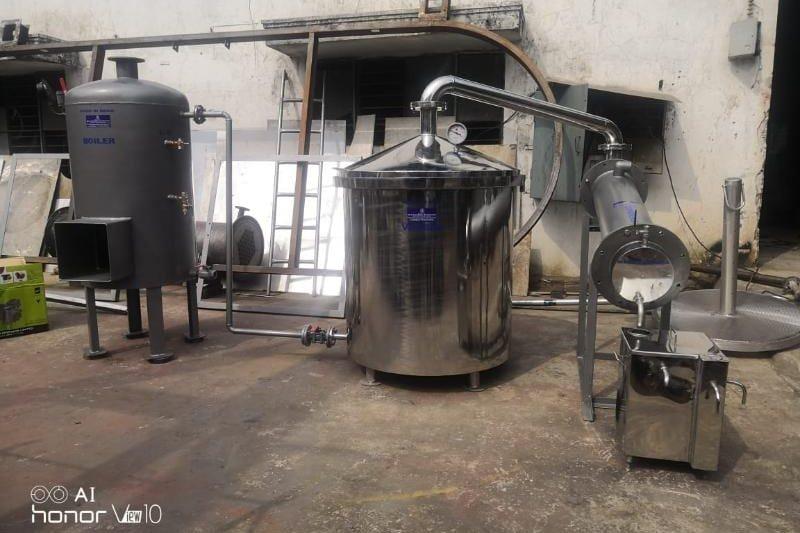
Fish Oil Recovery & By-Product Processing Plants
View Product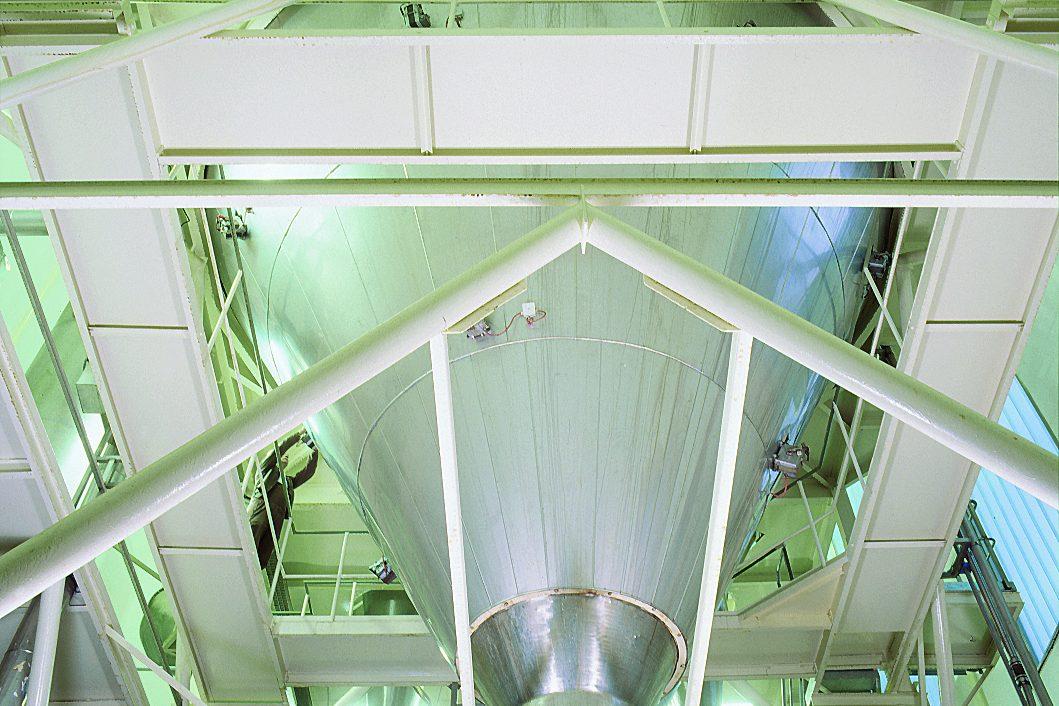
Dairy Evaporation & Spray Drying Plants
View ProductTea Extraction & Concentration Plants
View Product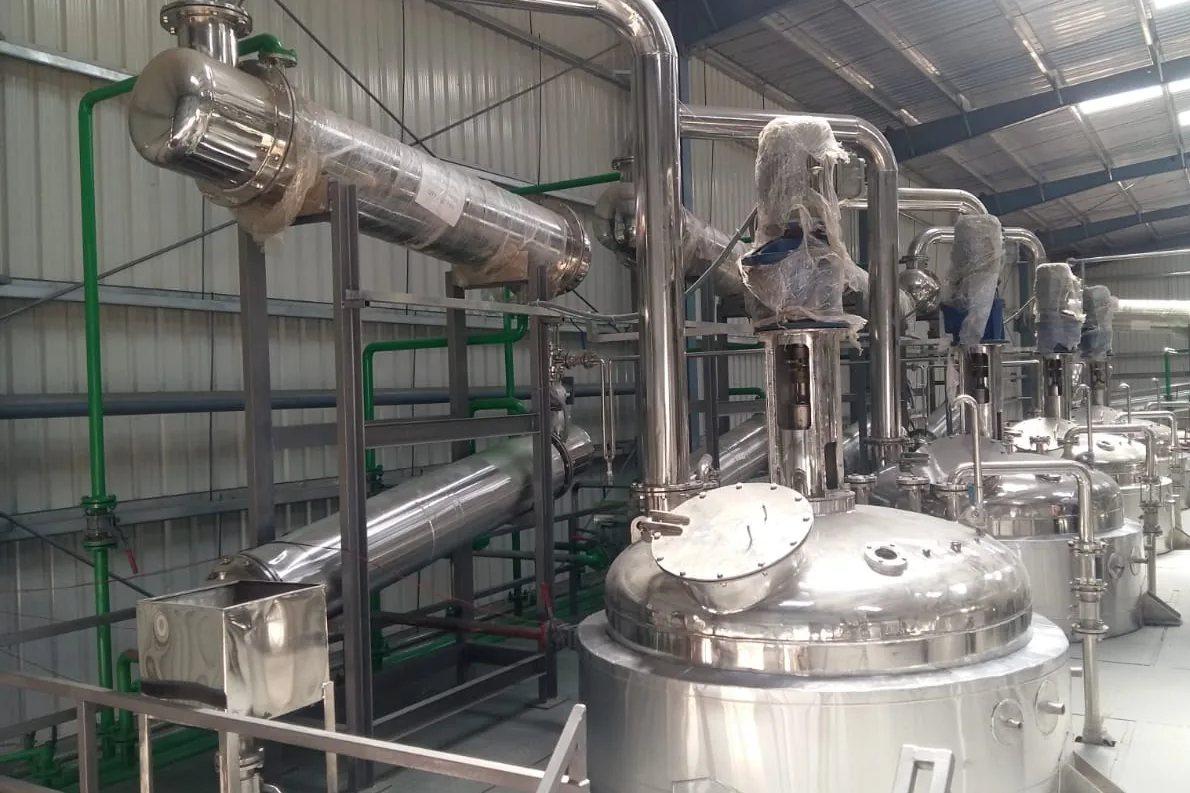
Coffee Extraction & Concentration Plants
View Product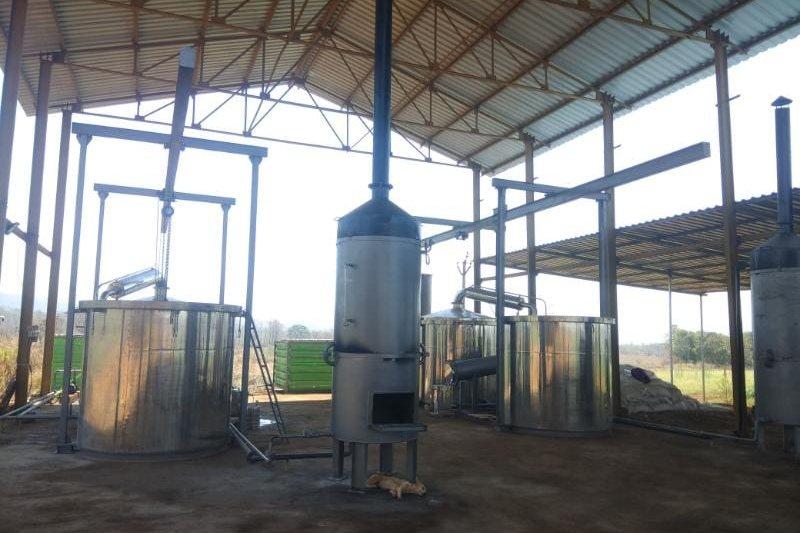
Coconut Oil & Milk Processing Plants
View Product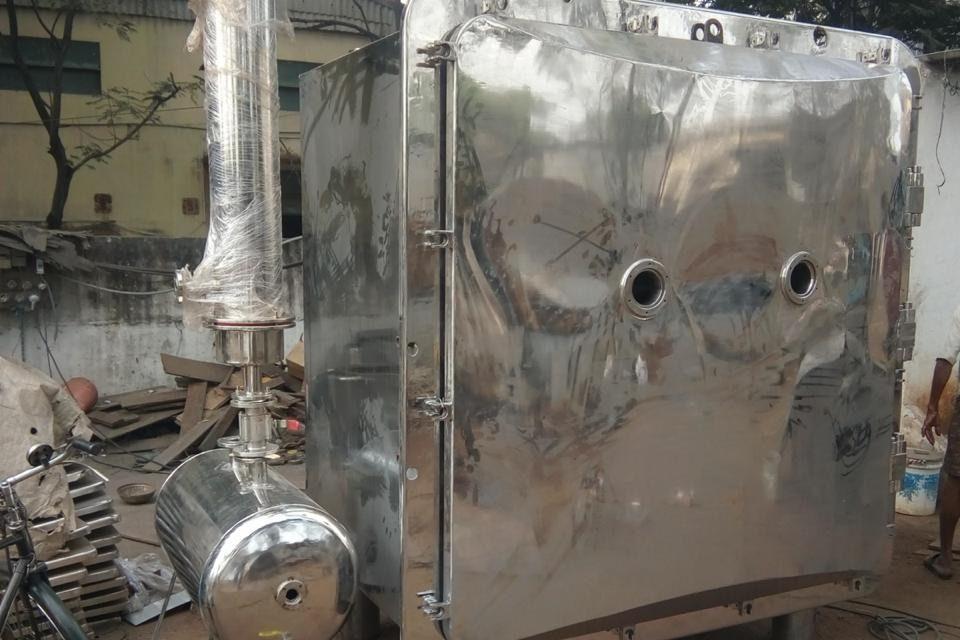
Onion & Garlic Dehydration Plants
View Product
What to Define Before You Ask for a Proposal
- Condition of the raw material on arrival and the hours between harvest, catch or milking and the plant gate
- The product form: syrup, instant powder, milk powder, crude or refined oil, coconut milk or dehydrated flakes
- Daily intake and the peak-to-average swing, such as catch seasons, flush months or milk collection patterns
- Steam supply, cooling water and electrical power, plus the drying energy a powder line will draw
- Where odour, wash water and by-products can go without causing problems at the site boundary
Evaporator, Dryer and Route Choices
Compare falling-film, multiple-effect and vacuum-pan evaporators on how gently they treat the concentrate and on steam use. For instant tea and coffee, spray drying gives throughput while freeze drying holds aroma at higher cost. On coconut, choose between copra and the fresh-kernel wet route. For onion and garlic, compare belt and cabinet dryers on slice uniformity. For fish, compare wet rendering with press and decanter against meal-only lines. Ask each proposal to show steam use, where aroma is recovered and how the plant is cleaned in place.
Washdown Buildings, Cold Storage and Odour Control
A building with washable walls, sloped floors and drains, and a clear split between raw and finished sides; a boiler with condensate return and a cooling tower; chilled storage for milk, fish and fresh kernels; odour scrubbing at fish cookers and dryers; a treatment plant for effluent that is rich in milk solids, fish stickwater or coffee grounds; and dust collection with explosion venting at powder dryers, since milk powder and garlic dust both burn.
Cleaning Cycles, Scale and Powder Dust
Run cleaning-in-place cycles after every shift and watch evaporator tubes, where milk protein and date sugar form scale first. Inspect atomiser wheels or nozzles, cyclones and bag filters on spray dryers, and the screw and screens on fish and coconut presses. Check seals on pumps handling fats. Hot surfaces, caustic and acid cleaning chemicals, powder dust and wet floors are the hazards to plan for.
Related Services
Find Your Country
Kadali lists products on pages for 54 African countries, with offices in Accra, Ghana and Kano, Nigeria.
Offices and country pages →Countries Listing Specialty Food, Beverage & By-Product Processing
Frequently Asked Questions
How fast must raw material reach the plant?
As fast as you can manage, ideally the same day. Fish oil quality falls quickly when the catch is held warm, milk must be cooled at collection, soft dates ferment, and fresh coconut kernels spoil. If distances are long, budget for ice, chilled trucks or a cooling point near the source, because a good plant cannot repair damage done before the gate.
Spray drying or freeze drying for instant coffee and tea?
Spray drying is cheaper per tonne and keeps the line running continuously, but heat and evaporation strip aroma. Freeze drying keeps more flavour and suits a premium brand, at much higher capital and energy cost. Many plants spray dry and add aroma recovery or blend back captured volatiles. Decide from your selling price, not from the technology.
What by-products does each line leave, and can they be sold?
Fish gives meal and stickwater, coconut gives cake, shell and husk, coffee gives spent grounds, dates give stones and pulp, dairy gives whey or buttermilk, and onion gives skins and trimmings. Several are feed or fuel with a ready local buyer. Put a handling route and a buyer for each stream into the project, or they become disposal costs.
Why do milk and onion powders cake in storage?
Both are hygroscopic: a little moisture pick-up from humid air makes particles stick. The causes are final moisture too high, warm packing, and packaging that breathes. Cool the powder before it is packed, use moisture-barrier packaging and keep the packing room dry. Anti-caking agents help only when the basics are right.
Where does odour come from, and how do I control it?
Mostly from a few operations: fish cookers and dryers, garlic cutting, coffee roasting and extraction, and spent-grounds and cake stores. Capture the vapour at source with hoods and ducts, treat it in a scrubber or by burning it, and keep waste stores covered and emptied daily. Raise odour with the plant designer early, especially if neighbours are close.