Fruit & Vegetable Processing
Fruit & Vegetable Processing (8 products)
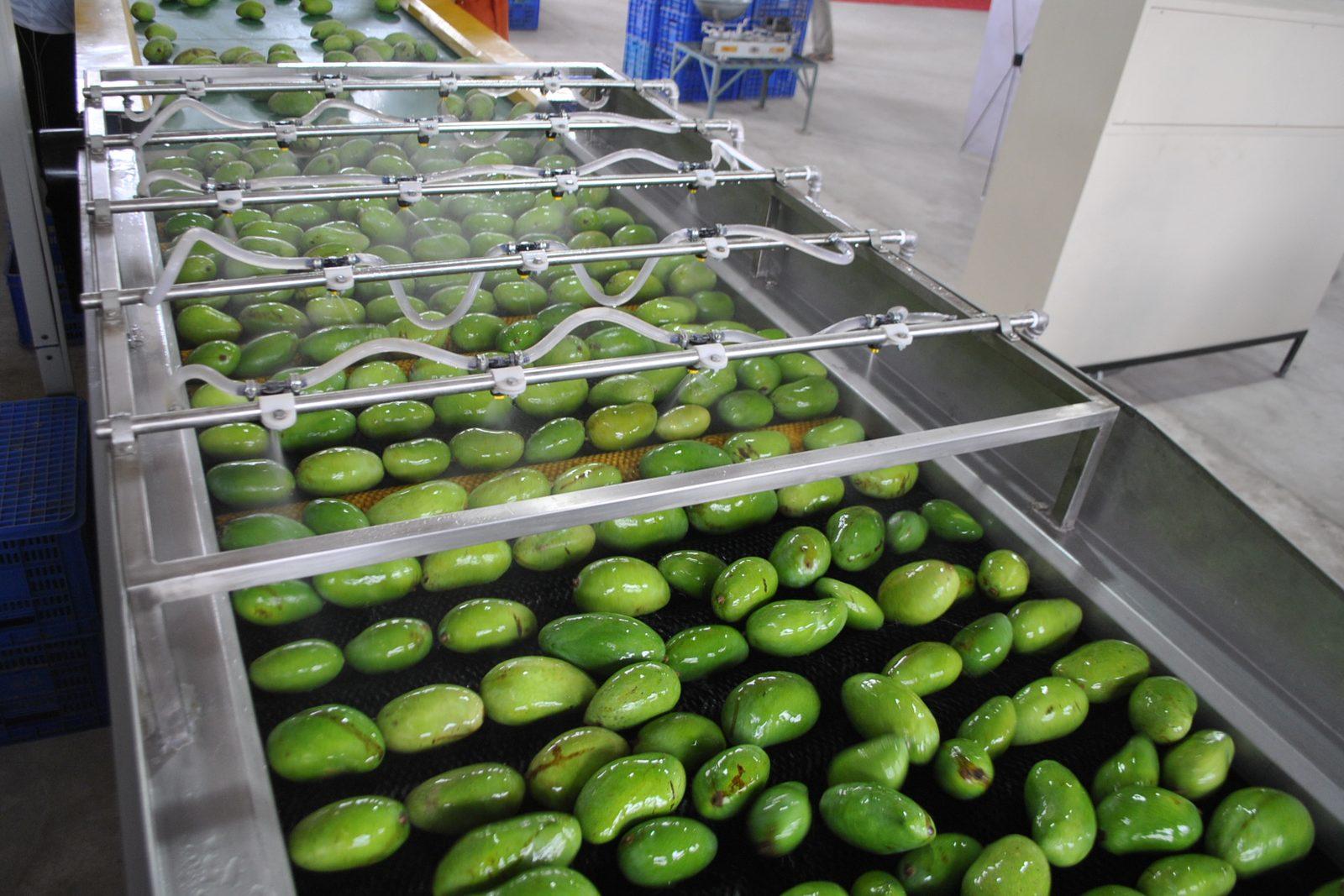
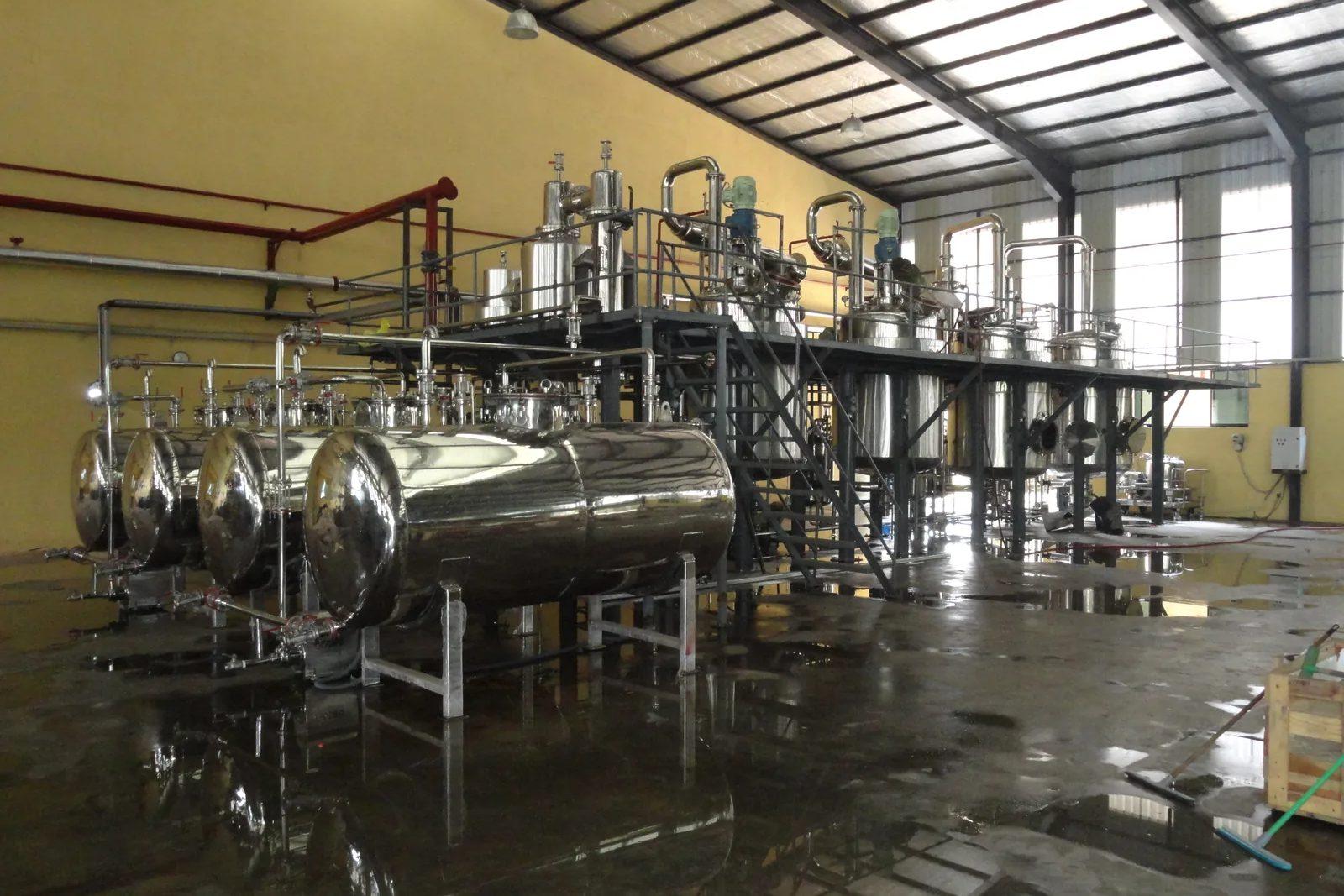
Fruit and vegetable processing turns a short, heavy harvest into pulp, juice, concentrate, paste, powder and avocado products that keep. The listed plants cover mango, pineapple and citrus juice lines, juice concentration, tomato paste and powder, and avocado. The fruit decides more than the machines do: its variety, ripeness and weeks of supply, the product and soluble solids you want, and what happens to peel, stones and wastewater each day of a season that may last only a few weeks. Those, plus the steam balance, set the design and the price.
Fruit Juice Processing & Concentration Plant
View ProductMango Juice & Pulp Processing Plants
View Product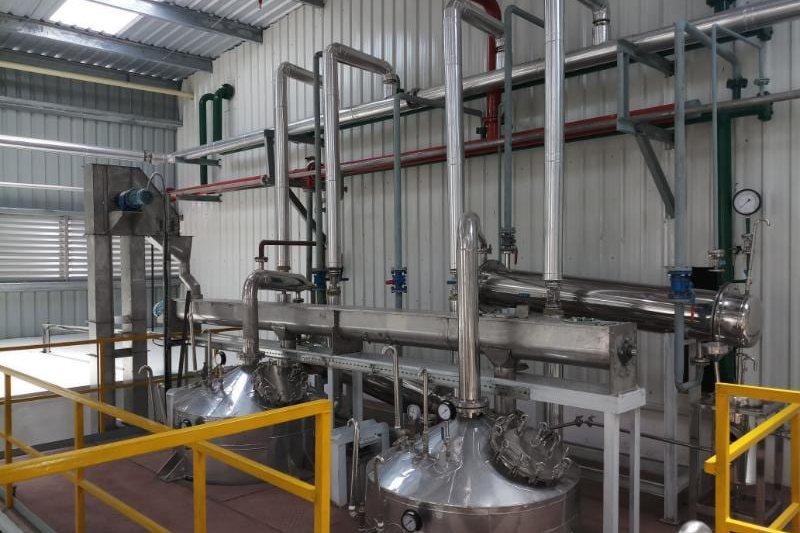
Pineapple Juice Processing Plants
View Product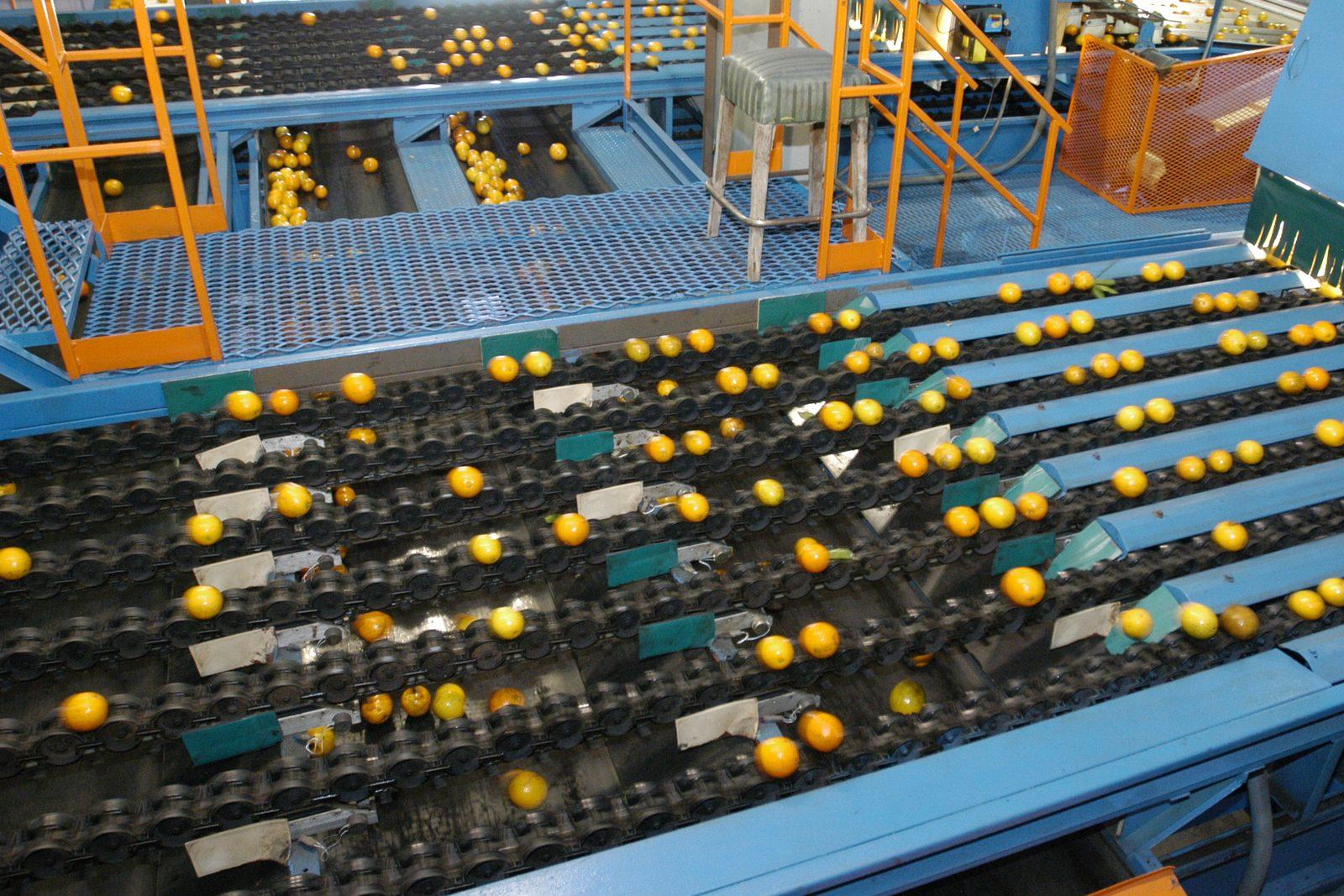
Citrus Juice Processing Plants
View Product
Fruit Juice Concentration Plants
View Product
Tomato Paste Processing Plants
View Product
Tomato Powder Processing Plants
View Product
Avocado Processing Plants
View Product
What to Define Before You Ask for a Proposal
- The fruit or vegetable, its variety and ripeness at the plant gate, and the weeks of supply you can secure from growers
- The product: single-strength juice, pulp, concentrate, tomato paste, powder or avocado pulp, and the soluble solids (Brix) you need
- The pack and keeping method: drums, cans, bottles or pouches, hot-fill, aseptic or frozen, and where it will be stored
- Peak tonnes per hour, weeks of operation, and whether the line must switch between fruits during the year
- Where peel, stones, seeds, pomace and wash water go each day
Choosing the Juice, Paste or Powder Route
Fruit sets the front end: mango needs a pulper and finisher, citrus needs extractors that keep bitter peel oil out of the juice, and pineapple needs peeling, coring and pressing. For tomato, a hot break gives a thicker paste and a cold break keeps more fresh colour and flavour. For concentration, ask for the number of evaporator stages and the steam used per tonne of water removed; a multiple-effect evaporator saves steam, but each stage adds equipment, so weigh stages against fuel cost and operating hours. A short season makes reliability and spare parts especially important.
Water, Steam, Effluent and Fruit Waste
Allow clean water, steam or hot water, cooling water for evaporator condensers, electricity and shaded, ventilated fruit holding. Keep the raw-fruit side apart from the finished-product side. Fruit effluent is acidic and heavy with sugar, so size drains and a treatment route for the peak day. Peel, pulp and stones are wet, perishable and heavy, and they ferment and draw flies within a day or so in warm weather, so settle their use or removal route, and the effluent route, before the first season.
Evaporator Fouling, Cleaning and Seasonal Shutdown
Screens, pulper and finisher parts, pump seals and heater gaskets need regular checks. Sugars and pectin bake onto evaporator surfaces, so plan cleaning by circulation after every shift. Before a seasonal shutdown, drain, clean and preserve the plant so it starts clean the next year. Keep pasteurisation temperature records and calibrate instruments. Steam, hot product and the caustic and acid cleaning solutions are the real safety points, along with wet floors.
Related Services
Find Your Country
Kadali lists products on pages for 54 African countries, with offices in Accra, Ghana and Kano, Nigeria.
Offices and country pages →Countries Listing Fruit & Vegetable Processing
Frequently Asked Questions
How many weeks a year will the plant really run?
Size the plant to the weeks of fruit you can secure, not the weeks you hope for. Many sites extend the season by running different fruits in turn, such as mango, then pineapple, then tomato or citrus, on shared heaters and evaporators. Each fruit needs its own reception, washing and pulping equipment, so ask what is shared and what is separate.
Is juice or concentrate the better product to make?
Concentrate removes water by evaporation, so there is less to store and ship, but it needs an evaporator, more energy and cold storage. Single-strength juice needs less equipment but more packaging and transport per litre. Choose by the distance to your buyer and by fuel cost.
Hot break or cold break for tomato paste?
A hot break heats the crushed tomato quickly so enzymes stop breaking down pectin, which gives a thicker, higher-viscosity paste. A cold break is milder and keeps a fresher flavour and colour, but gives a thinner product. Paste for cooking and sauces usually uses a hot break, so ask which your buyer wants before choosing the heater.
What stops fruit browning and spoiling before it is heated?
Speed and temperature. Cut mango and avocado brown rapidly in air through enzyme action, and avocado pulp can turn bitter when heated. Short holding time between crushing and heat treatment, cold holding, and acid or other preservation steps are design questions. Ask the proposal how it handles your fruit, not just fruit in general.
What can be done with peel, stones and pomace?
Most of it is useful but perishable. Mango and pineapple waste can go to animal feed, fruit peel is a source of peel oil and pectin in larger citrus plants, tomato skins and seeds can be dried, and any of it can be composted. Arrange a buyer or collection point before the season so that waste never builds up beside the line.