
Process Plants for Egypt's Nile Valley Crops and Aromatic Plants
Use this page to see which tomato, date, onion, garlic, aromatic plant and fish by-product plants are worth discussing for processors in Egypt.
- 11 products in 6 categories, listed for Egypt
- Engineering and manufacturing scope confirmed in the technical proposal
Kadali Africa Ventures Limited has offices in Accra, Ghana and Kano, Nigeria, and no office in Egypt; enquiries from Egypt are handled from the Accra office.
From the Nile Delta to Upper Egypt: what gets processed
Egyptian agricultural land is confined to the Nile Valley and Delta, with a few oases besides, and the whole crop area is irrigated apart from some rain-fed land on the Mediterranean coast. Reclaimed desert areas are farmed as well. Tomatoes, onions and garlic are among the main vegetable crops, and they suit industrial processing. Tomatoes are processed by concentration into paste or by gentle drying into powder, while onions and garlic are dehydrated into flakes, granules and powder for seasoning and food-ingredient use.
Date palms are cultivated from the Nile Valley and Delta to the oases of the Western Desert, and the fruit can be pitted, extracted and concentrated into syrup or paste, with evaporators handling the concentration step. Medicinal and aromatic crops are a farm business of importance for domestic and external markets, and chamomile is cultivated in Fayoum, Beni Suef and neighbouring governorates. Such herbs are dried and sold whole, steam-distilled for essential oils, or extracted for botanical ingredients. Fish farms around the Nile Delta leave by-products that can be turned into oil through cooking, pressing and separation.
The buyers who would use such equipment include food manufacturers and ingredient packers, essential oil and flavour houses, herbal and natural-products makers, and fisheries processors. Where extraction is done with solvents, a recovery distillation unit keeps solvent losses and handling risks under control, which is why the solvent plants are listed alongside the extraction lines.
Products Relevant to Egypt
11 of the 73 products in the catalogue are listed for Egypt, in 6 categories: Herbal, Botanical & Nutraceutical Extraction (2), Essential Oils, Spices & Oleoresins (1), Fruit & Vegetable Processing (2), Evaporation, Concentration & Solvent Recovery (2), Specialty African Botanical & Natural Ingredients (1), Specialty Food, Beverage & By-Product Processing (3). The plants for Egypt’s own raw materials come first. A listing is a catalogue listing, not a statement of demand or supply; the final configuration depends on your raw material, target product and capacity.
Tomatoes
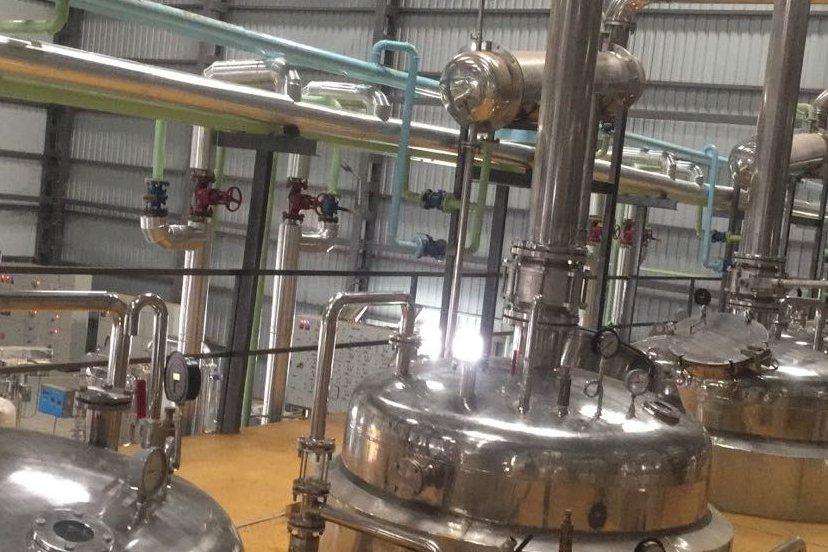
Tomatoes are among the main vegetable crops in Egypt. They are processed by concentration into paste or by drying into powder, so the mapped tomato products are worth discussing for this raw material.
 For Tomatoes
Tomato Paste Processing Plants
A tomato paste plant crushes, heats and pulps fresh tomatoes before evaporating them to a high-solids paste, and the choice between hot break and cold break sets how thick the paste will be.
View Product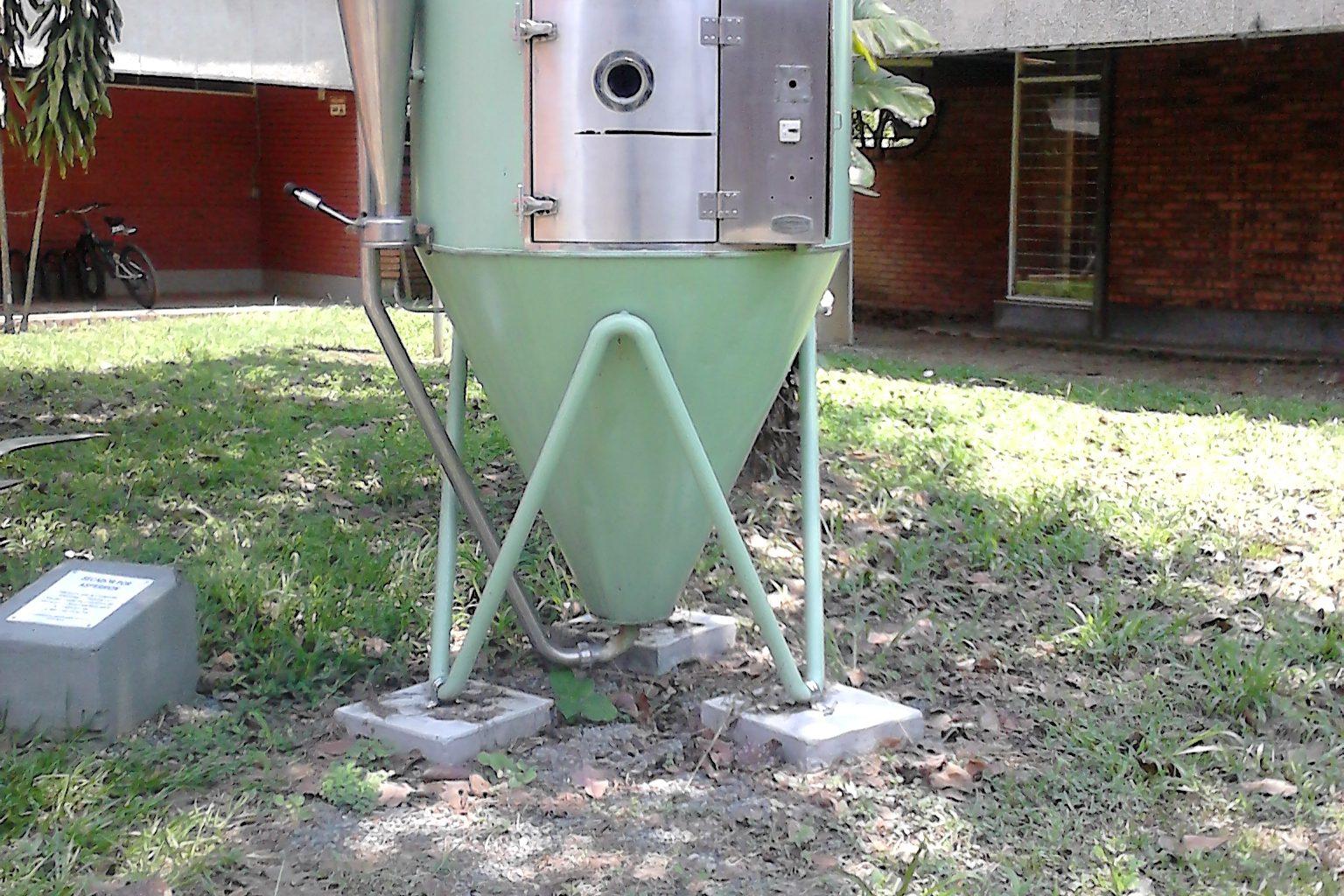 For Tomatoes
Tomato Powder Processing Plants
A tomato powder plant turns fresh tomatoes into a dry, shelf-stable ingredient: the fruit is pulped and concentrated, then dried and sieved to a set particle size and moisture.
View Product
Dates
Date palms are cultivated from the Nile Valley and Delta to the Western Desert oases. The fruit is washed, destoned and extracted, then concentrated into syrup or paste, so the mapped date product is relevant here.
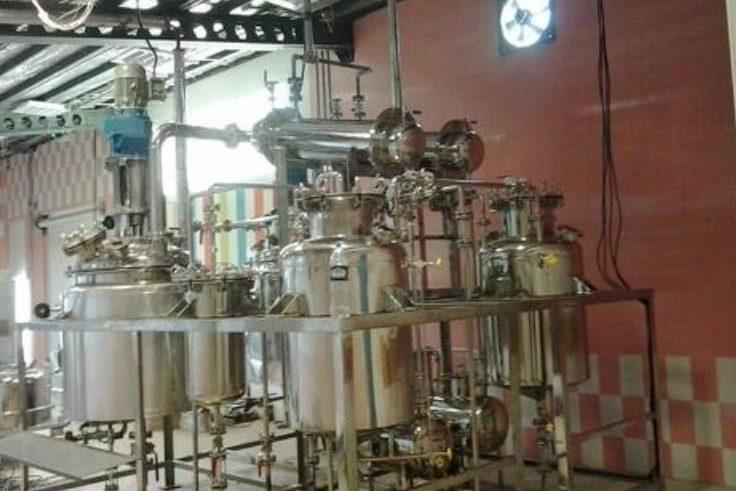
Onion and garlic
Both are among the main vegetable crops in Egypt; they are sliced or minced, then dried under controlled air flow into flakes, granules or powder for seasoning and ingredient blends.
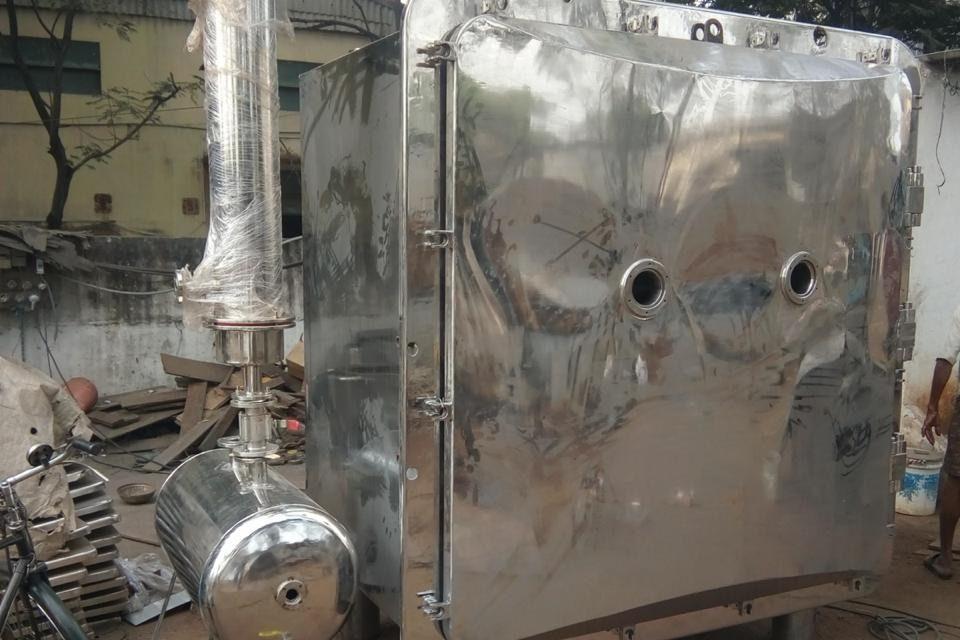
Chamomile and other aromatic plants
Chamomile is cultivated in Fayoum, Beni Suef and neighbouring governorates; the flower heads are dried, steam-distilled for essential oil, or extracted with solvent, with a recovery unit handling the spent solvent.
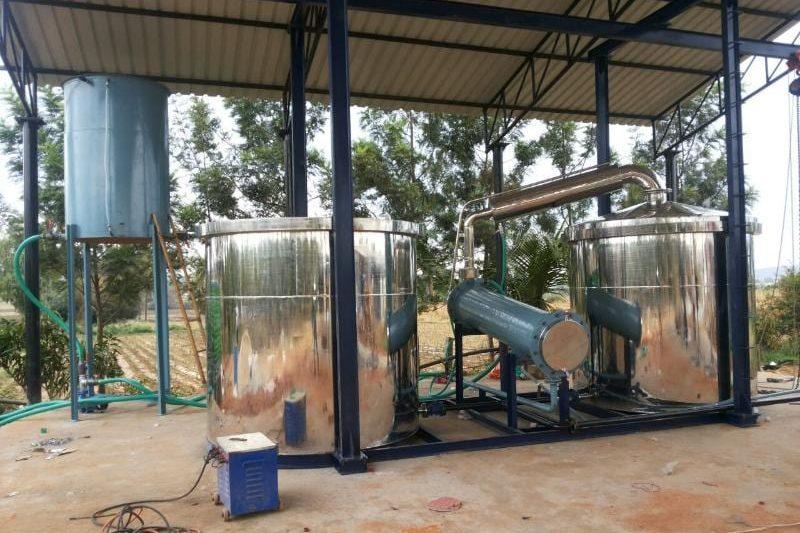 For Chamomile and other aromatic plants
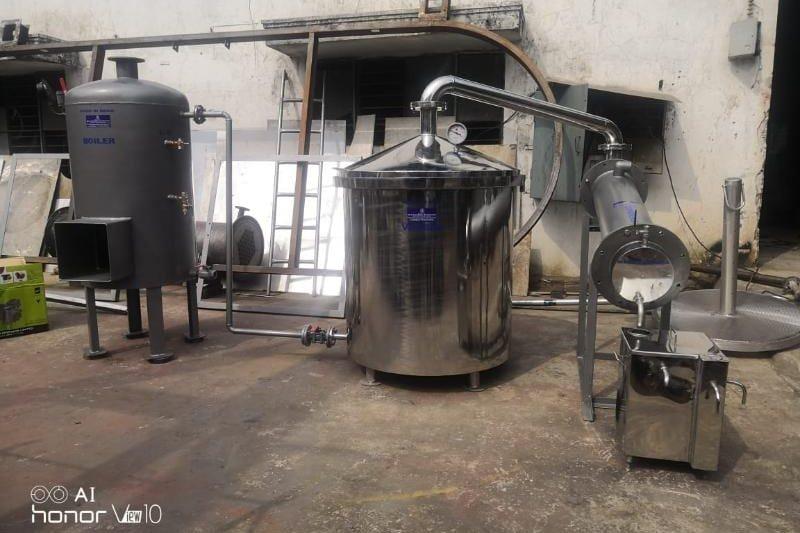
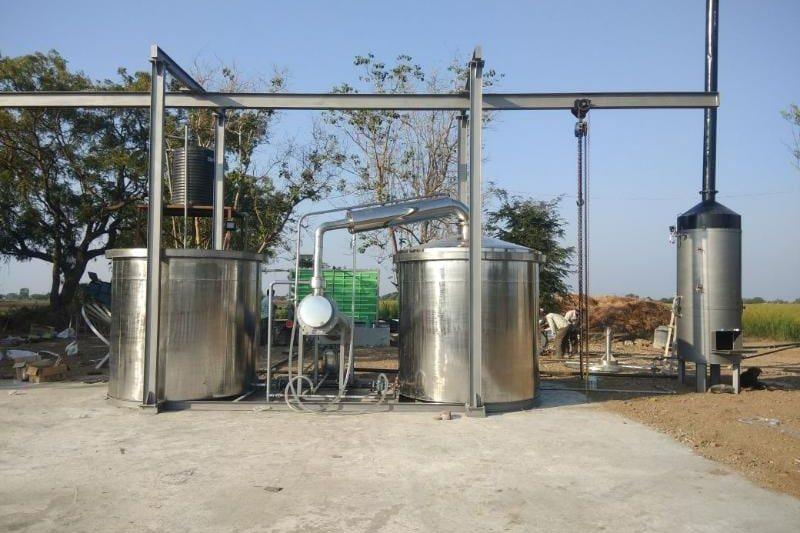
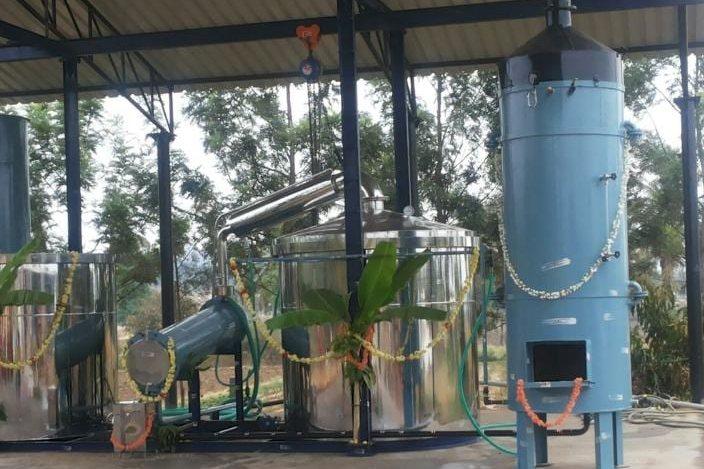
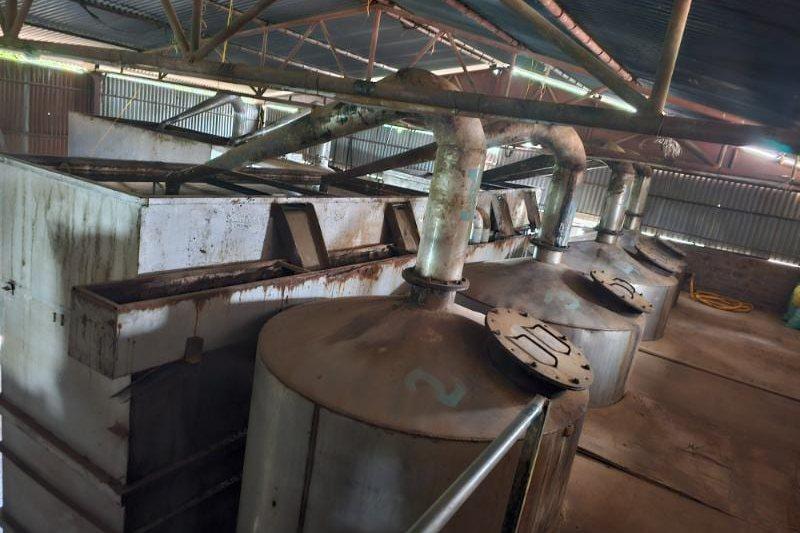
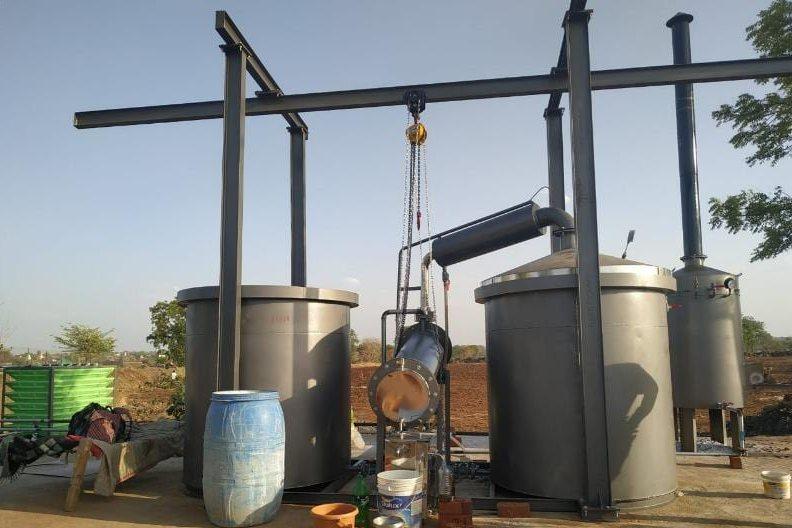
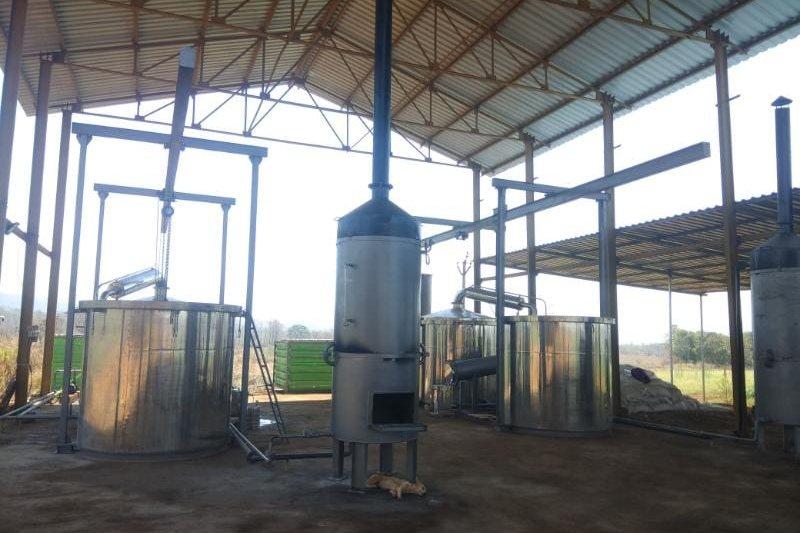
Essential Oil Distillation Plants
Essential oil distillation plants for African processors: steam, hydro, vacuum, pressure or cold-press routes, condensing and oil-water separation.
View Product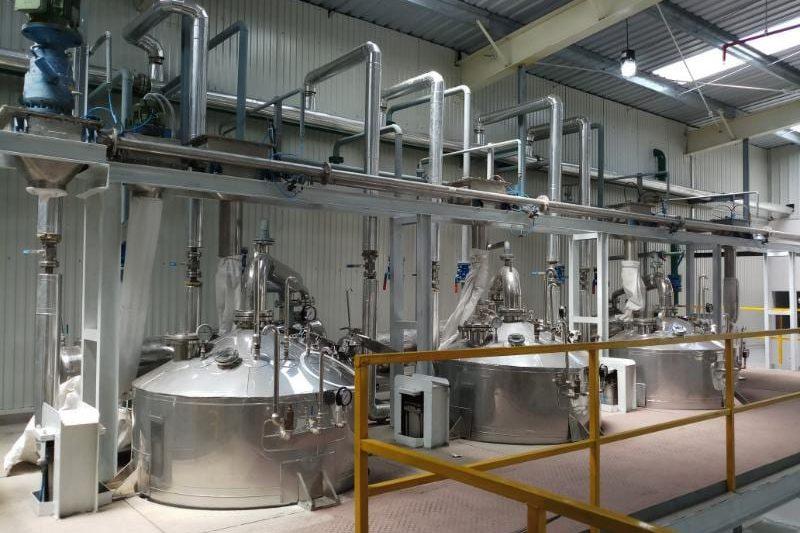 For Chamomile and other aromatic plants
Herbal Extraction Plants
Herbal extraction plants for African processors: herb preparation, solvent or water extraction, filtration, concentration and drying. Ask for a proposal.
View Product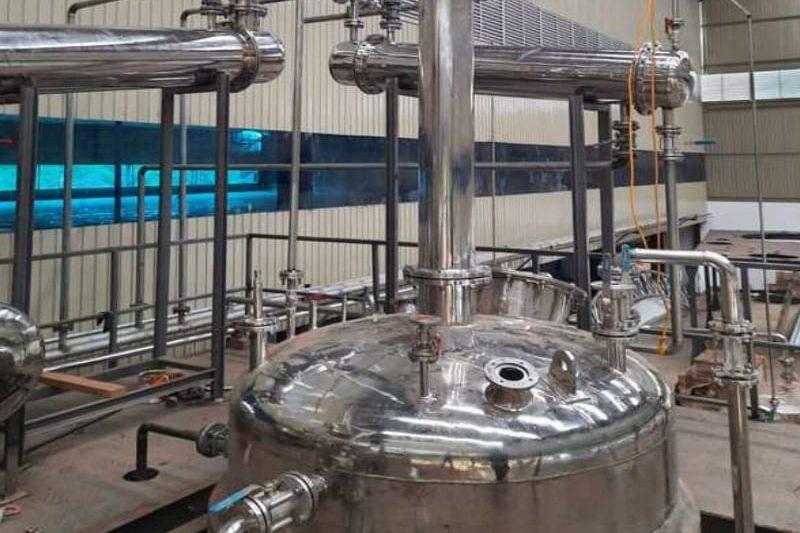 For Chamomile and other aromatic plants
Advanced Botanical Extraction Systems
Advanced botanical extraction systems use a more selective technique than plain solvent soaking, such as supercritical carbon dioxide, ultrasound, microwave, enzyme, hot-water or counter-current extraction.
View Product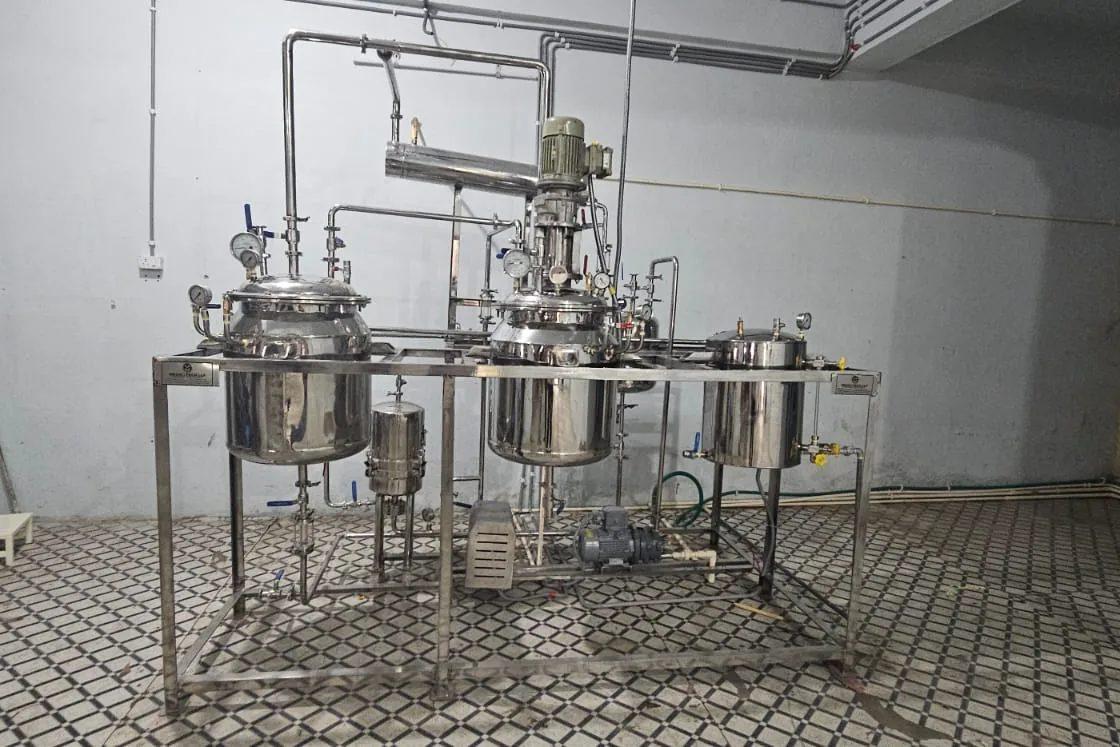 For Chamomile and other aromatic plants
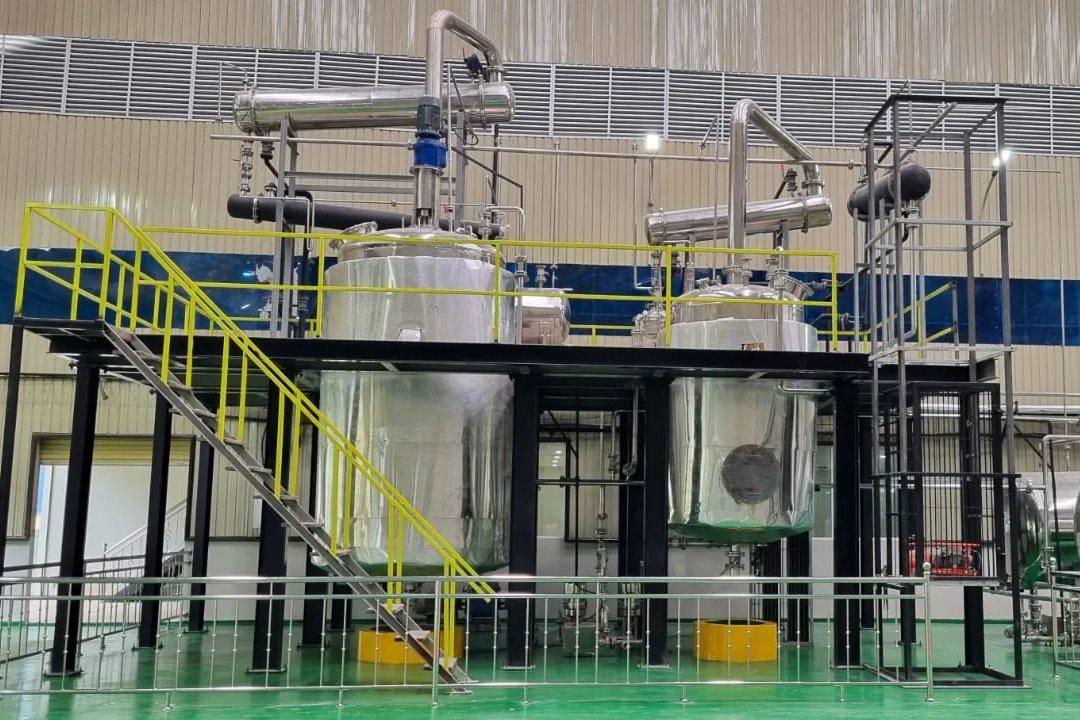
Solvent Recovery Distillation Plant
Solvent recovery distillation plant for extraction lines that reuse ethanol, hexane or acetone. Define solvent, residue and safe-area needs before sizing.
View Product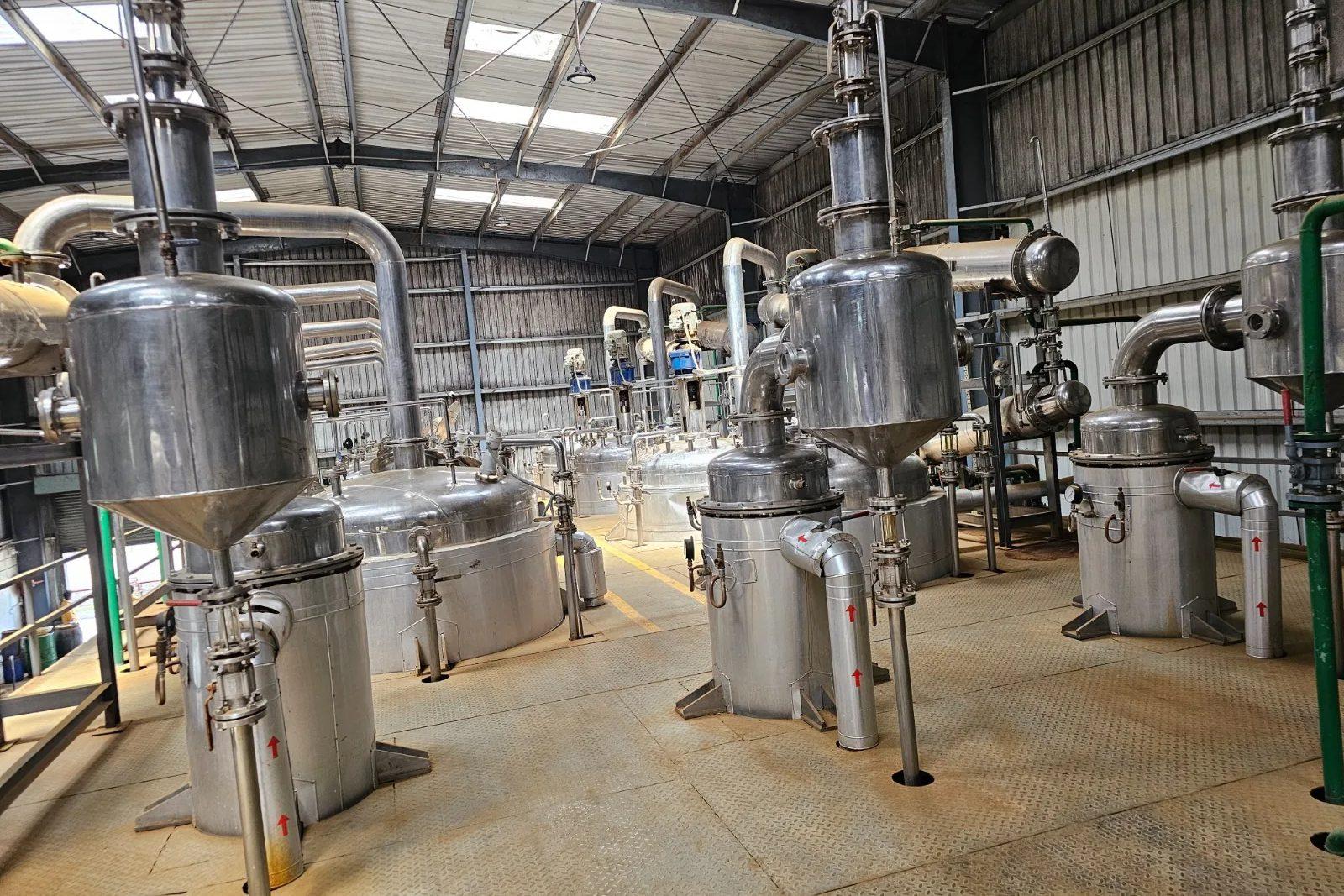 For Chamomile and other aromatic plants
Solvent Distillation Systems
A solvent distillation system separates a mixed liquid feed into fractions by boiling point, using a still, a column with reflux, a condenser and receivers, so each fraction leaves at its own specification.
View Product
Fish by-products
Fish farms around the Nile Delta leave heads, frames and offcuts that can be cooked, pressed and separated to recover oil and a protein fraction.
Also Listed for Egypt
More Plants and Equipment, by Category
The other 62 products of the 73-product catalogue, by category. A product that is not listed for Egypt is not ruled out: tell us your raw material and target product. Request a technical proposal
Herbal, Botanical & Nutraceutical Extraction (7)
Category guide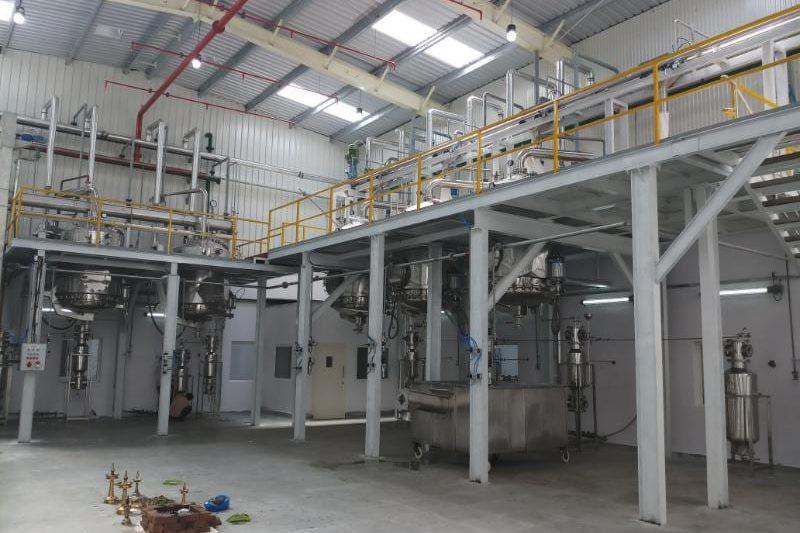
Turnkey Multi-Herbal Extraction Plants
View Product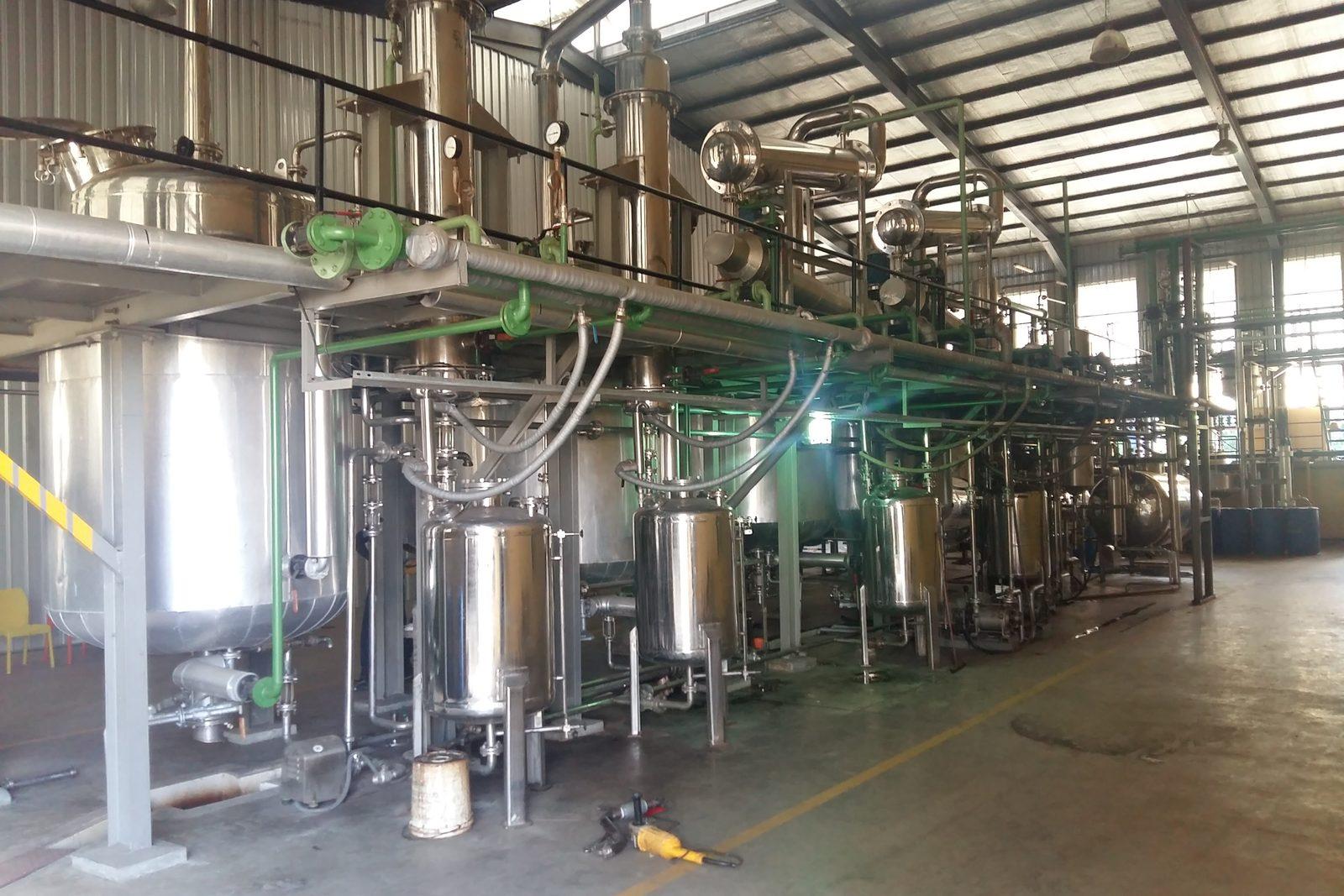
Nutraceutical & Botanical Extraction Plants
View Product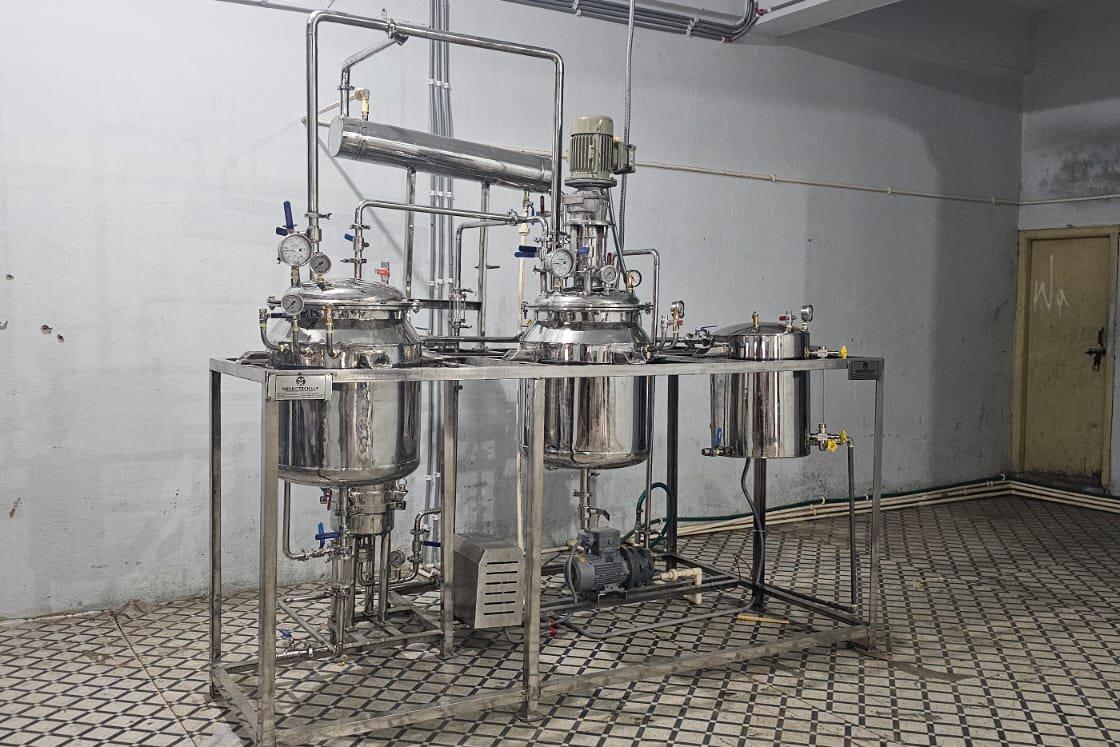
Pharmaceutical Extraction Plants
View Product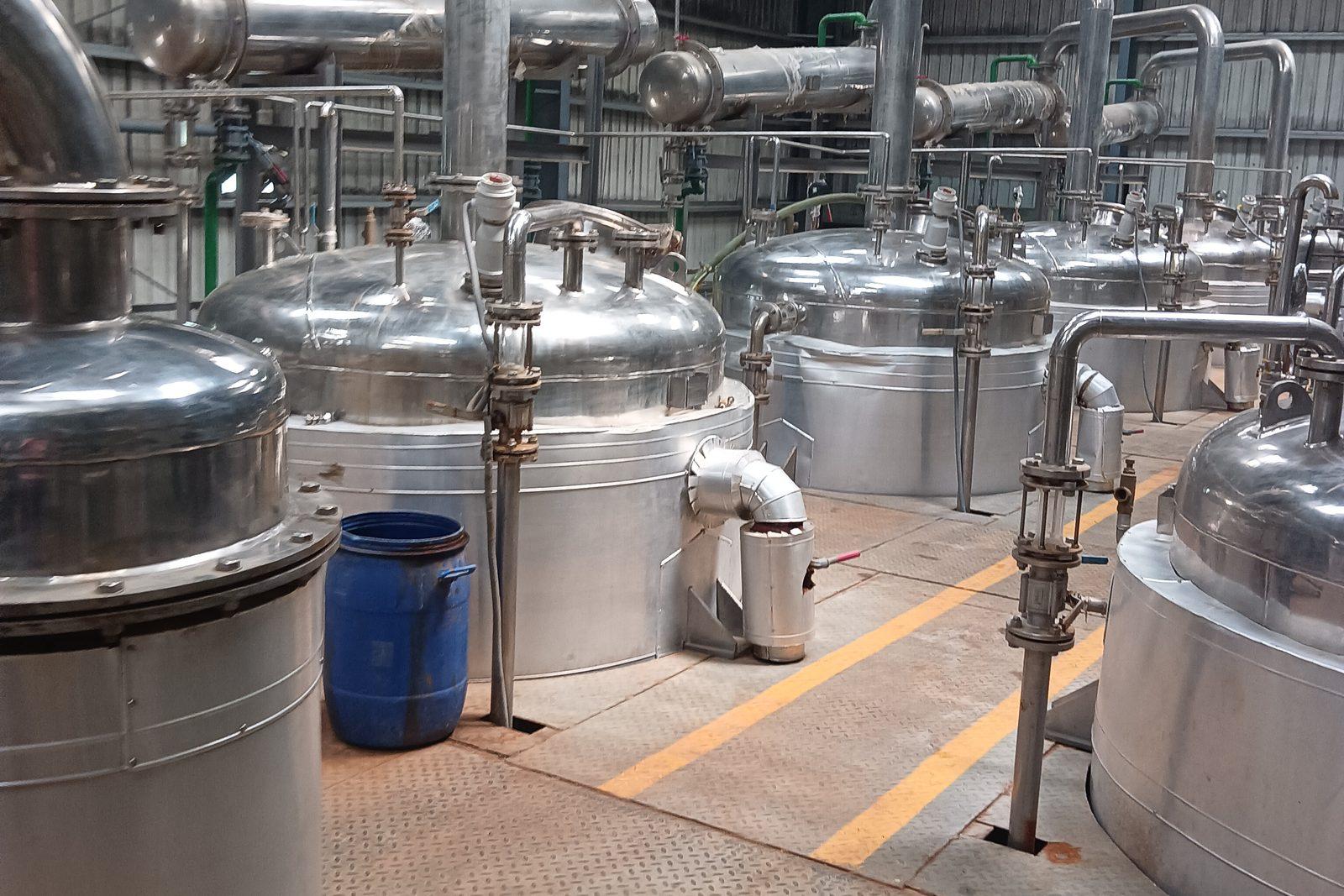
Curcumin Extraction Plant
View Product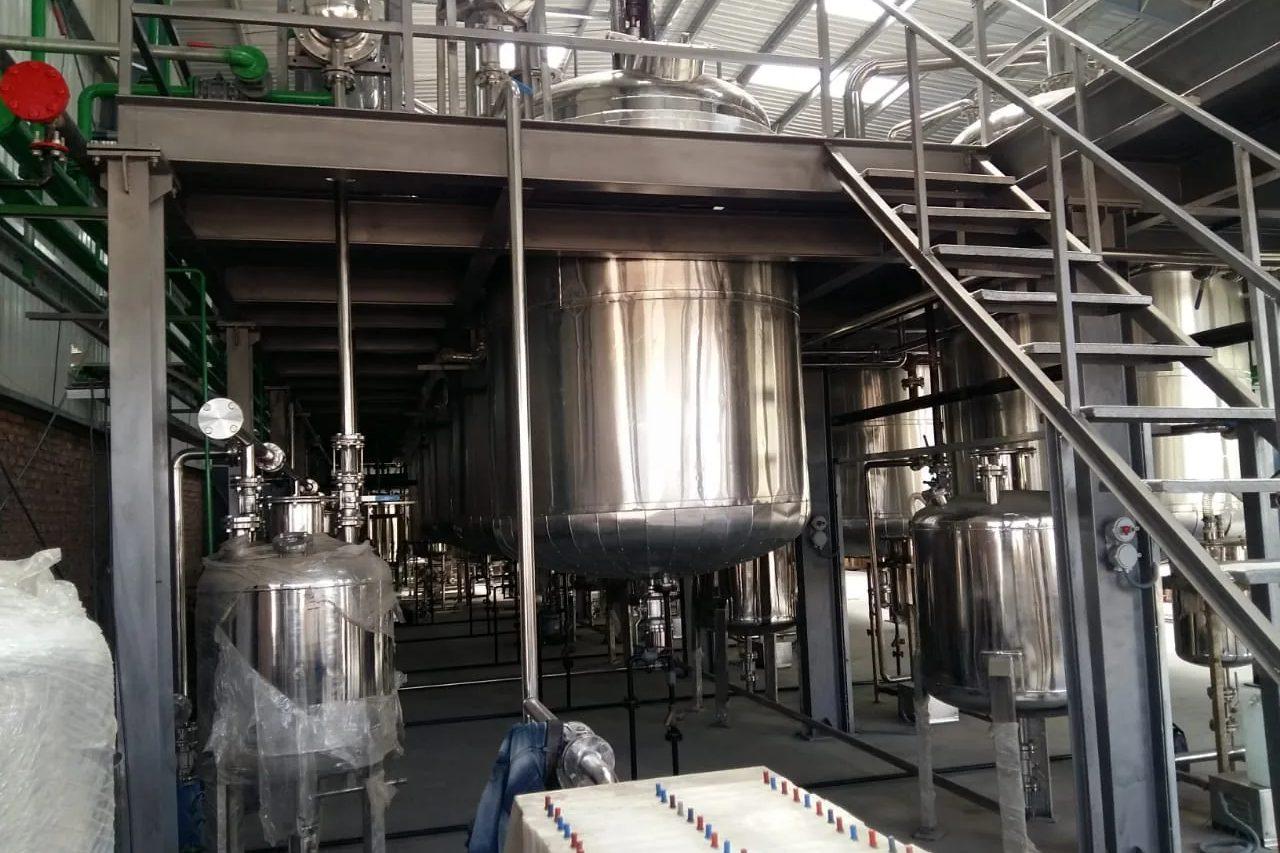
Ginger Extraction Plant
View Product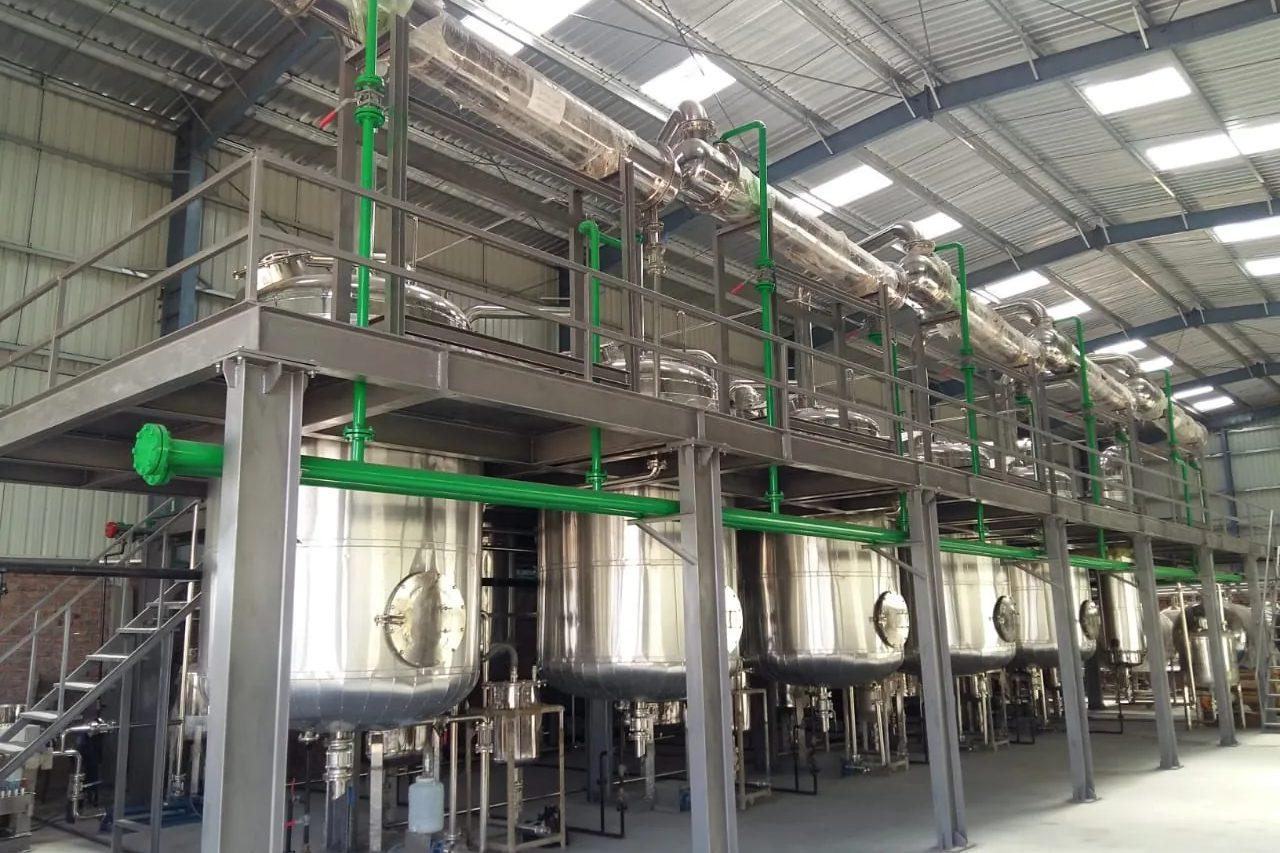
Hibiscus Extraction Plant
View Product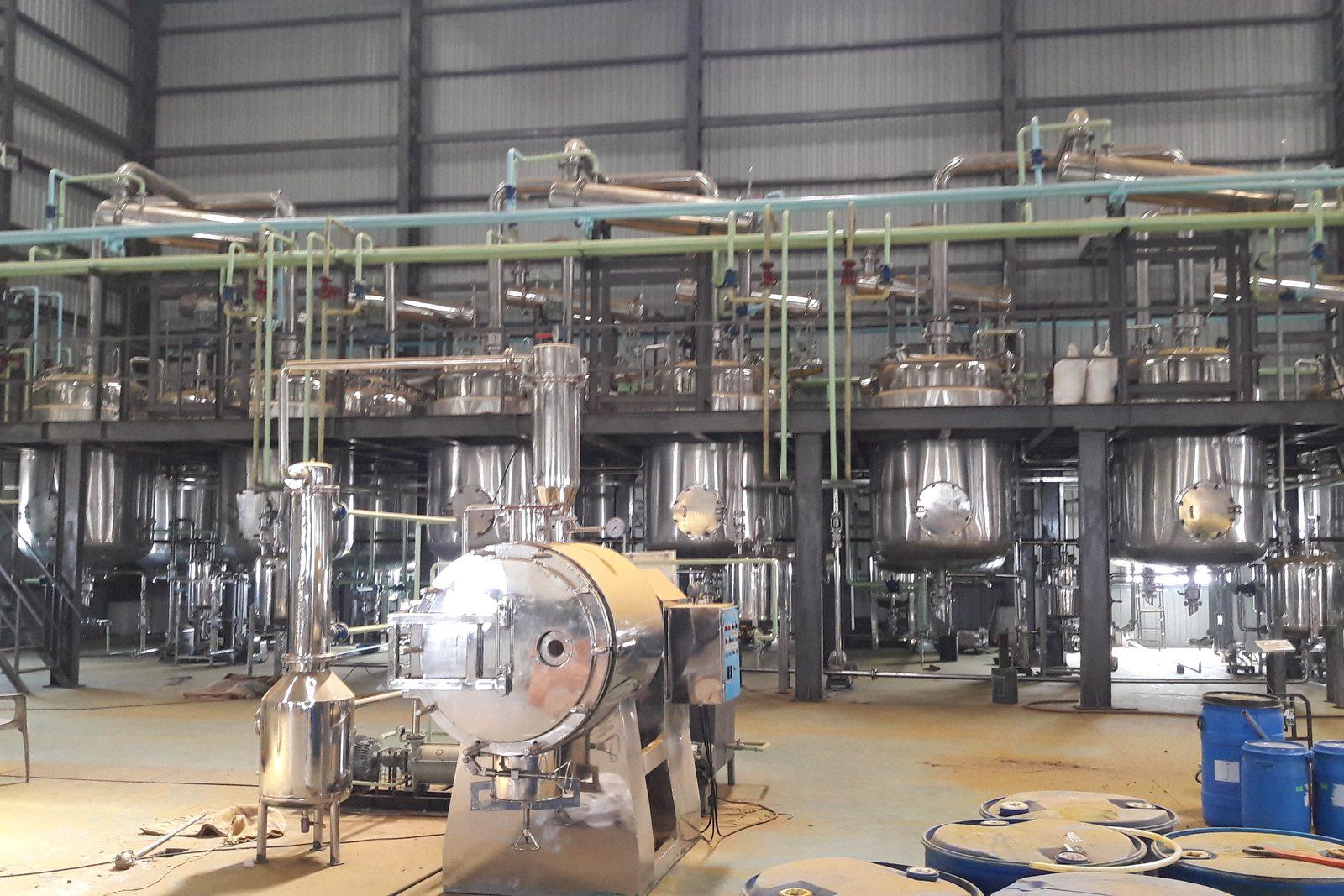
Moringa Extraction Plant
View Product
Essential Oils, Spices & Oleoresins (5)
Category guide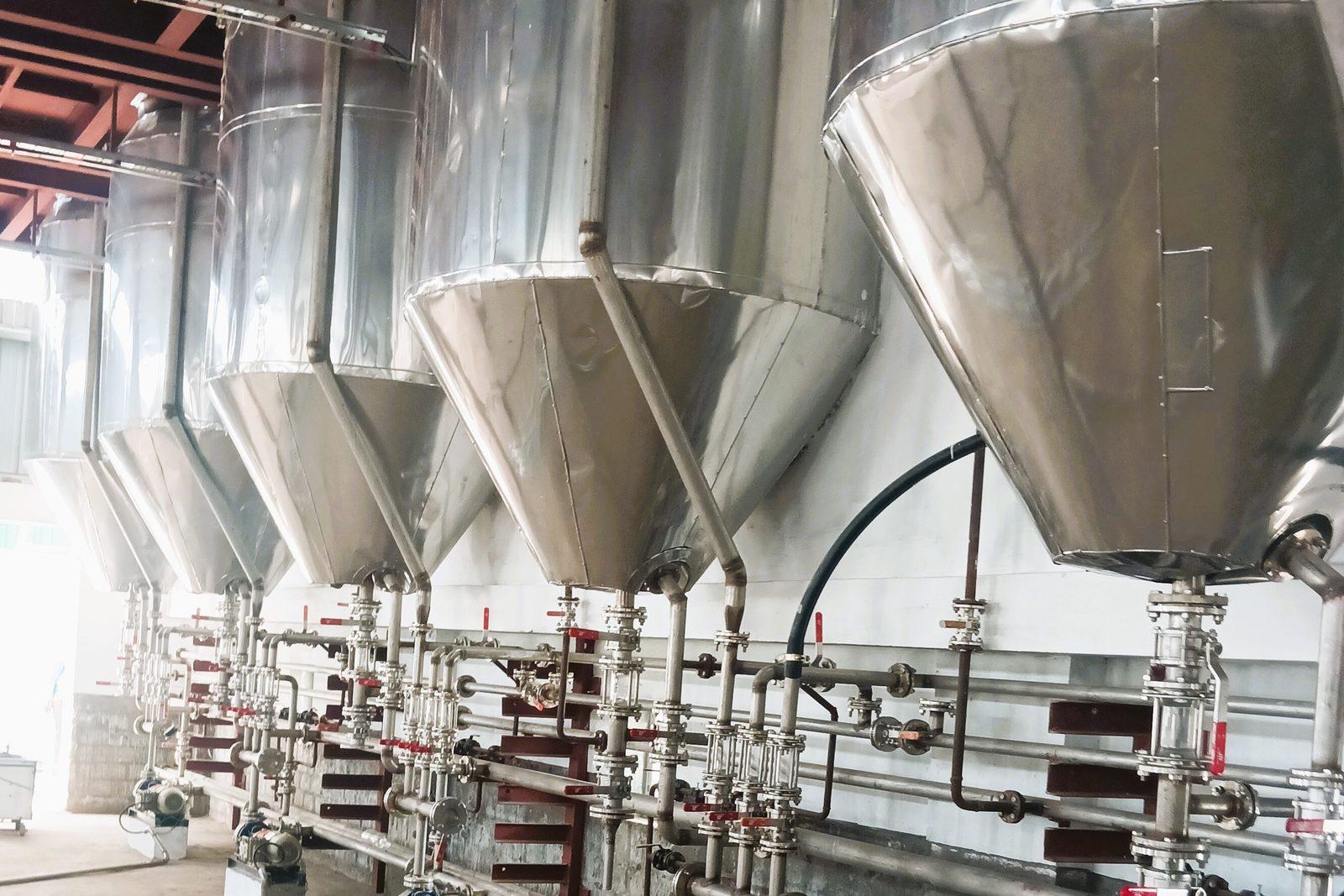
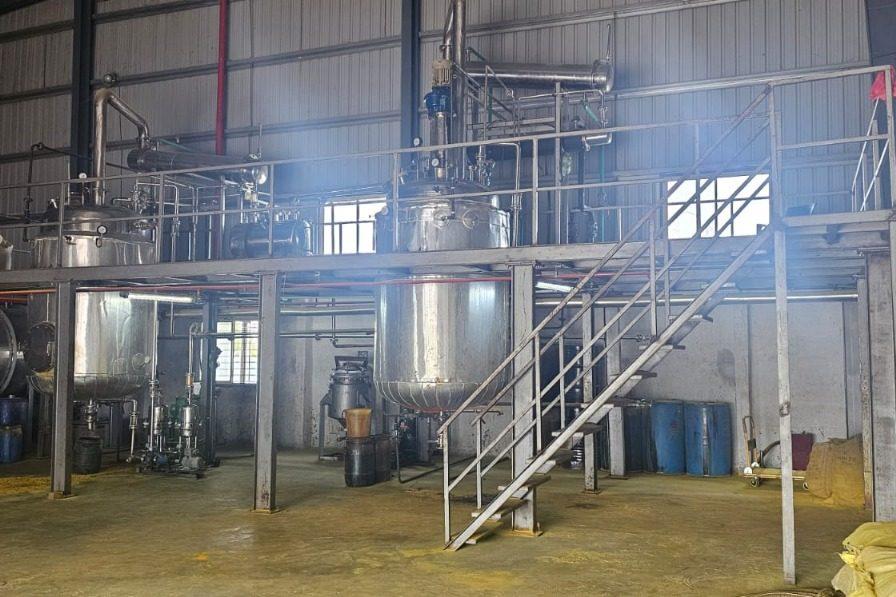
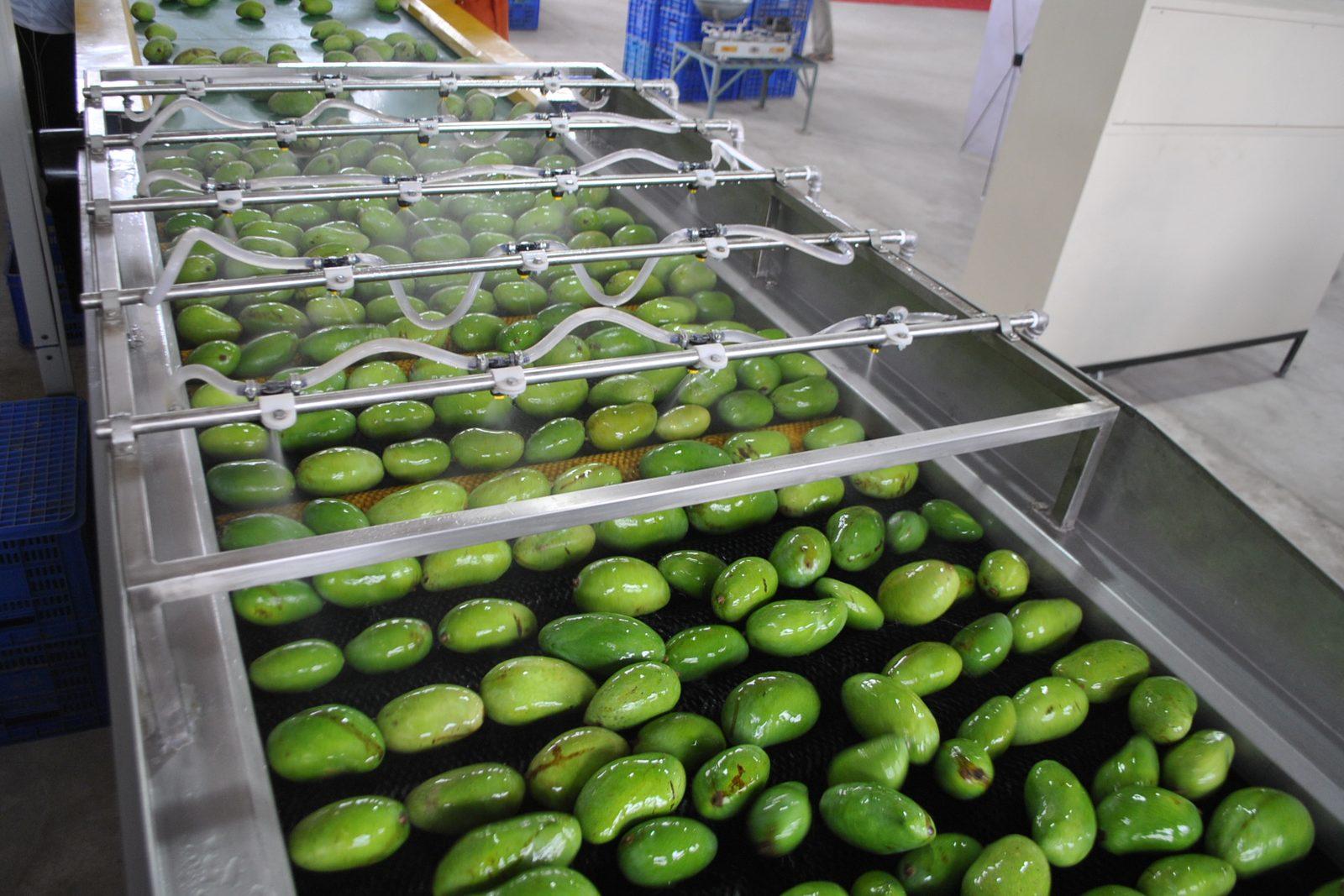
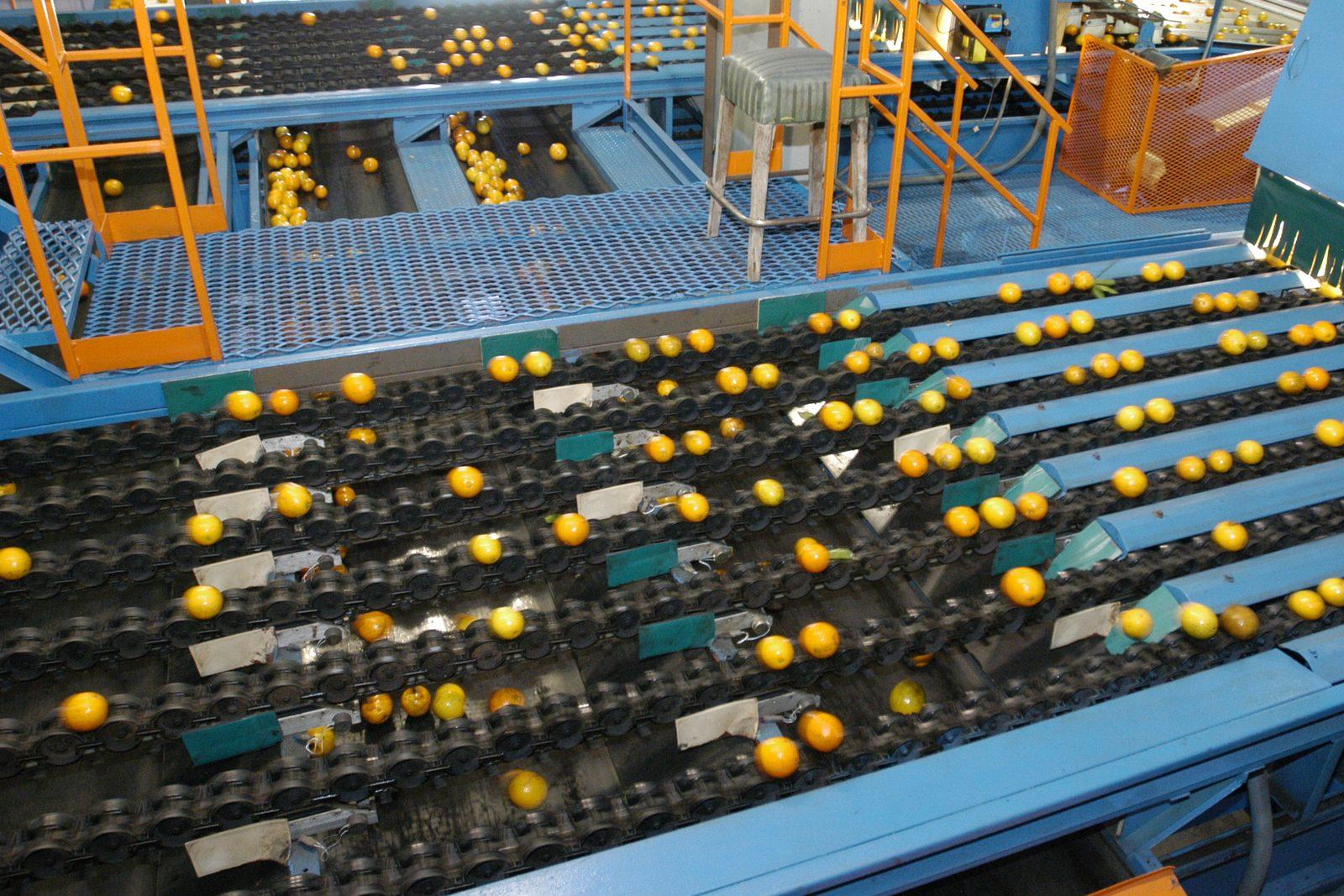
Fruit & Vegetable Processing (6)
Category guide
Starch, Flour, Edible Oil & Food Processing (7)
Category guide
Cassava Starch Processing Plants
View Product
Cassava Flour Processing Plants
View Product
Sunflower Oil Processing Plants
View Product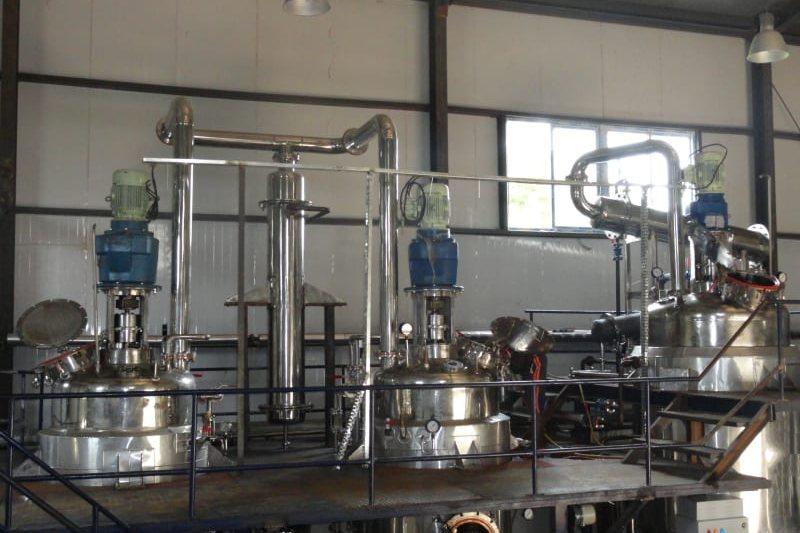
Groundnut Oil Processing Plants
View Product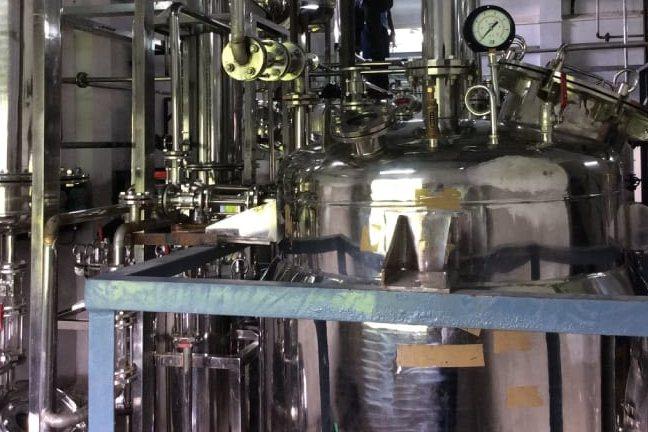
Peanut Butter Processing Plants
View Product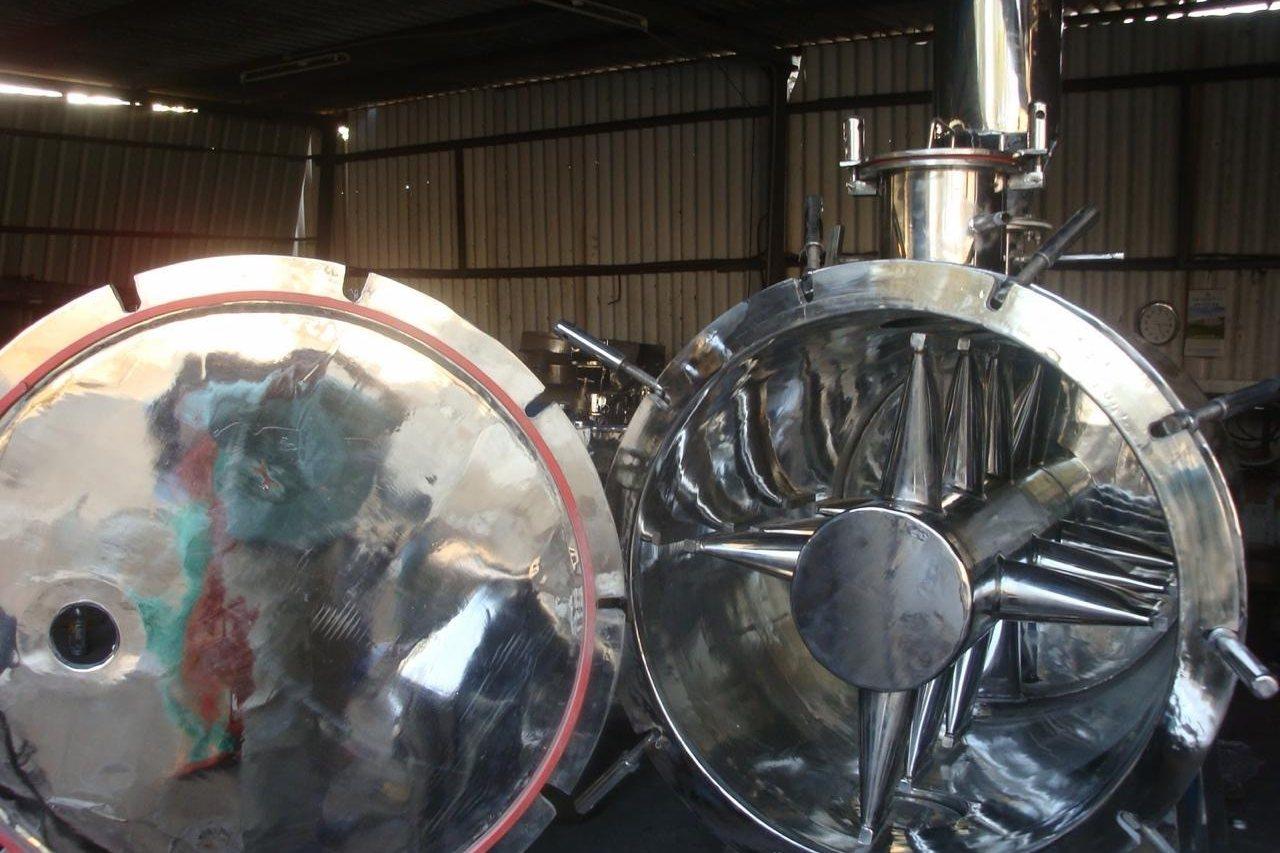
Coffee Processing Plants
View Product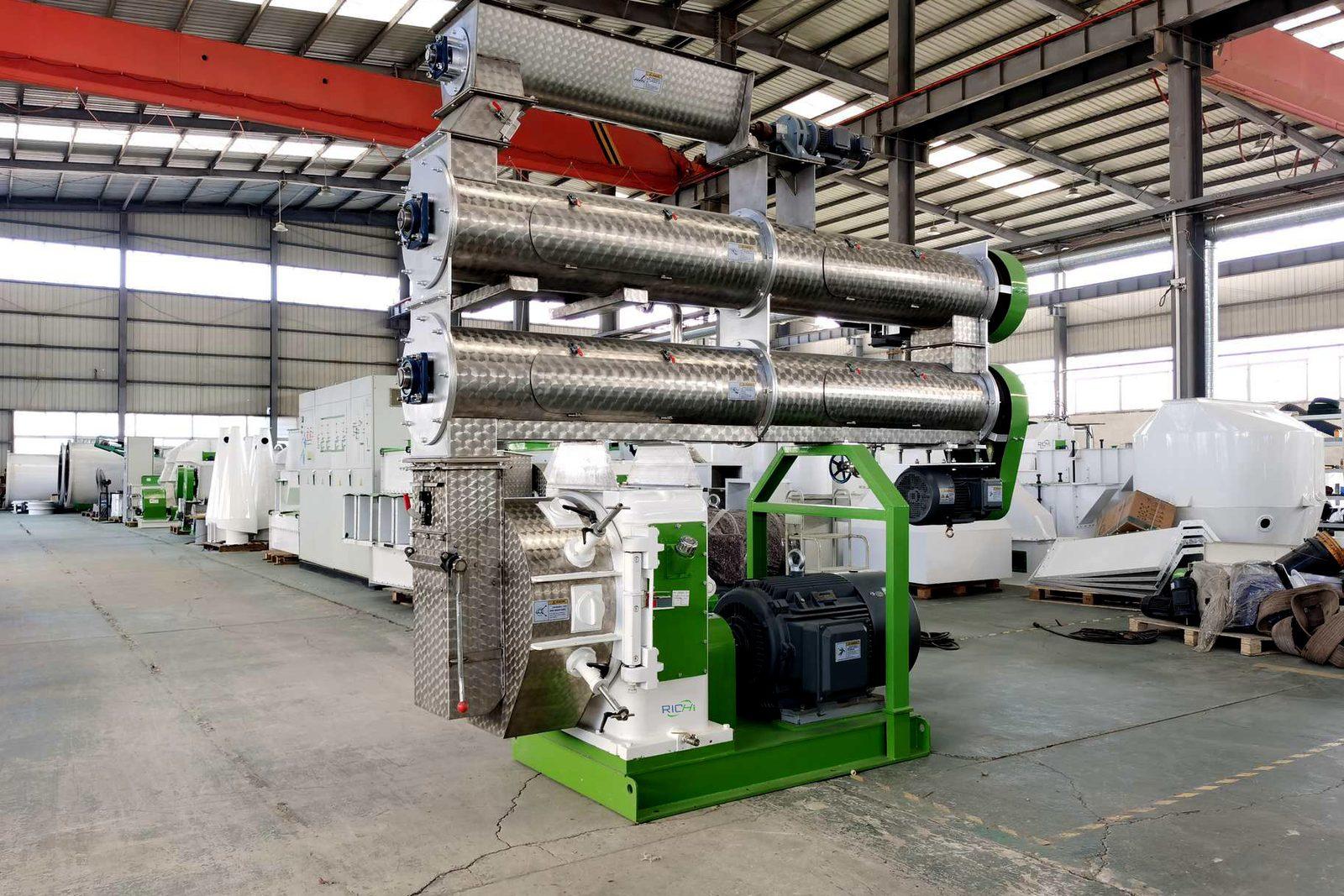
Animal Feed Plant Enquiry (Poultry, Cattle & Aqua Feed)
View Product
Drying & Dehydration Systems (5)
Category guide
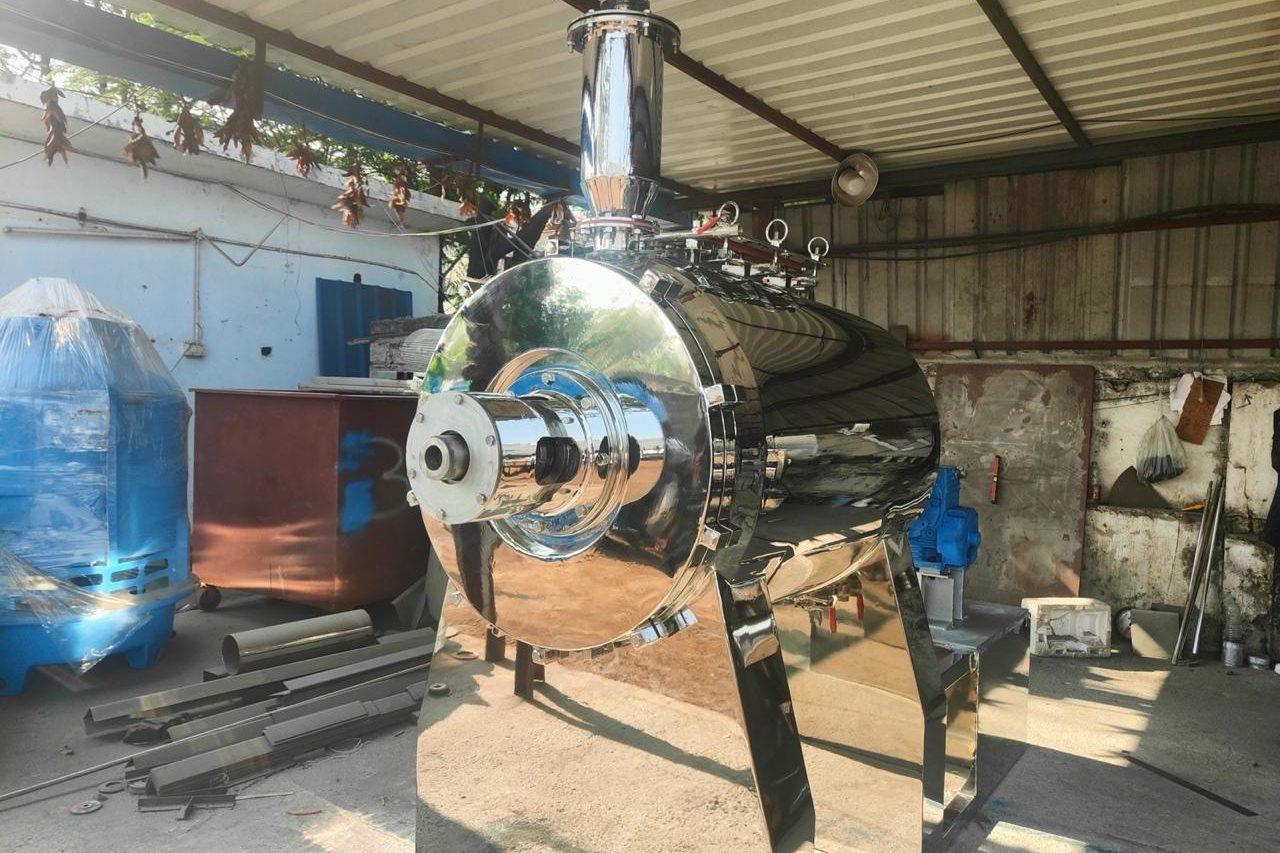
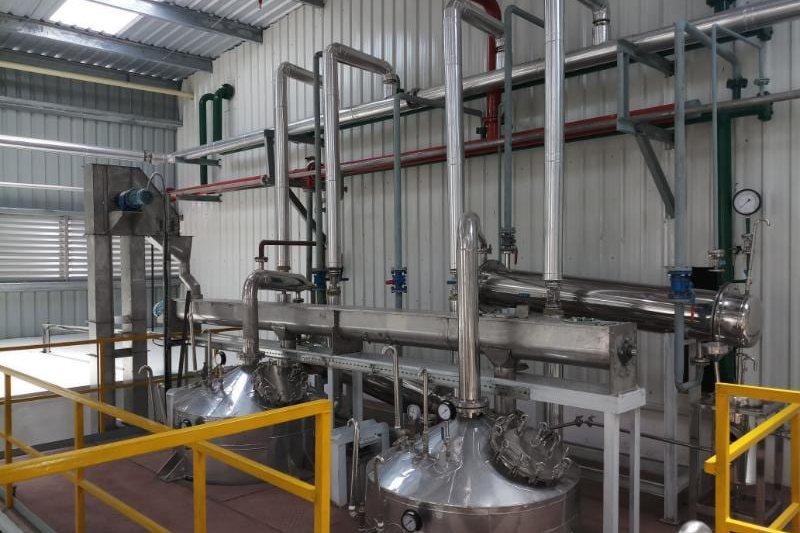
Evaporation, Concentration & Solvent Recovery (2)
Category guide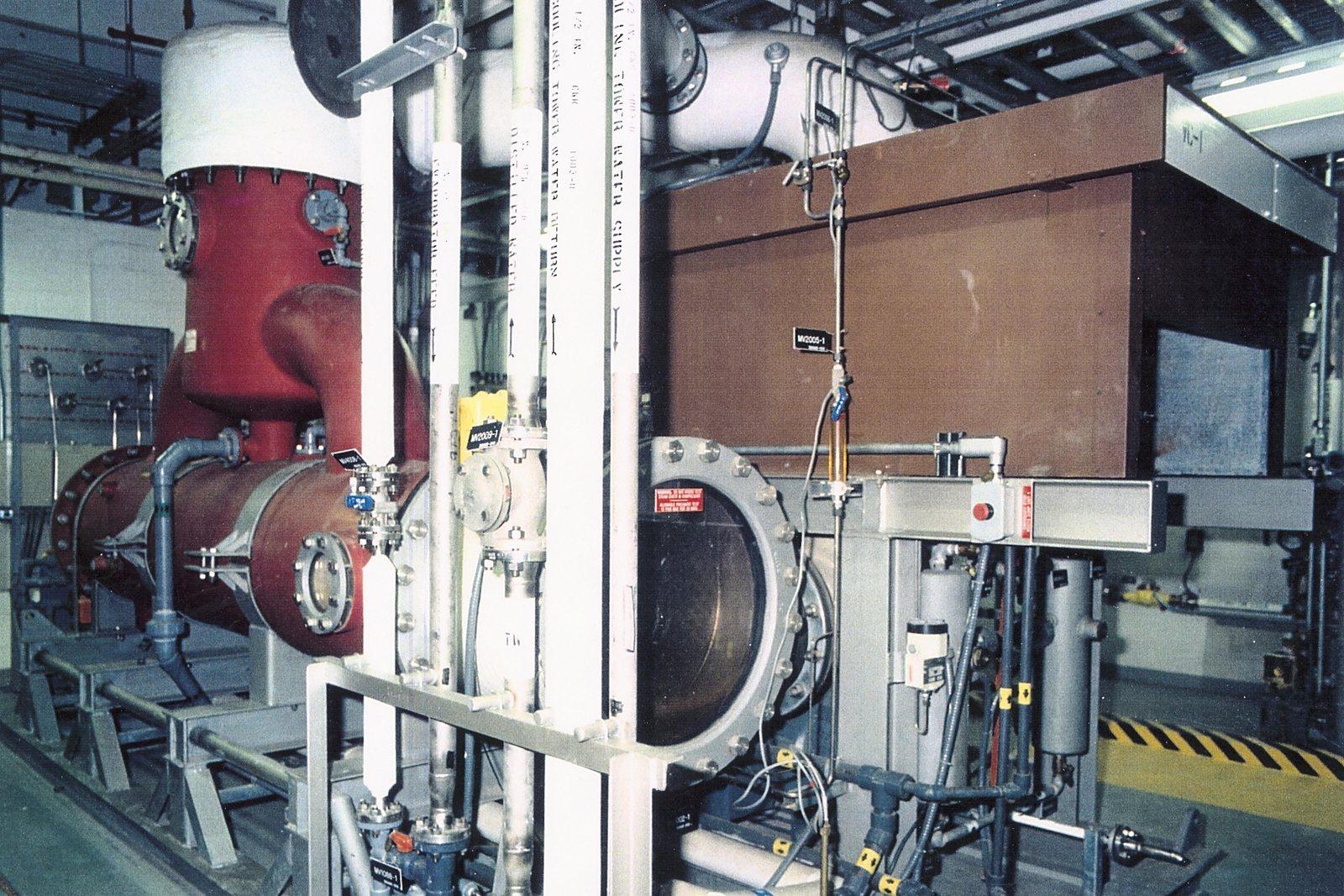
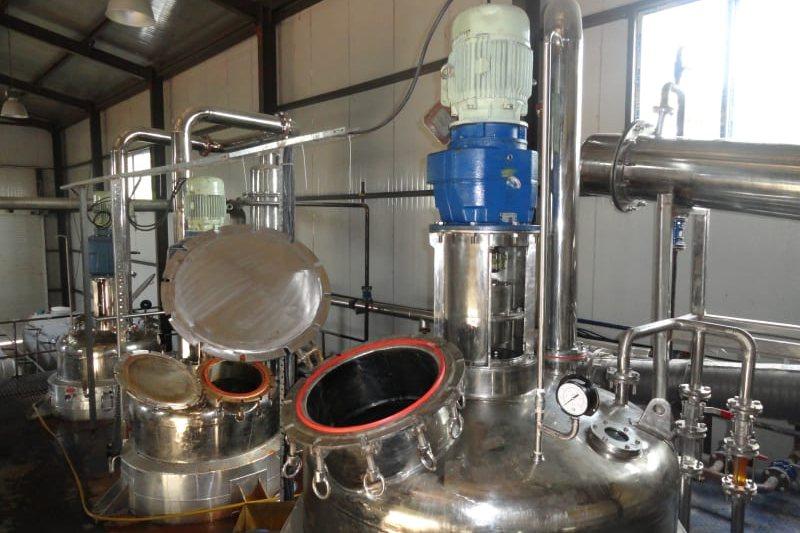
Pharmaceutical & Industrial Process Equipment (4)
Category guide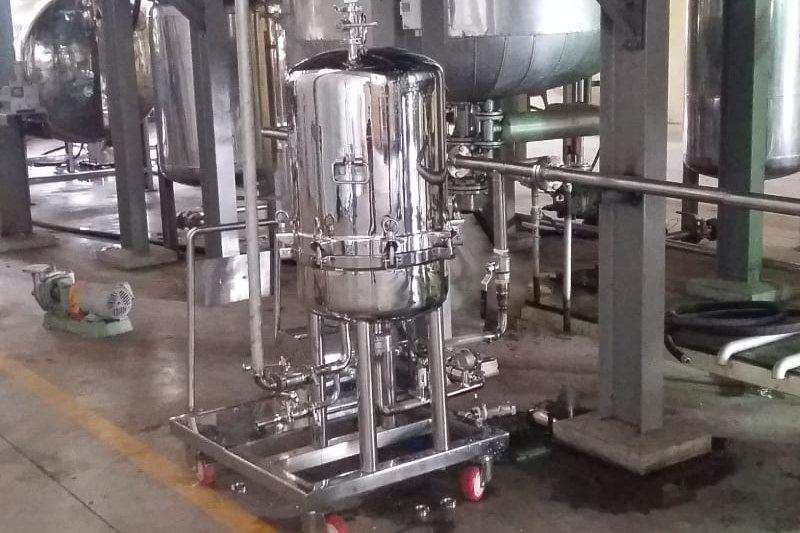
Cocoa, Shea, Palm Oil & Oilseed Processing (6)
Category guide
Cereals, Tubers & Sugar Processing (6)
Category guide
Specialty African Botanical & Natural Ingredients (10)
Category guide
Baobab Processing & Extraction Plants
View Product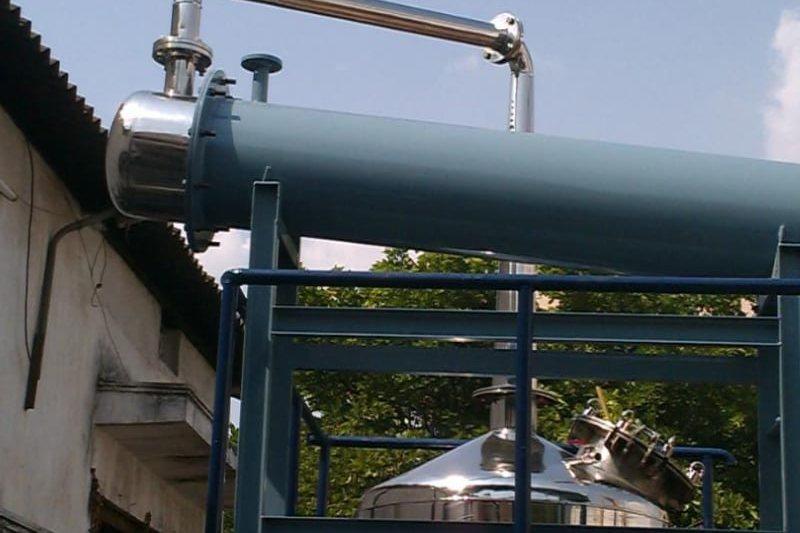
Aloe Vera
View Product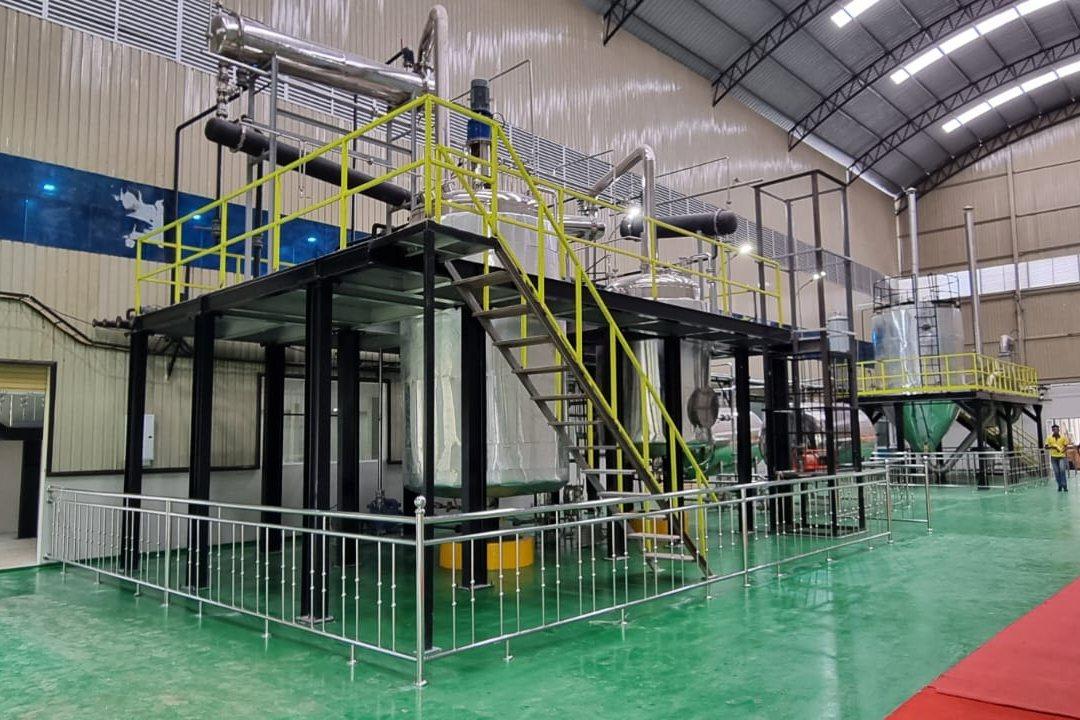
Gum Arabic Processing Plant
View Product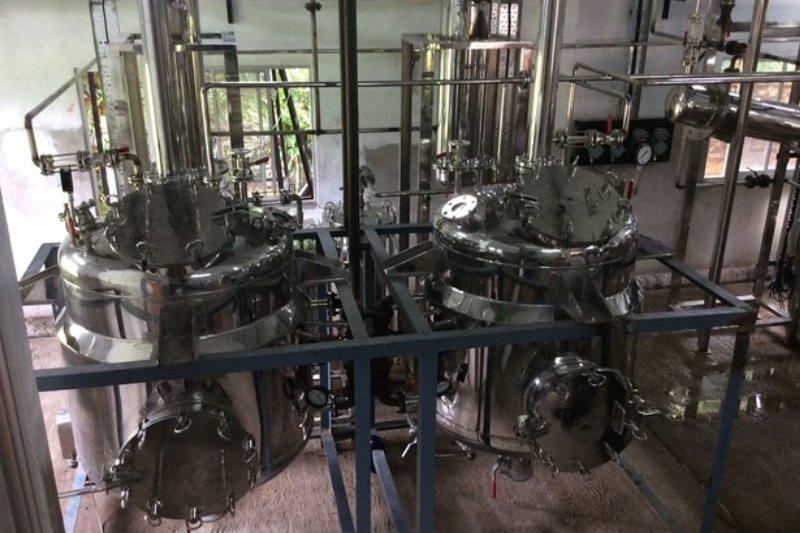
Seaweed Extraction & Drying Plants
View Product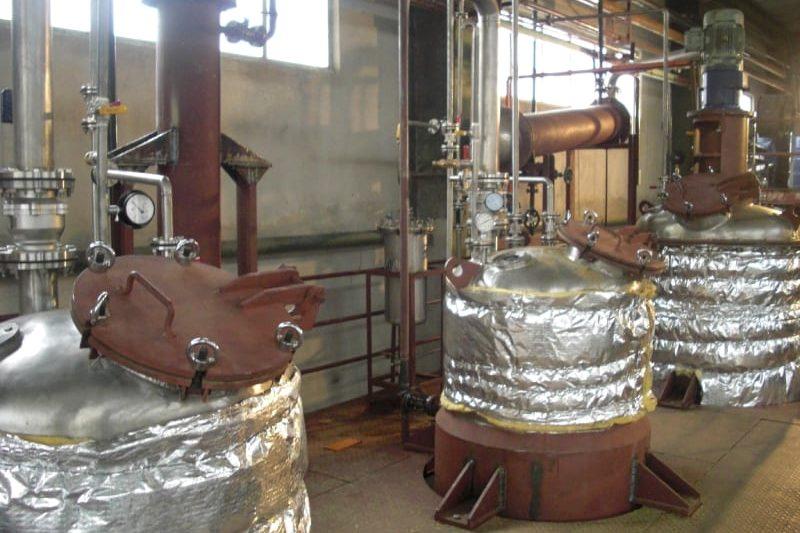
Natural Colour Extraction Plants
View Product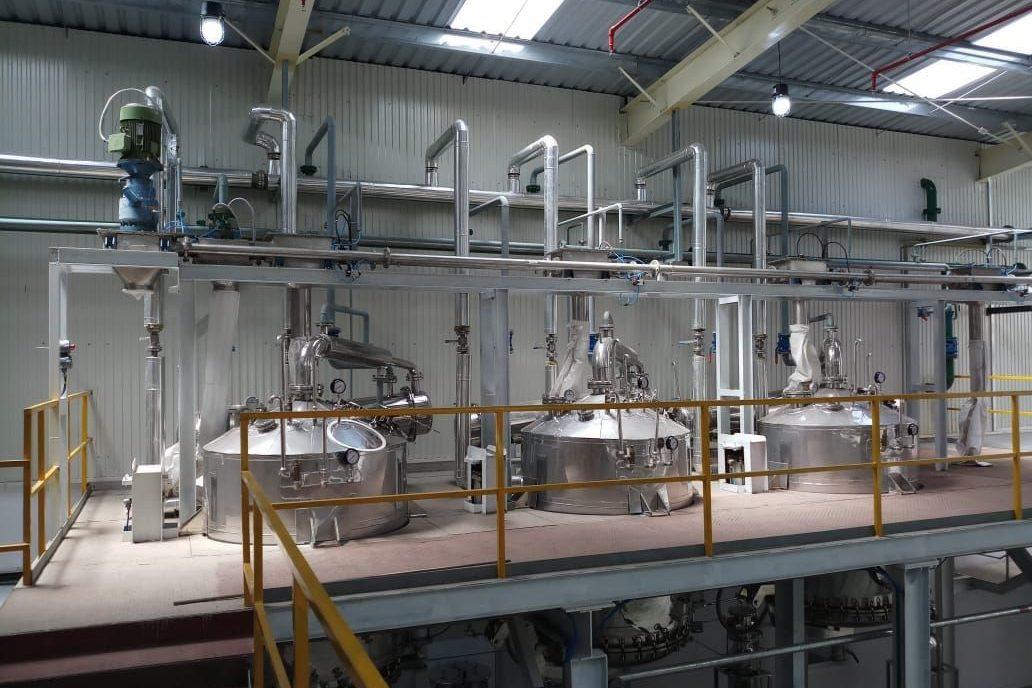
Vanilla
View Product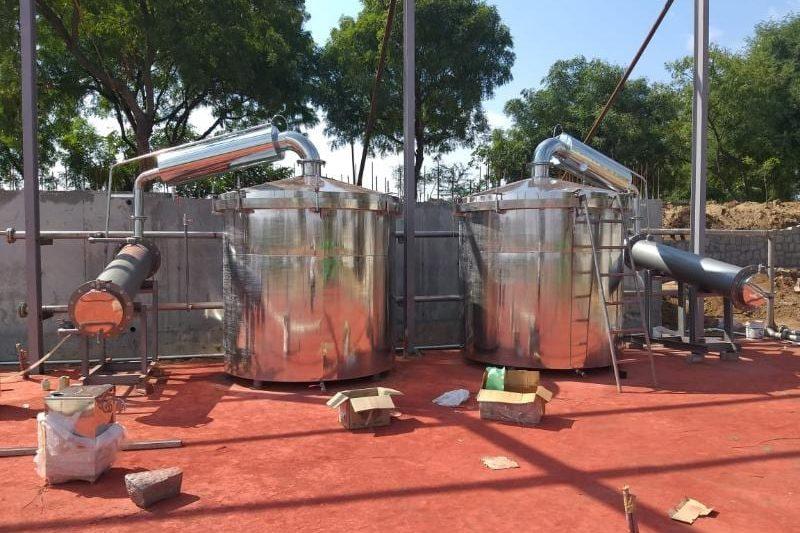
Clove Buds
View Product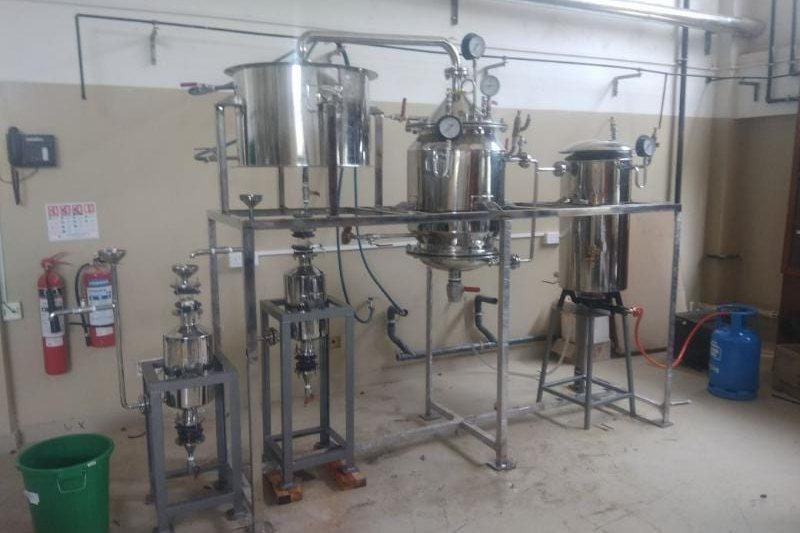
Argan Oil Processing Plants
View Product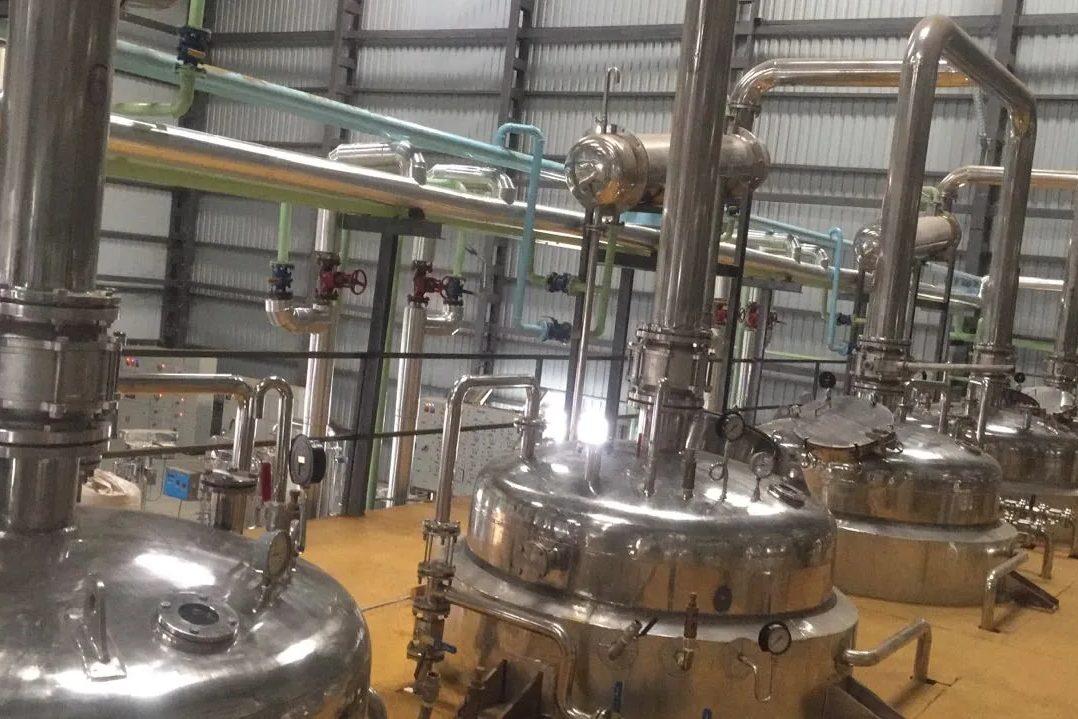
Olive Leaf Extract Powder
View Product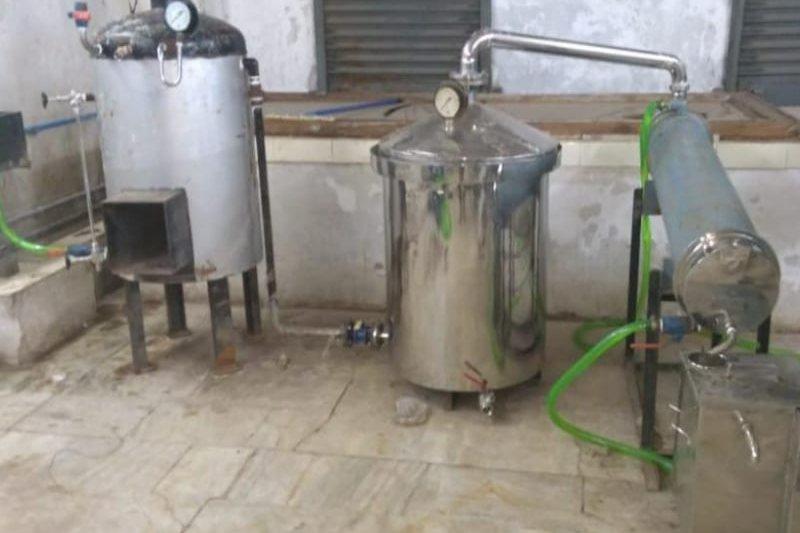
Frankincense Extraction Plant
View Product
Specialty Food, Beverage & By-Product Processing (4)
Category guide
What to Settle Before You Ask for a Proposal
Seaports and inland siting
Alexandria, Damietta, Port Said, Suez and Safaga are among Egypt's commercial ports, so imported equipment can arrive by sea and then move by road to Delta or Upper Egypt sites.
Arid drying conditions
The climate is arid, which helps drying but also raises dust loads, so air filtration and cooling of utilities deserve attention at the design stage.
Seasonal crop supply
Tomato, onion, garlic and date harvests arrive in seasonal bursts. A processor should decide early whether one flexible line will handle several crops, or whether separate dedicated lines suit its volumes better.
Industries to read next
Agro & Food Processing Solutions
Egyptian food manufacturers working with tomato, dates, onion and garlic can look at the paste, powder, date and dehydration plants mapped to this page.
Read the industry pageEssential Oil & Oleoresin Solutions
Cultivated aromatic herbs such as chamomile give distillers and flavour makers a reason to examine steam distillation plants for essential oil and hydrosol recovery.
Read the industry pageEvaporation & Solvent Recovery Solutions
Botanical and food extraction lines use solvents and generate dilute liquors, so solvent recovery distillation and concentration stages are relevant to plant planning.
Read the industry page
From Enquiry to a Running Plant
Enquiries for Egypt Projects
Kadali Africa Ventures Limited, Accra
421, University Road
Sowutuom
Accra, Ghana
Questions About Plants for Egypt
Which crops in Egypt suit paste or powder processing plants?
Tomatoes are the obvious raw material to discuss, since they are among the main vegetable crops grown on Egypt's irrigated land and are processed into paste or dried into powder. Onion and garlic suit dehydration into flakes, granules and powder.
Can a date processing plant for Egypt make extracts and concentrates?
Dates are processed by washing, destoning and extraction with water, then the liquor is concentrated to give syrup or paste. Scope is confirmed in the technical proposal, so please send your date variety, daily intake and end product.
How do I request a proposal for an essential oil or herbal extraction plant in Egypt?
Use the quote form on this site and describe the plant material, such as chamomile or another aromatic crop, the batch size you plan and whether you want oil, hydrosol or a solvent extract. Kadali Africa Ventures will then respond with a proposal.
Does Kadali Africa Ventures have an office in Egypt?
Kadali Africa Ventures Limited has offices in Accra, Ghana and Kano, Nigeria, and none in Egypt. Engineering and manufacturing scope for each product is confirmed in the technical proposal.
What should I send for a Egypt project proposal?
Use the form on this page. Give your raw material, the product you want to make, the capacity and its basis (for example kg per hour or tonnes per day) and your site.
Planning a project in Egypt?
Send your raw material, target product and capacity. We will come back with the process route and equipment scope for your project.
Tell us about your Egypt project
Only name, email, phone and industry are required. The more you share about raw material and capacity, the more precise our proposal.