
São Tomé and Príncipe: Compact Plants for Cocoa, Coconut and Fruit
A modest, island-focused guide to the cocoa, coconut, fruit, coffee and aromatic plant processing listed for São Tomé and Príncipe, with attention to small scale and shipping.
- 14 products in 7 categories, listed for São Tomé and Príncipe
- Engineering and manufacturing scope confirmed in the technical proposal
Kadali Africa Ventures Limited has offices in Accra, Ghana and Kano, Nigeria, and no office in São Tomé and Príncipe; enquiries from São Tomé and Príncipe are handled from the Accra office.
Island crops and the case for small, specific processing plants
São Tomé and Príncipe is a small island nation in the Gulf of Guinea, made up of two main islands, São Tomé and the smaller Príncipe, with a hot, humid tropical climate. Cocoa is the main crop, and the economy is largely based on plantations. Coffee, copra and palm kernels are other export crops, and bananas and breadfruit are grown alongside cocoa in an agroforestry system on rich volcanic soils.
The islands' size is the main constraint and also a useful guide. Volumes are small, so equipment should be compact and flexible. Cocoa beans are fermented and dried at the farm; a processor then cleans and roasts them, winnows off the shell, grinds the nibs to cocoa liquor and presses it into butter and cake, which is milled to powder. Copra, the dried coconut kernel, shows that coconut is grown; it is pressed for oil, while fresh kernel can be wet-processed into coconut milk and oil. Fruit pulp can be extracted into juice or dried into pieces, and humidity makes mechanical or solar-assisted drying valuable for beans, coffee and fruit.
Likely users are cocoa producer groups wanting to do more than sell dried beans, small coconut and fruit processors serving local markets, and coffee growers seeking cleaner, better-dried product. Aromatic plant distillation is a possibility only after a survey confirms a dependable local crop.
Products Relevant to São Tomé and Príncipe
14 of the 73 products in the catalogue are listed for São Tomé and Príncipe, in 7 categories: Essential Oils, Spices & Oleoresins (1), Fruit & Vegetable Processing (2), Drying & Dehydration Systems (5), Cocoa, Shea, Palm Oil & Oilseed Processing (1), Cereals, Tubers & Sugar Processing (1), Specialty African Botanical & Natural Ingredients (2), Specialty Food, Beverage & By-Product Processing (2). The plants for São Tomé and Príncipe’s own raw materials come first. A listing is a catalogue listing, not a statement of demand or supply; the final configuration depends on your raw material, target product and capacity.
Cocoa
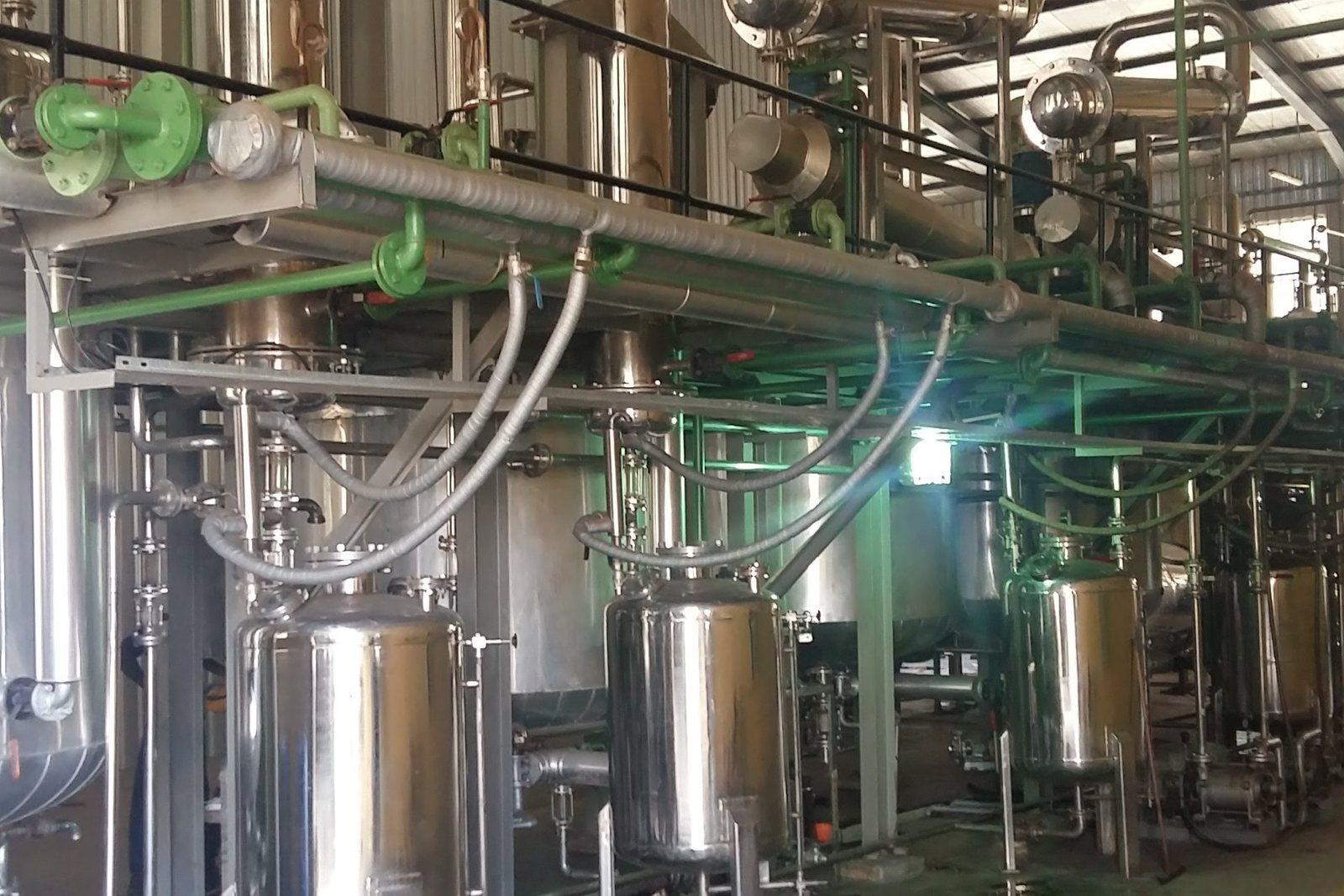
Cocoa is the main crop of the islands. Fermented and dried beans are cleaned, roasted, winnowed, ground to liquor and pressed into butter and cake, so producers can sell cocoa products rather than only raw beans; cocoa processing is relevant for groups weighing that step.
Coconut
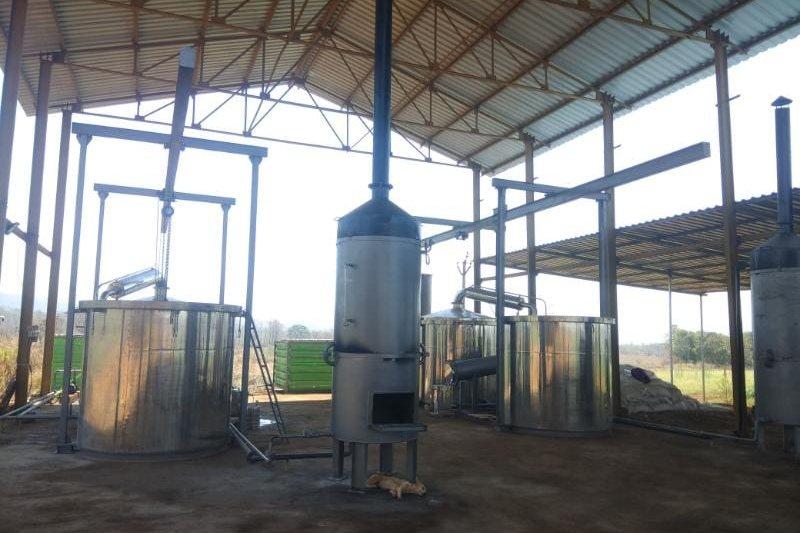
Copra is among the export crops, so coconut is grown on the islands. Dried copra is pressed for oil, and fresh kernel can be wet-processed into milk and oil, which gives households and enterprises a way to use nuts beyond fresh consumption.
Tropical fruit
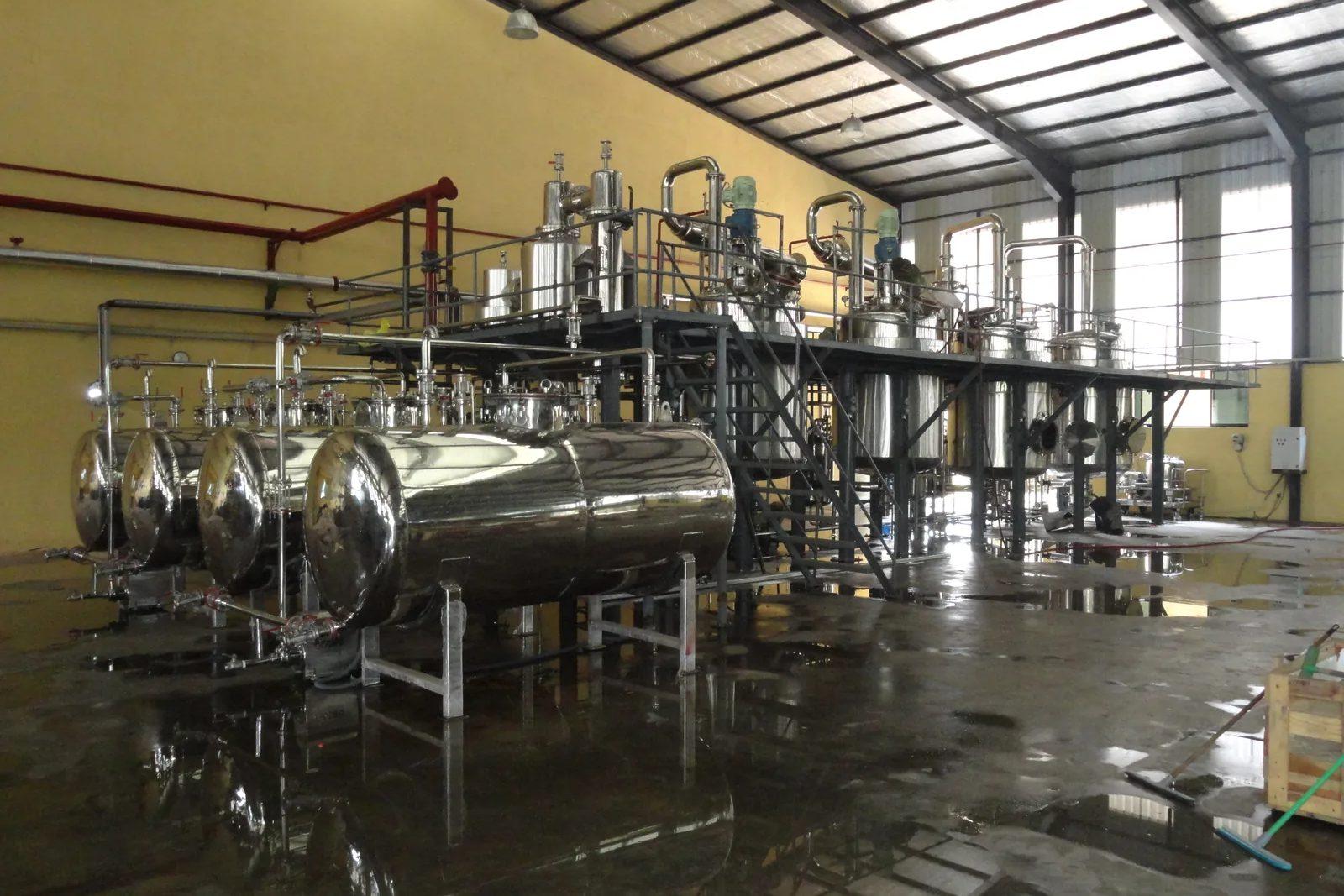
Bananas and breadfruit grow in the cocoa agroforestry system and ripen in a warm, wet climate, so juice extraction or dehydration is a processing route worth discussing when the harvest exceeds what local markets can take.
 For Tropical fruit
Fruit Juice Processing & Concentration Plant
Juice concentration and drying equipment for fruit processors: evaporators, an aloe line and powder options. Define fruit, target Brix and pack first.
View Product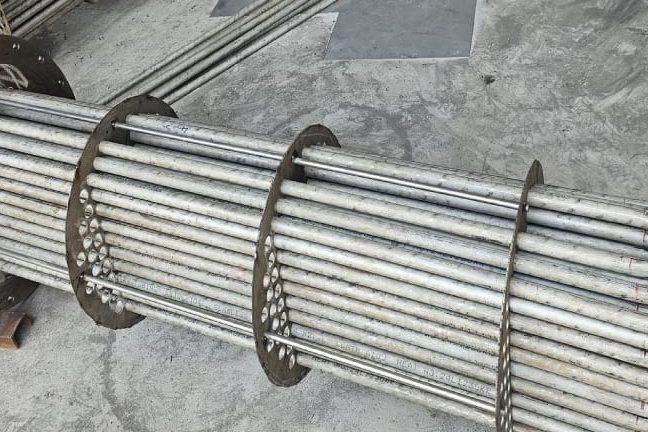 For Tropical fruit
Fruit Juice Concentration Plants
A fruit juice concentration plant removes water from extracted juice under vacuum, and the design turns on feed solids, final Brix, how heat-sensitive the juice is and how much aroma must be saved.
View Product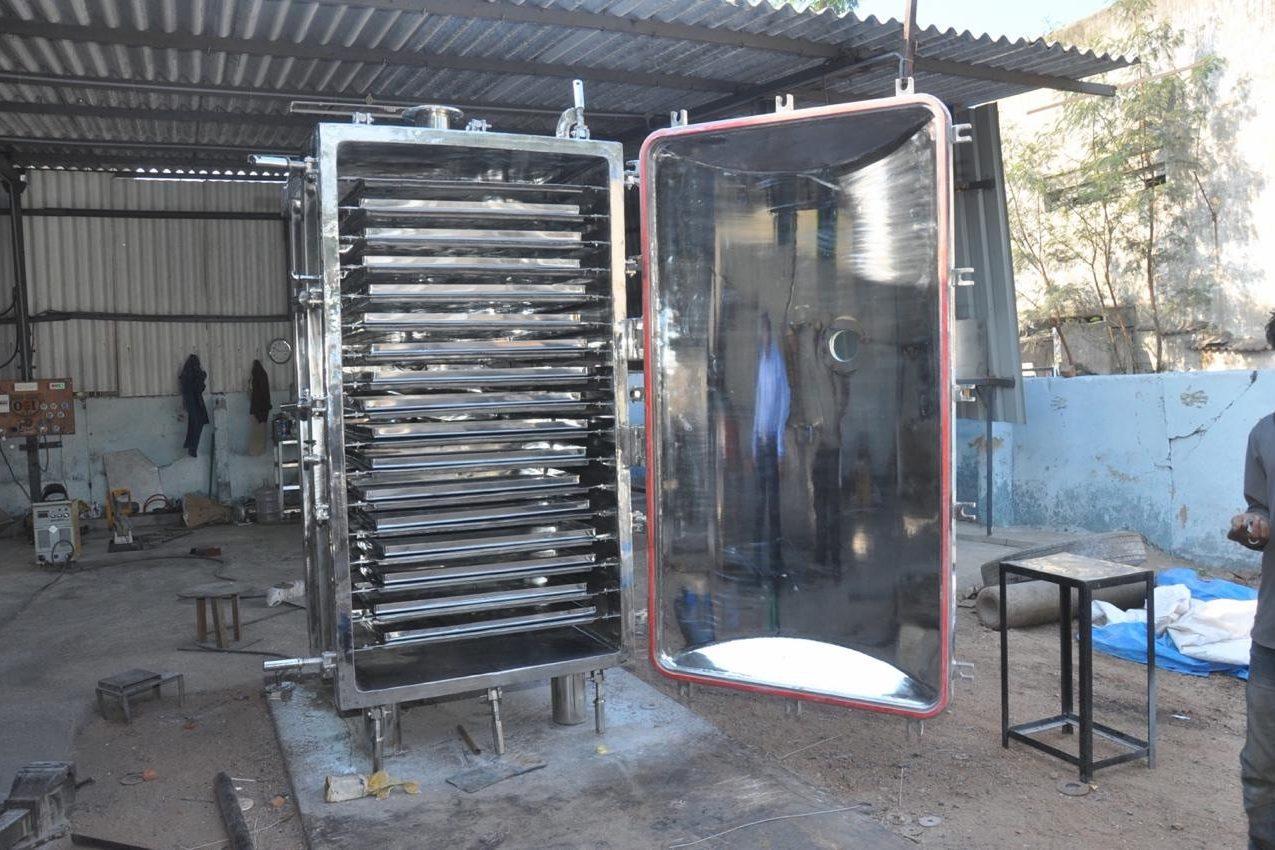 For Tropical fruit
Fruit & Vegetable Dehydration Plant
Planning fruit or vegetable dehydration? Slice size, moisture target, heat source and dryer choice to settle before a plant is sized.
View Product
Coffee and dried crops
Coffee is among the export crops, and coffee beans, like any herbs or spices a producer adds, need careful drying to a safe moisture level; an enclosed dryer protects them from rain, dust and mould in a humid setting.
 For Coffee and dried crops
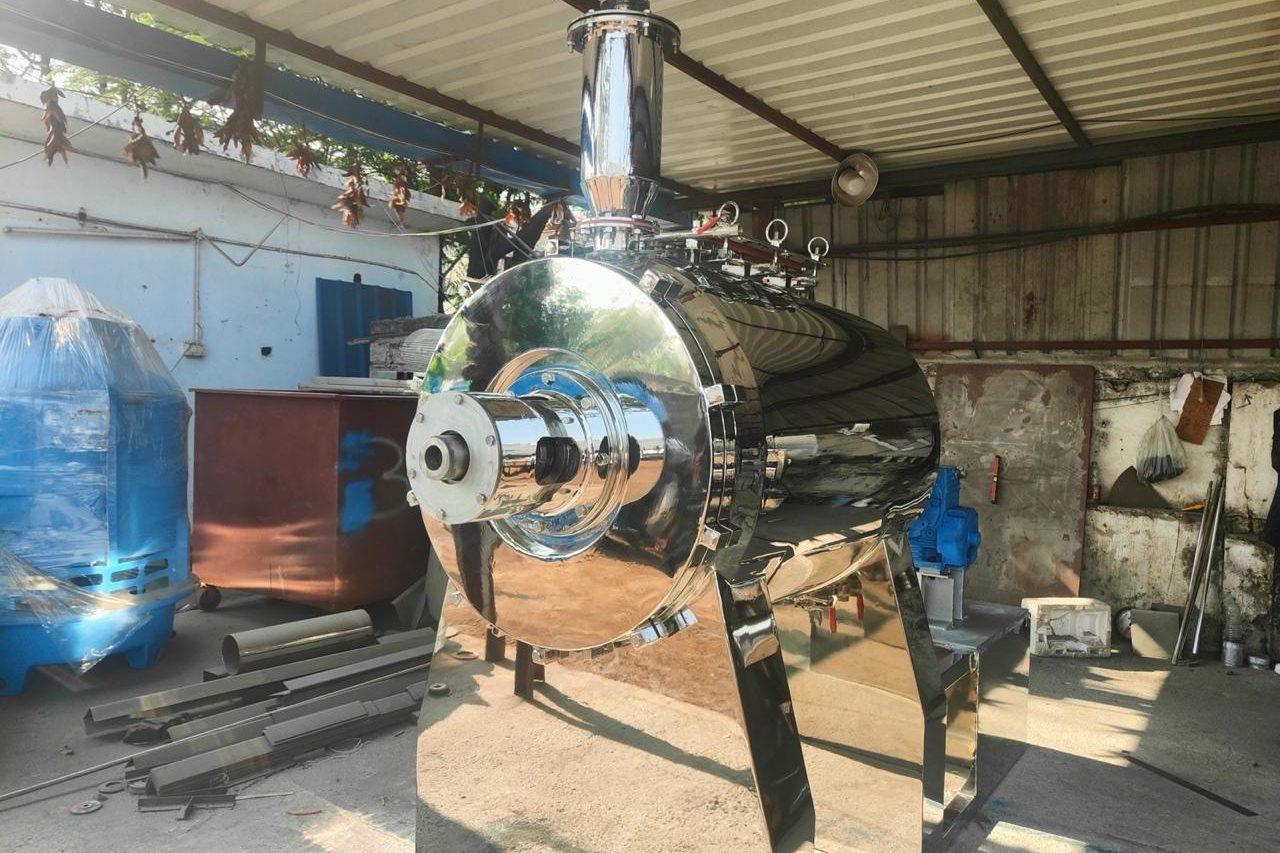
Spice & Herbal Drying Plants
A spice and herb drying plant removes water from leaf, flower, root, seed and fruit under controlled temperature and airflow, so colour, aroma and drying time are managed instead of left to the weather.
View Product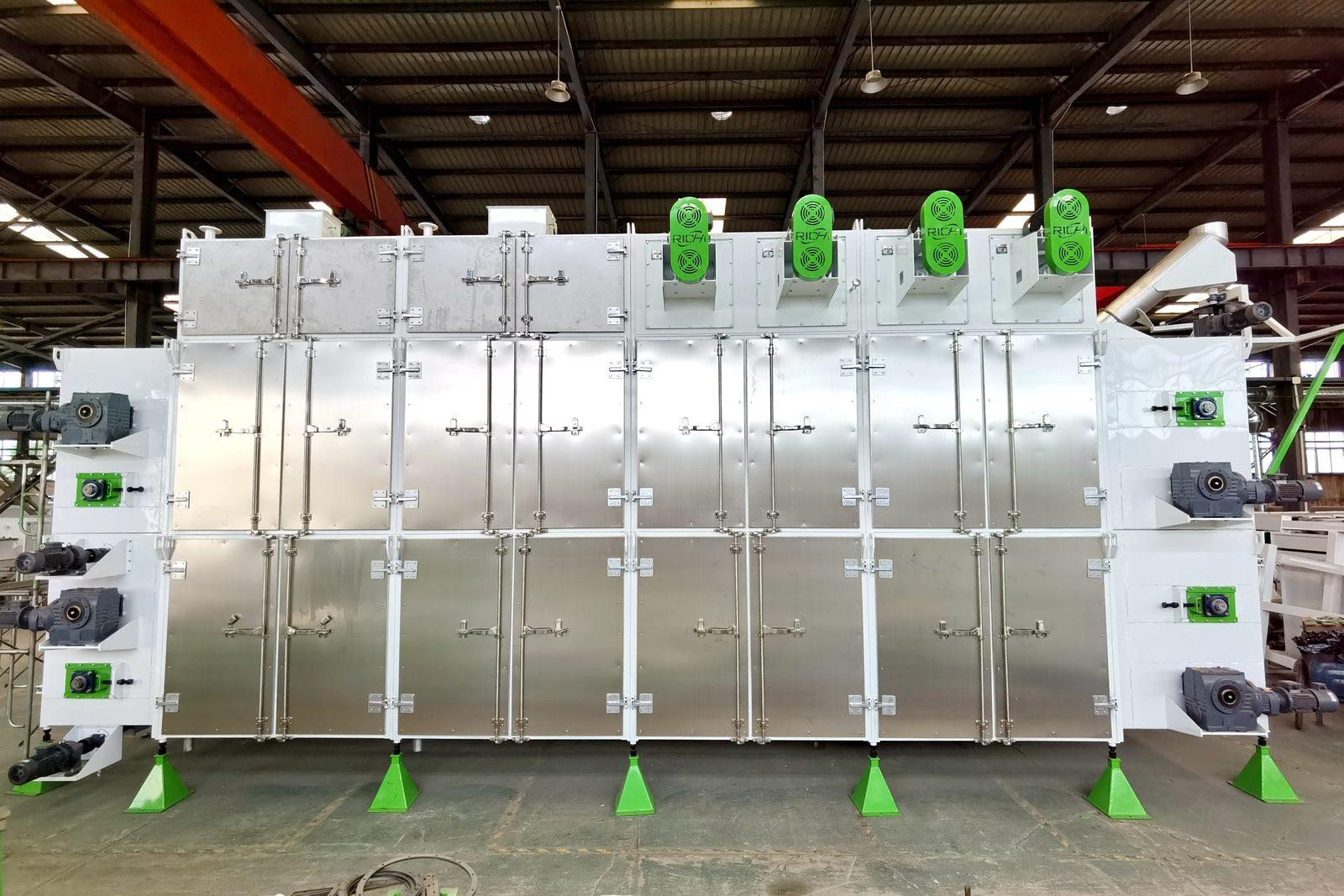 For Coffee and dried crops
Industrial Hot-Air Drying Systems
An industrial hot-air drying system, which buyers also call an industrial dehydrator, removes moisture from fruit, vegetables, herbs, spices and similar wet solids by passing heated air over the product in a cabinet, tunnel or belt dryer.
View Product
Aromatic plants
Steam distillation can capture oils from fragrant leaves and flowers, but whether a commercial crop exists at the right volume on the islands should be confirmed by a local survey first.
 For Aromatic plants
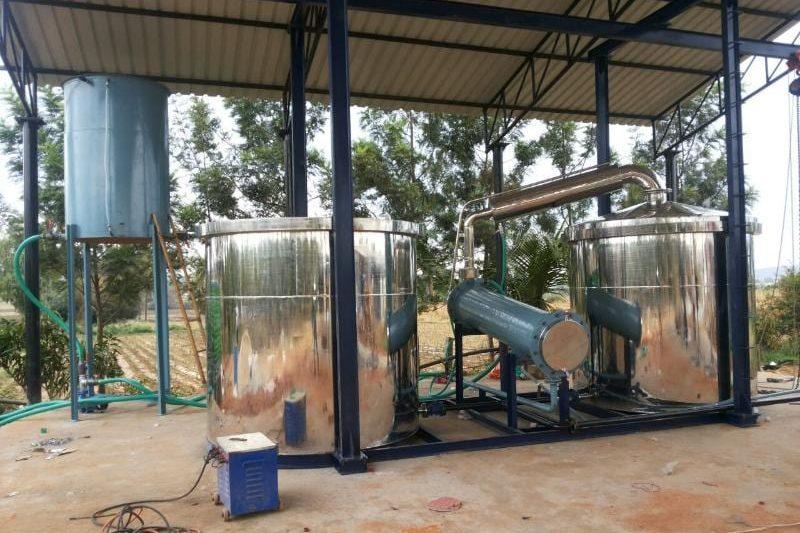
Essential Oil Distillation Plants
Essential oil distillation plants for African processors: steam, hydro, vacuum, pressure or cold-press routes, condensing and oil-water separation.
View Product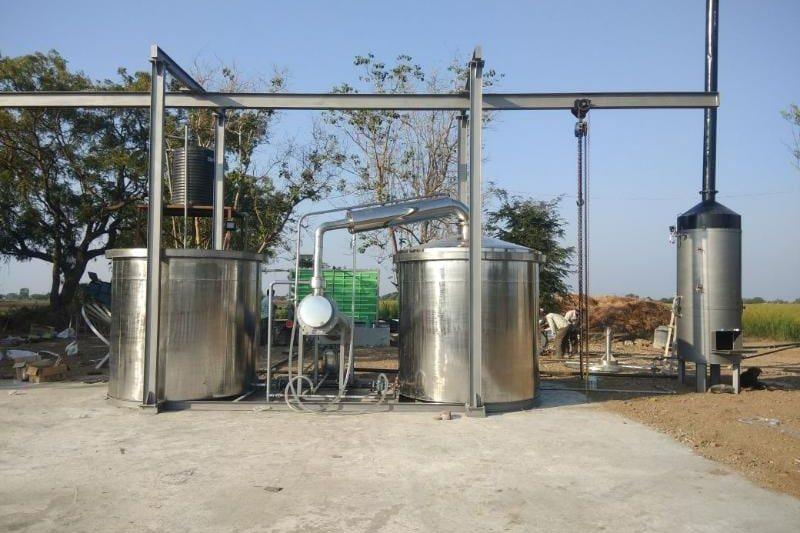 For Aromatic plants
Ylang Ylang
Fractional steam distillation plant for fresh ylang ylang flowers: staged cuts for Extra to Third grade oil, or a blended complete oil.
View Product
Also Listed for São Tomé and Príncipe
 Drying & Dehydration Systems
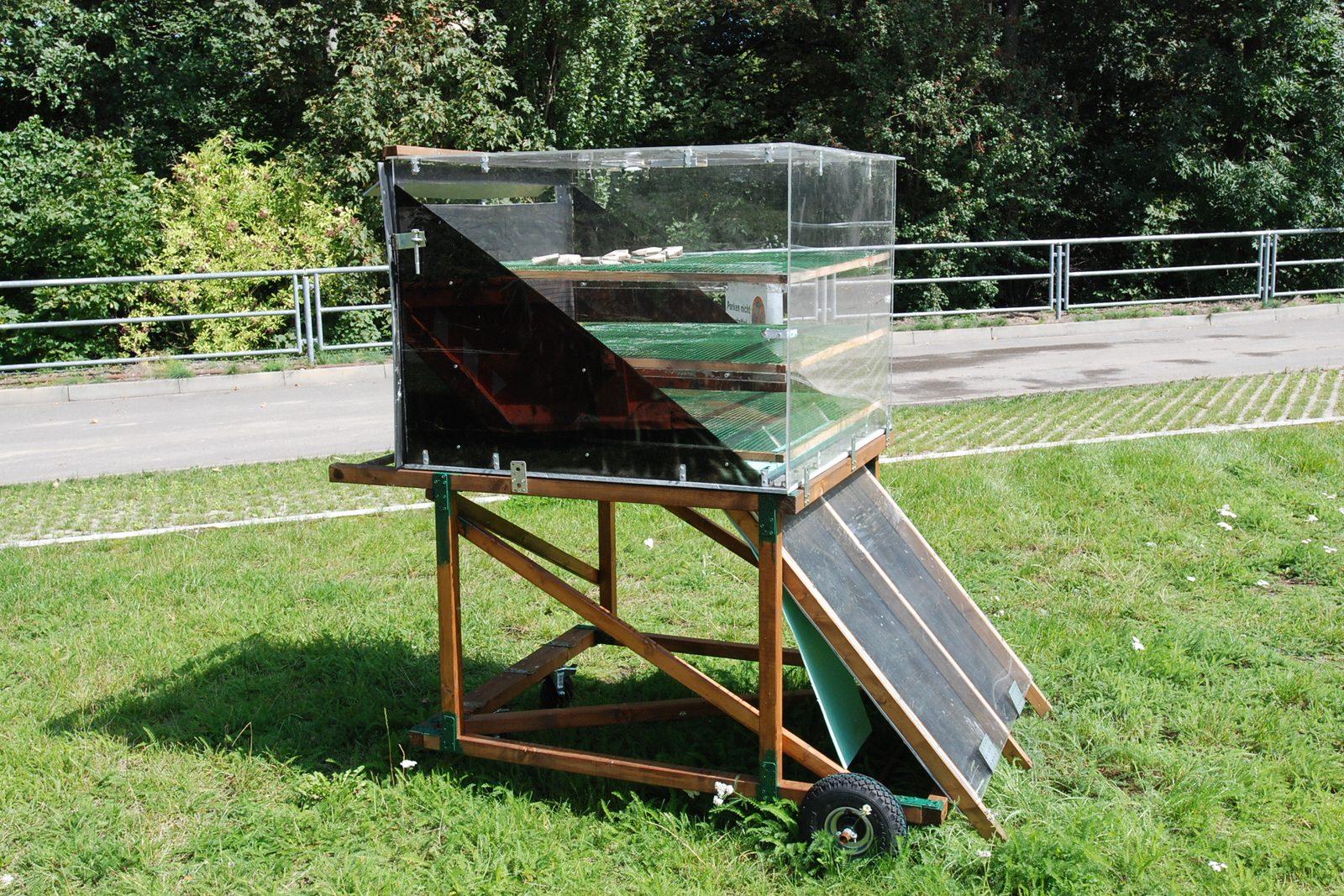
Solar-Assisted Drying Systems
View Product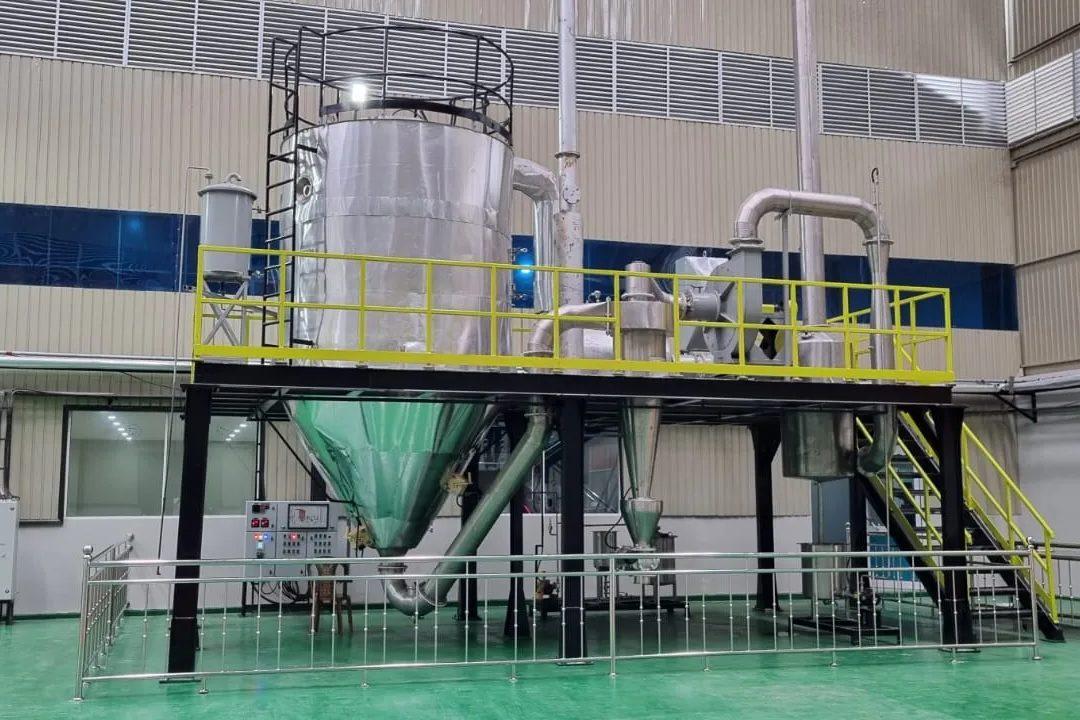 Drying & Dehydration Systems
Spray Dryer
View Product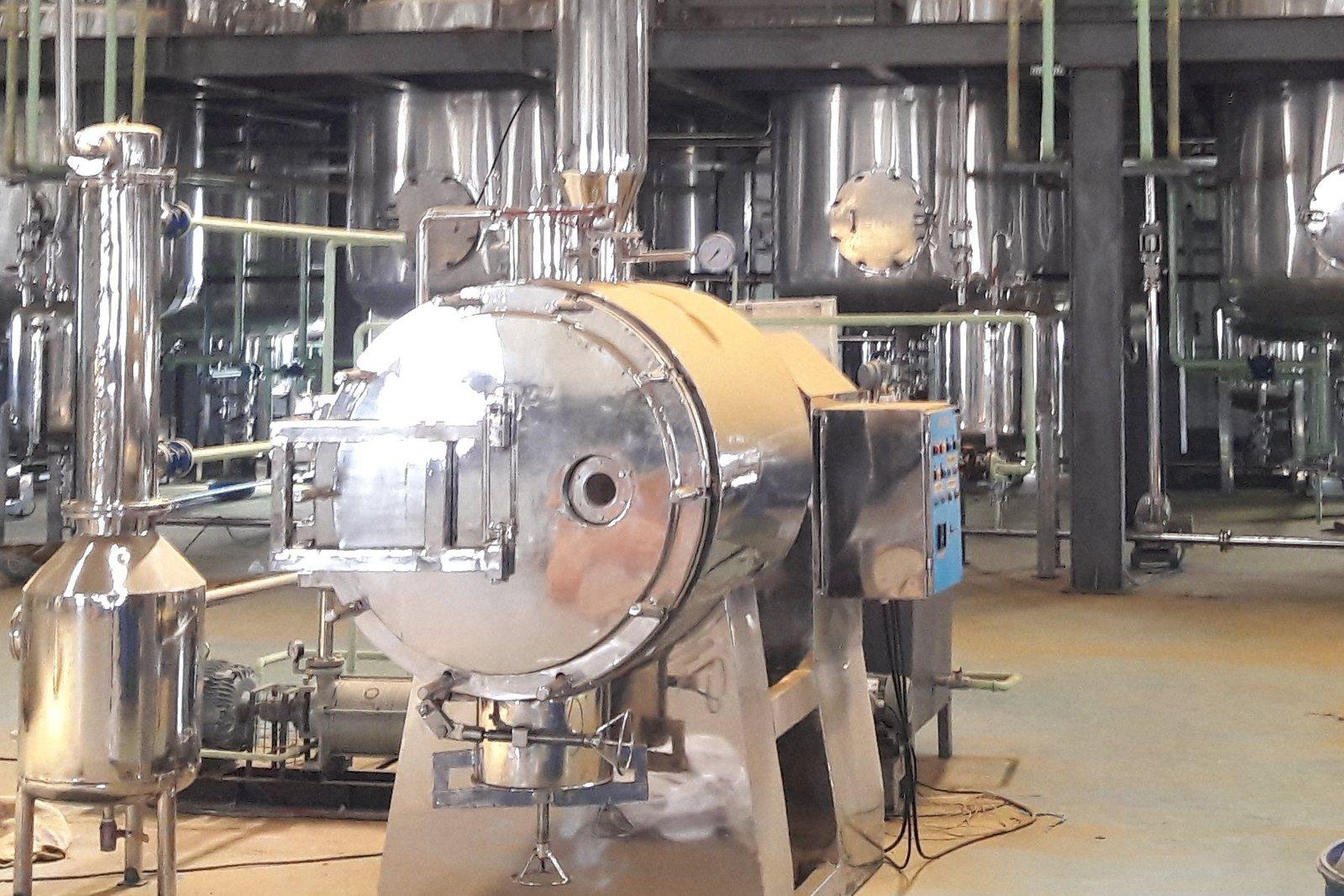 Cereals, Tubers & Sugar Processing
Rice Parboiling & Drying Plants
View Product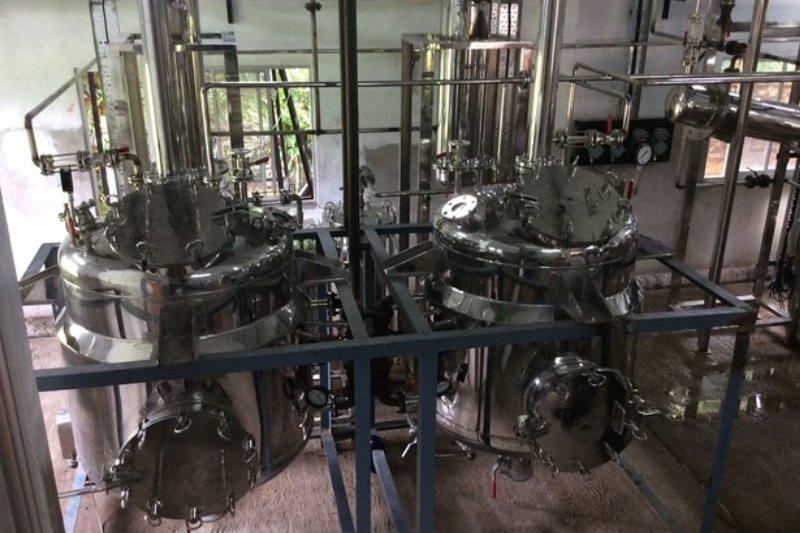 Specialty African Botanical & Natural Ingredients
Seaweed Extraction & Drying Plants
View Product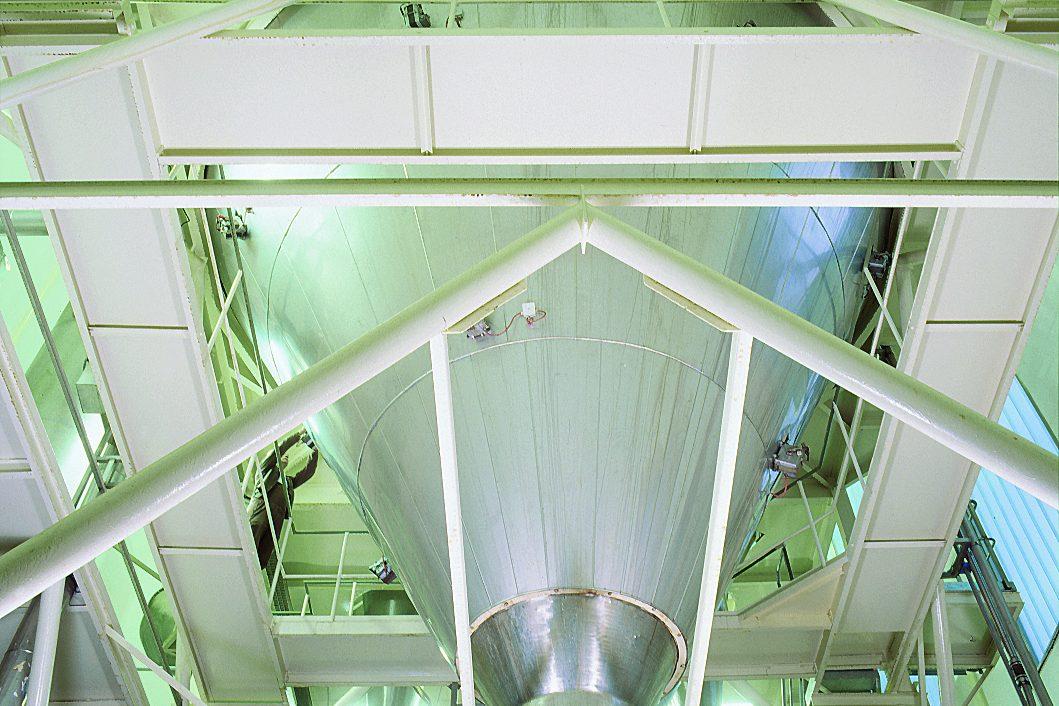 Specialty Food, Beverage & By-Product Processing
Dairy Evaporation & Spray Drying Plants
View Product
More Plants and Equipment, by Category
The other 59 products of the 73-product catalogue, by category. A product that is not listed for São Tomé and Príncipe is not ruled out: tell us your raw material and target product. Request a technical proposal
Herbal, Botanical & Nutraceutical Extraction (9)
Category guide
Herbal Extraction Plants
View Product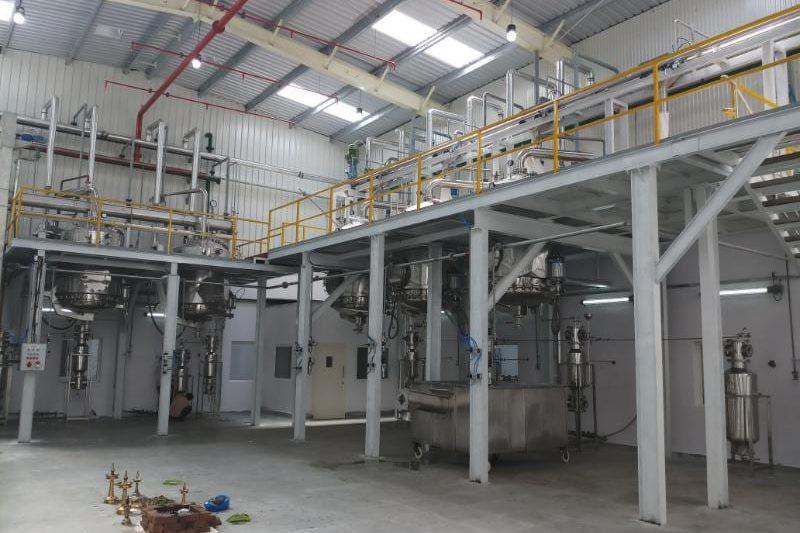
Turnkey Multi-Herbal Extraction Plants
View Product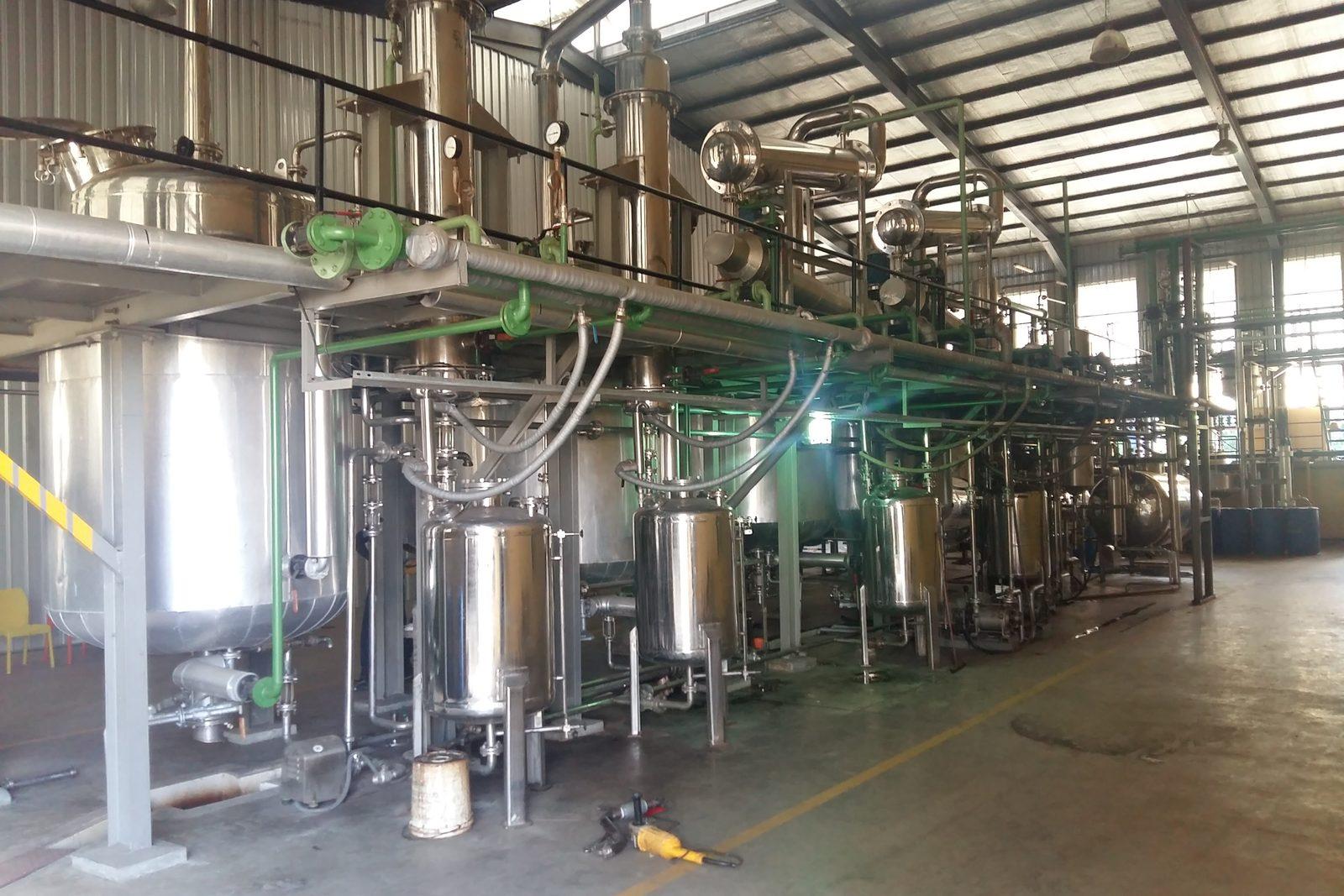
Nutraceutical & Botanical Extraction Plants
View Product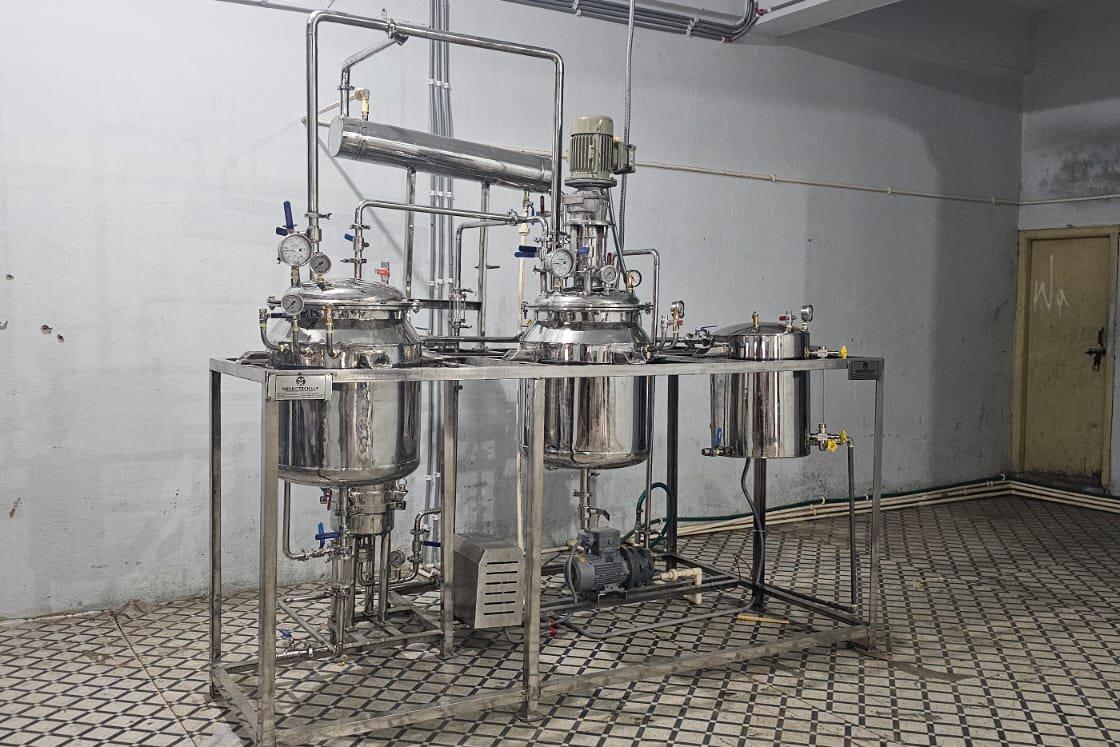
Pharmaceutical Extraction Plants
View Product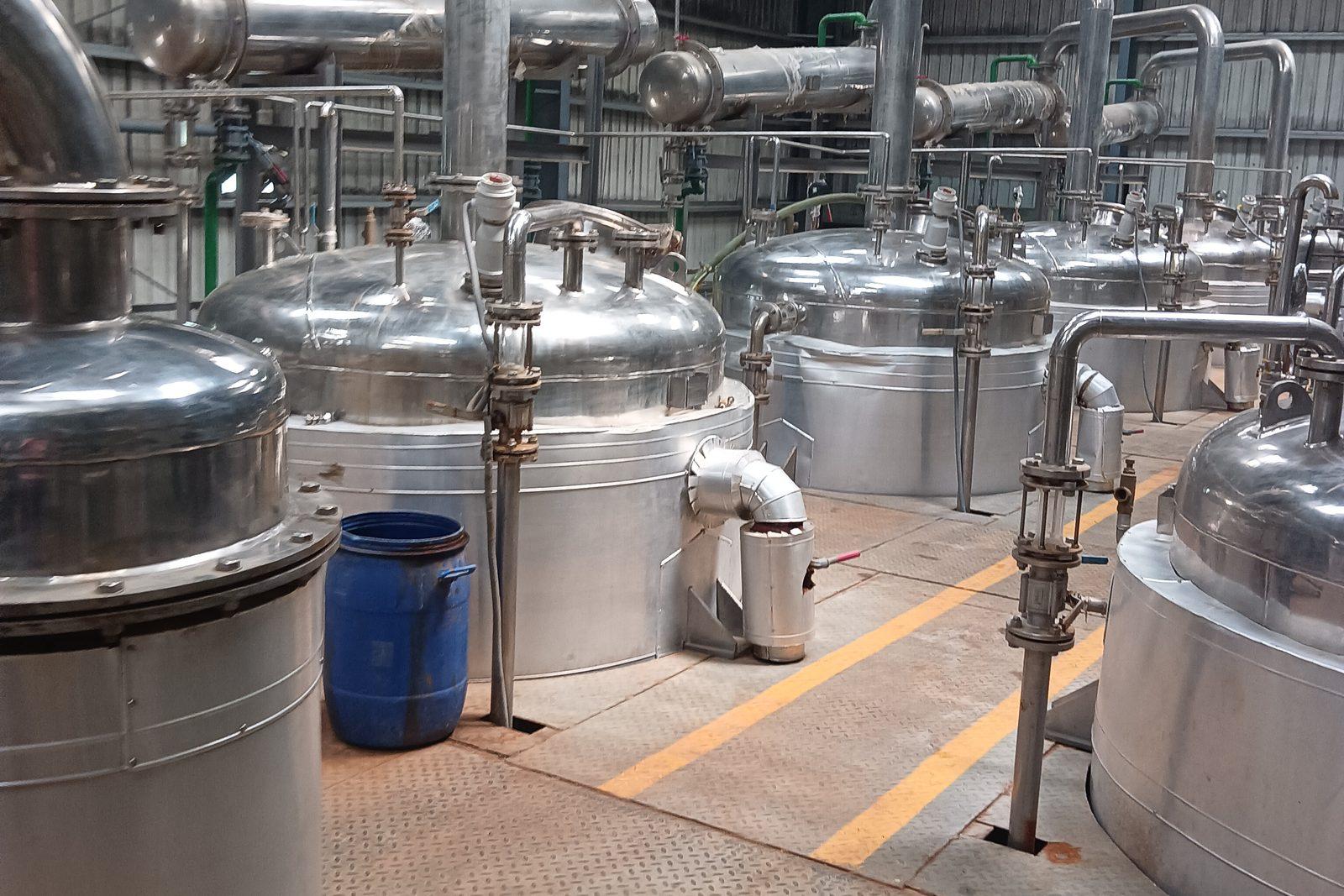
Curcumin Extraction Plant
View Product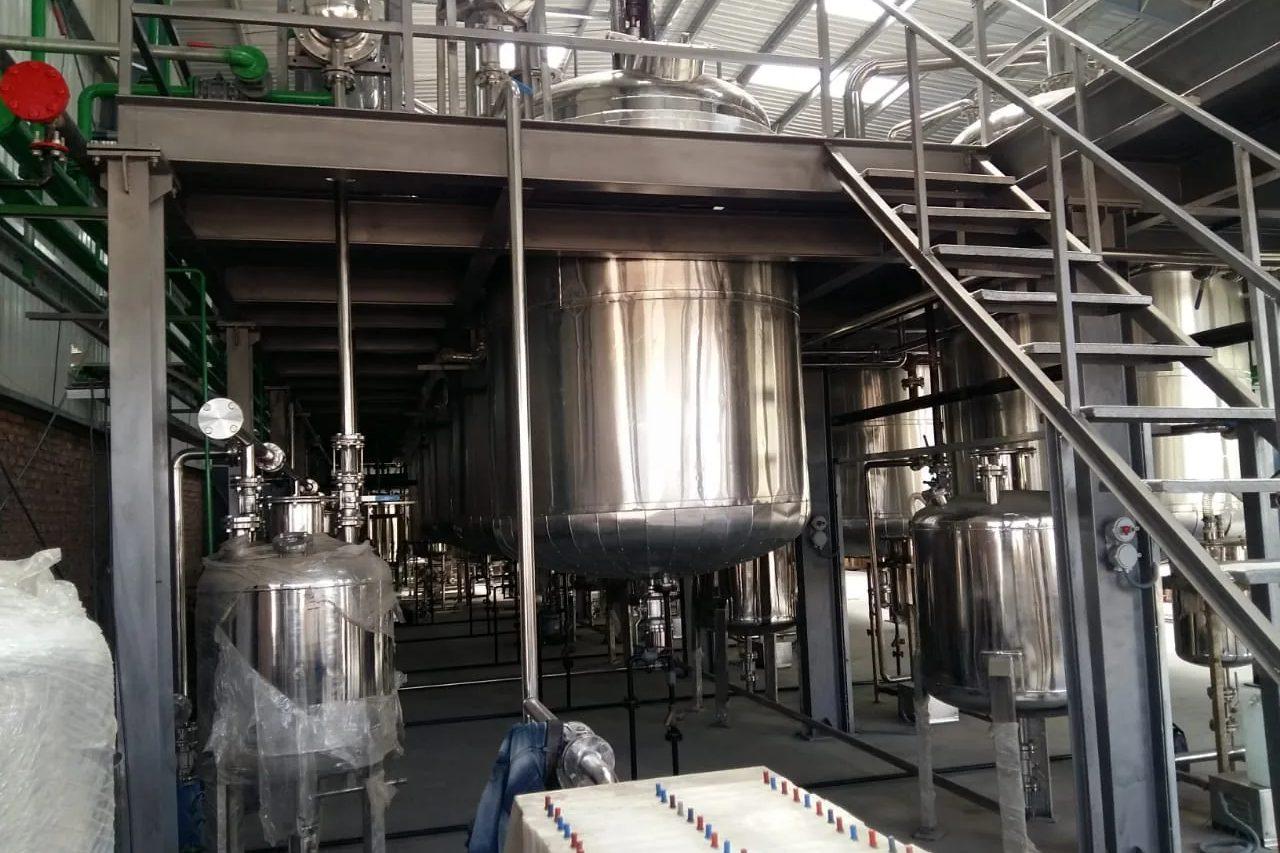
Ginger Extraction Plant
View Product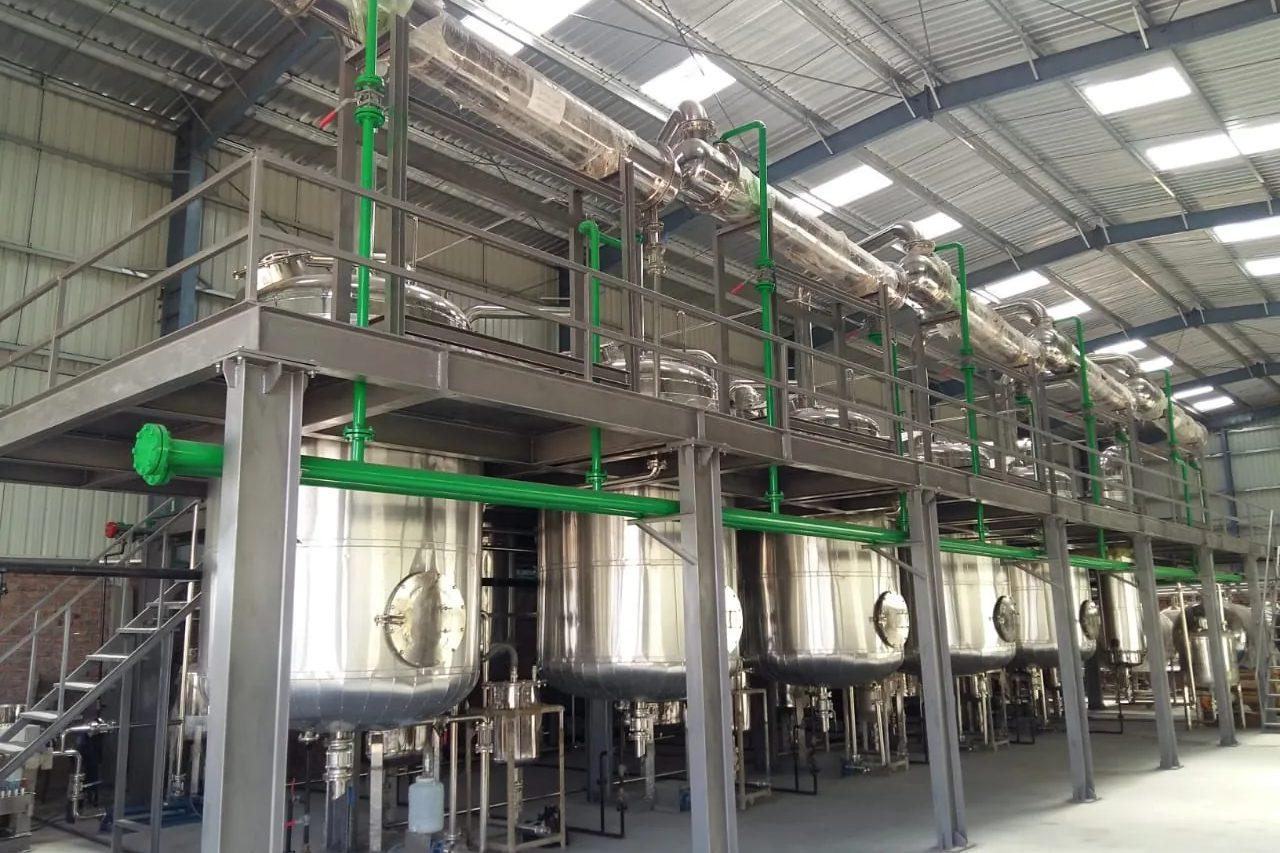
Hibiscus Extraction Plant
View Product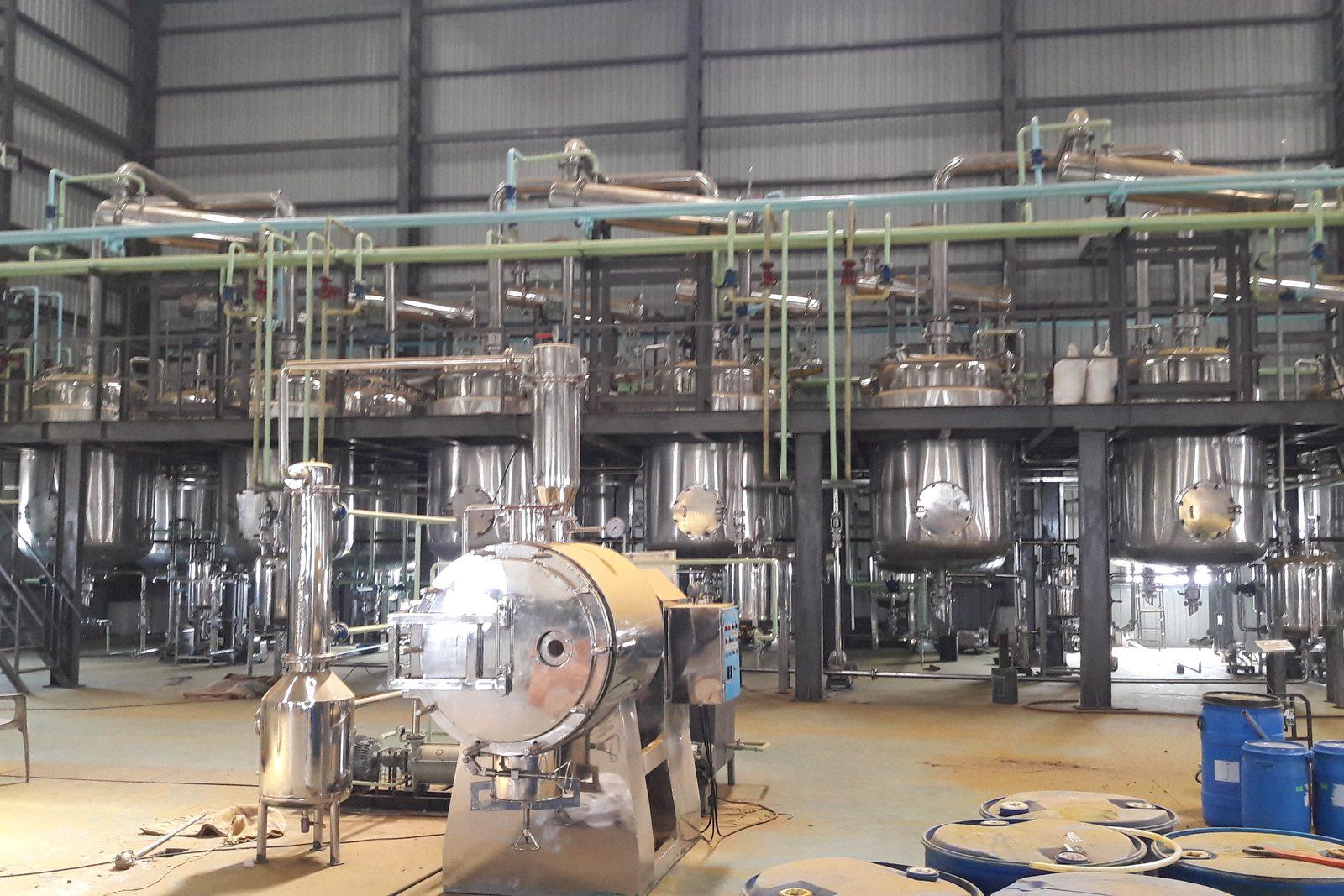
Moringa Extraction Plant
View Product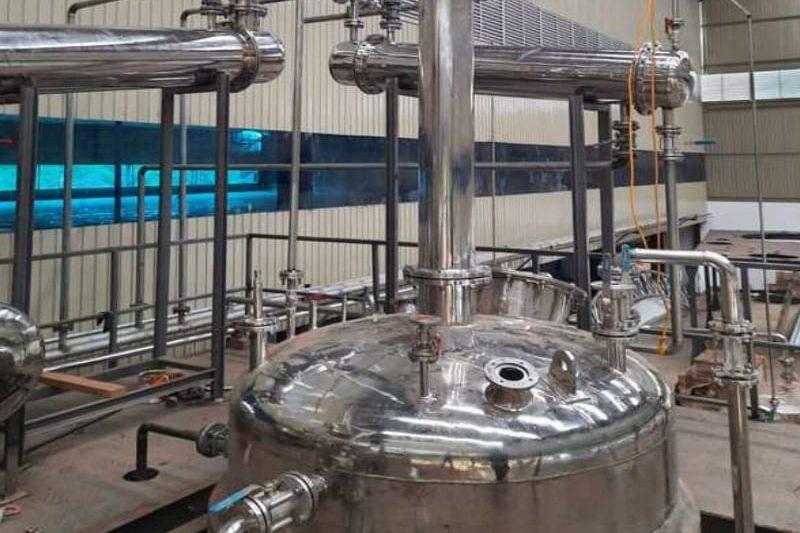
Advanced Botanical Extraction Systems
View Product
Essential Oils, Spices & Oleoresins (5)
Category guide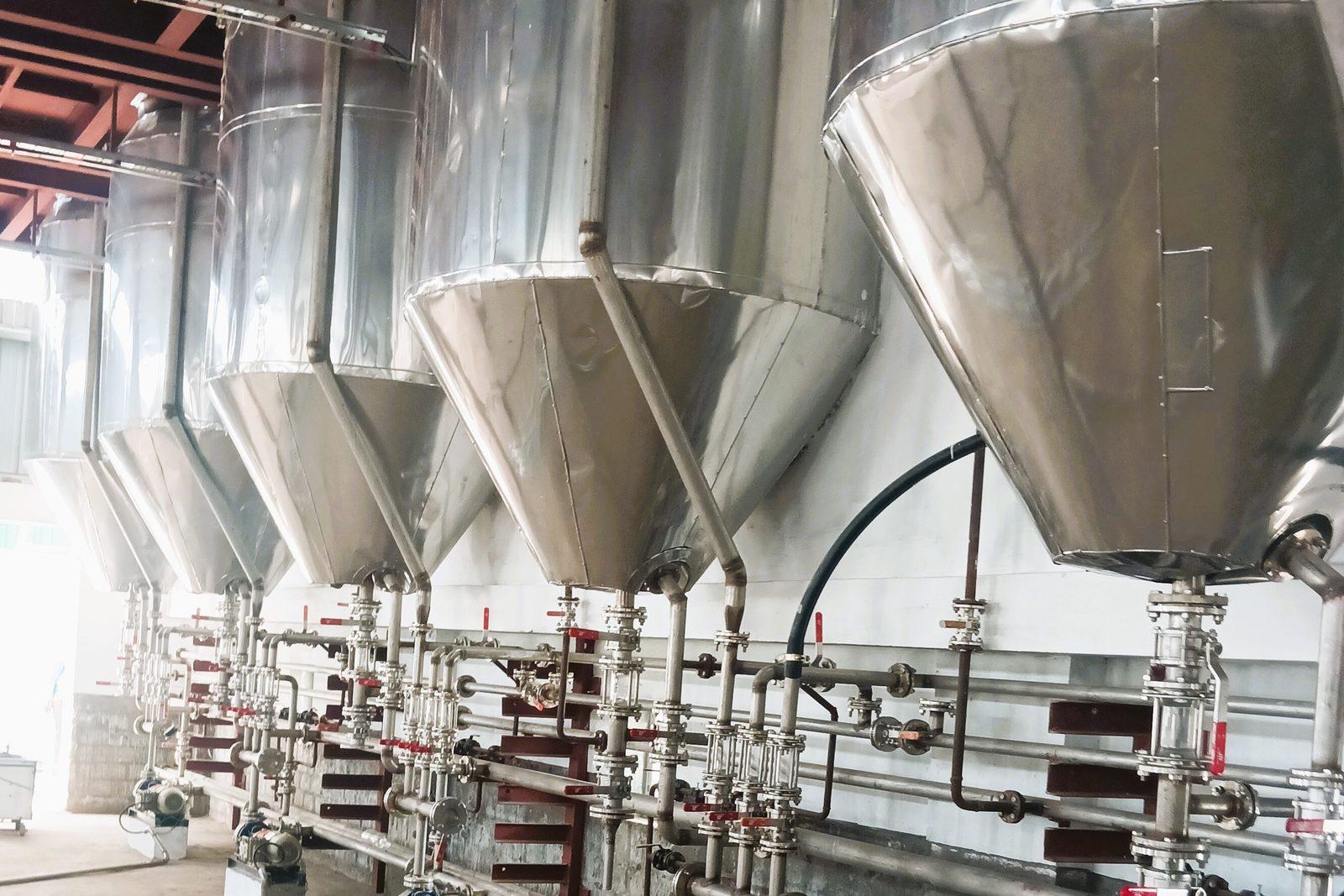
Fruit & Vegetable Processing (6)
Category guide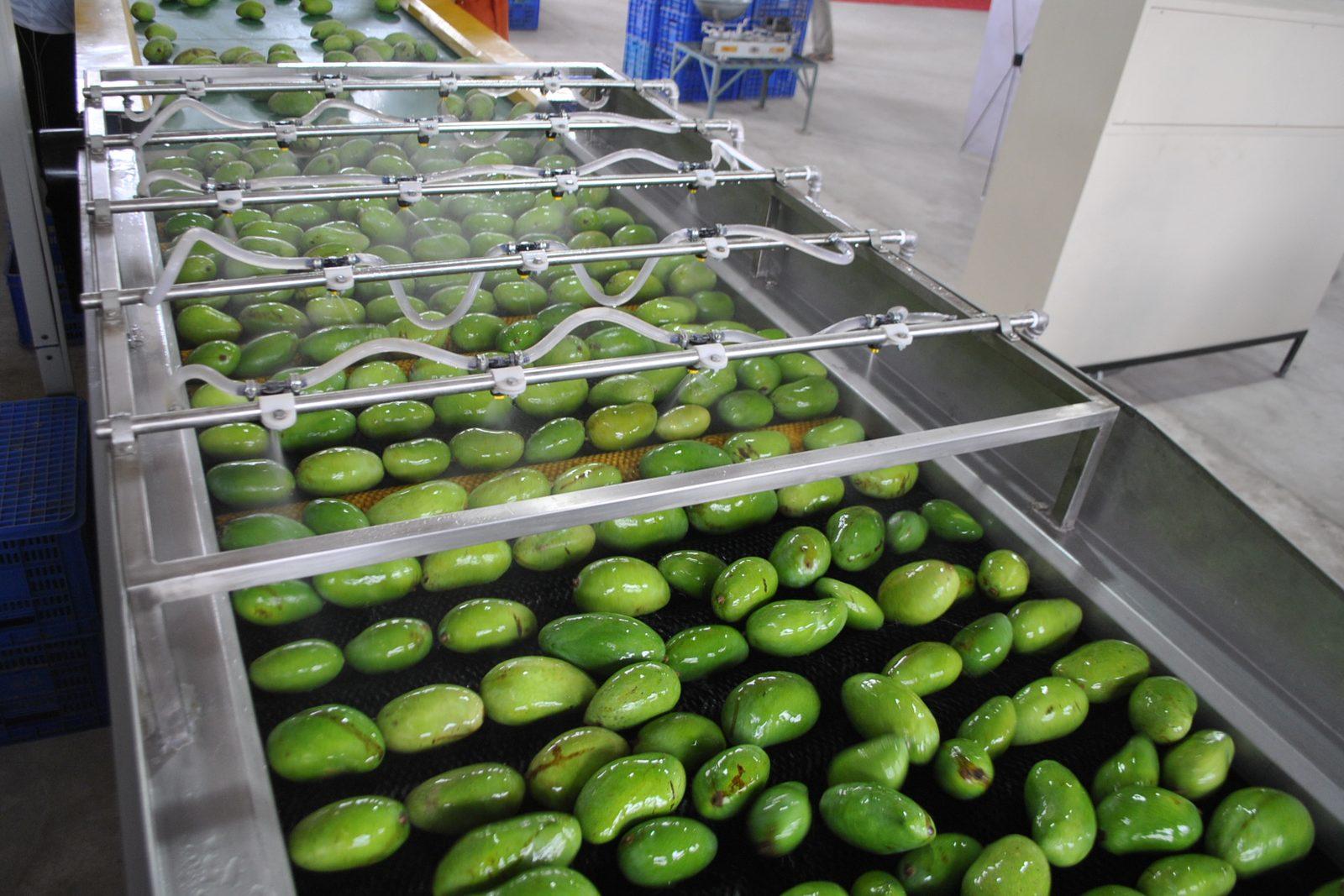
Starch, Flour, Edible Oil & Food Processing (7)
Category guide
Cassava Starch Processing Plants
View Product
Cassava Flour Processing Plants
View Product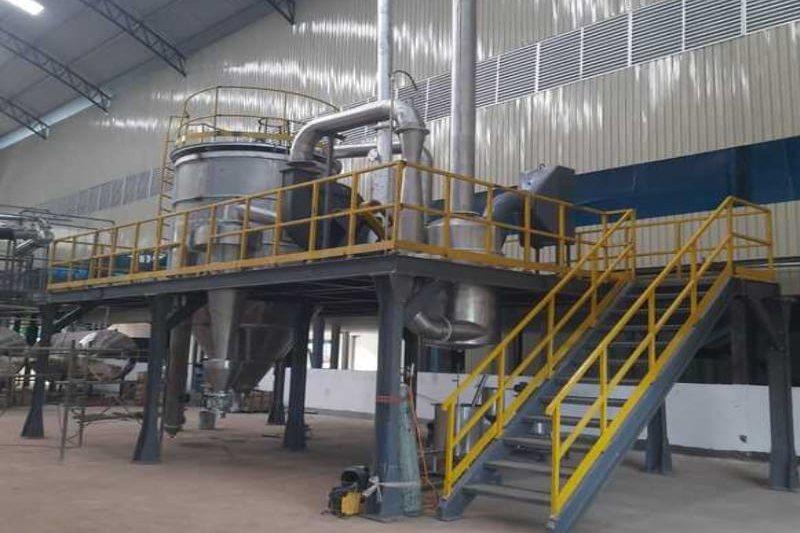
Sunflower Oil Processing Plants
View Product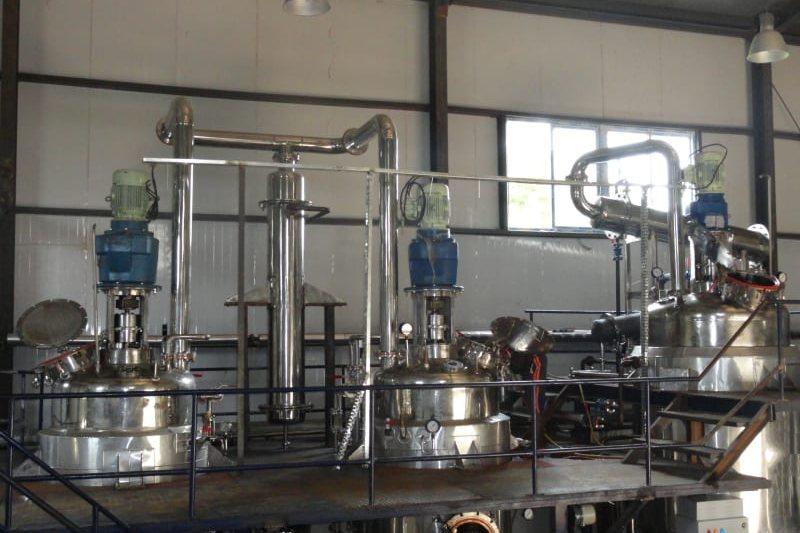
Groundnut Oil Processing Plants
View Product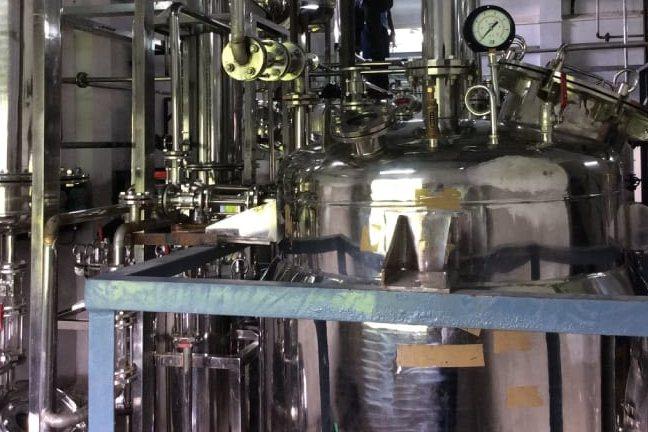
Peanut Butter Processing Plants
View Product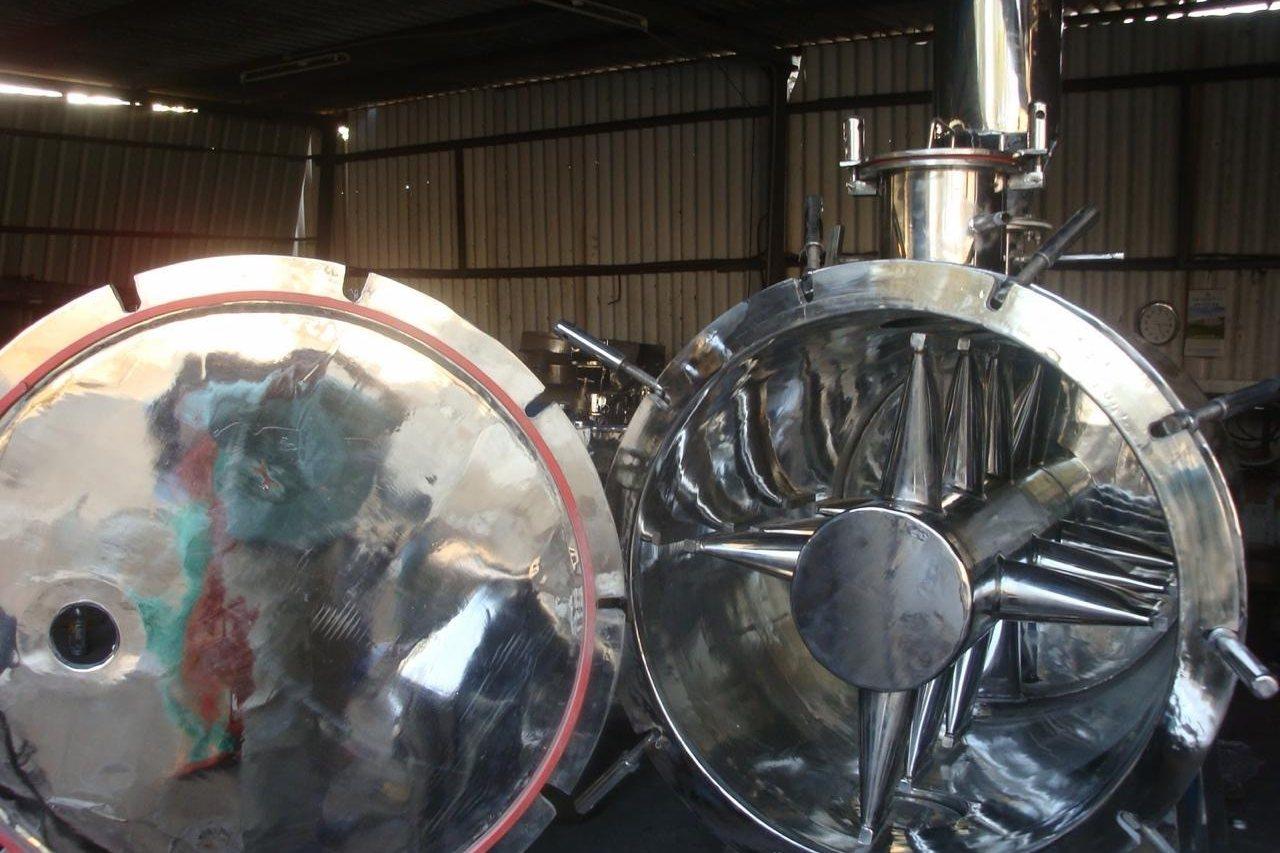
Coffee Processing Plants
View Product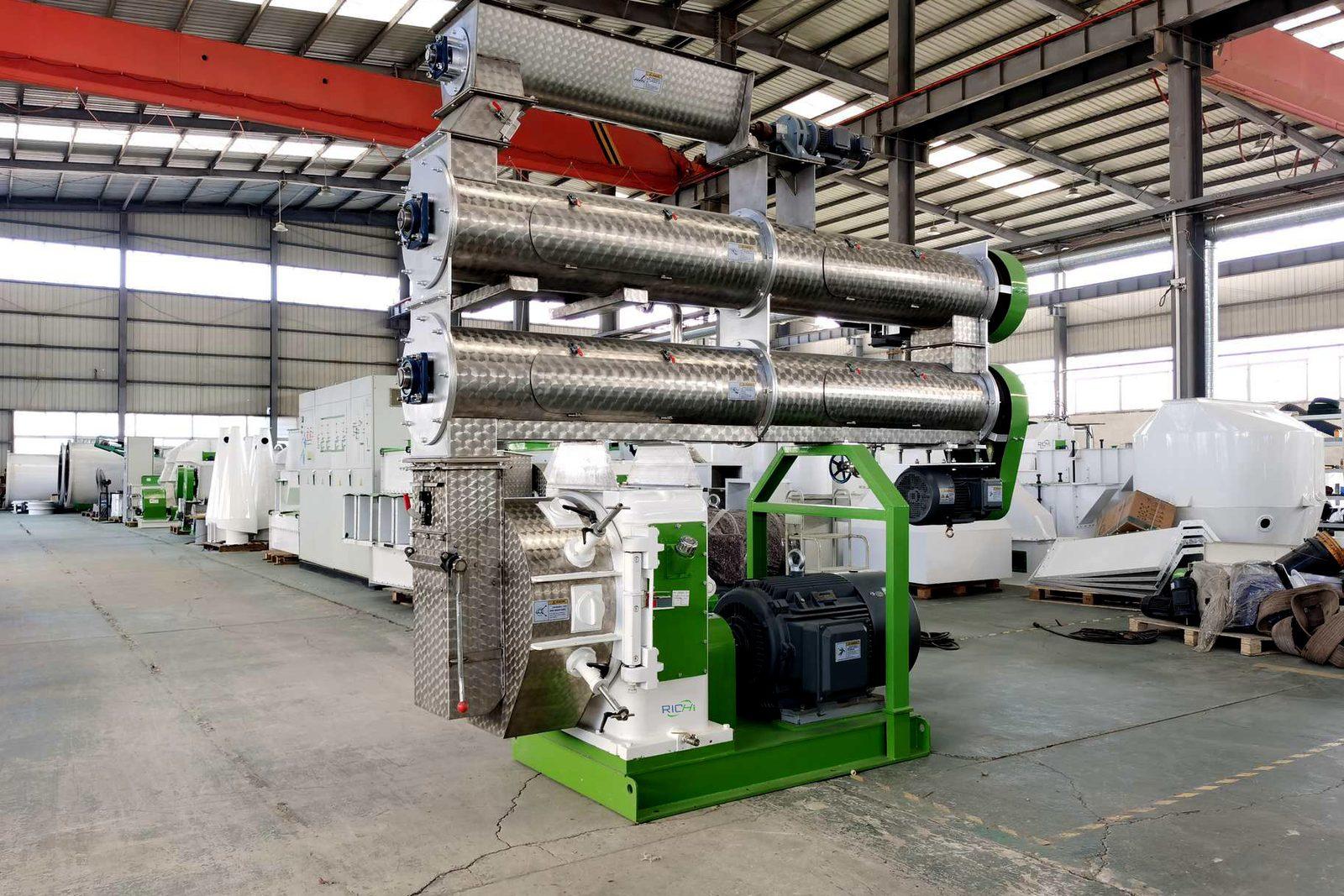
Animal Feed Plant Enquiry (Poultry, Cattle & Aqua Feed)
View Product
Evaporation, Concentration & Solvent Recovery (4)
Category guide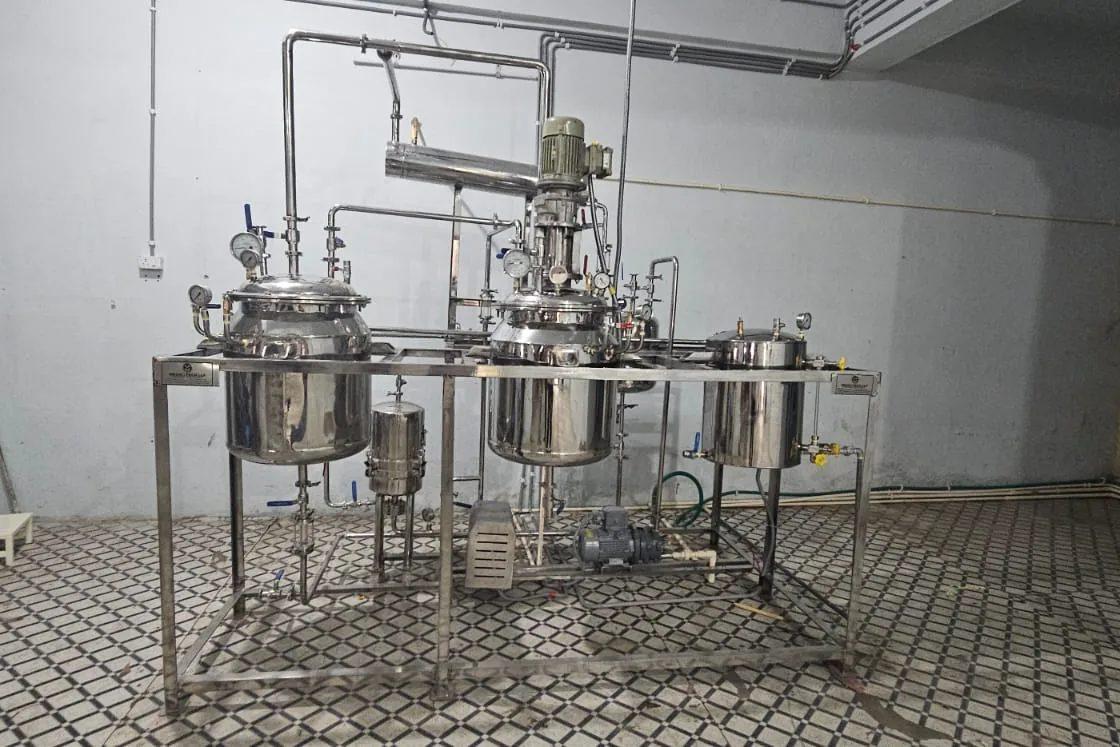
Pharmaceutical & Industrial Process Equipment (4)
Category guide
Cocoa, Shea, Palm Oil & Oilseed Processing (5)
Category guide
Cereals, Tubers & Sugar Processing (5)
Category guide
Specialty African Botanical & Natural Ingredients (9)
Category guide
Baobab Processing & Extraction Plants
View Product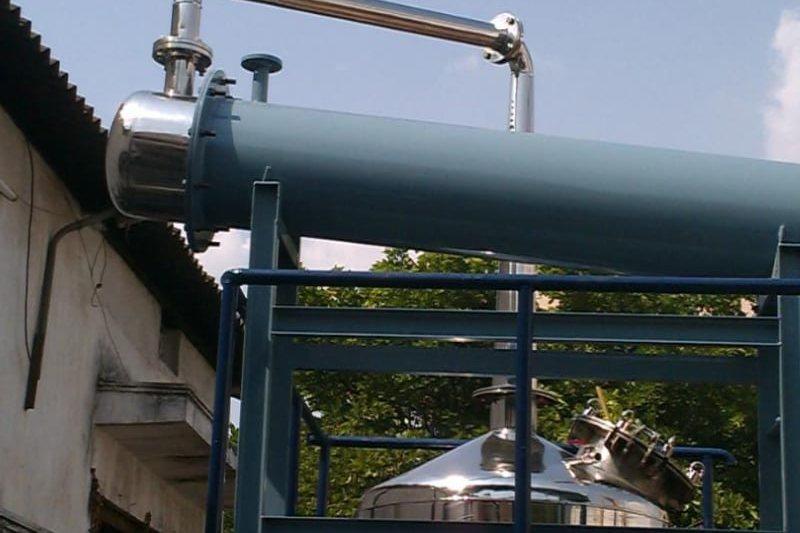
Aloe Vera
View Product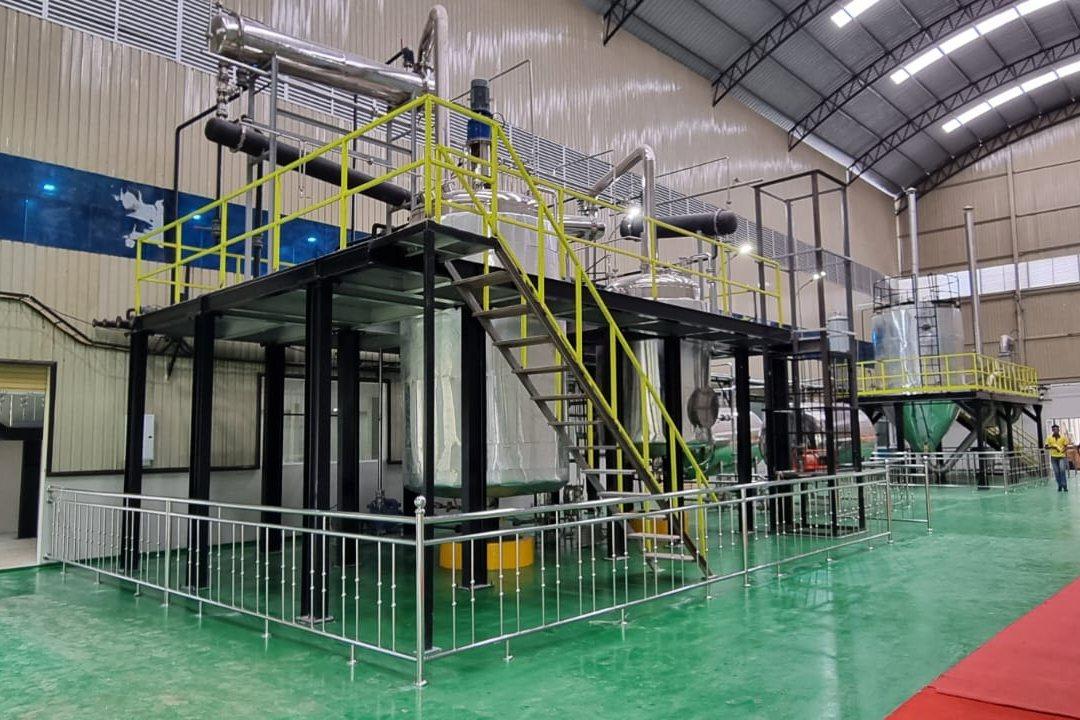
Gum Arabic Processing Plant
View Product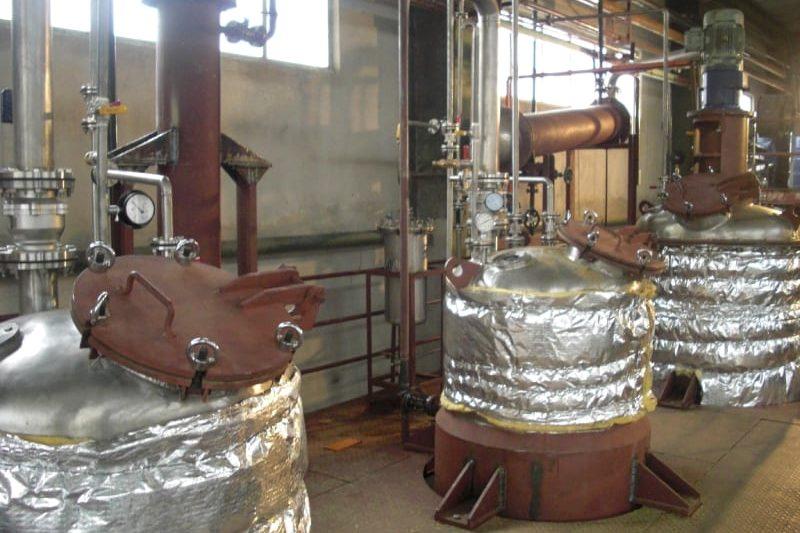
Natural Colour Extraction Plants
View Product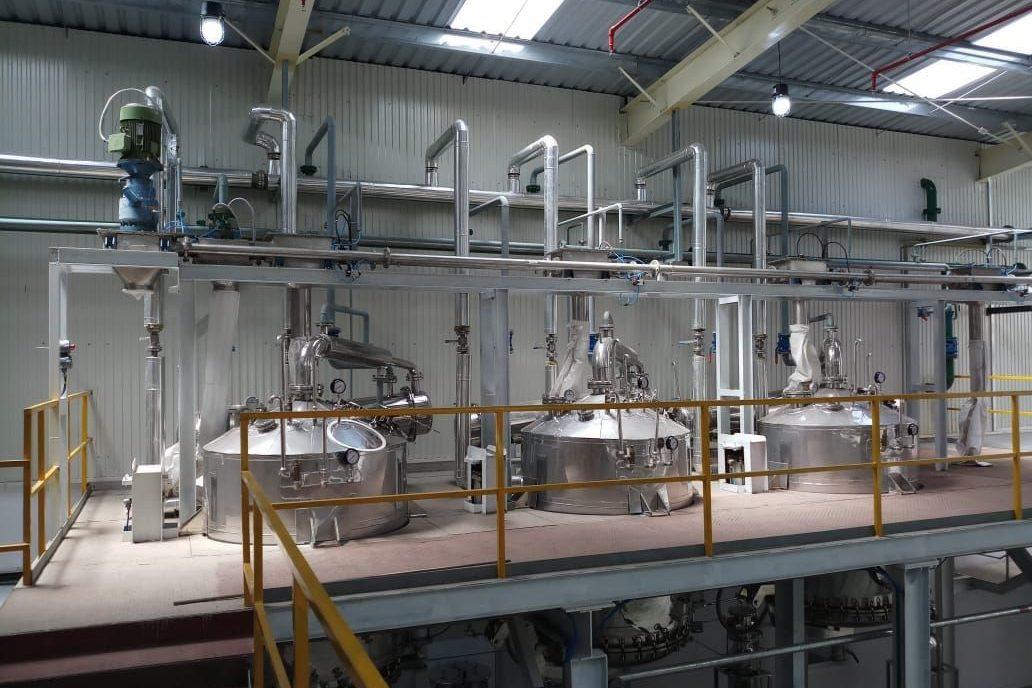
Vanilla
View Product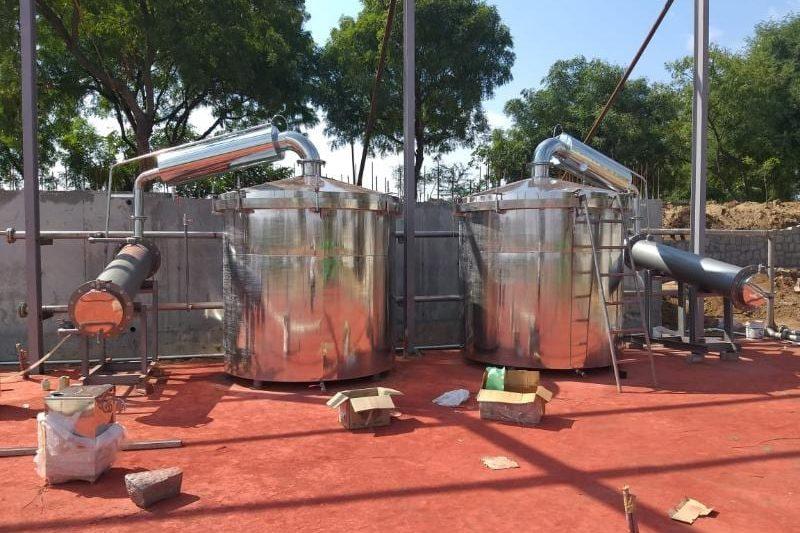
Clove Buds
View Product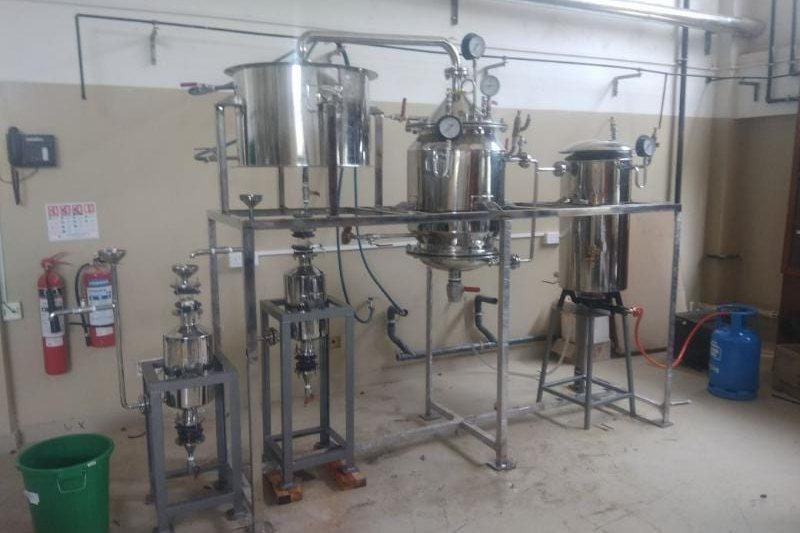
Argan Oil Processing Plants
View Product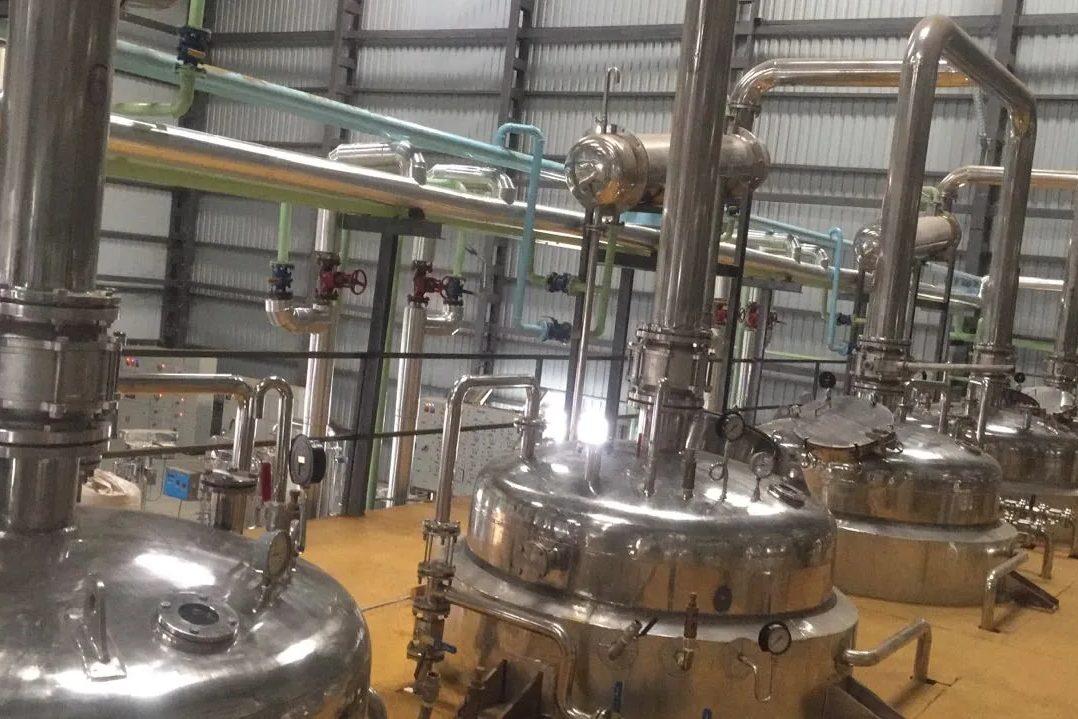
Olive Leaf Extract Powder
View Product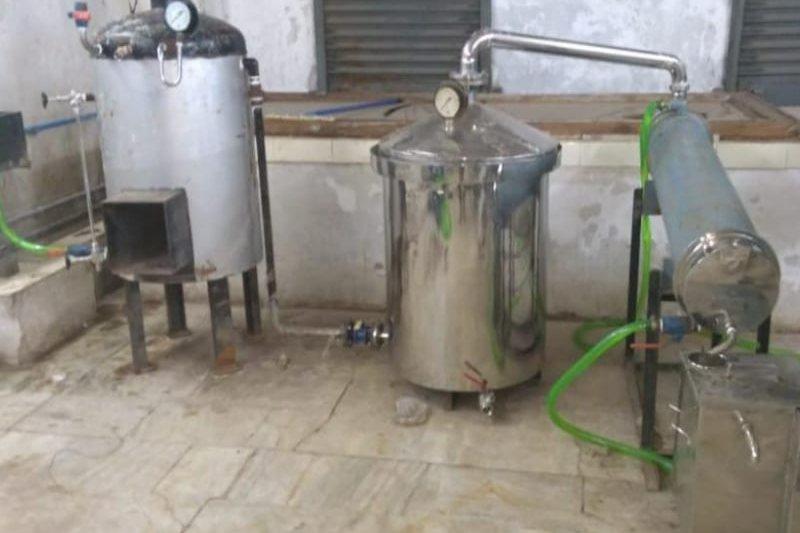
Frankincense Extraction Plant
View Product
Specialty Food, Beverage & By-Product Processing (5)
Category guide
What to Settle Before You Ask for a Proposal
Island shipping and handling
Equipment has to cross open water, and the two main islands lie some distance apart, so a plant on the smaller island, Príncipe, may need a further sea or air leg; check module size, weight and lifting equipment on arrival carefully.
Very small domestic scale
As a small island state, local volumes are limited, so compact batch-type equipment is more realistic than continuous plants, and a project should be sized to the crop one producer group or enterprise can supply reliably.
Humidity, salt air and spares
Warm, damp, salty air speeds up corrosion, and spare parts take time to reach an island, so choose suitable materials, cover process areas and keep critical spares and a maintenance routine on site from the start.
Industries to read next
Agro & Food Processing Solutions
Cocoa, coconut and tropical fruit offer small-scale food-processing opportunities, and the mapped cocoa, coconut and juice products suit compact enterprises serving the islands and export buyers.
Read the industry pageIndustrial Drying & Dehydration Solutions
A hot, humid climate makes sun drying difficult in wet periods, so enclosed hot-air and solar-assisted dryers support cocoa beans, coffee and fruit and keep quality more consistent through the year.
Read the industry pageEssential Oil & Oleoresin Solutions
Steam distillation recovers oil from fragrant plants and could interest producers of aromatic plant oils if a survey confirms a reliable crop, though this remains an option for later study.
Read the industry page
From Enquiry to a Running Plant
Enquiries for São Tomé and Príncipe Projects
Kadali Africa Ventures Limited, Accra
421, University Road
Sowutuom
Accra, Ghana
Questions About Plants for São Tomé and Príncipe
What cocoa equipment would a small producer group in São Tomé and Príncipe need?
After fermenting and drying beans, a group can add cleaning, roasting, winnowing, grinding and pressing to make liquor, butter and cake or powder. Batch-scale equipment is usually the practical choice at this scale, and a proposal can size it to the beans you can supply.
Is coconut processing practical on a small island like São Tomé?
It can be, using a compact line to press oil from copra or to extract milk and oil from fresh kernel. Success depends on a steady nut supply, reliable power and a market for the products, which a proposal discussion can review.
How would equipment reach São Tomé and Príncipe?
Plant sections would normally travel by sea or air to the islands, and onward transport to Príncipe needs separate planning. Module size, lifting at the port and insurance for island shipping are worth discussing at the proposal stage.
Does Kadali Africa Ventures have an office in São Tomé and Príncipe?
Kadali Africa Ventures Limited has offices in Accra, Ghana and Kano, Nigeria, and none in São Tomé and Príncipe. Engineering and manufacturing scope for each product is confirmed in the technical proposal.
What should I send for a São Tomé and Príncipe project proposal?
Use the form on this page. Give your raw material, the product you want to make, the capacity and its basis (for example kg per hour or tonnes per day) and your site.
Planning a project in São Tomé and Príncipe?
Send your raw material, target product and capacity. We will come back with the process route and equipment scope for your project.
Tell us about your São Tomé and Príncipe project
Only name, email, phone and industry are required. The more you share about raw material and capacity, the more precise our proposal.