
Sorghum, Millet, Fisheries and Dairy Processing Plants for Eritrea
For Eritrean buyers comparing grain, oilseed, Red Sea fisheries and dairy plants, with drying options for the highlands, western lowlands and coast.
- 10 products in 5 categories, listed for Eritrea
- Engineering and manufacturing scope confirmed in the technical proposal
Kadali Africa Ventures Limited has offices in Accra, Ghana and Kano, Nigeria, and no office in Eritrea; enquiries from Eritrea are handled from the Accra office.
Highland grains, western lowlands and Red Sea fish
Eritrea lies on the southeastern coast of the Red Sea, with a temperate central plateau, fertile western lowlands and mostly arid coastal areas. That range of conditions gives it a mix of raw materials. Sorghum and millet are among the crops grown, livestock includes sheep, goats, cattle and camels, and the Red Sea supports a wide range of edible fish.
Each of these supports a different processing step. Sorghum and millet need cleaning, decortication, milling and moisture control before they become flour or other food products. Fish processing leaves heads, bones and trimmings from which oil and meal can be recovered, and milk can be evaporated or spray dried into powder where collection is organised. Where sesame seed can be sourced, it is cleaned, dried and pressed for oil, and spices and herbs prepared for sale are dried before grinding.
Likely users are food manufacturers, small mills, cooperatives and fisheries businesses. Solar-assisted drying is worth considering where conditions are dry and sunny, while coastal sites need to allow for salt and humidity. Massawa and Assab are the primary port cities and the natural entry points for equipment arriving by sea.
Products Relevant to Eritrea
10 of the 73 products in the catalogue are listed for Eritrea, in 5 categories: Drying & Dehydration Systems (4), Cocoa, Shea, Palm Oil & Oilseed Processing (1), Cereals, Tubers & Sugar Processing (2), Specialty African Botanical & Natural Ingredients (1), Specialty Food, Beverage & By-Product Processing (2). The plants for Eritrea’s own raw materials come first. A listing is a catalogue listing, not a statement of demand or supply; the final configuration depends on your raw material, target product and capacity.
Sorghum and millet
Sorghum and millet are among the crops grown, so cleaning, decortication, milling and moisture-controlled drying are the main steps for a processor making flour or packaged grain products.
Sesame
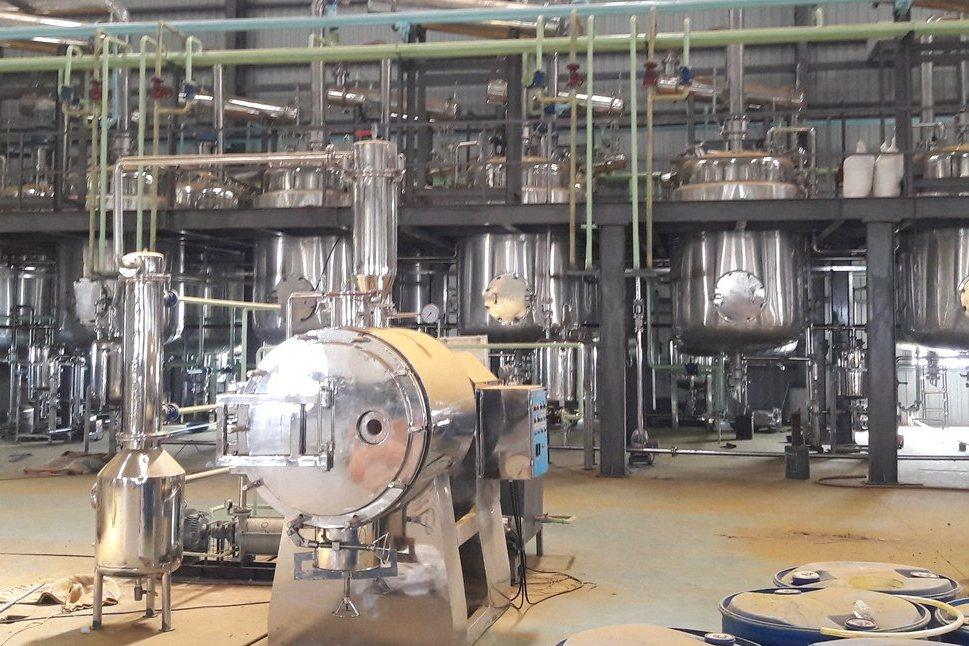
Sesame is an oilseed: the seed is cleaned and dried, then pressed for oil, leaving a cake. Where seed can be sourced, pressing near the growing area avoids moving raw seed away and keeps the oil and cake in the local chain.
Red Sea fish
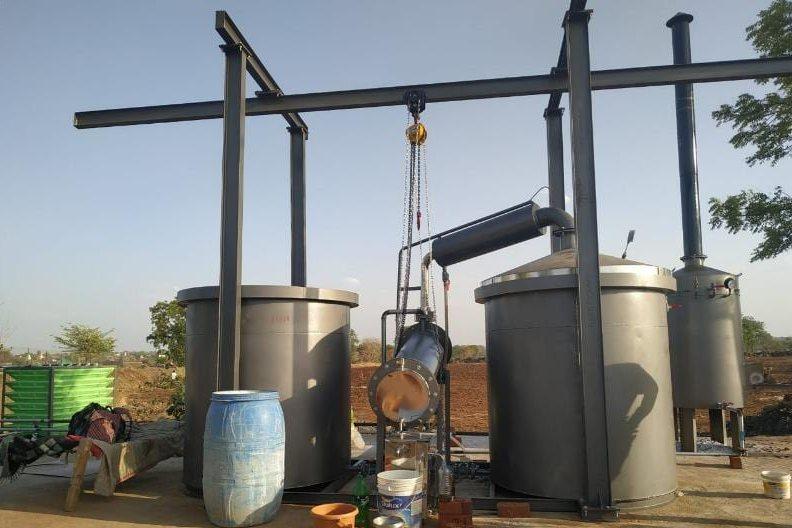
The Red Sea supports a wide range of edible fish, and heads, bones and trimmings can be cooked and pressed to recover oil and meal, giving coastal processors a way to use material that would otherwise be waste.
Milk from cattle and small ruminants
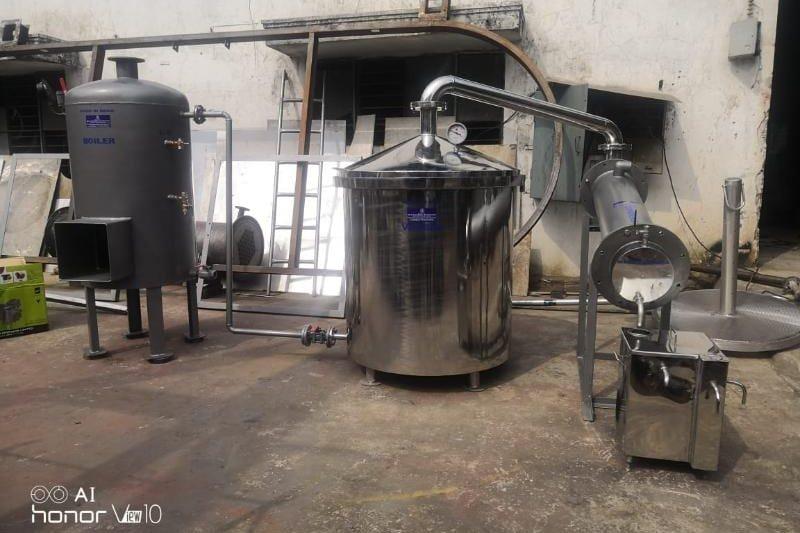
Livestock includes sheep, goats, cattle and camels, and milk from herds spoils rapidly in warm weather; evaporation and spray drying convert it to a powder that stores and travels more easily between the highlands and lowlands.
 For Milk from cattle and small ruminants
Dairy Evaporation & Spray Drying Plants
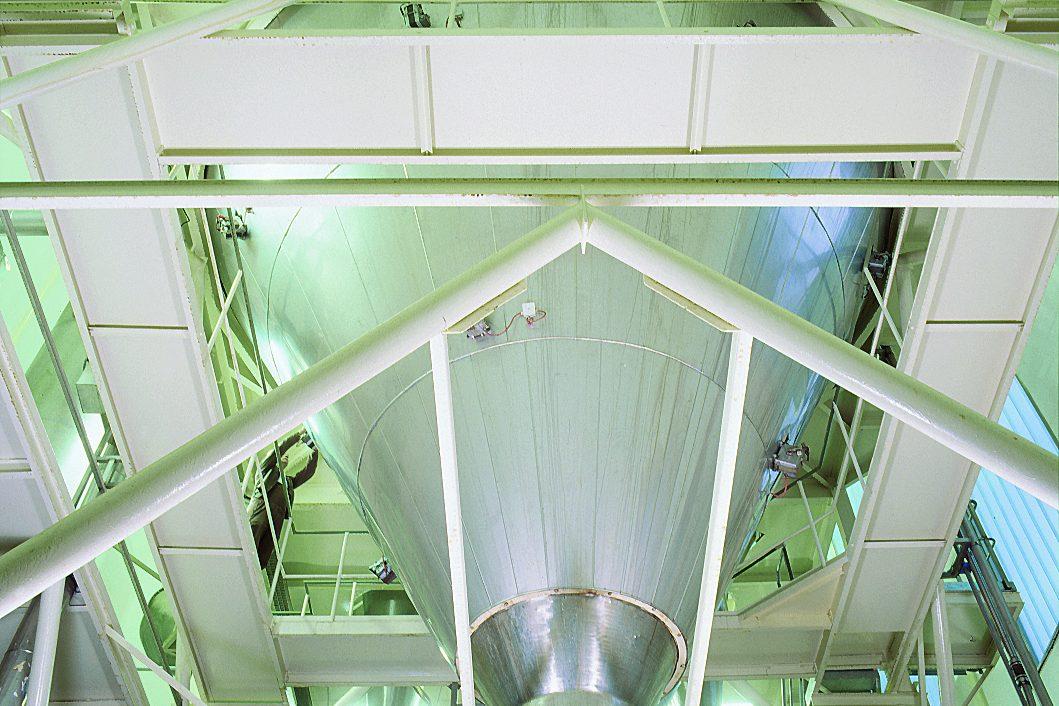
A dairy evaporation and spray drying plant turns fresh milk into concentrate or milk powder by heat treatment, vacuum evaporation and spray drying, with cooling and packing at each end.
View Product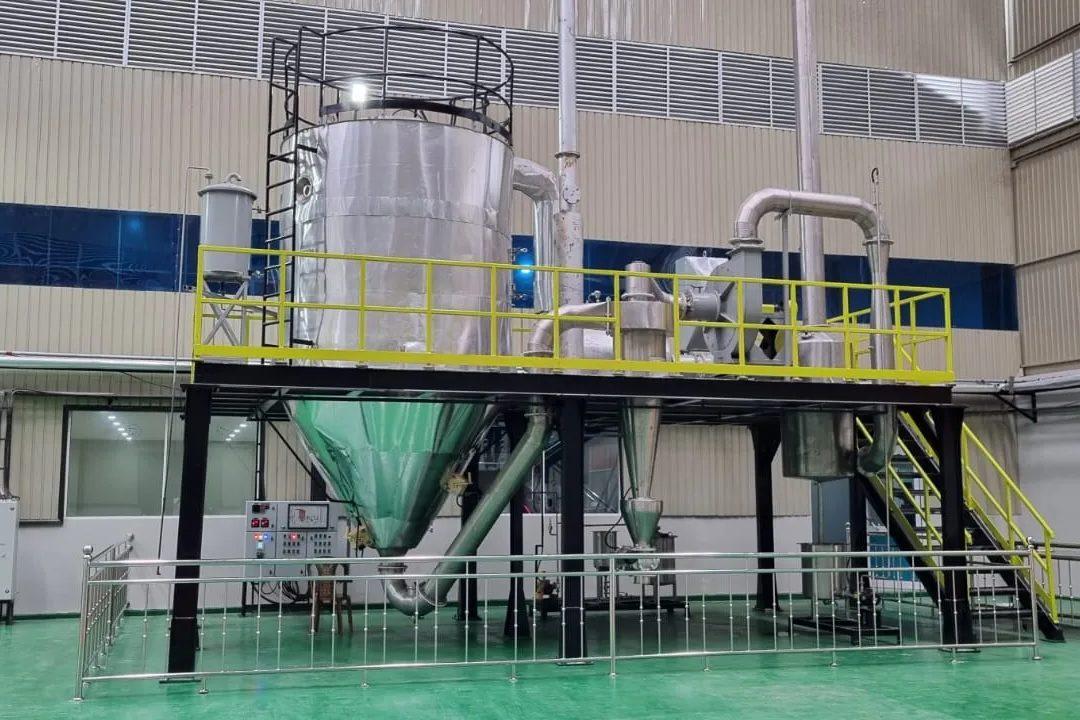 For Milk from cattle and small ruminants
Spray Dryer
Spray dryer plant for processors turning extracts, juice concentrates or slurries into powder. Settle feed, heat limits, carrier and powder spec first.
View Product
Spices and dried herbs
Where condiment spices and herbs are prepared for sale, controlled drying before grinding protects colour and aroma in a way that open-air drying cannot always secure.
 For Spices and dried herbs
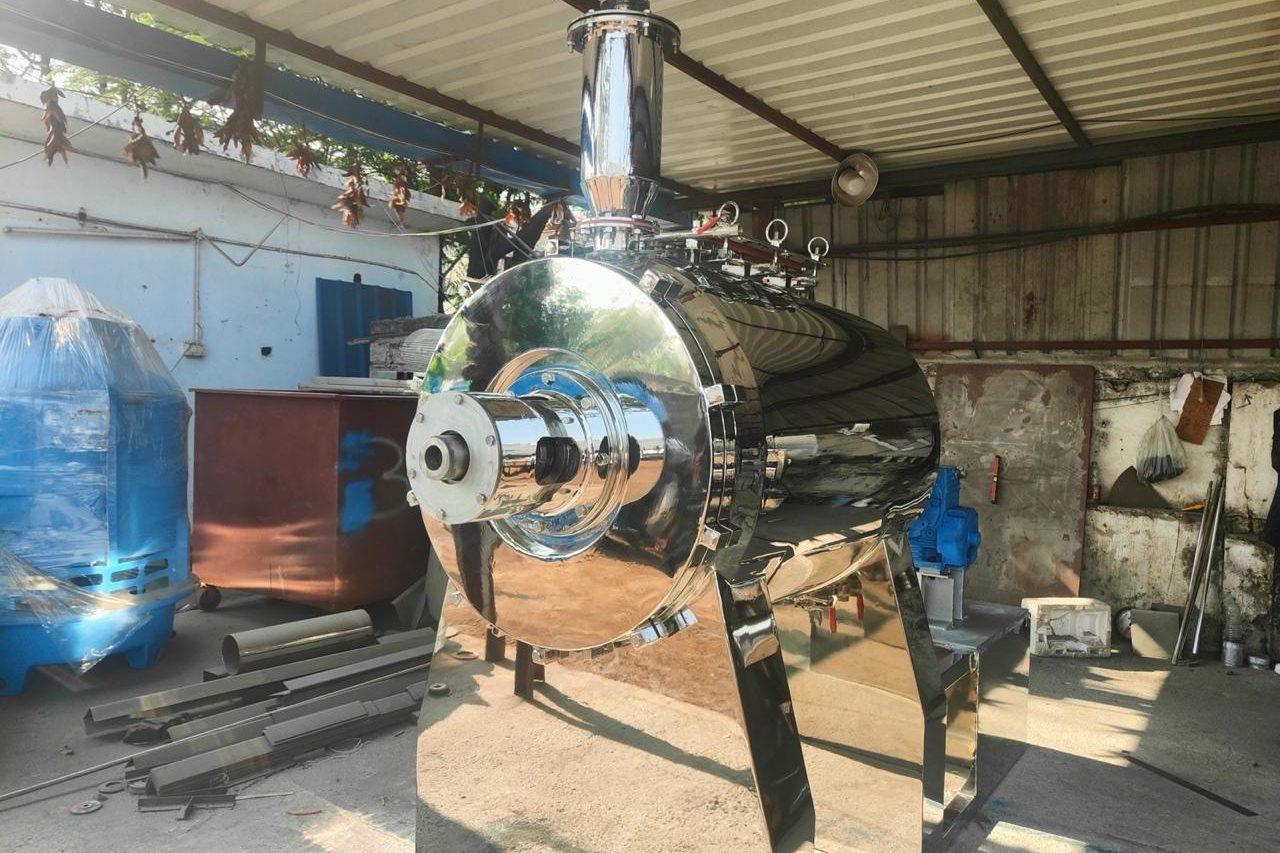
Spice & Herbal Drying Plants
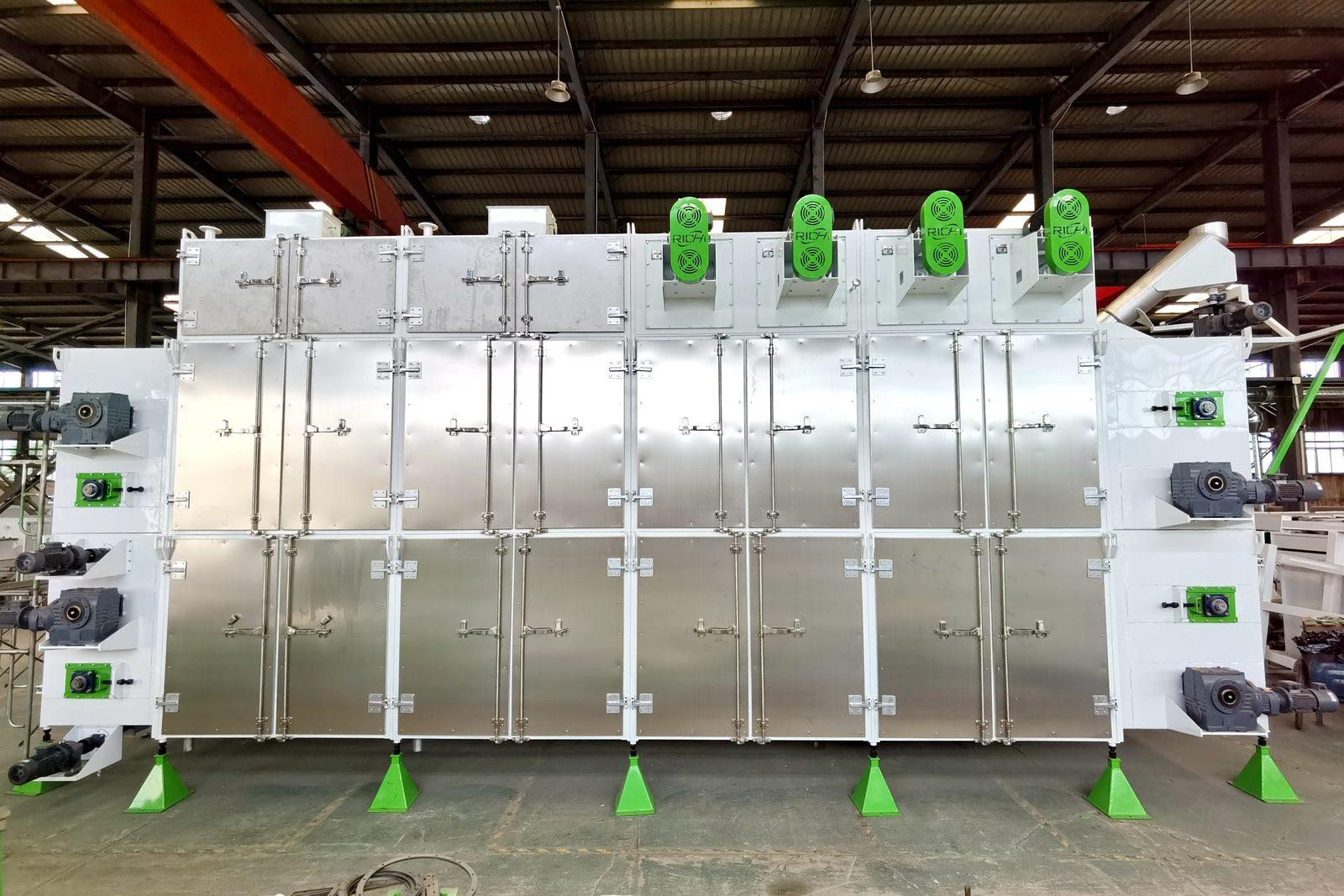
A spice and herb drying plant removes water from leaf, flower, root, seed and fruit under controlled temperature and airflow, so colour, aroma and drying time are managed instead of left to the weather.
View Product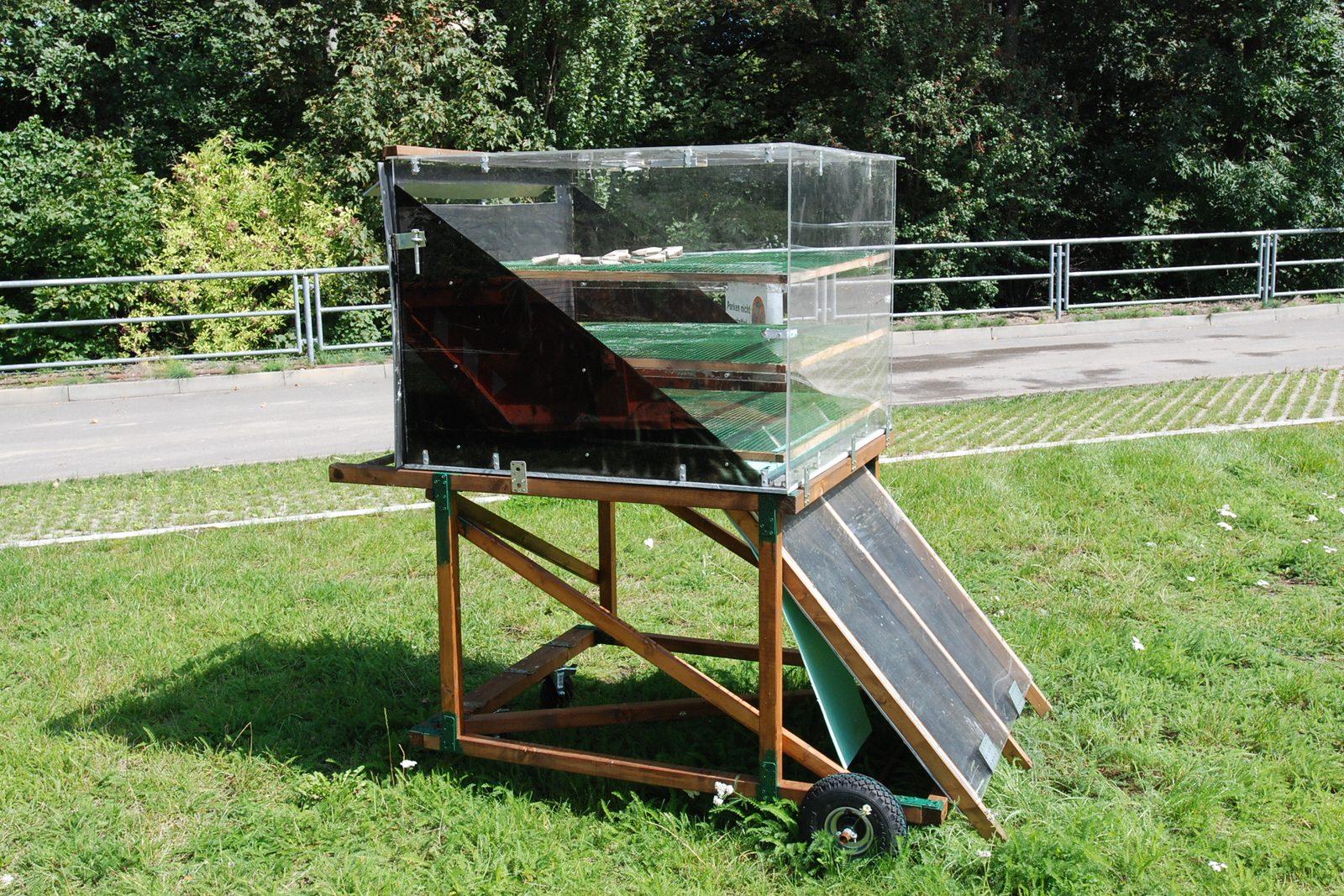 For Spices and dried herbs
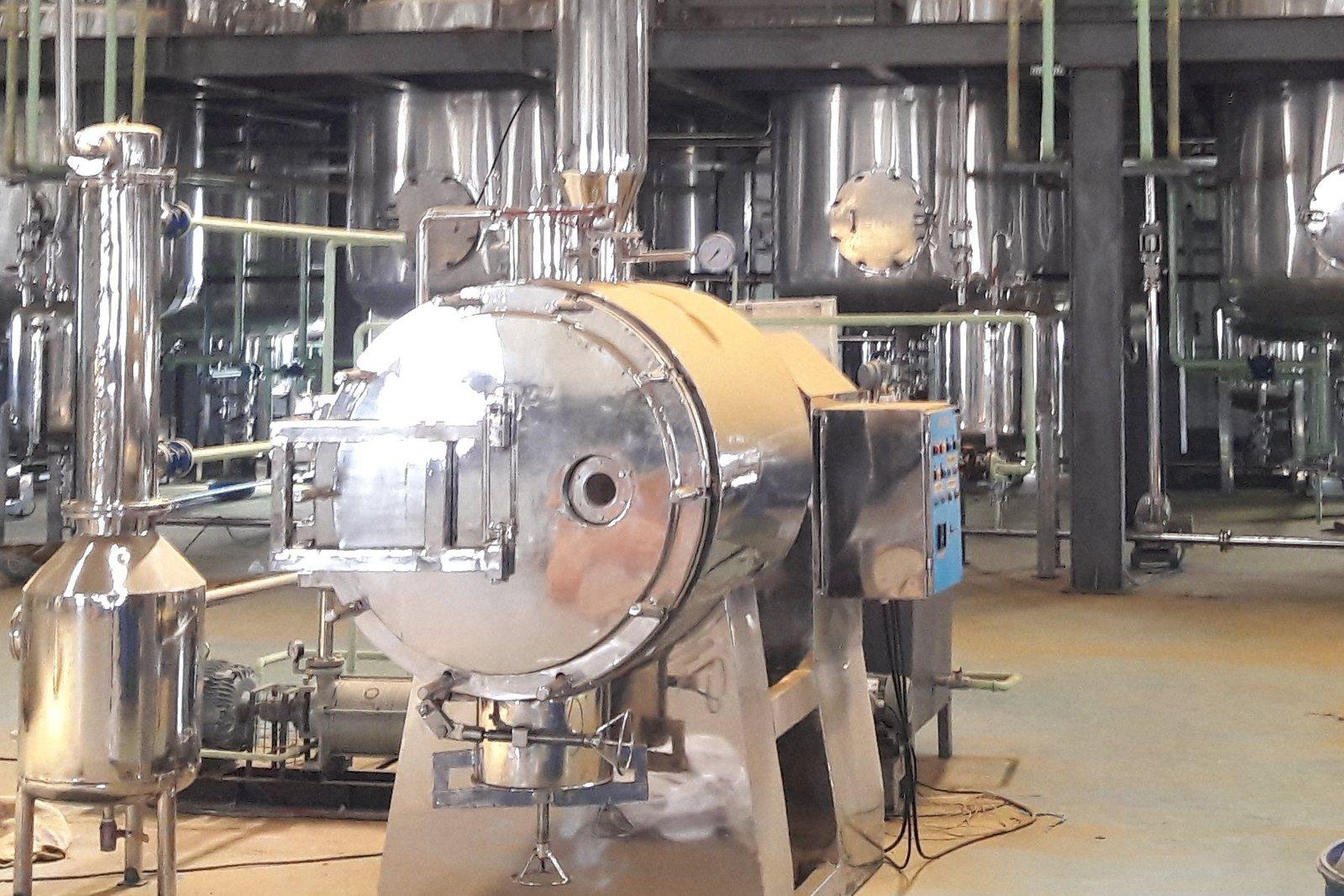
Solar-Assisted Drying Systems
A solar-assisted drying system heats the drying air in solar collectors and passes it over the product in a chamber, with a backup heater that takes over when the sun is weak or absent.
View Product
More Plants and Equipment, by Category
The other 63 products of the 73-product catalogue, by category. A product that is not listed for Eritrea is not ruled out: tell us your raw material and target product. Request a technical proposal
Herbal, Botanical & Nutraceutical Extraction (9)
Category guide
Herbal Extraction Plants
View Product
Turnkey Multi-Herbal Extraction Plants
View Product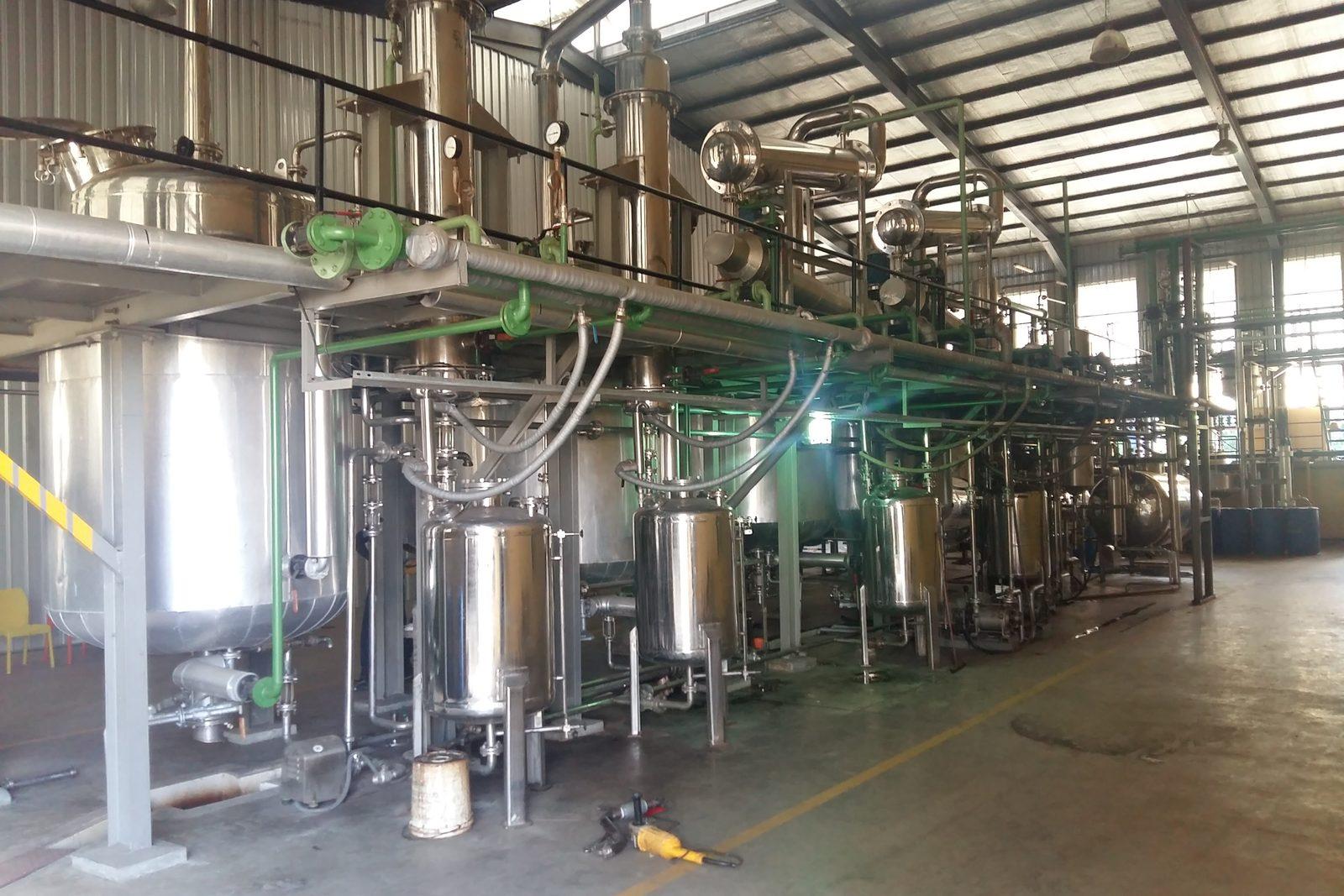
Nutraceutical & Botanical Extraction Plants
View Product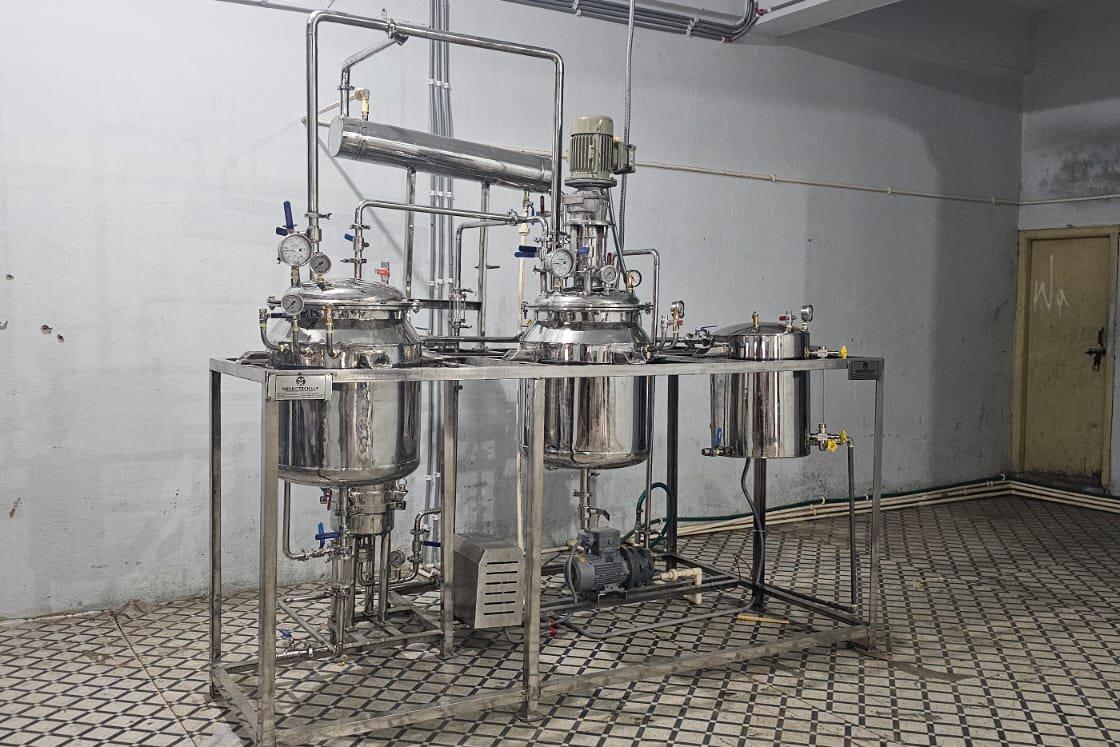
Pharmaceutical Extraction Plants
View Product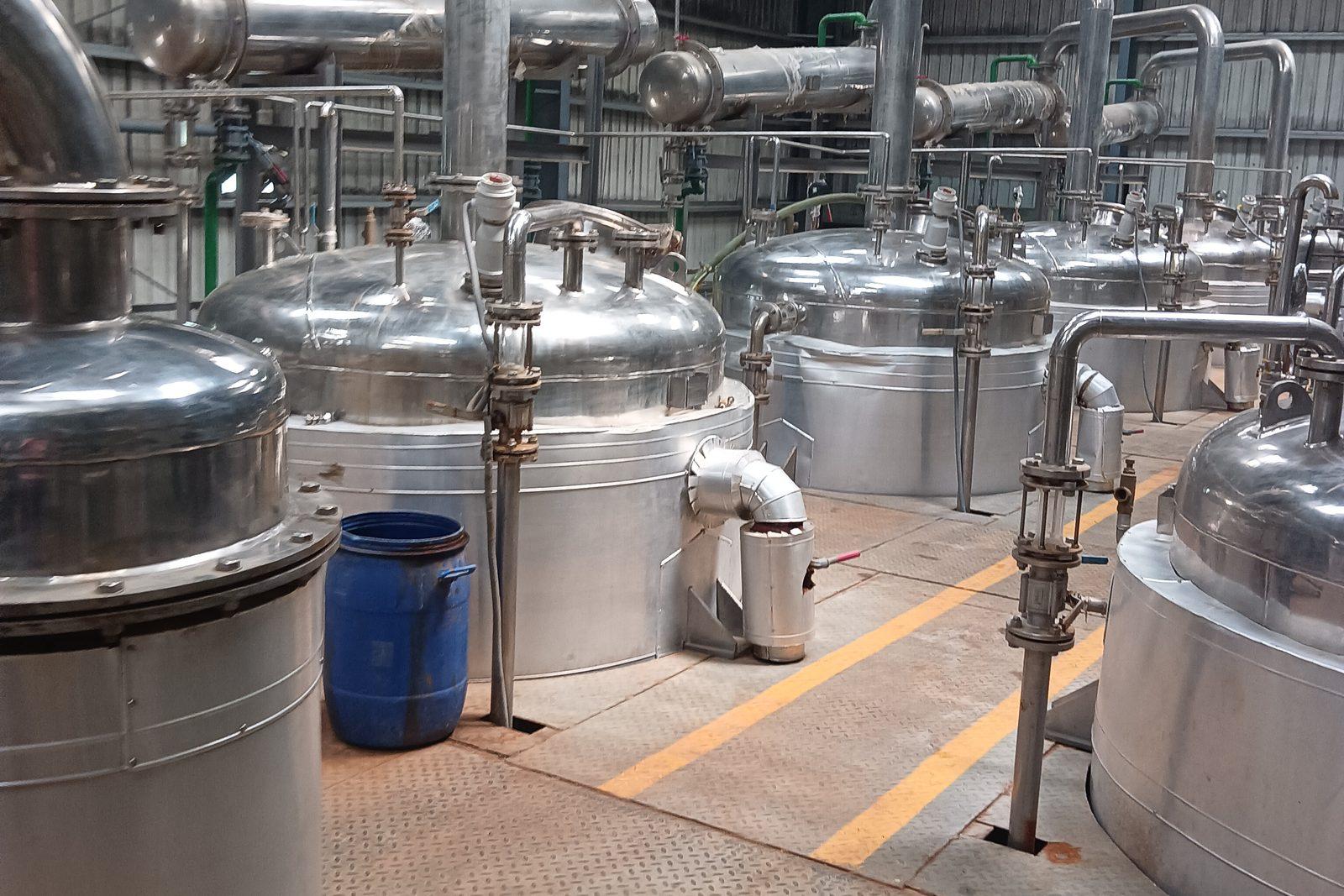
Curcumin Extraction Plant
View Product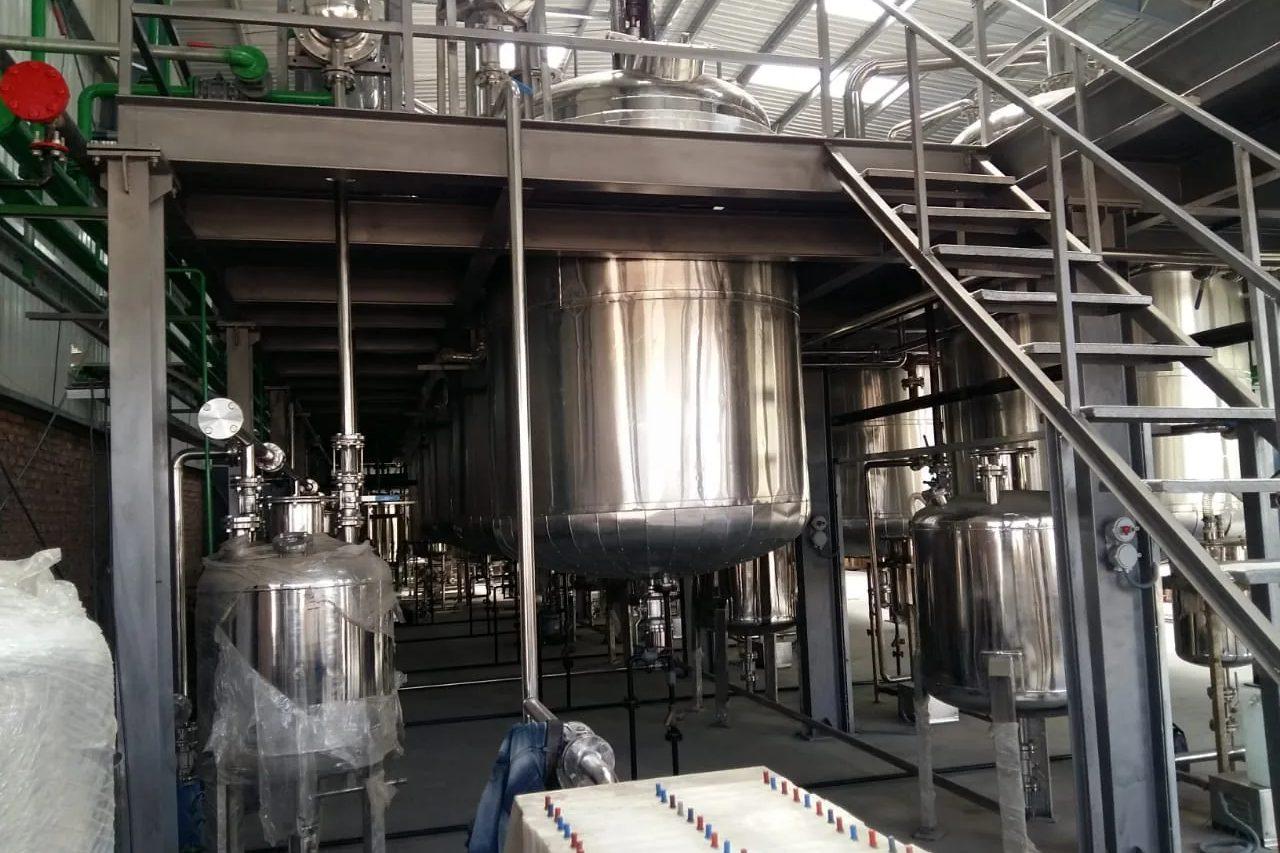
Ginger Extraction Plant
View Product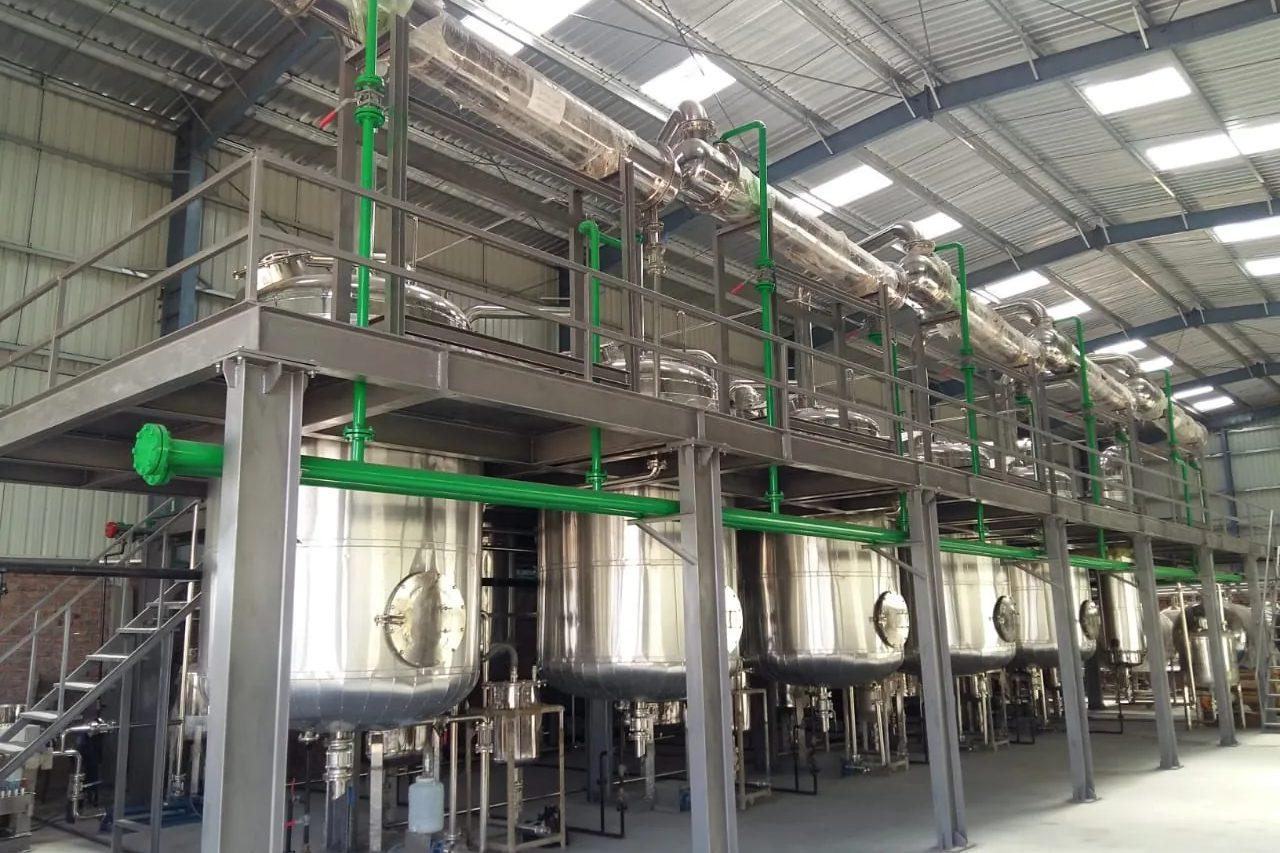
Hibiscus Extraction Plant
View Product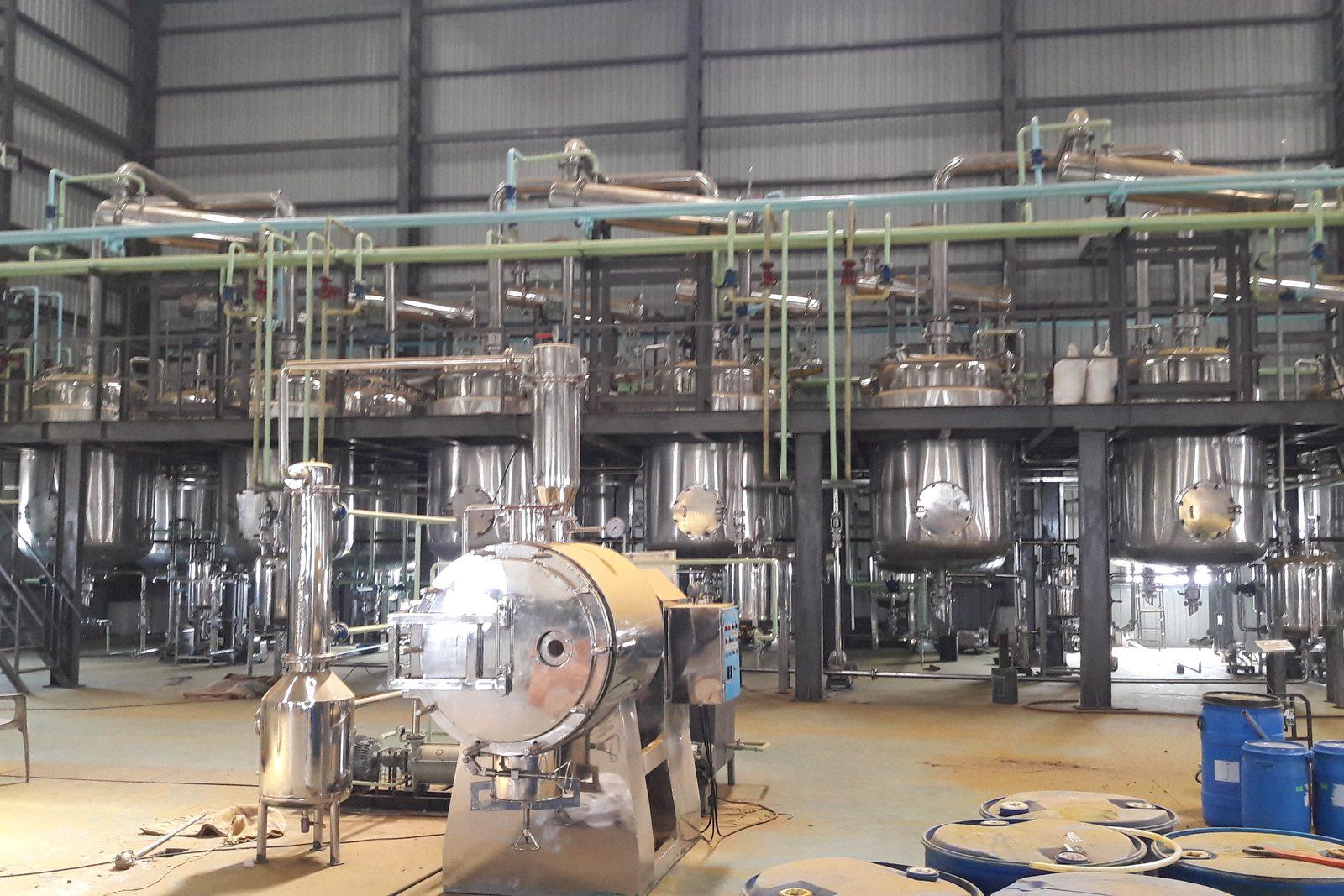
Moringa Extraction Plant
View Product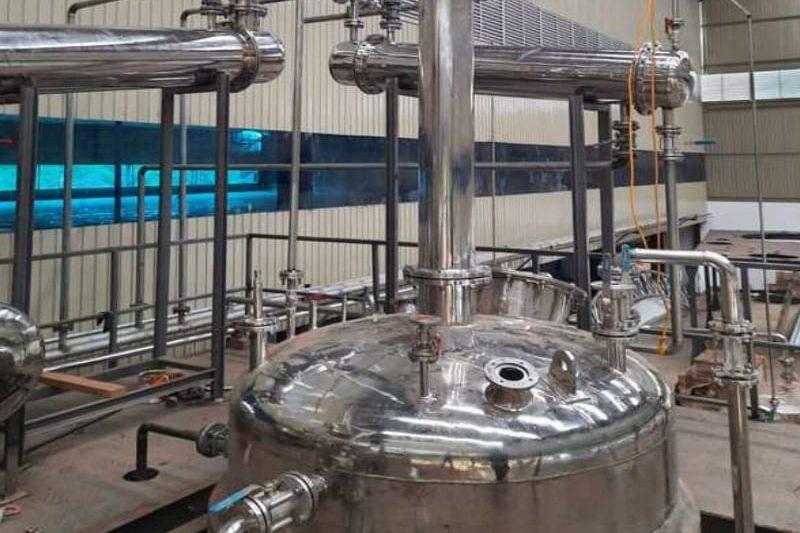
Advanced Botanical Extraction Systems
View Product
Essential Oils, Spices & Oleoresins (6)
Category guide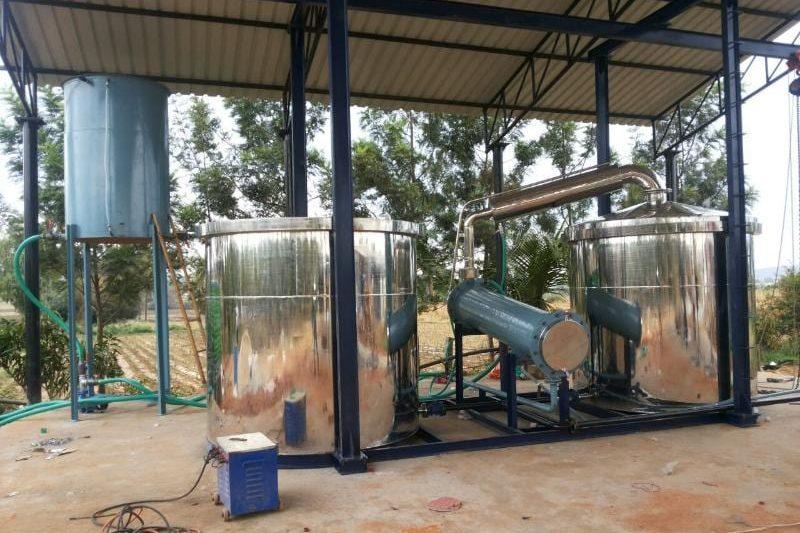
Fruit & Vegetable Processing (8)
Category guide
Fruit Juice Processing & Concentration Plant
View Product
Mango Juice & Pulp Processing Plants
View Product
Pineapple Juice Processing Plants
View Product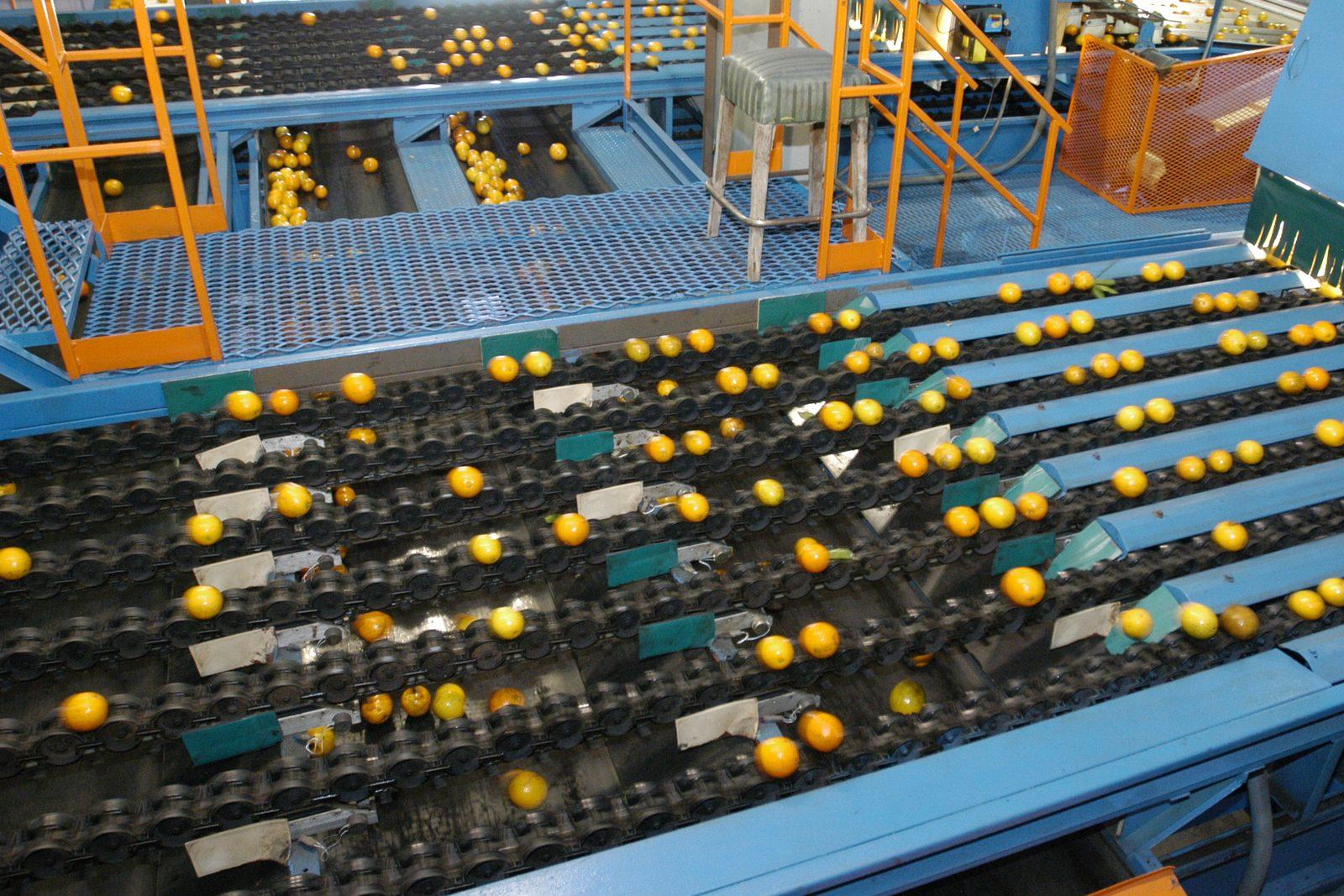
Citrus Juice Processing Plants
View Product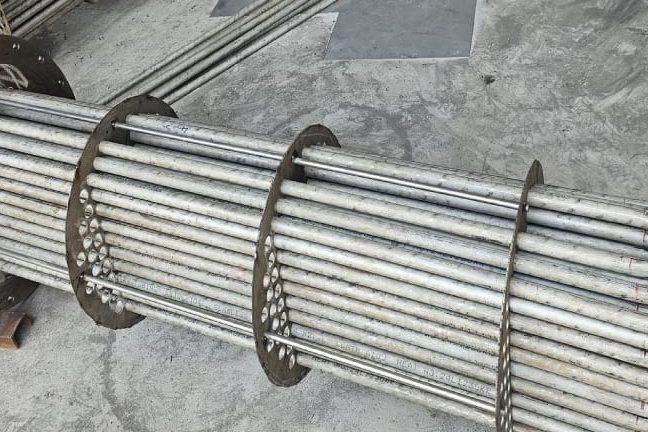
Fruit Juice Concentration Plants
View Product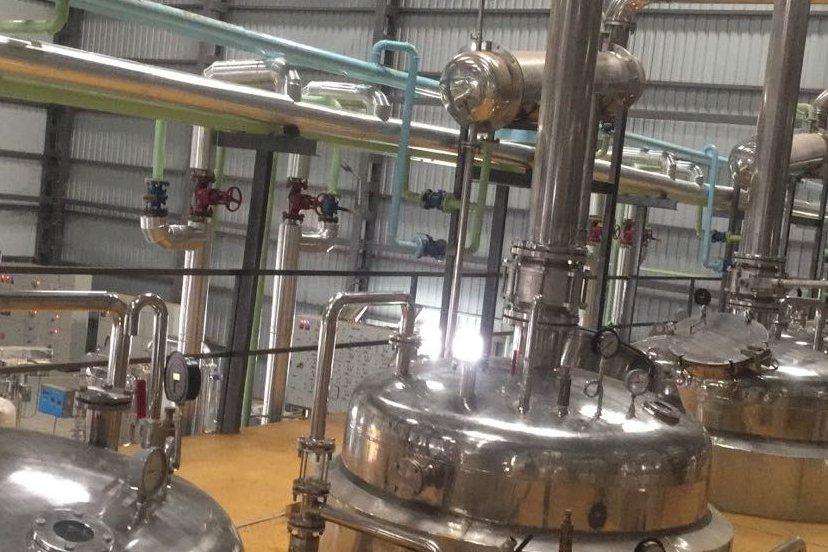
Tomato Paste Processing Plants
View Product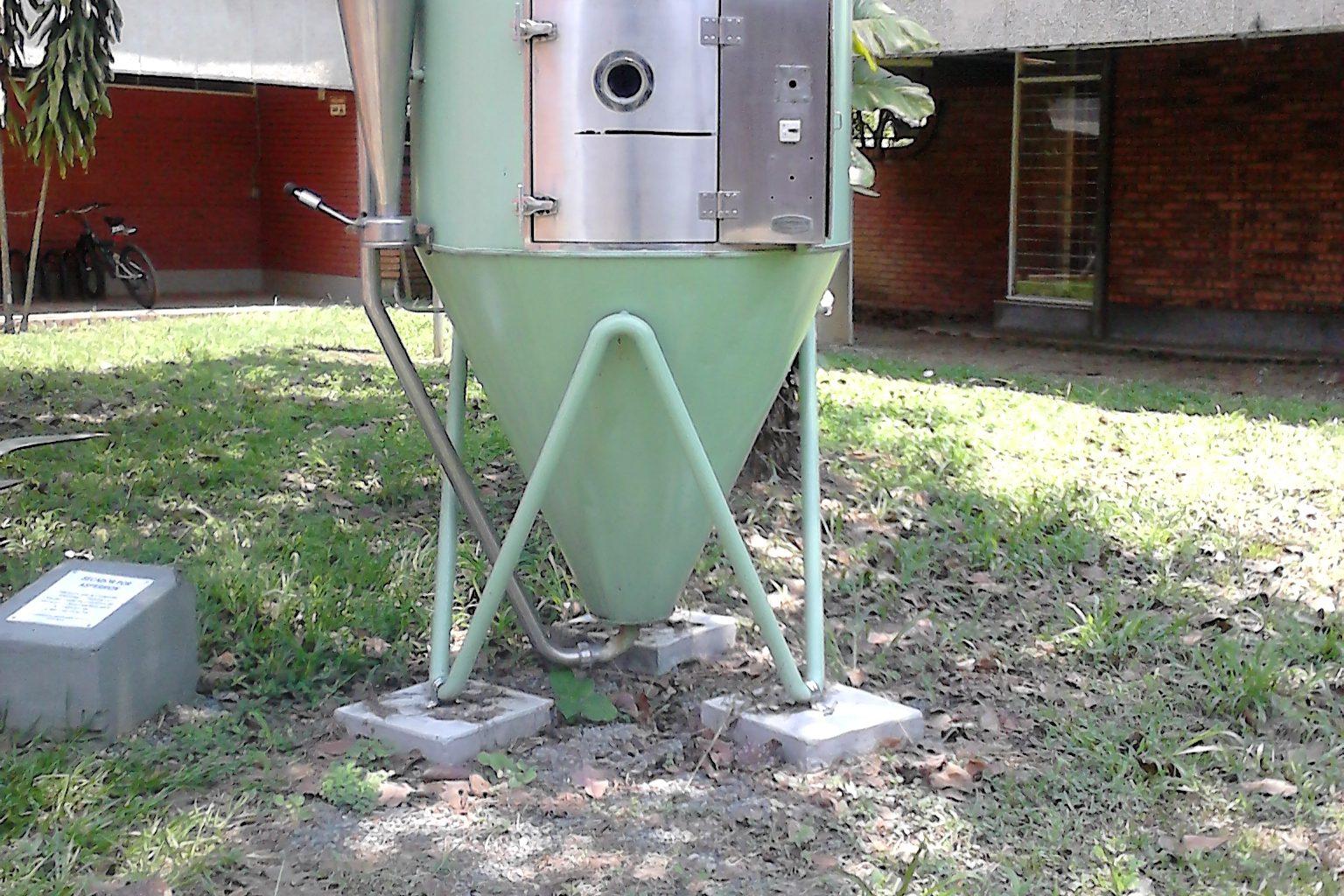
Tomato Powder Processing Plants
View Product
Avocado Processing Plants
View Product
Starch, Flour, Edible Oil & Food Processing (7)
Category guide
Cassava Starch Processing Plants
View Product
Cassava Flour Processing Plants
View Product
Sunflower Oil Processing Plants
View Product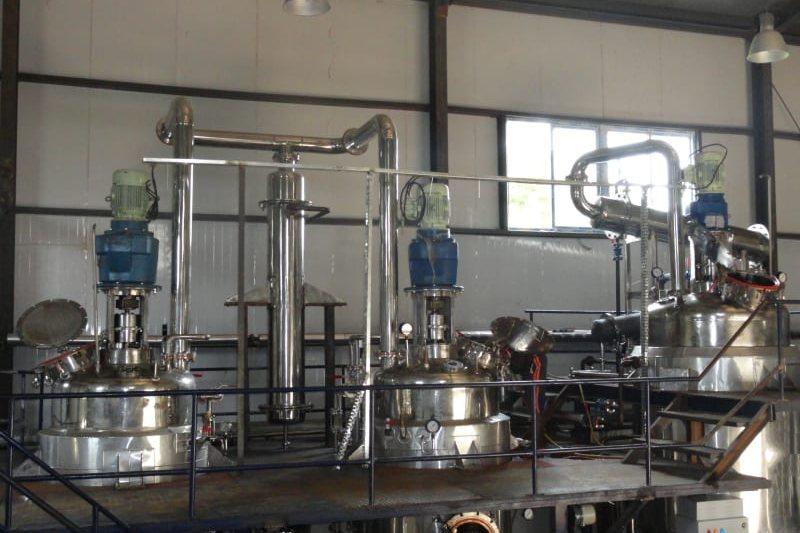
Groundnut Oil Processing Plants
View Product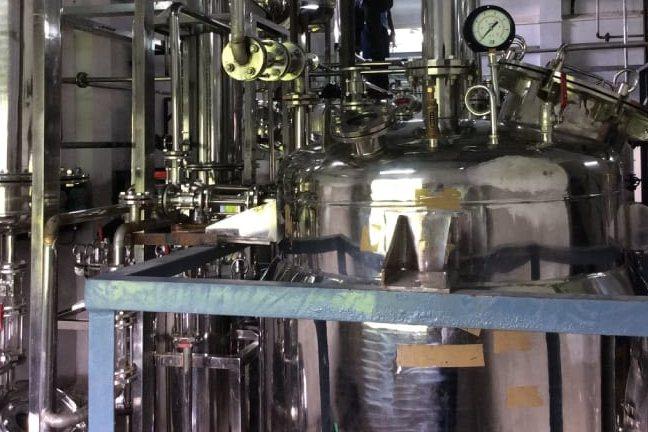
Peanut Butter Processing Plants
View Product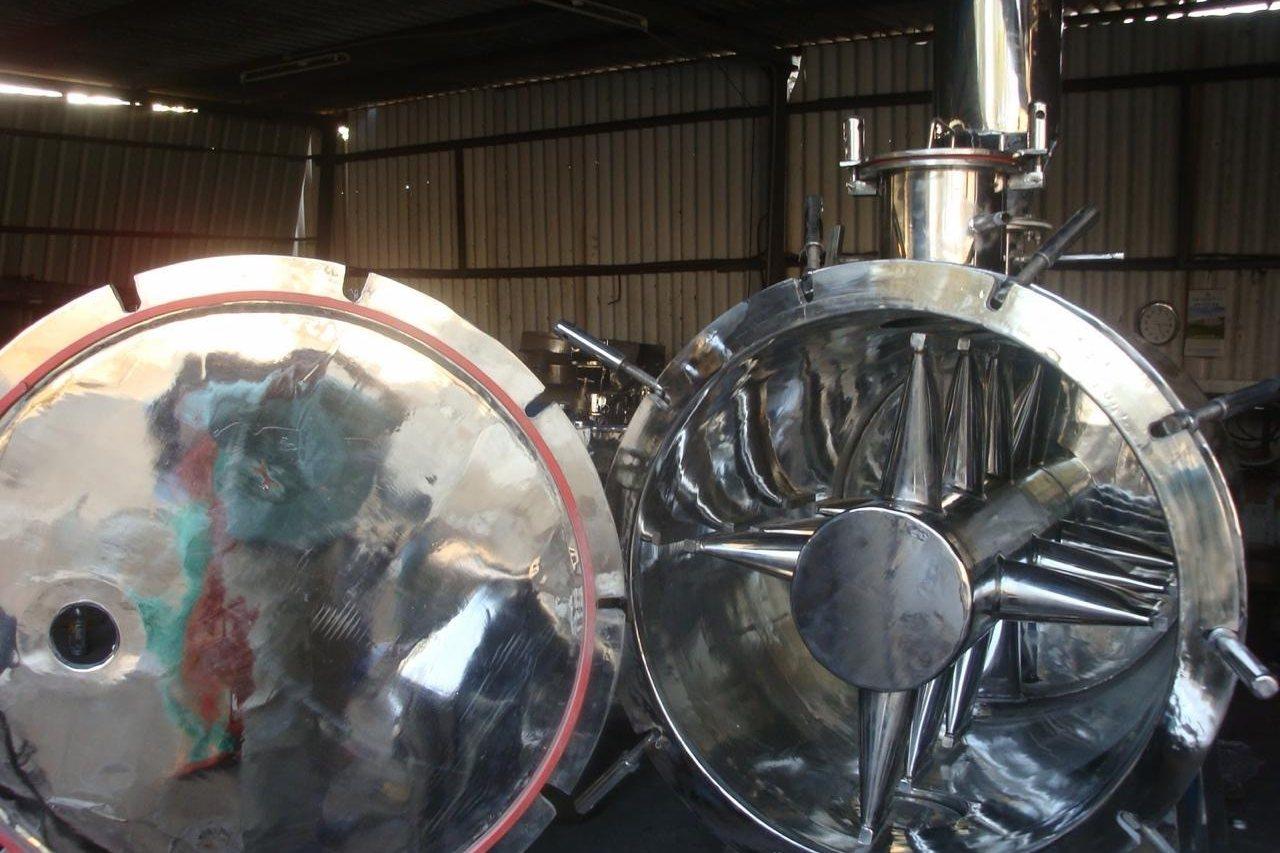
Coffee Processing Plants
View Product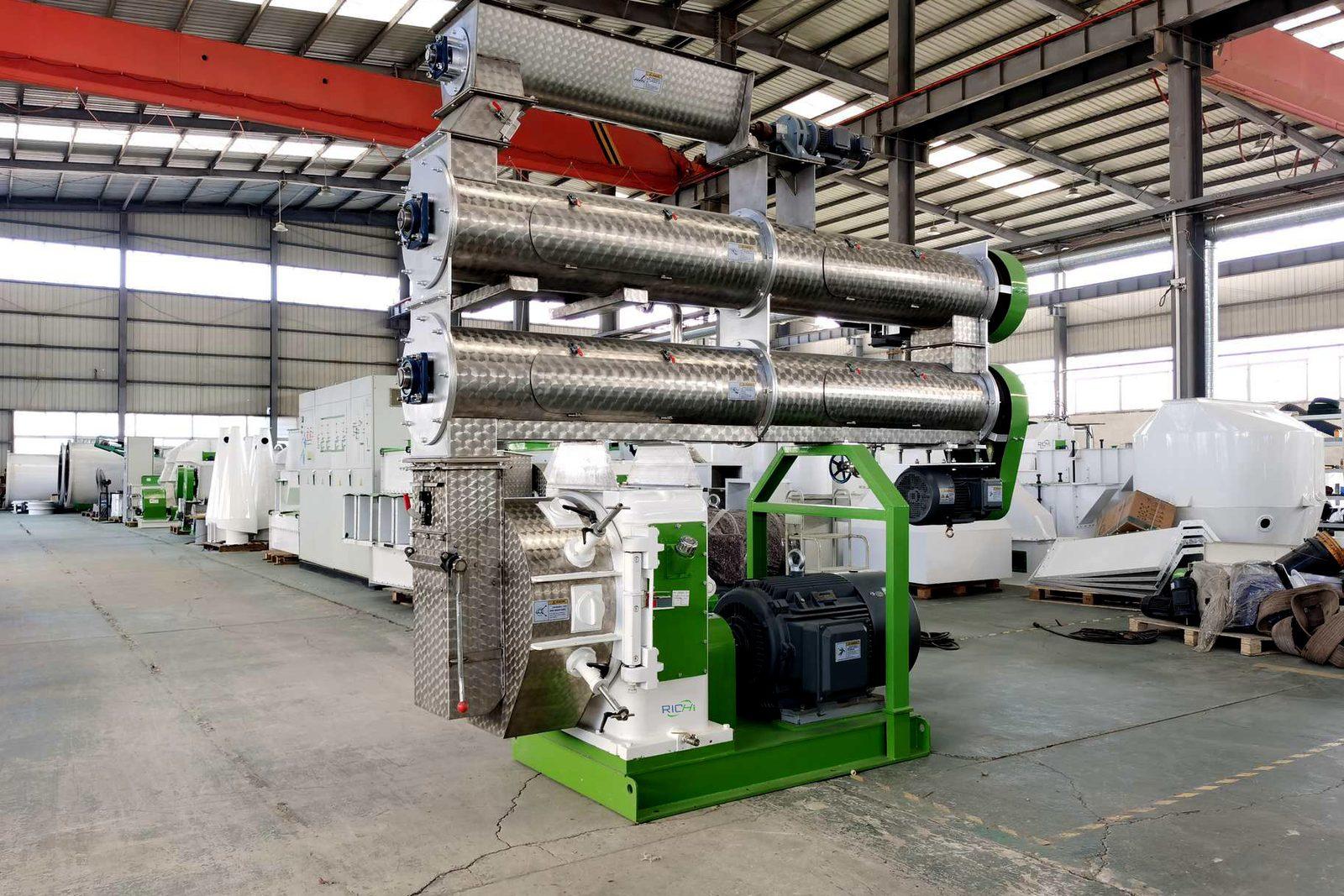
Animal Feed Plant Enquiry (Poultry, Cattle & Aqua Feed)
View Product
Drying & Dehydration Systems (1)
Category guide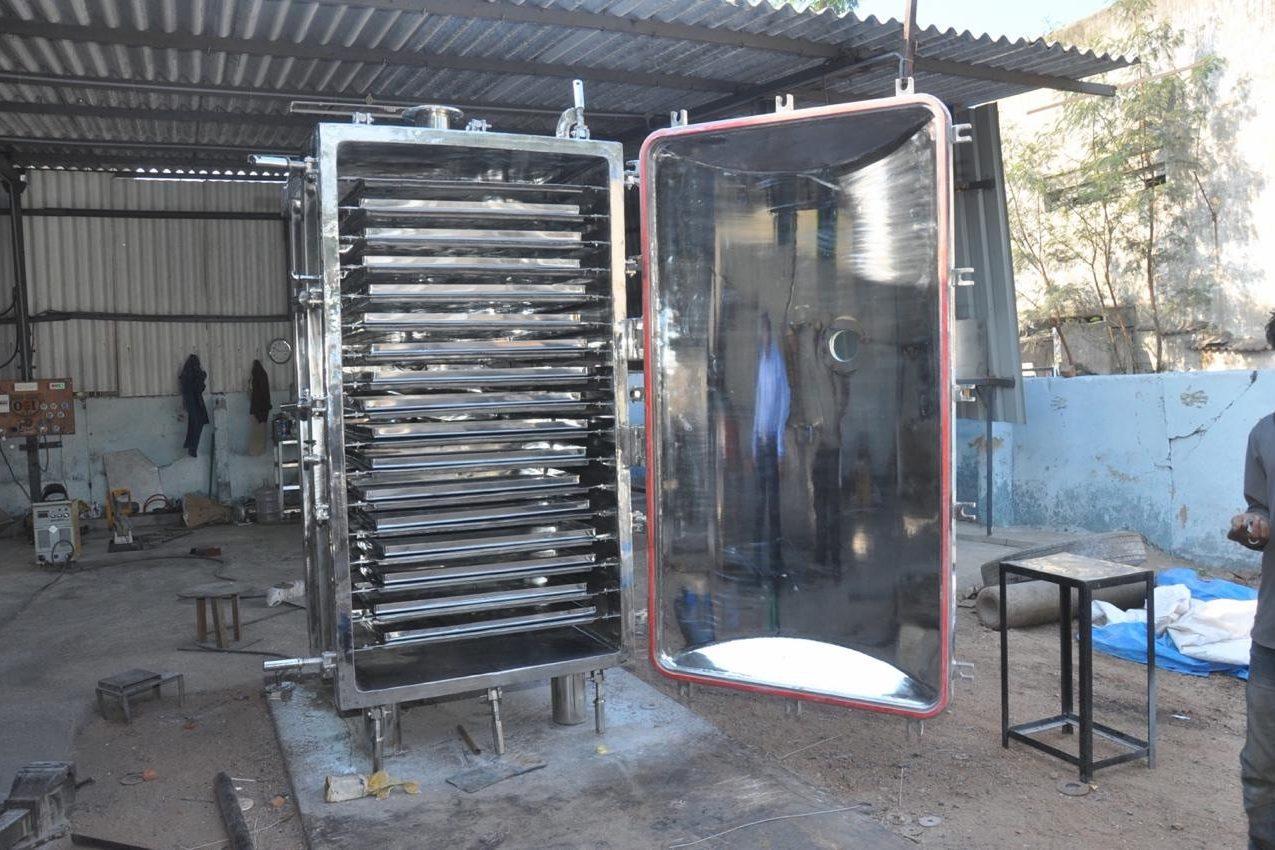
Evaporation, Concentration & Solvent Recovery (4)
Category guide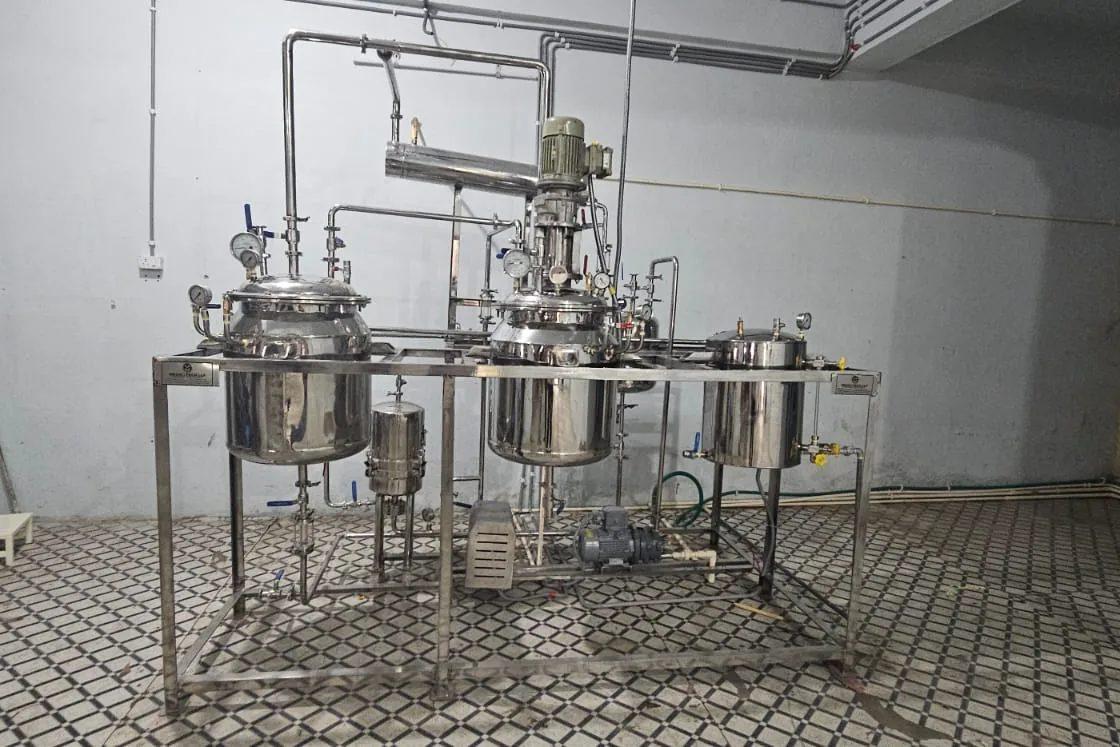
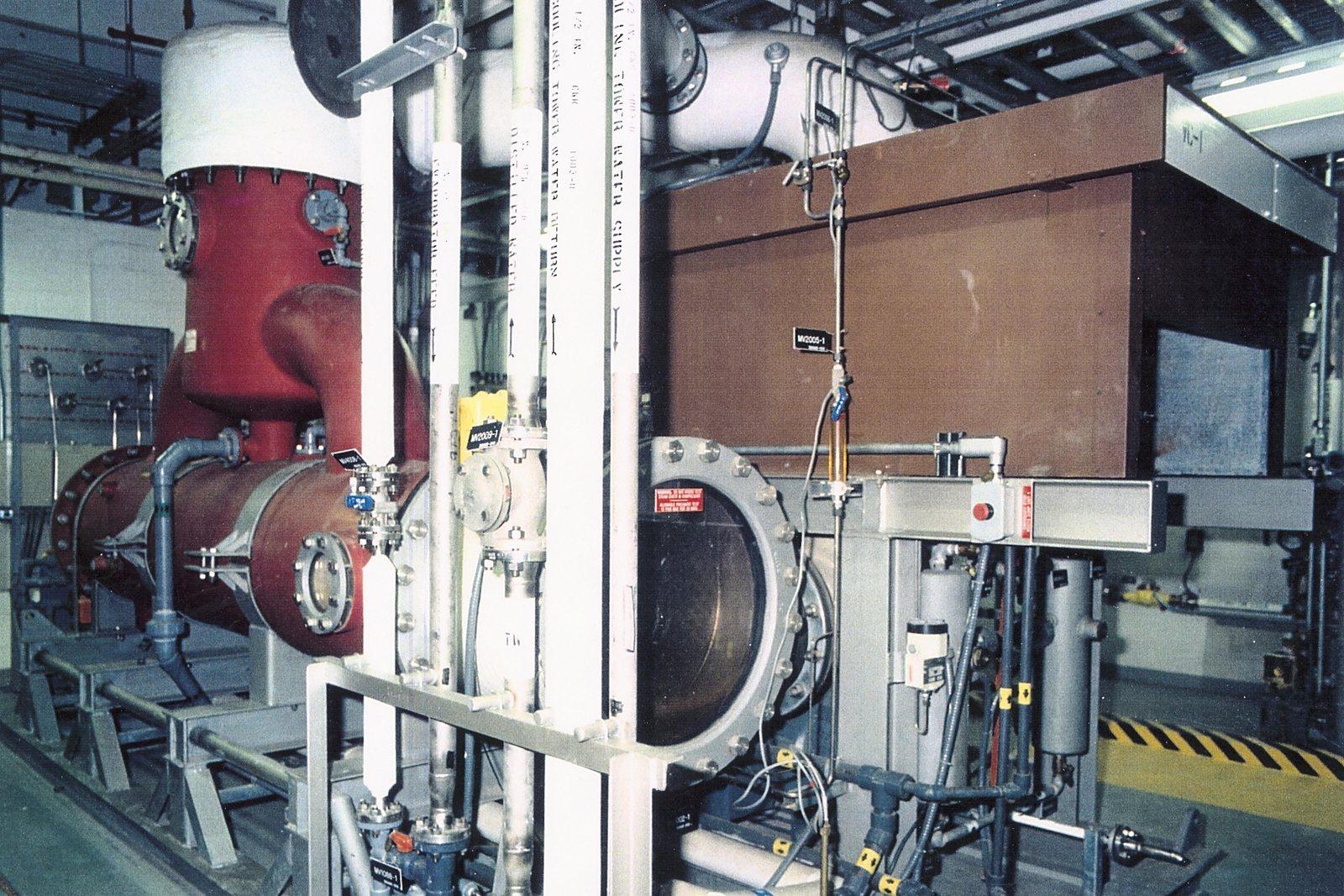
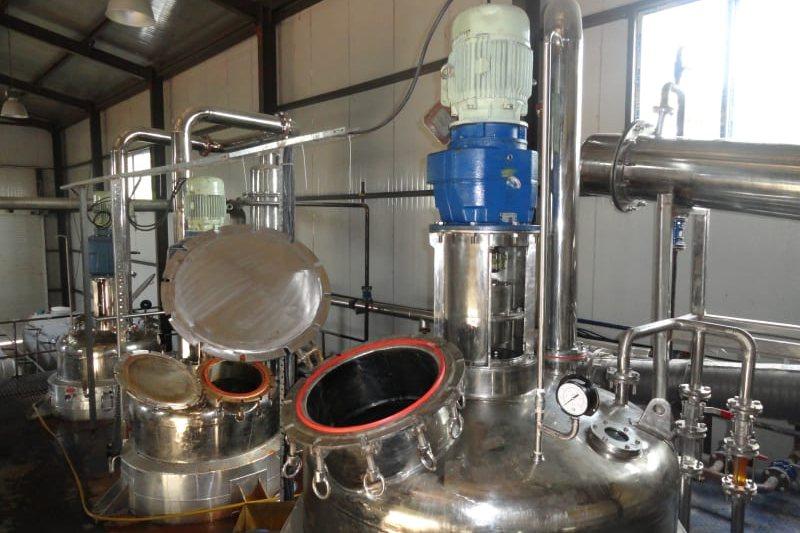
Pharmaceutical & Industrial Process Equipment (4)
Category guide
Cocoa, Shea, Palm Oil & Oilseed Processing (5)
Category guide
Cereals, Tubers & Sugar Processing (4)
Category guide
Specialty African Botanical & Natural Ingredients (10)
Category guide
Baobab Processing & Extraction Plants
View Product
Aloe Vera
View Product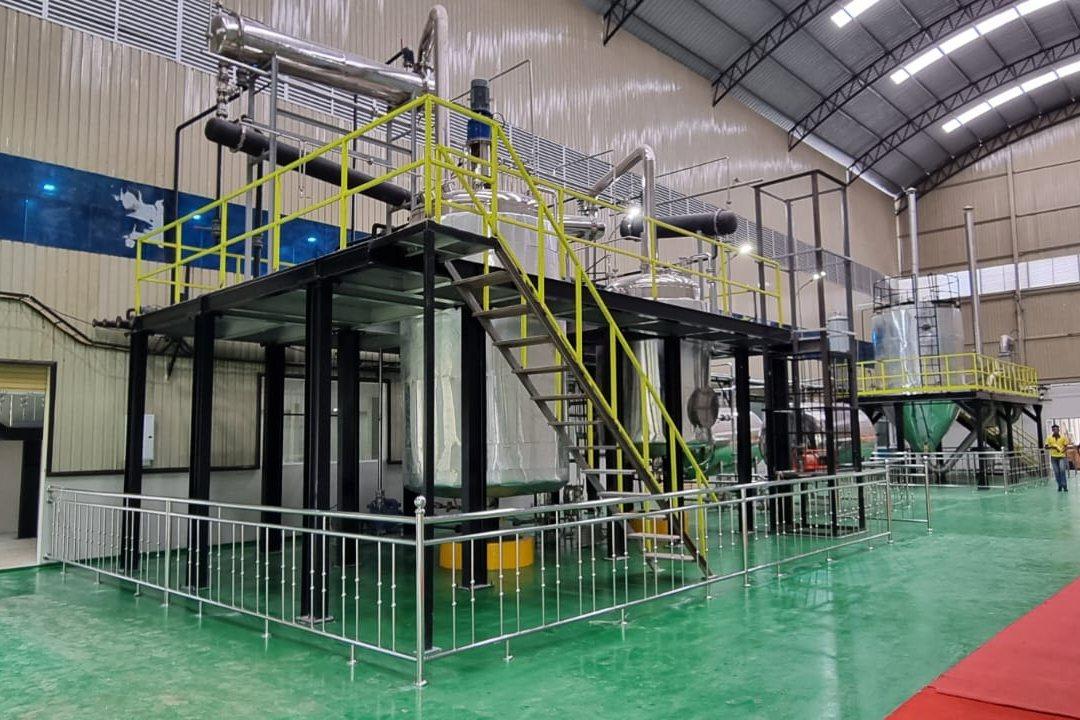
Gum Arabic Processing Plant
View Product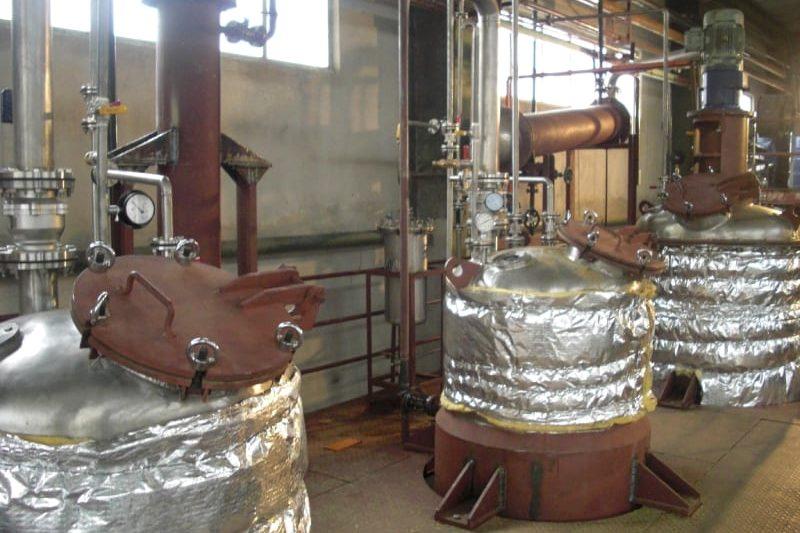
Natural Colour Extraction Plants
View Product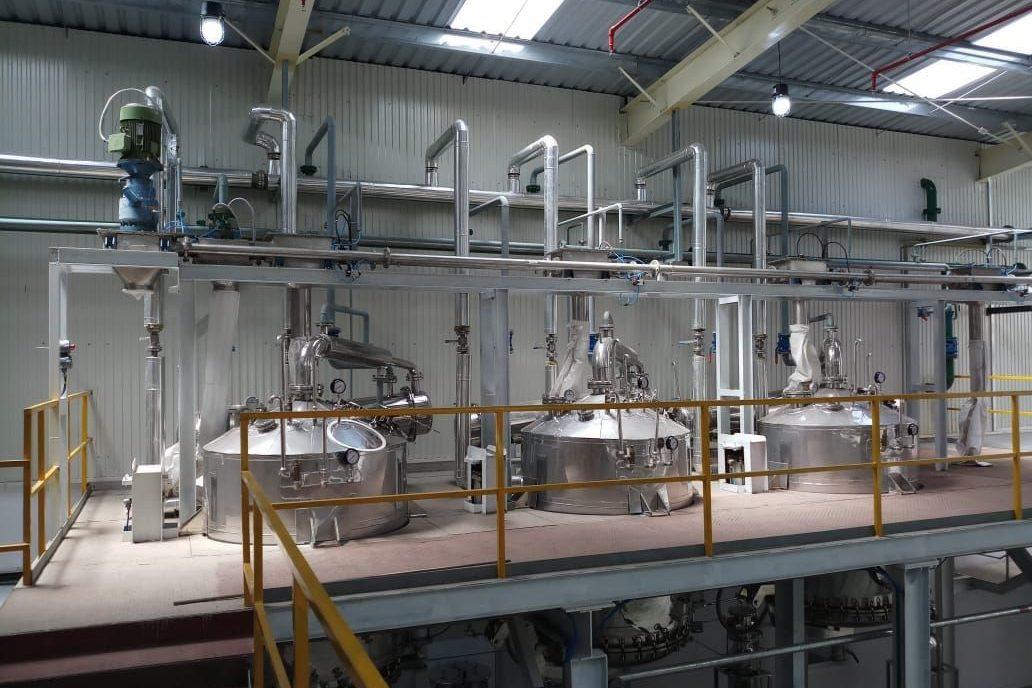
Vanilla
View Product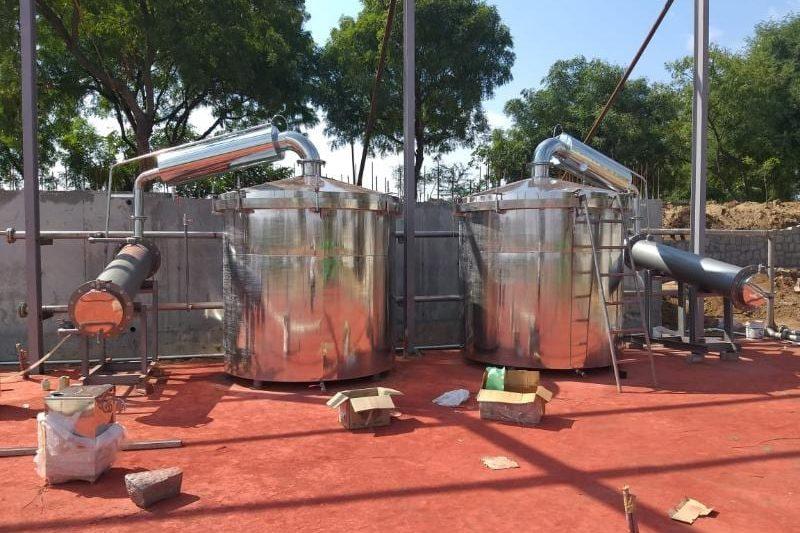
Clove Buds
View Product
Ylang Ylang
View Product
Argan Oil Processing Plants
View Product
Olive Leaf Extract Powder
View Product
Frankincense Extraction Plant
View Product
Specialty Food, Beverage & By-Product Processing (5)
Category guide
What to Settle Before You Ask for a Proposal
Red Sea ports and highland sites
Equipment can reach Eritrea by sea through Massawa or Assab, the primary port cities, but sites on the central plateau lie well above sea level. Plan road transport on steep highland routes, and size equipment sections and frames so that they can be moved and lifted safely.
Altitude and temperature differences
Conditions vary between the temperate central plateau, the western lowlands and the mostly arid coastal areas. Specify drying, cooling and storage for the actual site, and protect equipment on the coast from salt-laden air.
Smallholder and seasonal supply
Most households depend on rainfed farming, livestock and marine resources, so grain, sesame and milk tend to come from many small producers and in seasonal batches. Plan collection points, pre-cleaning and storage, and match plant size to the supply that can realistically be gathered.
Industries to read next
Agro & Food Processing Solutions
Sorghum and millet milling, sesame oil pressing, fish by-product recovery, and dairy powders together make up the food-processing options mapped to Eritrea.
Read the industry pageIndustrial Drying & Dehydration Solutions
In dry, sunny conditions, solar-assisted, hot-air and spice drying systems are a practical way to control moisture in grain, spices and other crops, and to keep quality consistent.
Read the industry page
From Enquiry to a Running Plant
Enquiries for Eritrea Projects
Kadali Africa Ventures Limited, Accra
421, University Road
Sowutuom
Accra, Ghana
Questions About Plants for Eritrea
What does a sorghum and millet milling line involve in Eritrea?
A sorghum and millet line typically cleans the grain, removes the outer layers, mills it and sieves the flour. Whether you need decorticated grain, flour or both determines the machinery, so state your target products when you enquire.
Does solar drying work for Eritrean conditions?
Solar-assisted dryers suit regions with plenty of sunshine and are commonly used for fruit, spices and grain. They are usually combined with a backup heat source so that drying stays consistent in cloudy or humid periods on the coast.
Can a fisheries business in Eritrea recover oil from by-products?
Yes, where fresh heads, bones and trimmings are available in a steady flow. The material is cooked, pressed and separated into oil and meal, and the site needs clean water, storage and a way to deal with process effluent.
Does Kadali Africa Ventures have an office in Eritrea?
Kadali Africa Ventures Limited has offices in Accra, Ghana and Kano, Nigeria, and none in Eritrea. Engineering and manufacturing scope for each product is confirmed in the technical proposal.
What should I send for a Eritrea project proposal?
Use the form on this page. Give your raw material, the product you want to make, the capacity and its basis (for example kg per hour or tonnes per day) and your site.
Planning a project in Eritrea?
Send your raw material, target product and capacity. We will come back with the process route and equipment scope for your project.
Tell us about your Eritrea project
Only name, email, phone and industry are required. The more you share about raw material and capacity, the more precise our proposal.