
Processing Plants for Ghana's Cocoa, Shea, Fruit, Cassava and Rice
Use this page to match Ghana's cocoa, shea, fruit, cassava, tomato and rice raw materials to processing, drying and juice plant options, then ask for a proposal.
- 28 products in 9 categories, listed for Ghana
- Engineering and manufacturing scope confirmed in the technical proposal
Kadali Africa Ventures Limited has offices in Accra, Ghana and Kano, Nigeria. This page lists the products the catalogue assigns to Ghana, then the rest of the catalogue.
From forest zone to northern savanna: what Ghanaian processors work with
Ghana's semi-deciduous forest zone grows cocoa and citrus, and cassava and plantain are grown there too. Cocoa beans are fermented on the farm and roasted in the factory, and pressing cocoa liquor yields cocoa butter and cake. Pineapple grows on well-drained sandy soils, and mango and tomato are among the other fruit and vegetable crops grown in the country. Together with citrus and cassava, these feed juice, pulp, flour, paste and starch processing.
Further north, the Guinea savanna zone has shea trees, with sheanuts listed among its tree crops alongside rice, tomato and cassava. The nuts are traditionally boiled and sun-dried to separate the kernel, and the step from dried kernel to pressed and refined butter is where mechanical crushing, pressing and refining equipment becomes relevant. Rice is grown in the same zone, and parboiling, the partial boiling of rice in the husk before milling, protects the grain from breaking during milling.
Possible users of plants like these include cocoa and shea processors, fruit juice and pulp makers, starch and flour millers, and cooperatives that want to move from raw commodity sales to semi-finished products. Tema and Takoradi are ports run by the Ghana Ports and Harbours Authority, and equipment may arrive through either of them.
Products Relevant to Ghana
28 of the 73 products in the catalogue are listed for Ghana, in 9 categories: Herbal, Botanical & Nutraceutical Extraction (6), Essential Oils, Spices & Oleoresins (2), Fruit & Vegetable Processing (7), Starch, Flour, Edible Oil & Food Processing (3), Drying & Dehydration Systems (5), Cocoa, Shea, Palm Oil & Oilseed Processing (2), Cereals, Tubers & Sugar Processing (1), Specialty African Botanical & Natural Ingredients (1), Specialty Food, Beverage & By-Product Processing (1). The plants for Ghana’s own raw materials come first. A listing is a catalogue listing, not a statement of demand or supply; the final configuration depends on your raw material, target product and capacity.
Cocoa
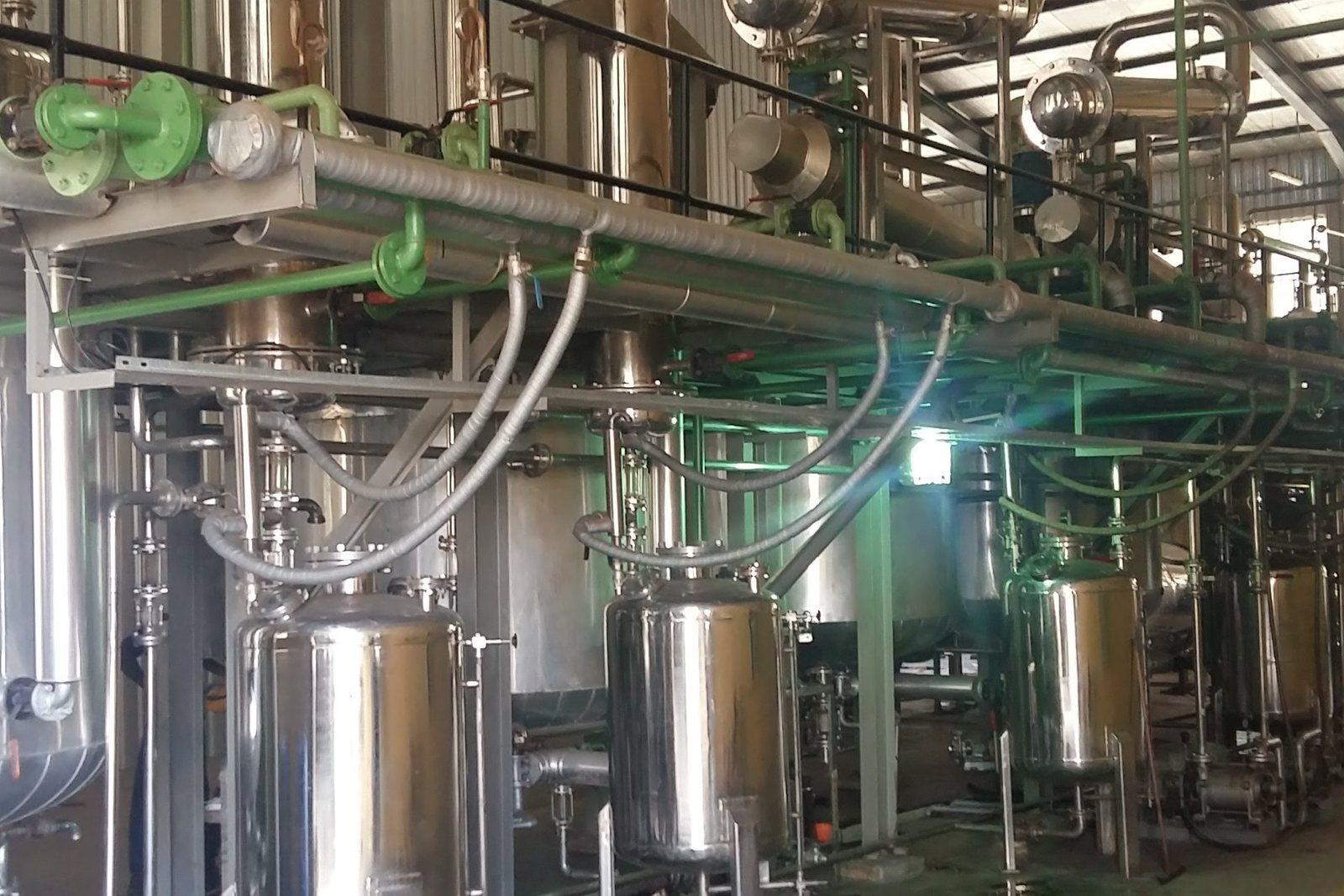
Cocoa is grown in the semi-deciduous forest zone. Beans are fermented on the farm; a processor then roasts them, winnows off the shell to free the nib, grinds the nib to liquor and presses it into cocoa butter and cake, so bean grade and the products wanted decide which steps matter.
Shea kernels
Shea trees grow in the Guinea savanna of the north, and nuts are traditionally boiled and sun-dried to separate the kernel; kernel drying, crushing, pressing and refining are the steps worth discussing for producing shea butter.
 For Shea kernels
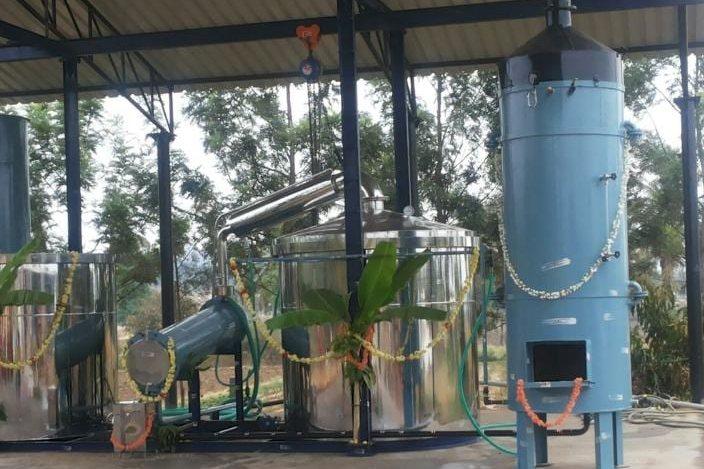
Shea Butter Extraction & Refining Equipment
A shea butter plant crushes dried shea kernels, heats and works the meal, and separates the fat as unrefined butter, with an optional refining line for a neutral, light-coloured product.
View Product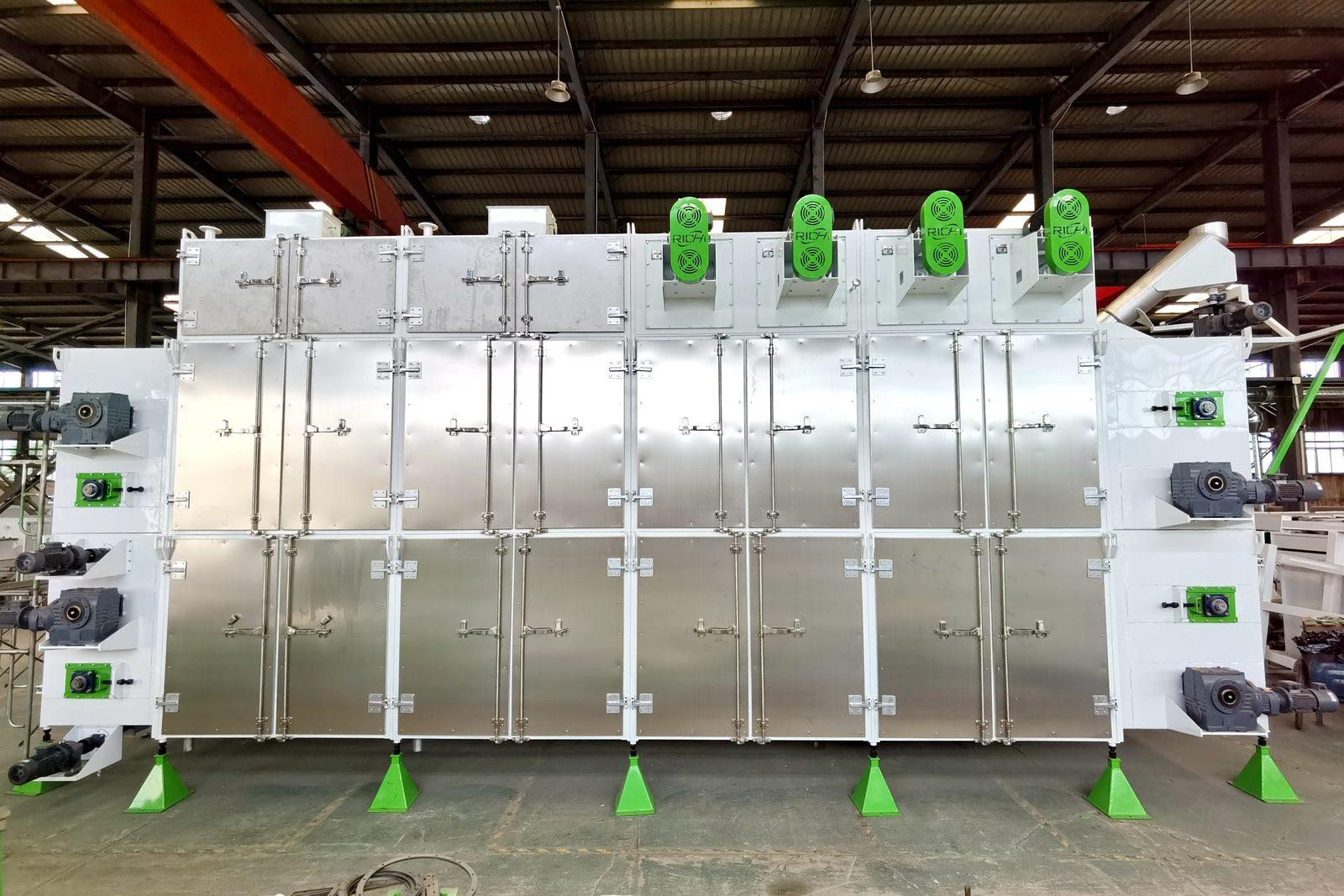 For Shea kernels
Industrial Hot-Air Drying Systems
An industrial hot-air drying system, which buyers also call an industrial dehydrator, removes moisture from fruit, vegetables, herbs, spices and similar wet solids by passing heated air over the product in a cabinet, tunnel or belt dryer.
View Product
Pineapple, mango and citrus
Pineapple, mango and citrus are all grown in Ghana, and fresh fruit is perishable and seasonal, so juice extraction, pasteurisation and concentration are relevant to discuss for processors who want to hold product longer than the fruit would last.
 For Pineapple, mango and citrus
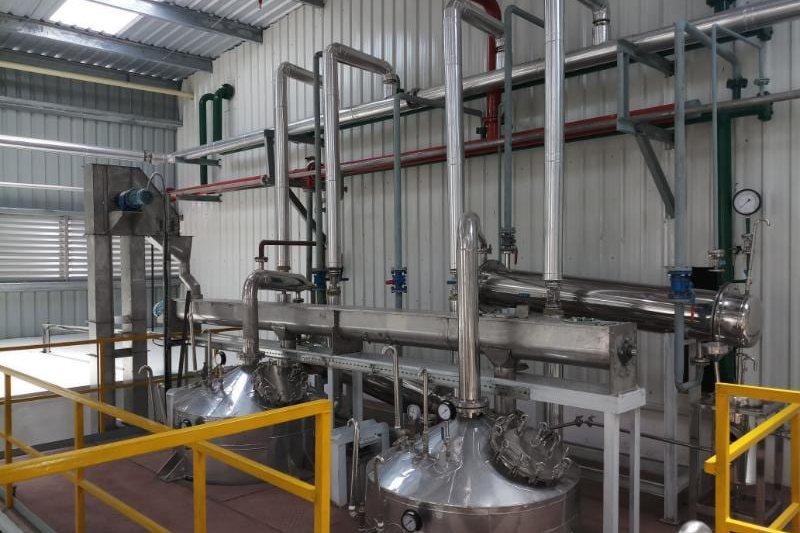
Pineapple Juice Processing Plants
A pineapple juice plant starts with peeling and coring, because shell, core and crown are a large share of every fruit, and pressing, enzyme treatment and acid-resistant materials follow from that.
View Product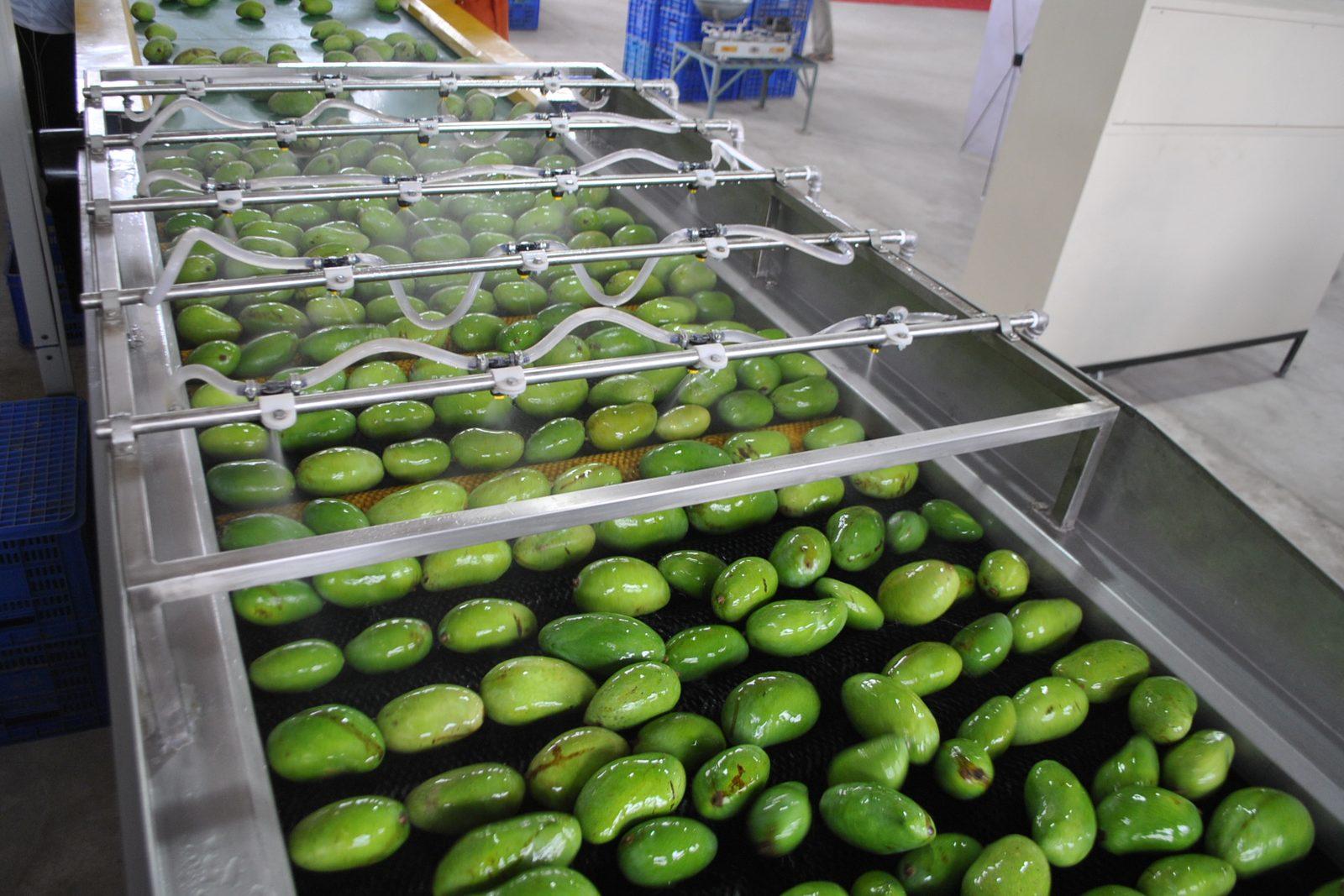 For Pineapple, mango and citrus
Mango Juice & Pulp Processing Plants
A mango juice and pulp plant turns ripe, fibrous, stone-bearing fruit into pulp, puree or juice, and the variety, ripeness and fibre of the fruit decide the pulper, the screens and the heat treatment.
View Product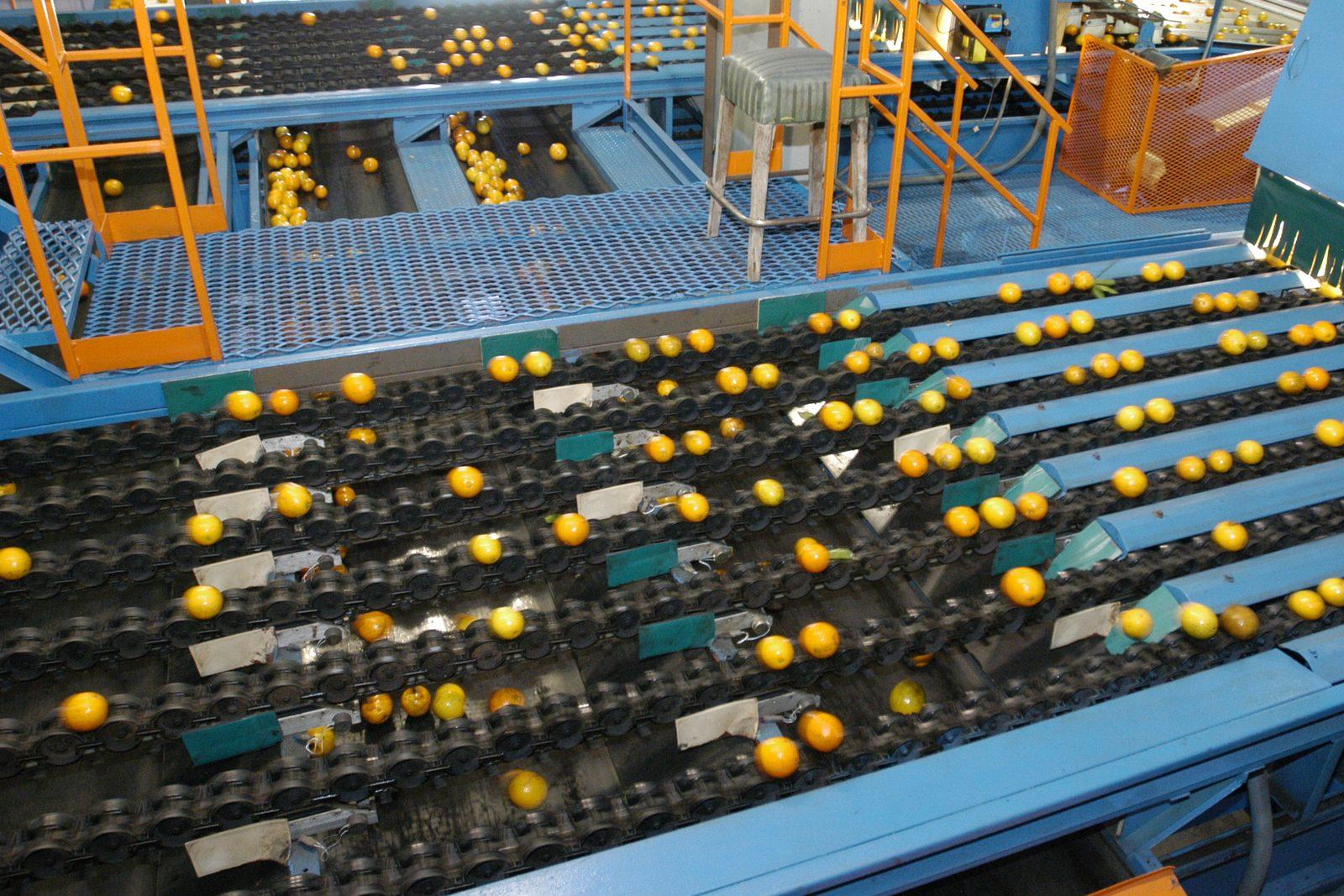 For Pineapple, mango and citrus
Citrus Juice Processing Plants
A citrus juice plant is built around the extractor: it has to squeeze out juice without pressing bitter peel oil and pith into it, and it normally takes the peel oil off as a separate product.
View Product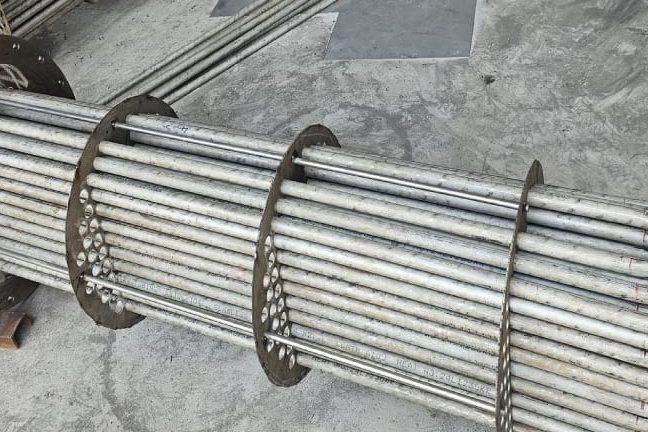 For Pineapple, mango and citrus
Fruit Juice Concentration Plants
A fruit juice concentration plant removes water from extracted juice under vacuum, and the design turns on feed solids, final Brix, how heat-sensitive the juice is and how much aroma must be saved.
View Product
Cassava
Cassava is grown in both the forest and savanna zones; grating, dewatering and drying steps turn the perishable root into storable flour, and starch separation gives a route to industrial and food starch.
 For Cassava
Cassava Starch Processing Plants
A cassava starch plant turns fresh roots into dry, white starch by rasping the roots, washing the starch out with water and drying it.
View Product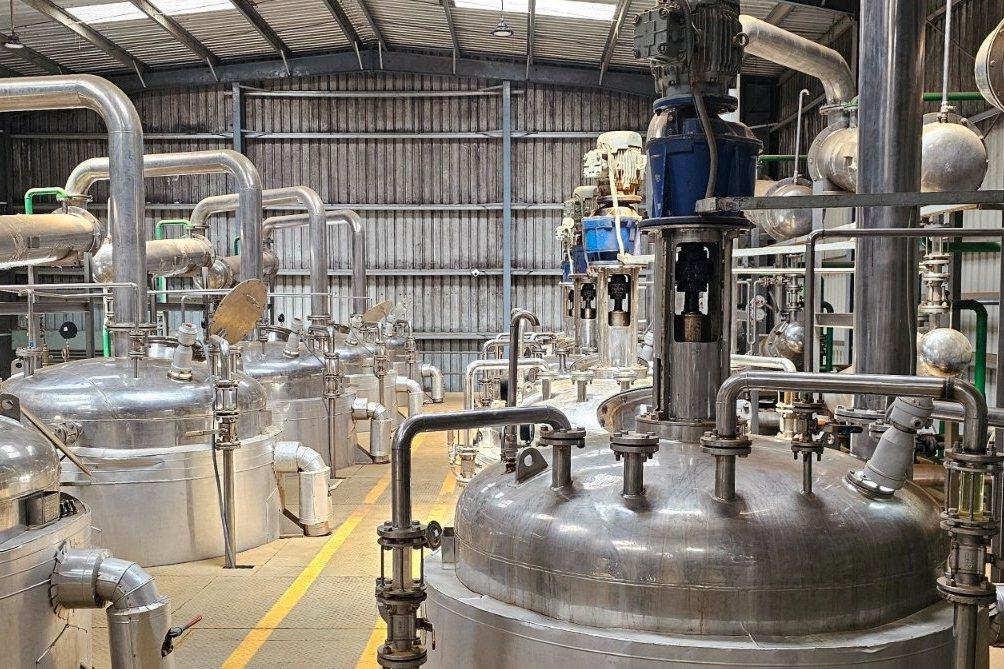 For Cassava
Cassava Flour Processing Plants
A cassava flour plant makes a fine, unfermented flour from peeled whole roots by grating or chipping, pressing, drying and milling.
View Product
Tomato
Tomato is among the vegetables grown in the forest and savanna zones; pulping and evaporation to paste, or drying to powder, are the routes worth discussing for a fruit that has to be processed soon after harvest.
 For Tomato
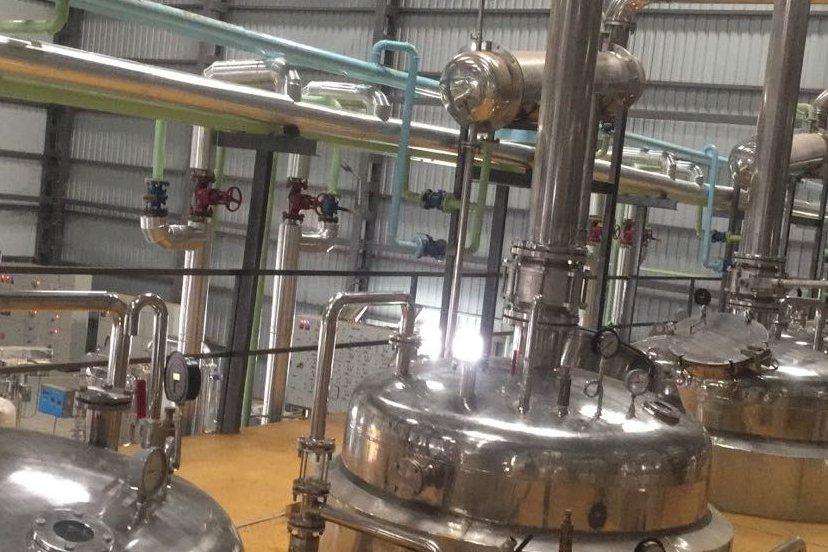
Tomato Paste Processing Plants
A tomato paste plant crushes, heats and pulps fresh tomatoes before evaporating them to a high-solids paste, and the choice between hot break and cold break sets how thick the paste will be.
View Product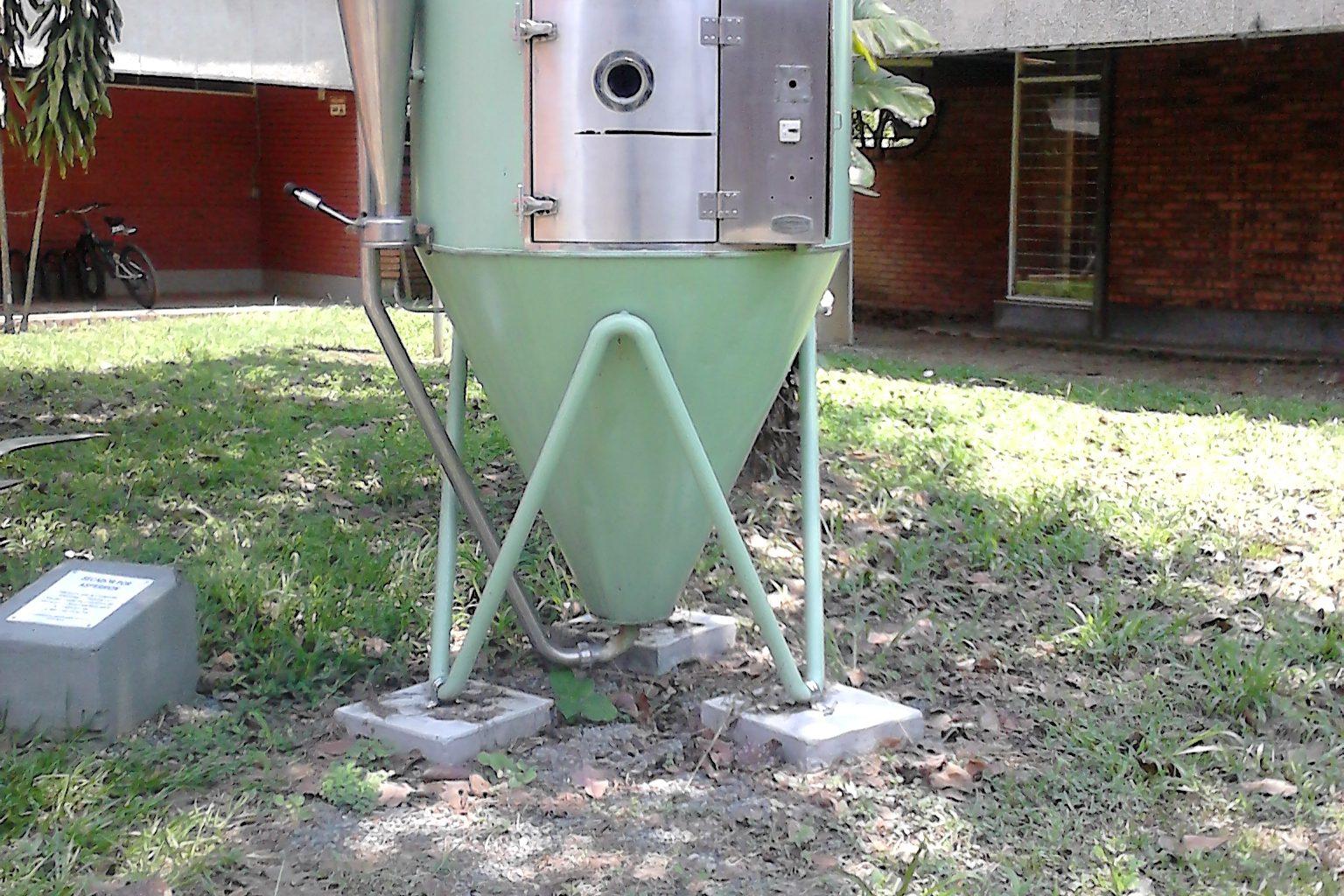 For Tomato
Tomato Powder Processing Plants
A tomato powder plant turns fresh tomatoes into a dry, shelf-stable ingredient: the fruit is pulped and concentrated, then dried and sieved to a set particle size and moisture.
View Product
Rice
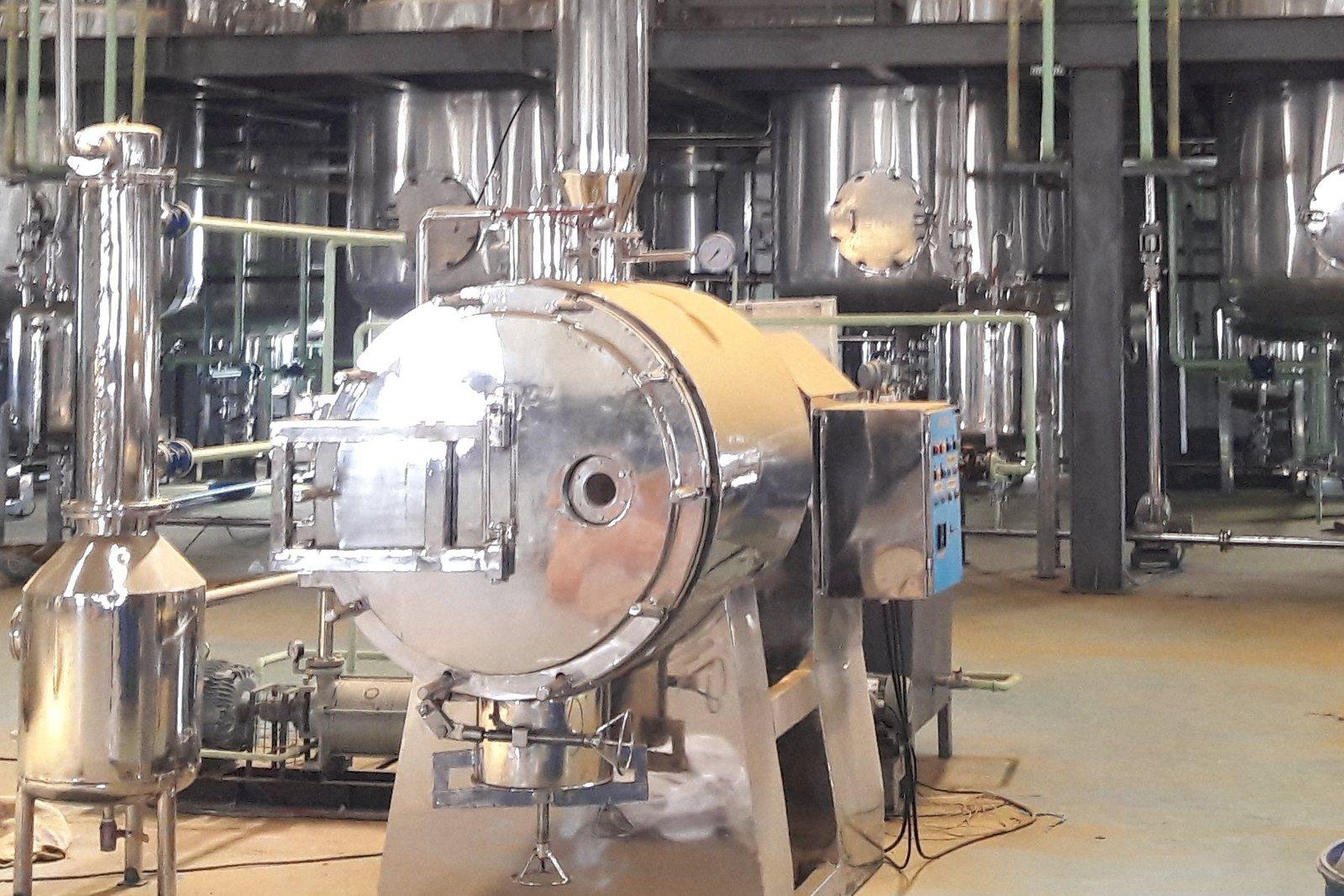
Rice is grown in the Guinea savanna zone, and parboiling, which is partial boiling in the husk before milling, protects the grain from breaking; steaming and drying capacity is worth discussing for consistent quality through the season.
Also Listed for Ghana
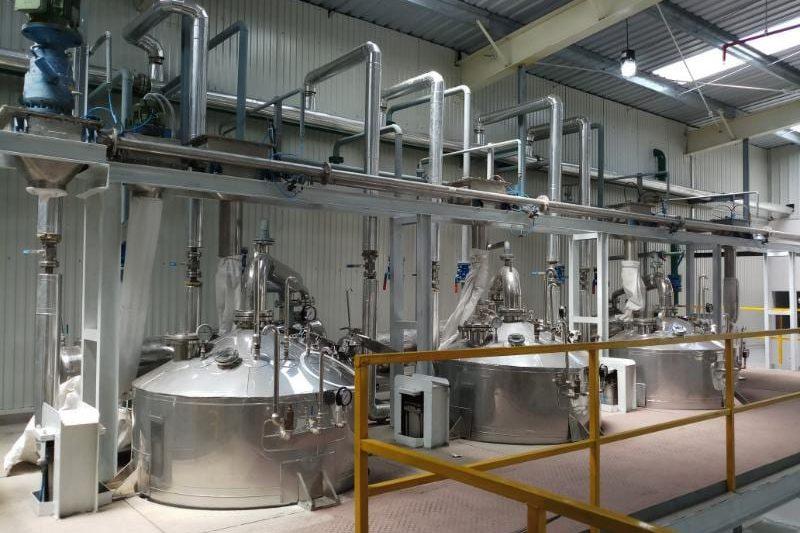 Herbal, Botanical & Nutraceutical Extraction
Herbal Extraction Plants
View Product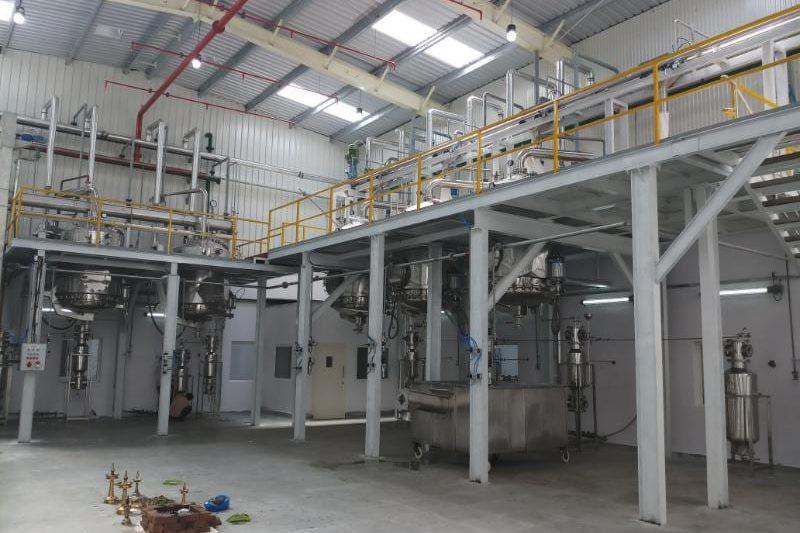 Herbal, Botanical & Nutraceutical Extraction
Turnkey Multi-Herbal Extraction Plants
View Product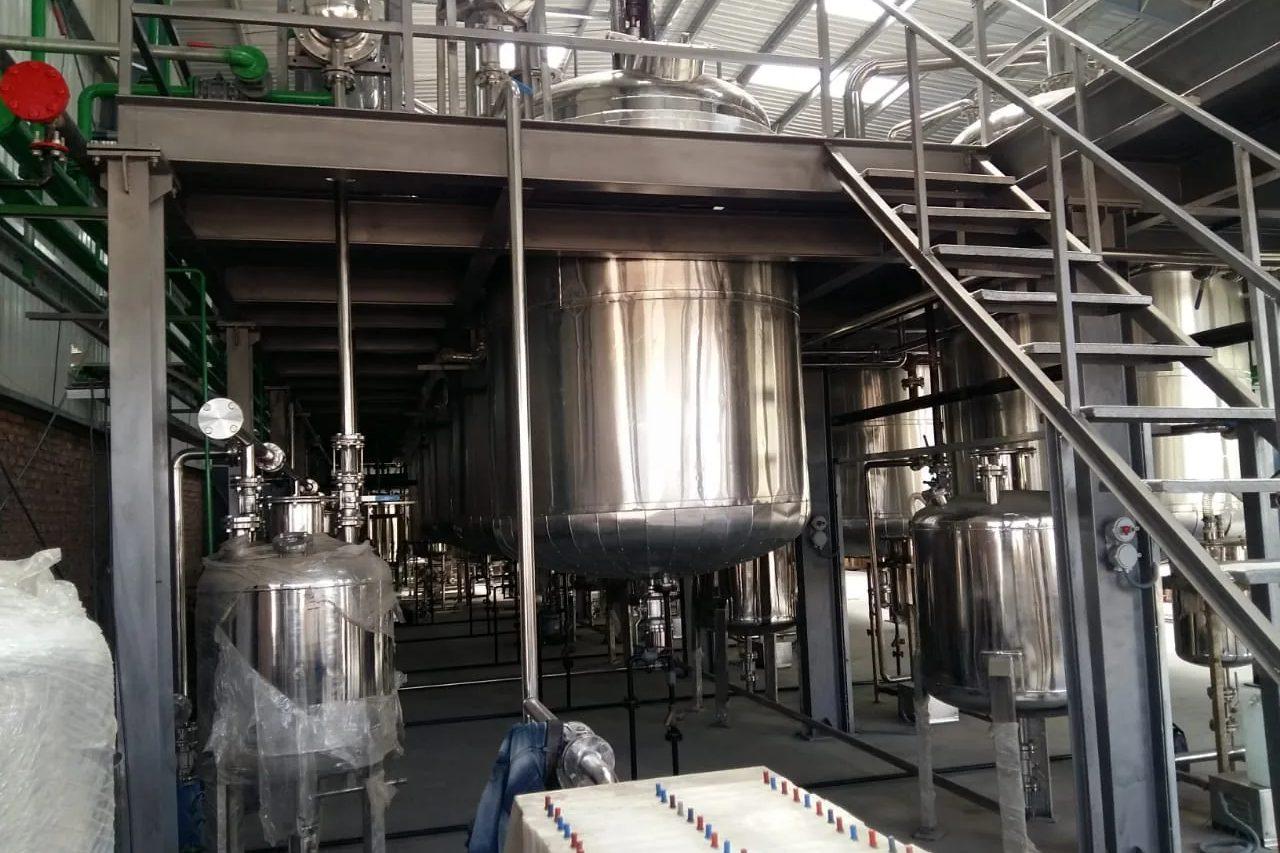 Herbal, Botanical & Nutraceutical Extraction
Ginger Extraction Plant
View Product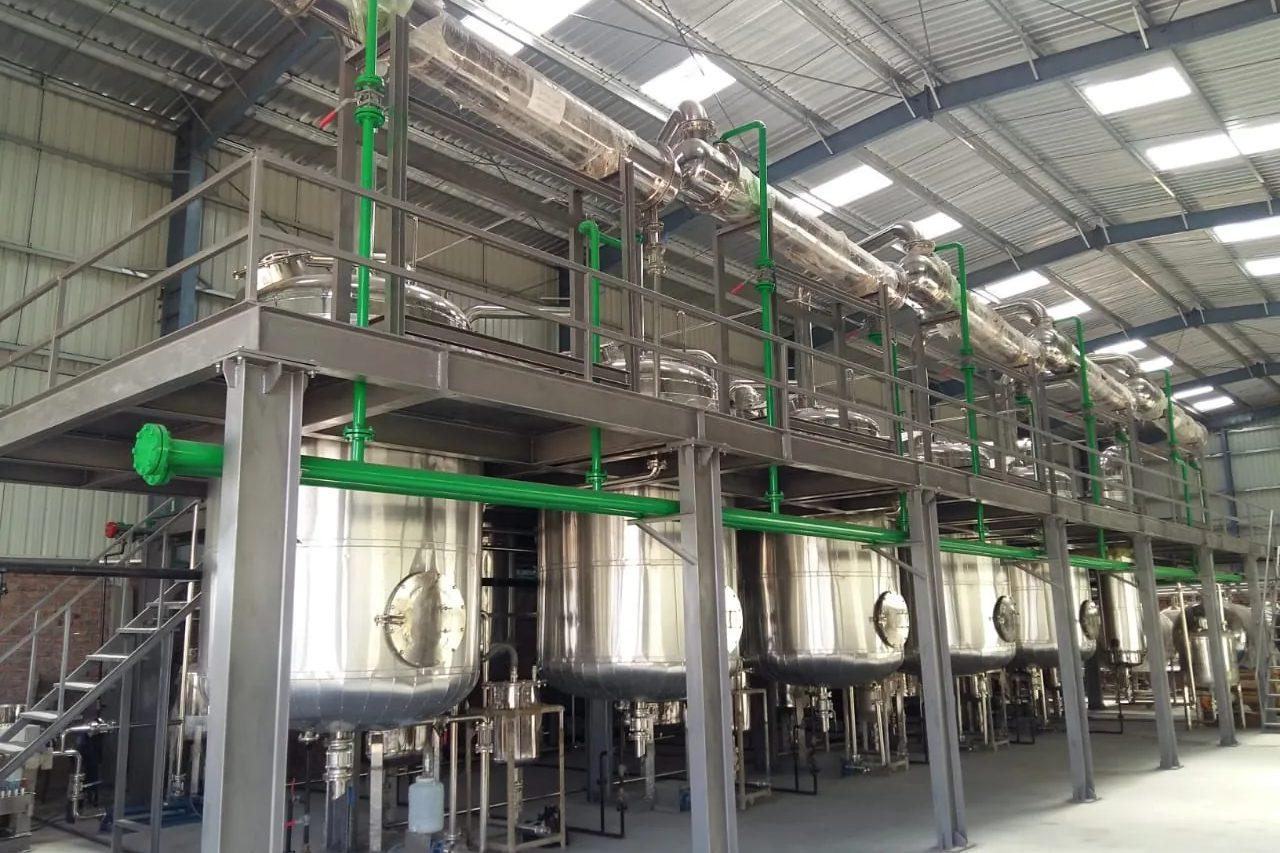 Herbal, Botanical & Nutraceutical Extraction
Hibiscus Extraction Plant
View Product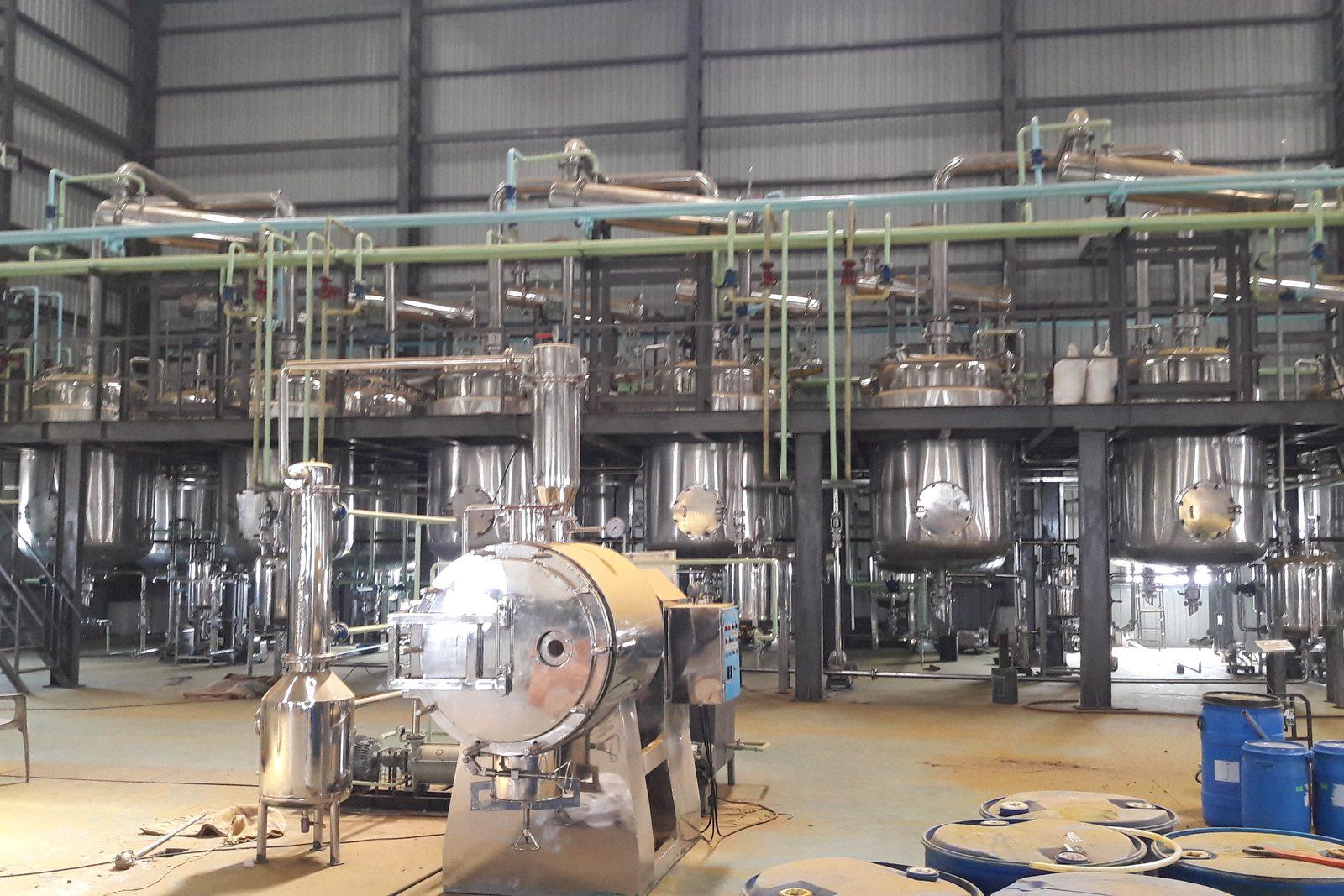 Herbal, Botanical & Nutraceutical Extraction
Moringa Extraction Plant
View Product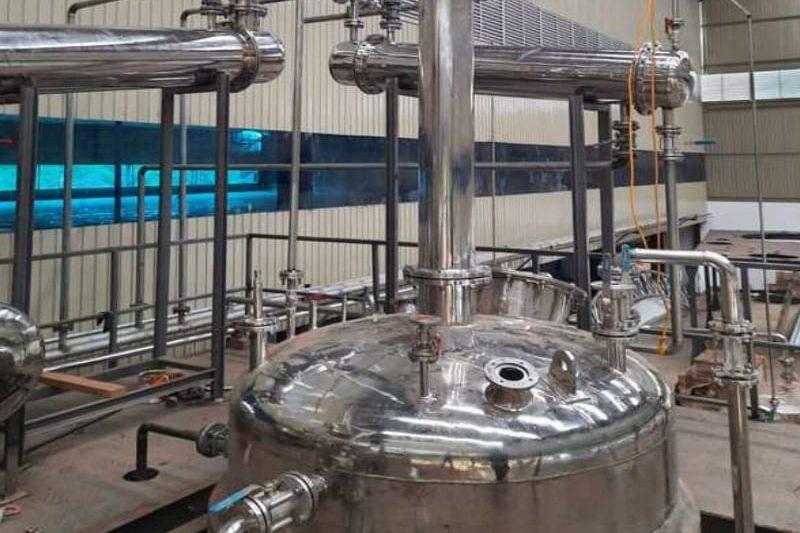 Herbal, Botanical & Nutraceutical Extraction
Advanced Botanical Extraction Systems
View Product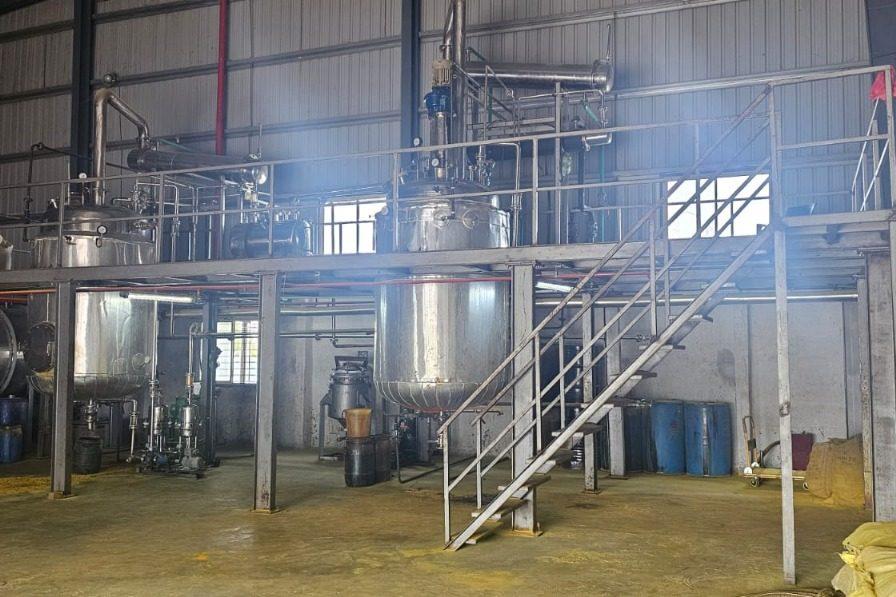 Essential Oils, Spices & Oleoresins
Turmeric Processing & Extraction Plants
View Product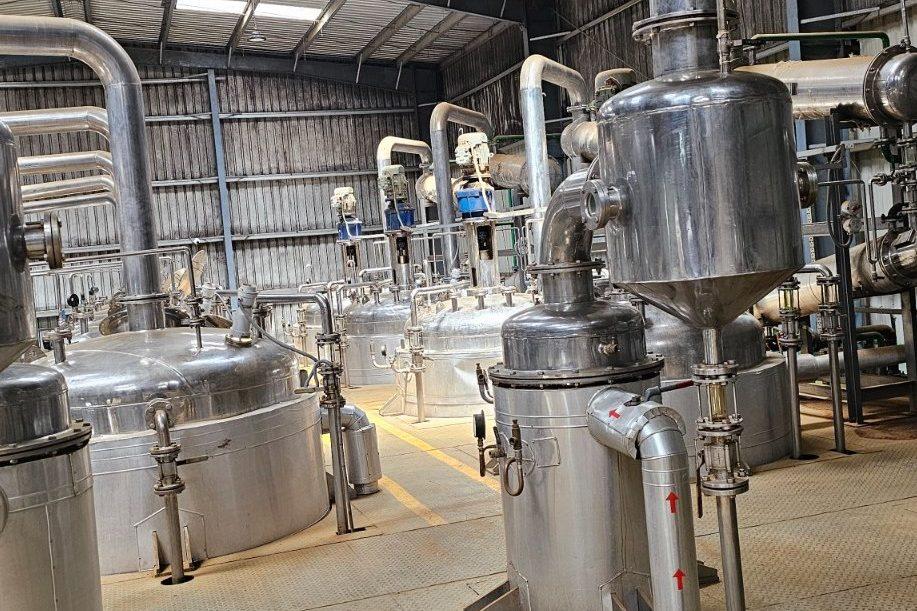 Essential Oils, Spices & Oleoresins
Ginger Processing Plants
View Product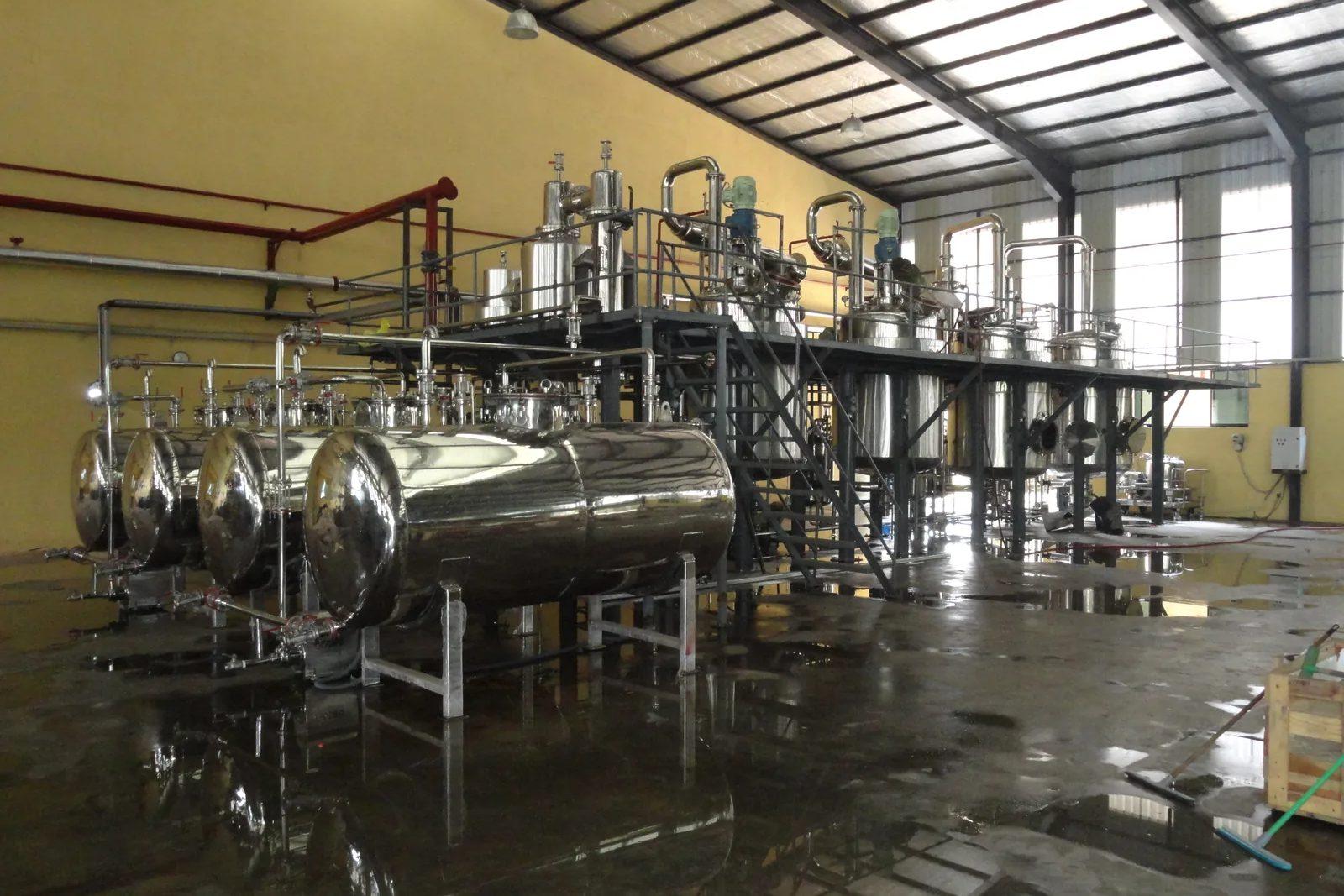 Fruit & Vegetable Processing
Fruit Juice Processing & Concentration Plant
View Product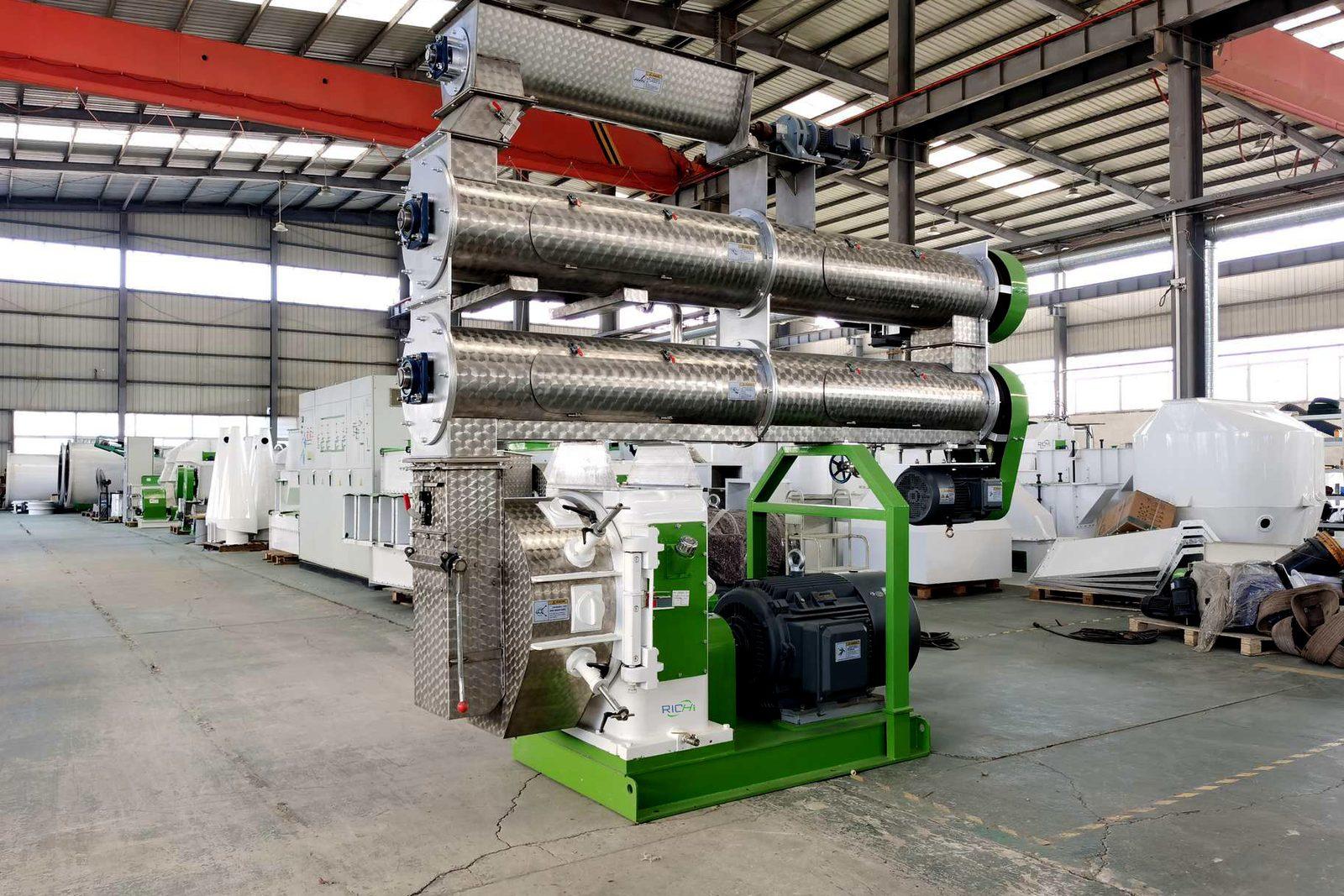 Starch, Flour, Edible Oil & Food Processing
Animal Feed Plant Enquiry (Poultry, Cattle & Aqua Feed)
View Product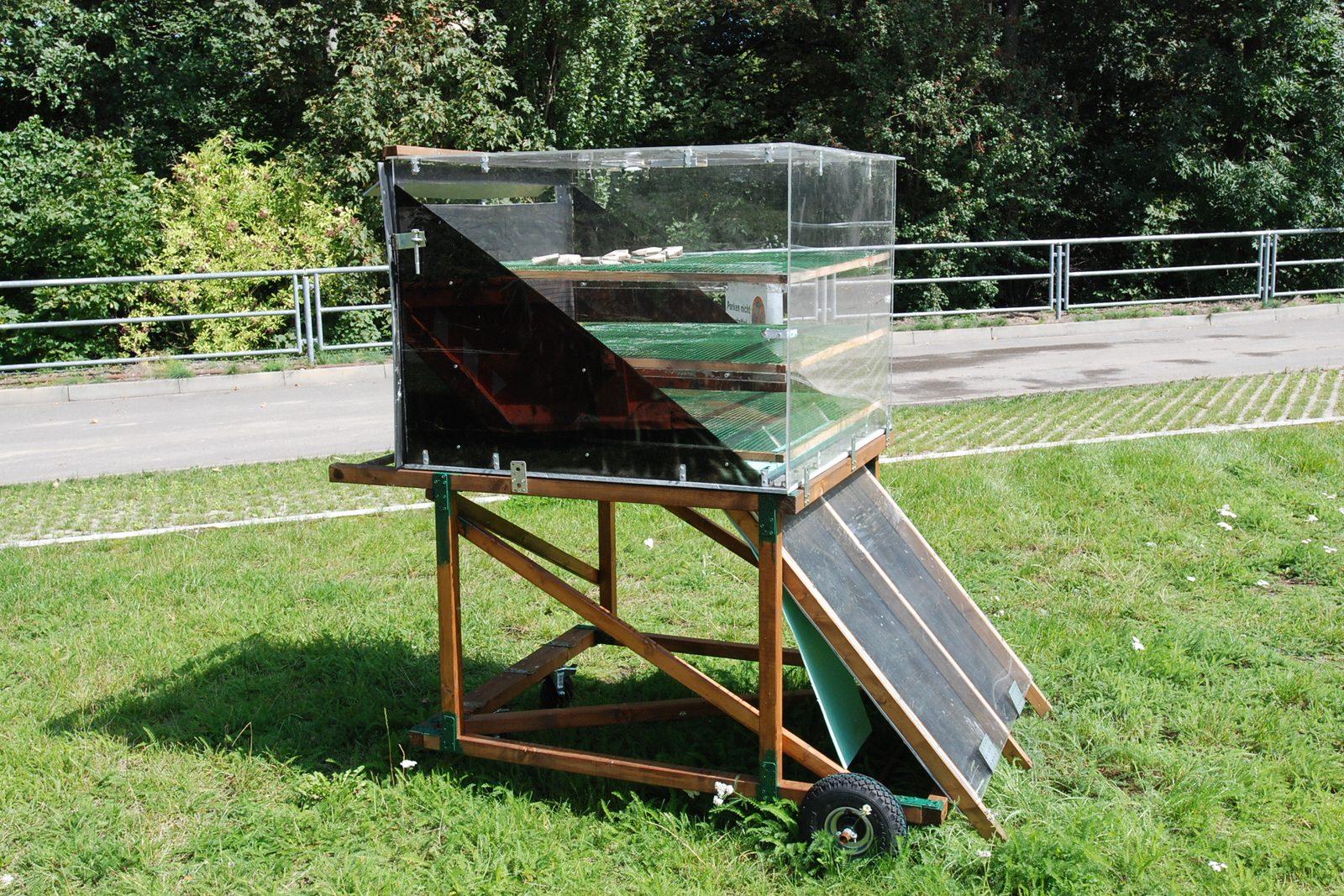 Drying & Dehydration Systems
Solar-Assisted Drying Systems
View Product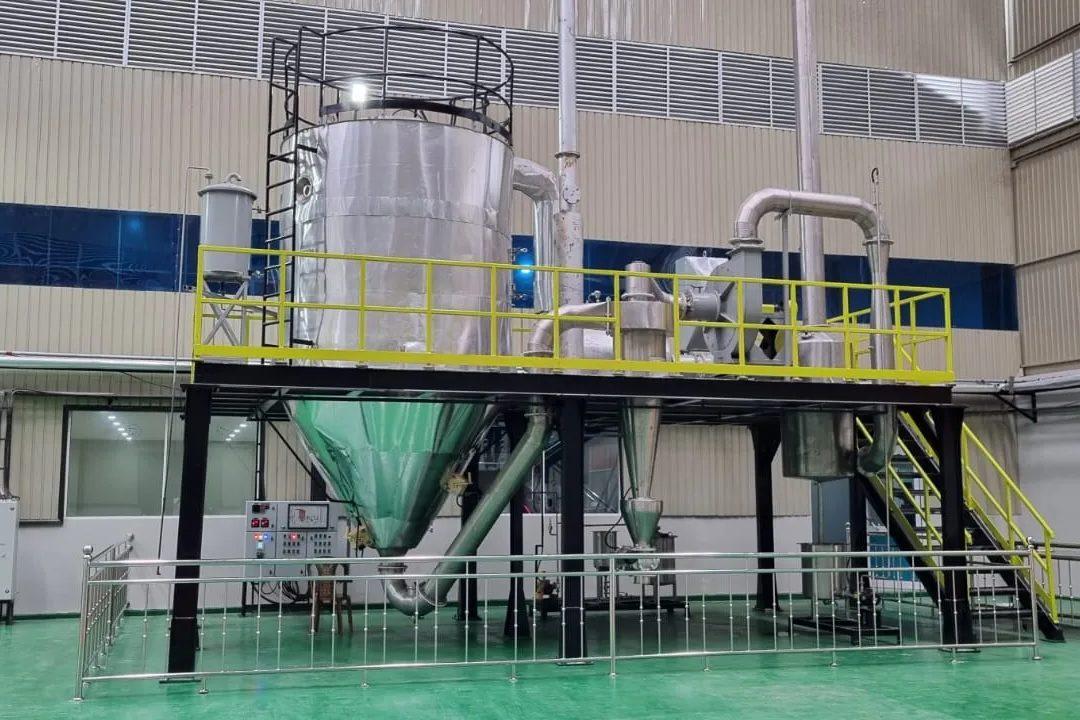 Drying & Dehydration Systems
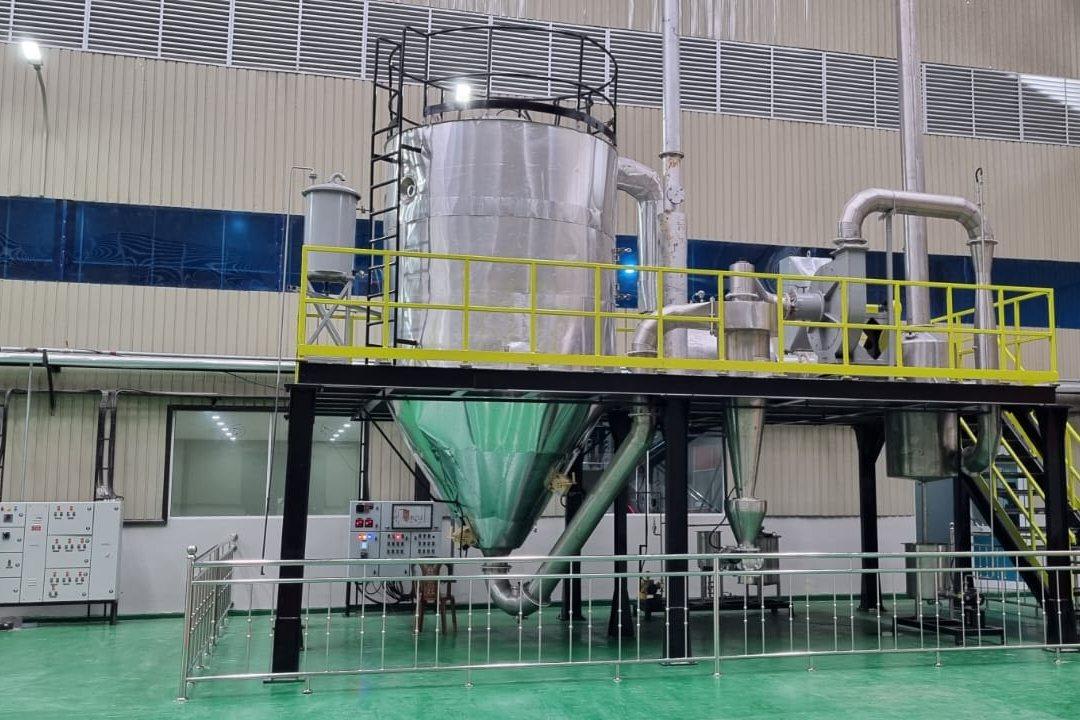
Spray Dryer
View Product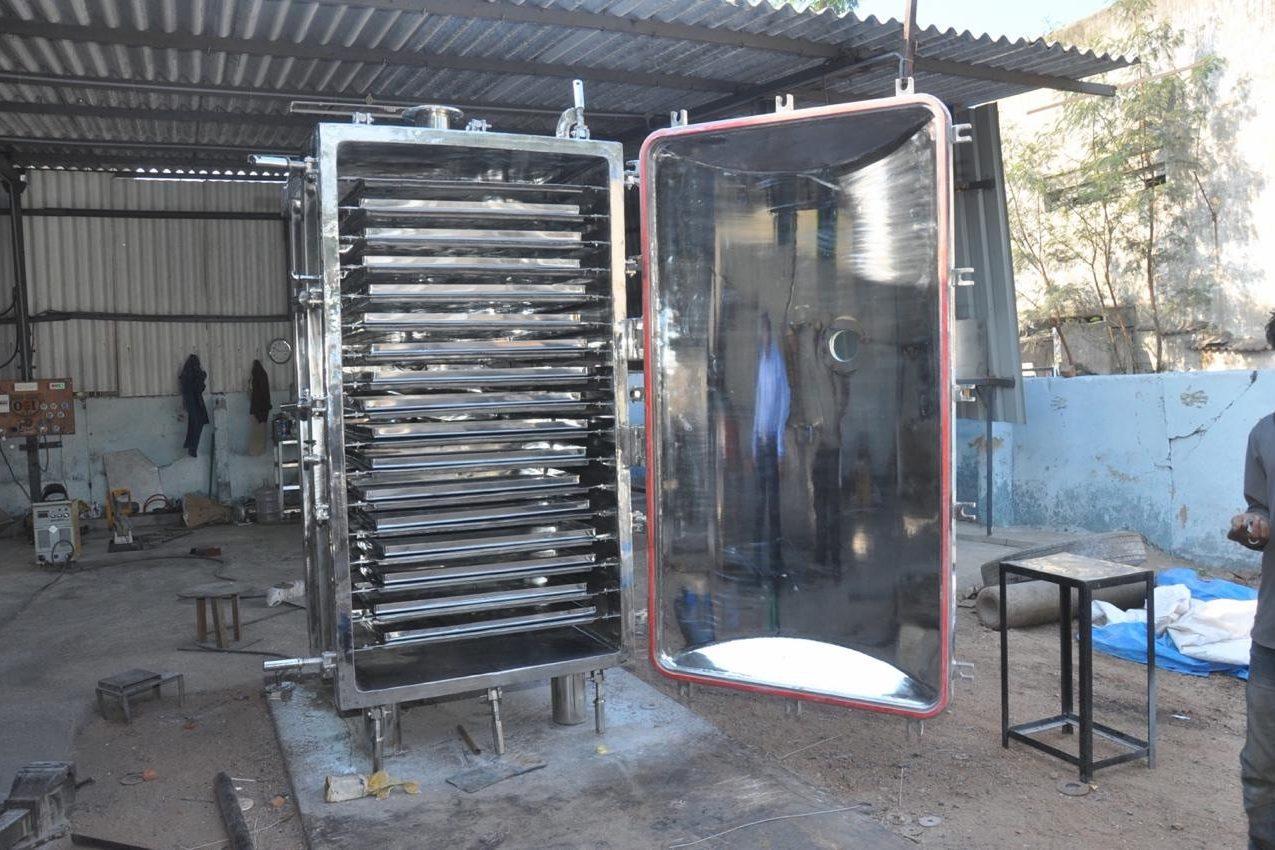 Drying & Dehydration Systems
Fruit & Vegetable Dehydration Plant
View Product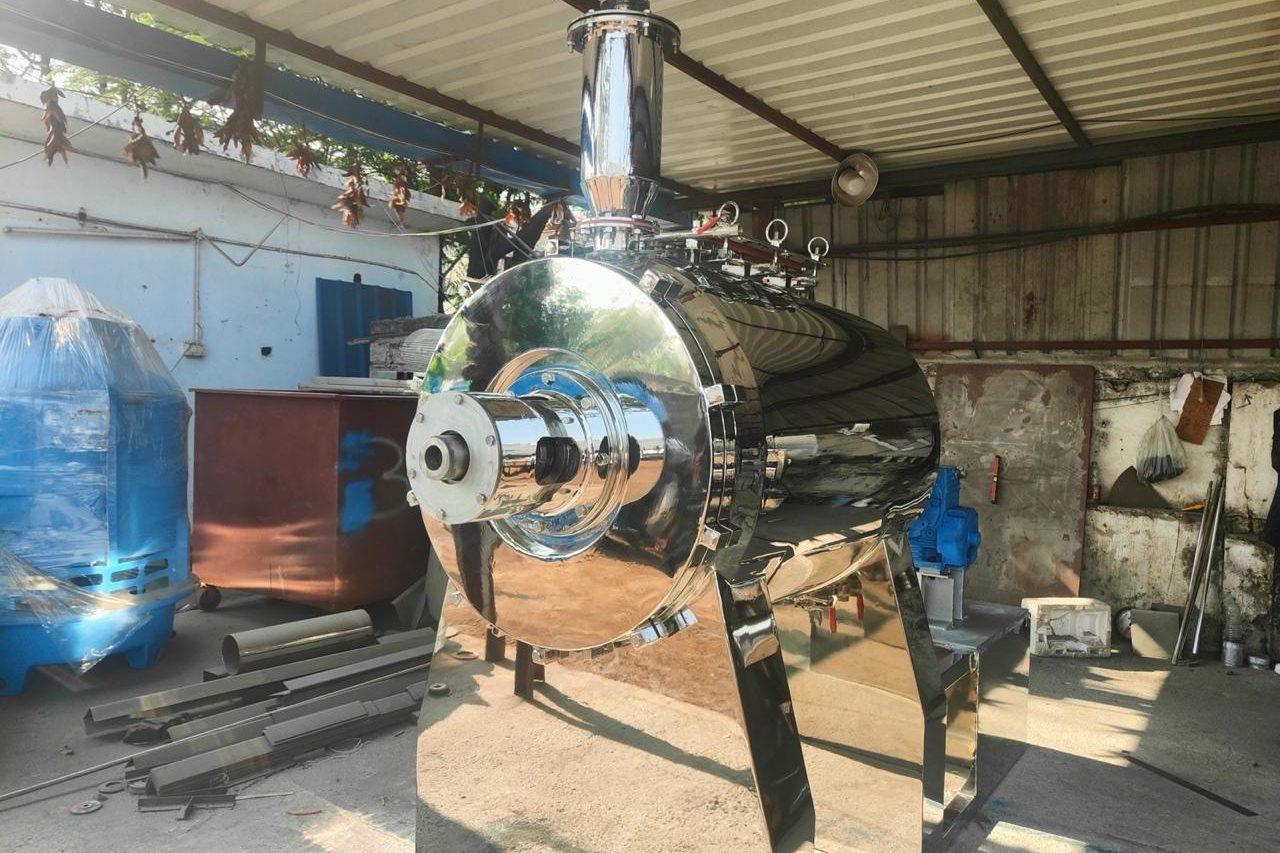 Drying & Dehydration Systems
Spice & Herbal Drying Plants
View Product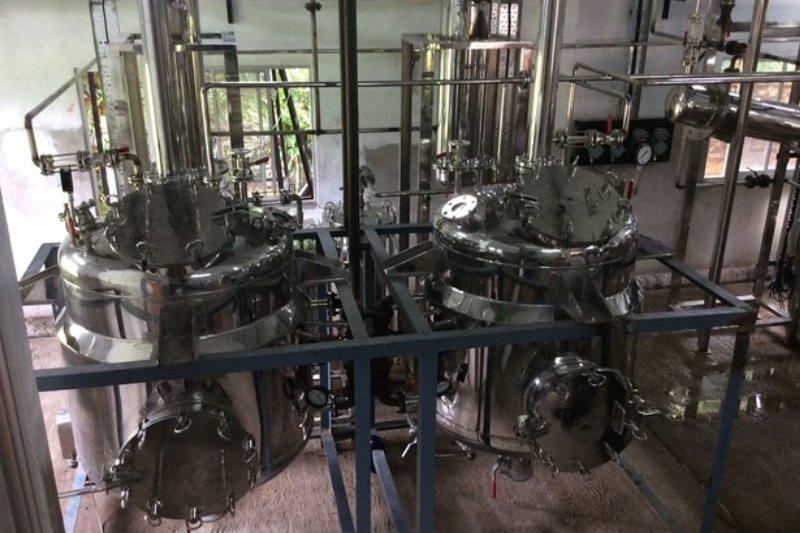 Specialty African Botanical & Natural Ingredients
Seaweed Extraction & Drying Plants
View Product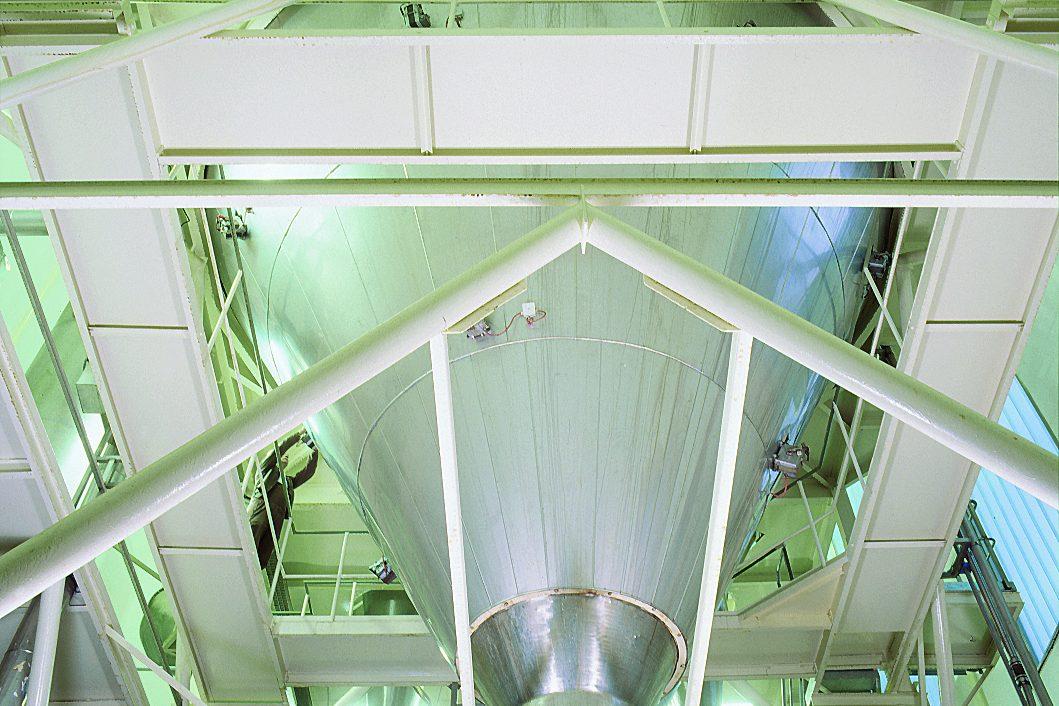 Specialty Food, Beverage & By-Product Processing
Dairy Evaporation & Spray Drying Plants
View Product
More Plants and Equipment, by Category
The other 45 products of the 73-product catalogue, by category. A product that is not listed for Ghana is not ruled out: tell us your raw material and target product. Request a technical proposal
Herbal, Botanical & Nutraceutical Extraction (3)
Category guide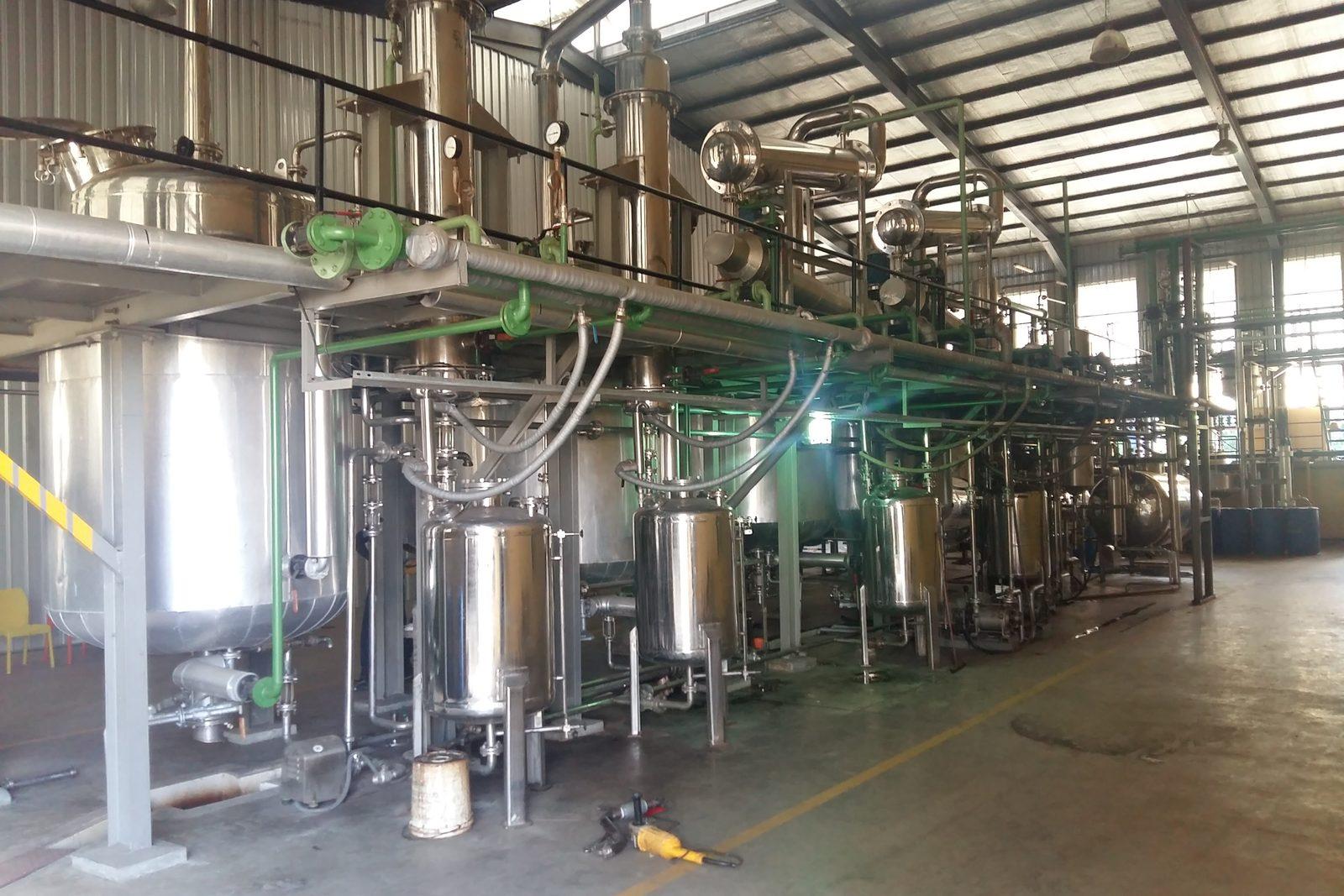
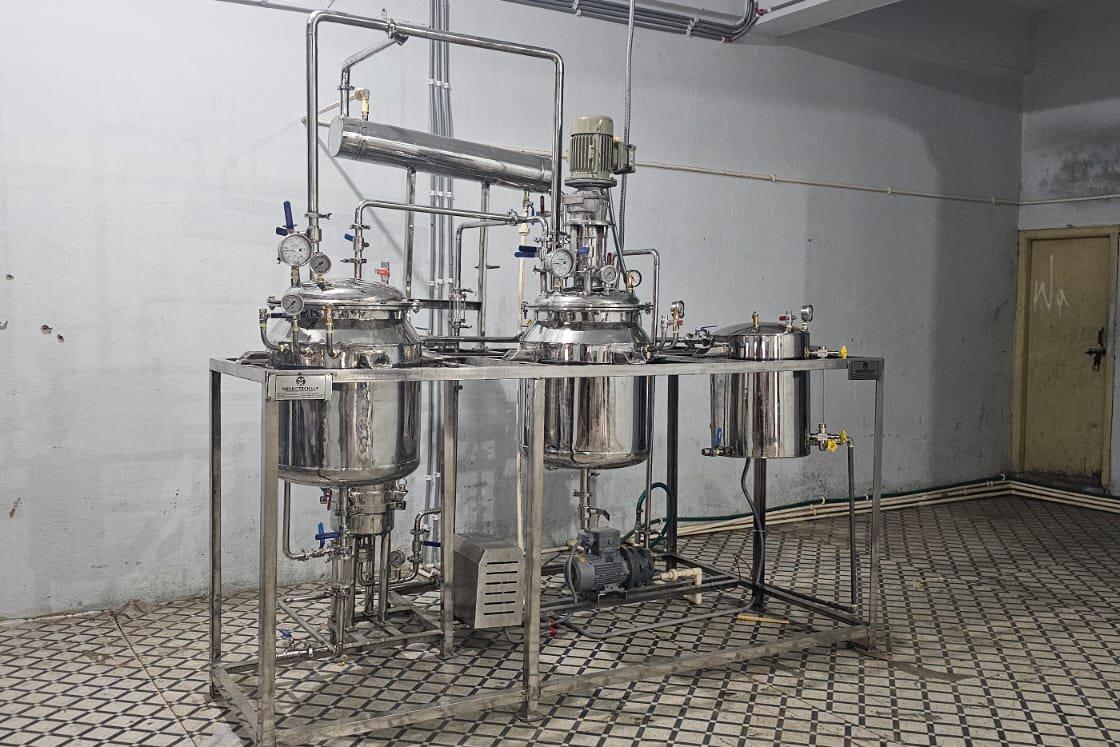
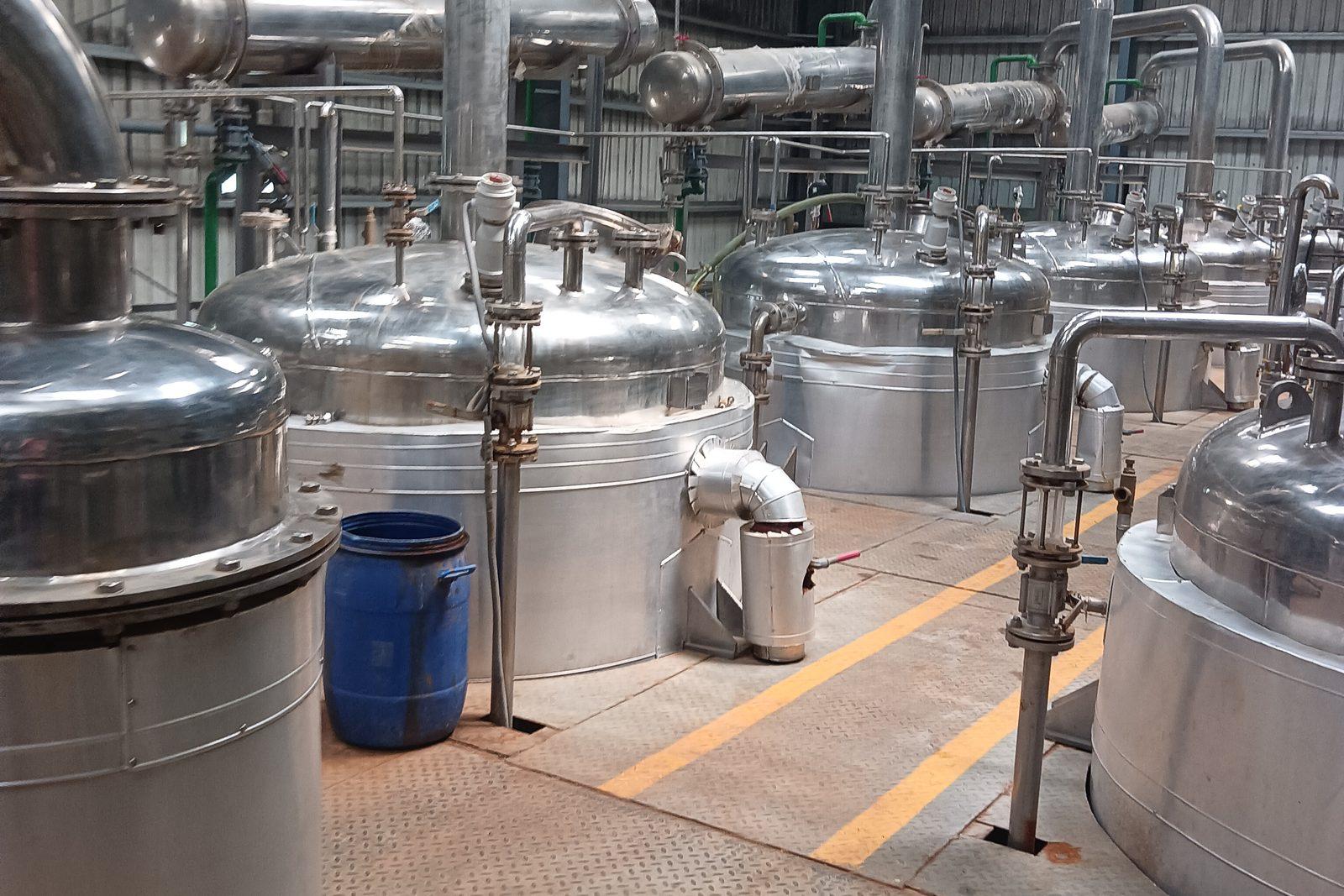
Essential Oils, Spices & Oleoresins (4)
Category guide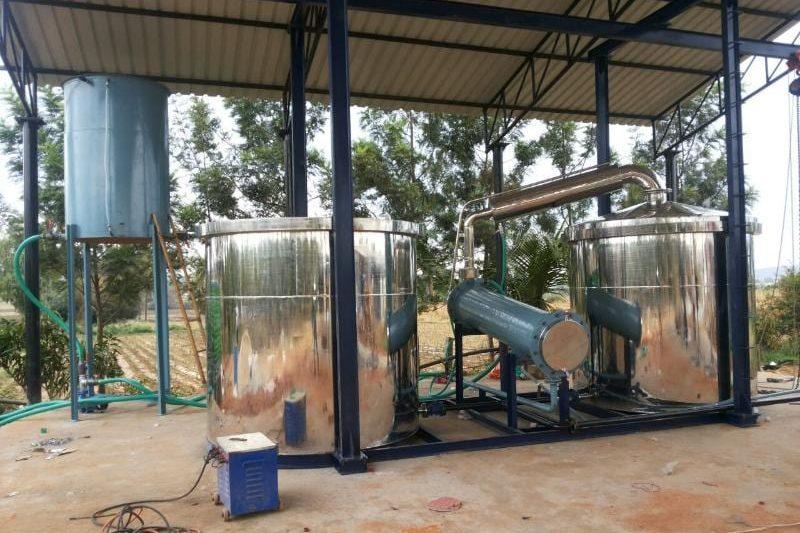
Fruit & Vegetable Processing (1)
Category guide
Starch, Flour, Edible Oil & Food Processing (4)
Category guide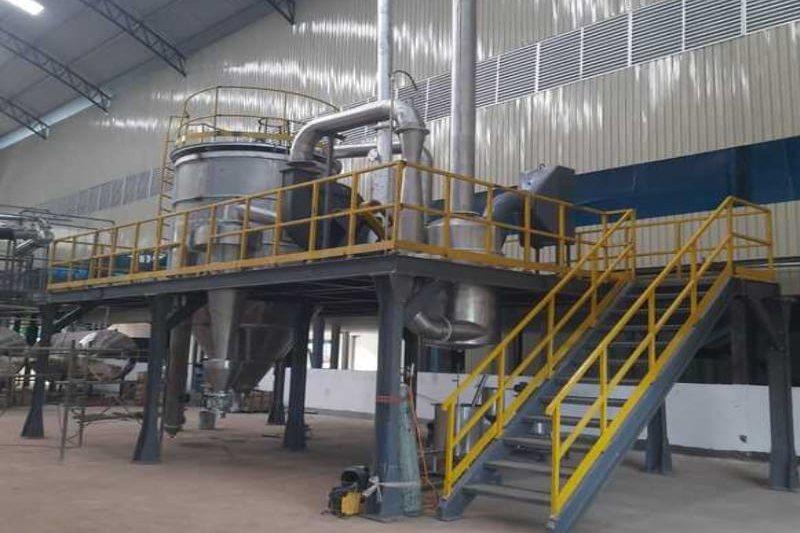
Evaporation, Concentration & Solvent Recovery (4)
Category guide
Pharmaceutical & Industrial Process Equipment (4)
Category guide
Cocoa, Shea, Palm Oil & Oilseed Processing (4)
Category guide
Cereals, Tubers & Sugar Processing (5)
Category guide
Specialty African Botanical & Natural Ingredients (10)
Category guide
Baobab Processing & Extraction Plants
View Product
Aloe Vera
View Product
Gum Arabic Processing Plant
View Product
Natural Colour Extraction Plants
View Product
Vanilla
View Product
Clove Buds
View Product
Ylang Ylang
View Product
Argan Oil Processing Plants
View Product
Olive Leaf Extract Powder
View Product
Frankincense Extraction Plant
View Product
Specialty Food, Beverage & By-Product Processing (6)
Category guide
Date Processing Plant: Extracts & Concentration
View Product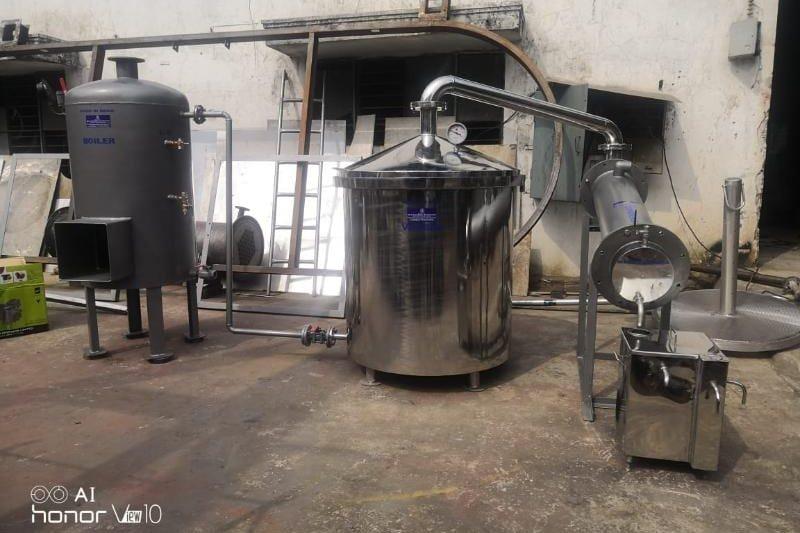
Fish Oil Recovery & By-Product Processing Plants
View Product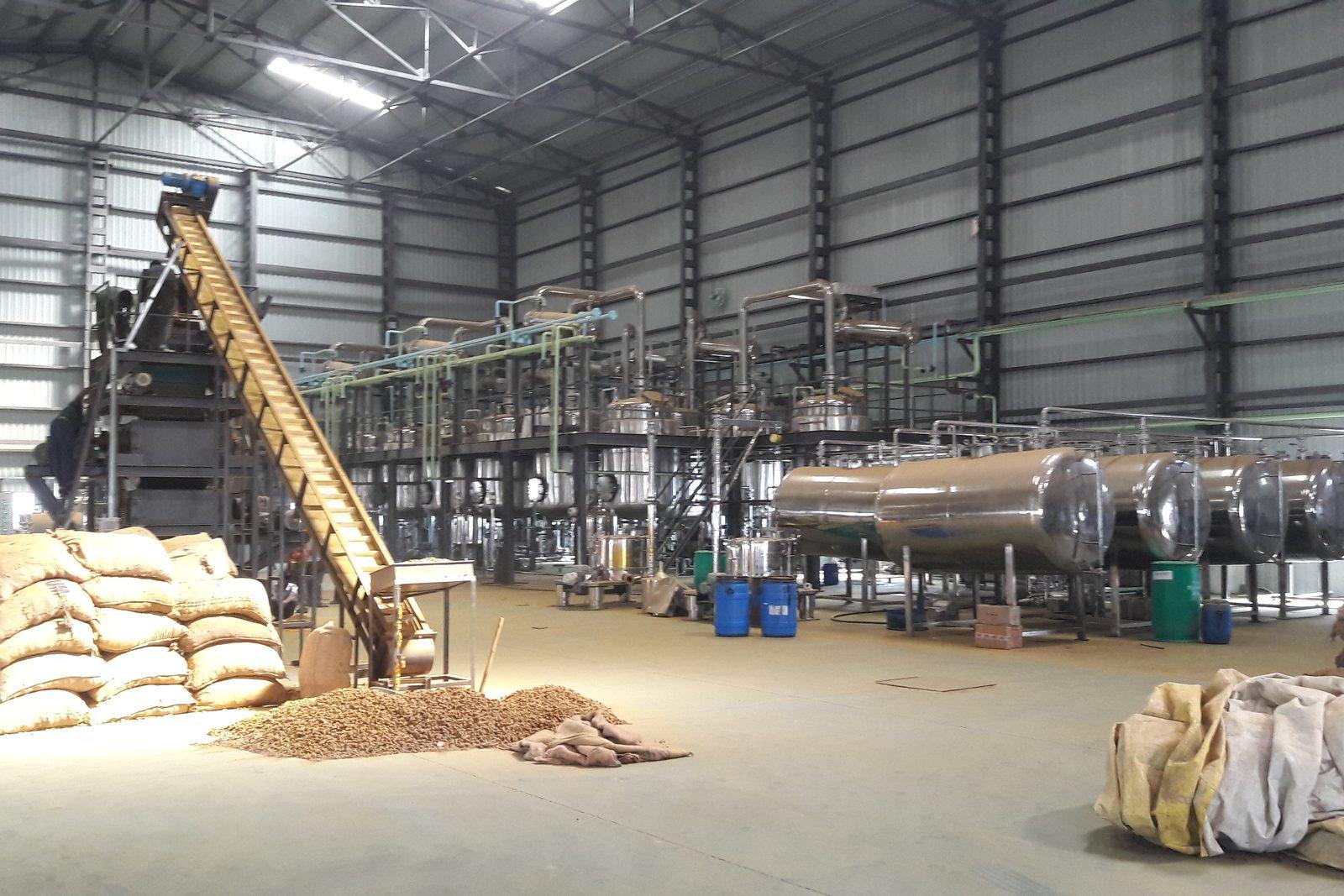
Tea Extraction & Concentration Plants
View Product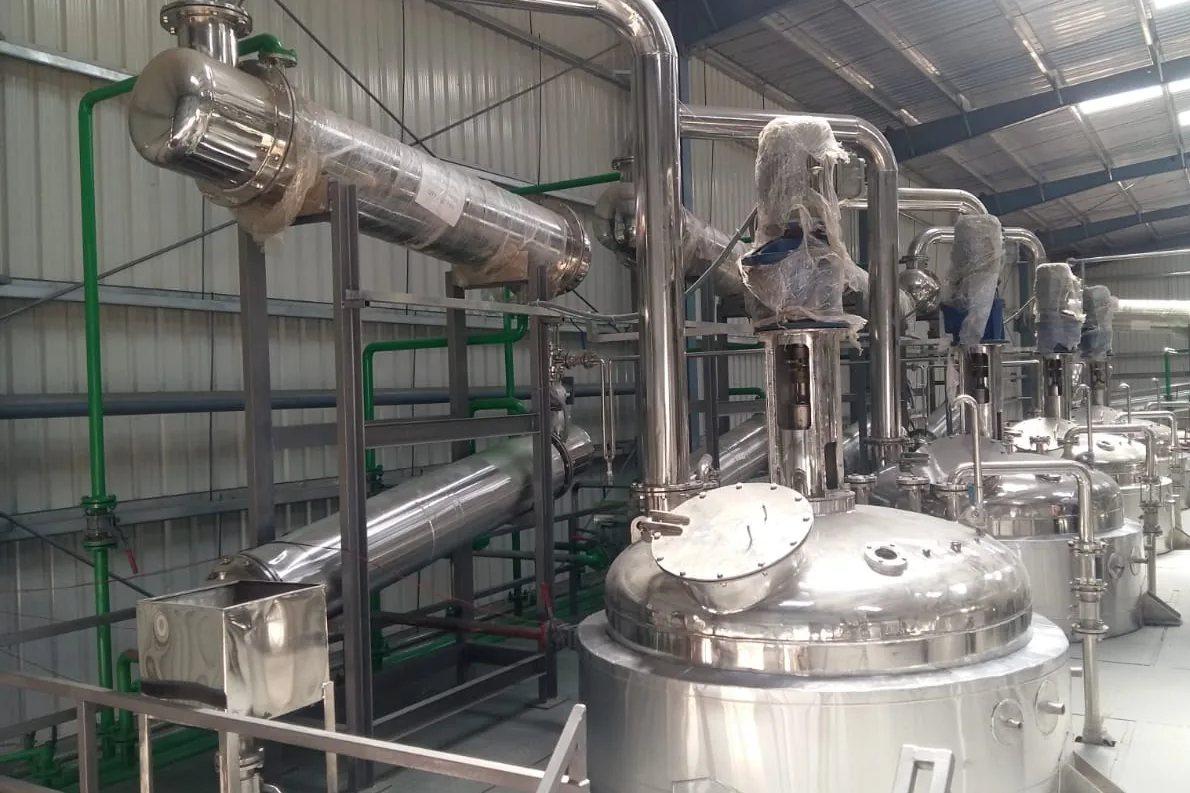
Coffee Extraction & Concentration Plants
View Product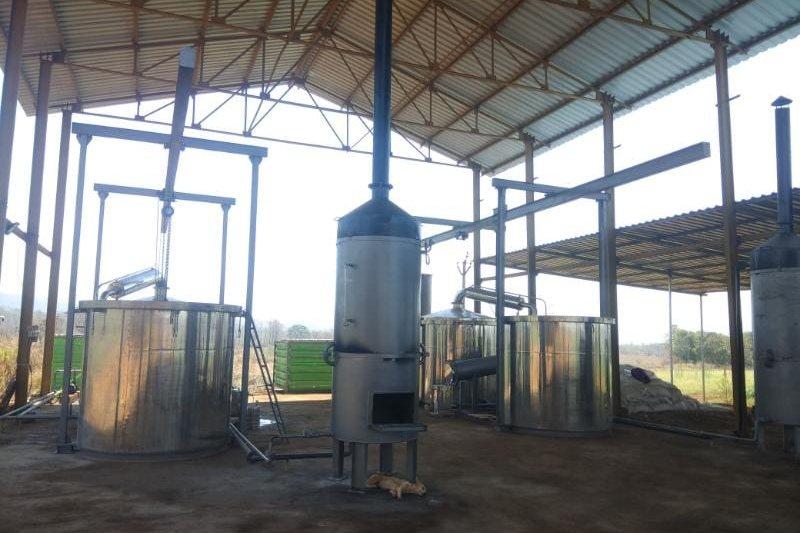
Coconut Oil & Milk Processing Plants
View Product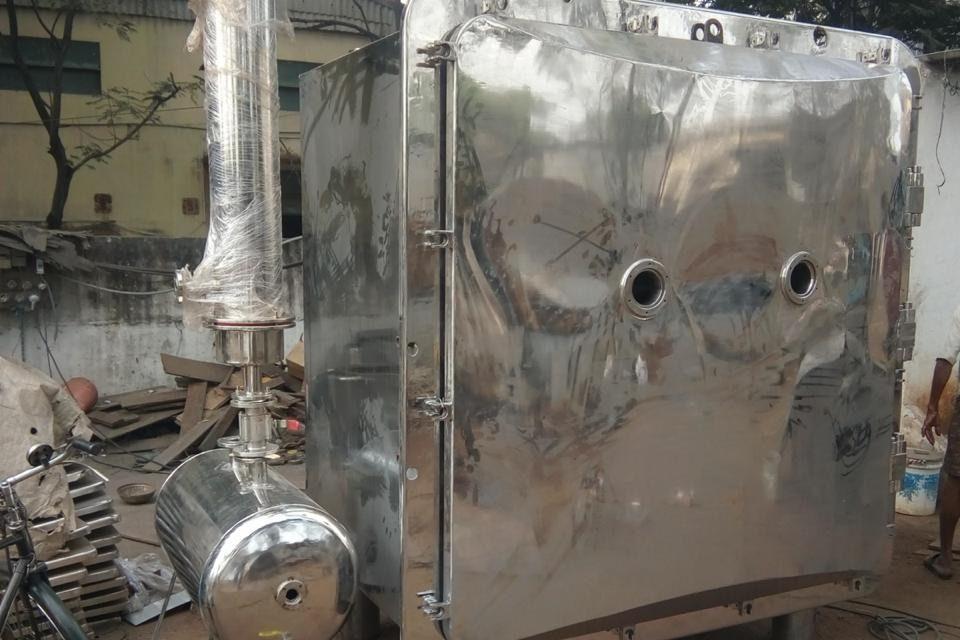
Onion & Garlic Dehydration Plants
View Product
What to Settle Before You Ask for a Proposal
Two rainfall patterns, two supply patterns
Rainfall is bimodal in the south and unimodal in the north, so harvest timing and drying conditions differ; a plant for shea or rice in the north needs different dryer sizing and storage assumptions from a fruit plant in the south.
Port access through Tema and Takoradi
Equipment may arrive through Tema or Takoradi and then travel by road, so heavy vessels and long columns should be checked against road transport limits to the plant site, particularly for northern locations.
Aggregated smallholder supply
Where cocoa, shea and cassava reach the plant from many small farms, feedstock volume depends on buying centres and cooperatives, so plant scale should reflect what can realistically be collected through the season.
Industries to read next
Agro & Food Processing Solutions
Cocoa, shea, fruit, cassava, tomato and rice place agro-food processing at the centre of the products mapped to Ghana, spanning cocoa, shea butter, juice, starch, paste and parboiling.
Read the industry pageIndustrial Drying & Dehydration Solutions
Kernels, cassava chips, fruit and tomato all need drying before storage or further processing, so hot-air and solar-assisted dryers are relevant across several Ghanaian value chains.
Read the industry page
From Enquiry to a Running Plant
Your Ghana Office in Accra
Ghana Office
Kadali Africa Ventures Limited Ghana
No. 421 University Road,
Sowutuom, Accra, Ghana
Questions About Plants for Ghana
What does cocoa processing involve in Ghana?
Fermented beans are roasted, winnowed to separate the shell from the nib, ground to liquor and pressed into cocoa butter and cake, and the cake is broken and milled to powder. State your bean source and the products you want; the scope of any plant is confirmed in the technical proposal.
Which processing plants are worth discussing for shea butter in Ghana?
Shea butter production generally involves kernel drying, crushing, pressing and refining, and a hot-air or solar-assisted dryer can condition kernels before pressing. Share your kernel source and target butter grade so the steps can be matched to your supply.
Can a fruit juice plant in Ghana be set up for pineapple and mango?
Pineapple and mango share steps such as washing, pulping or extraction, enzyme treatment, pasteurisation and filling, so they are often discussed together. Peeling and finishing differ by fruit, so state which fruits you plan to run and in what seasons.
Does Kadali Africa Ventures have an office in Ghana?
Kadali Africa Ventures Limited has offices in Accra, Ghana and Kano, Nigeria. Engineering and manufacturing scope for each product is confirmed in the technical proposal.
What should I send for a Ghana project proposal?
Use the form on this page. Give your raw material, the product you want to make, the capacity and its basis (for example kg per hour or tonnes per day) and your site.
Planning a project in Ghana?
Send your raw material, target product and capacity. We will come back with the process route and equipment scope for your project.
Tell us about your Ghana project
Only name, email, phone and industry are required. The more you share about raw material and capacity, the more precise our proposal.