
Agro-Processing Plant Options for Nigerian Cassava, Palm Oil, Rice and Fruit
A starting point for Nigerian processors comparing plants for cassava, palm oil, rice, mango, pineapple, citrus and roselle before requesting a technical proposal.
- 26 products in 9 categories, listed for Nigeria
- Engineering and manufacturing scope confirmed in the technical proposal
Kadali Africa Ventures Limited has offices in Accra, Ghana and Kano, Nigeria. This page lists the products the catalogue assigns to Nigeria, then the rest of the catalogue.
Nigeria's crop diversity and what it means for plant selection
Nigeria spans diverse zones, from mangrove and rainforest regions in the south to savannas and the Sahel in the north, and its climates range from tropical monsoon in the south to semi-arid Sahelian conditions in the north. Rainfall is far heavier on the coast than in the far north, so each zone supports different crops. Cassava, yam, plantain and maize are the staple food crops of the middle belt and the south, and the cassava-growing belt lies in the southeast, the southwest and the central area.
In the north, the land suits sorghum, millet, maize, cowpea, groundnut and cotton, while low-lying and seasonally flooded areas are increasingly used for rice. Cassava reaches households as gari, chips and flour, and fermented pastes, with starch as a further industrial route. Oil palm is grown by Nigeria's plantations, smallholders and processors, and the national horticultural research institute has added value to mango, citrus, pineapple and roselle, a hibiscus.
Possible users of plants like these include starch and flour producers, palm oil millers, juice and beverage makers, ingredient firms and cooperatives. Equipment may arrive through the Lagos Port Complex or the Tin Can Island Port Complex in Lagos State, or through the Rivers Port Complex and the Onne Port Complex in Rivers State, and then move inland by road.
Products Relevant to Nigeria
26 of the 73 products in the catalogue are listed for Nigeria, in 9 categories: Herbal, Botanical & Nutraceutical Extraction (5), Essential Oils, Spices & Oleoresins (2), Fruit & Vegetable Processing (7), Starch, Flour, Edible Oil & Food Processing (3), Drying & Dehydration Systems (5), Cocoa, Shea, Palm Oil & Oilseed Processing (1), Cereals, Tubers & Sugar Processing (1), Specialty African Botanical & Natural Ingredients (1), Specialty Food, Beverage & By-Product Processing (1). The plants for Nigeria’s own raw materials come first. A listing is a catalogue listing, not a statement of demand or supply; the final configuration depends on your raw material, target product and capacity.
Cassava
Cassava is grown across the southeast, southwest and central areas, and moving from fresh roots to starch or dried flour is a route to longer shelf life; washing, grating and drying are the relevant steps.
 For Cassava
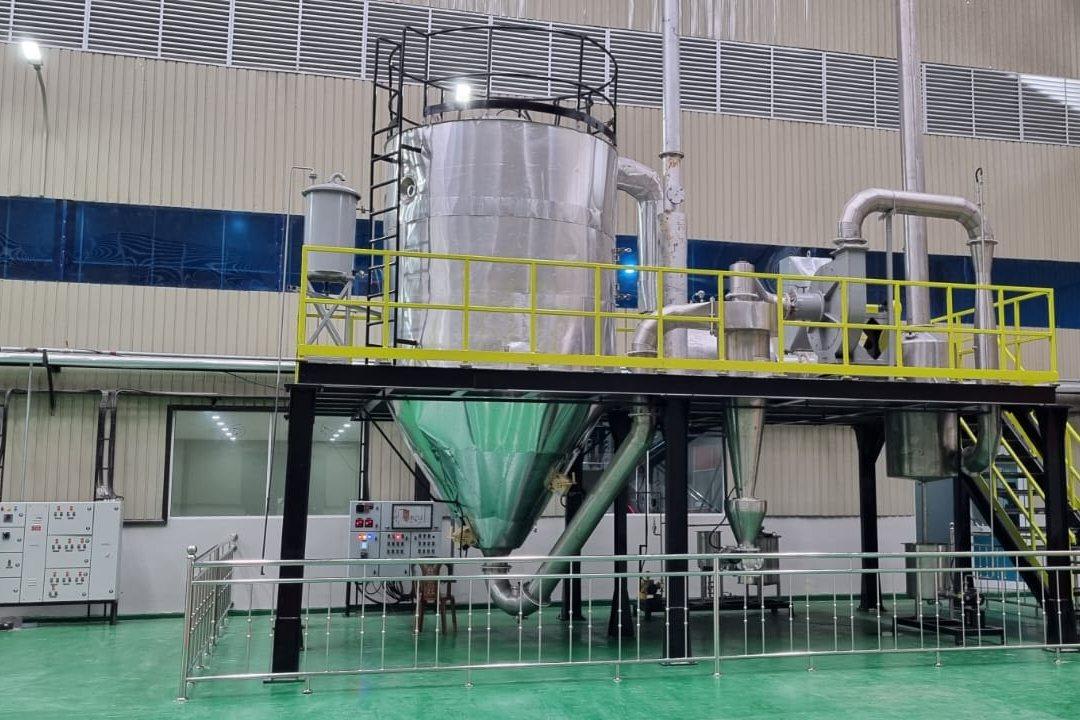
Cassava Starch Processing Plants
A cassava starch plant turns fresh roots into dry, white starch by rasping the roots, washing the starch out with water and drying it.
View Product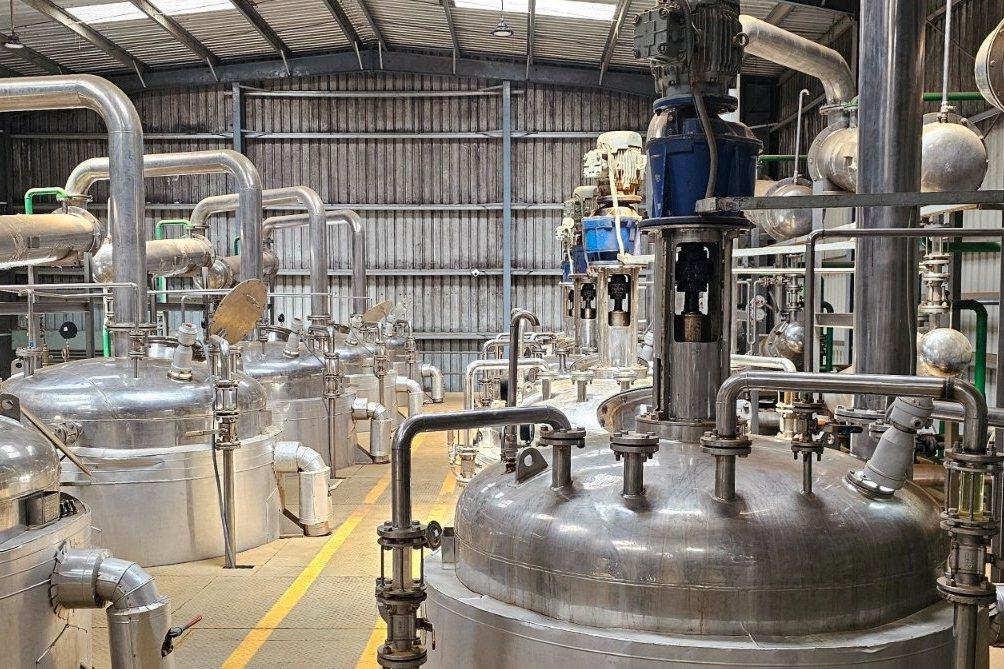 For Cassava
Cassava Flour Processing Plants
A cassava flour plant makes a fine, unfermented flour from peeled whole roots by grating or chipping, pressing, drying and milling.
View Product
Oil palm fruit
Oil palm is grown by plantations and smallholders, and palm bunches need handling soon after harvest, so sterilising, pressing and clarifying, followed by refining where required, are the steps worth discussing for millers.
Rice
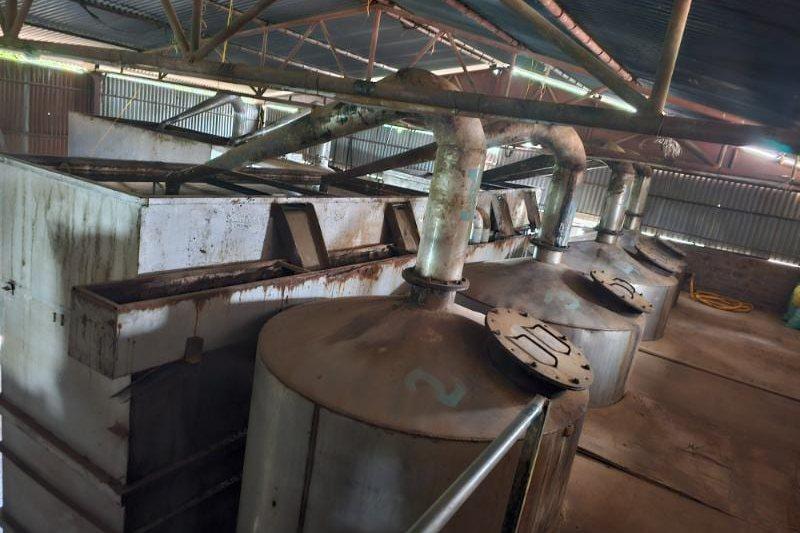
Low-lying and seasonally flooded areas are increasingly used for rice, which is parboiled by partial boiling in the husk before milling to protect the grain from breaking; steaming and drying capacity is worth discussing.
Hibiscus (roselle)
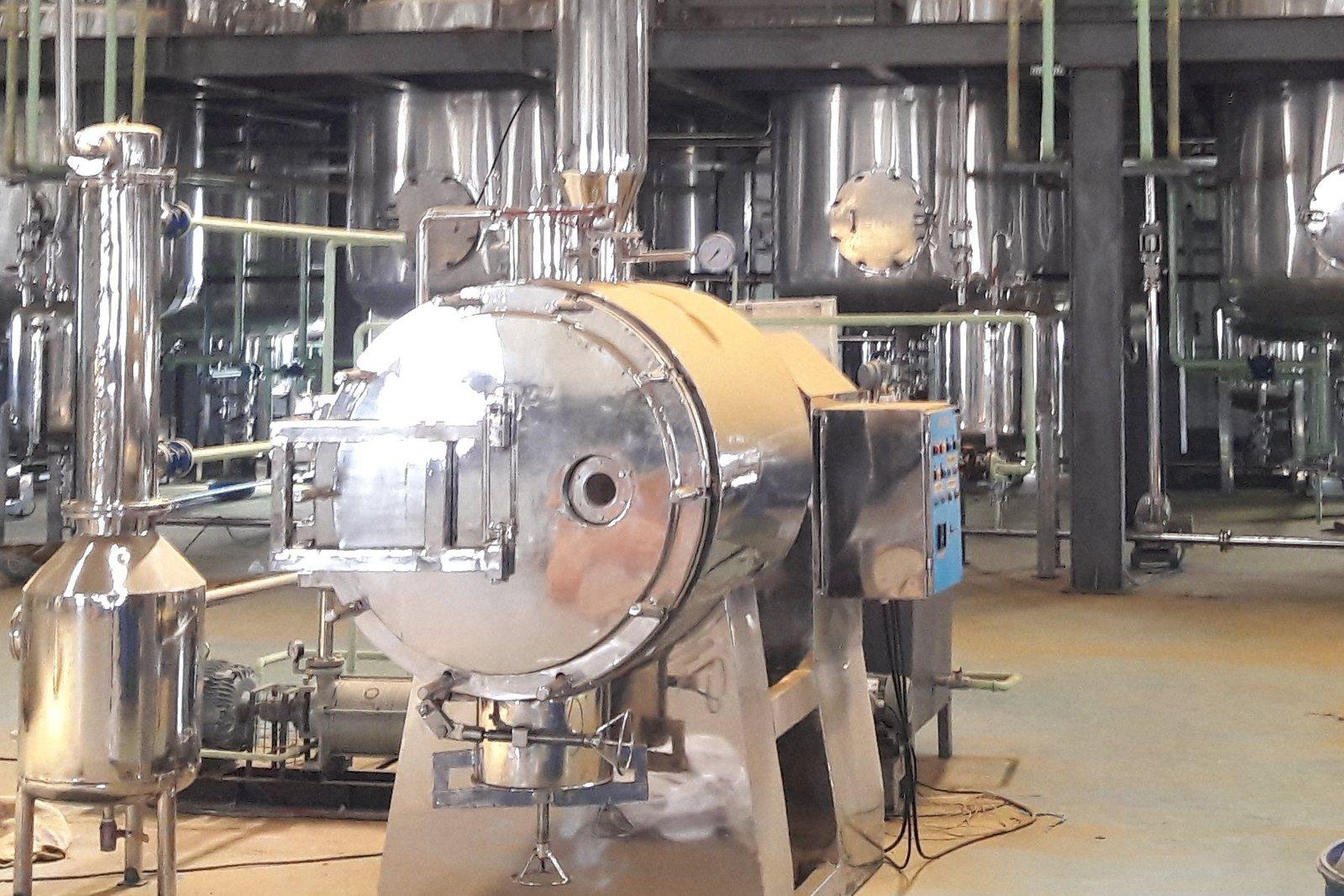
Roselle, the hibiscus calyx, has had value added by Nigerian horticultural researchers, and aqueous extraction followed by concentration is the relevant sequence where an extract is wanted instead of dried calyces.
 For Hibiscus (roselle)
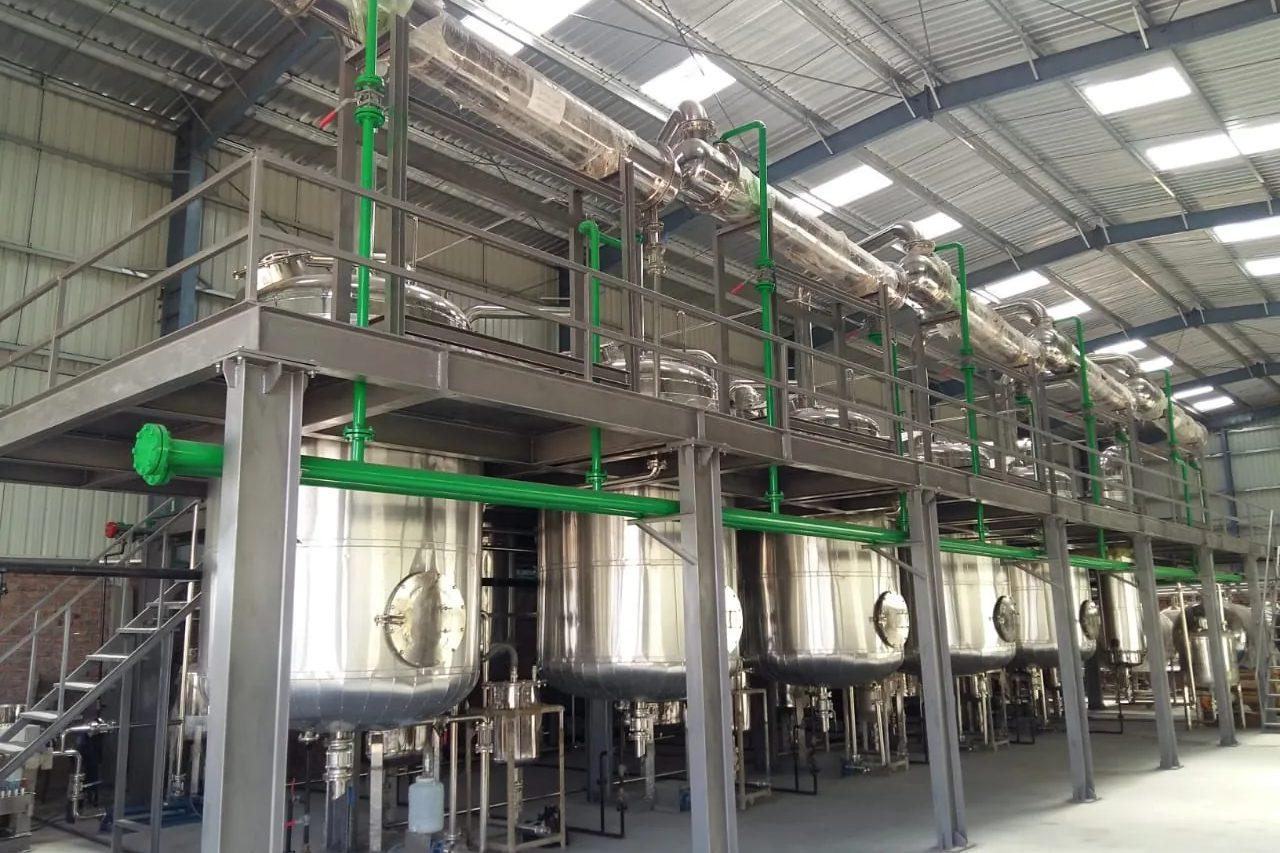
Hibiscus Extraction Plant
Hibiscus extraction plant for natural red colour, anthocyanins, calyx mucilage or liquid extract. Confirm species, feed and route, then ask for a proposal.
View Product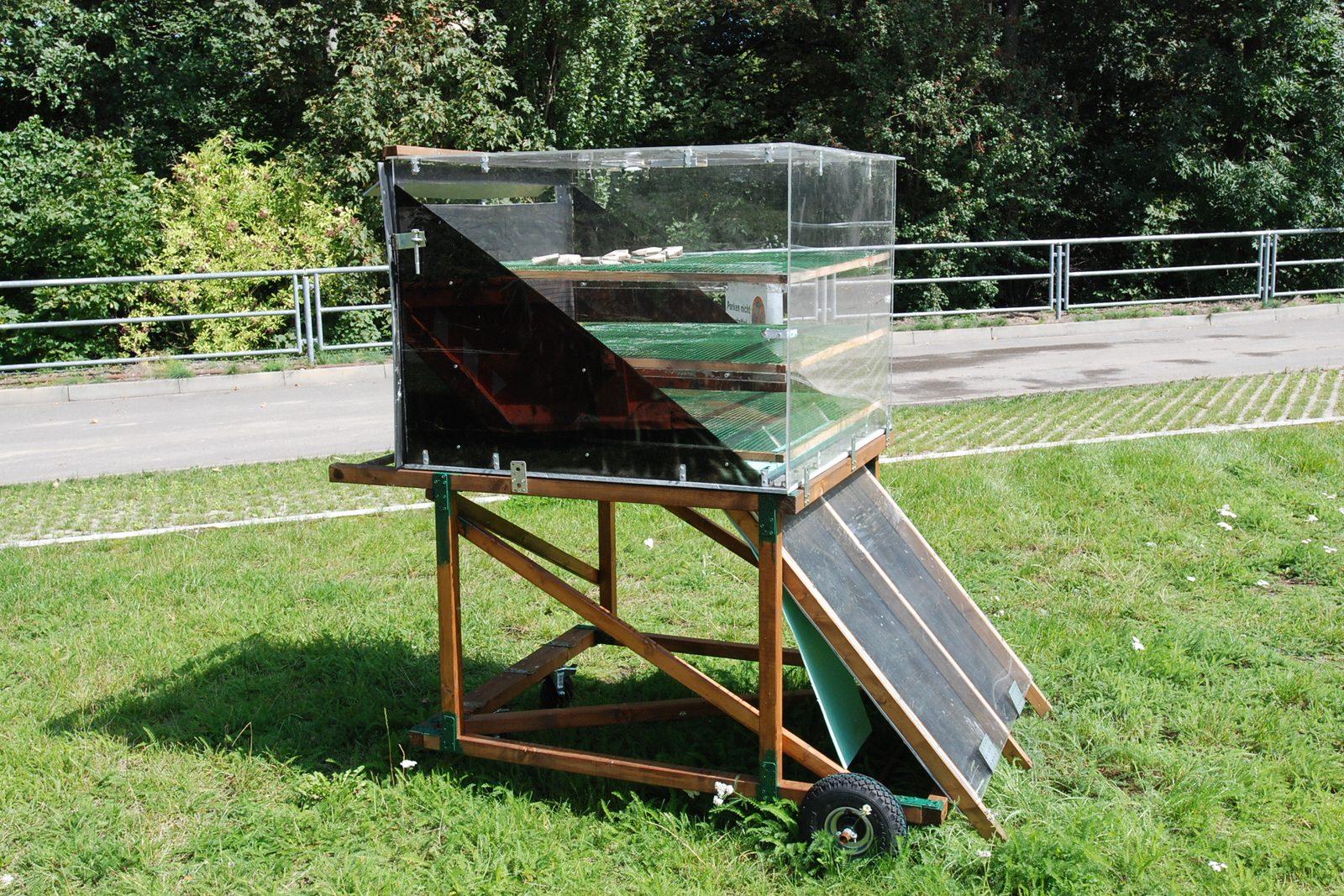 For Hibiscus (roselle)
Solar-Assisted Drying Systems
A solar-assisted drying system heats the drying air in solar collectors and passes it over the product in a chamber, with a backup heater that takes over when the sun is weak or absent.
View Product
Mango, pineapple and citrus
Mango, pineapple and citrus are among the fruit crops on which Nigerian horticultural researchers have developed processed products; because fresh fruit is seasonal and fragile, extraction, pasteurisation and optional concentration are relevant to discuss for juice and pulp.
 For Mango, pineapple and citrus
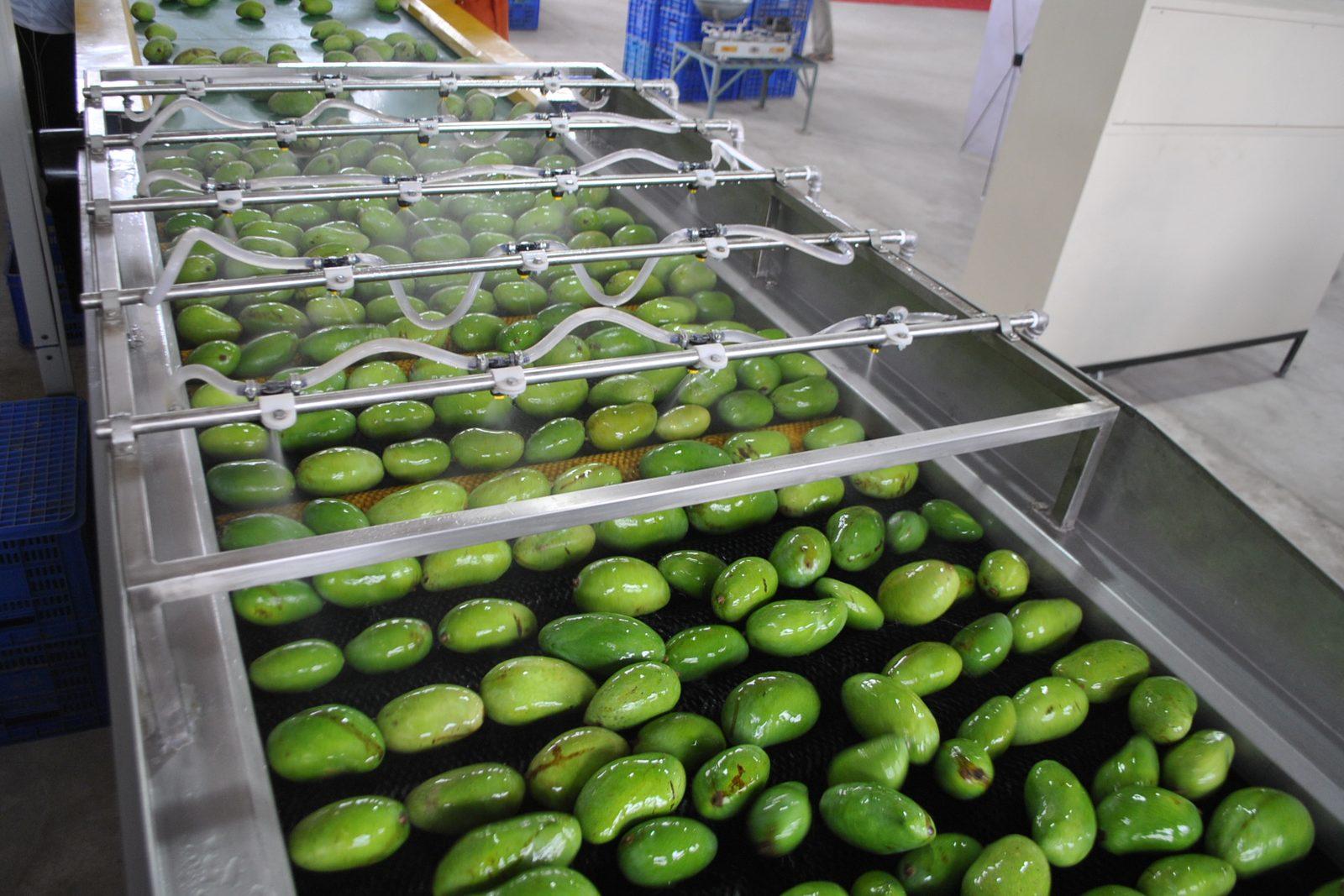
Mango Juice & Pulp Processing Plants
A mango juice and pulp plant turns ripe, fibrous, stone-bearing fruit into pulp, puree or juice, and the variety, ripeness and fibre of the fruit decide the pulper, the screens and the heat treatment.
View Product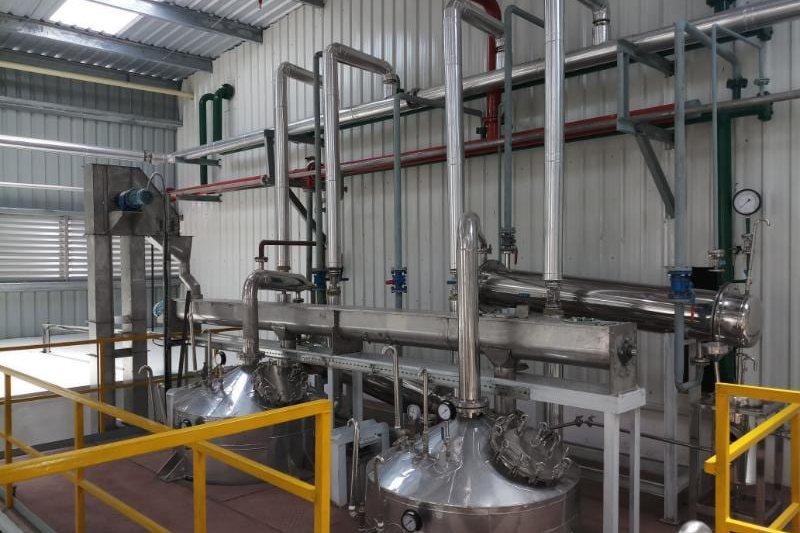 For Mango, pineapple and citrus
Pineapple Juice Processing Plants
A pineapple juice plant starts with peeling and coring, because shell, core and crown are a large share of every fruit, and pressing, enzyme treatment and acid-resistant materials follow from that.
View Product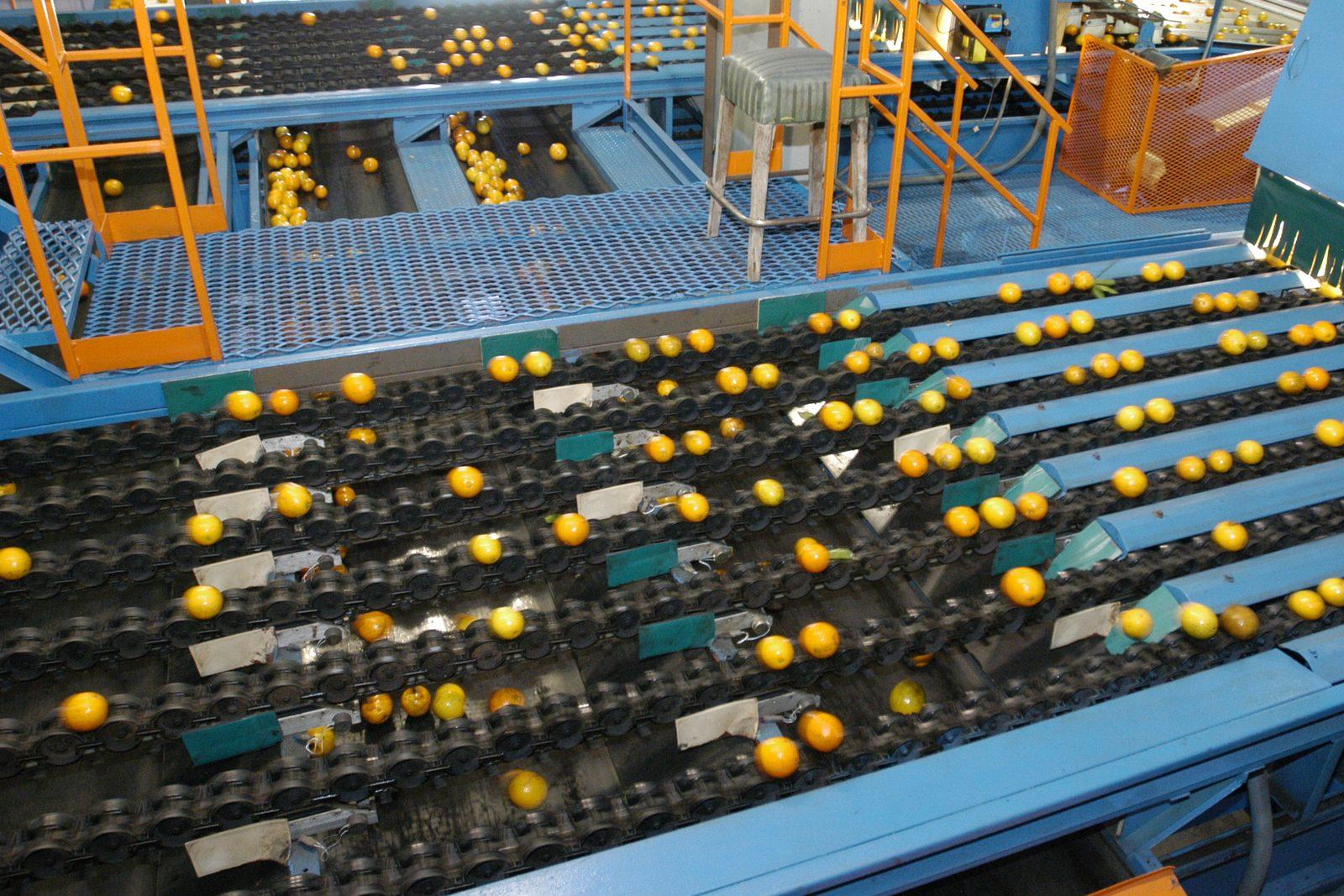 For Mango, pineapple and citrus
Citrus Juice Processing Plants
A citrus juice plant is built around the extractor: it has to squeeze out juice without pressing bitter peel oil and pith into it, and it normally takes the peel oil off as a separate product.
View Product For Mango, pineapple and citrus
Fruit Juice Concentration Plants
A fruit juice concentration plant removes water from extracted juice under vacuum, and the design turns on feed solids, final Brix, how heat-sensitive the juice is and how much aroma must be saved.
View Product
Also Listed for Nigeria
 Herbal, Botanical & Nutraceutical Extraction
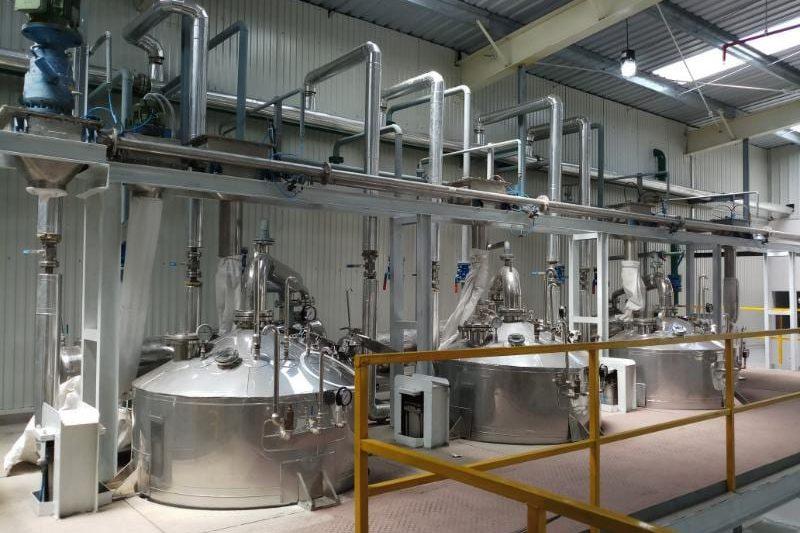
Herbal Extraction Plants
View Product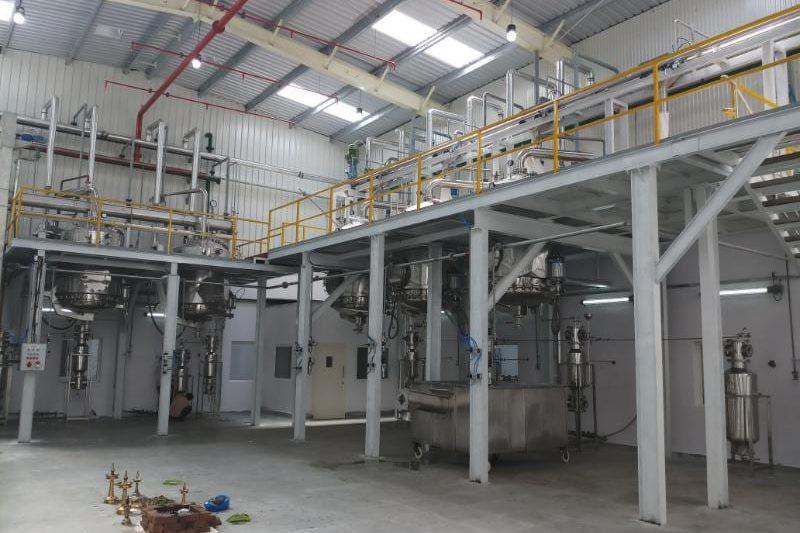 Herbal, Botanical & Nutraceutical Extraction
Turnkey Multi-Herbal Extraction Plants
View Product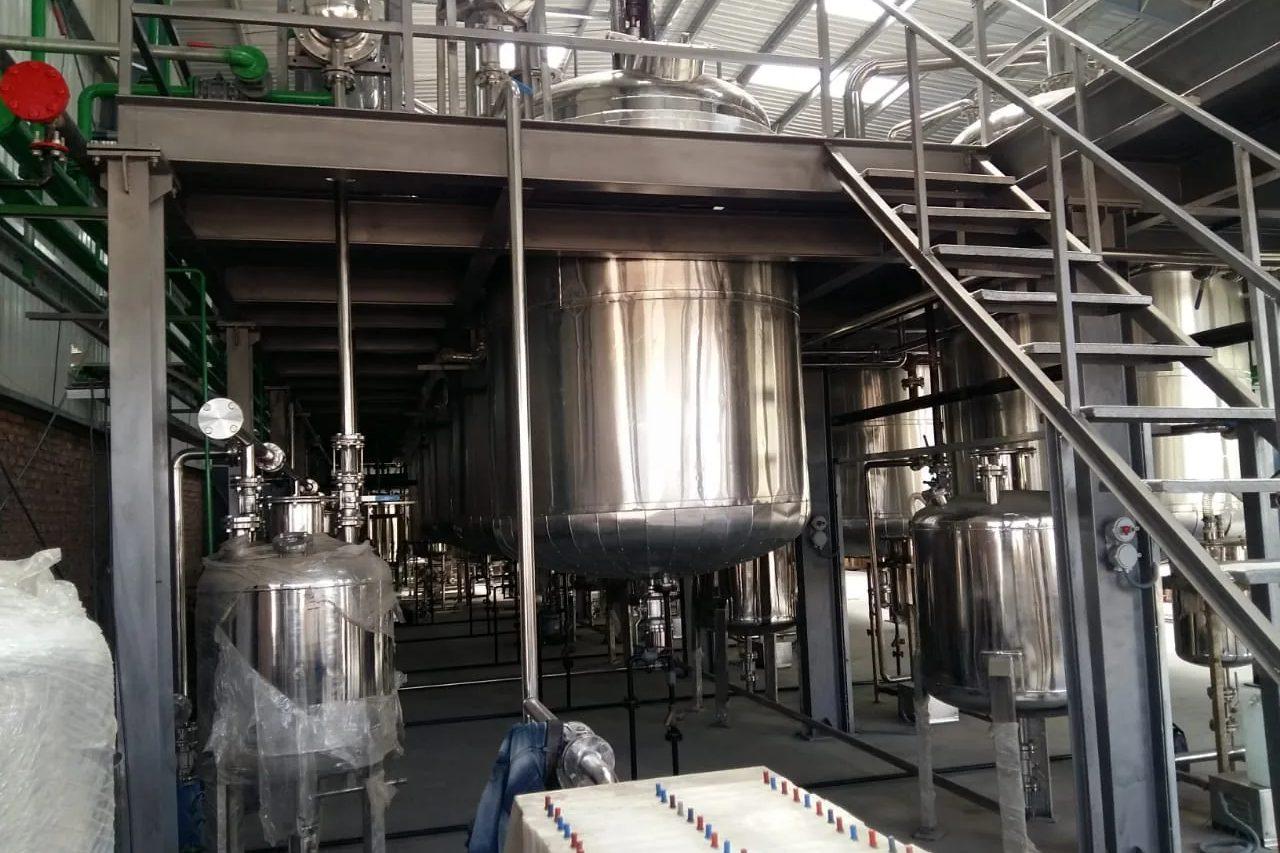 Herbal, Botanical & Nutraceutical Extraction
Ginger Extraction Plant
View Product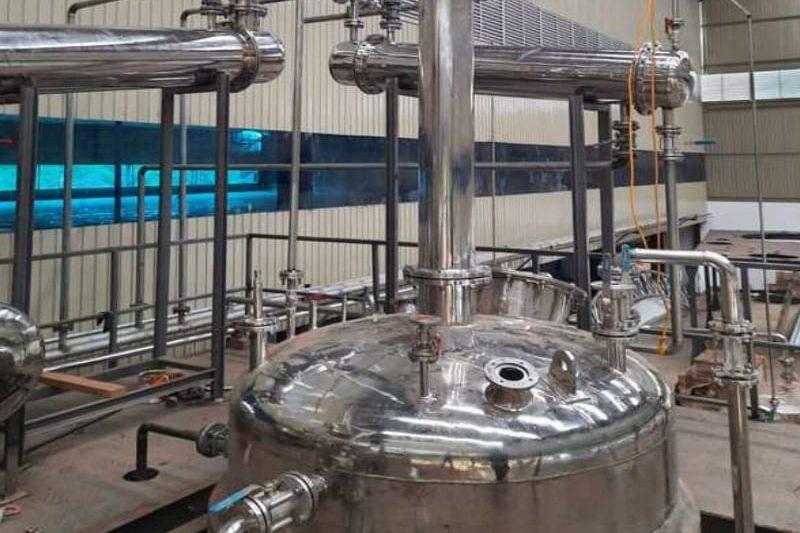 Herbal, Botanical & Nutraceutical Extraction
Advanced Botanical Extraction Systems
View Product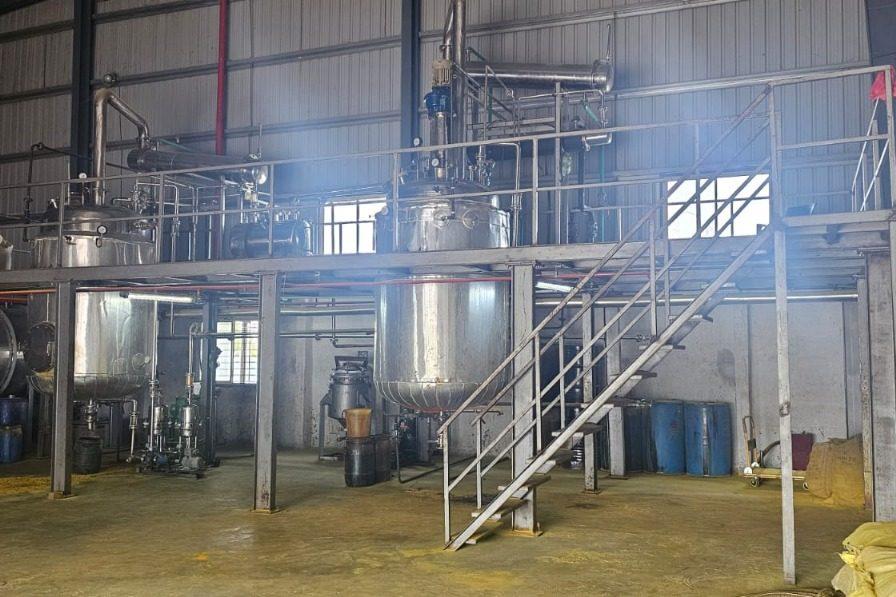 Essential Oils, Spices & Oleoresins
Turmeric Processing & Extraction Plants
View Product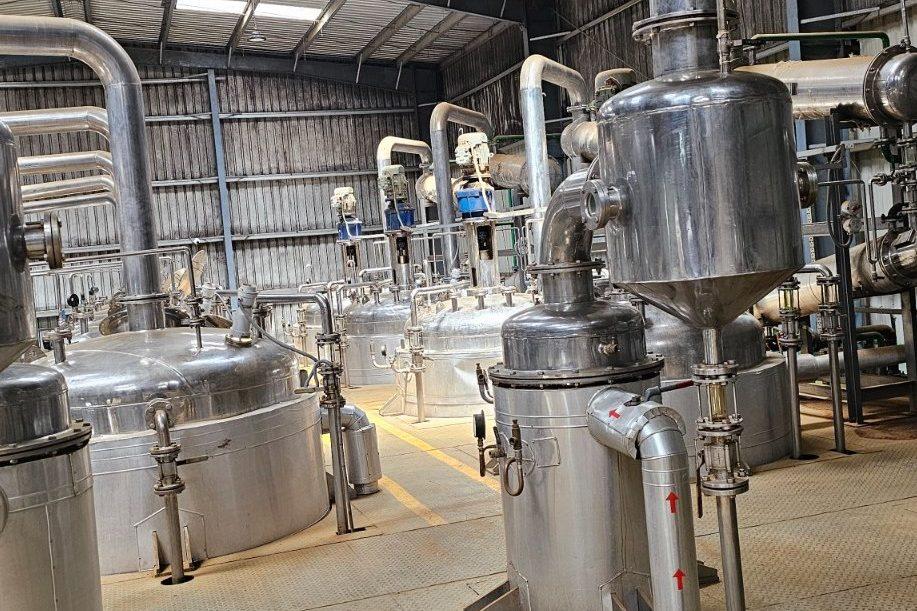 Essential Oils, Spices & Oleoresins
Ginger Processing Plants
View Product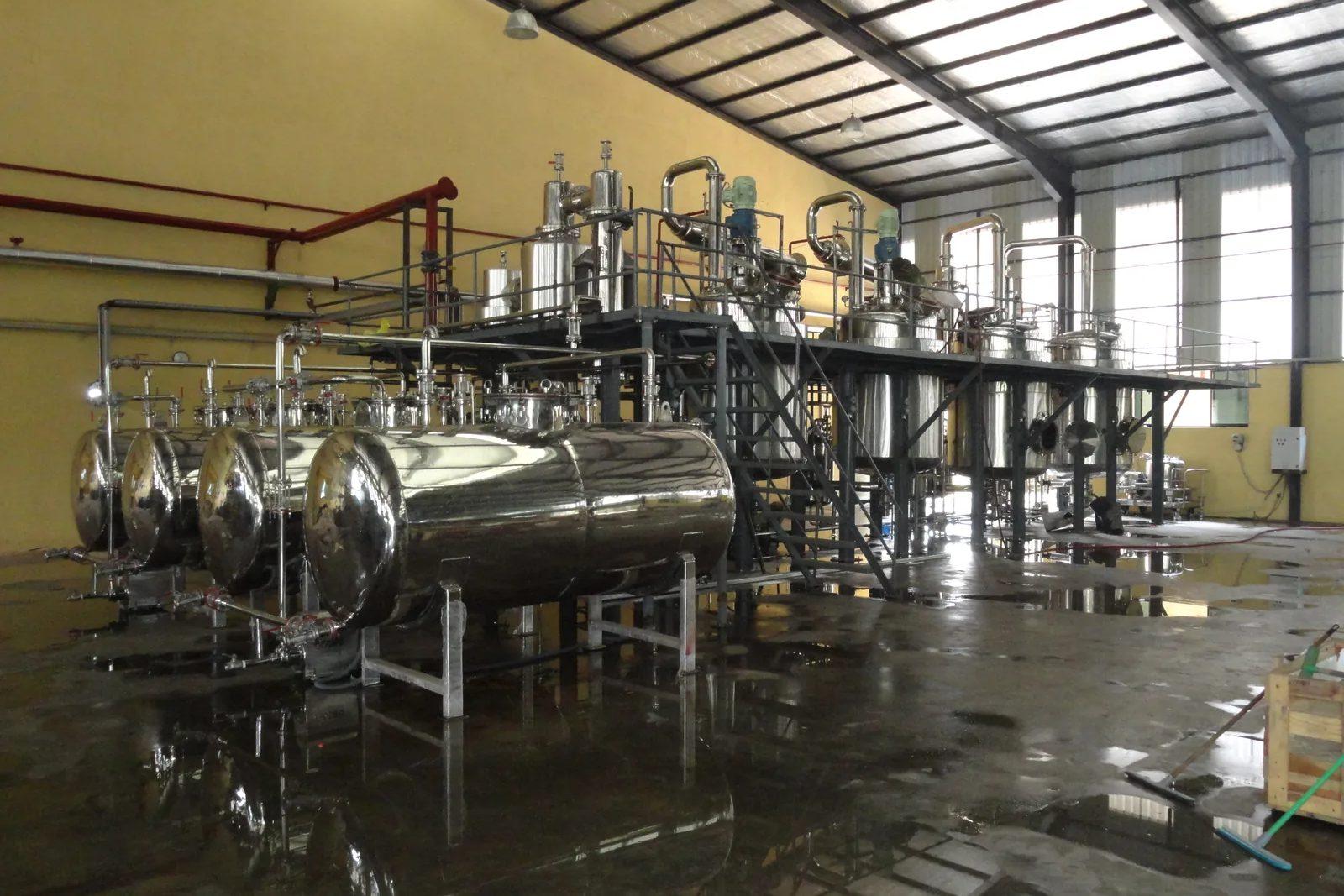 Fruit & Vegetable Processing
Fruit Juice Processing & Concentration Plant
View Product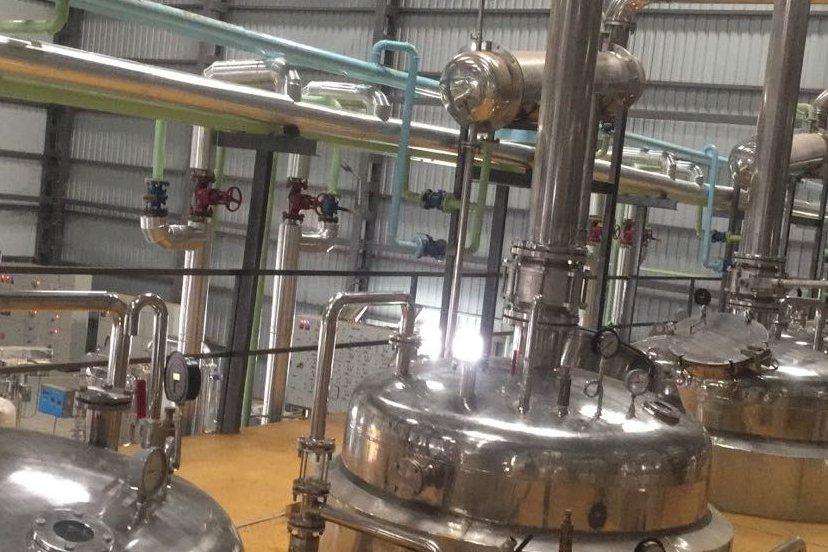 Fruit & Vegetable Processing
Tomato Paste Processing Plants
View Product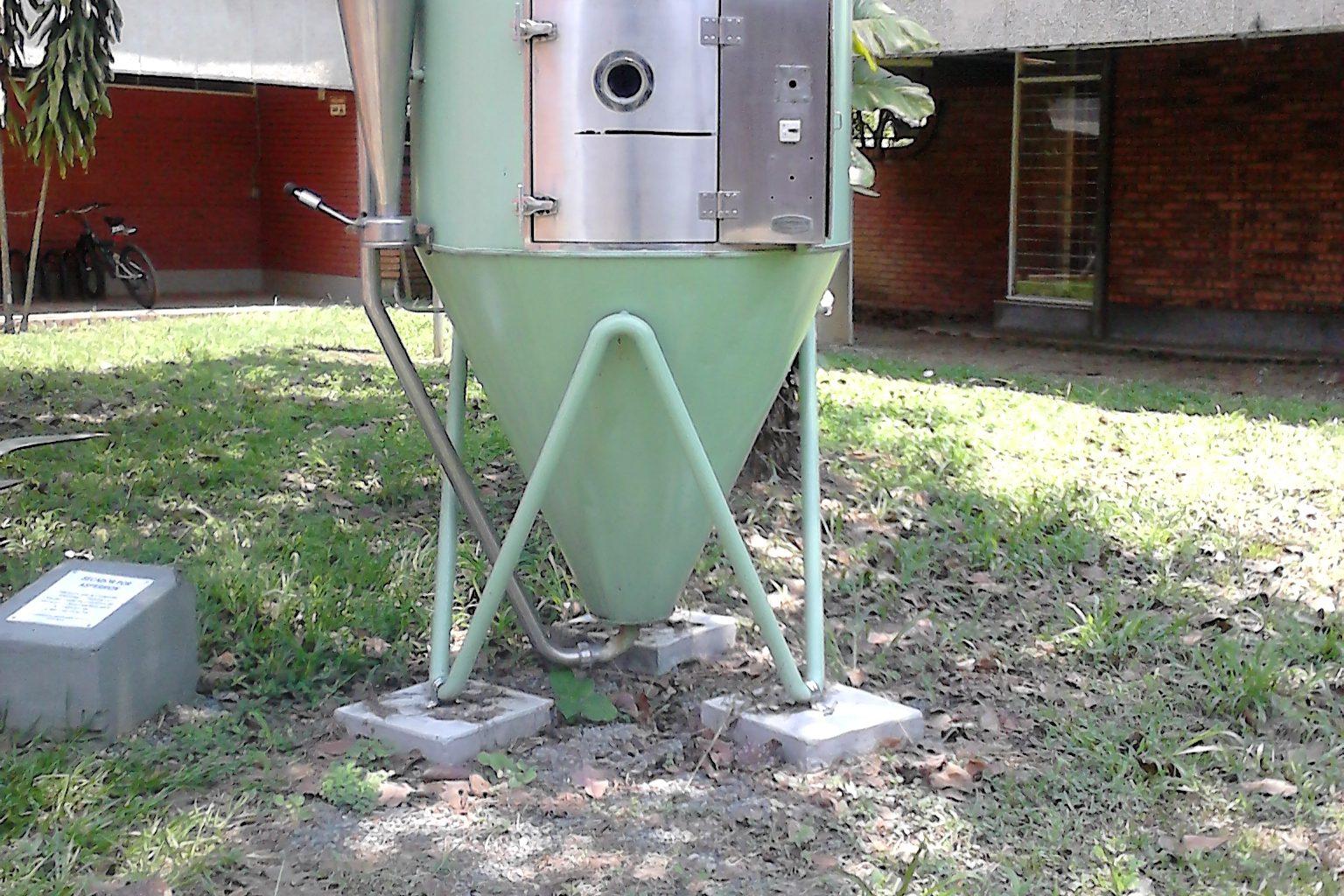 Fruit & Vegetable Processing
Tomato Powder Processing Plants
View Product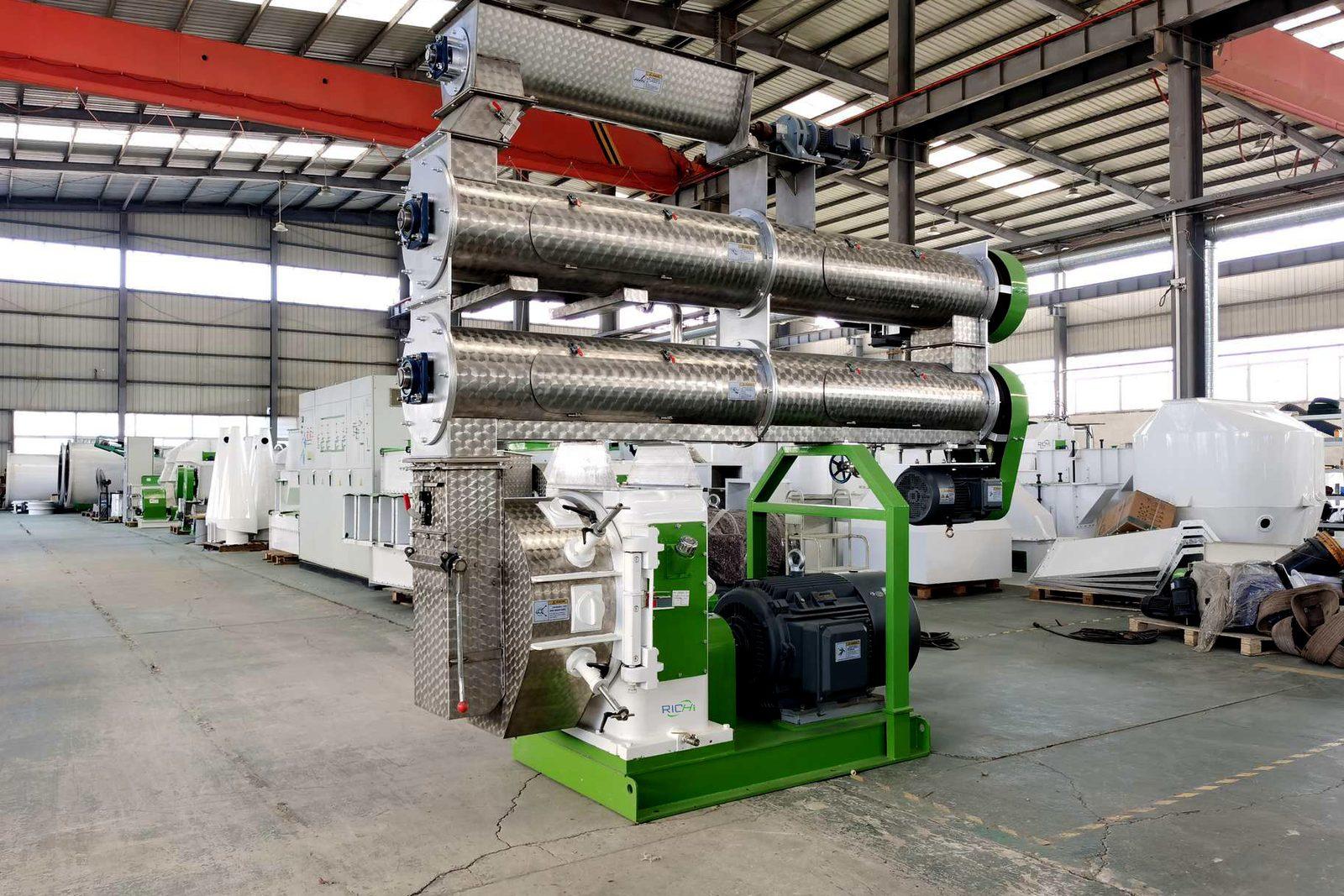 Starch, Flour, Edible Oil & Food Processing
Animal Feed Plant Enquiry (Poultry, Cattle & Aqua Feed)
View Product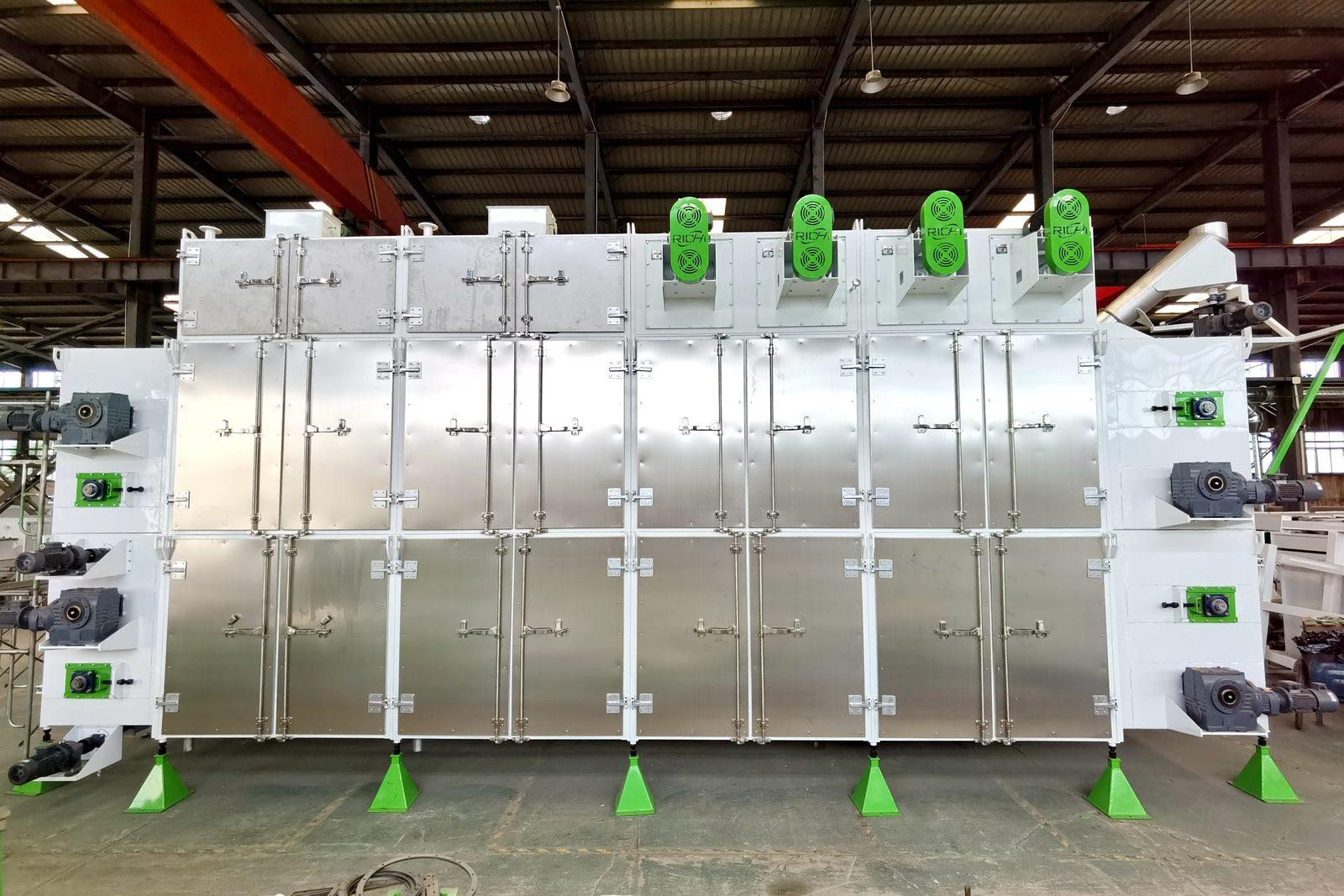 Drying & Dehydration Systems
Industrial Hot-Air Drying Systems
View Product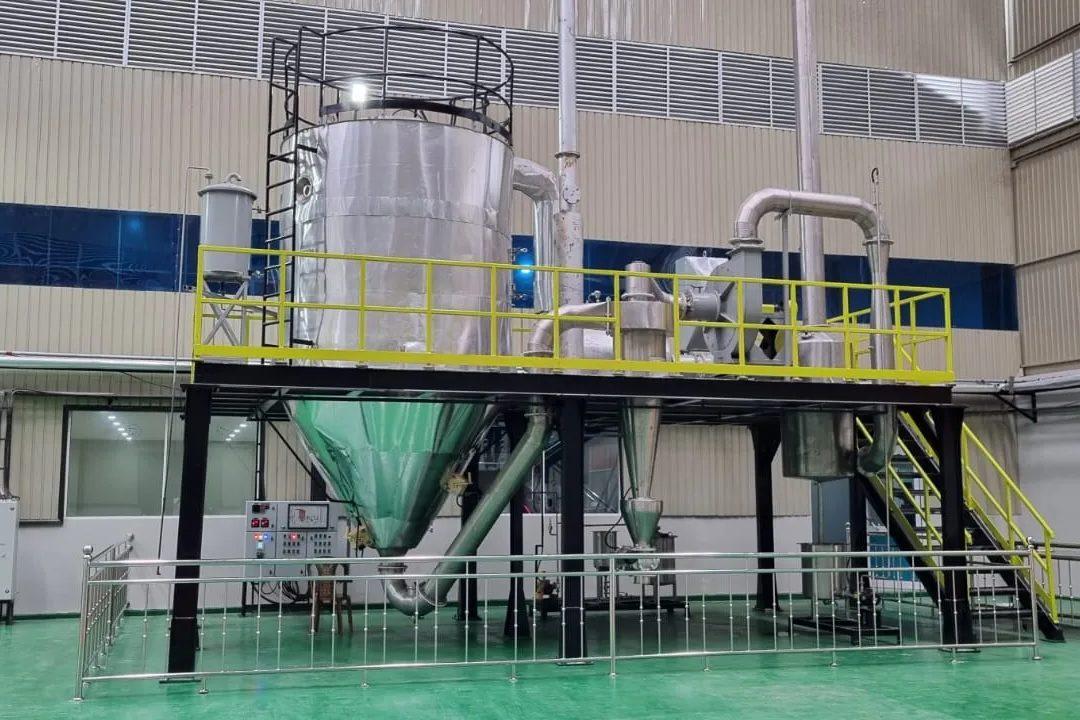 Drying & Dehydration Systems
Spray Dryer
View Product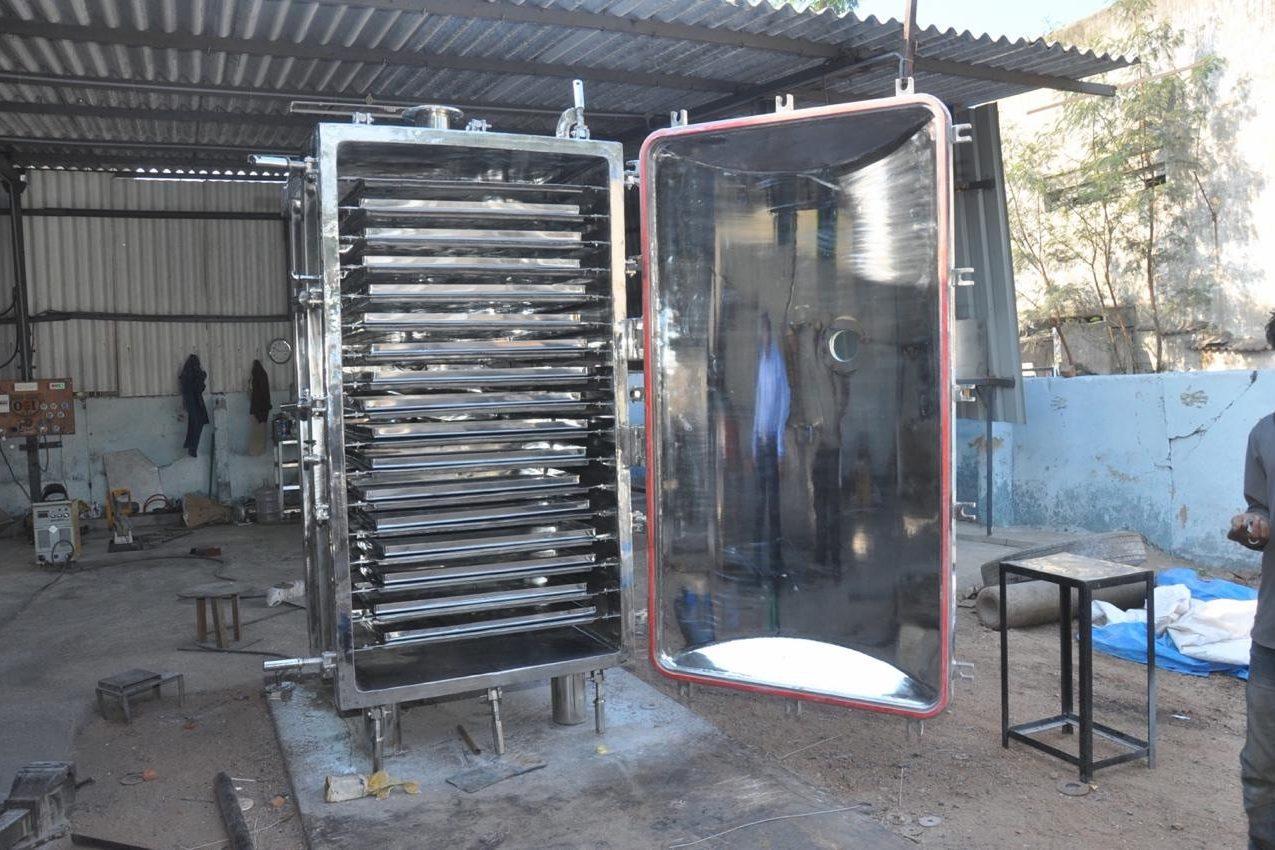 Drying & Dehydration Systems
Fruit & Vegetable Dehydration Plant
View Product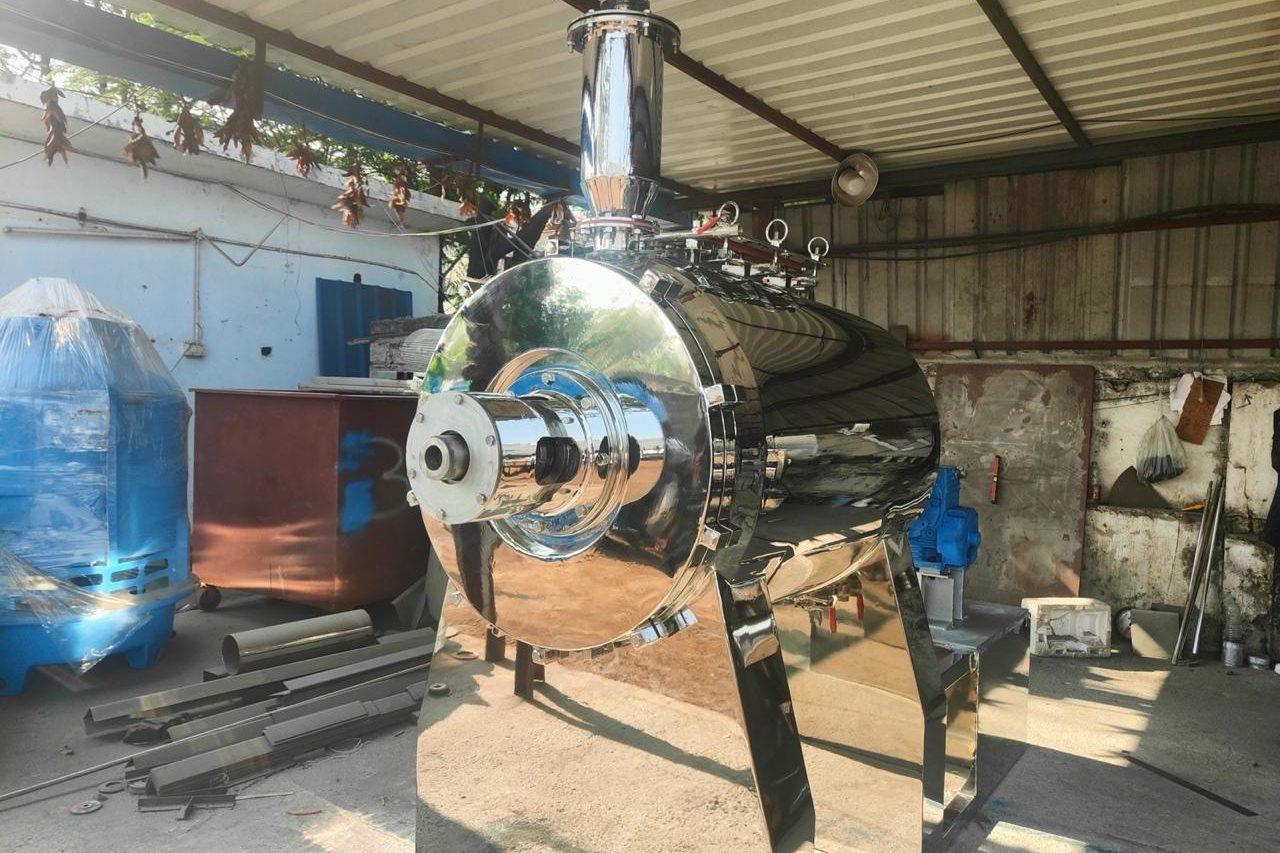 Drying & Dehydration Systems
Spice & Herbal Drying Plants
View Product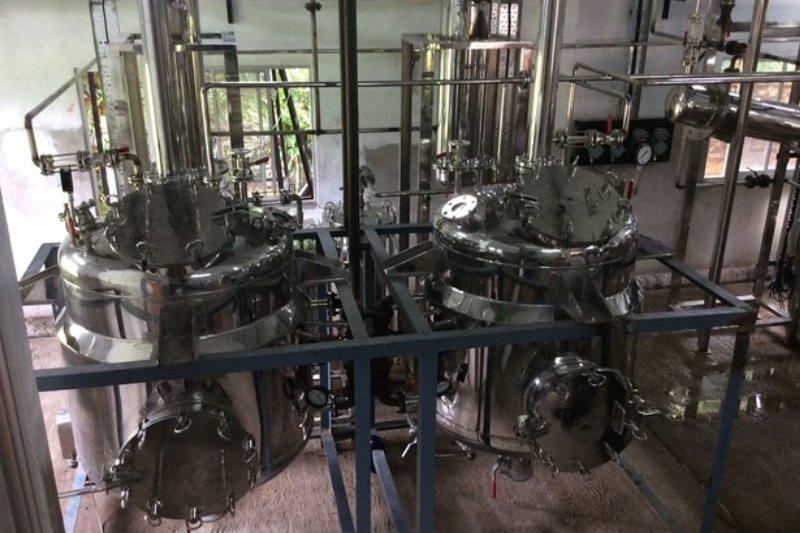 Specialty African Botanical & Natural Ingredients
Seaweed Extraction & Drying Plants
View Product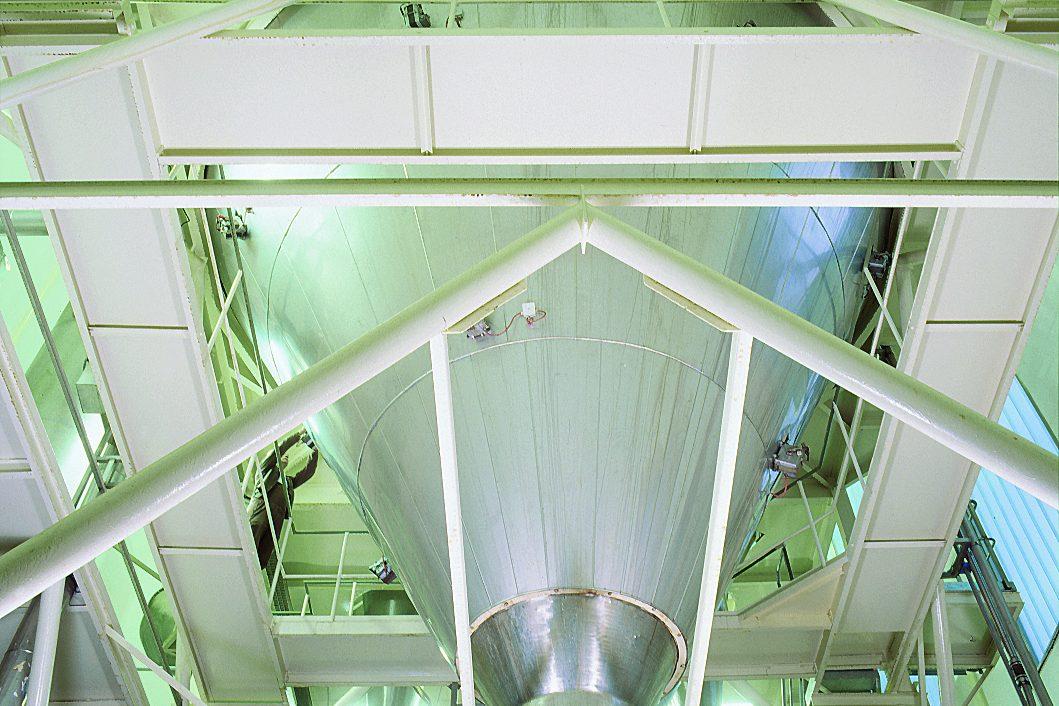 Specialty Food, Beverage & By-Product Processing
Dairy Evaporation & Spray Drying Plants
View Product
More Plants and Equipment, by Category
The other 47 products of the 73-product catalogue, by category. A product that is not listed for Nigeria is not ruled out: tell us your raw material and target product. Request a technical proposal
Herbal, Botanical & Nutraceutical Extraction (4)
Category guide
Essential Oils, Spices & Oleoresins (4)
Category guide
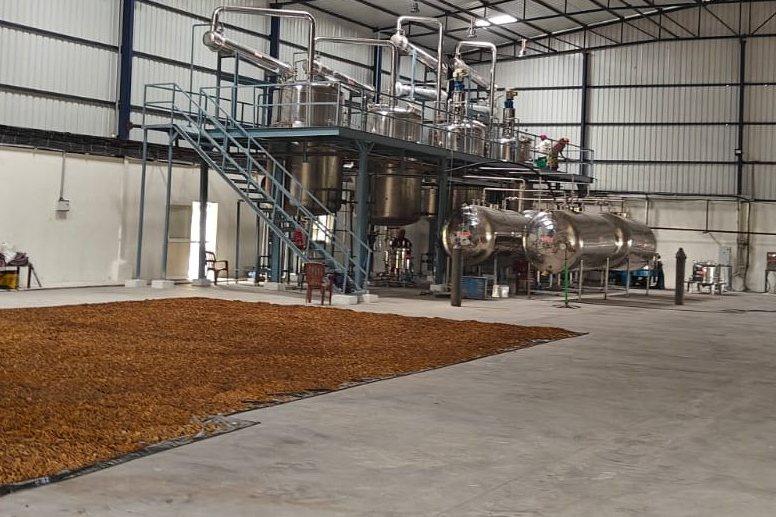
Fruit & Vegetable Processing (1)
Category guide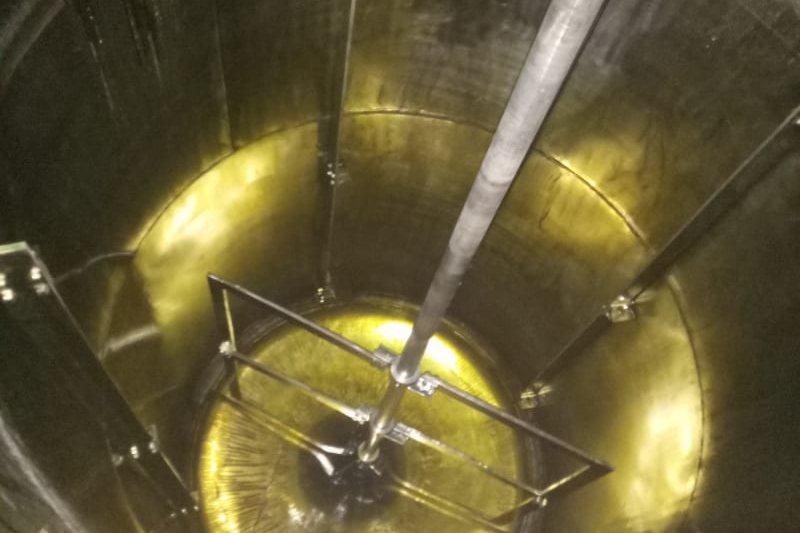
Starch, Flour, Edible Oil & Food Processing (4)
Category guide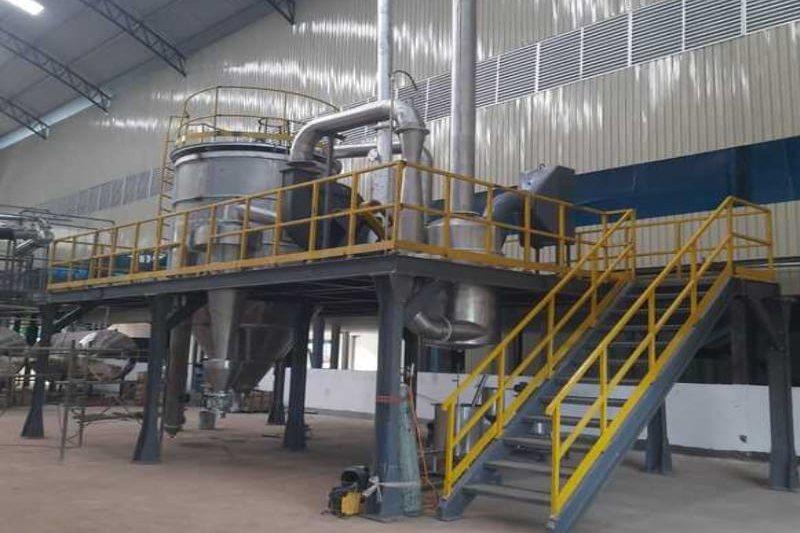
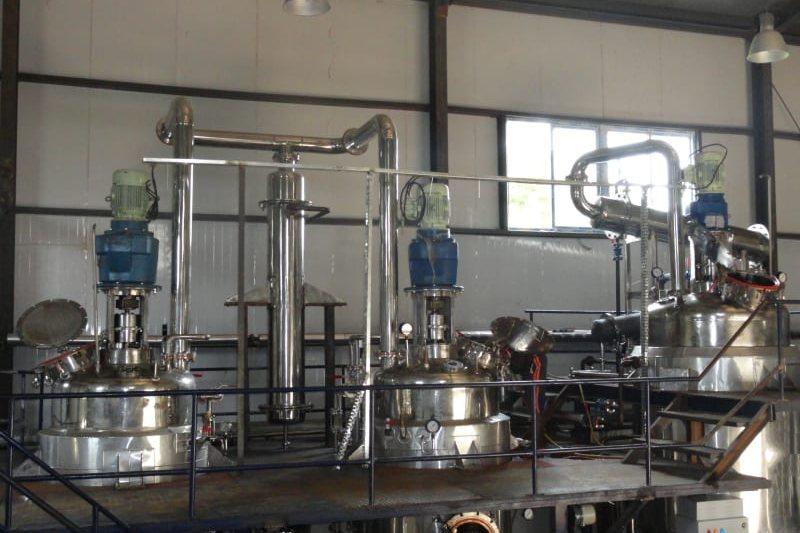
Evaporation, Concentration & Solvent Recovery (4)
Category guide
Pharmaceutical & Industrial Process Equipment (4)
Category guide
Cocoa, Shea, Palm Oil & Oilseed Processing (5)
Category guide
Cereals, Tubers & Sugar Processing (5)
Category guide

Specialty African Botanical & Natural Ingredients (10)
Category guide
Baobab Processing & Extraction Plants
View Product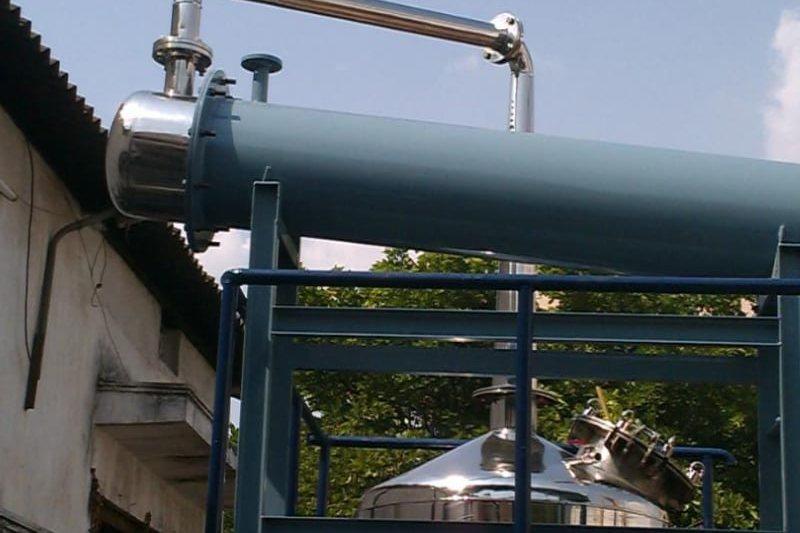
Aloe Vera
View Product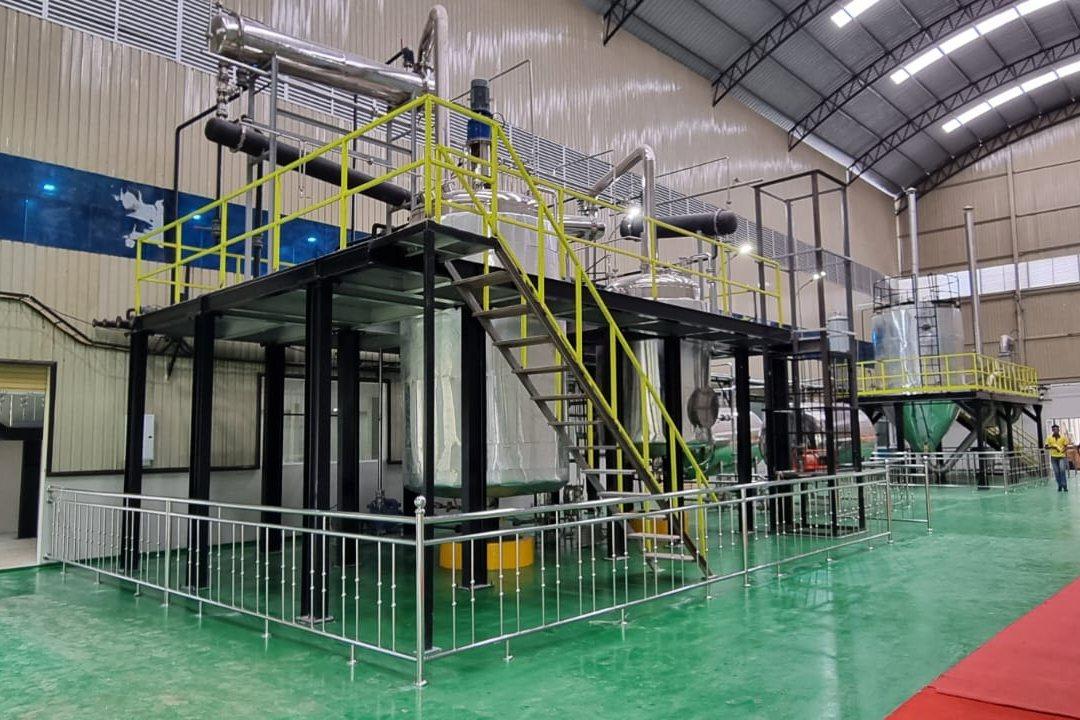
Gum Arabic Processing Plant
View Product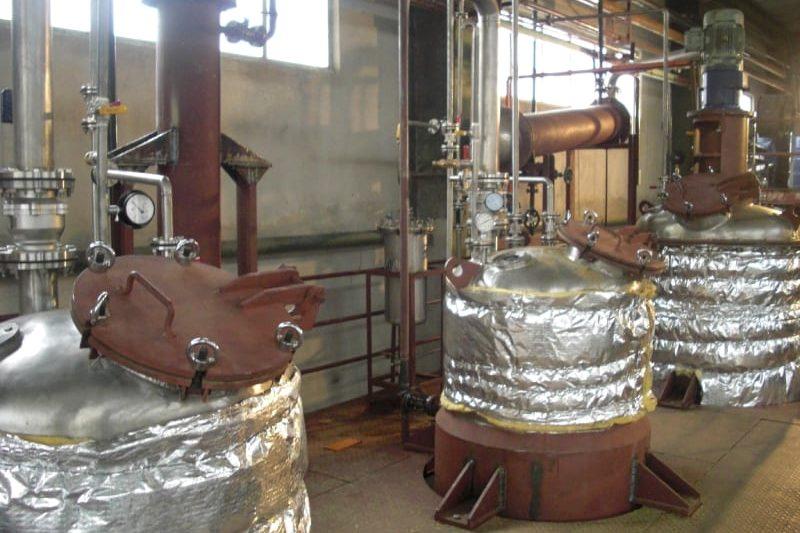
Natural Colour Extraction Plants
View Product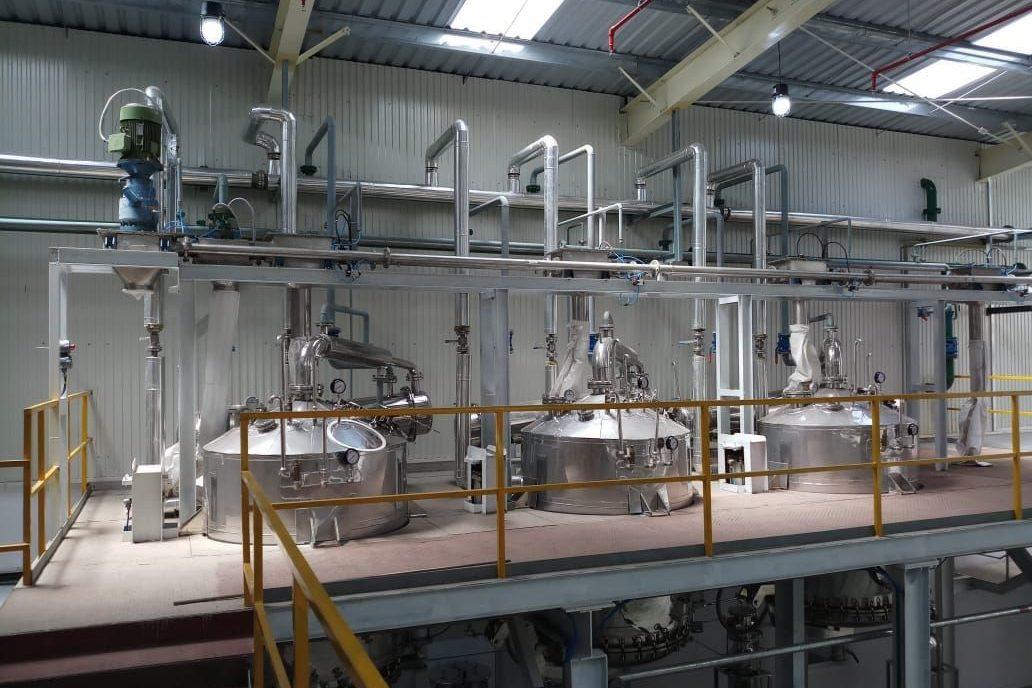
Vanilla
View Product
Clove Buds
View Product
Ylang Ylang
View Product
Argan Oil Processing Plants
View Product
Olive Leaf Extract Powder
View Product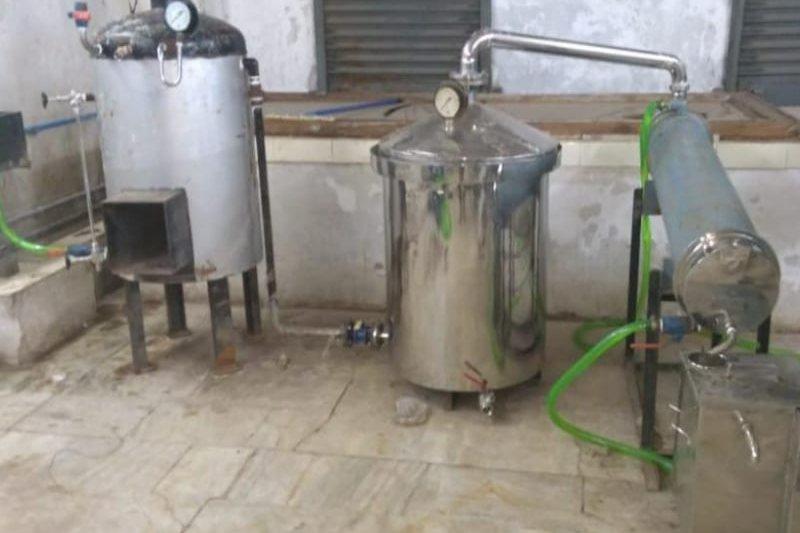
Frankincense Extraction Plant
View Product
Specialty Food, Beverage & By-Product Processing (6)
Category guide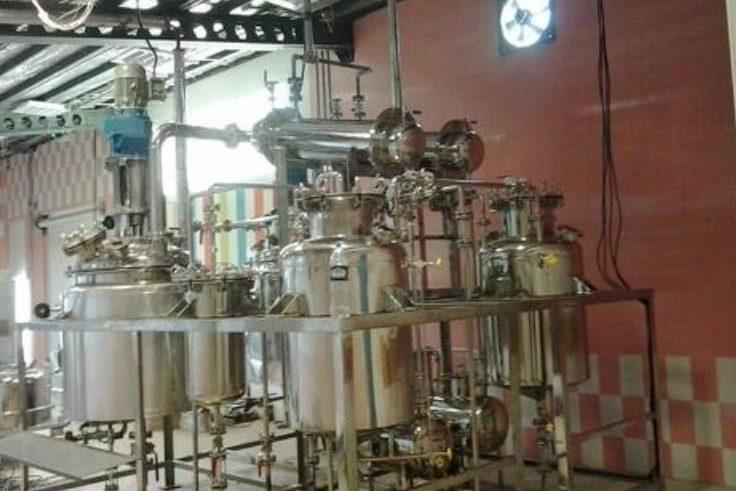
Date Processing Plant: Extracts & Concentration
View Product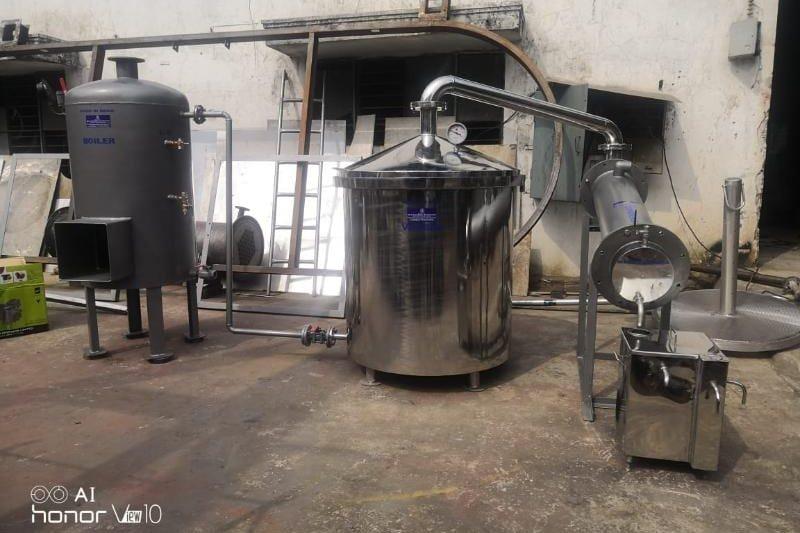
Fish Oil Recovery & By-Product Processing Plants
View Product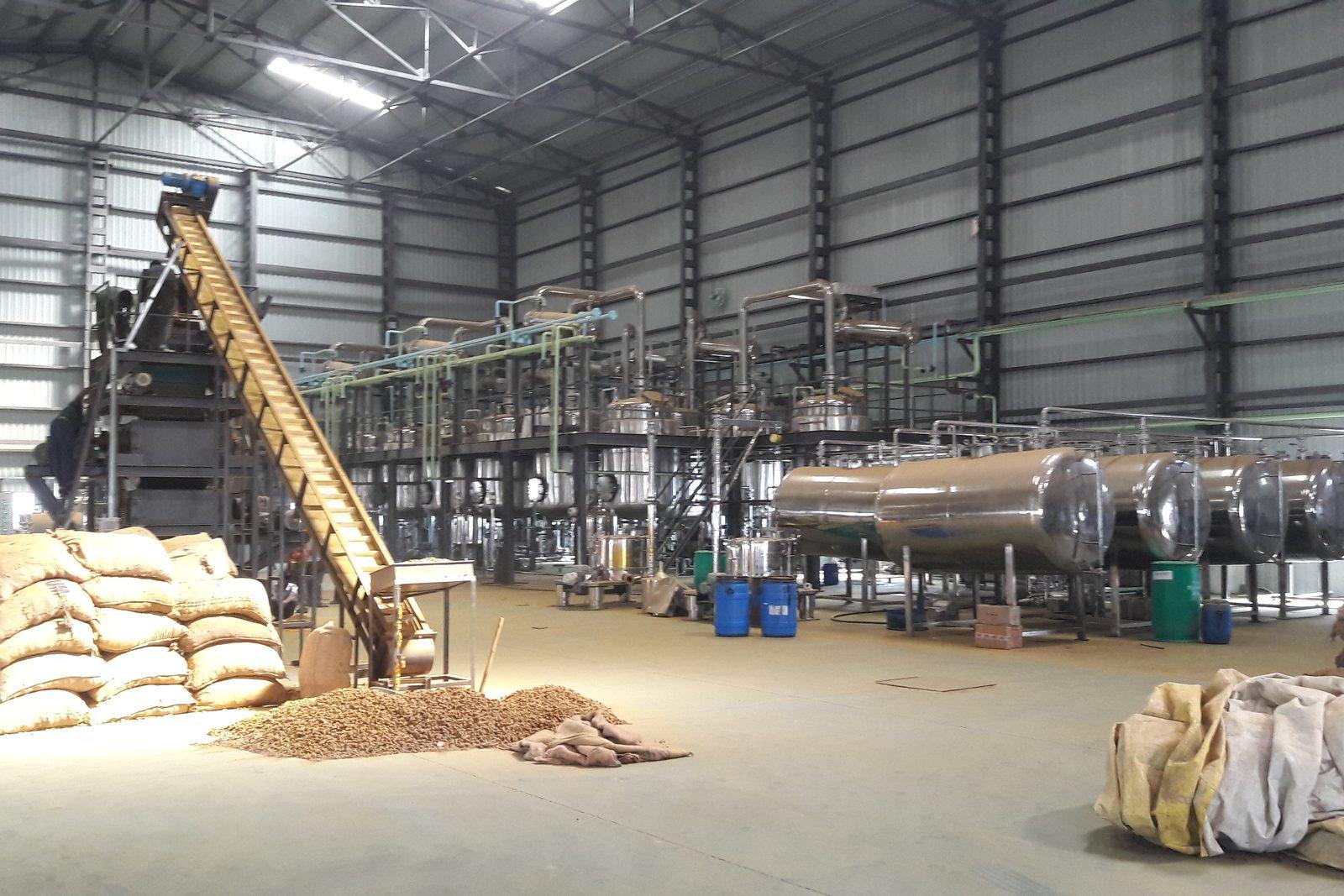
Tea Extraction & Concentration Plants
View Product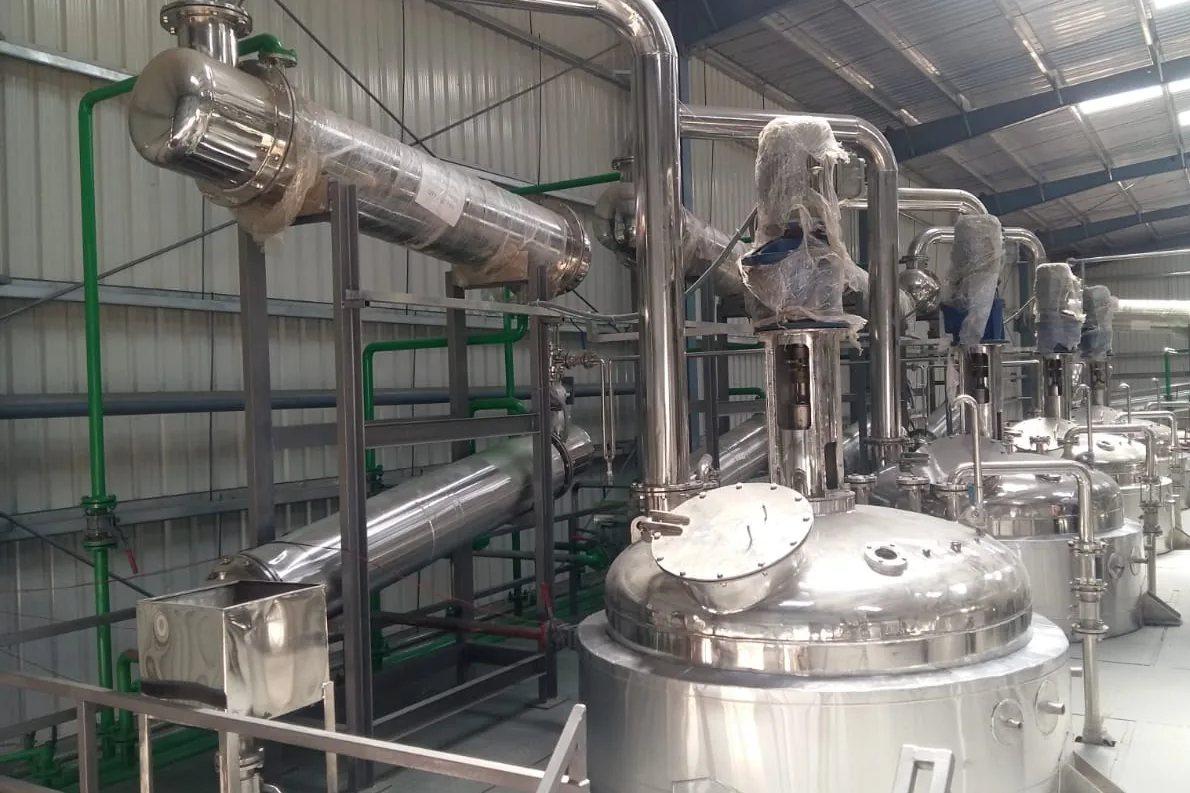
Coffee Extraction & Concentration Plants
View Product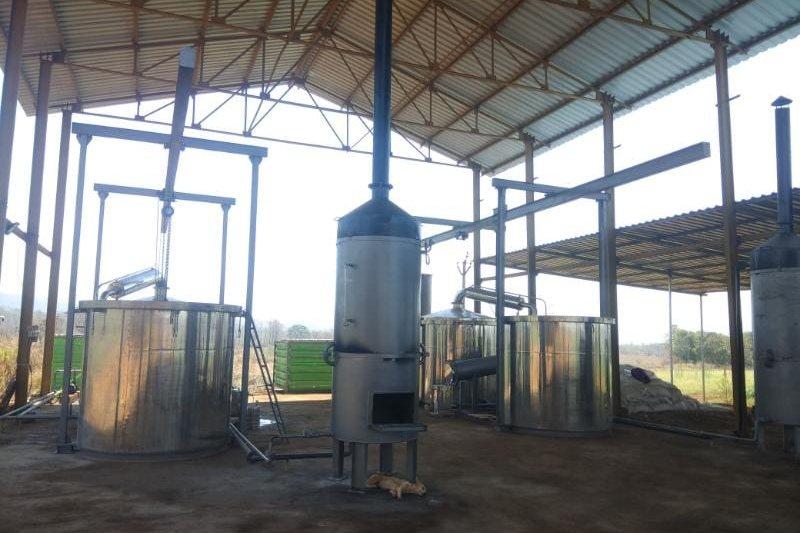
Coconut Oil & Milk Processing Plants
View Product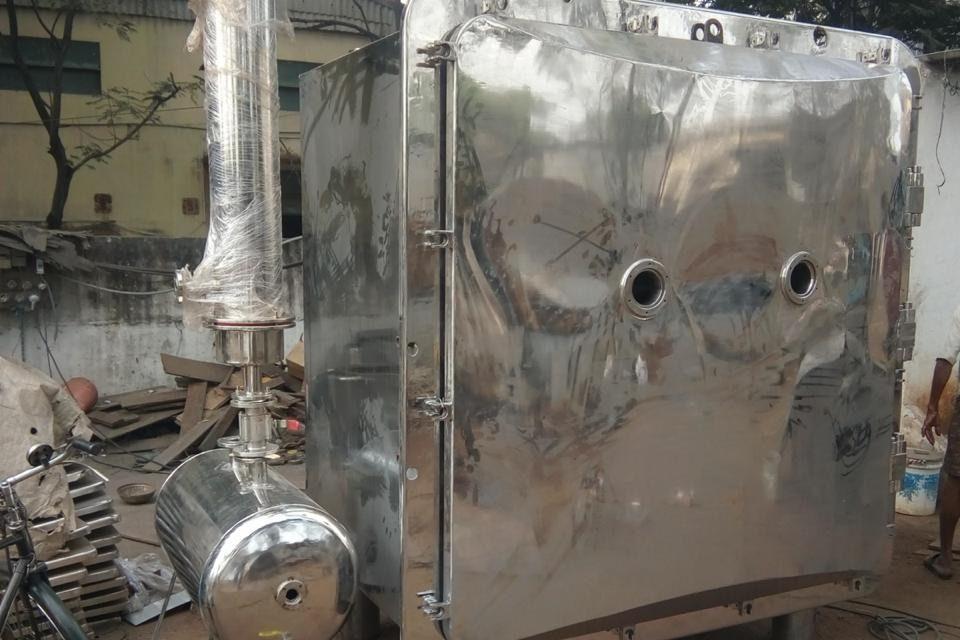
Onion & Garlic Dehydration Plants
View Product
What to Settle Before You Ask for a Proposal
North and south differ sharply
Climate runs from tropical monsoon in the south to semi-arid Sahelian conditions in the north, so the plant site should be matched to the crop; closed hot-air systems may suit humid southern conditions, while solar-assisted drying may suit the dry north.
Port and inland haulage
Imported equipment may land at ports in Lagos State or Rivers State and then travel long road distances inland, so shipping dimensions and installation access should be planned early.
Power and utilities at site
Steam, thermal oil and electrical supply conditions vary by location, so a proposal should state what the site provides and what the plant must generate itself, particularly for evaporation and refining duties.
Industries to read next
Agro & Food Processing Solutions
Cassava, palm oil, rice and fruit cover most of the products mapped to Nigeria, from starch and flour to juice and parboiling, so agro-food processing is a natural grouping to start from.
Read the industry pageHerbal & Botanical Extraction Solutions
Roselle and other botanicals suit extraction plants, which are relevant to ingredient makers who want concentrated extracts rather than only dried raw material.
Read the industry pageIndustrial Drying & Dehydration Solutions
Dryers for cassava chips, spices, herbs and fruit are relevant because drying is a step in many Nigerian value chains, and the climate differs sharply between the coast and the far north.
Read the industry page
From Enquiry to a Running Plant
Your Nigeria Office in Kano State
Nigeria Office – Kano State
Kadali Africa Ventures Limited
13km Larabar Abasawa Road
Jogana, Kano State, Nigeria
Questions About Plants for Nigeria
What kind of plant suits cassava starch or flour production in Nigeria?
Both routes begin with root washing, peeling and grating. For flour the mash is dewatered, dried and milled; for starch the fibre is separated and the starch is washed and dried. State your root supply and whether you need starch, flour or both.
Can roselle hibiscus be extracted instead of just dried?
Yes, roselle is a botanical that can be processed beyond drying. Extraction plants use water or a suitable solvent, followed by concentration and drying of the extract. The right design depends on the target product, so describe the extract you want to make.
What does palm oil processing involve for Nigerian millers?
Palm oil milling generally involves sterilising bunches, stripping and digesting the fruit, pressing, and clarifying the oil, with refining as a further stage where edible-grade oil is needed. State your fruit supply and target oil grade; scope is confirmed in the technical proposal.
Does Kadali Africa Ventures have an office in Nigeria?
Kadali Africa Ventures Limited has offices in Accra, Ghana and Kano, Nigeria. Engineering and manufacturing scope for each product is confirmed in the technical proposal.
What should I send for a Nigeria project proposal?
Use the form on this page. Give your raw material, the product you want to make, the capacity and its basis (for example kg per hour or tonnes per day) and your site.
Planning a project in Nigeria?
Send your raw material, target product and capacity. We will come back with the process route and equipment scope for your project.
Tell us about your Nigeria project
Only name, email, phone and industry are required. The more you share about raw material and capacity, the more precise our proposal.