
Cocoa, Palm Oil, Cassava and Fruit Processing Plants for Cameroon
Use this page to match Cameroon's cocoa, oil palm, cassava, fruit and rice streams to the drying, pressing, extraction and evaporation plants that suit them.
- 16 products in 8 categories, listed for Cameroon
- Engineering and manufacturing scope confirmed in the technical proposal
Kadali Africa Ventures Limited has offices in Accra, Ghana and Kano, Nigeria, and no office in Cameroon; enquiries from Cameroon are handled from the Accra office.
From rainforest to northern savanna: what Cameroon's processors handle
Cameroon is divided into five agroecological zones with varied landscapes and climates: rainforest zones in the south, centre and east and along the coast, the Western Highlands, a high savanna zone around Adamawa, and a Sudano-Sahelian zone in the north and far north. Its agricultural products include coffee, cotton, cocoa, maize and cassava, and cocoa production is concentrated in the South-West and Centre regions. Oil palm is produced by agro-industrial companies and by smallholders. Each stream needs a different first step: cocoa beans need fermentation and drying before roasting and pressing, oil palm fruit has to be sterilised and pressed quickly after harvest, and cassava roots must be washed, grated and dried or milled soon after lifting.
Banana, plantain and other fruit add a juice and dehydration angle, where extraction, enzyme treatment, concentration under vacuum and pasteurised filling are the usual plant steps. Rice is planted mainly in the northern and north-western provinces, where parboiling and controlled drying are the relevant steps. The wide variety of agro-forestry production also gives botanical material that herbal extraction and spice drying equipment can address once a lawful and sustainable supply is confirmed.
The processors most likely to evaluate this equipment are estate and cooperative operators who want to add value near the farm, regional food manufacturers making flour, starch or beverages, and ingredient companies preparing botanical extracts. The mapped plants on this page are candidates for discussion, and the right configuration depends on the feedstock, season and volume each buyer actually handles.
Products Relevant to Cameroon
16 of the 73 products in the catalogue are listed for Cameroon, in 8 categories: Herbal, Botanical & Nutraceutical Extraction (2), Fruit & Vegetable Processing (2), Starch, Flour, Edible Oil & Food Processing (2), Drying & Dehydration Systems (5), Cocoa, Shea, Palm Oil & Oilseed Processing (2), Cereals, Tubers & Sugar Processing (1), Specialty African Botanical & Natural Ingredients (1), Specialty Food, Beverage & By-Product Processing (1). The plants for Cameroon’s own raw materials come first. A listing is a catalogue listing, not a statement of demand or supply; the final configuration depends on your raw material, target product and capacity.
Cocoa
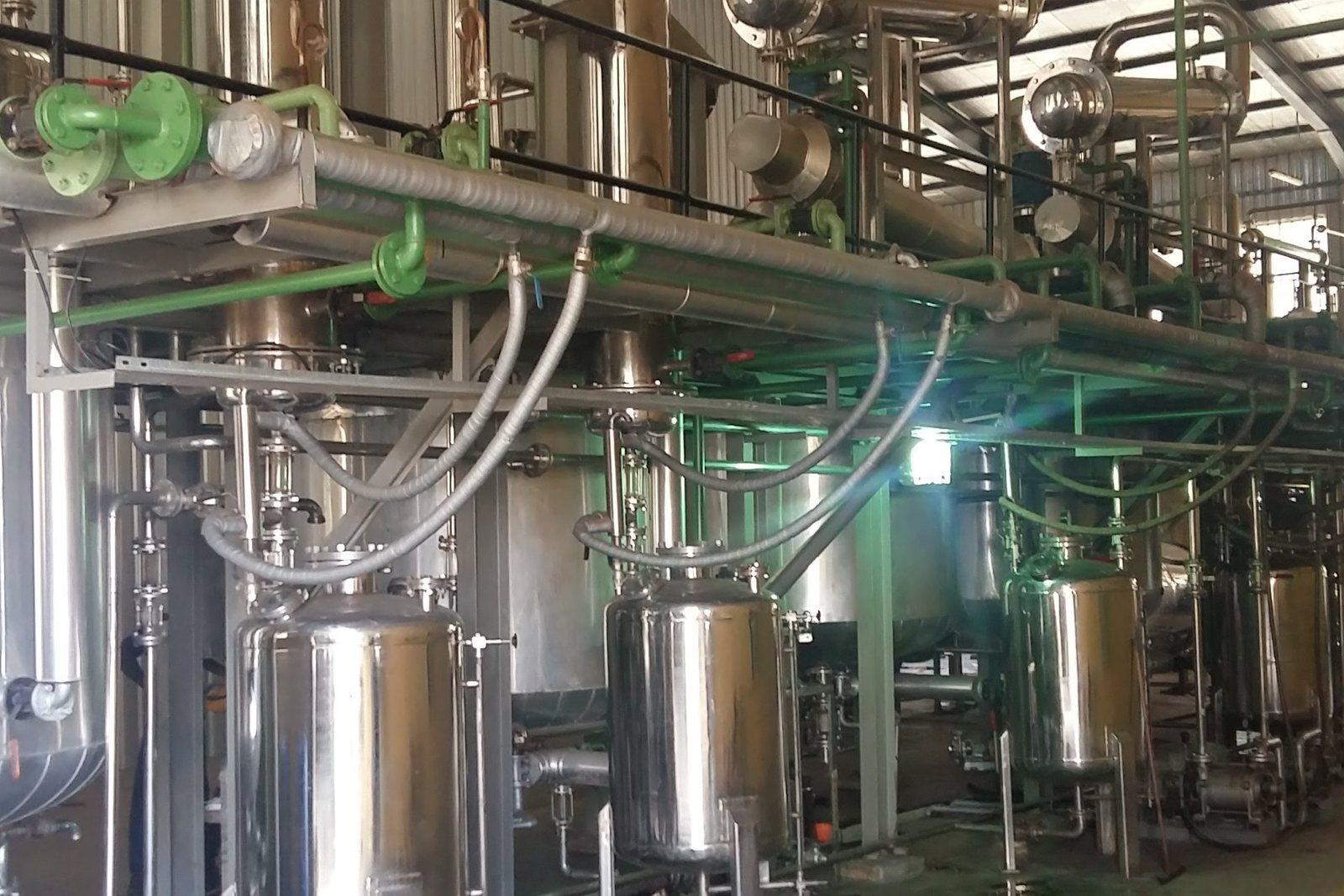
Cocoa is among Cameroon's agricultural products, and production is concentrated in the South-West and Centre regions. Fermented and dried beans are cleaned, roasted and winnowed to remove the shell, then ground to cocoa liquor, which is pressed into cocoa butter and cake, and the cake is milled to powder for chocolate, confectionery and beverage makers.
Oil palm
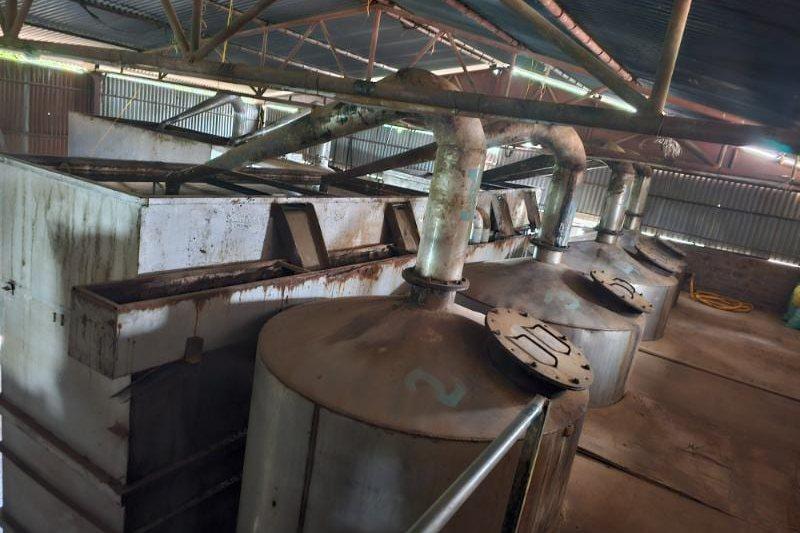
Oil palm is produced by agro-industrial companies and by smallholders, and the fruit bunches must be sterilised and pressed promptly; refining and fractionation then turn crude oil into a cooking or industrial grade.
Cassava
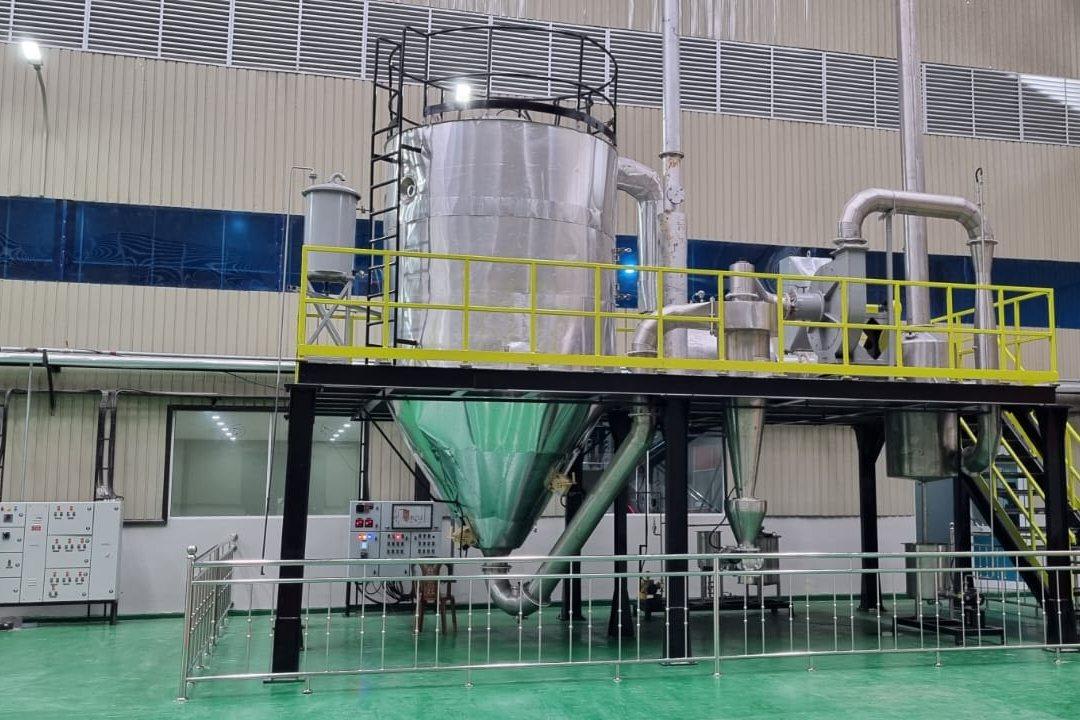
Cassava is among the food crops grown in Cameroon, and starch extraction or dried flour production gives growers a shelf-stable product that travels better than fresh roots.
 For Cassava
Cassava Starch Processing Plants
A cassava starch plant turns fresh roots into dry, white starch by rasping the roots, washing the starch out with water and drying it.
View Product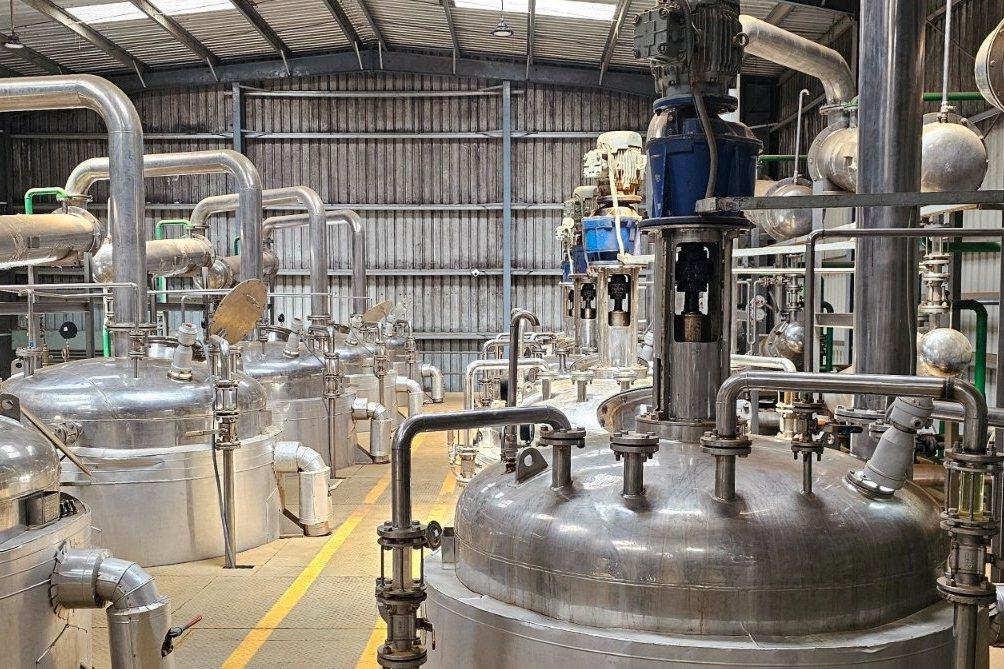 For Cassava
Cassava Flour Processing Plants
A cassava flour plant makes a fine, unfermented flour from peeled whole roots by grating or chipping, pressing, drying and milling.
View Product
Fruit
Banana and plantain are among the crops grown in Cameroon, and fruit harvests are seasonal and perishable, so juice extraction, vacuum concentration and dehydration can help processors handle peaks that fresh markets cannot absorb.
 For Fruit
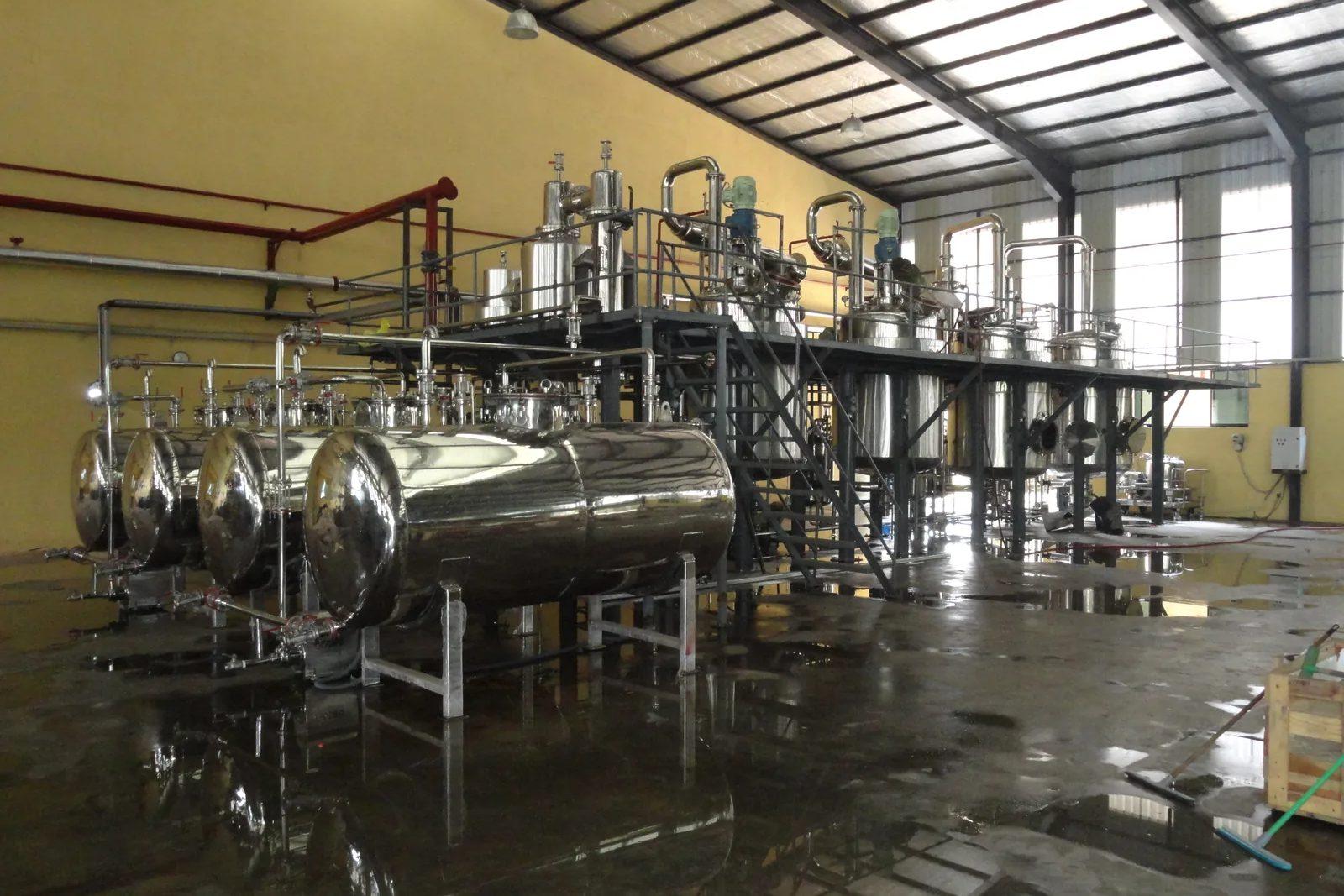
Fruit Juice Processing & Concentration Plant
Juice concentration and drying equipment for fruit processors: evaporators, an aloe line and powder options. Define fruit, target Brix and pack first.
View Product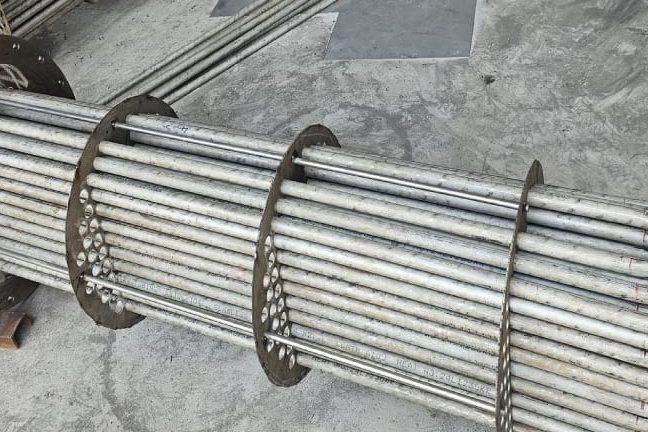 For Fruit
Fruit Juice Concentration Plants
A fruit juice concentration plant removes water from extracted juice under vacuum, and the design turns on feed solids, final Brix, how heat-sensitive the juice is and how much aroma must be saved.
View Product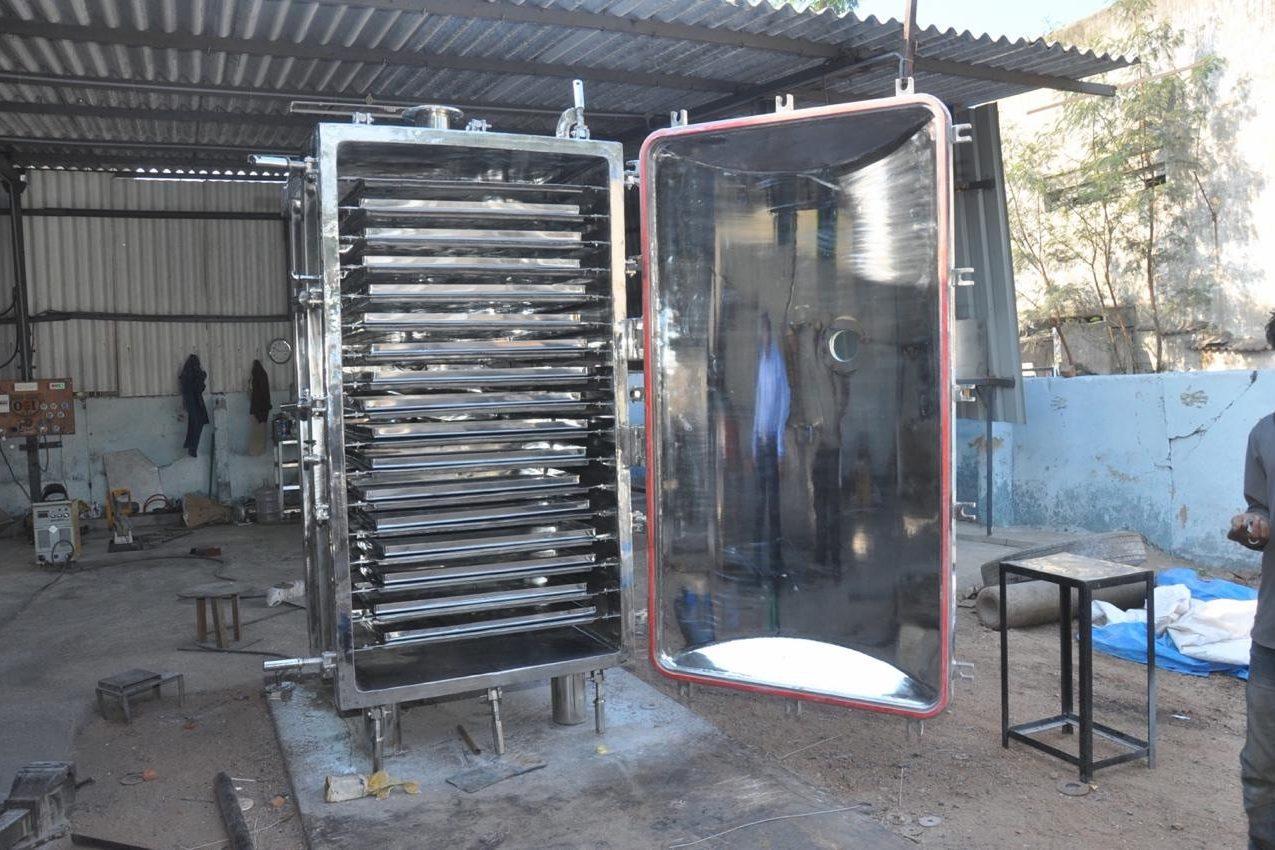 For Fruit
Fruit & Vegetable Dehydration Plant
Planning fruit or vegetable dehydration? Slice size, moisture target, heat source and dryer choice to settle before a plant is sized.
View Product
Rice
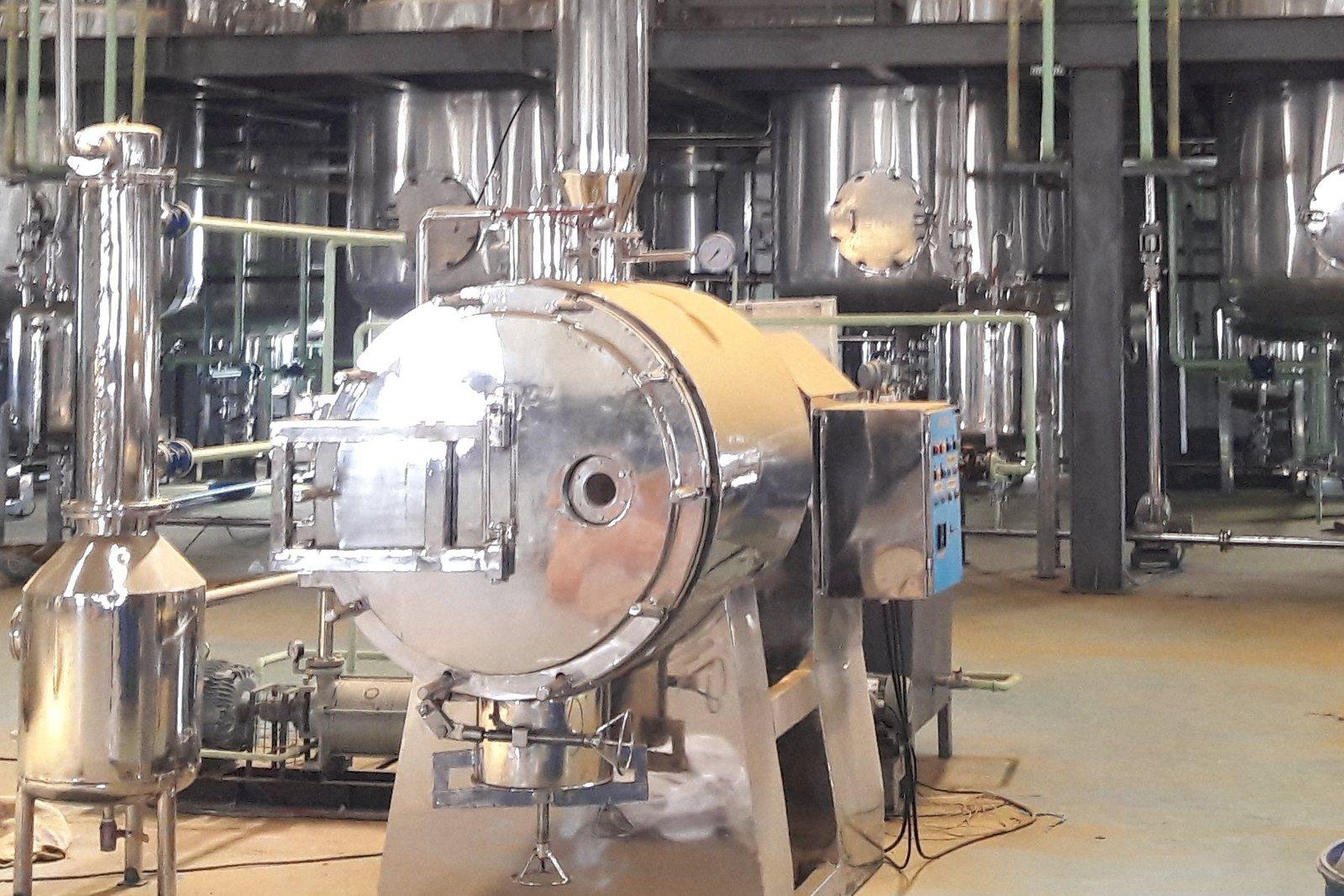
Rice is planted mainly in the northern and north-western provinces, where parboiling and controlled drying reduce breakage during milling and help stabilise grain before storage.
Also Listed for Cameroon
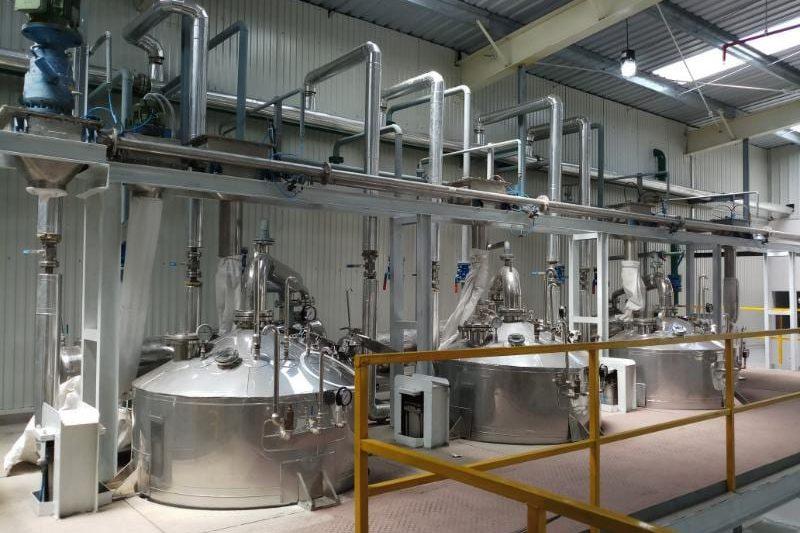 Herbal, Botanical & Nutraceutical Extraction
Herbal Extraction Plants
View Product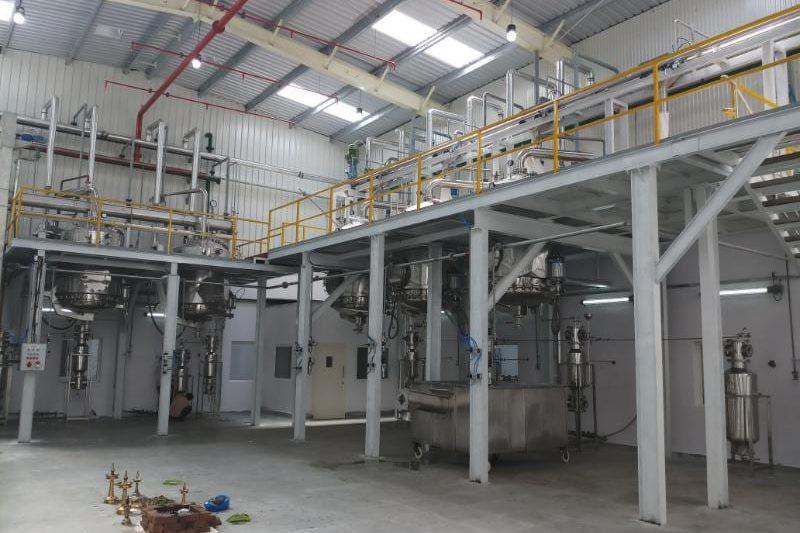 Herbal, Botanical & Nutraceutical Extraction
Turnkey Multi-Herbal Extraction Plants
View Product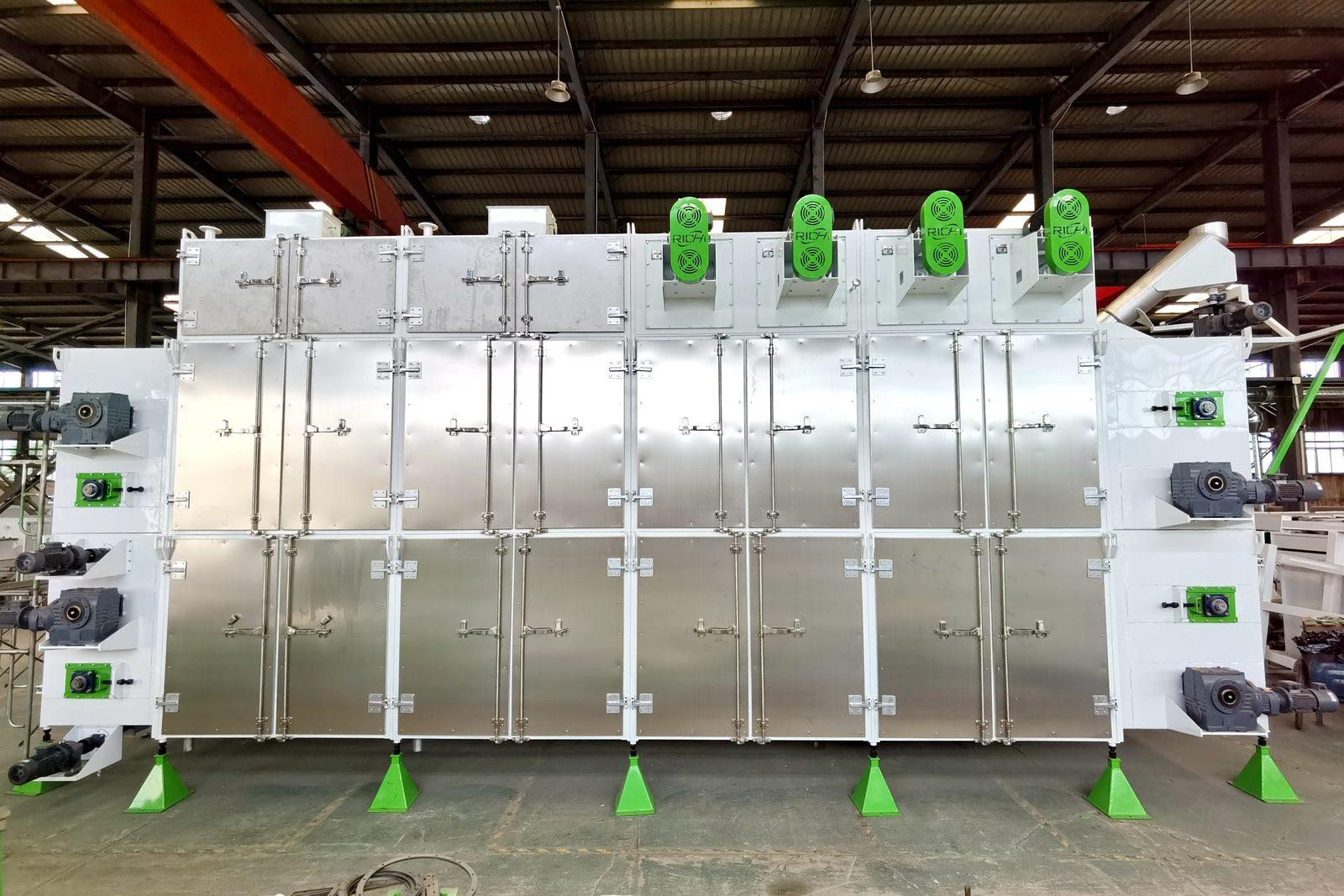 Drying & Dehydration Systems
Industrial Hot-Air Drying Systems
View Product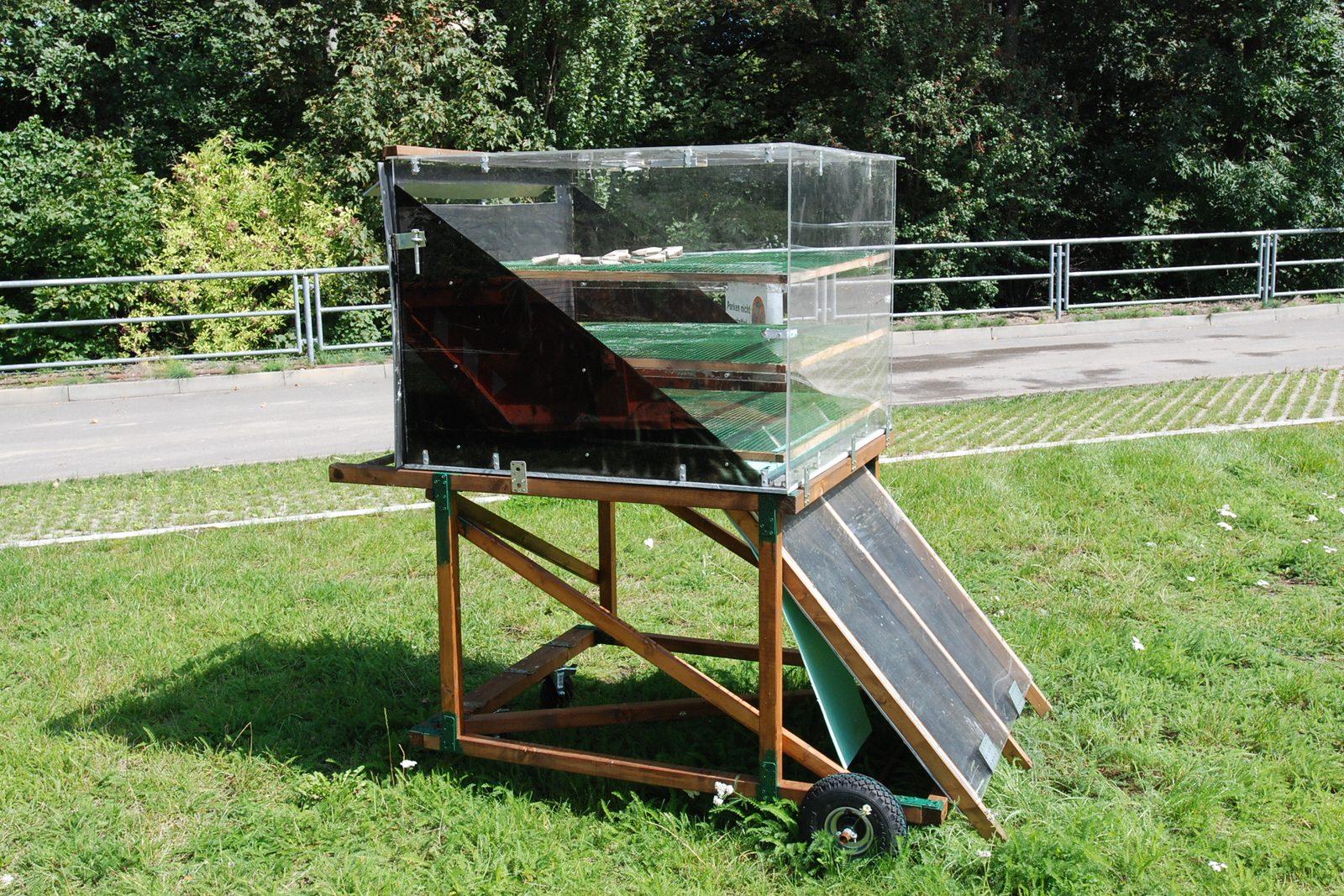 Drying & Dehydration Systems
Solar-Assisted Drying Systems
View Product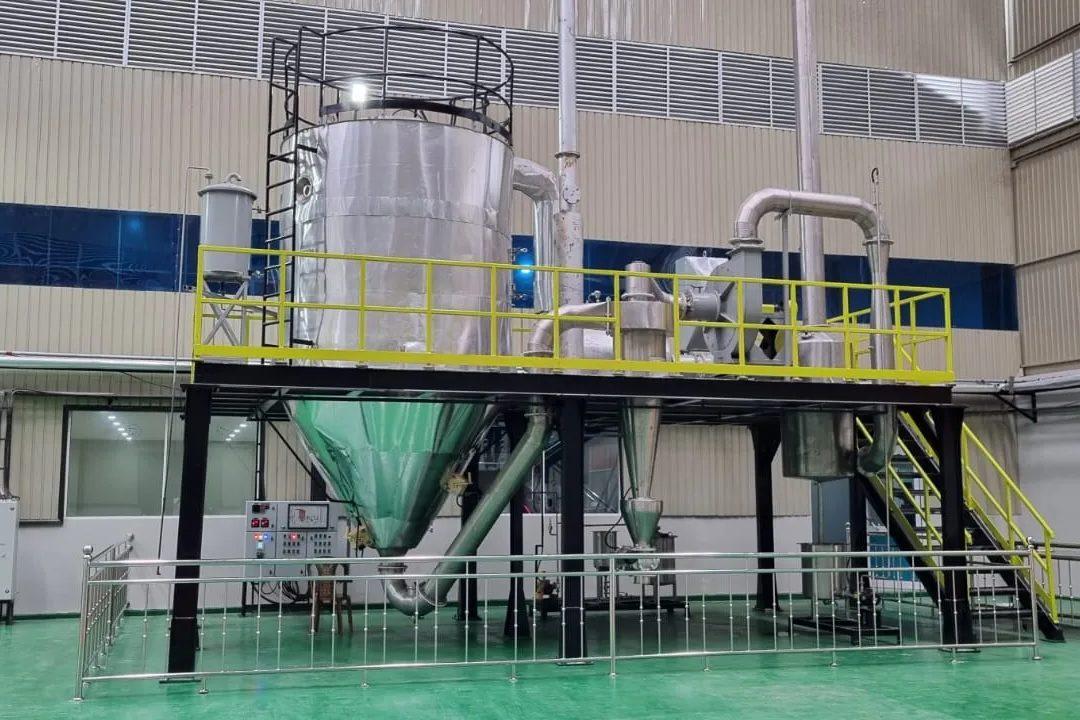 Drying & Dehydration Systems
Spray Dryer
View Product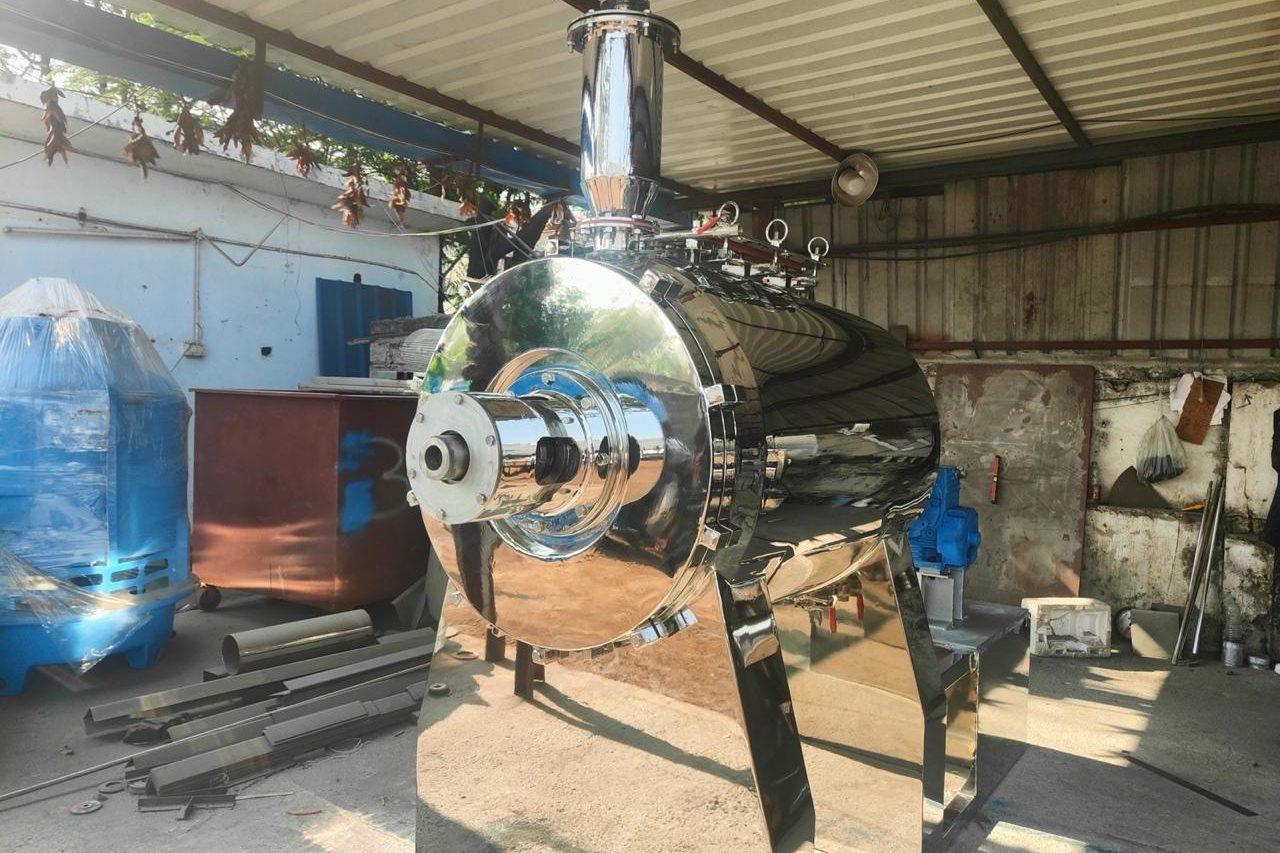 Drying & Dehydration Systems
Spice & Herbal Drying Plants
View Product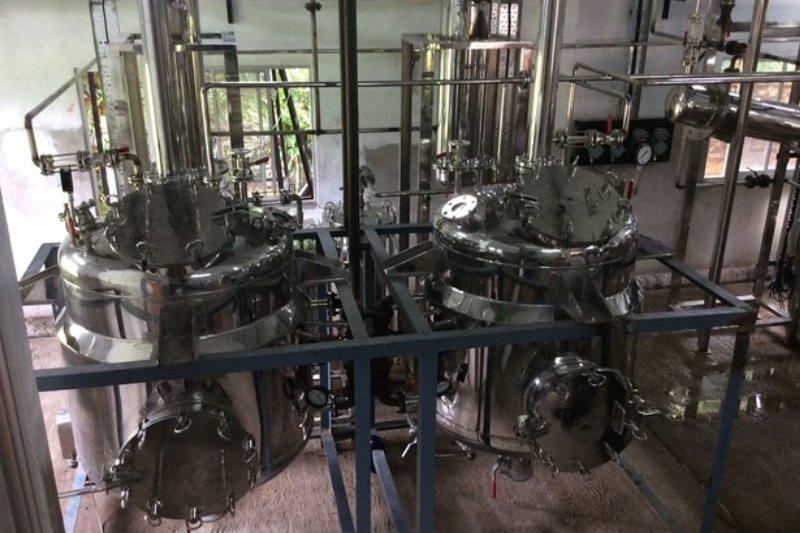 Specialty African Botanical & Natural Ingredients
Seaweed Extraction & Drying Plants
View Product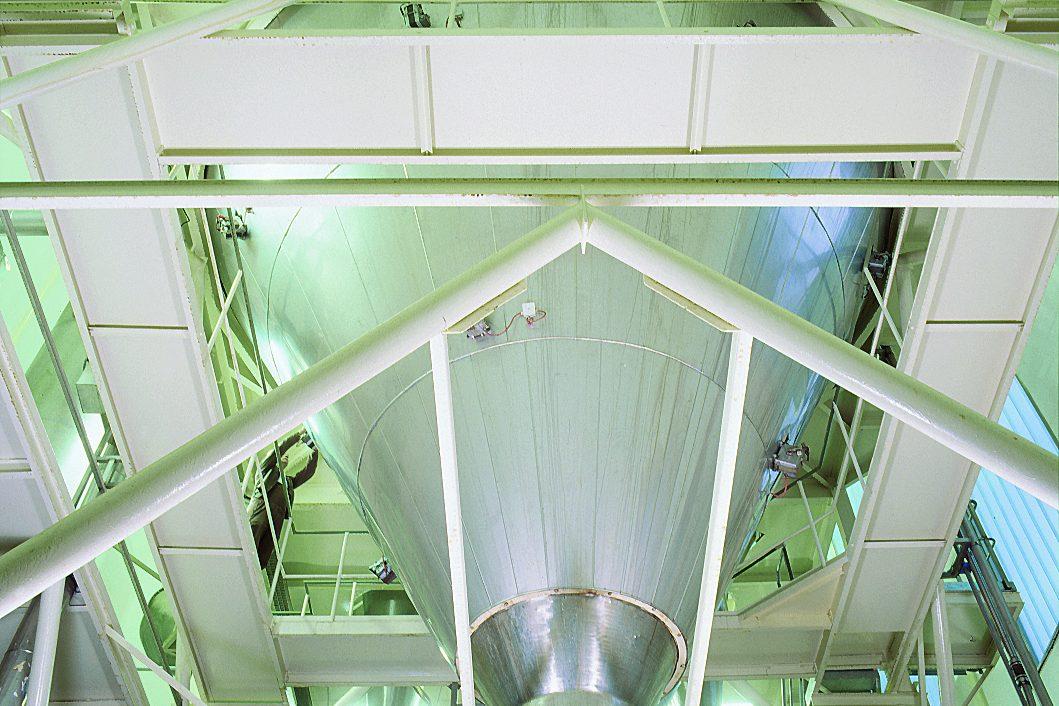 Specialty Food, Beverage & By-Product Processing
Dairy Evaporation & Spray Drying Plants
View Product
More Plants and Equipment, by Category
The other 57 products of the 73-product catalogue, by category. A product that is not listed for Cameroon is not ruled out: tell us your raw material and target product. Request a technical proposal
Herbal, Botanical & Nutraceutical Extraction (7)
Category guide
Essential Oils, Spices & Oleoresins (6)
Category guide
Fruit & Vegetable Processing (6)
Category guide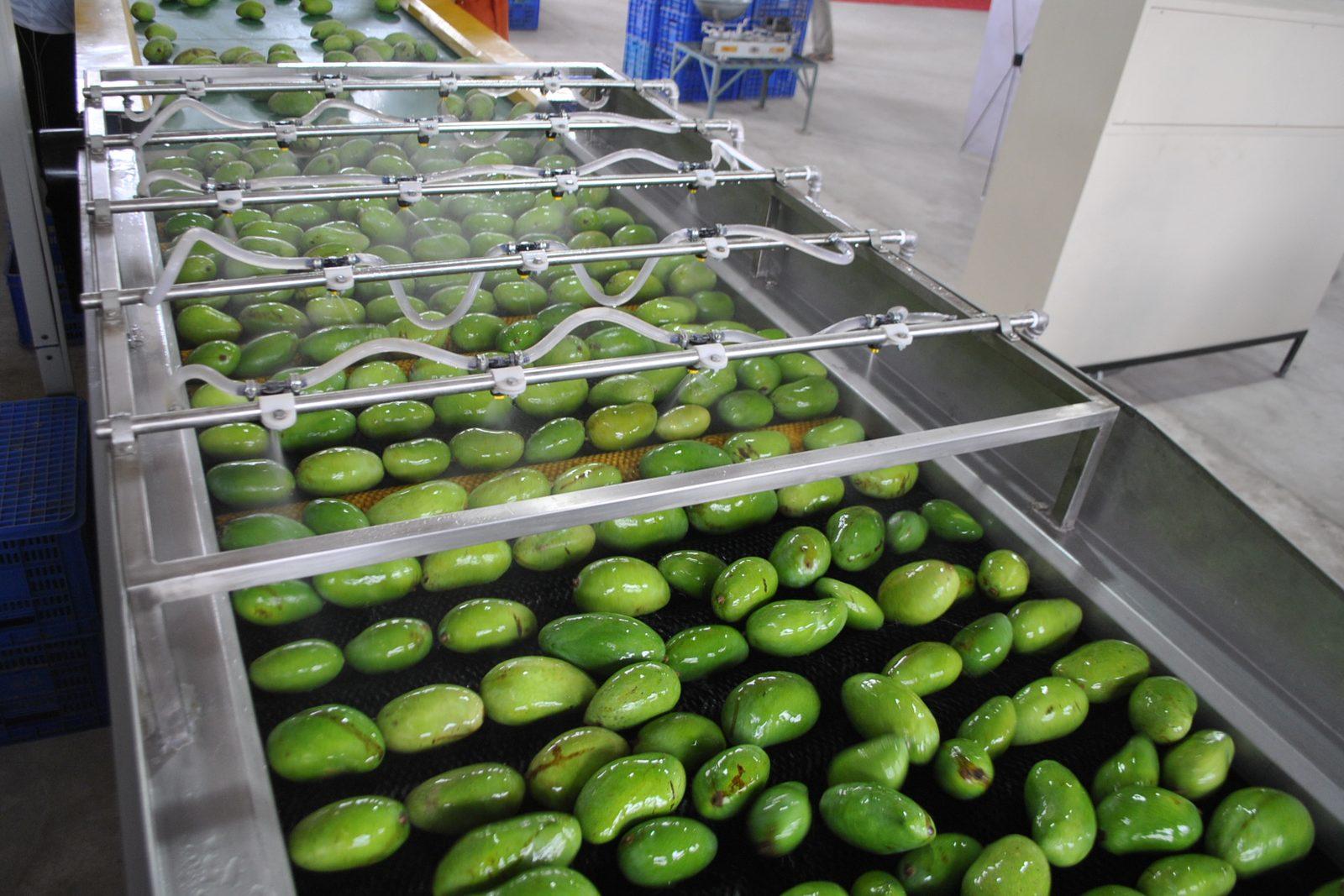
Starch, Flour, Edible Oil & Food Processing (5)
Category guide
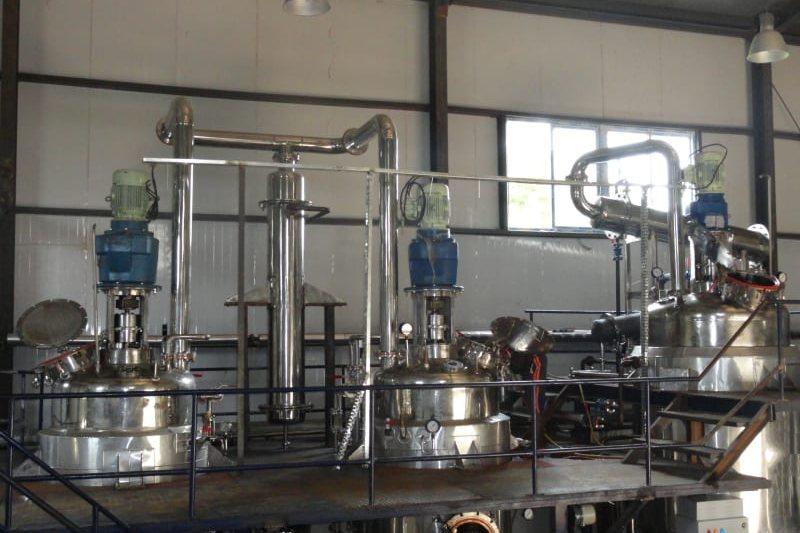
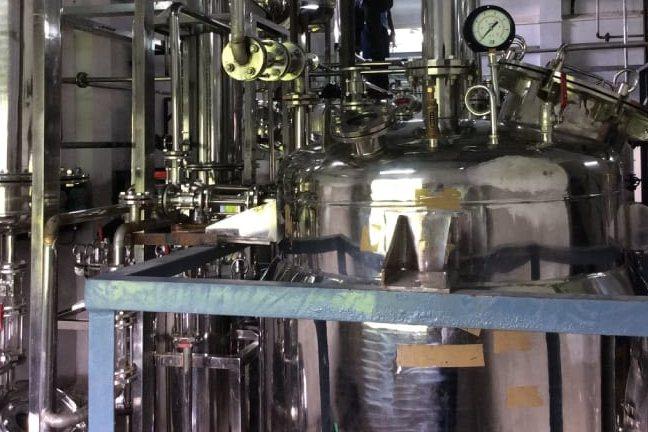
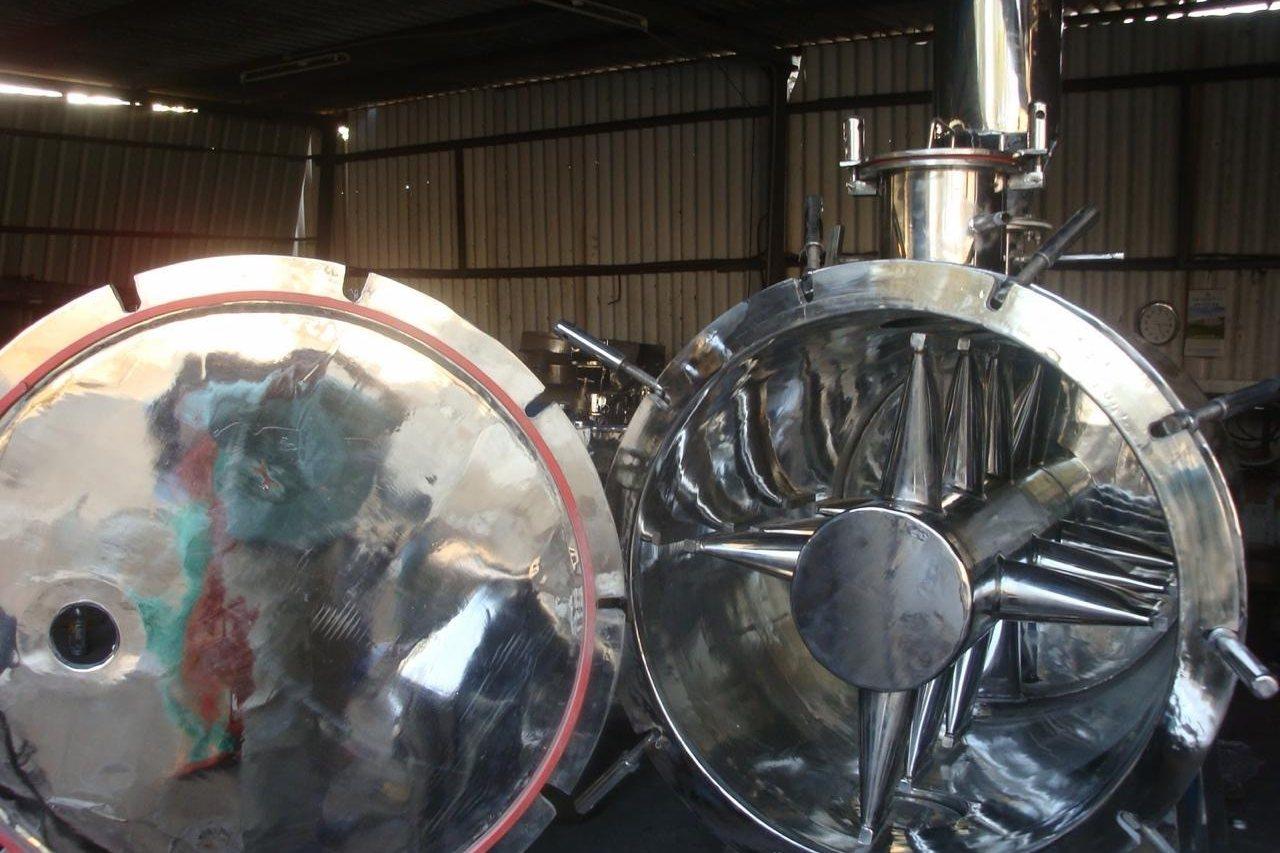
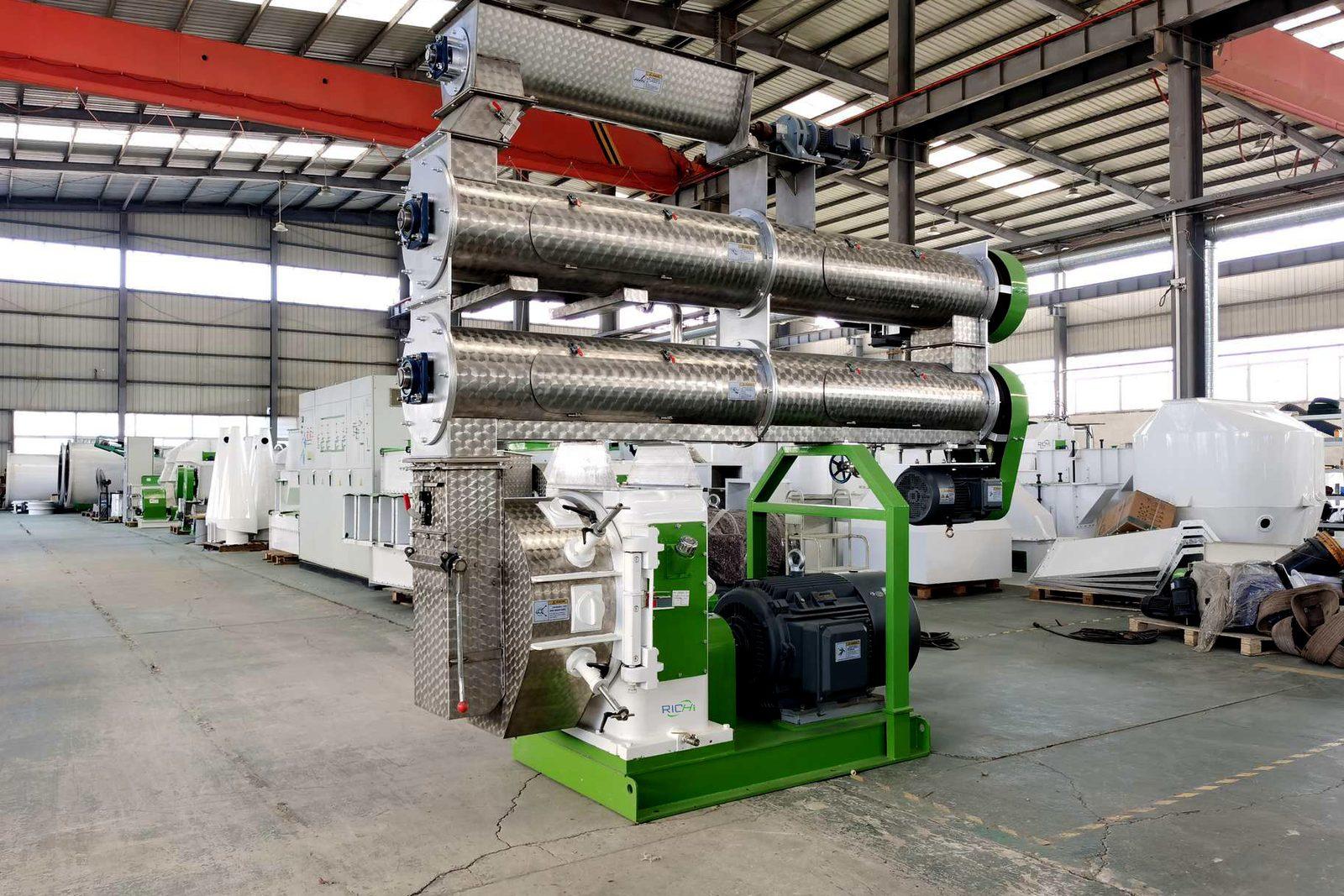
Evaporation, Concentration & Solvent Recovery (4)
Category guide
Pharmaceutical & Industrial Process Equipment (4)
Category guide
Cocoa, Shea, Palm Oil & Oilseed Processing (4)
Category guide
Cereals, Tubers & Sugar Processing (5)
Category guide
Specialty African Botanical & Natural Ingredients (10)
Category guide
Baobab Processing & Extraction Plants
View Product
Aloe Vera
View Product
Gum Arabic Processing Plant
View Product
Natural Colour Extraction Plants
View Product
Vanilla
View Product
Clove Buds
View Product
Ylang Ylang
View Product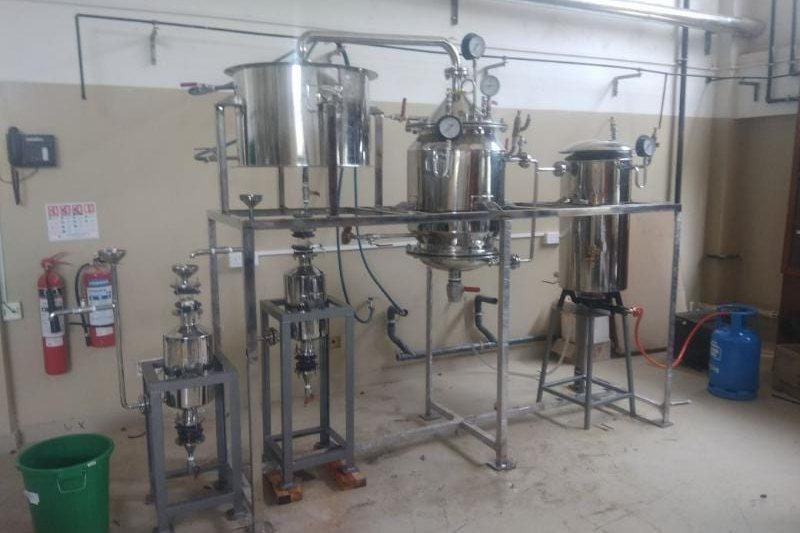
Argan Oil Processing Plants
View Product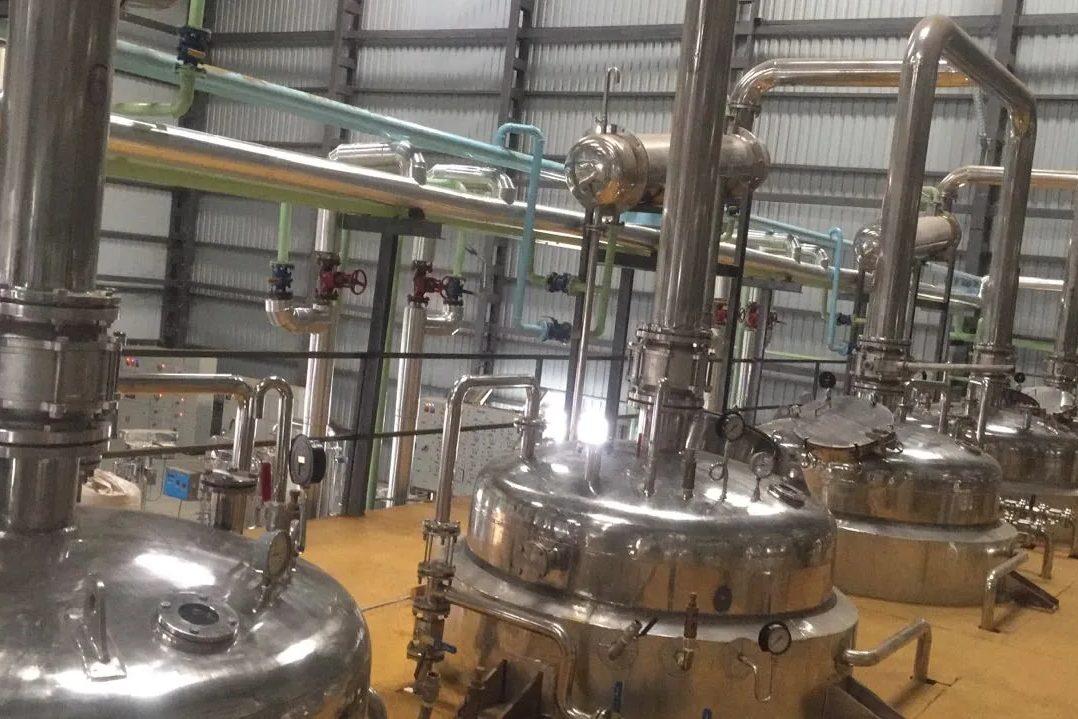
Olive Leaf Extract Powder
View Product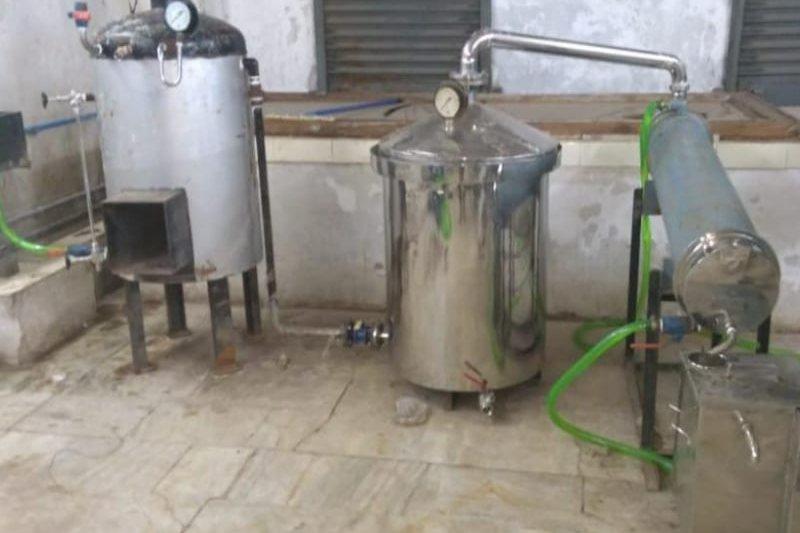
Frankincense Extraction Plant
View Product
Specialty Food, Beverage & By-Product Processing (6)
Category guide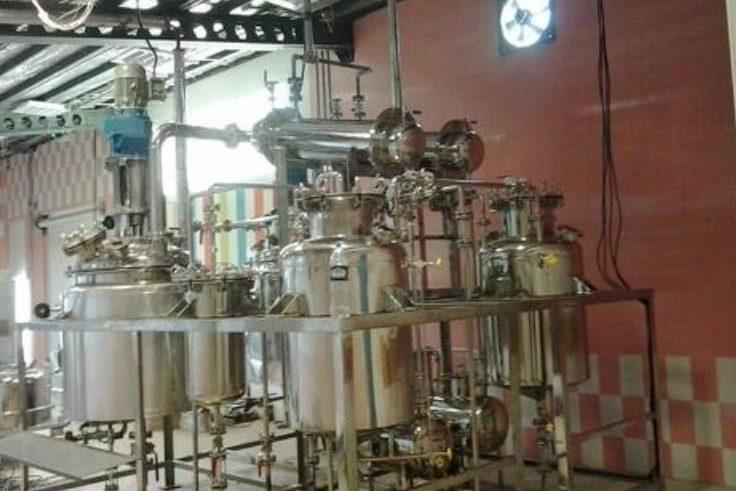
Date Processing Plant: Extracts & Concentration
View Product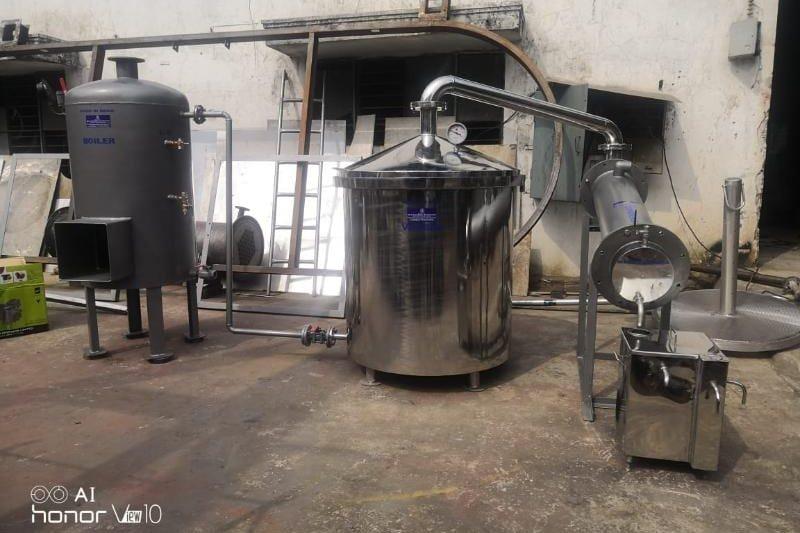
Fish Oil Recovery & By-Product Processing Plants
View Product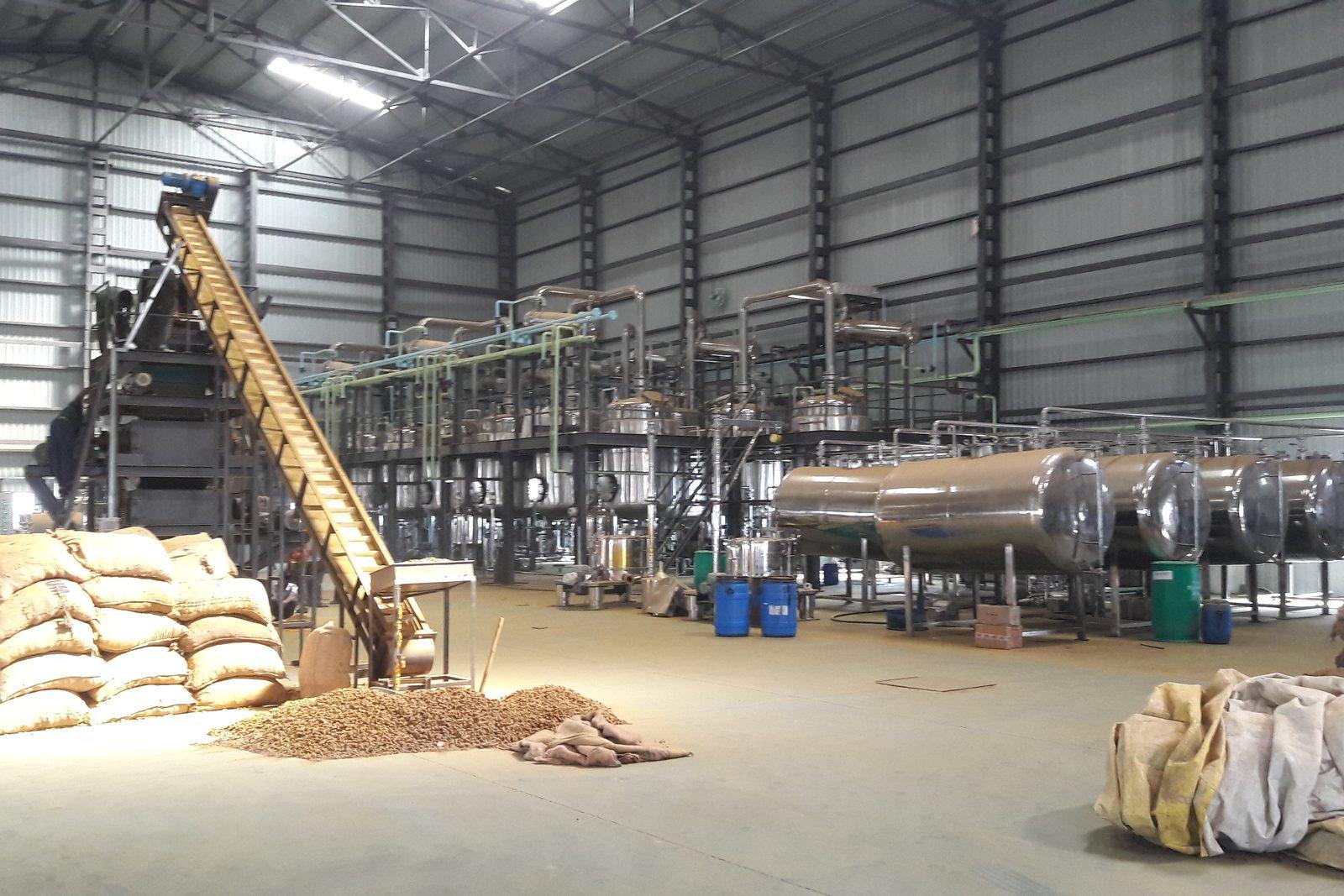
Tea Extraction & Concentration Plants
View Product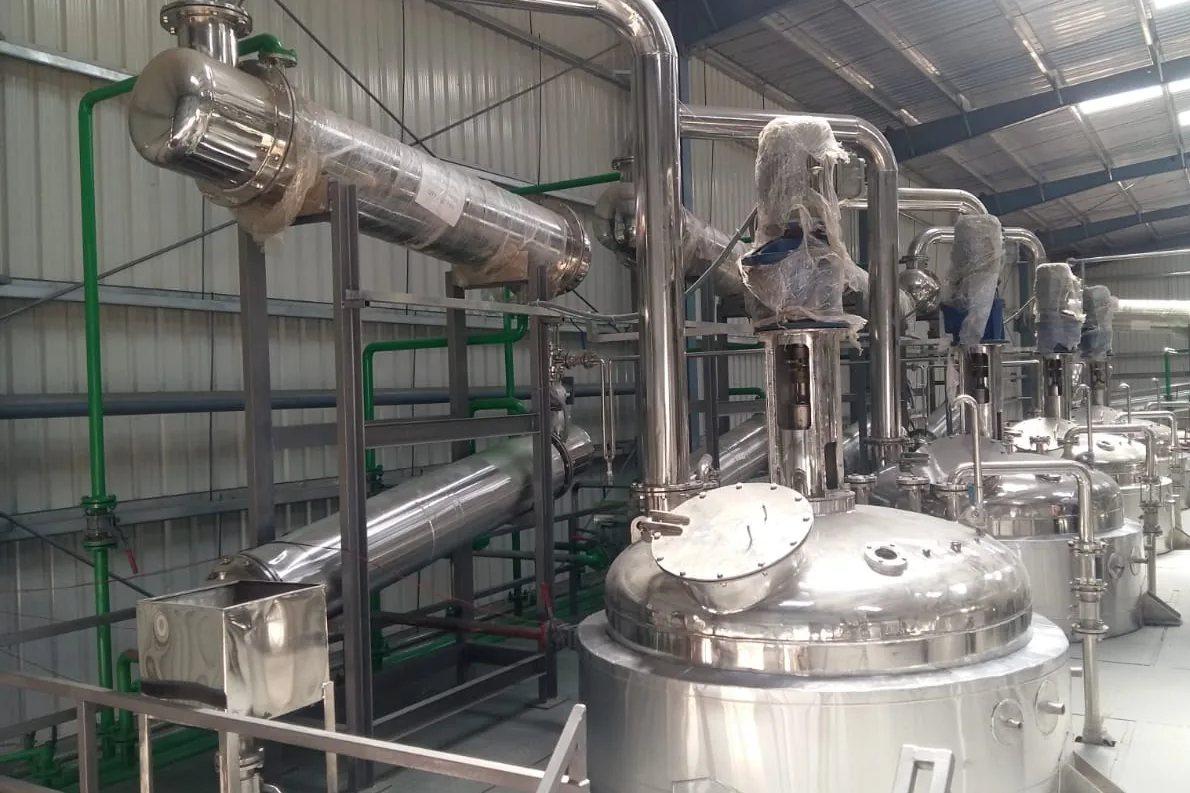
Coffee Extraction & Concentration Plants
View Product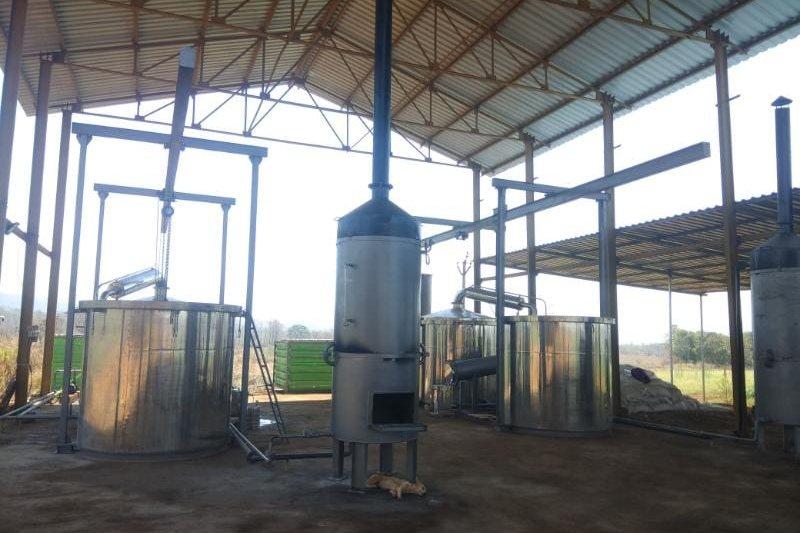
Coconut Oil & Milk Processing Plants
View Product
Onion & Garlic Dehydration Plants
View Product
What to Settle Before You Ask for a Proposal
Port access and inland haulage
Douala sits on the Wouri estuary and the deep-sea port at Kribi lies further south, so plant sections reaching site by road from the coast need transport routes checked against the weight and size of each module.
Different zones in one country
A processor in a rainforest zone has to manage humid air and mould risk when drying cocoa and cassava, while one in the north and far north deals with very high temperatures, so drying design and enclosure choices differ by region.
Seasonal and scattered supply
Much raw material comes from many small farms, since oil palm growing includes smallholders as well as agro-industrial companies. Collection points, storage and the pace of delivery decide how large a first line should be, and a modular plant that can be extended is often sensible.
Industries to read next
Agro & Food Processing Solutions
Cocoa, palm oil, cassava, rice and fruit juice give Cameroon's food processors a broad base, and the mapped cocoa, palm oil, starch, juice and parboiling plants all serve this industry.
Read the industry pageIndustrial Drying & Dehydration Solutions
Where humidity is high, open-air drying is unreliable in the wet season, so hot-air and solar-assisted dryers suit cocoa, cassava chips, fruit and spices that must reach a stable moisture level.
Read the industry pageHerbal & Botanical Extraction Solutions
Cameroon's wide variety of agro-forestry production can supply plant material to herbal extraction lines. These suit processors who can document a lawful, sustainable supply, and multi-herbal plants suit those who expect to switch between several botanicals.
Read the industry page
From Enquiry to a Running Plant
Enquiries for Cameroon Projects
Kadali Africa Ventures Limited, Accra
421, University Road
Sowutuom
Accra, Ghana
Questions About Plants for Cameroon
Which processing plants suit cocoa and palm oil producers in Cameroon?
Cocoa processors usually look at roasting, grinding and pressing steps to make liquor, butter and powder, while palm oil operators look at sterilising, pressing, clarification and refining units. The right size depends on your bean or fruit supply.
Can a cassava plant in Cameroon make both starch and flour?
Starch and flour are separate process routes, although both begin with washing and grating the roots. Starch needs extraction and separation of the milk, while flour relies on dewatering and drying. A proposal can compare the two for your root supply and target product.
How do I start a project for a fruit juice or rice plant in Cameroon?
Send the feedstock, expected seasonal volume, finished product and site location through the quote form. An engineer can then outline the extraction, concentration or parboiling steps, the utilities needed on site and a proposal route that suits your situation.
Does Kadali Africa Ventures have an office in Cameroon?
Kadali Africa Ventures Limited has offices in Accra, Ghana and Kano, Nigeria, and none in Cameroon. Engineering and manufacturing scope for each product is confirmed in the technical proposal.
What should I send for a Cameroon project proposal?
Use the form on this page. Give your raw material, the product you want to make, the capacity and its basis (for example kg per hour or tonnes per day) and your site.
Planning a project in Cameroon?
Send your raw material, target product and capacity. We will come back with the process route and equipment scope for your project.
Tell us about your Cameroon project
Only name, email, phone and industry are required. The more you share about raw material and capacity, the more precise our proposal.