
Central African Republic: Plants for Cassava, Coffee, Groundnut and Fruit
Review the cassava, coffee, groundnut oil and fruit processing plants listed for the Central African Republic, and the practical issues of a landlocked, rural supply base.
- 17 products in 7 categories, listed for Central African Republic
- Engineering and manufacturing scope confirmed in the technical proposal
Kadali Africa Ventures Limited has offices in Accra, Ghana and Kano, Nigeria, and no office in Central African Republic; enquiries from Central African Republic are handled from the Accra office.
Forest in the south, savanna in the centre: crops that feed processing in the Central African Republic
The Central African Republic lies in the middle of the African continent with no sea coast. Its climate runs from a humid forest zone in the south, through a Guinean savanna zone in the centre, to a sub-Sahelian zone in the north. Cassava, maize, rice, sorghum and millet are the main staple crops, and the principal crops also include cotton, coffee, yams and bananas. Groundnuts are grown too, which gives the country an oilseed to press alongside its food staples.
Most of the population is engaged in subsistence farming, so raw material tends to arrive in modest lots. Cassava roots need grating, dewatering and drying to make flour or starch that keeps. Groundnuts must be dried, shelled and pressed to give oil, with the pressed cake usable as animal feed. Coffee cherries are pulped or hulled and dried, and bananas and other fruit can be turned into juice or dried pieces.
The potential users are small agro-processors, cooperatives and local food manufacturers around Bangui, the capital, and other towns. Because supply is scattered and conditions vary, a compact first unit that can grow with the supply is the sensible starting point for any of the plants mapped on this page.
Products Relevant to Central African Republic
17 of the 73 products in the catalogue are listed for Central African Republic, in 7 categories: Herbal, Botanical & Nutraceutical Extraction (2), Fruit & Vegetable Processing (2), Starch, Flour, Edible Oil & Food Processing (4), Drying & Dehydration Systems (5), Cereals, Tubers & Sugar Processing (1), Specialty African Botanical & Natural Ingredients (1), Specialty Food, Beverage & By-Product Processing (2). The plants for Central African Republic’s own raw materials come first. A listing is a catalogue listing, not a statement of demand or supply; the final configuration depends on your raw material, target product and capacity.
Cassava
Cassava is a main staple crop, and its roots can be grated, dewatered and dried into flour or starch soon after harvest, which helps with roots that otherwise have to be eaten or sold quickly; cassava starch and flour products are worth discussing here.
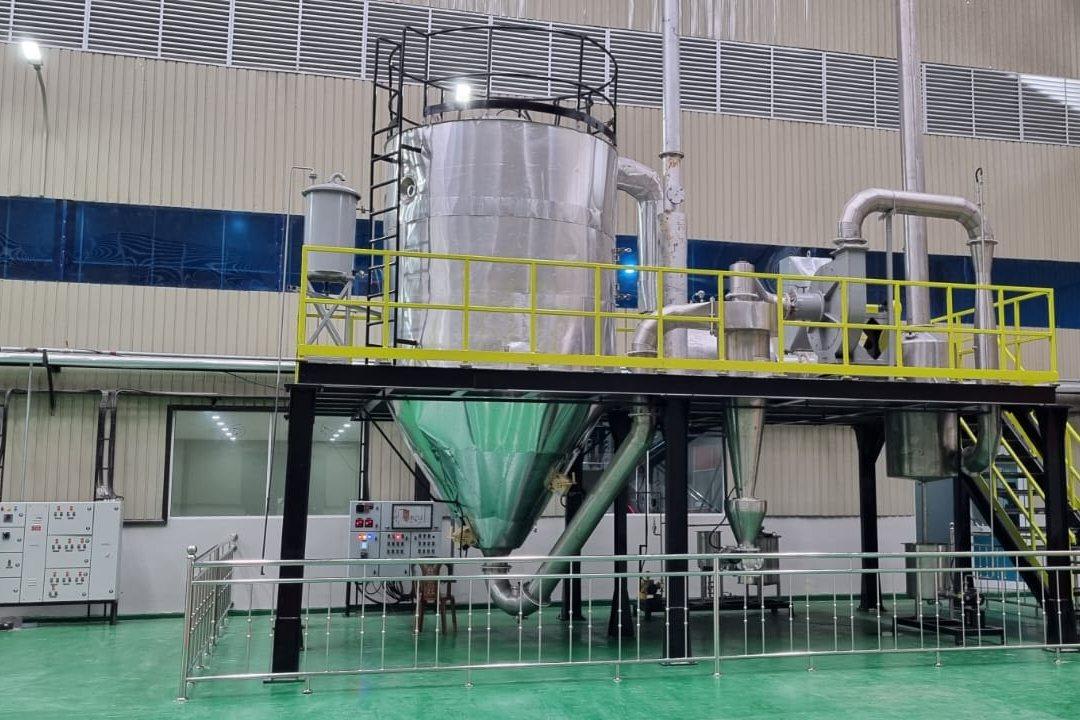 For Cassava
Cassava Starch Processing Plants
A cassava starch plant turns fresh roots into dry, white starch by rasping the roots, washing the starch out with water and drying it.
View Product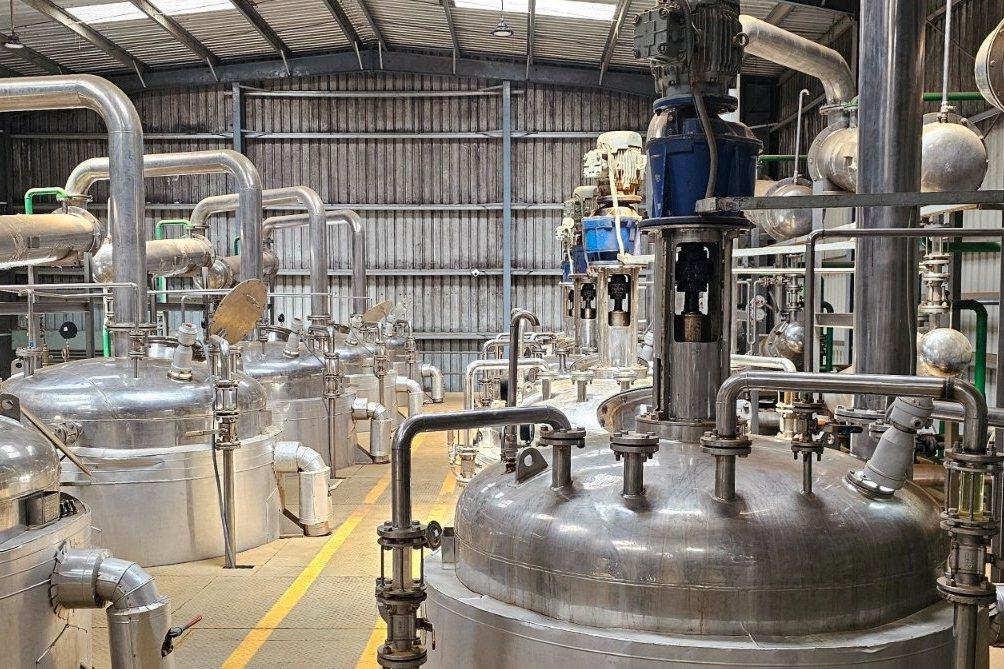 For Cassava
Cassava Flour Processing Plants
A cassava flour plant makes a fine, unfermented flour from peeled whole roots by grating or chipping, pressing, drying and milling.
View Product
Groundnut
Groundnuts are grown in the country and can be shelled, cleaned and pressed into edible oil, leaving a protein-rich cake, and drying the kernels well reduces losses during storage.
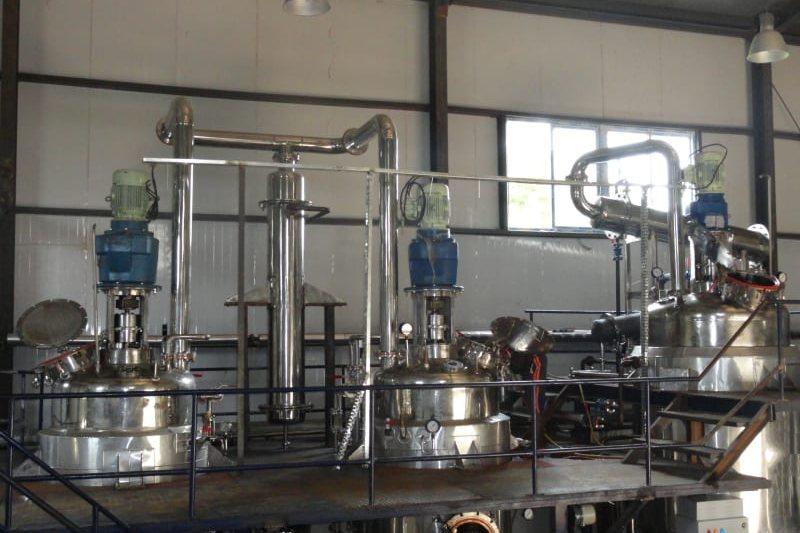
Coffee
Coffee is among the principal crops and can be hulled and dried at a central point, and a processor with steady volumes might later consider extraction and concentration.
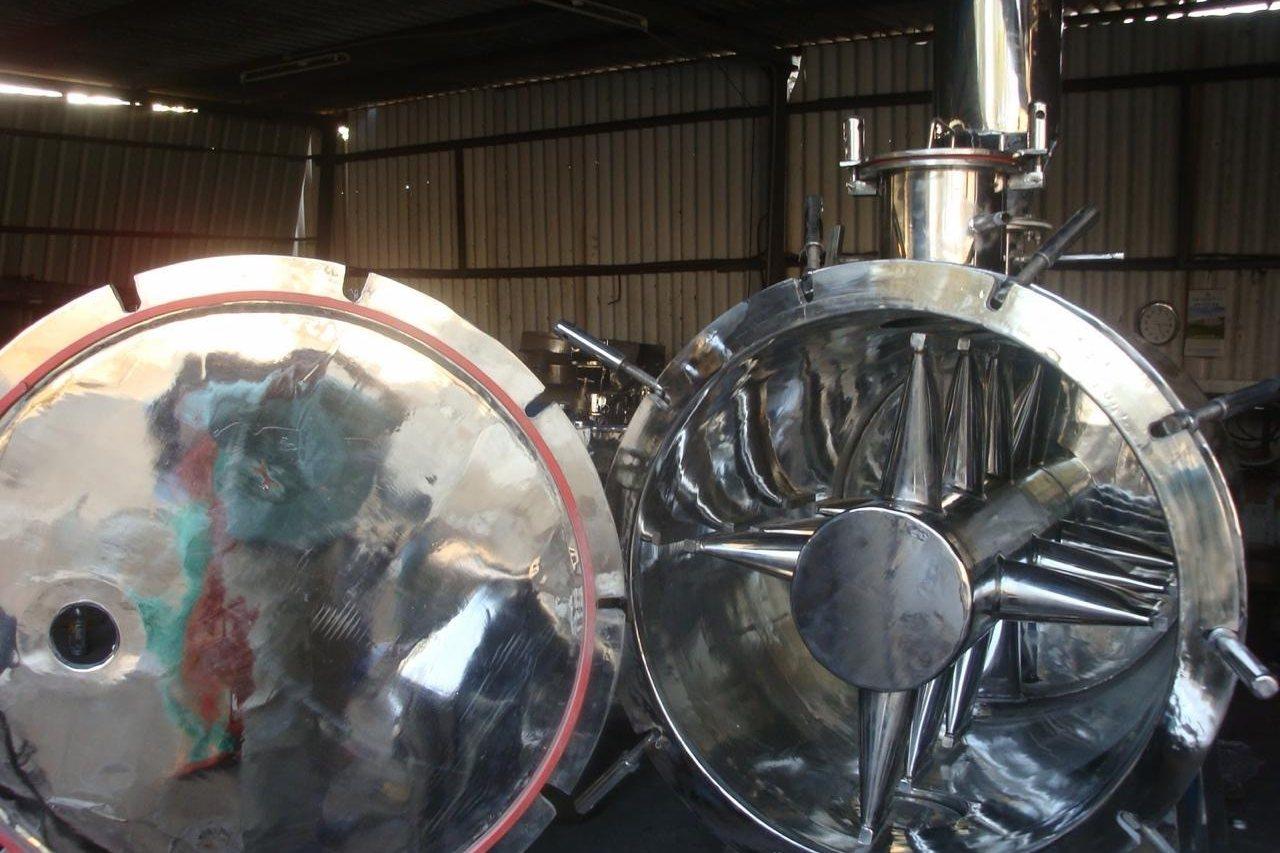 For Coffee
Coffee Processing Plants
A coffee processing plant takes green coffee and turns it into something a buyer can sell: cleaned and graded green beans, roasted whole beans or ground coffee in bags and pouches.
View Product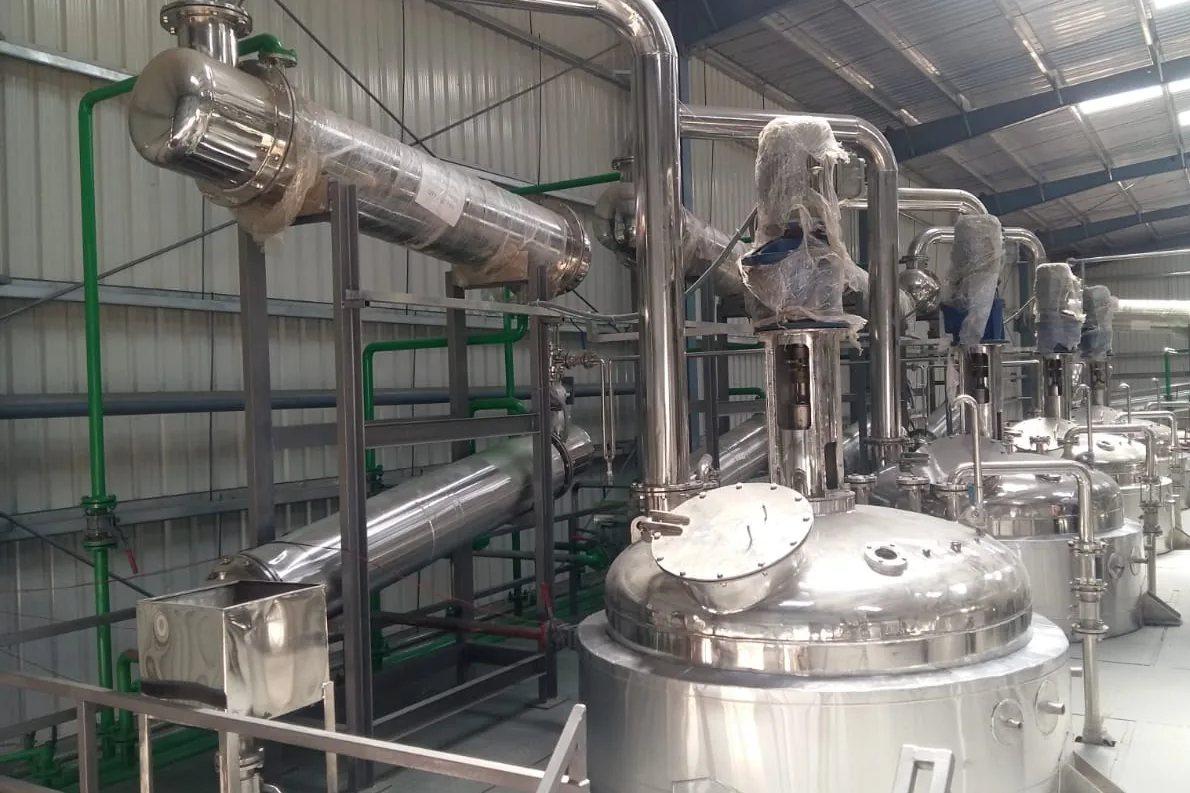 For Coffee
Coffee Extraction & Concentration Plants
A soluble coffee extraction and concentration plant takes roasted and ground coffee, extracts the soluble solids with hot water, concentrates the extract and, where powder is wanted, dries it.
View Product
Bananas and tropical fruit
Bananas are among the food crops grown, and ripe fruit spoils quickly, so juice extraction or controlled dehydration is a processing route worth discussing for small producers who need to hold product longer before sale.
 For Bananas and tropical fruit
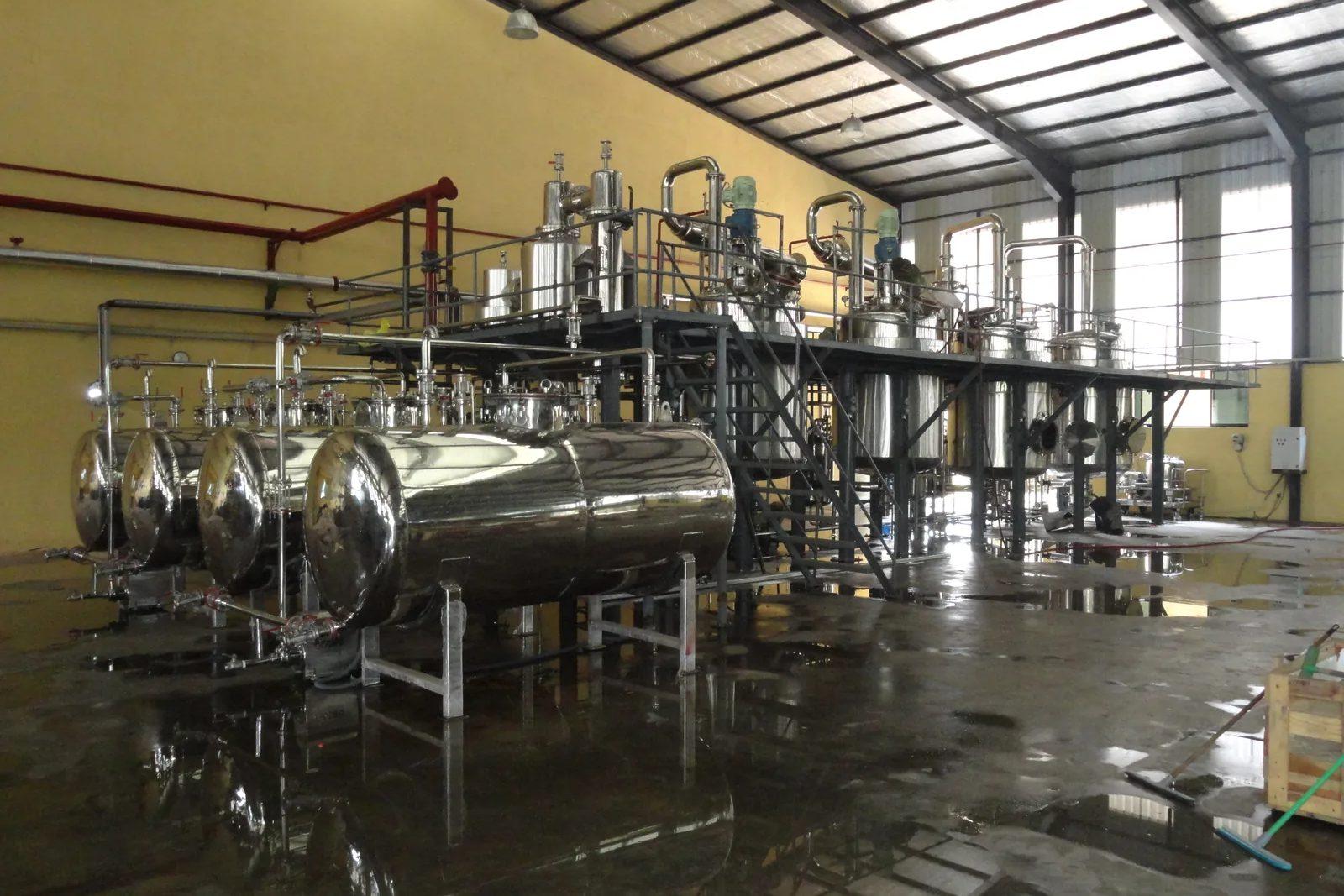
Fruit Juice Processing & Concentration Plant
Juice concentration and drying equipment for fruit processors: evaporators, an aloe line and powder options. Define fruit, target Brix and pack first.
View Product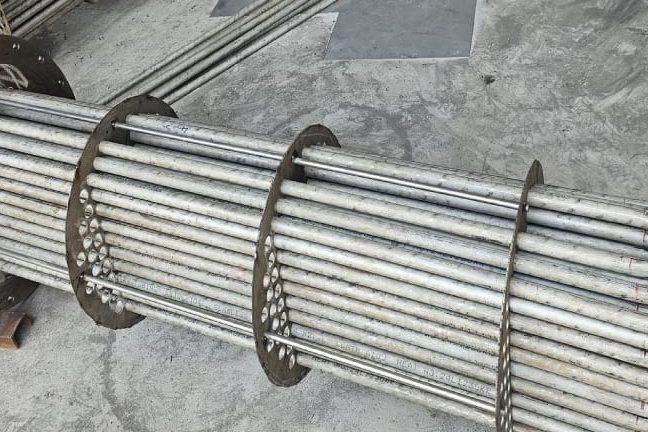 For Bananas and tropical fruit
Fruit Juice Concentration Plants
A fruit juice concentration plant removes water from extracted juice under vacuum, and the design turns on feed solids, final Brix, how heat-sensitive the juice is and how much aroma must be saved.
View Product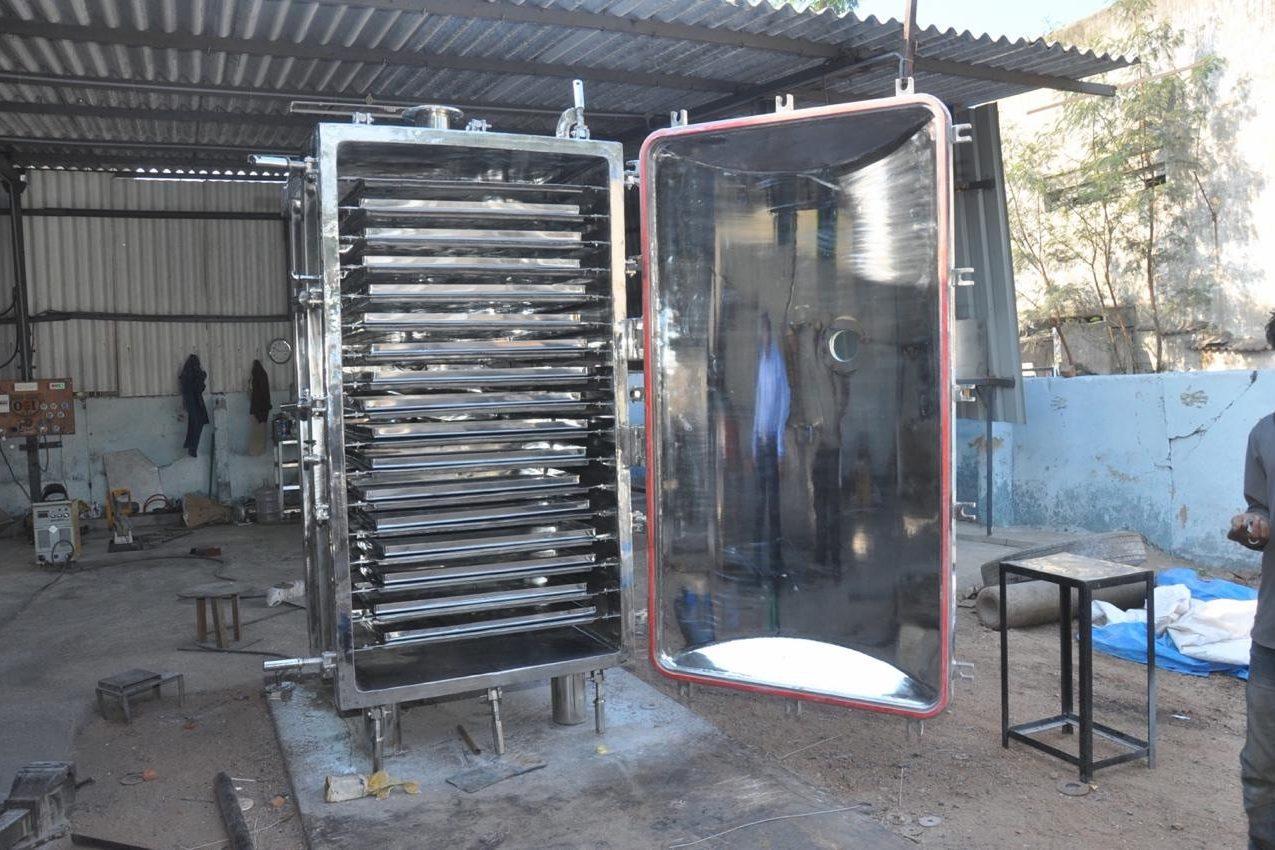 For Bananas and tropical fruit
Fruit & Vegetable Dehydration Plant
Planning fruit or vegetable dehydration? Slice size, moisture target, heat source and dryer choice to settle before a plant is sized.
View Product
Also Listed for Central African Republic
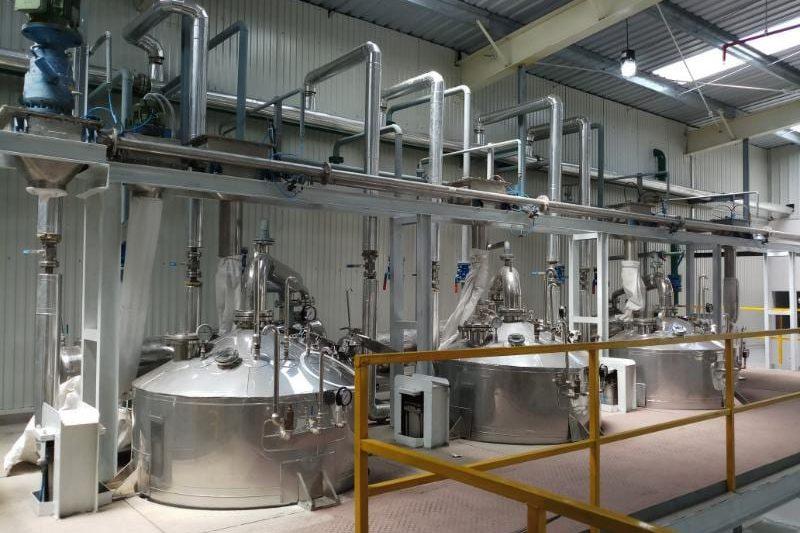 Herbal, Botanical & Nutraceutical Extraction
Herbal Extraction Plants
View Product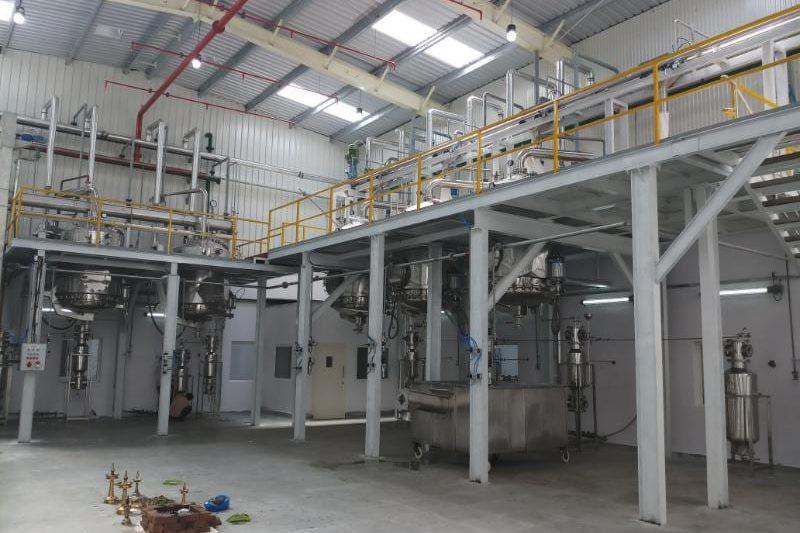 Herbal, Botanical & Nutraceutical Extraction
Turnkey Multi-Herbal Extraction Plants
View Product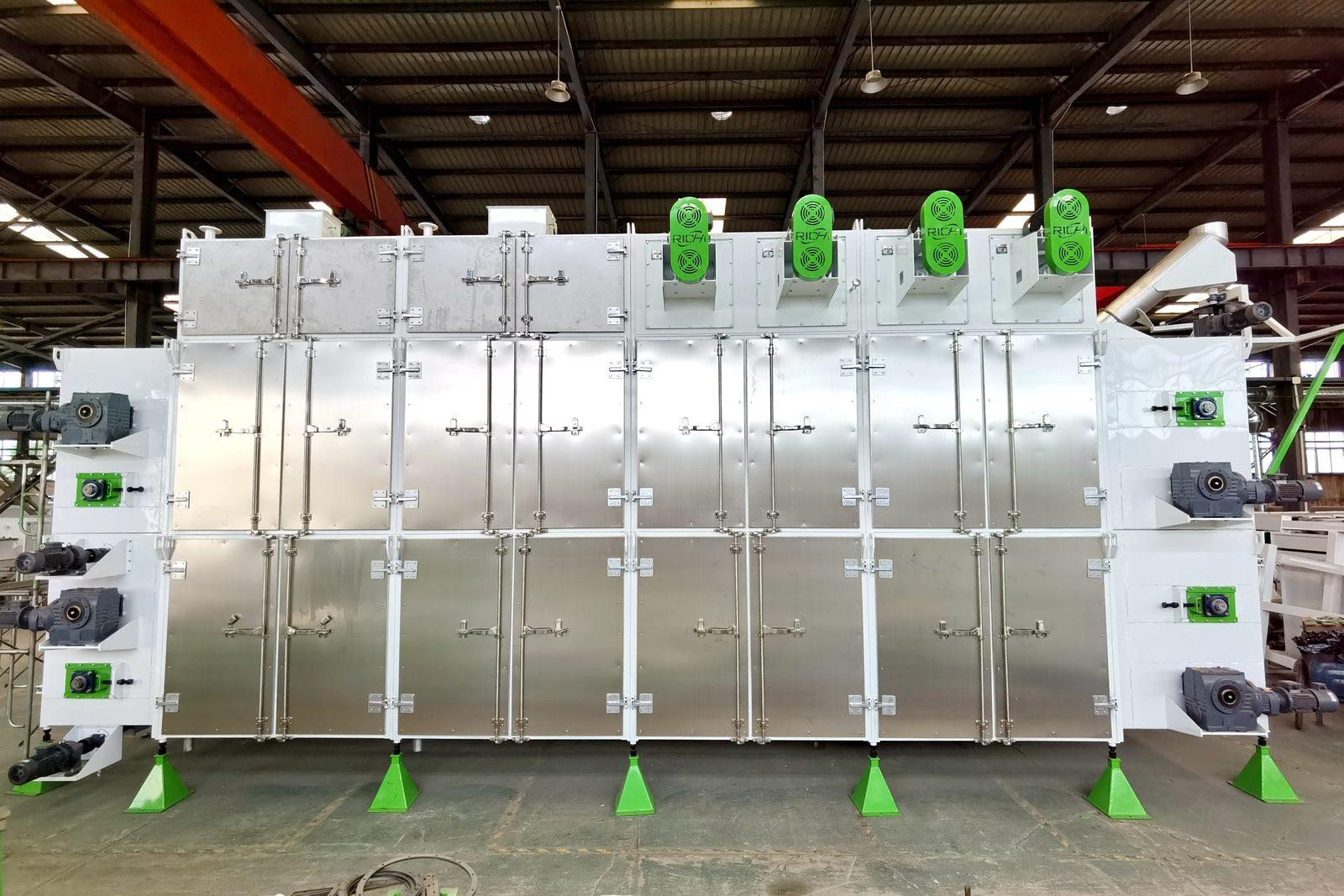 Drying & Dehydration Systems
Industrial Hot-Air Drying Systems
View Product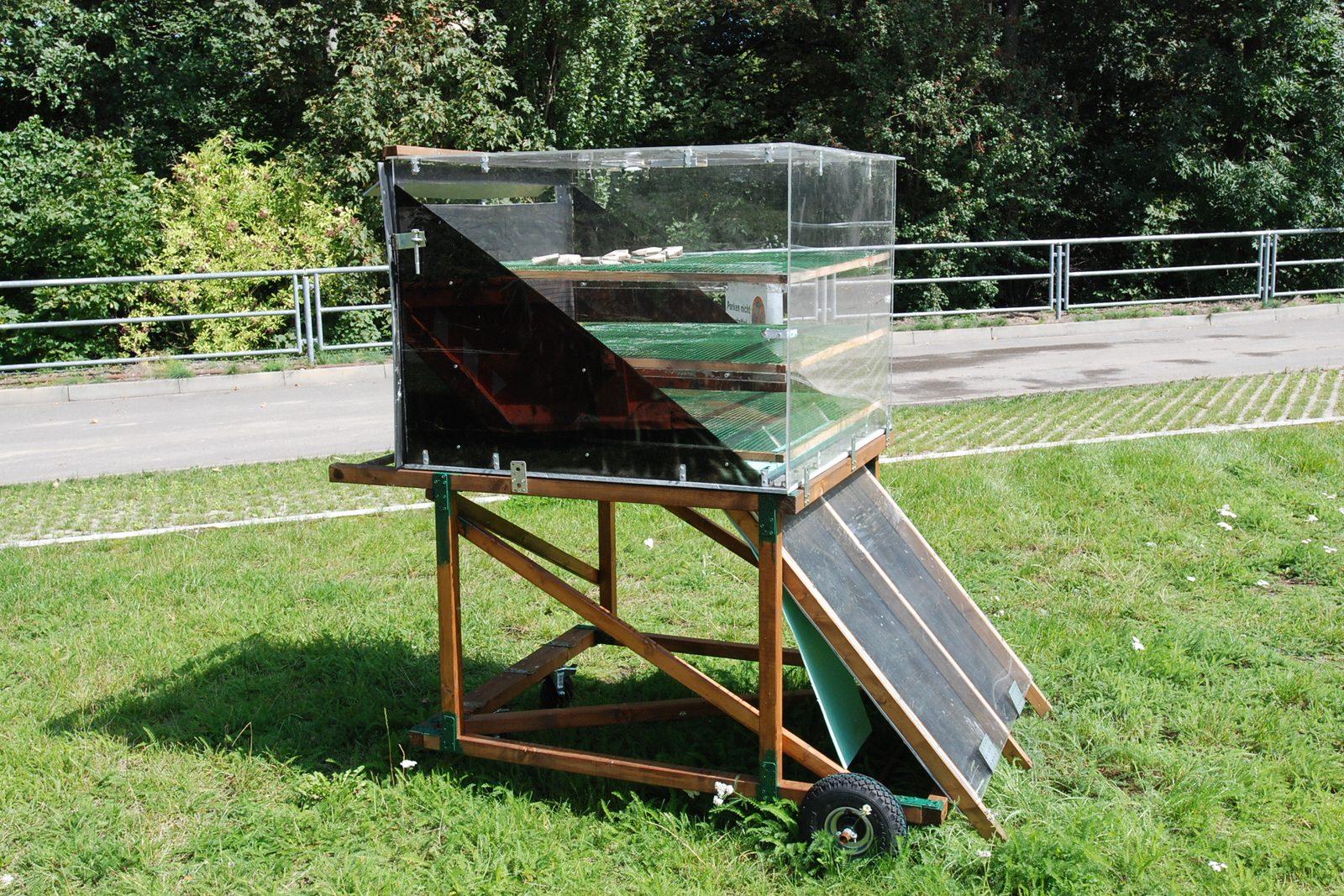 Drying & Dehydration Systems
Solar-Assisted Drying Systems
View Product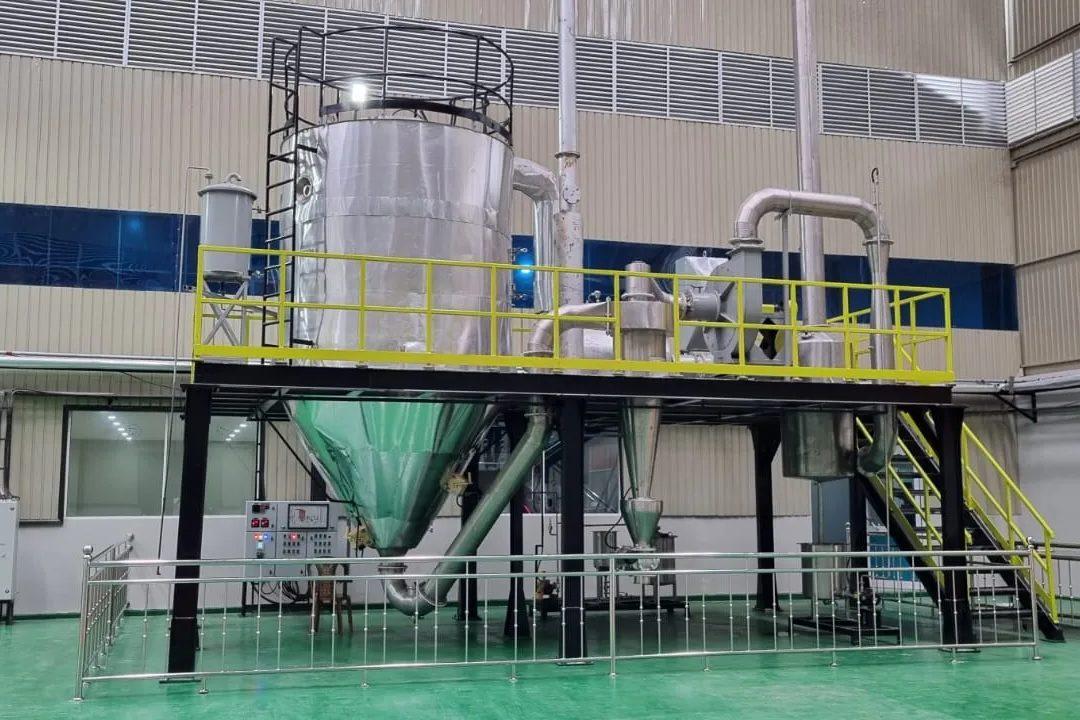 Drying & Dehydration Systems
Spray Dryer
View Product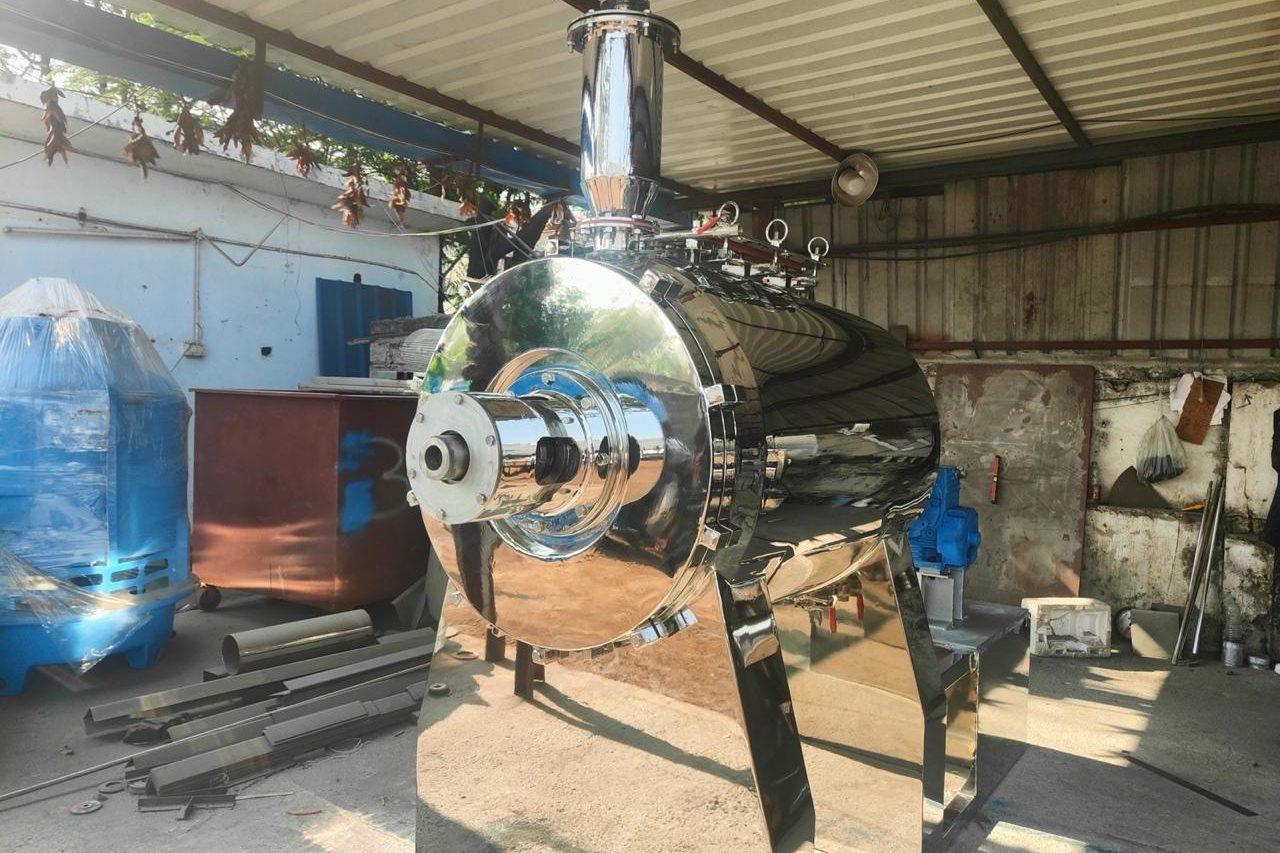 Drying & Dehydration Systems
Spice & Herbal Drying Plants
View Product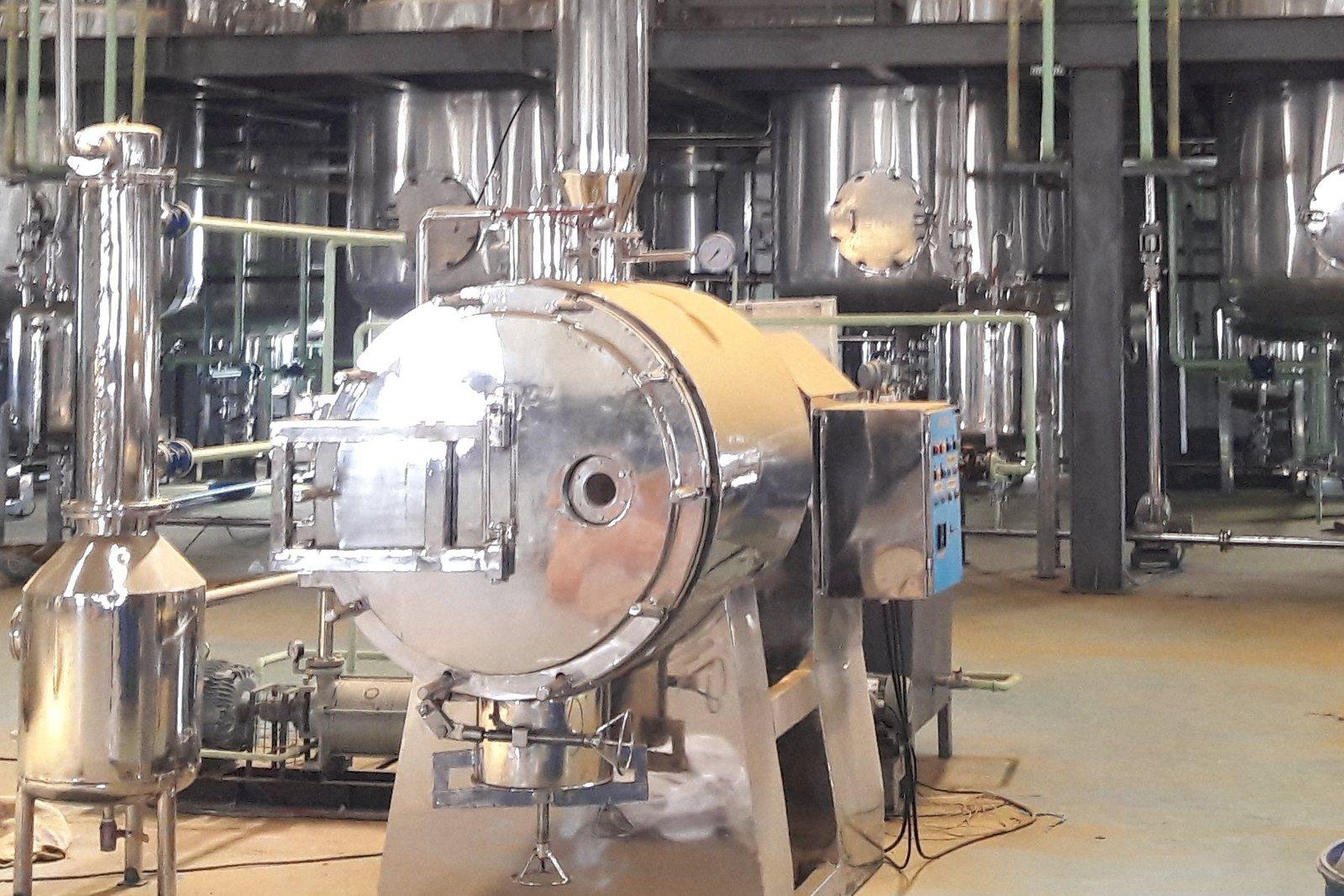 Cereals, Tubers & Sugar Processing
Rice Parboiling & Drying Plants
View Product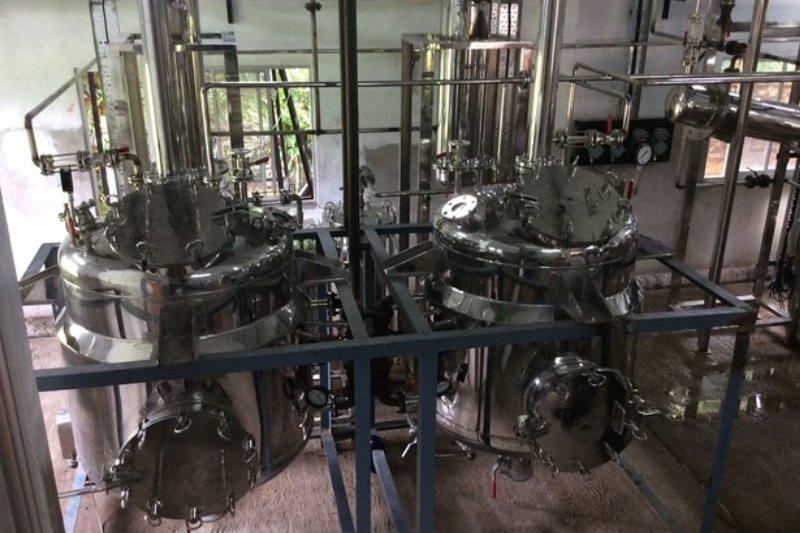 Specialty African Botanical & Natural Ingredients
Seaweed Extraction & Drying Plants
View Product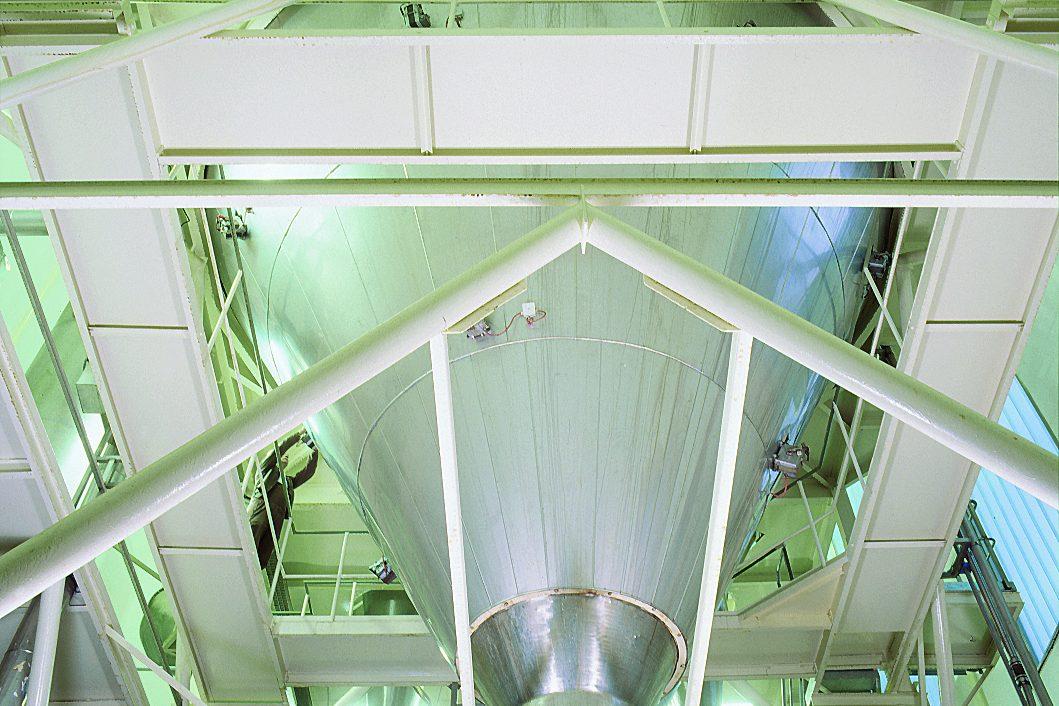 Specialty Food, Beverage & By-Product Processing
Dairy Evaporation & Spray Drying Plants
View Product
More Plants and Equipment, by Category
The other 56 products of the 73-product catalogue, by category. A product that is not listed for Central African Republic is not ruled out: tell us your raw material and target product. Request a technical proposal
Herbal, Botanical & Nutraceutical Extraction (7)
Category guide
Essential Oils, Spices & Oleoresins (6)
Category guide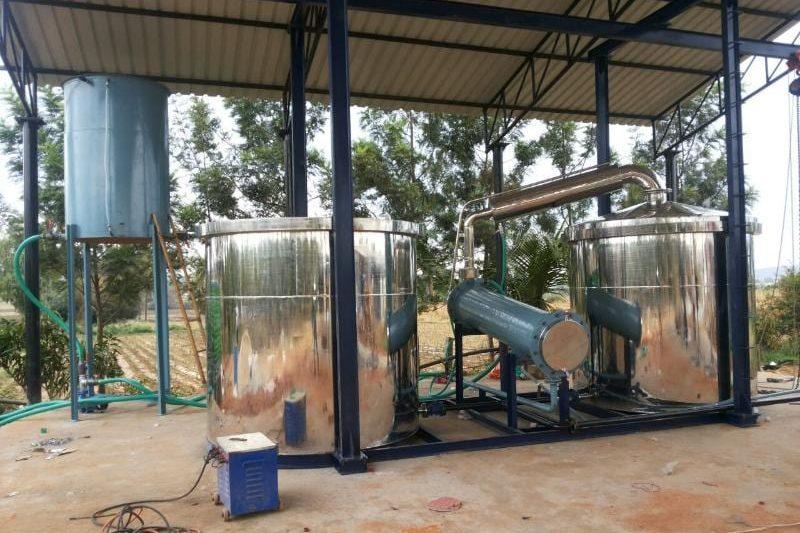
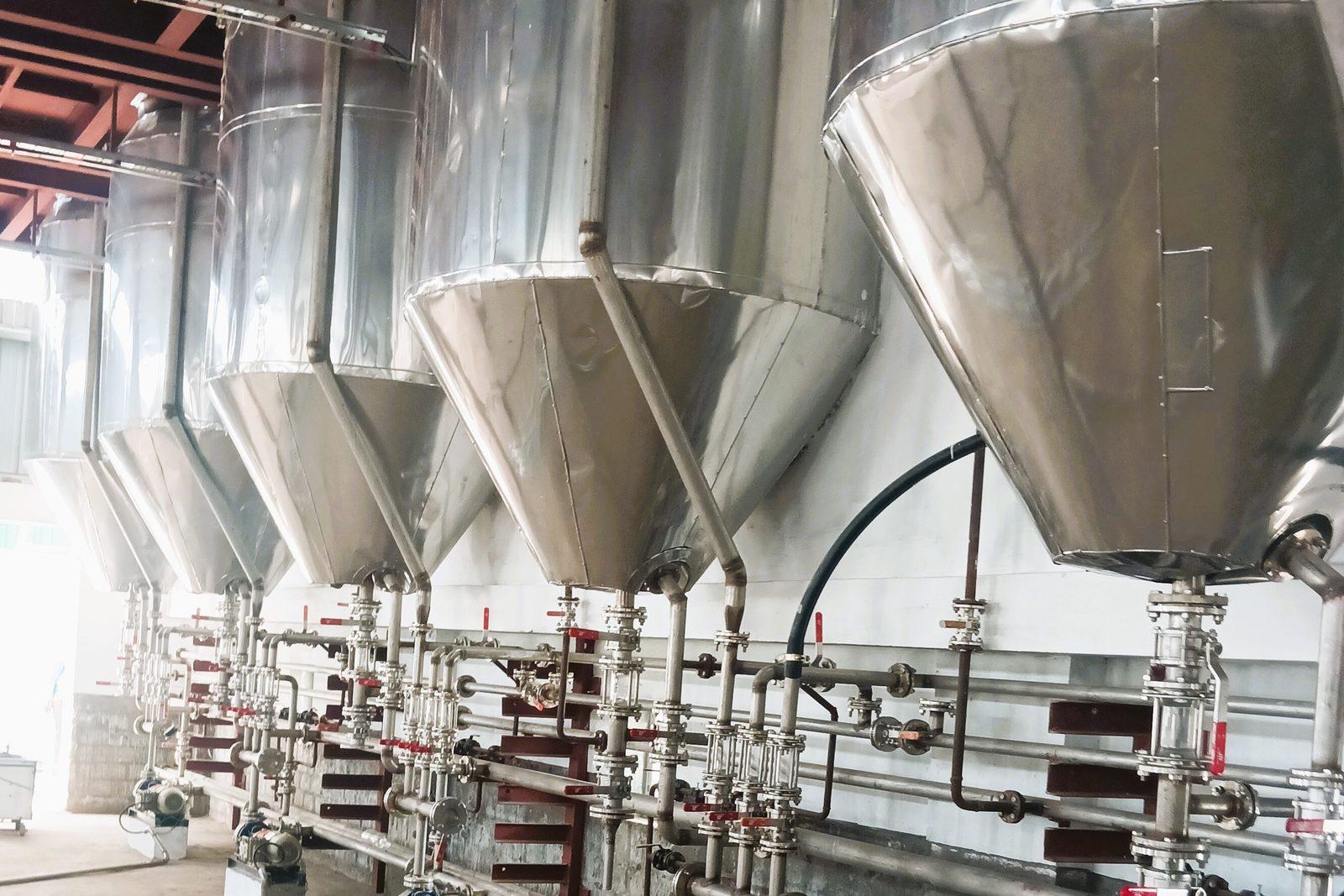
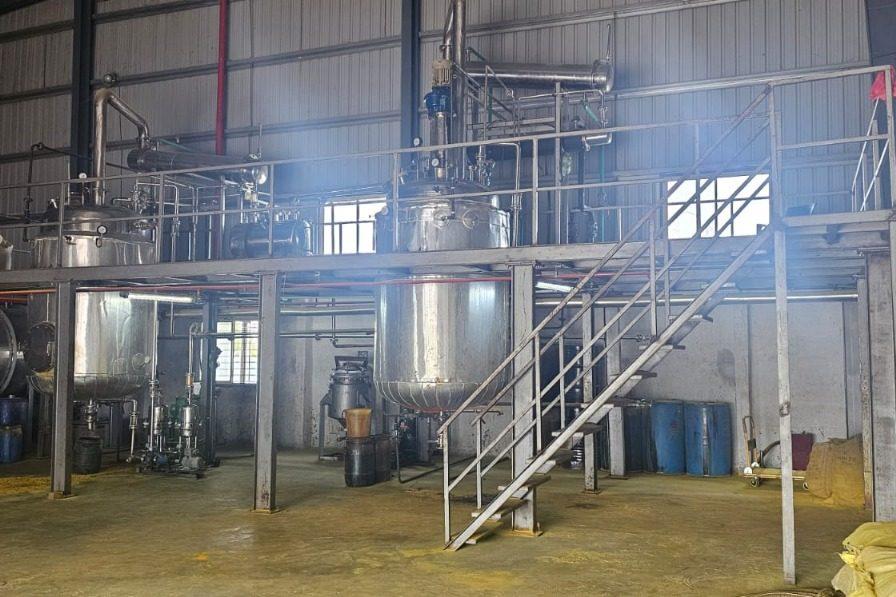
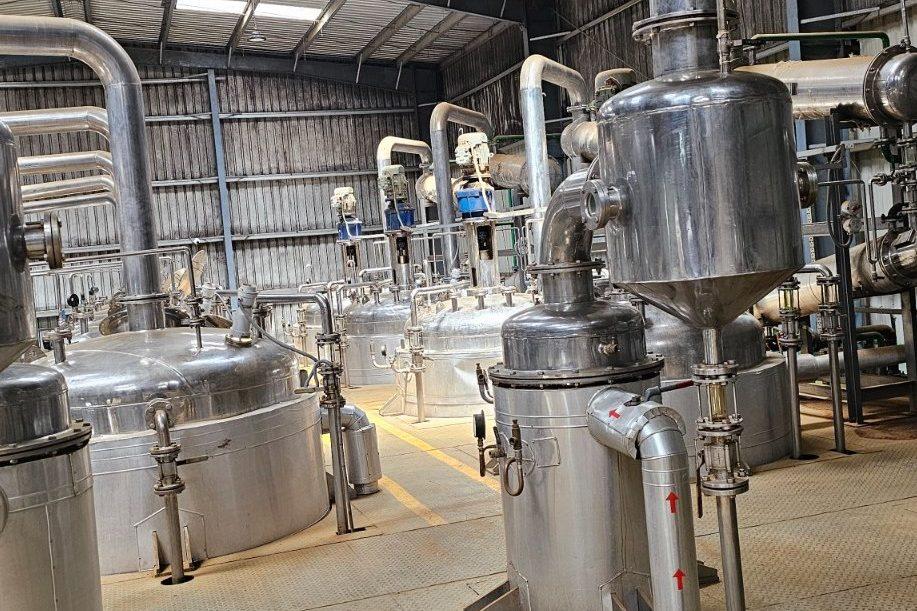
Fruit & Vegetable Processing (6)
Category guide
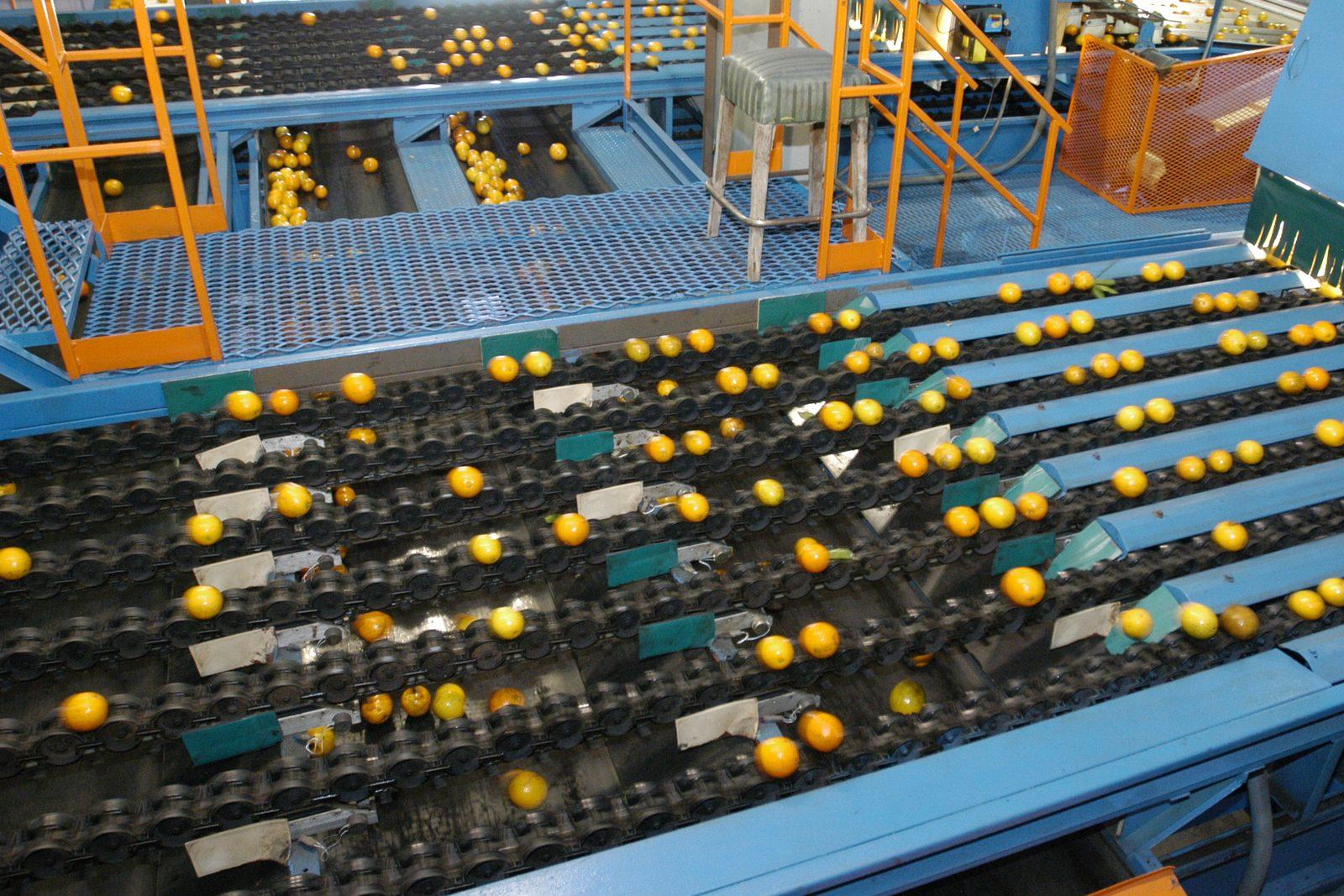
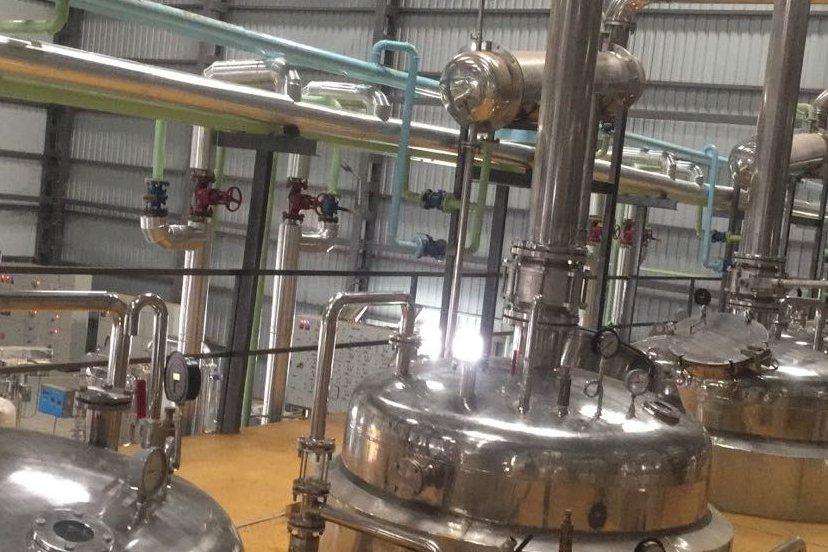
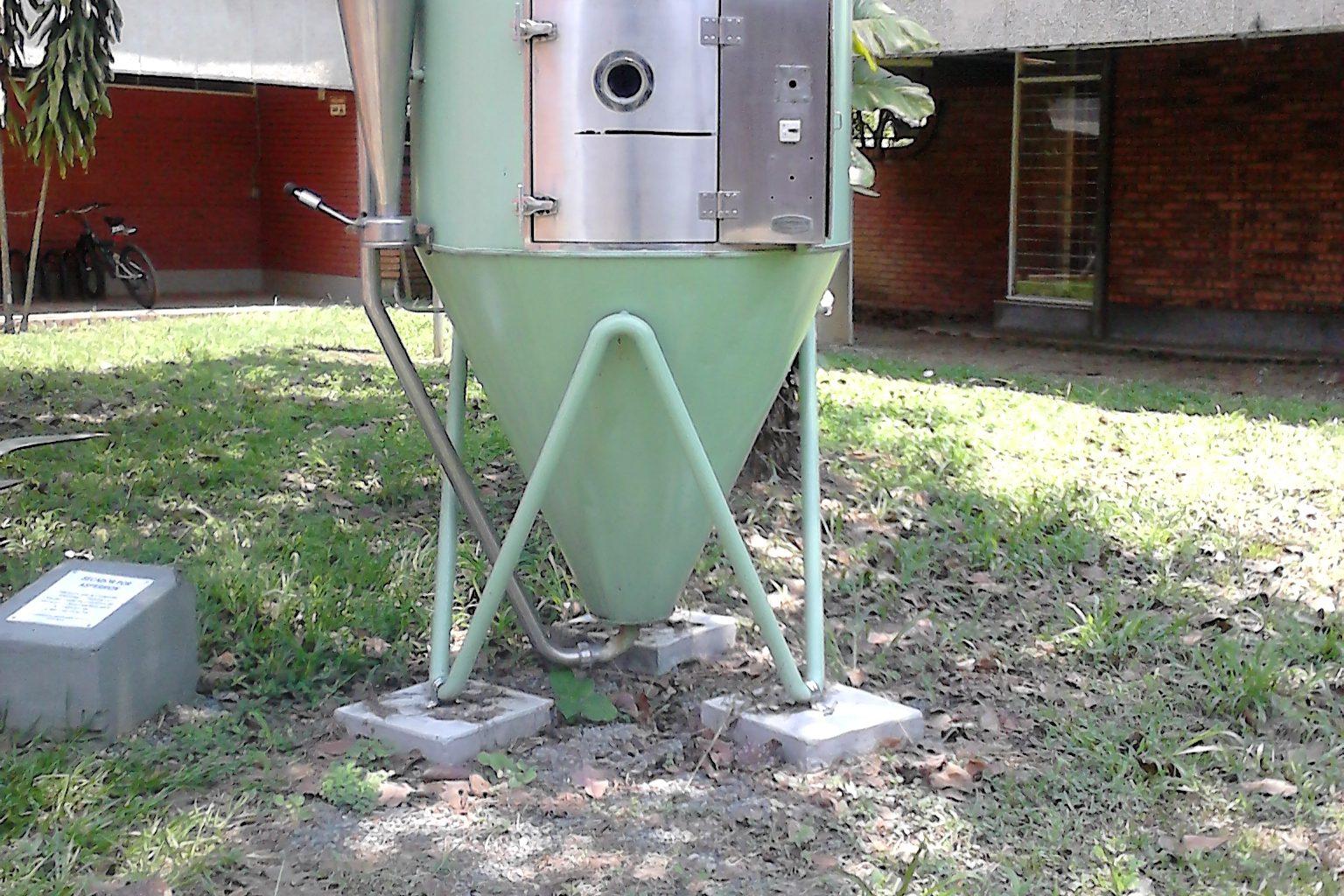
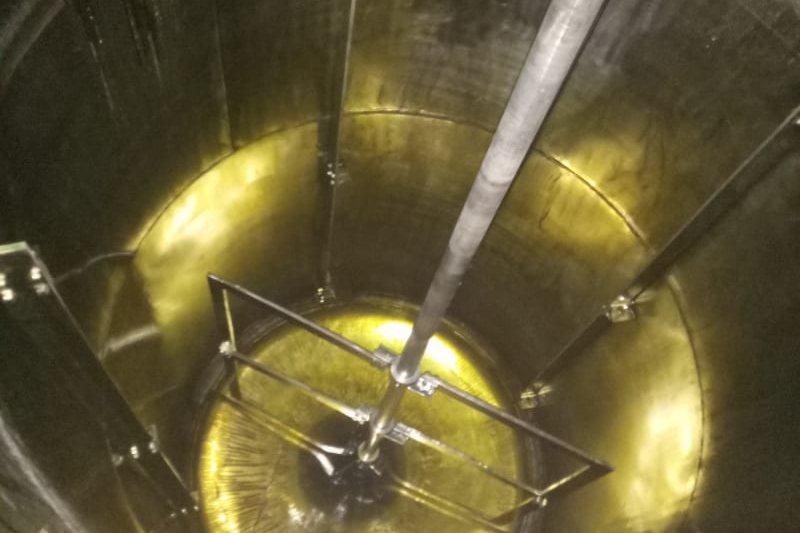
Starch, Flour, Edible Oil & Food Processing (3)
Category guide
Evaporation, Concentration & Solvent Recovery (4)
Category guide
Pharmaceutical & Industrial Process Equipment (4)
Category guide
Cocoa, Shea, Palm Oil & Oilseed Processing (6)
Category guide
Cereals, Tubers & Sugar Processing (5)
Category guide
Specialty African Botanical & Natural Ingredients (10)
Category guide
Baobab Processing & Extraction Plants
View Product
Aloe Vera
View Product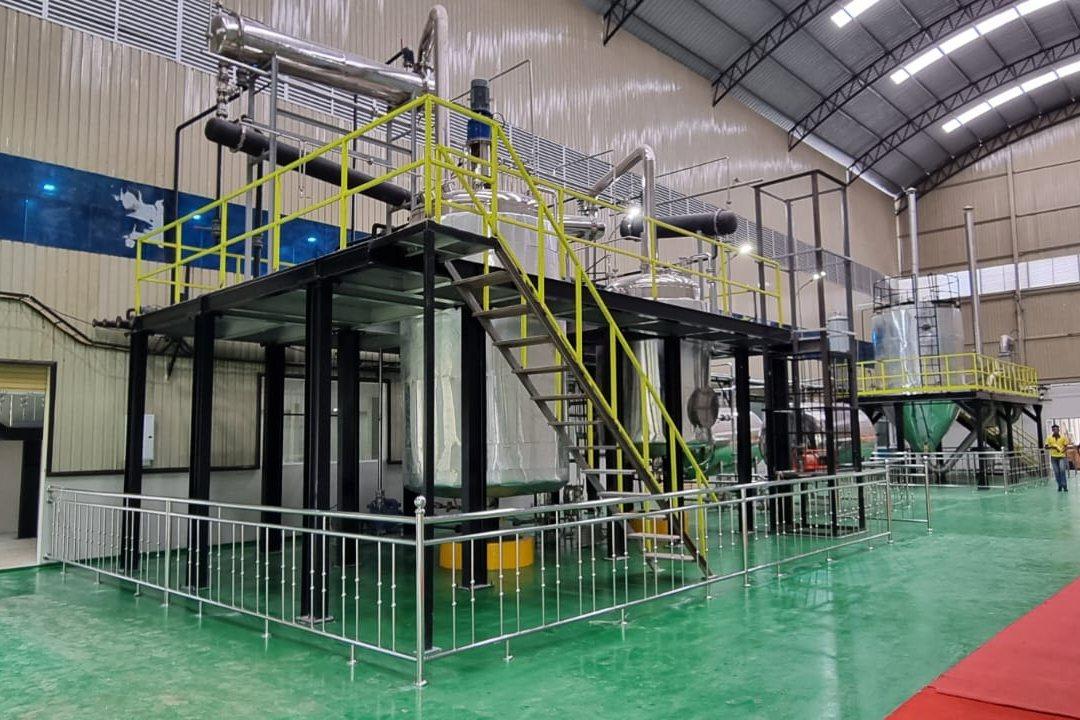
Gum Arabic Processing Plant
View Product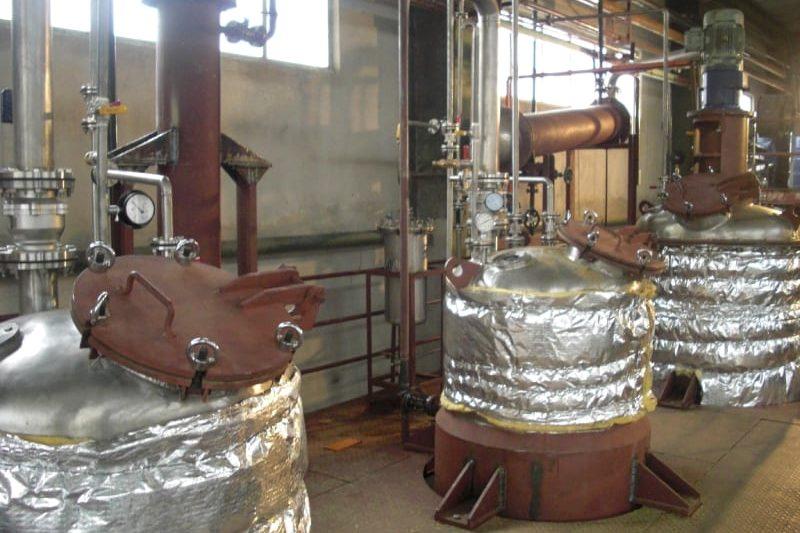
Natural Colour Extraction Plants
View Product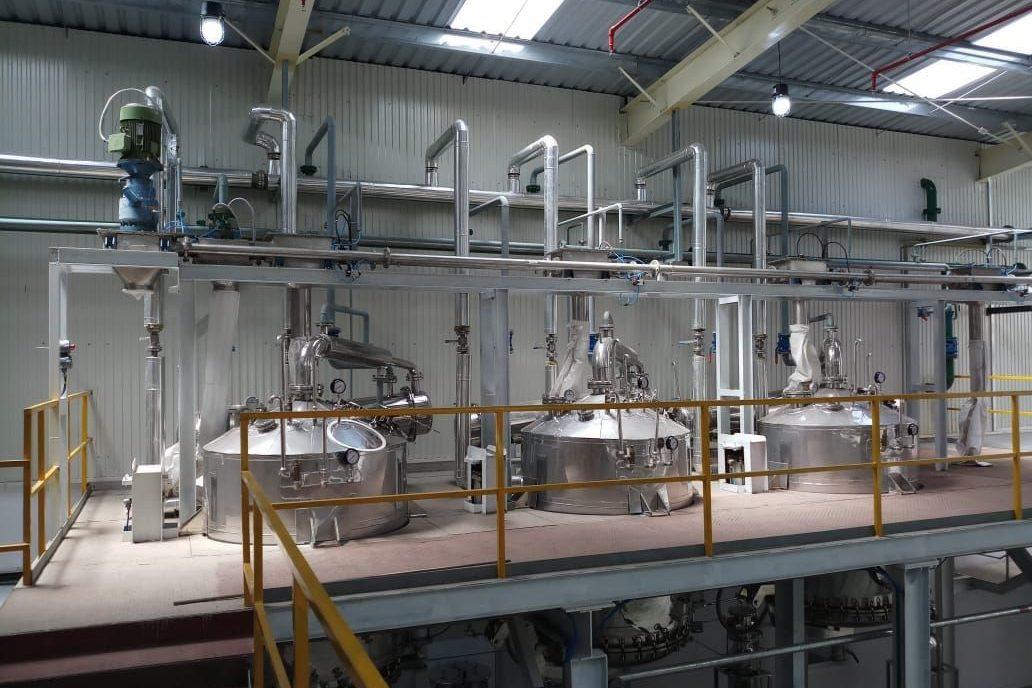
Vanilla
View Product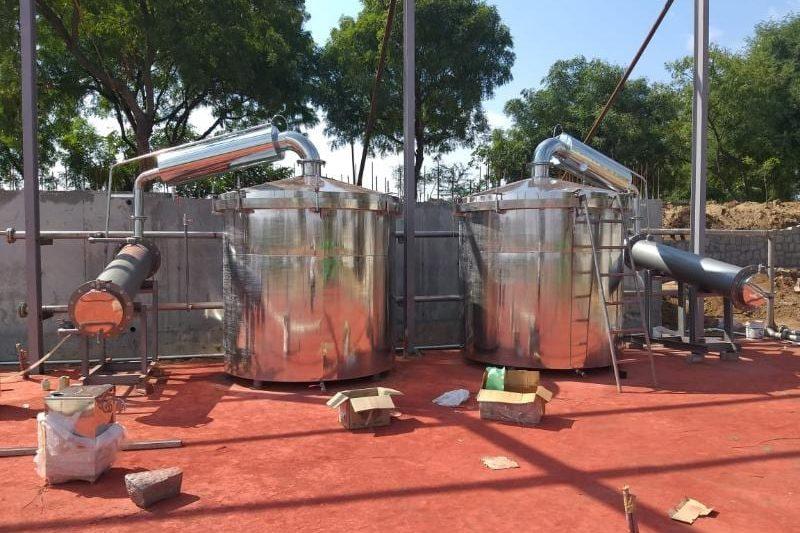
Clove Buds
View Product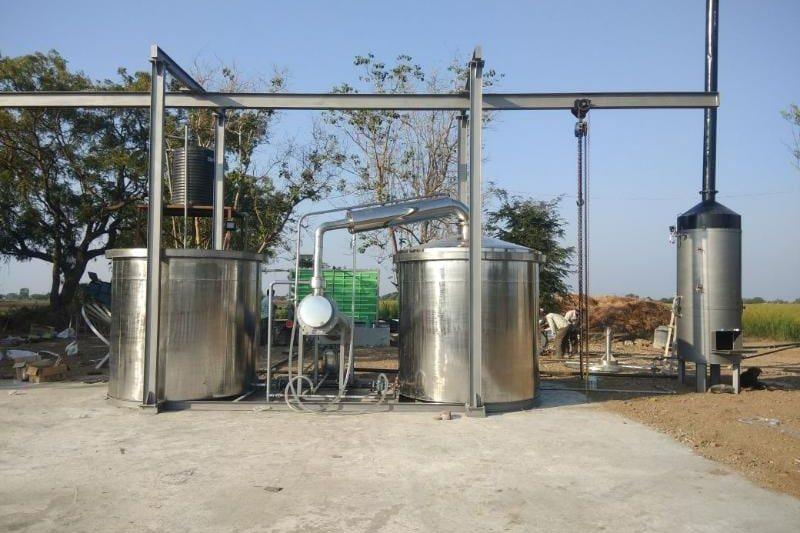
Ylang Ylang
View Product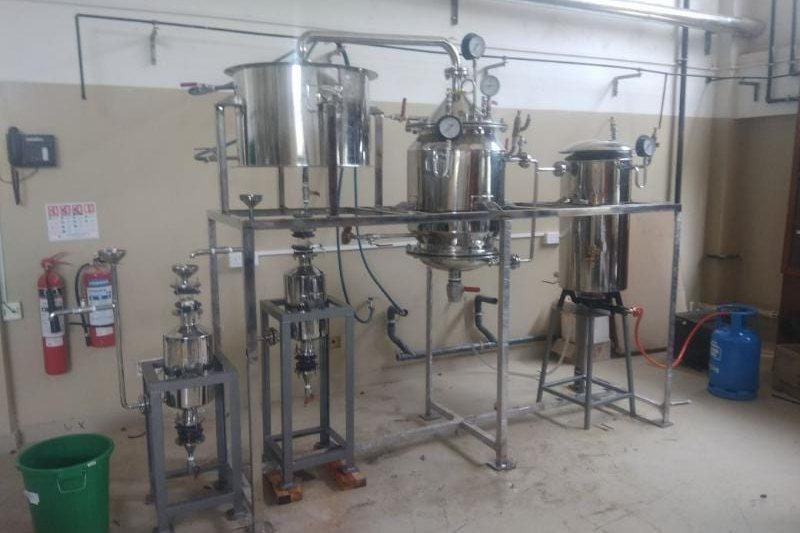
Argan Oil Processing Plants
View Product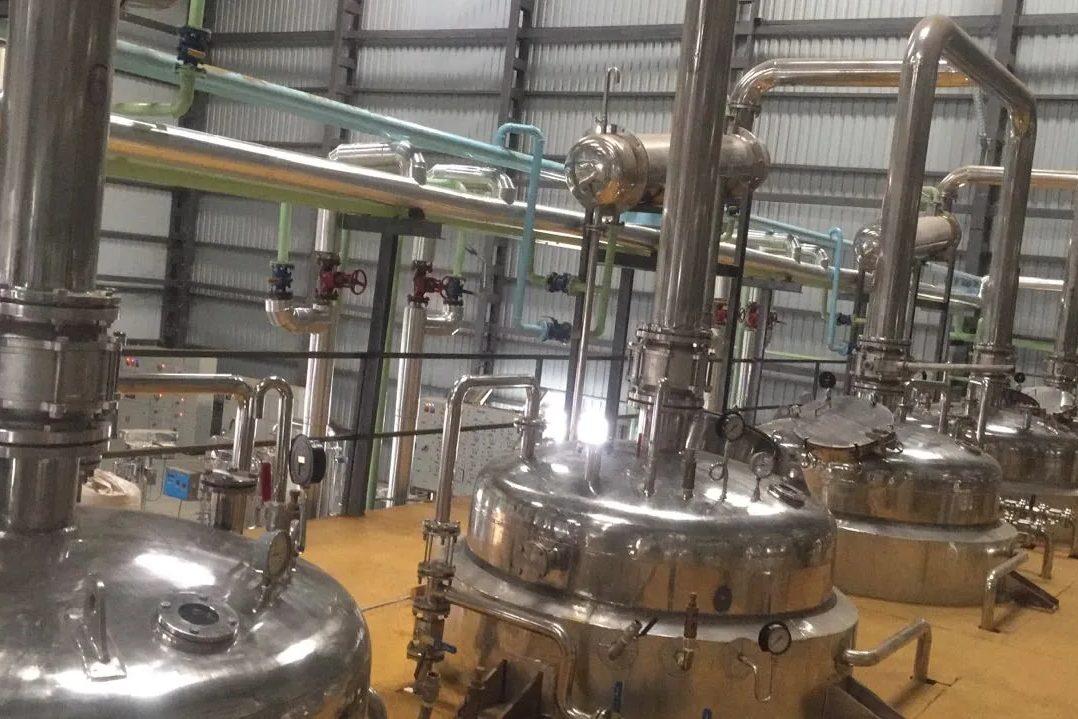
Olive Leaf Extract Powder
View Product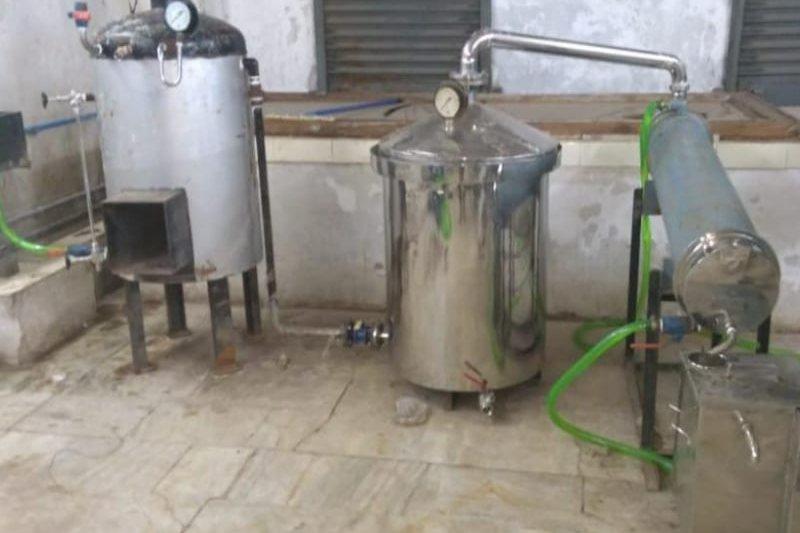
Frankincense Extraction Plant
View Product
Specialty Food, Beverage & By-Product Processing (5)
Category guide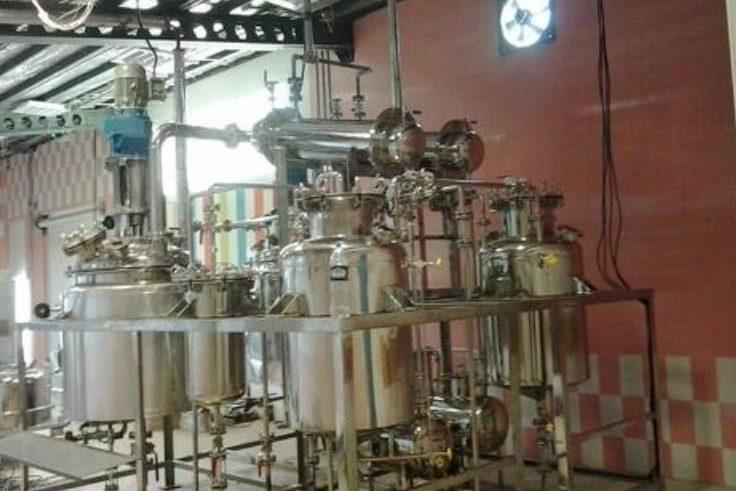
What to Settle Before You Ask for a Proposal
A landlocked country with long routes
There is no coastline, so equipment arrives through a neighbouring country's port; most imports are reported to come through Douala in Cameroon, followed by a long road haul. Check route conditions and plan for module size.
Power and fuel at rural sites
Where grid supply is unreliable or absent, a project should account for generator or biomass heat, and favour equipment with simple controls that local operators can maintain with spare parts held on site.
Small, dispersed supply
Most farming is subsistence-based, so collection routes and storage determine how much material reaches a plant, and a compact first line with scope to extend is usually more realistic.
Industries to read next
Agro & Food Processing Solutions
Cassava, groundnut, coffee and bananas supply food processors, and the mapped starch, flour, oil, coffee and juice products are candidates for small operators who are looking to add value to local crops.
Read the industry pageIndustrial Drying & Dehydration Solutions
Drying is the first step for cassava, groundnut, coffee and fruit, and solar-assisted dryers can suit rural sites where grid power is limited or costly, although rain may interrupt them.
Read the industry page
From Enquiry to a Running Plant
Enquiries for Central African Republic Projects
Kadali Africa Ventures Limited, Accra
421, University Road
Sowutuom
Accra, Ghana
Questions About Plants for Central African Republic
What kind of plant suits groundnut oil production in the Central African Republic?
Groundnut oil production involves cleaning, shelling, drying, pressing and filtering the oil. For modest volumes a compact press with a settling and filtration stage is common, and a proposal can set the size against your groundnut supply.
How does equipment reach a landlocked site such as Bangui?
Sea freight normally goes to a regional port, with Douala often considered, then continues overland. Because routes are long, plant sections are often planned in manageable sizes, and shipping arrangements should be discussed during the proposal stage.
Can small cassava processors in the Central African Republic use solar drying?
Solar-assisted drying can reduce fuel use in sunny weather, though rain may interrupt it in wetter months. Many small processors therefore combine solar capacity with a backup heat source so that drying can continue through the season.
Does Kadali Africa Ventures have an office in Central African Republic?
Kadali Africa Ventures Limited has offices in Accra, Ghana and Kano, Nigeria, and none in Central African Republic. Engineering and manufacturing scope for each product is confirmed in the technical proposal.
What should I send for a Central African Republic project proposal?
Use the form on this page. Give your raw material, the product you want to make, the capacity and its basis (for example kg per hour or tonnes per day) and your site.
Planning a project in Central African Republic?
Send your raw material, target product and capacity. We will come back with the process route and equipment scope for your project.
Tell us about your Central African Republic project
Only name, email, phone and industry are required. The more you share about raw material and capacity, the more precise our proposal.