
Olive Leaf, Date and Aromatic Plant Processing for Tunisia
For ingredient makers and distillers in Tunisia: olive leaf, date and aromatic plant equipment that is worth discussing for your raw material.
- 6 products in 4 categories, listed for Tunisia
- Engineering and manufacturing scope confirmed in the technical proposal
Kadali Africa Ventures Limited has offices in Accra, Ghana and Kano, Nigeria, and no office in Tunisia; enquiries from Tunisia are handled from the Accra office.
Olives, dates and aromatic raw materials in Tunisia
Tunisia lies in North Africa along the Mediterranean Sea, and its agriculture produces olives, dates, cereals and citrus fruits. Oasis ecosystems are found in the south, and steppe formations extend through the centre-south of the country. That mix gives processors distinct raw materials. Olive trees are grown for their fruit, and the leaves that come from pruning and from the mills are a by-product that can be dried and extracted into polyphenol-rich powder for nutraceutical and cosmetic ingredient use.
Date palms are grown in Tunisia, with the Djerid among the traditional date-growing areas, and the fruit can be destoned, extracted and concentrated into syrup or paste, with the evaporation step doing most of the work. Nabeul, in north-eastern Tunisia, keeps a tradition of picking and distilling orange blossoms, geranium and roses, and aromatic plants such as rosemary and thyme can likewise be dried, steam-distilled for floral waters and essential oils, or extracted, where growers and collectors supply them.
The plants listed here suit ingredient companies, natural-products makers, distillers and date processors. A processor handling several botanicals may prefer a multipurpose extraction line, while a dedicated olive leaf plant fits a business built around a single high-value extract.
Products Relevant to Tunisia
6 of the 73 products in the catalogue are listed for Tunisia, in 4 categories: Herbal, Botanical & Nutraceutical Extraction (2), Essential Oils, Spices & Oleoresins (1), Specialty African Botanical & Natural Ingredients (2), Specialty Food, Beverage & By-Product Processing (1). The plants for Tunisia’s own raw materials come first. A listing is a catalogue listing, not a statement of demand or supply; the final configuration depends on your raw material, target product and capacity.
Olive leaves
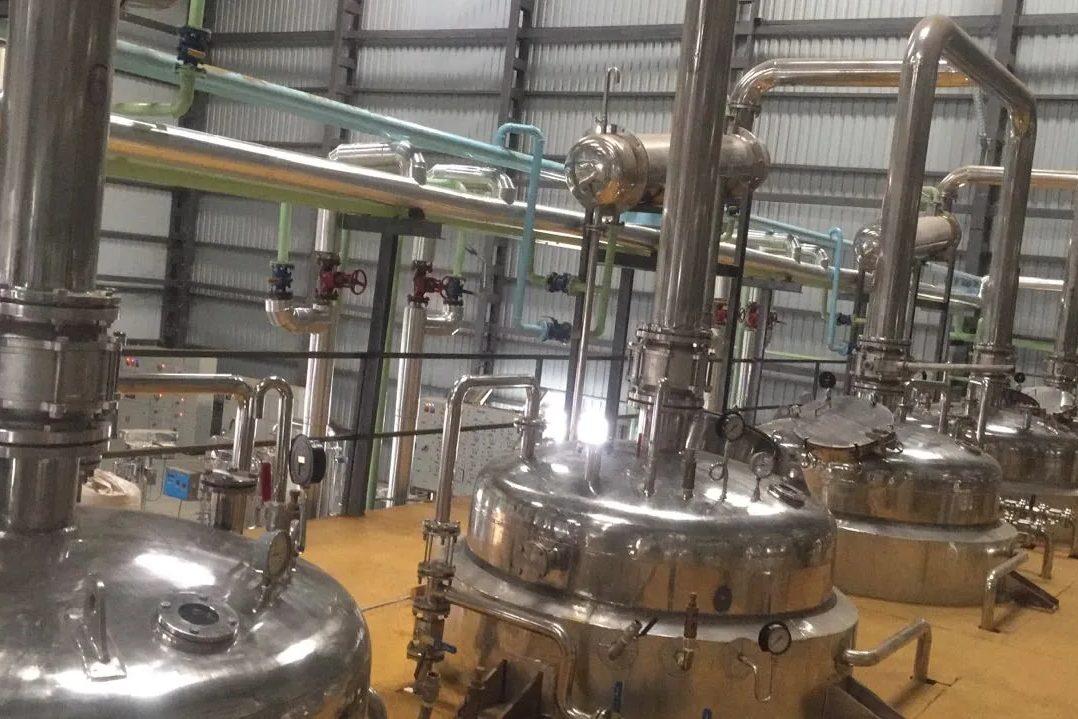
Olives are produced in Tunisia; leaves from pruning and mill by-products are cleaned, dried and extracted, then concentrated and spray-dried or vacuum-dried into a polyphenol-rich powder.
Dates
Date palms are grown in the Djerid and other regions, and Djerid and Gabes date varieties have been maintained locally; the fruit can be sorted, destoned and extracted with water before vacuum evaporation turns the liquor into syrup or paste, so the mapped date product is relevant here.
Orange blossom, rose and geranium
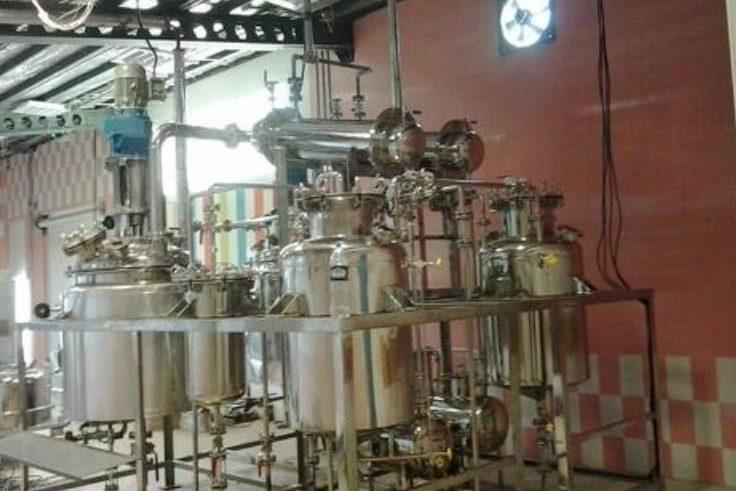
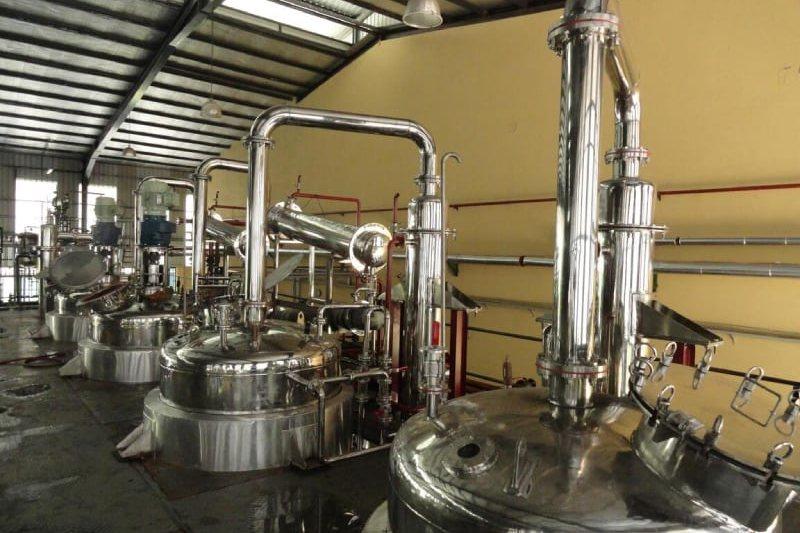
Nabeul in north-eastern Tunisia has a tradition of picking and distilling orange blossoms, geranium and roses; flower crops like these are steam-distilled to give essential oil and floral water in separate fractions, so the mapped aromatic oil plants are relevant.
Rosemary, thyme and other herbs
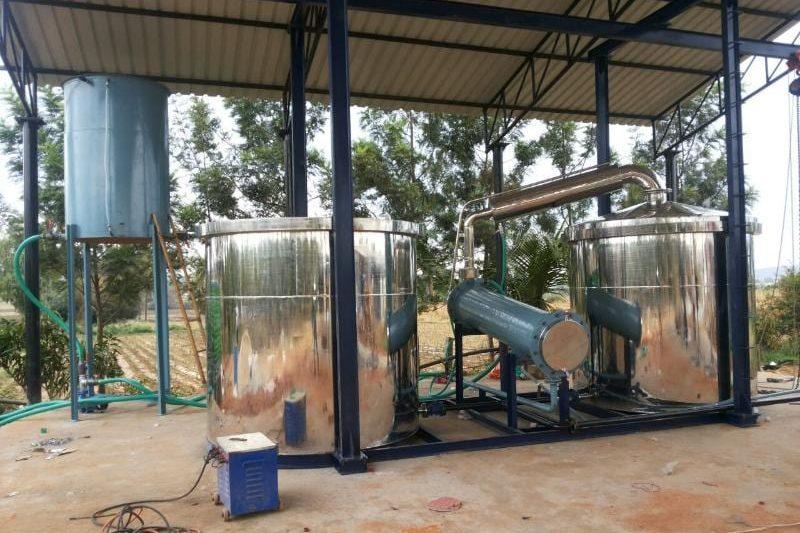
Rosemary, thyme and similar herbs, wild or cultivated and where supplied, can be dried and either steam-distilled or extracted with solvent into concentrates for flavour, fragrance and health products.
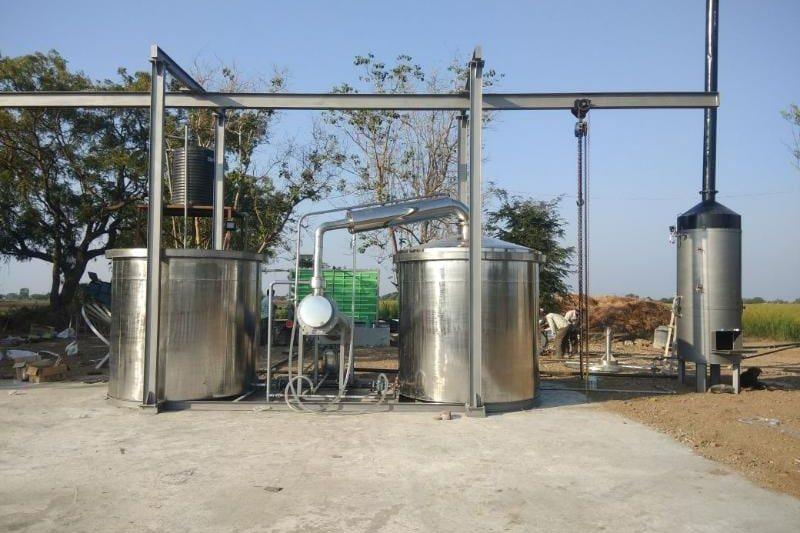
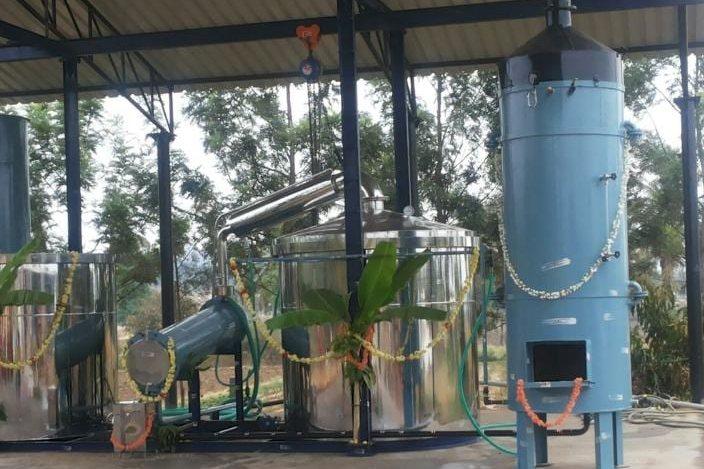
Also relevant, shown above: Essential Oil Distillation Plants.
 For Rosemary, thyme and other herbs
Herbal Extraction Plants
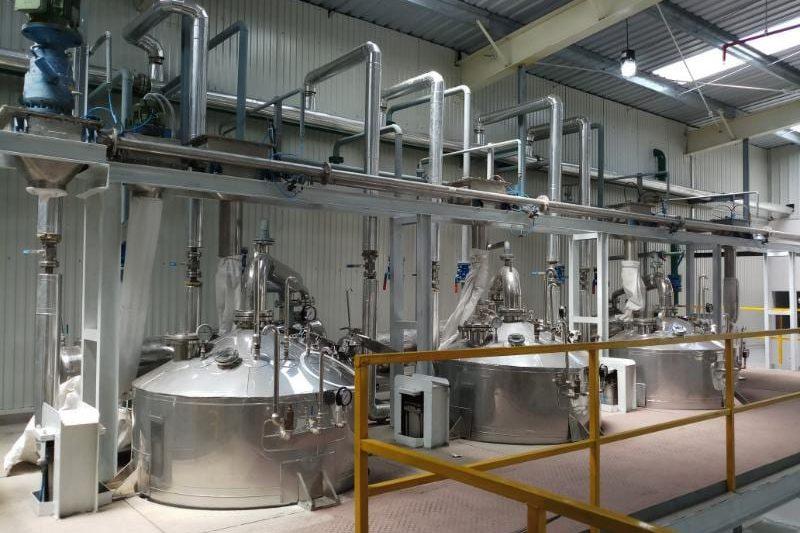
Herbal extraction plants for African processors: herb preparation, solvent or water extraction, filtration, concentration and drying. Ask for a proposal.
View Product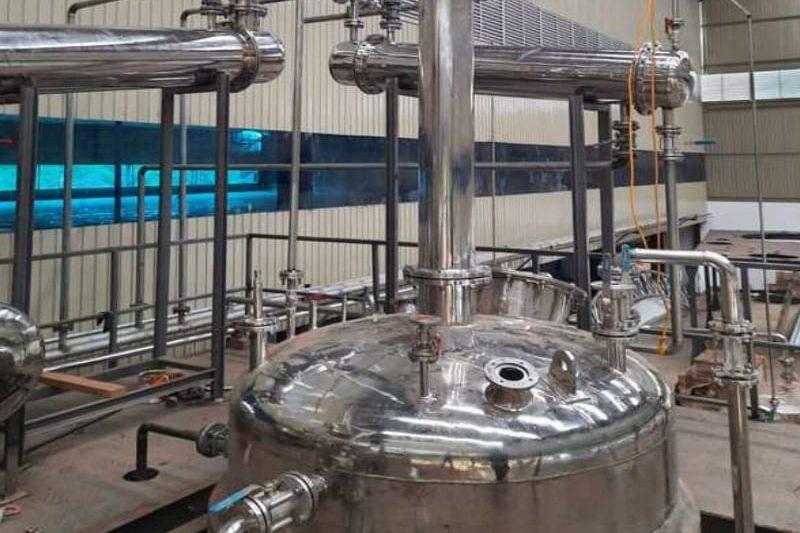 For Rosemary, thyme and other herbs
Advanced Botanical Extraction Systems
Advanced botanical extraction systems use a more selective technique than plain solvent soaking, such as supercritical carbon dioxide, ultrasound, microwave, enzyme, hot-water or counter-current extraction.
View Product
Also Listed for Tunisia
More Plants and Equipment, by Category
The other 67 products of the 73-product catalogue, by category. A product that is not listed for Tunisia is not ruled out: tell us your raw material and target product. Request a technical proposal
Herbal, Botanical & Nutraceutical Extraction (7)
Category guide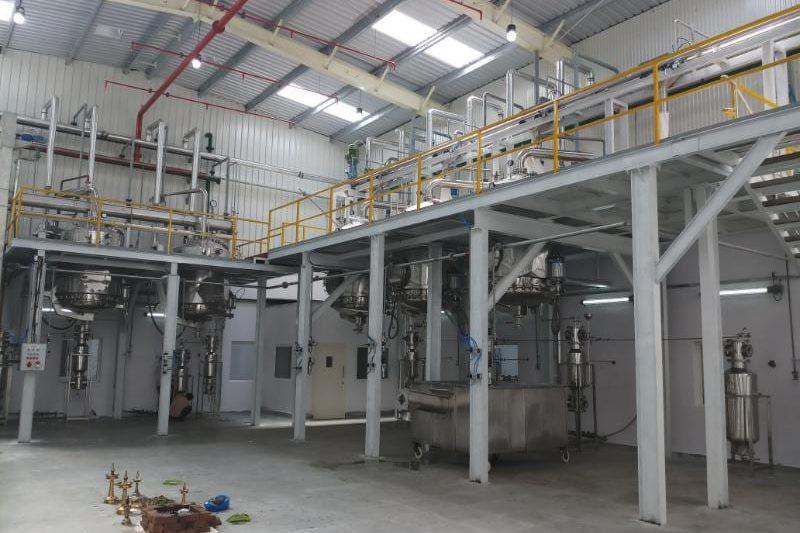
Turnkey Multi-Herbal Extraction Plants
View Product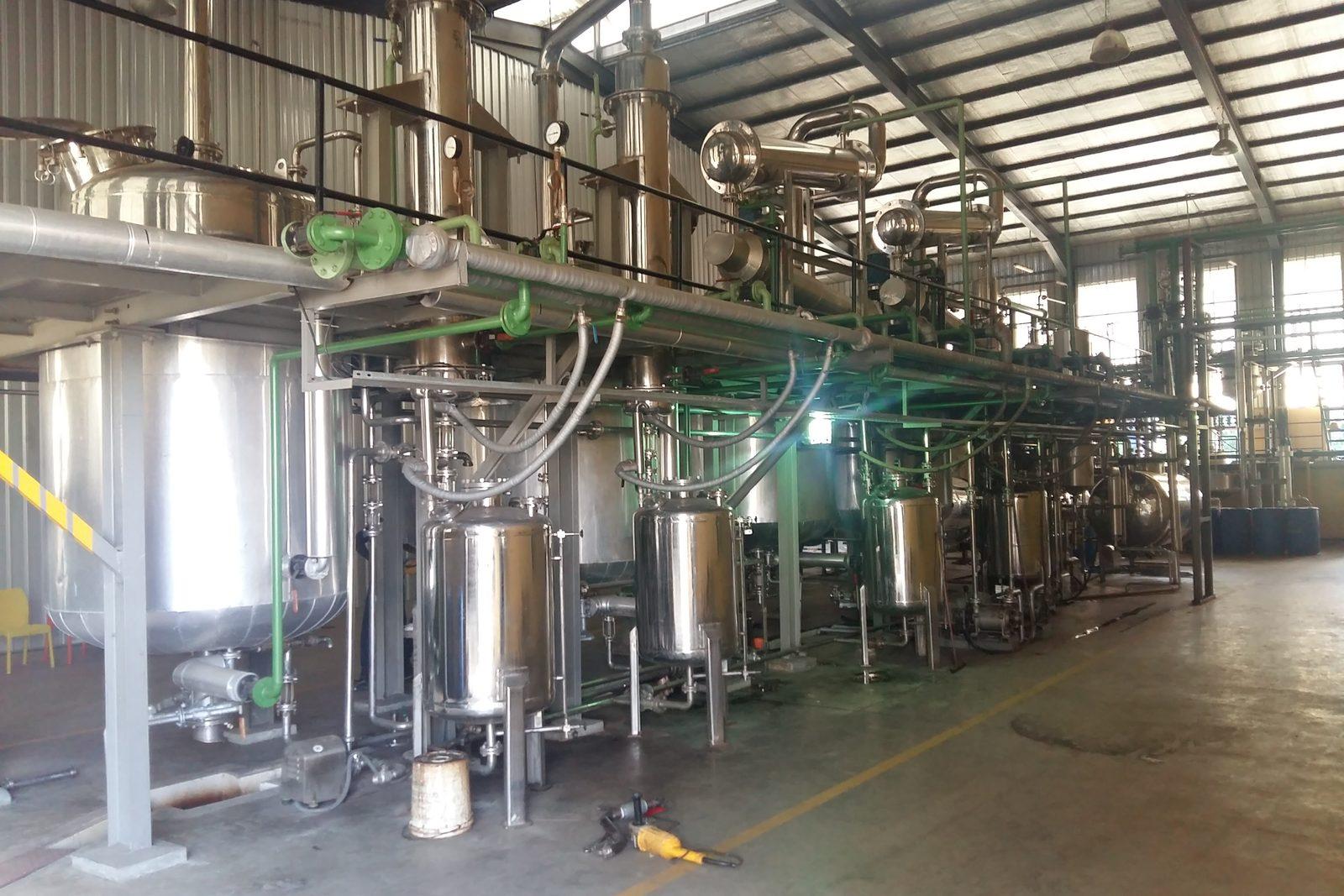
Nutraceutical & Botanical Extraction Plants
View Product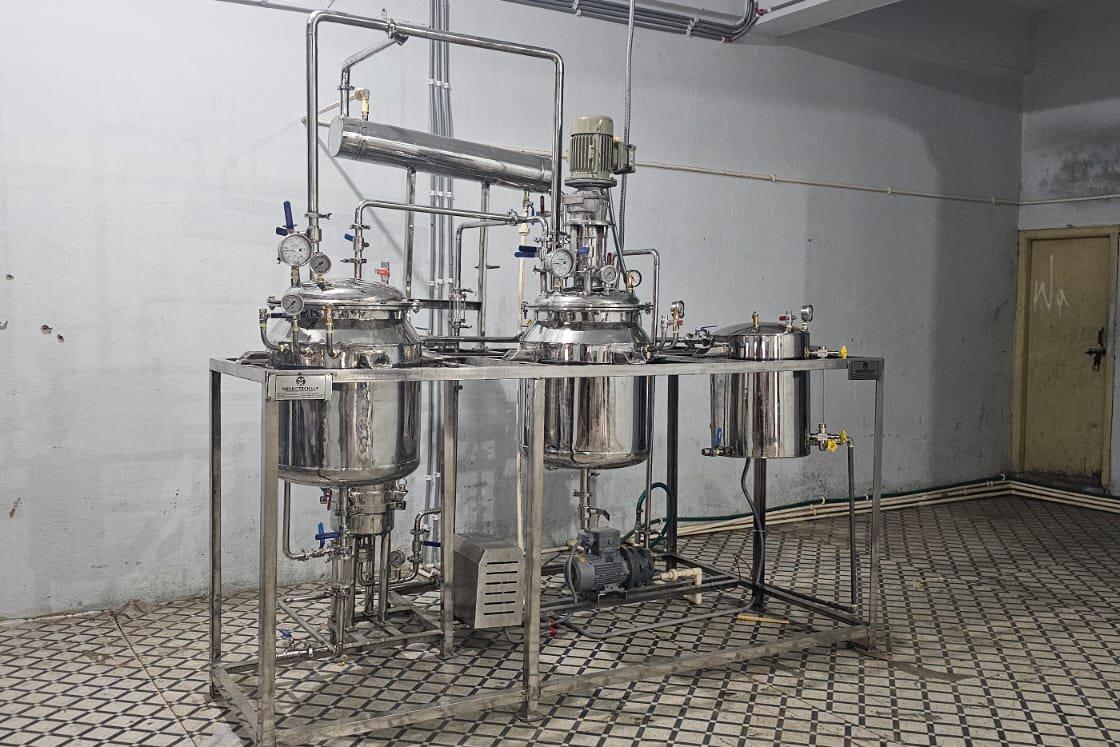
Pharmaceutical Extraction Plants
View Product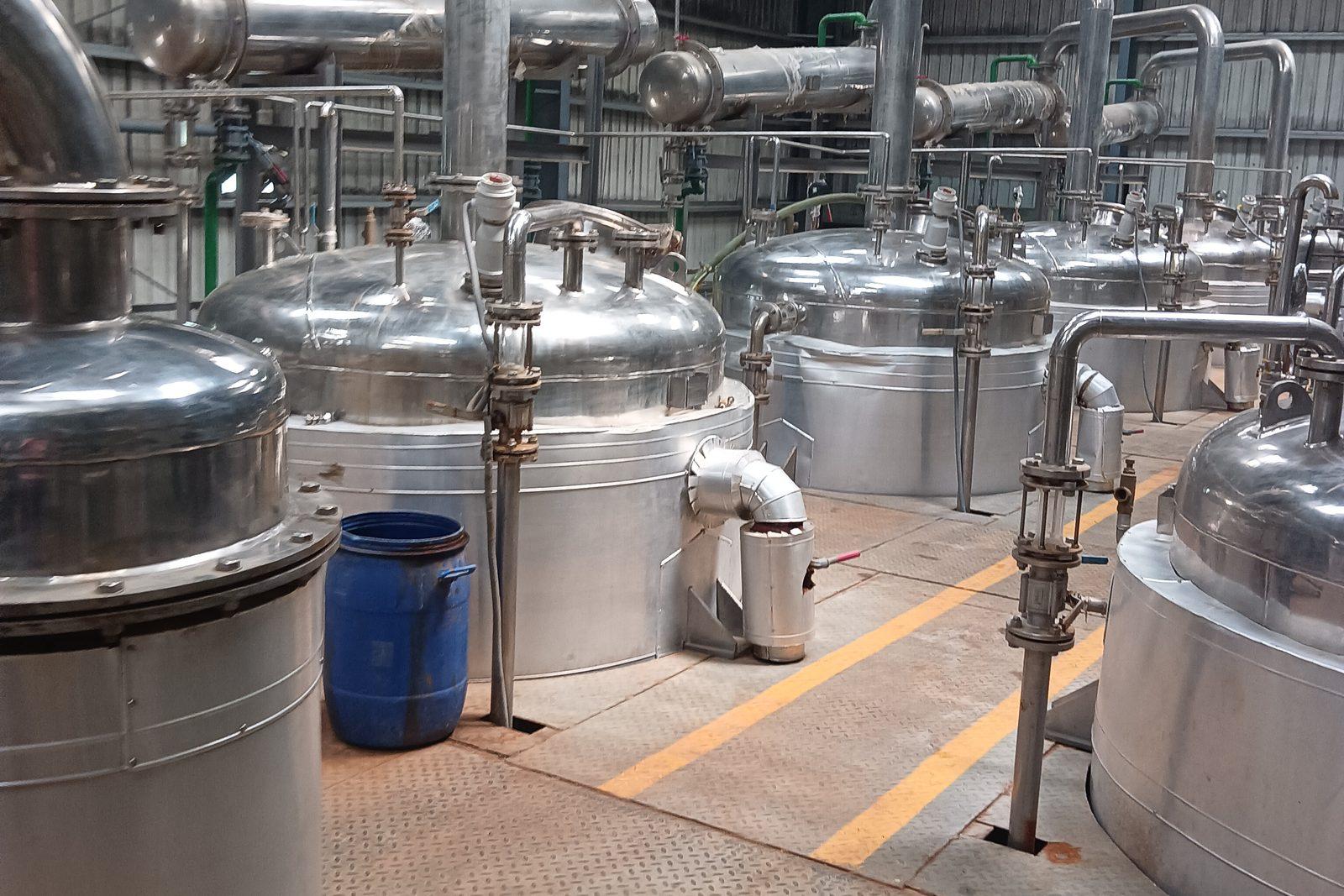
Curcumin Extraction Plant
View Product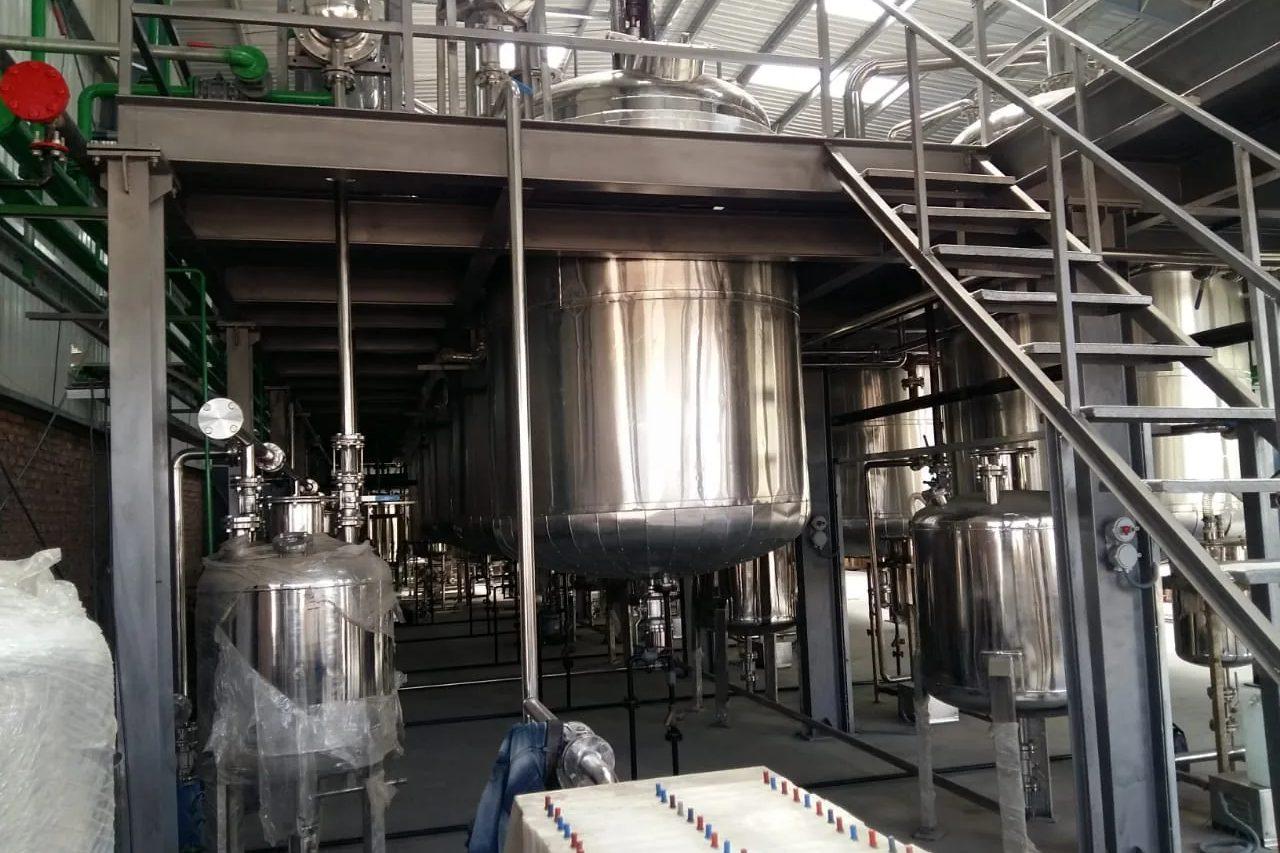
Ginger Extraction Plant
View Product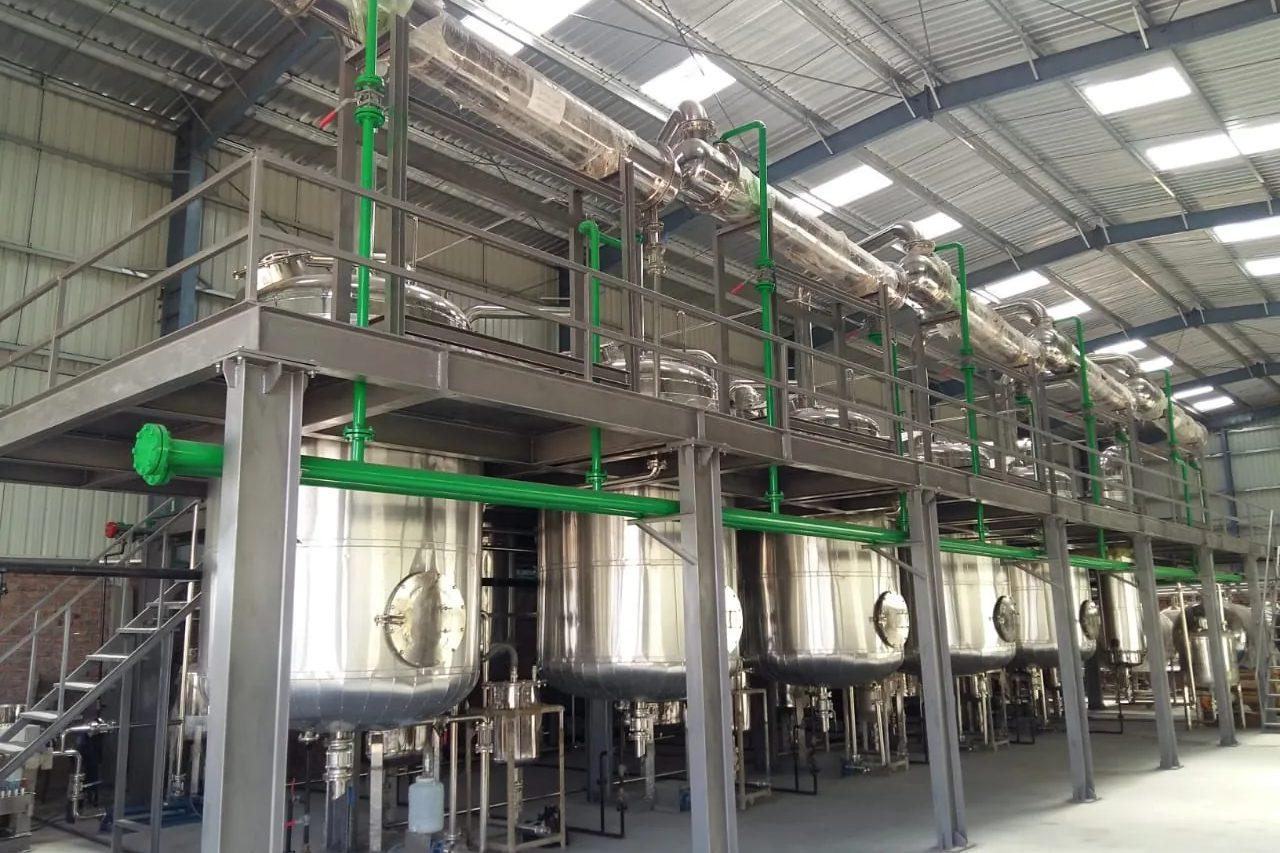
Hibiscus Extraction Plant
View Product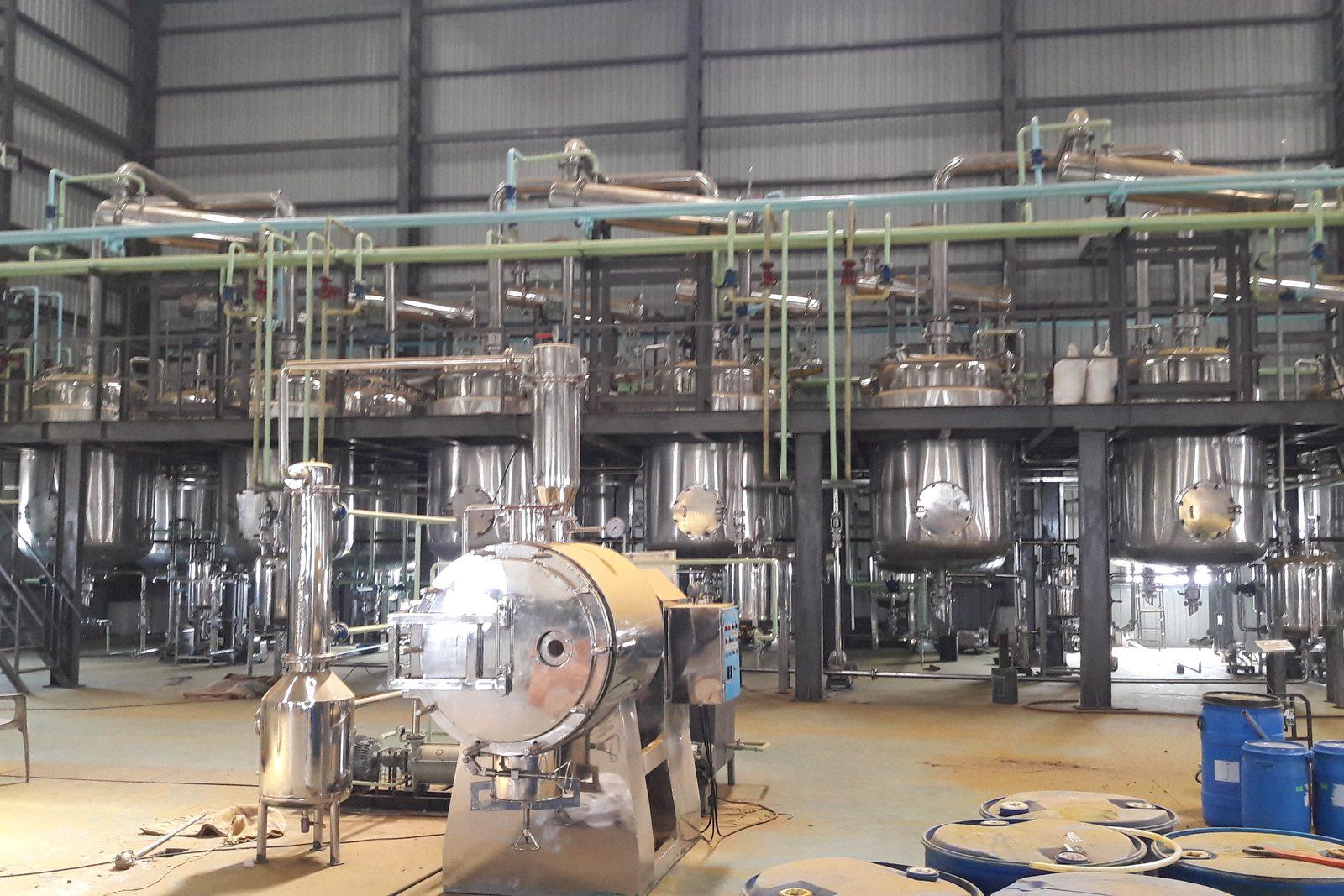
Moringa Extraction Plant
View Product
Essential Oils, Spices & Oleoresins (5)
Category guide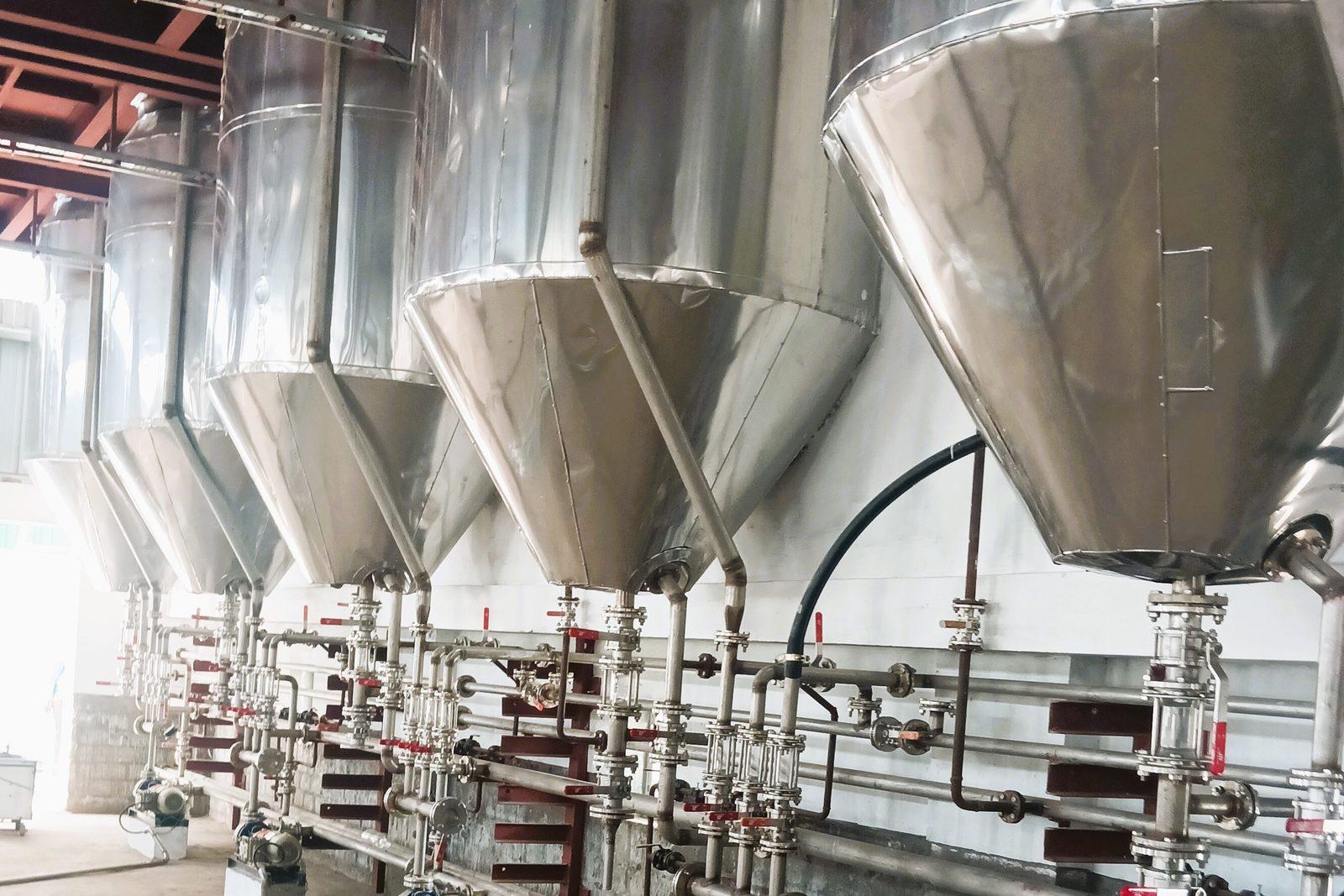
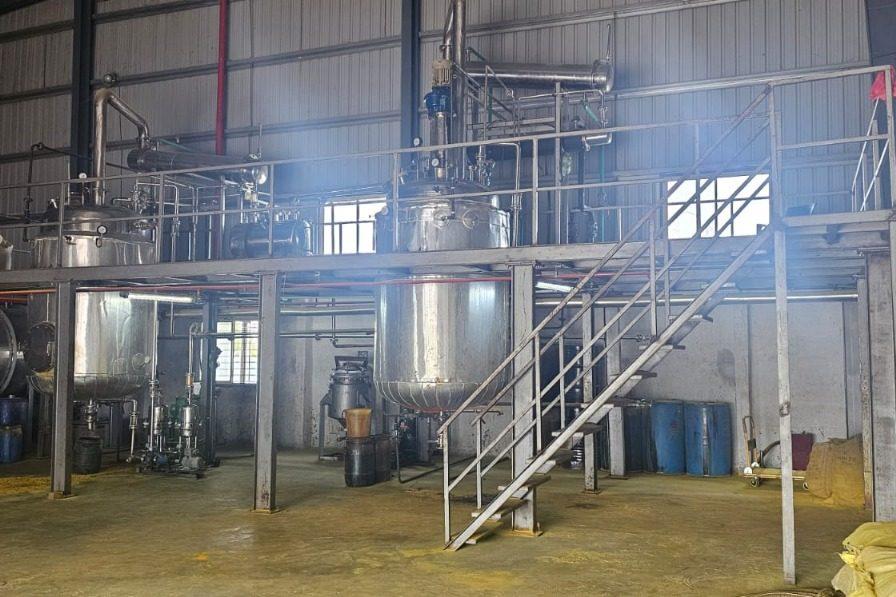
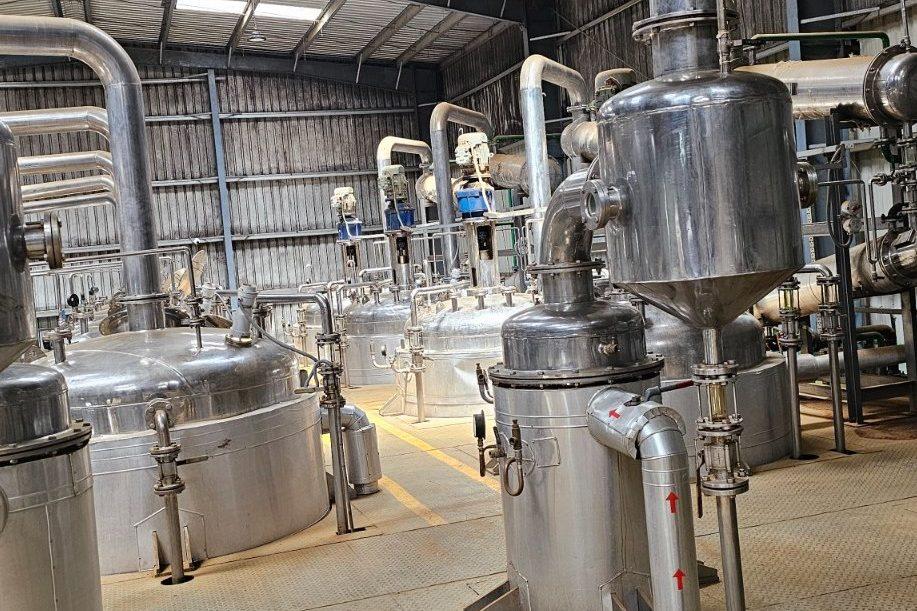
Fruit & Vegetable Processing (8)
Category guide
Fruit Juice Processing & Concentration Plant
View Product
Mango Juice & Pulp Processing Plants
View Product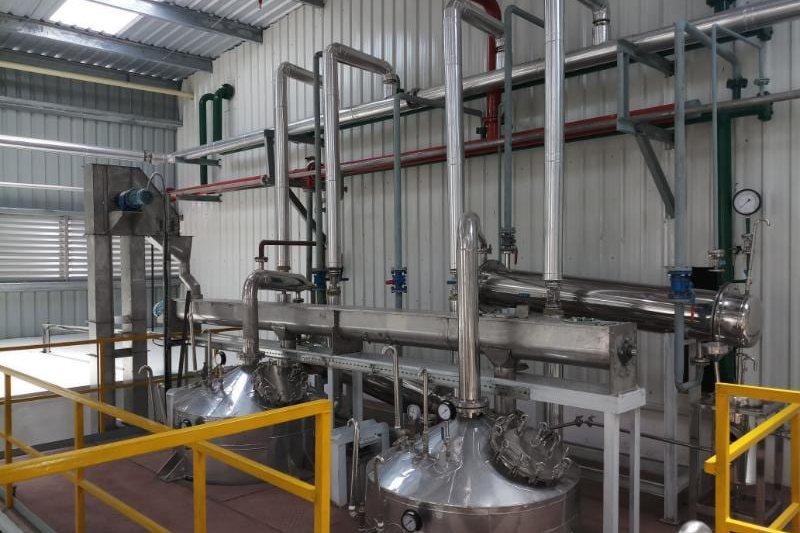
Pineapple Juice Processing Plants
View Product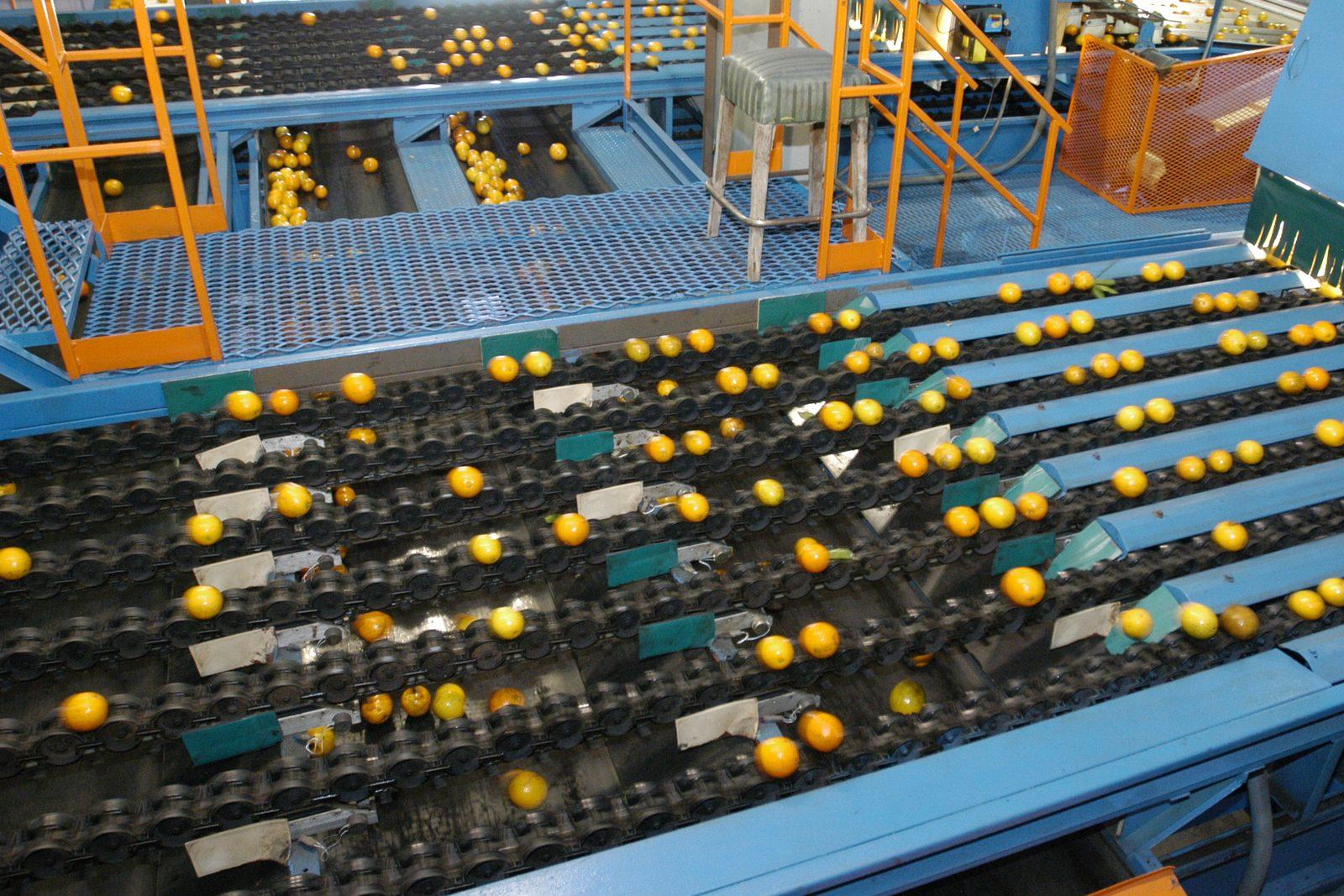
Citrus Juice Processing Plants
View Product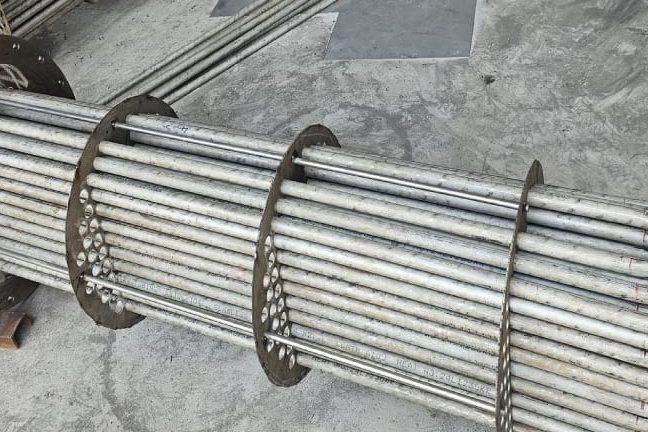
Fruit Juice Concentration Plants
View Product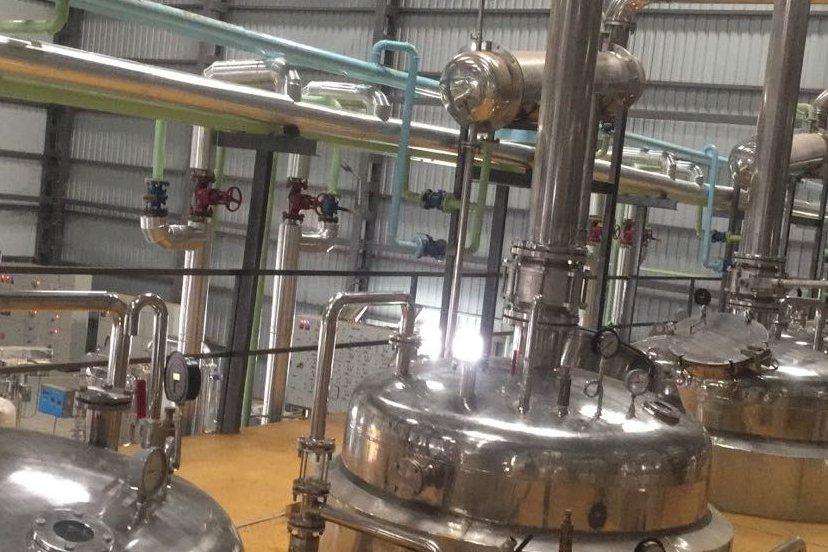
Tomato Paste Processing Plants
View Product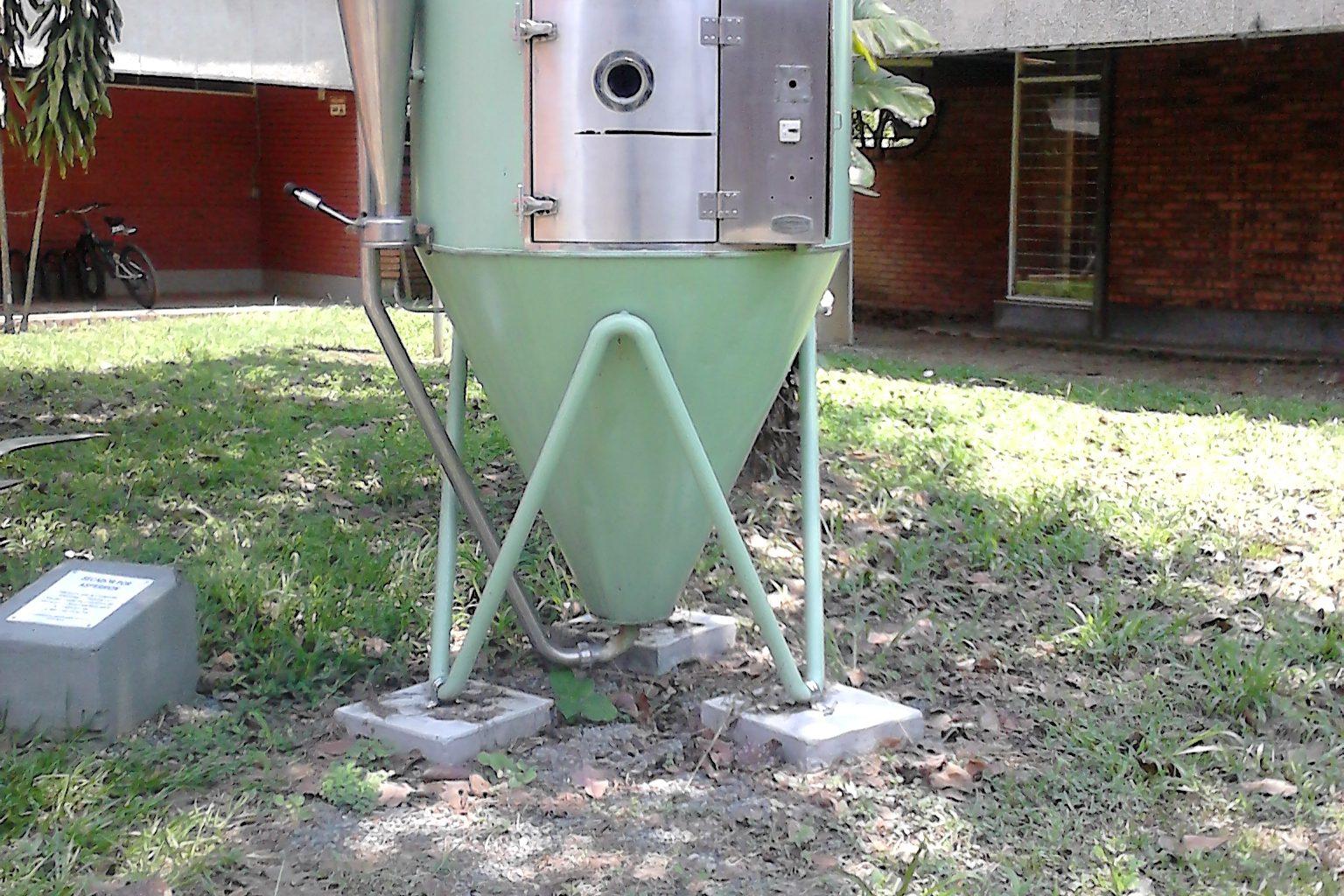
Tomato Powder Processing Plants
View Product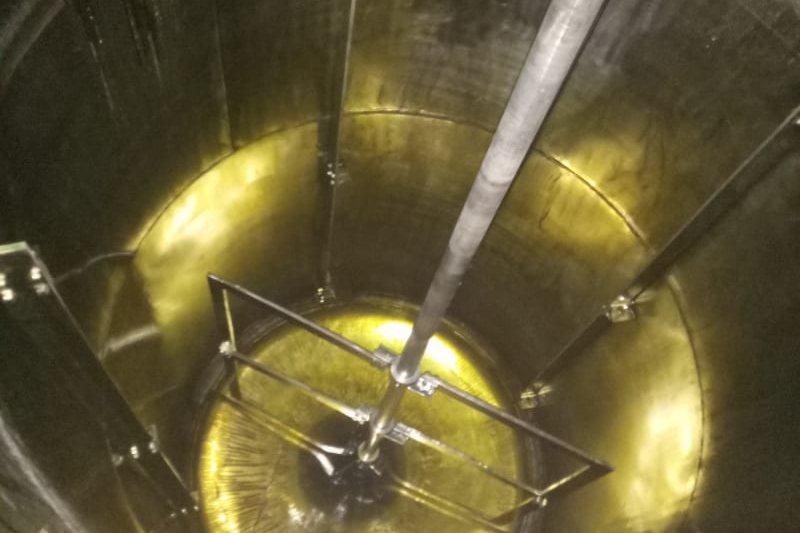
Avocado Processing Plants
View Product
Starch, Flour, Edible Oil & Food Processing (7)
Category guide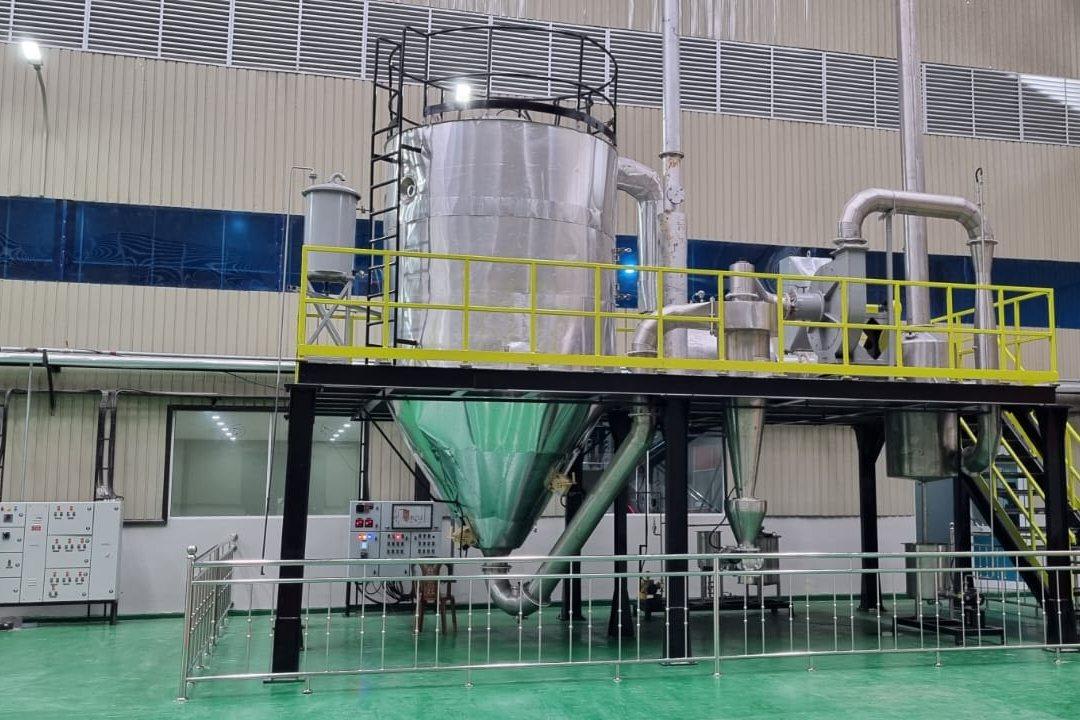
Cassava Starch Processing Plants
View Product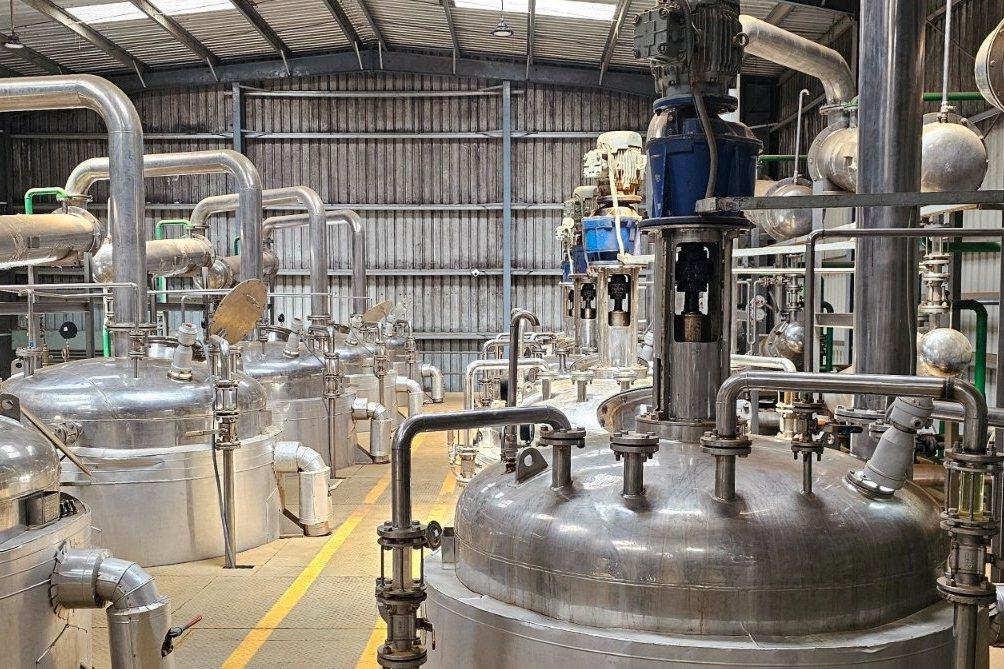
Cassava Flour Processing Plants
View Product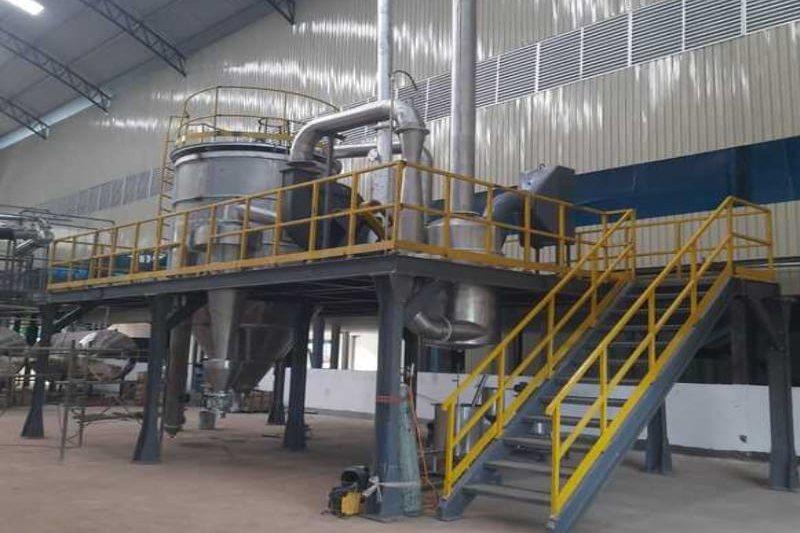
Sunflower Oil Processing Plants
View Product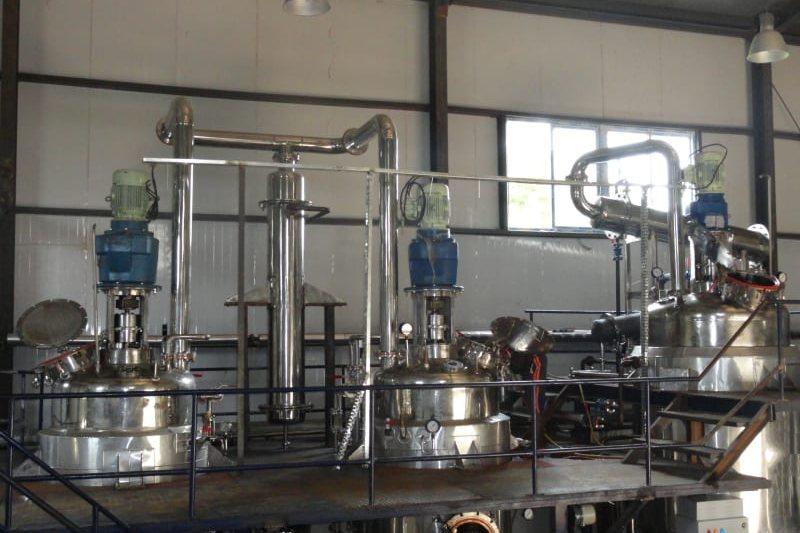
Groundnut Oil Processing Plants
View Product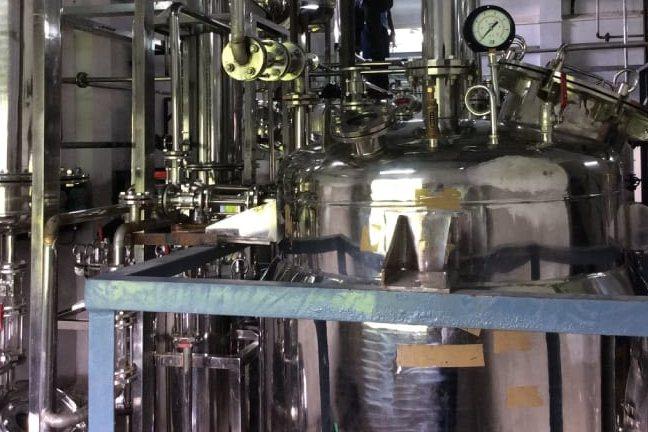
Peanut Butter Processing Plants
View Product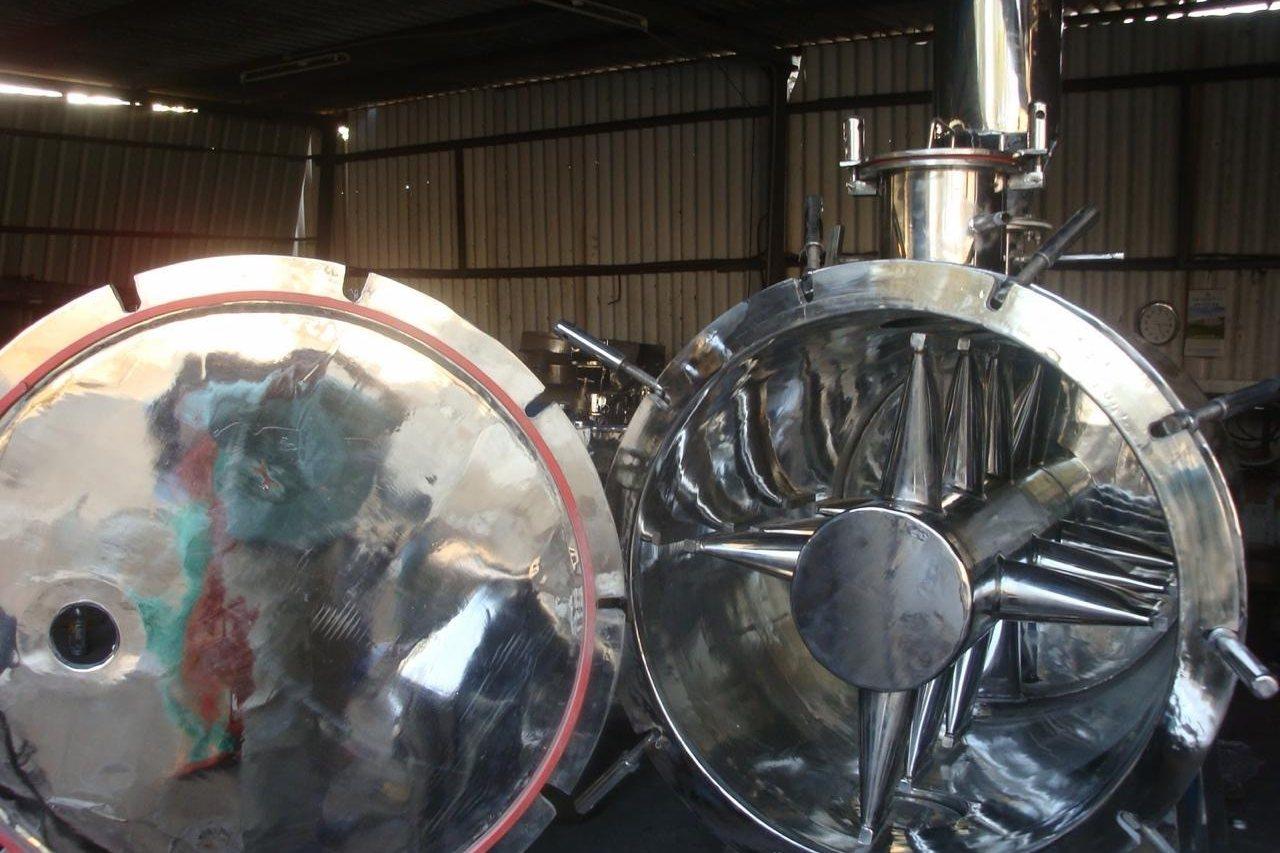
Coffee Processing Plants
View Product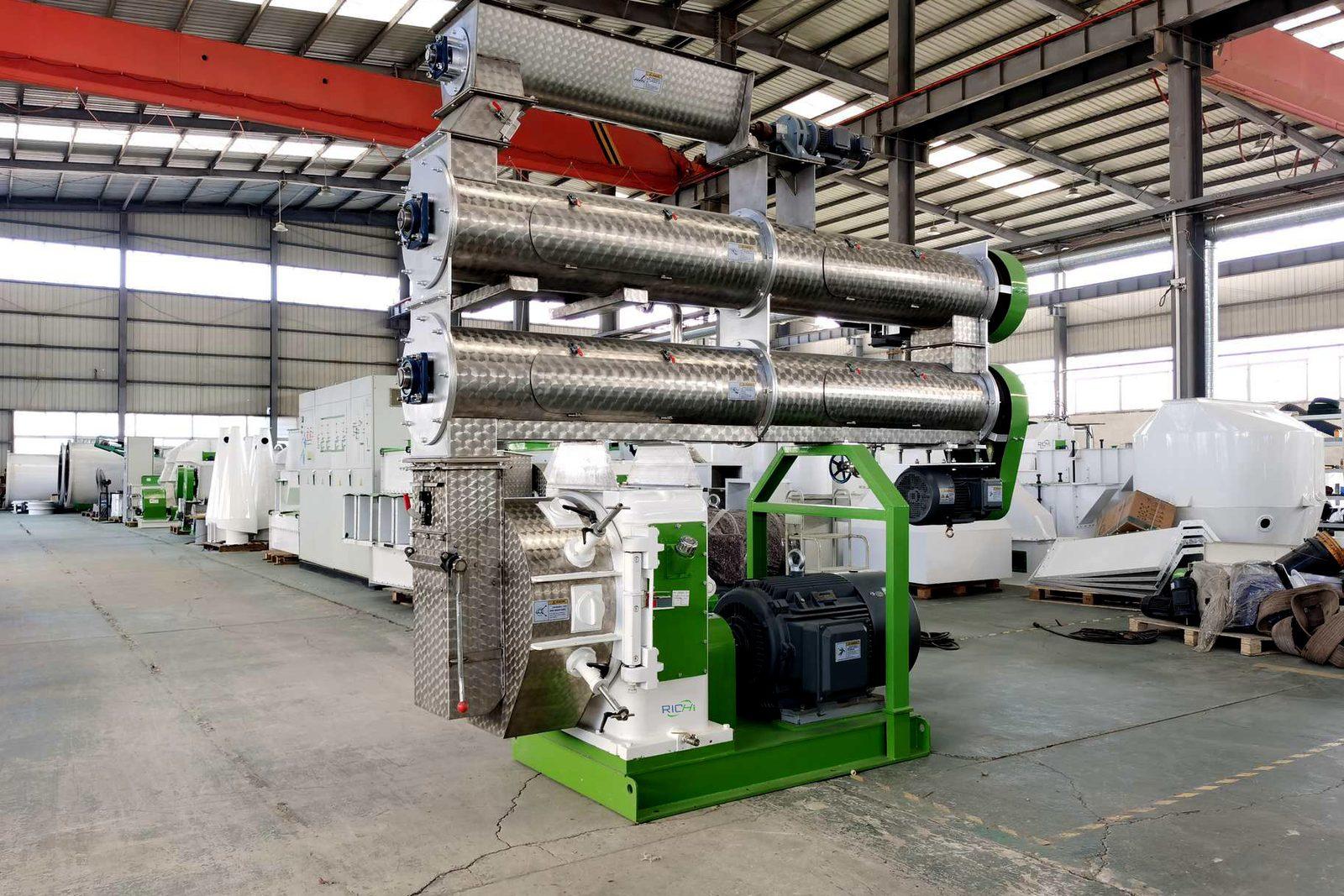
Animal Feed Plant Enquiry (Poultry, Cattle & Aqua Feed)
View Product
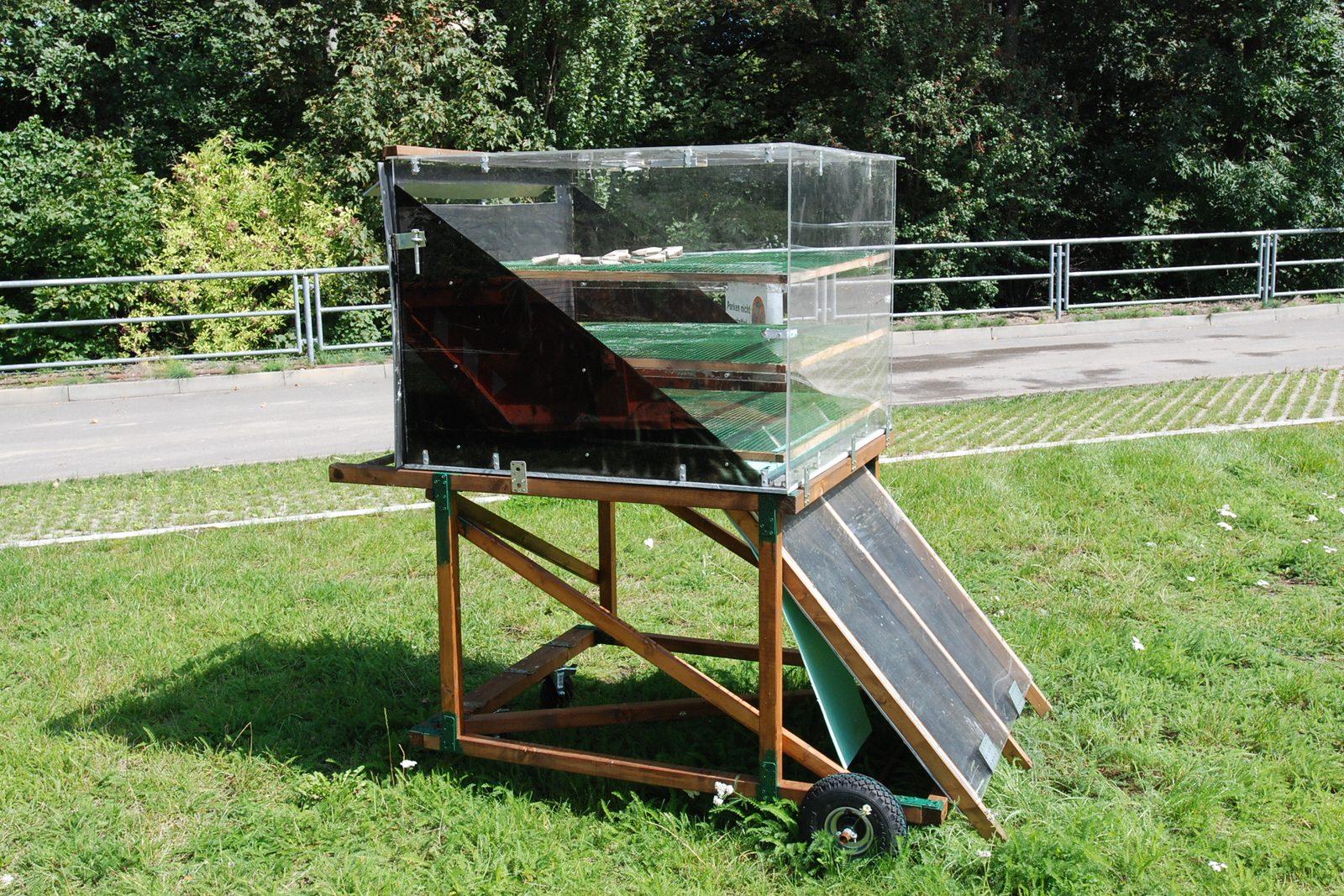
Drying & Dehydration Systems (5)
Category guide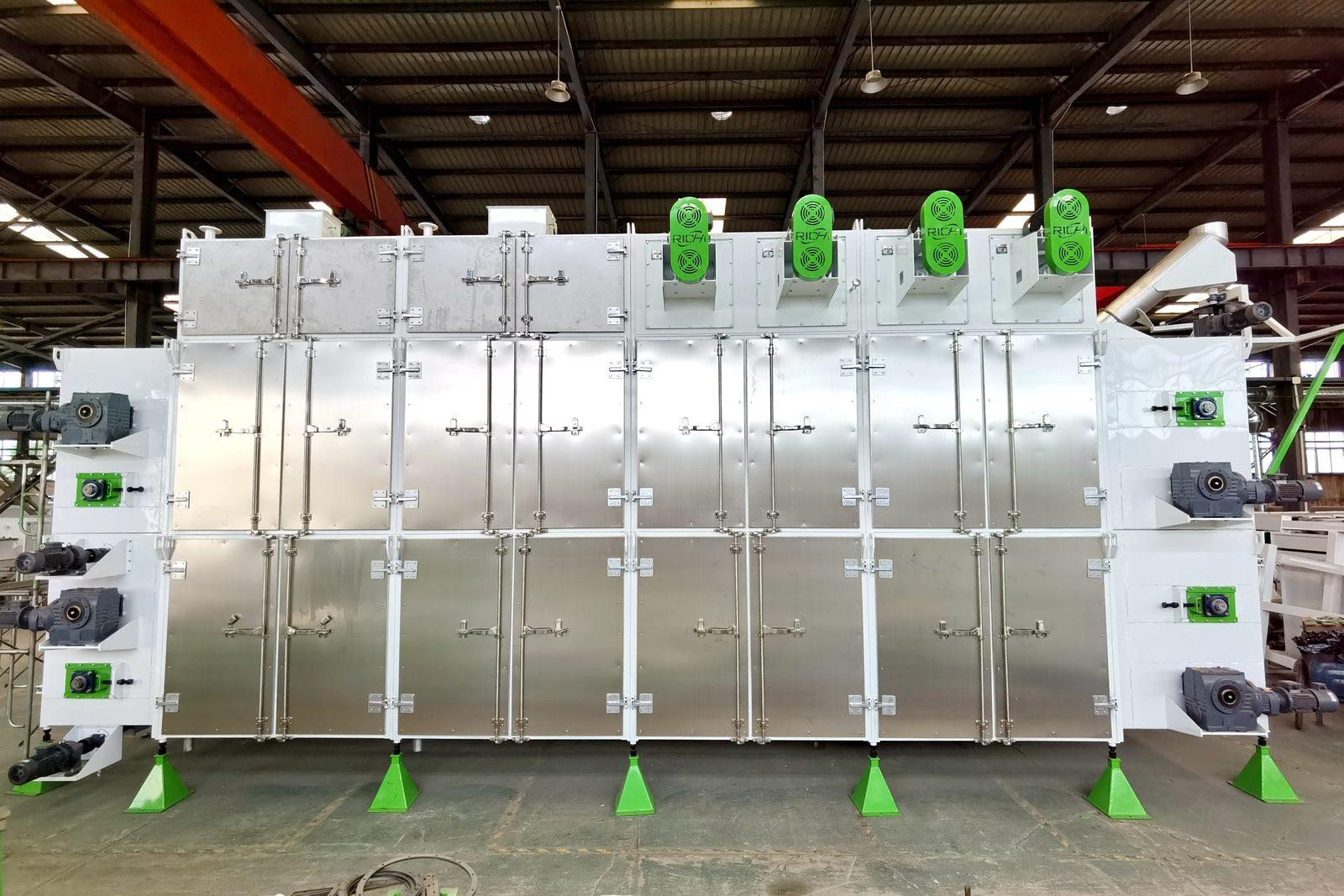
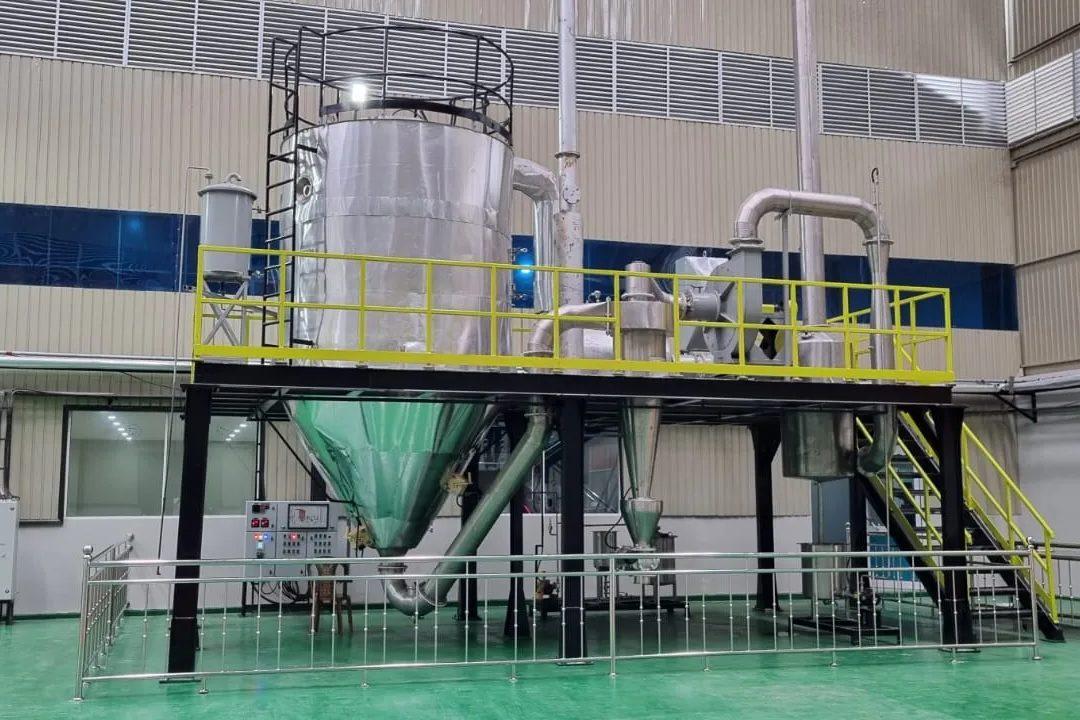
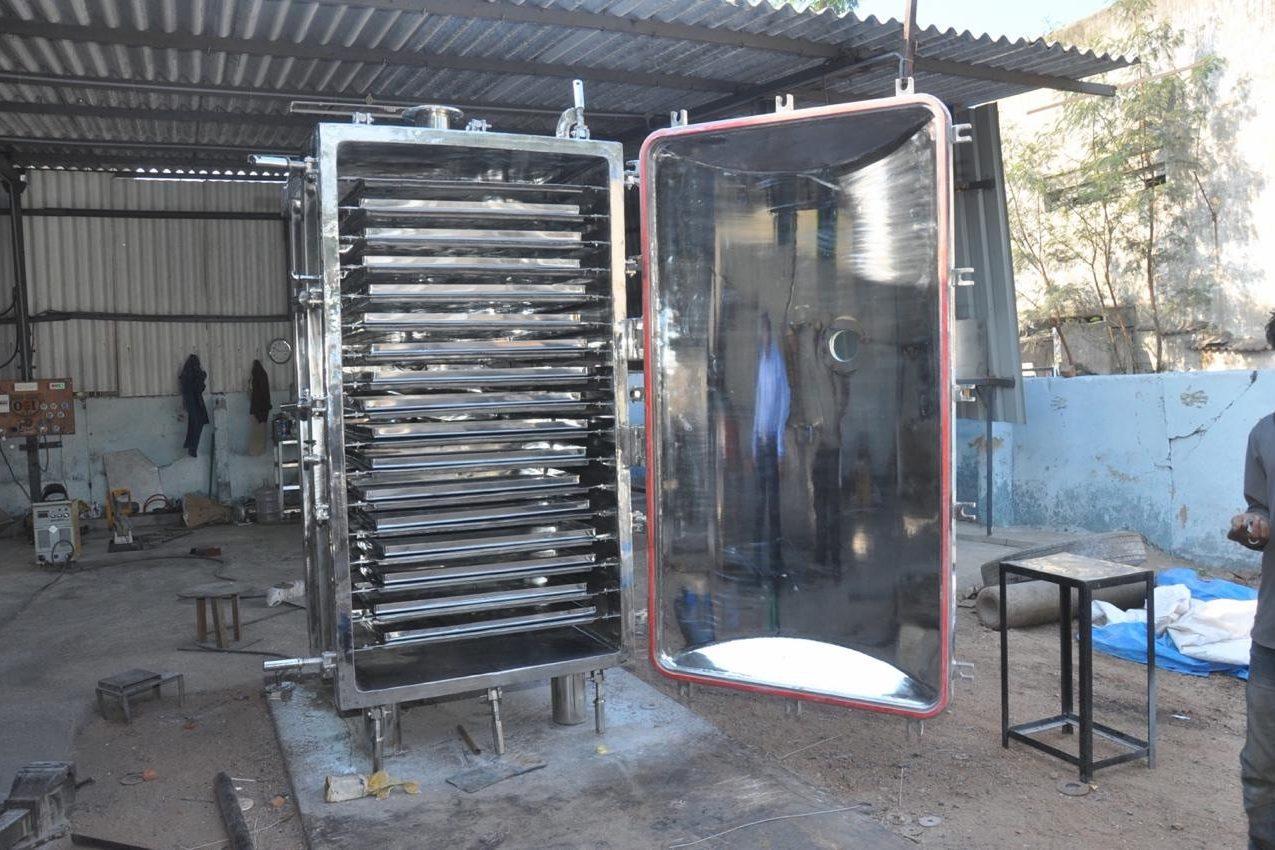
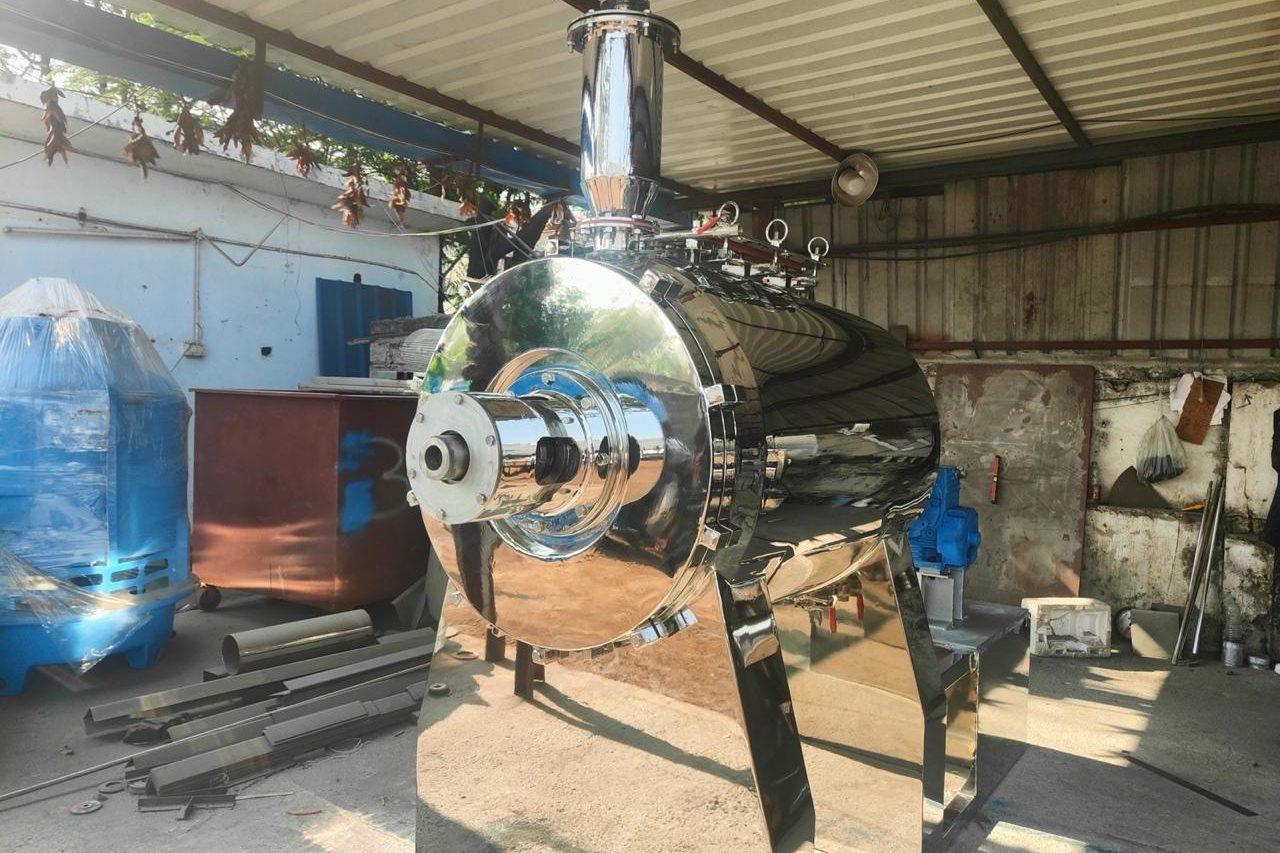
Evaporation, Concentration & Solvent Recovery (4)
Category guide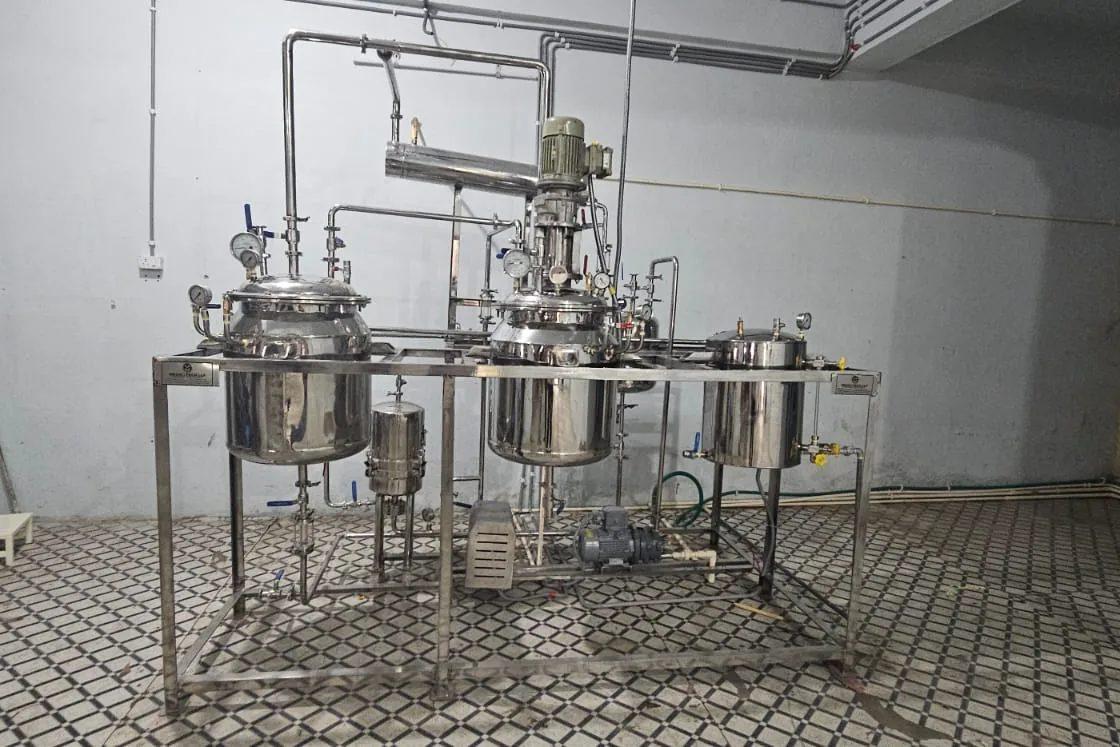
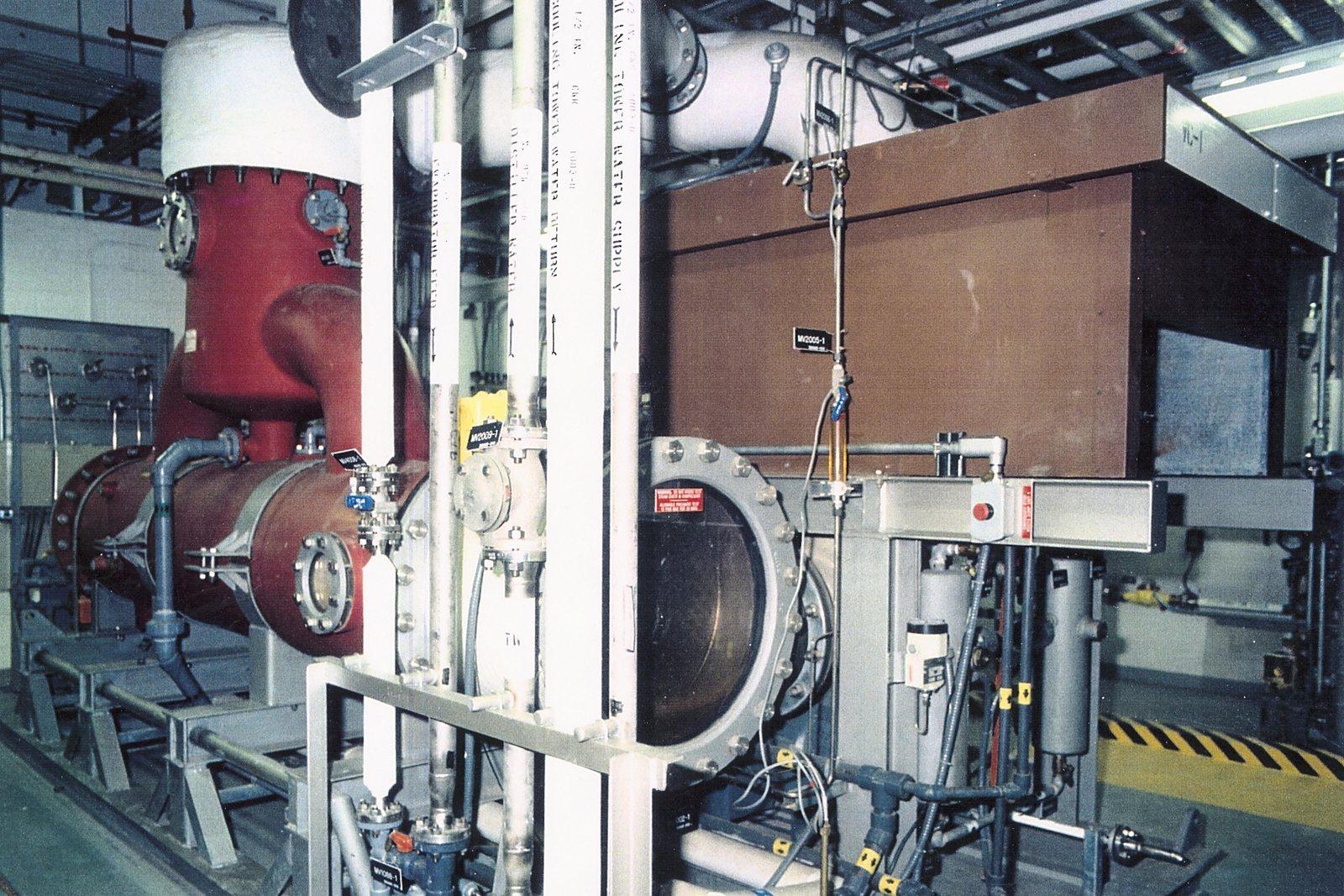
Pharmaceutical & Industrial Process Equipment (4)
Category guide
Cocoa, Shea, Palm Oil & Oilseed Processing (6)
Category guide
Cereals, Tubers & Sugar Processing (6)
Category guide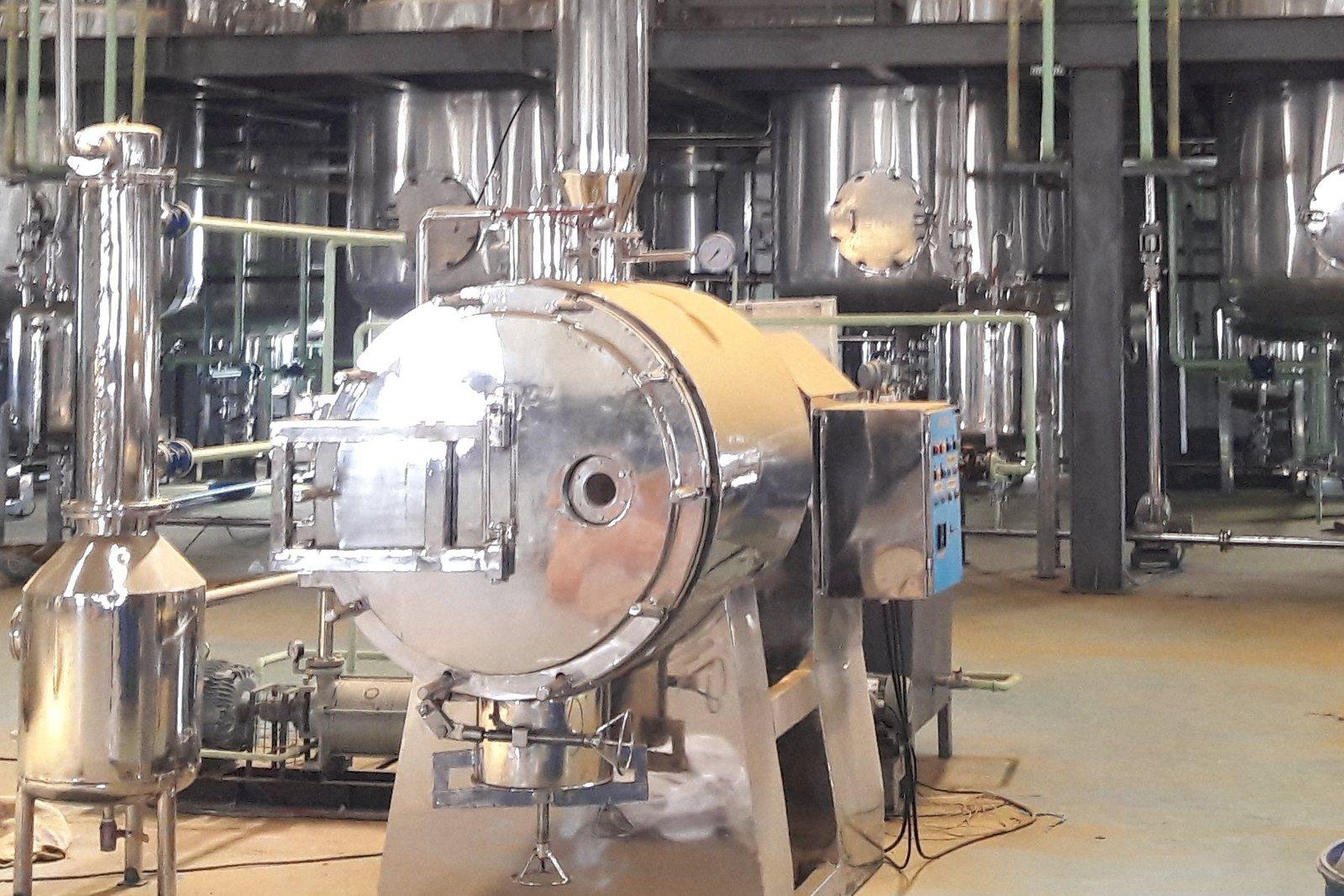
Specialty African Botanical & Natural Ingredients (9)
Category guide
Baobab Processing & Extraction Plants
View Product
Aloe Vera
View Product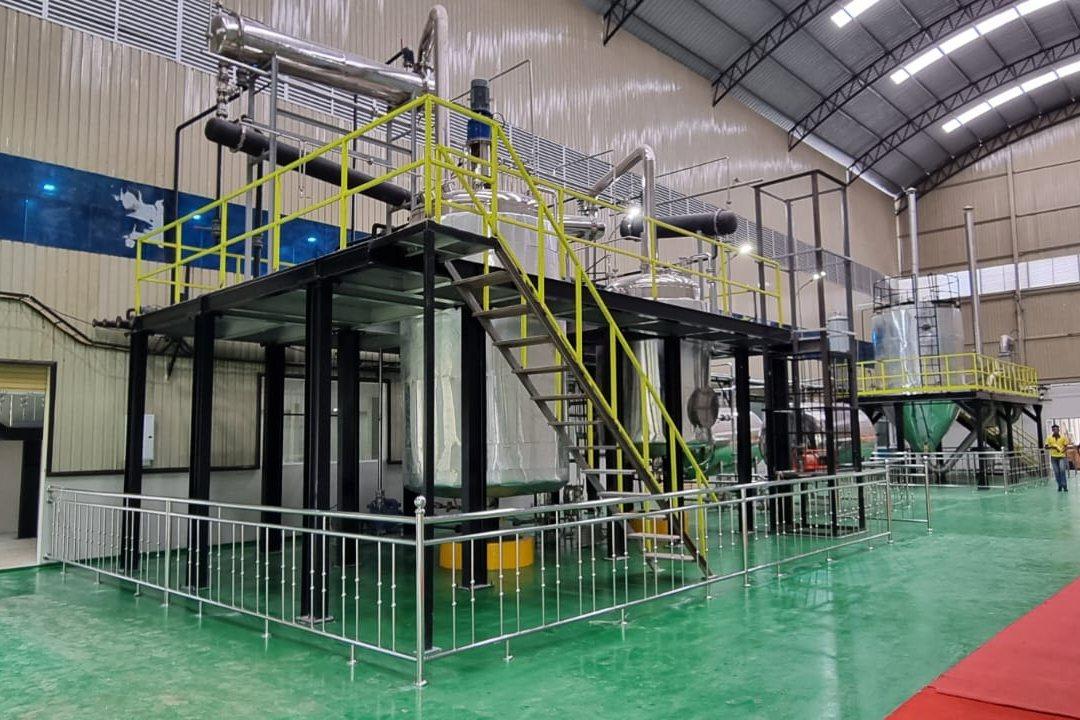
Gum Arabic Processing Plant
View Product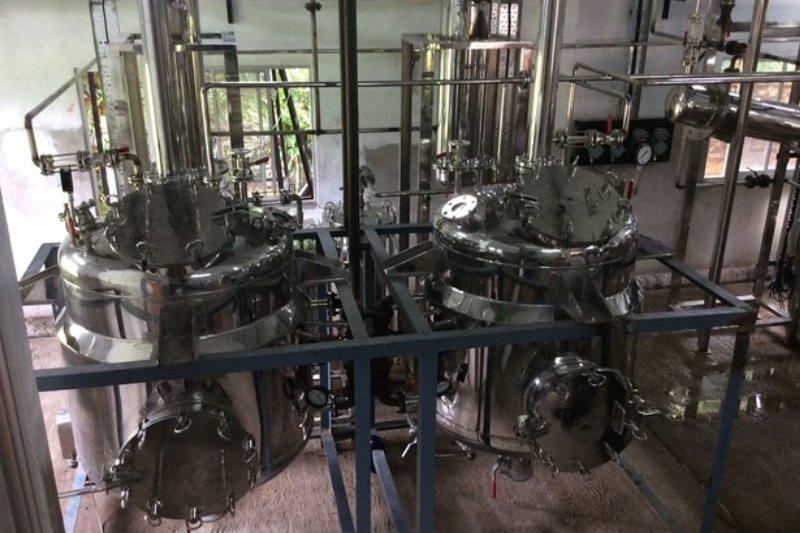
Seaweed Extraction & Drying Plants
View Product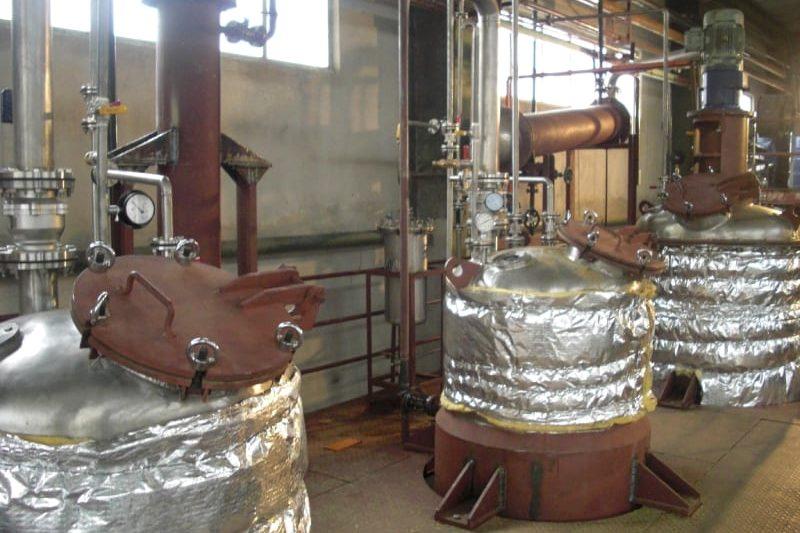
Natural Colour Extraction Plants
View Product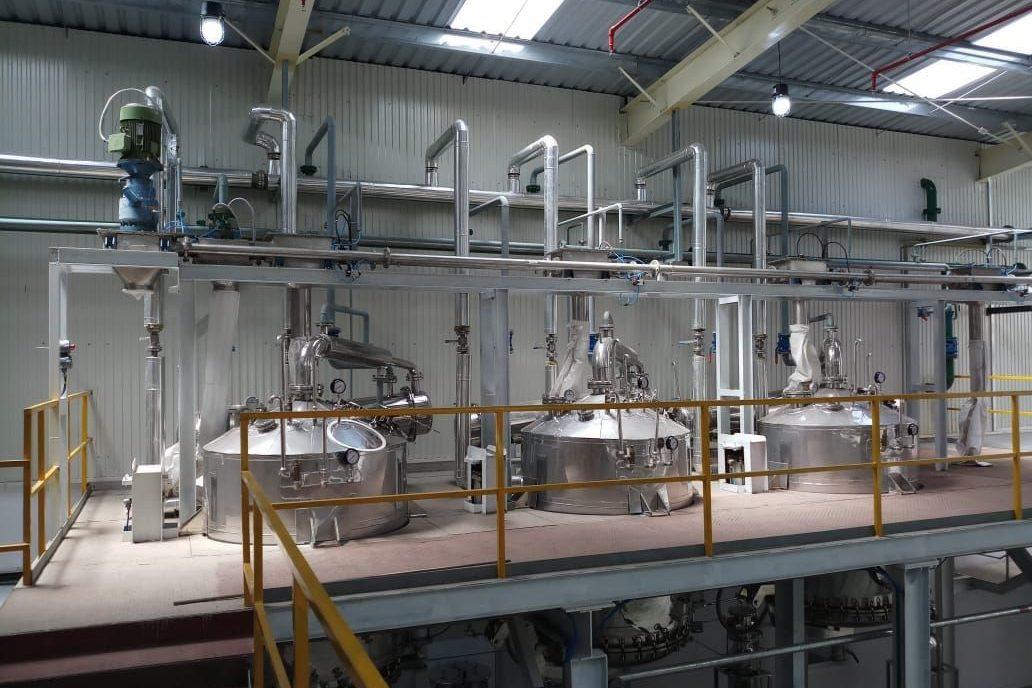
Vanilla
View Product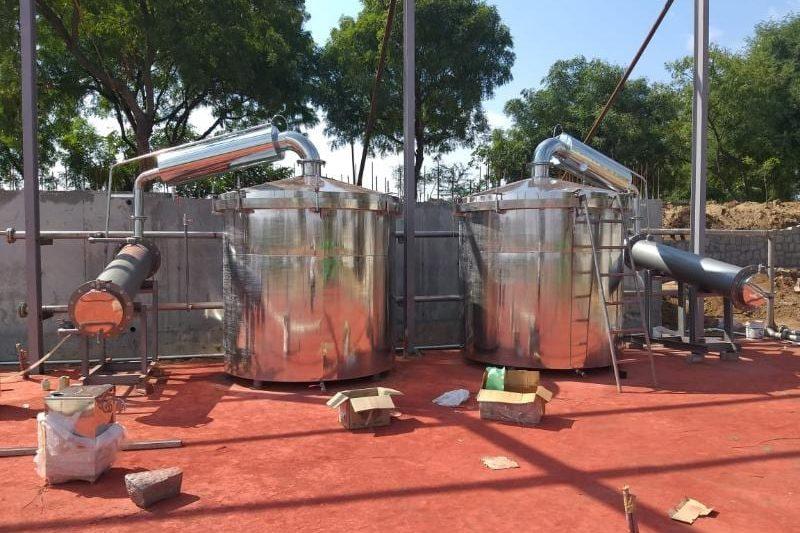
Clove Buds
View Product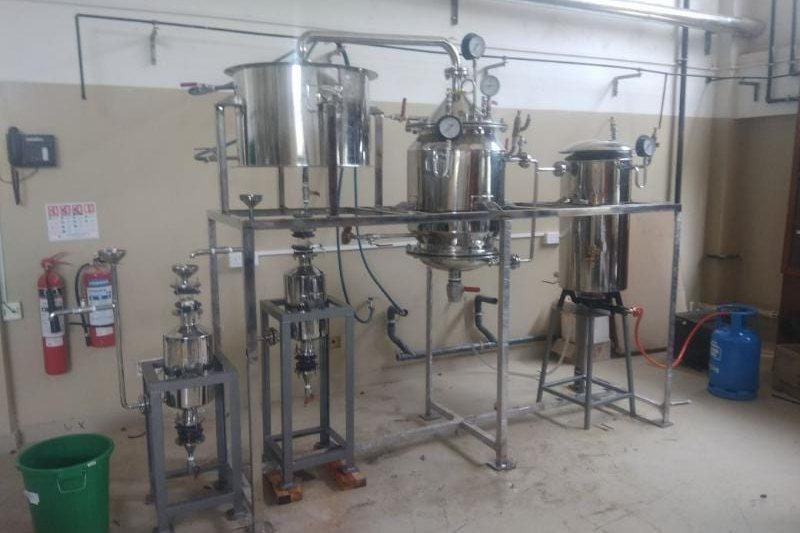
Argan Oil Processing Plants
View Product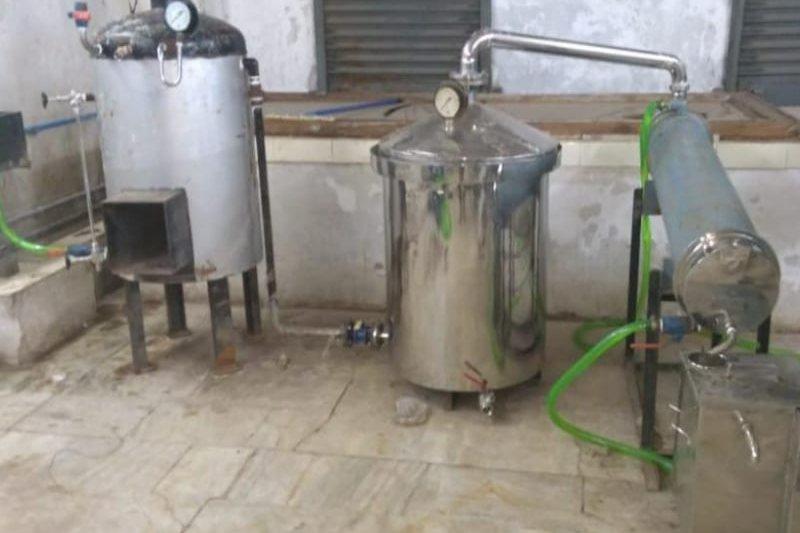
Frankincense Extraction Plant
View Product
Specialty Food, Beverage & By-Product Processing (6)
Category guide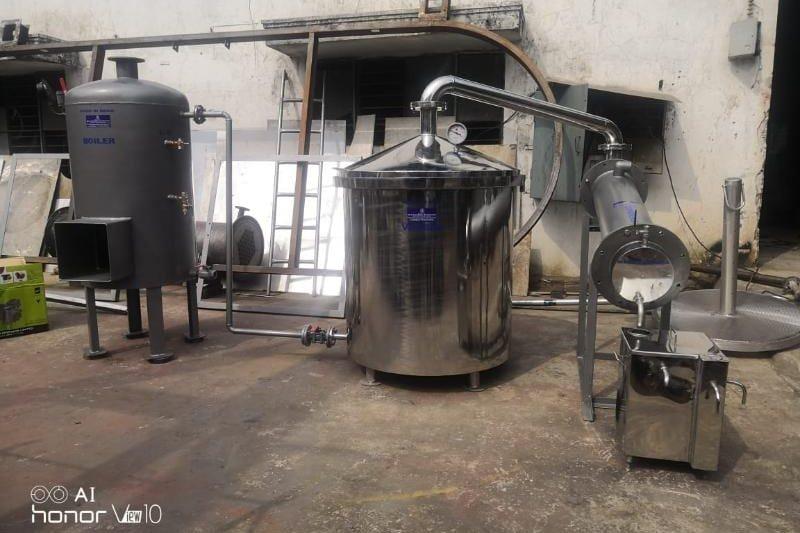
Fish Oil Recovery & By-Product Processing Plants
View Product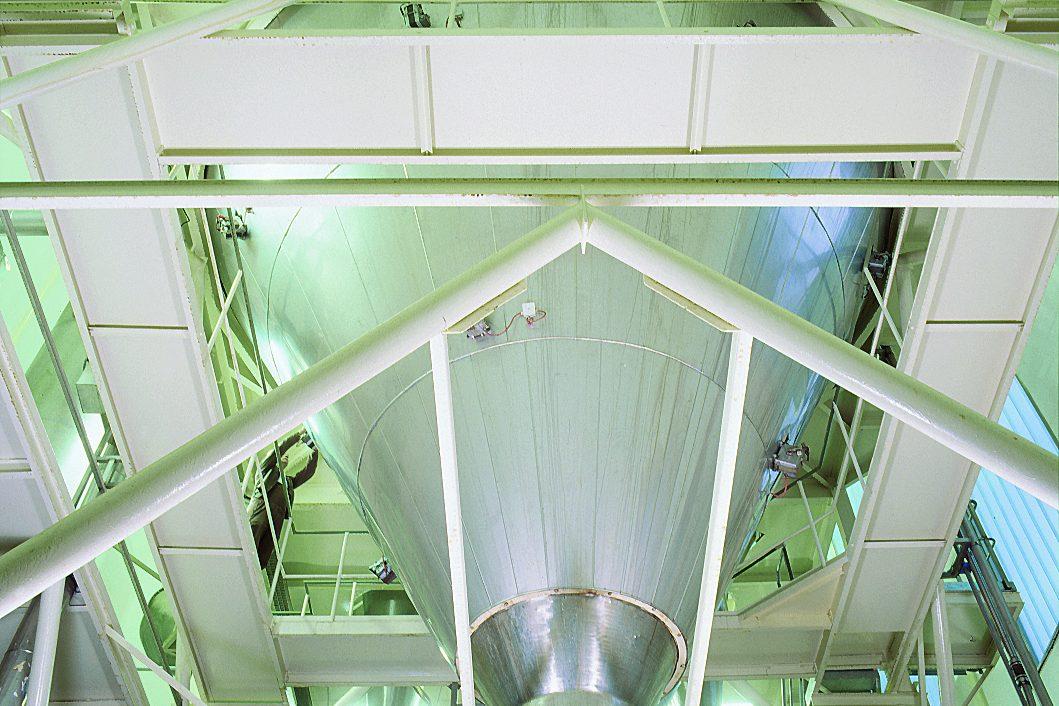
Dairy Evaporation & Spray Drying Plants
View Product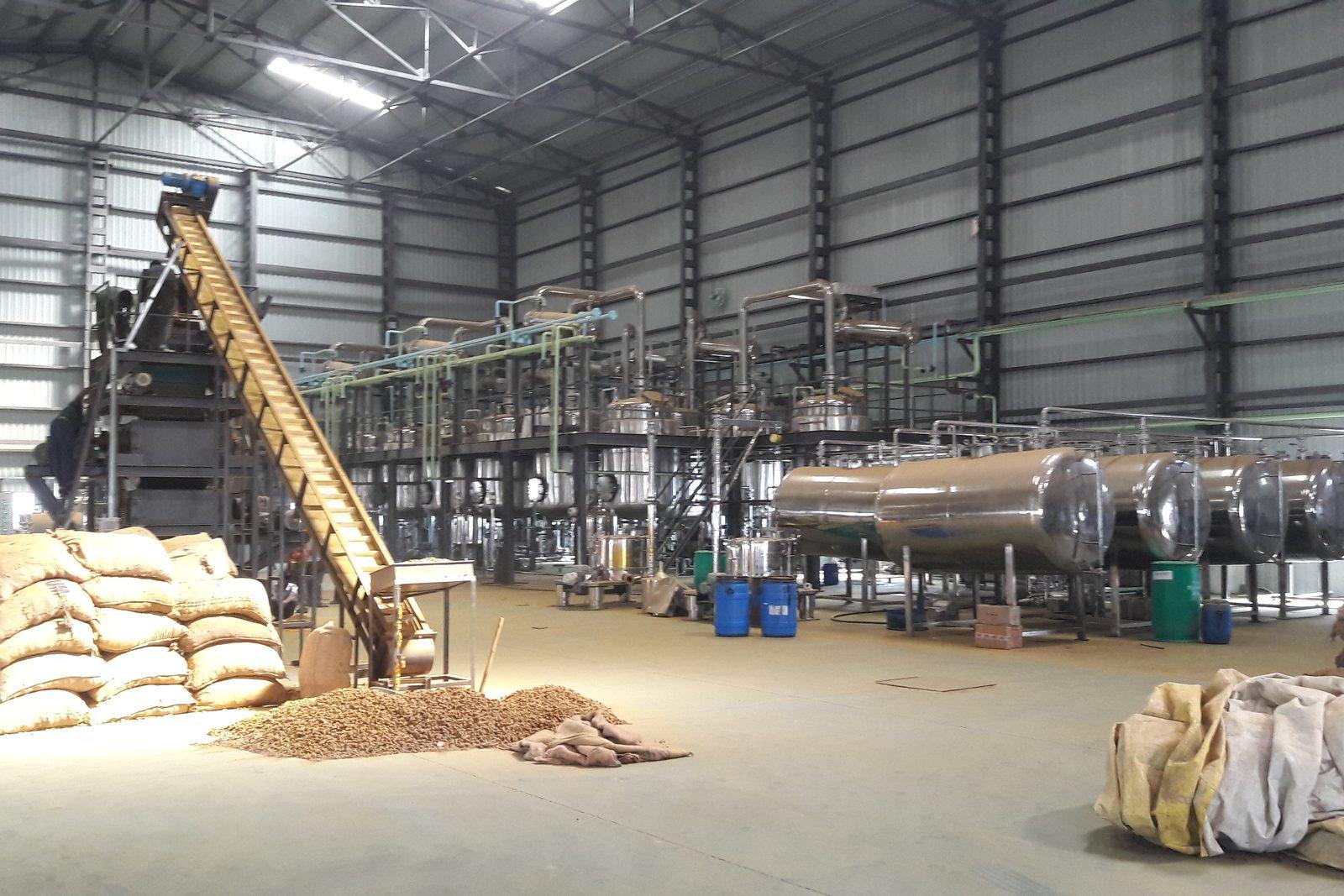
Tea Extraction & Concentration Plants
View Product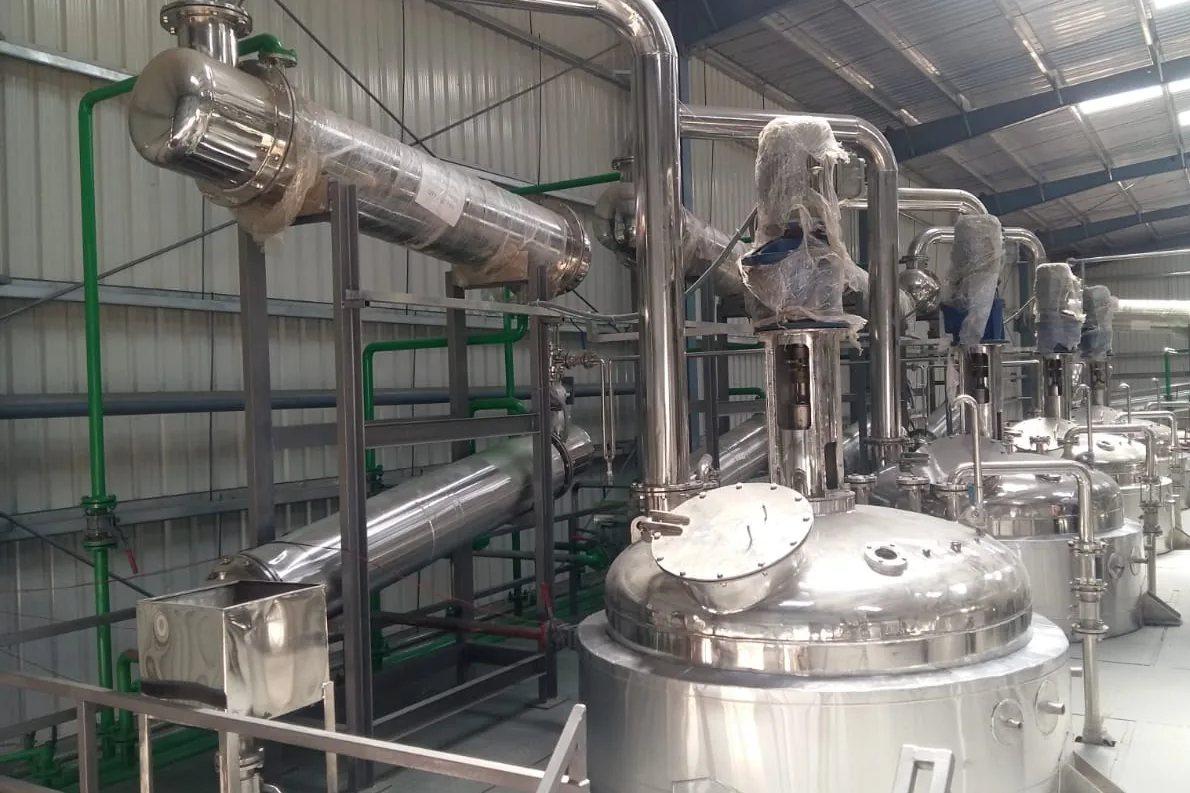
Coffee Extraction & Concentration Plants
View Product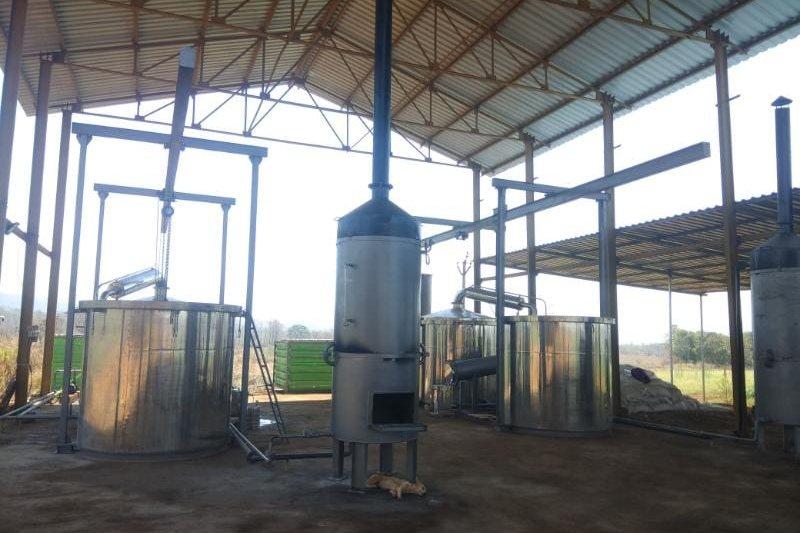
Coconut Oil & Milk Processing Plants
View Product
Onion & Garlic Dehydration Plants
View Product
What to Settle Before You Ask for a Proposal
Coastal ports and southern distance
Tunisia has eight commercial ports open to international traffic, including Radès, Sousse and Sfax, but the southern date-growing regions may lie far inland, so the road leg for heavy equipment is worth planning before choosing between a coastal and a southern site.
Olive pruning calendar
Olive leaf supply follows the pruning and milling season, so a leaf extraction plant needs enough dry storage and drying capacity to hold material between busy periods.
Flower distillation timing
Flower crops such as orange blossom and rose are usually picked in a short season and must reach the still quickly. Distillers should plan batch sizes and still capacity around that harvest window.
Industries to read next
Nutraceutical & Pharmaceutical Solutions
Olive leaf extract and other botanical concentrates are used as ingredients in supplements and cosmetics, so the mapped olive leaf and extraction systems fit here.
Read the industry pageEssential Oil & Oleoresin Solutions
Orange blossom, rose, geranium, rosemary and thyme are classic distillation materials, which makes the mapped aromatic oil distillation plants relevant to producers who source them.
Read the industry pageAgro & Food Processing Solutions
Oasis dates can be turned into syrup and paste, so the mapped date extract and concentration plant is relevant to Tunisian food processors.
Read the industry page
From Enquiry to a Running Plant
Enquiries for Tunisia Projects
Kadali Africa Ventures Limited, Accra
421, University Road
Sowutuom
Accra, Ghana
Questions About Plants for Tunisia
What does an olive leaf extract powder plant for Tunisia involve?
The line typically covers leaf cleaning and drying, extraction, filtration, concentration and drying to powder. State the leaf source, volumes and target extract specification so a proposal can be scoped properly.
Can one plant handle both orange blossom and rosemary distillation?
A steam distillation plant can often process different botanicals in separate batches, with cleaning between runs. Capacity and still design depend on the plant material, so please send the crops and batch size you expect.
Is date extract and concentration worth discussing for Tunisian dates?
Dates are destoned and extracted with water, then the liquor is filtered and concentrated by evaporation into syrup or paste. Scope is confirmed in the technical proposal, and the design depends on fruit quality, daily intake and the product you want to make.
Does Kadali Africa Ventures have an office in Tunisia?
Kadali Africa Ventures Limited has offices in Accra, Ghana and Kano, Nigeria, and none in Tunisia. Engineering and manufacturing scope for each product is confirmed in the technical proposal.
What should I send for a Tunisia project proposal?
Use the form on this page. Give your raw material, the product you want to make, the capacity and its basis (for example kg per hour or tonnes per day) and your site.
Planning a project in Tunisia?
Send your raw material, target product and capacity. We will come back with the process route and equipment scope for your project.
Tell us about your Tunisia project
Only name, email, phone and industry are required. The more you share about raw material and capacity, the more precise our proposal.