
Process Plants for Argan, Citrus, Tomato and Aromatics in Morocco
For processors in Morocco: how argan oil, citrus juice, tomato and aromatic plant equipment relate to the raw materials grown and gathered there.
- 8 products in 4 categories, listed for Morocco
- Engineering and manufacturing scope confirmed in the technical proposal
Kadali Africa Ventures Limited has offices in Accra, Ghana and Kano, Nigeria, and no office in Morocco; enquiries from Morocco are handled from the Accra office.
Argan, citrus, tomato and aromatic raw materials in Morocco
Morocco has both an Atlantic and a Mediterranean coast, with coastal plains along the coastline, the Atlas mountain ranges inland and a dry south-east where irrigation is necessary. The argan tree is an endemic woodland species of the south-west, where rural women use traditional methods to extract argan oil from the fruit, and the oil has uses in cooking, medicines and cosmetics. Argan processing runs from fruit collection and drying through pulping and nut breaking to the kernels, which are roasted for culinary oil or left raw for cosmetic oil, then cold-pressed, settled and filtered. A mechanised line for kernel roasting, pressing and filtration is relevant to groups that want steadier throughput than hand methods give.
Citrus is among the irrigated crops grown around Agadir, tomatoes are among the major greenhouse crops, and most exported tomatoes come from the Souss-Massa region. Citrus fruit that does not meet fresh-market grading can go to juice extraction and concentration, and tomatoes suit concentration into paste or drying into powder. These are discussed here as raw materials for the mapped plants; processors with a citrus or tomato supply can send details so that a proposal is scoped to their fruit and volumes.
Wild rosemary is exploited for essential oil in the eastern region near Oujda, and rosemary, thyme and other aromatic or medicinal herbs can be dried, steam-distilled or extracted for botanical ingredients. Typical users of the equipment include argan producer groups, juice and preserve makers, essential oil producers and botanical ingredient houses supplying food, fragrance and personal-care customers.
Products Relevant to Morocco
8 of the 73 products in the catalogue are listed for Morocco, in 4 categories: Herbal, Botanical & Nutraceutical Extraction (2), Essential Oils, Spices & Oleoresins (1), Fruit & Vegetable Processing (3), Specialty African Botanical & Natural Ingredients (2). The plants for Morocco’s own raw materials come first. A listing is a catalogue listing, not a statement of demand or supply; the final configuration depends on your raw material, target product and capacity.
Argan kernels
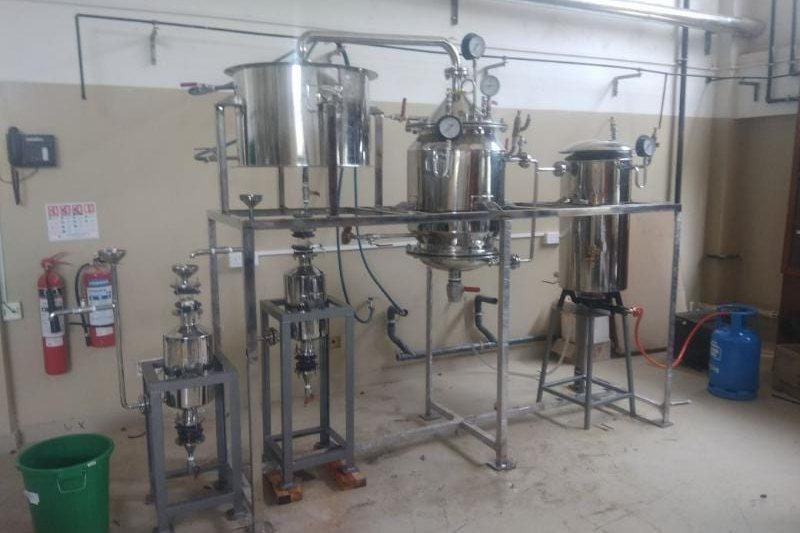
Argan is an endemic tree of the south-west. After the fruit is dried and pulped, the nuts are cracked to free the kernels, which are roasted for culinary oil or left raw for cosmetic oil, then cold-pressed and filtered; the press cake is a by-product to plan for.
Citrus fruit
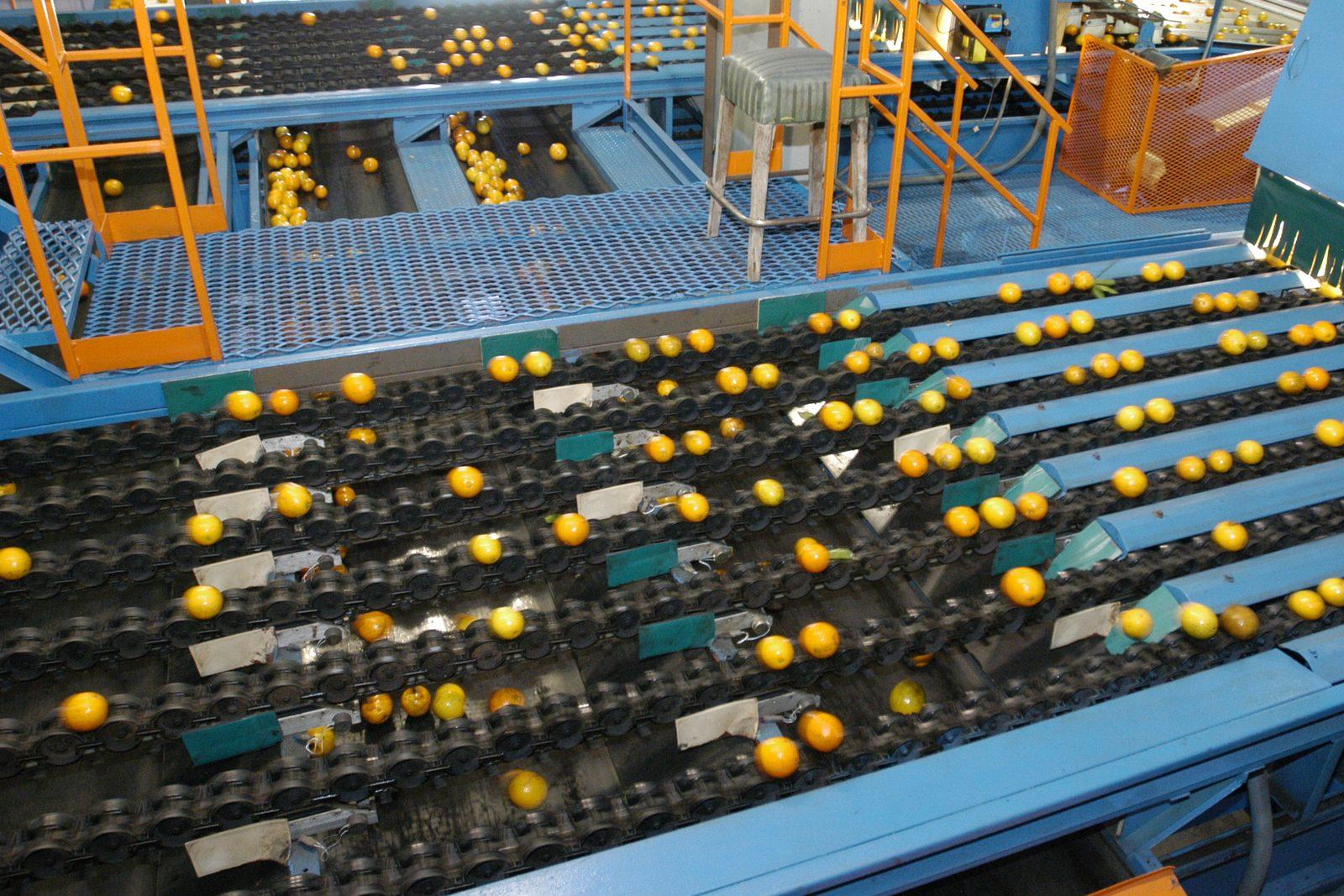
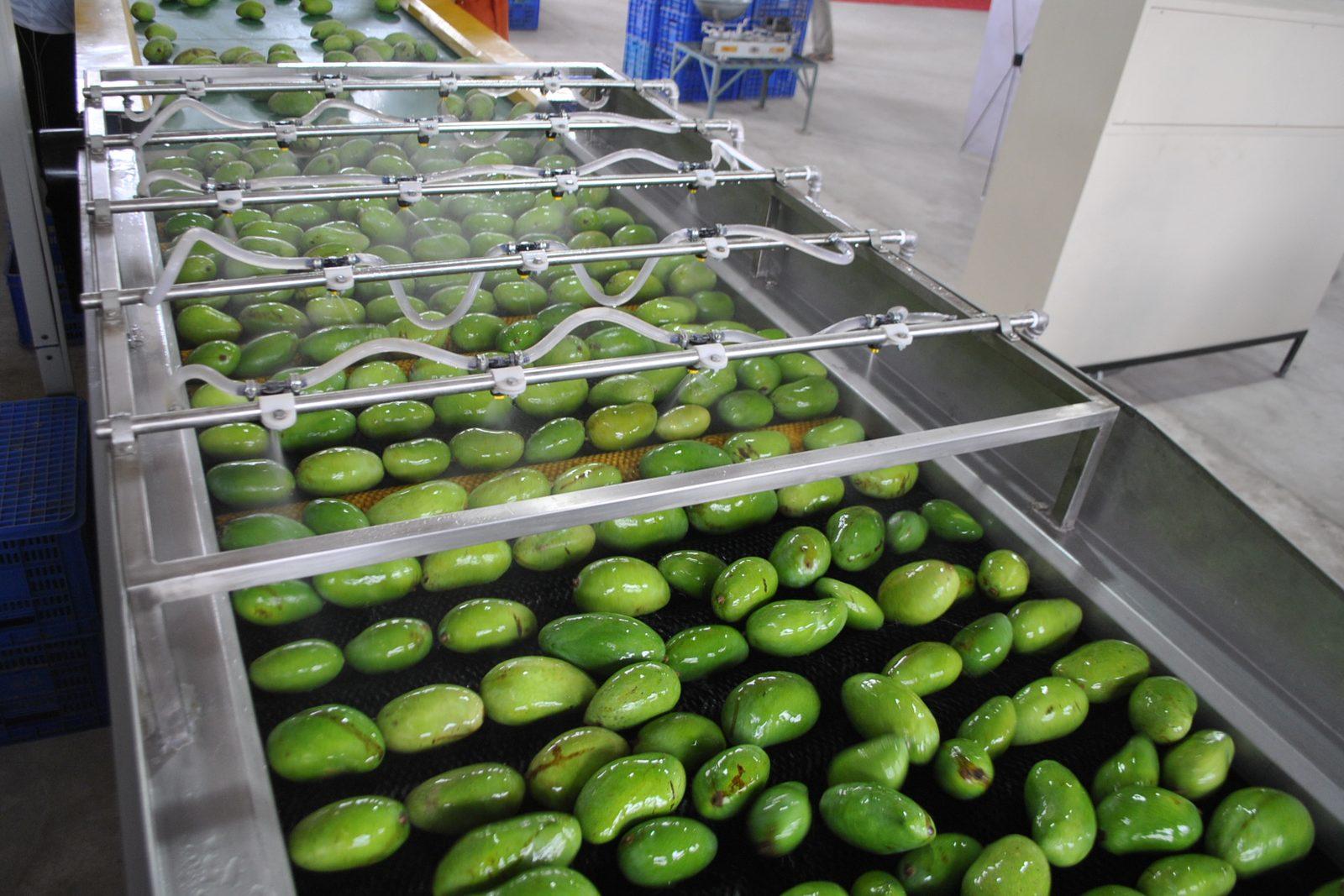
Citrus is among the irrigated crops grown around Agadir; fruit outside fresh-market grades can be washed, juice-extracted, clarified and concentrated, so the mapped citrus juice product is worth discussing for surplus fruit.
Tomatoes
Tomatoes are among the major greenhouse crops in Morocco; they can be concentrated by hot-break into paste or dried into powder for storage, so the mapped tomato products are worth discussing for a tomato supply.
 For Tomatoes
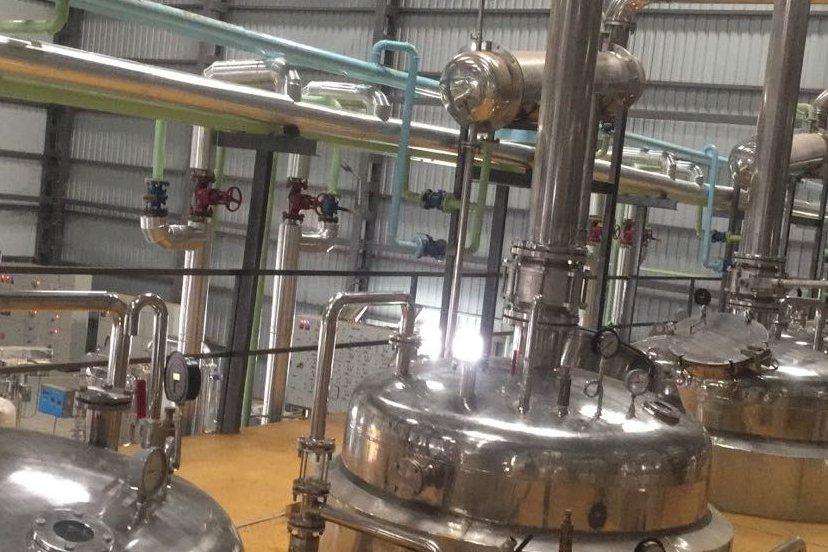
Tomato Paste Processing Plants
A tomato paste plant crushes, heats and pulps fresh tomatoes before evaporating them to a high-solids paste, and the choice between hot break and cold break sets how thick the paste will be.
View Product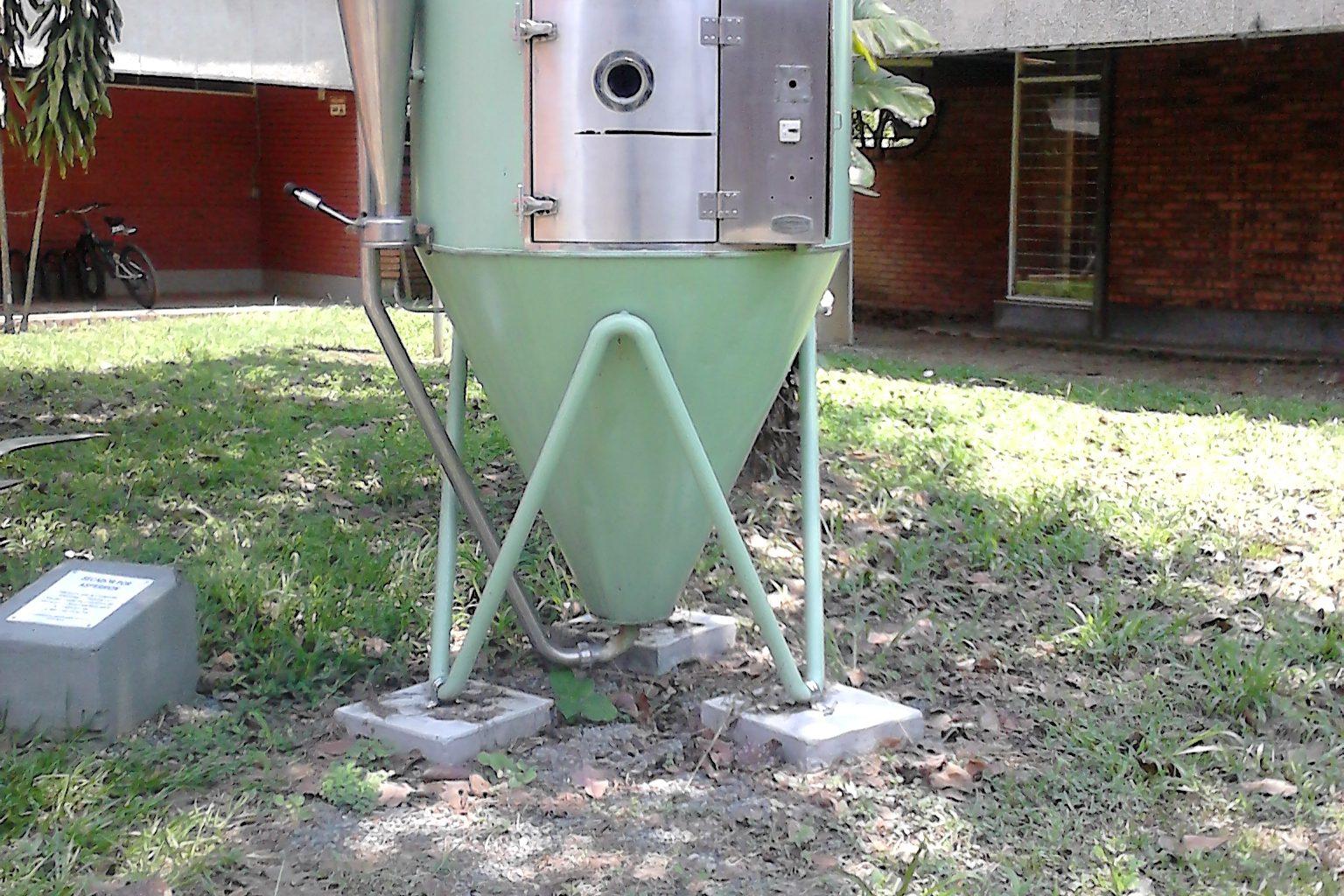 For Tomatoes
Tomato Powder Processing Plants
A tomato powder plant turns fresh tomatoes into a dry, shelf-stable ingredient: the fruit is pulped and concentrated, then dried and sieved to a set particle size and moisture.
View Product
Rosemary, thyme and other aromatic herbs
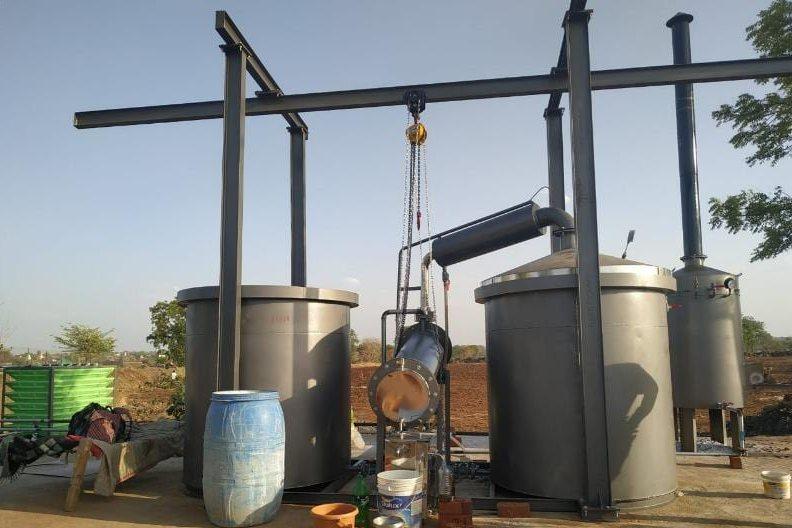
Wild rosemary is exploited for essential oil in the eastern region; aromatic herbs such as rosemary and thyme are steam-distilled, with condensate separated from the oil layer.
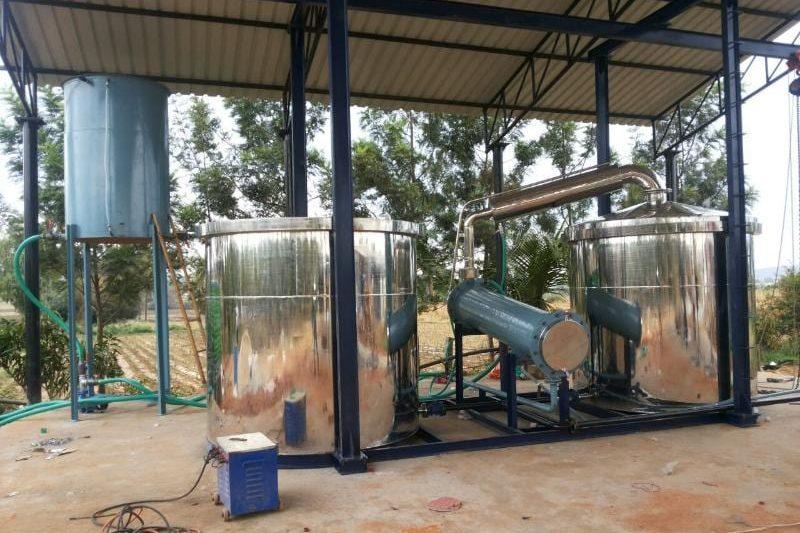
Medicinal and aromatic herbs
Herbs gathered or cultivated can be extracted in multi-purpose lines to make concentrated botanical liquid or powder, subject to the plant material and the extract wanted.
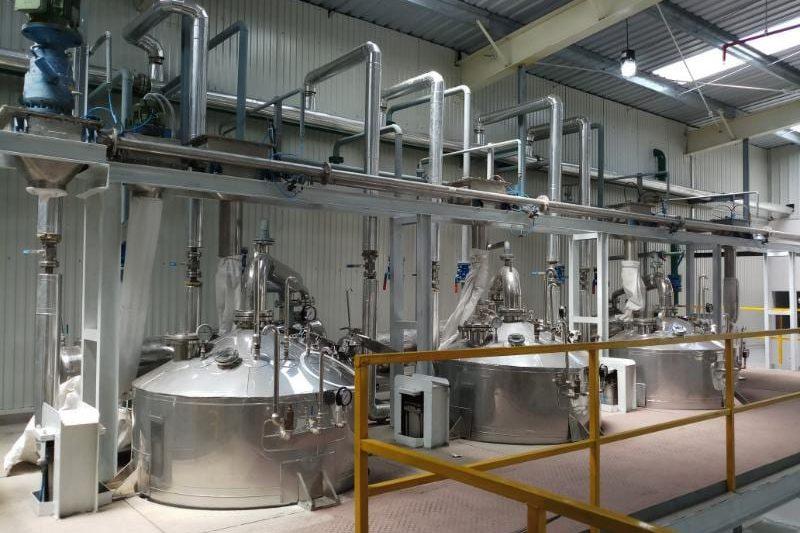 For Medicinal and aromatic herbs
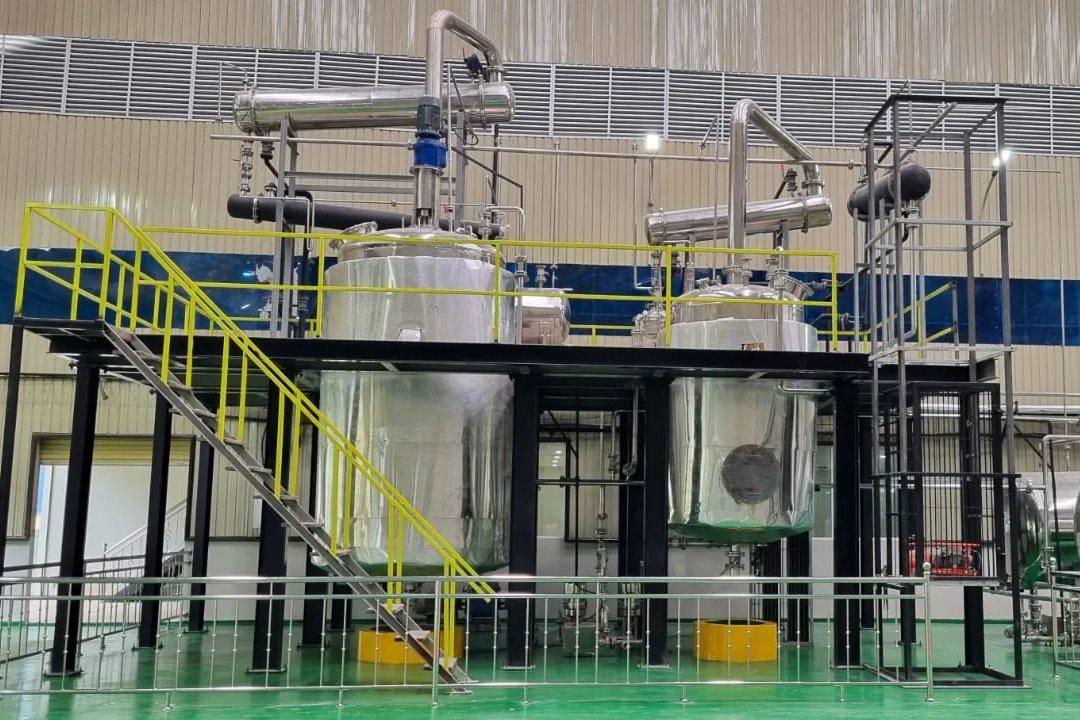
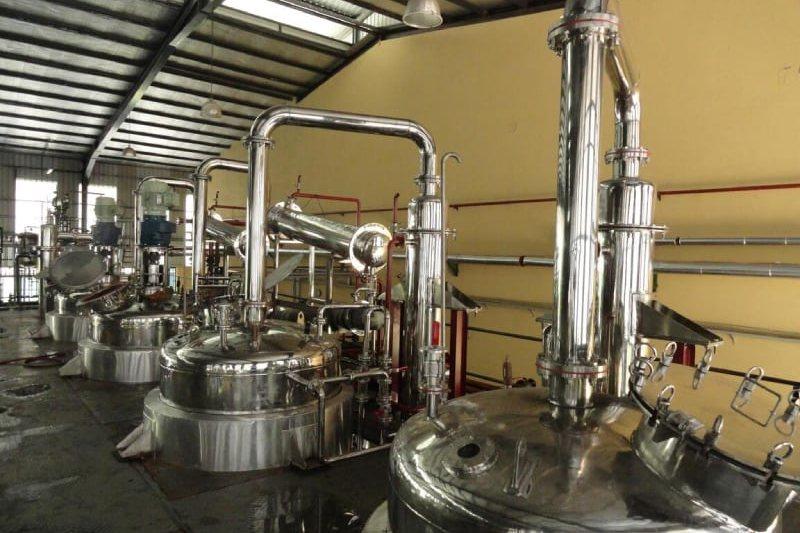
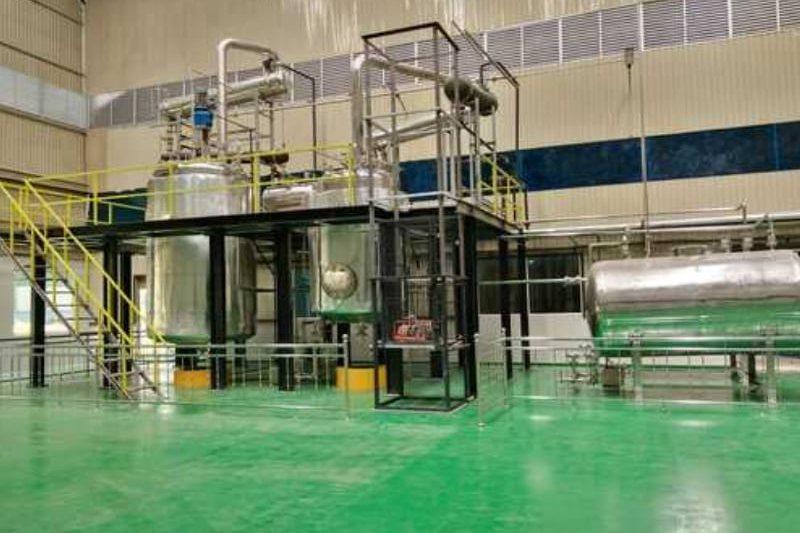
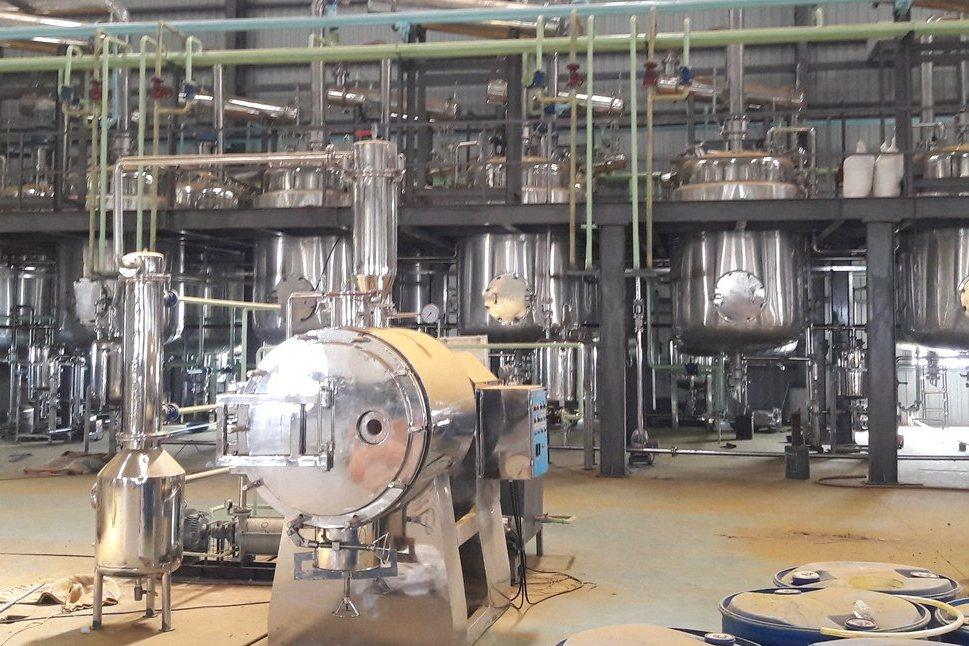
Herbal Extraction Plants
Herbal extraction plants for African processors: herb preparation, solvent or water extraction, filtration, concentration and drying. Ask for a proposal.
View Product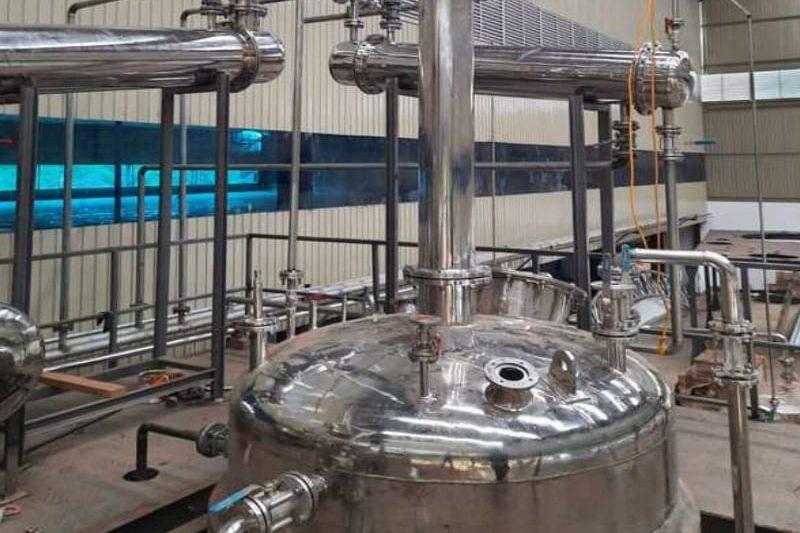 For Medicinal and aromatic herbs
Advanced Botanical Extraction Systems
Advanced botanical extraction systems use a more selective technique than plain solvent soaking, such as supercritical carbon dioxide, ultrasound, microwave, enzyme, hot-water or counter-current extraction.
View Product
Also Listed for Morocco
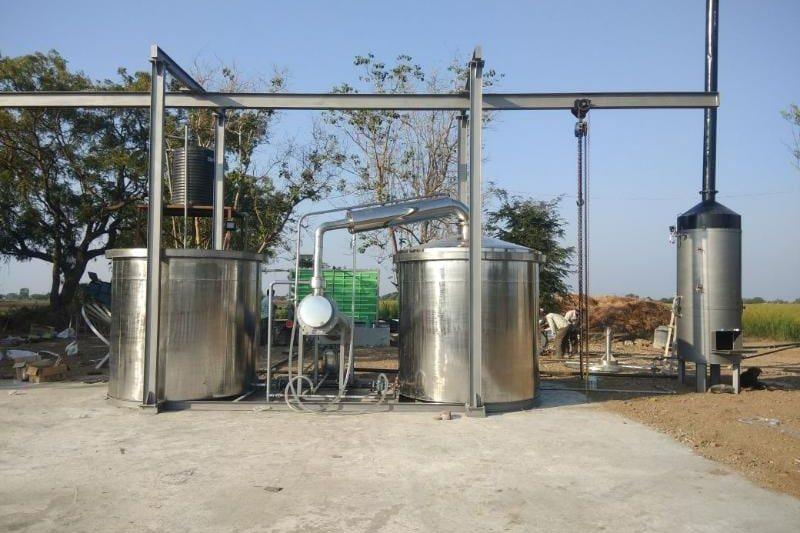
More Plants and Equipment, by Category
The other 65 products of the 73-product catalogue, by category. A product that is not listed for Morocco is not ruled out: tell us your raw material and target product. Request a technical proposal
Herbal, Botanical & Nutraceutical Extraction (7)
Category guide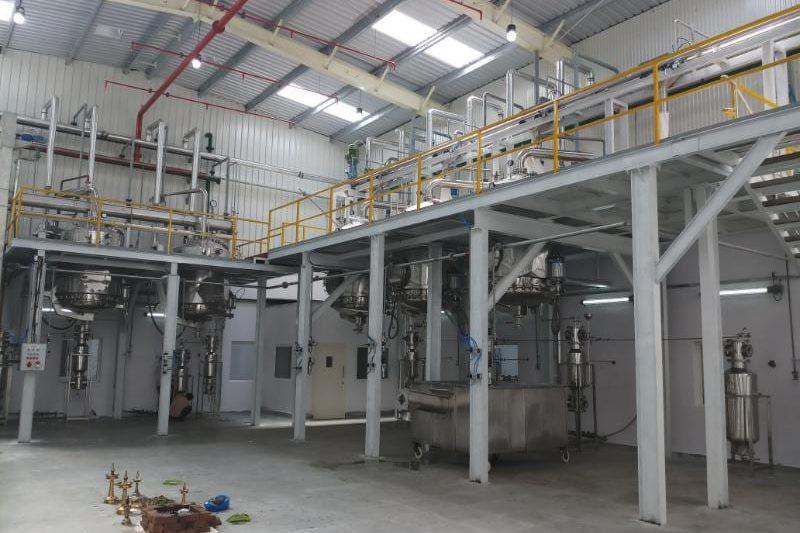
Turnkey Multi-Herbal Extraction Plants
View Product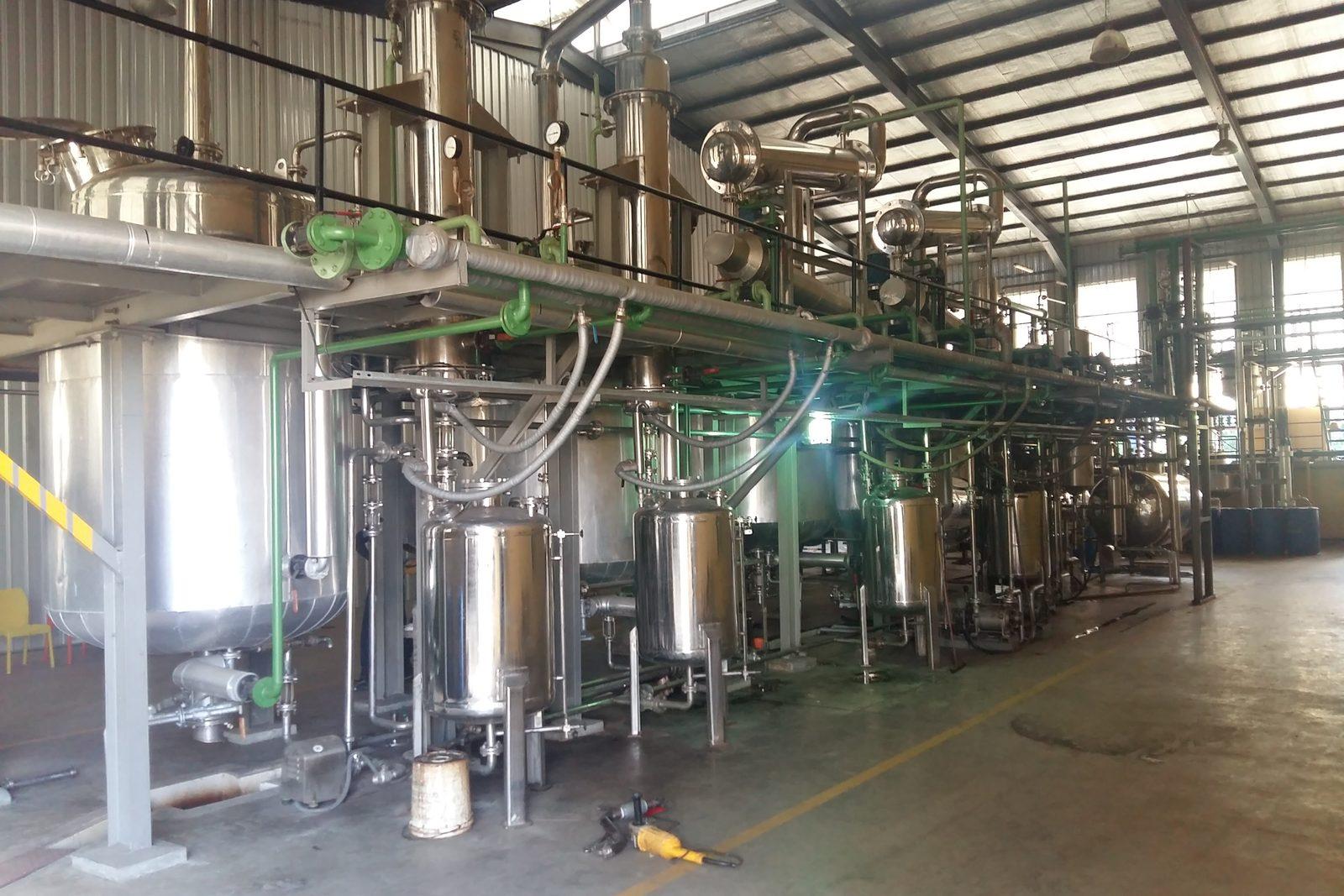
Nutraceutical & Botanical Extraction Plants
View Product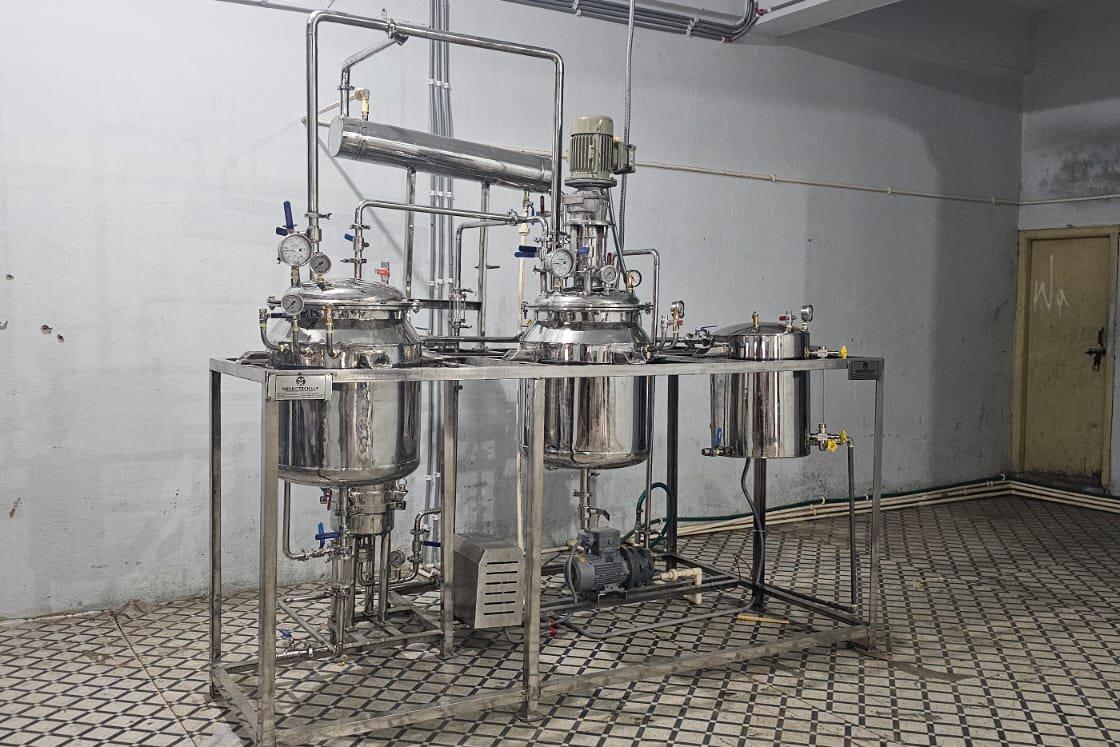
Pharmaceutical Extraction Plants
View Product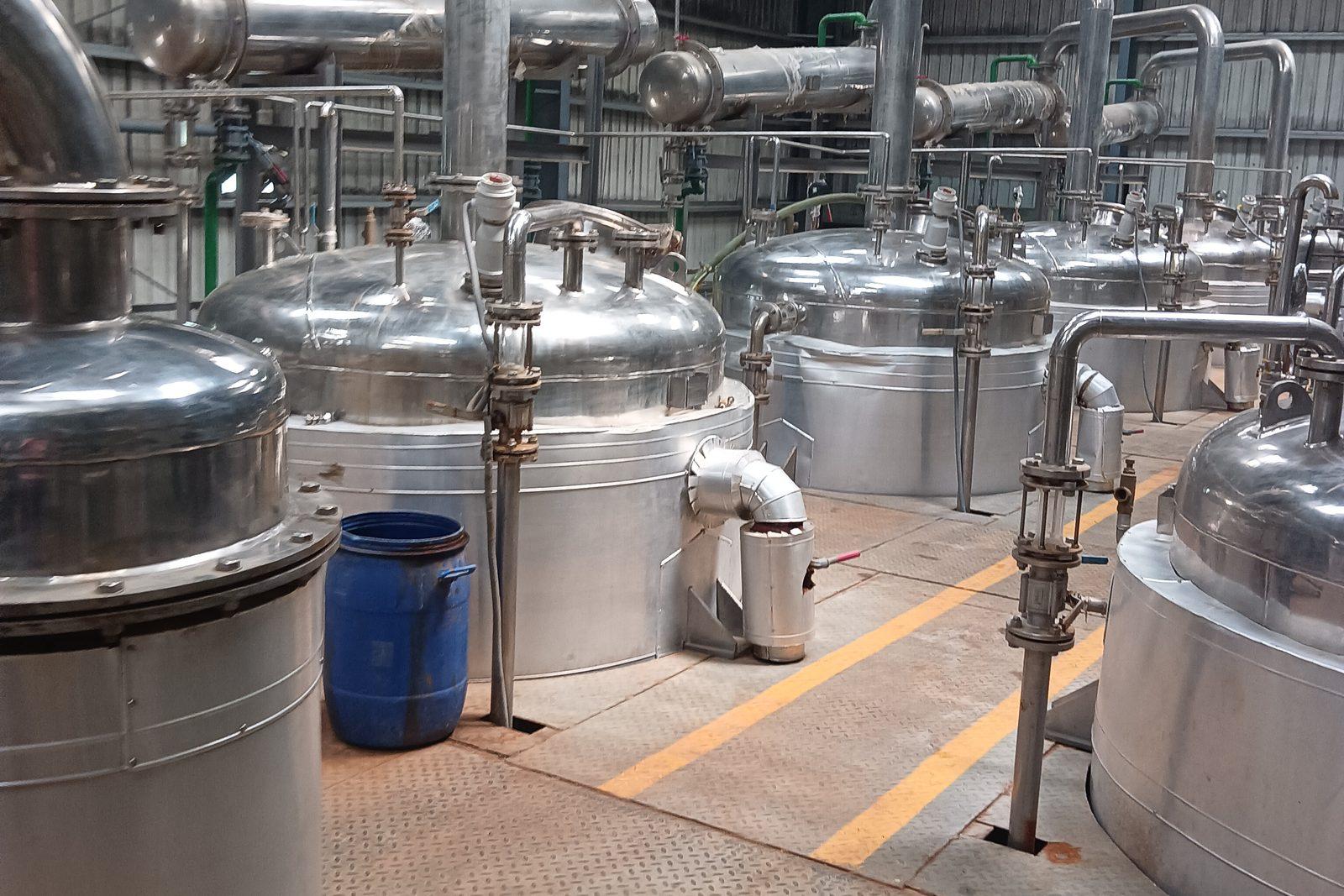
Curcumin Extraction Plant
View Product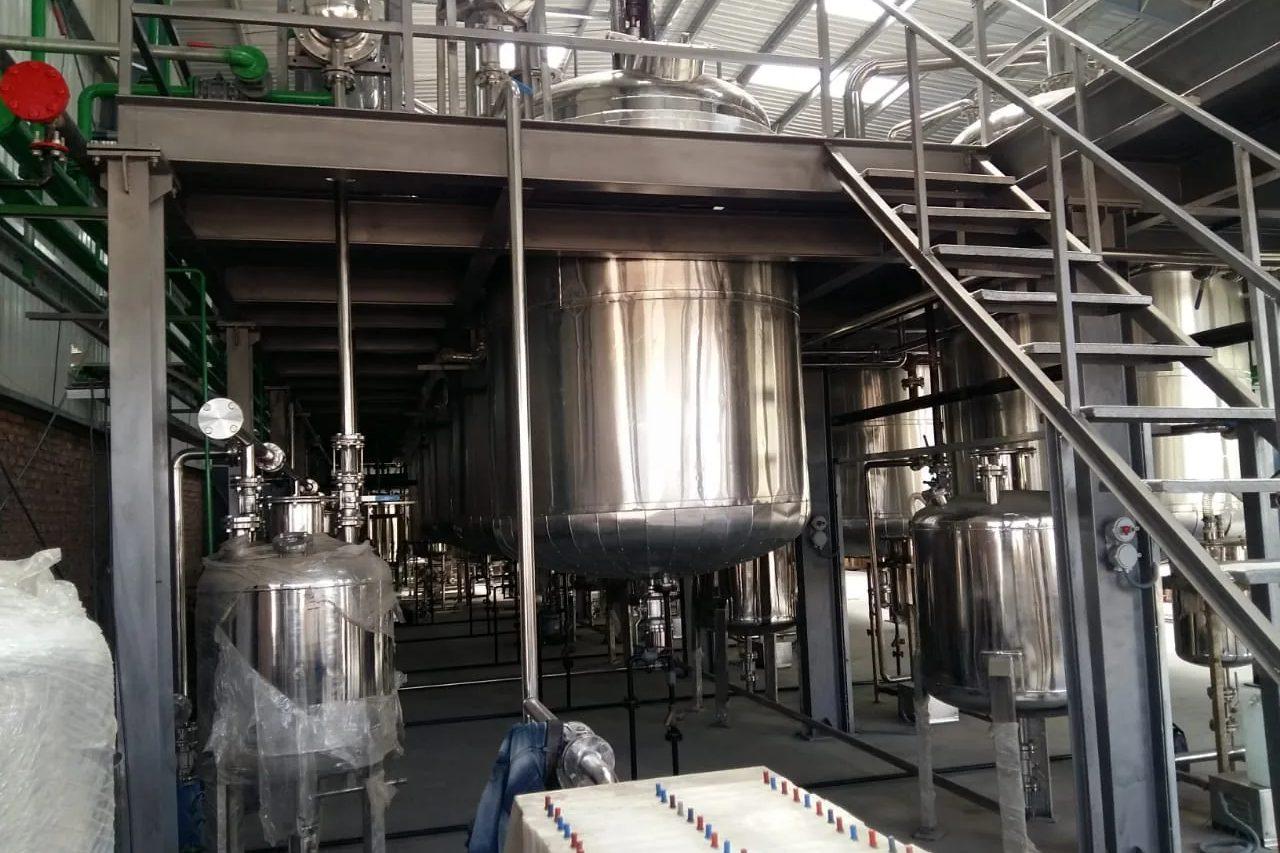
Ginger Extraction Plant
View Product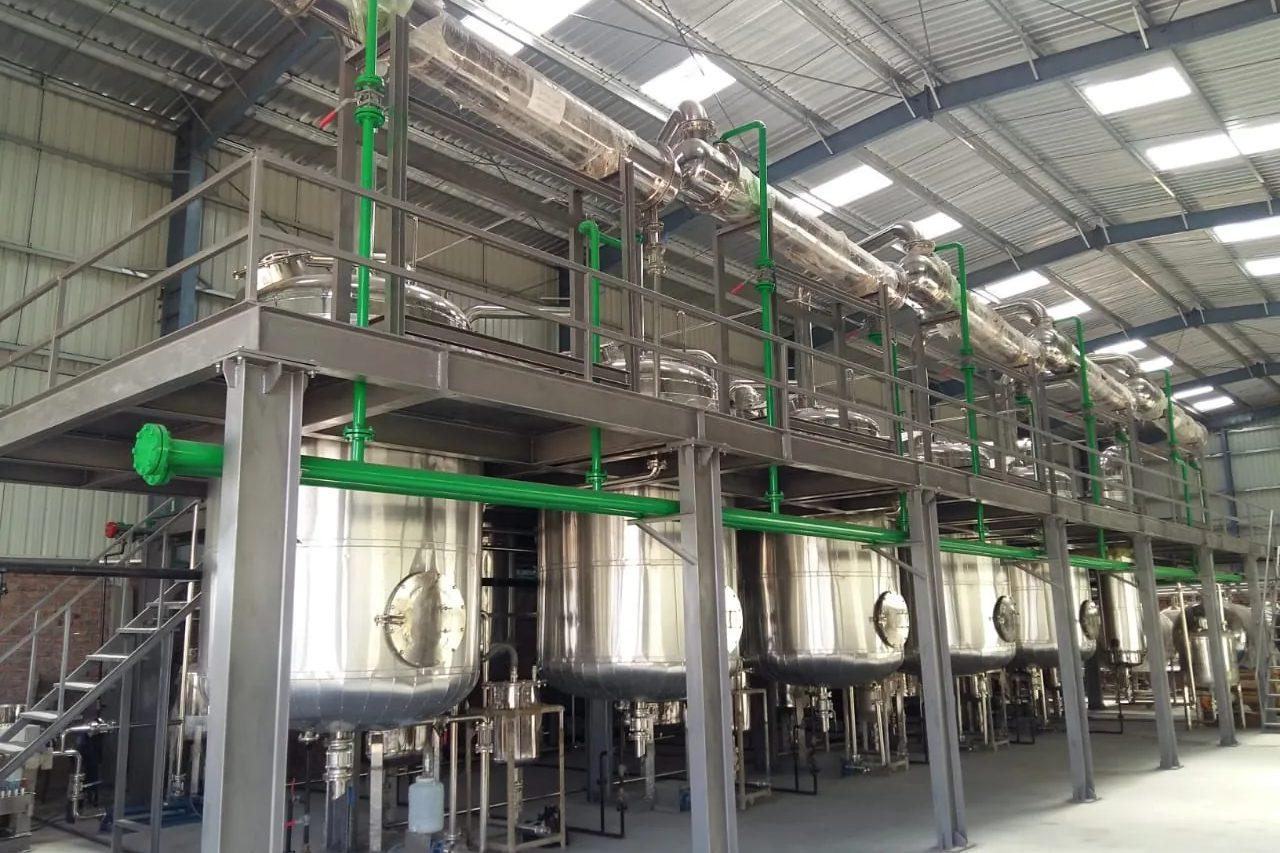
Hibiscus Extraction Plant
View Product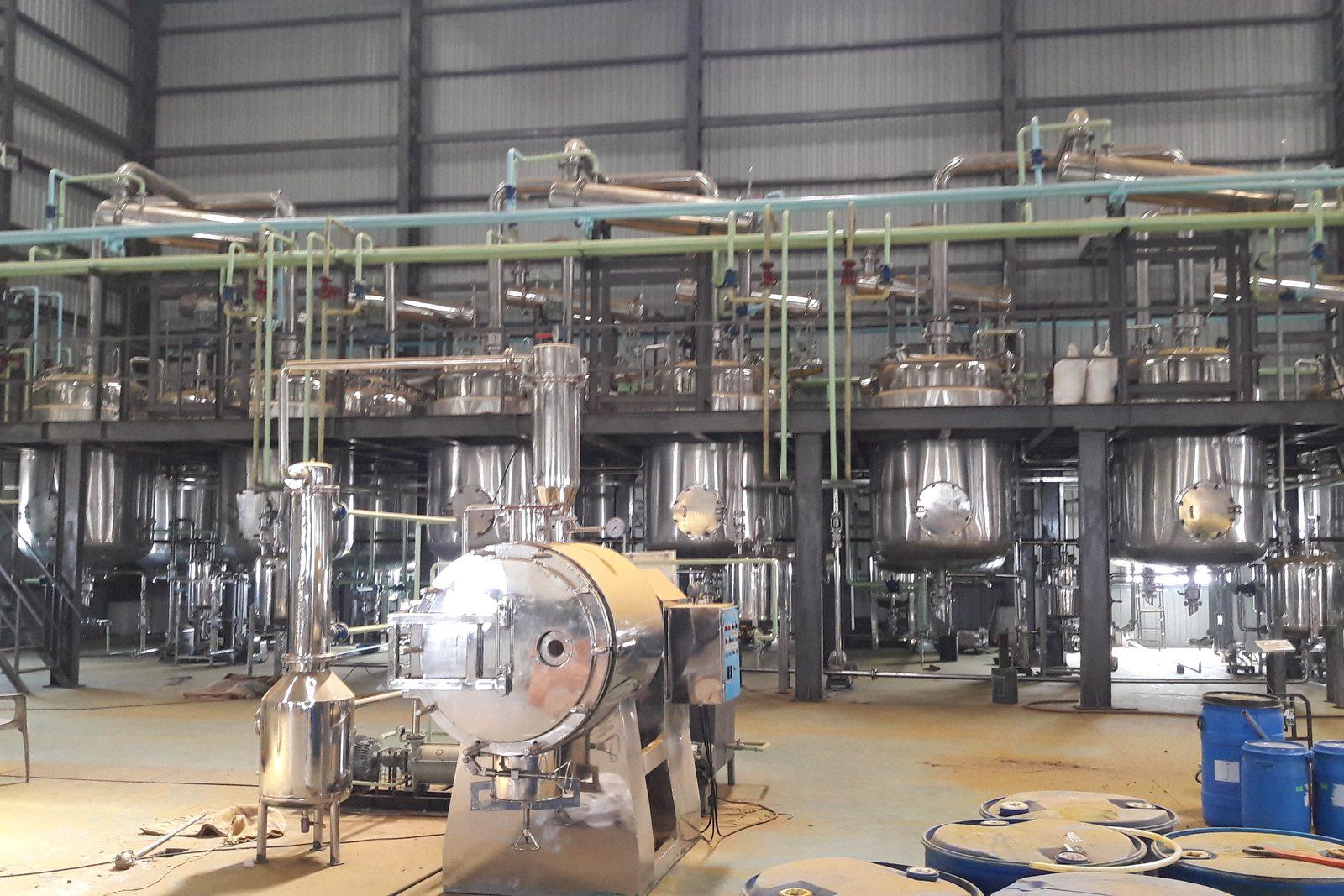
Moringa Extraction Plant
View Product
Essential Oils, Spices & Oleoresins (5)
Category guide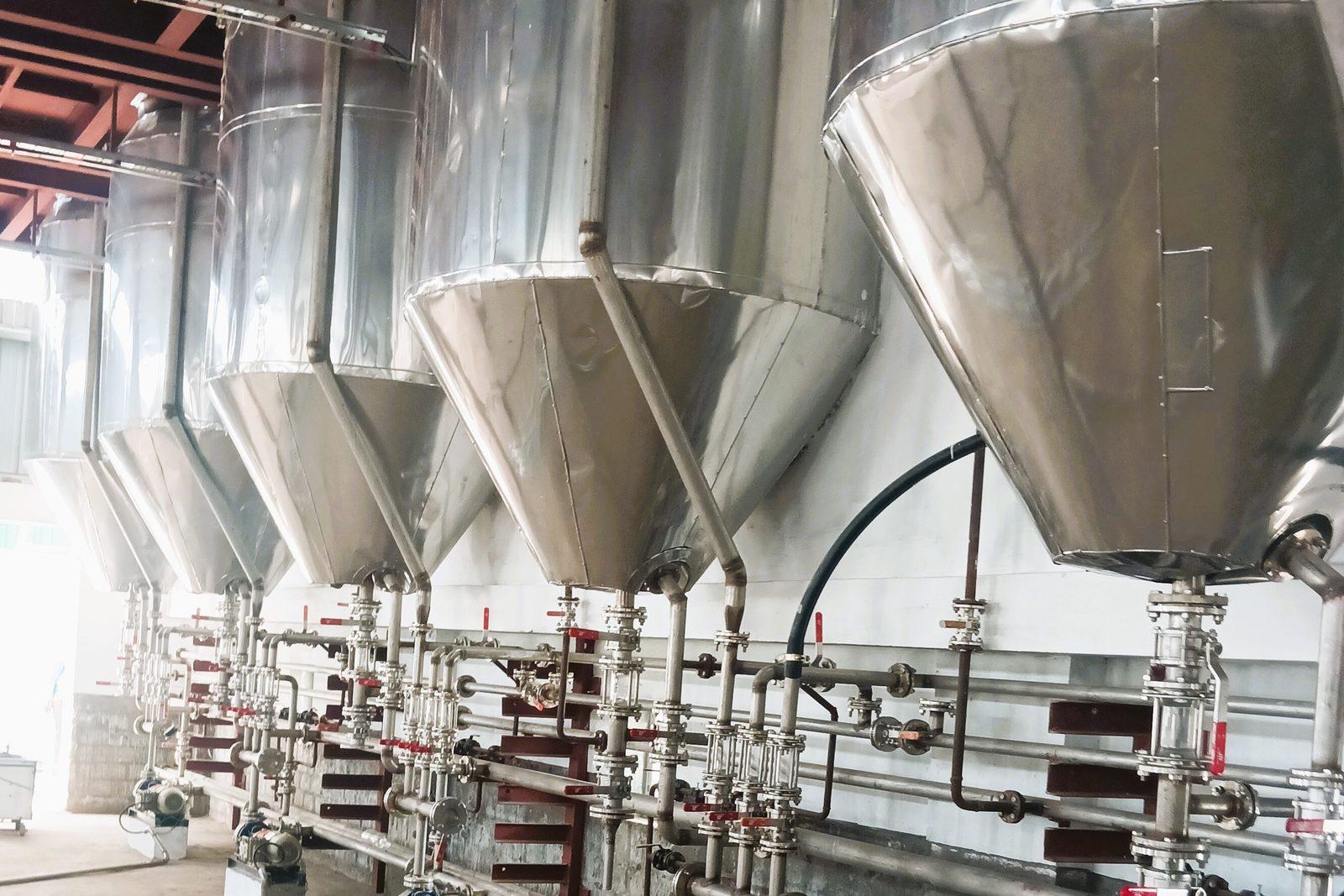
Fruit & Vegetable Processing (5)
Category guide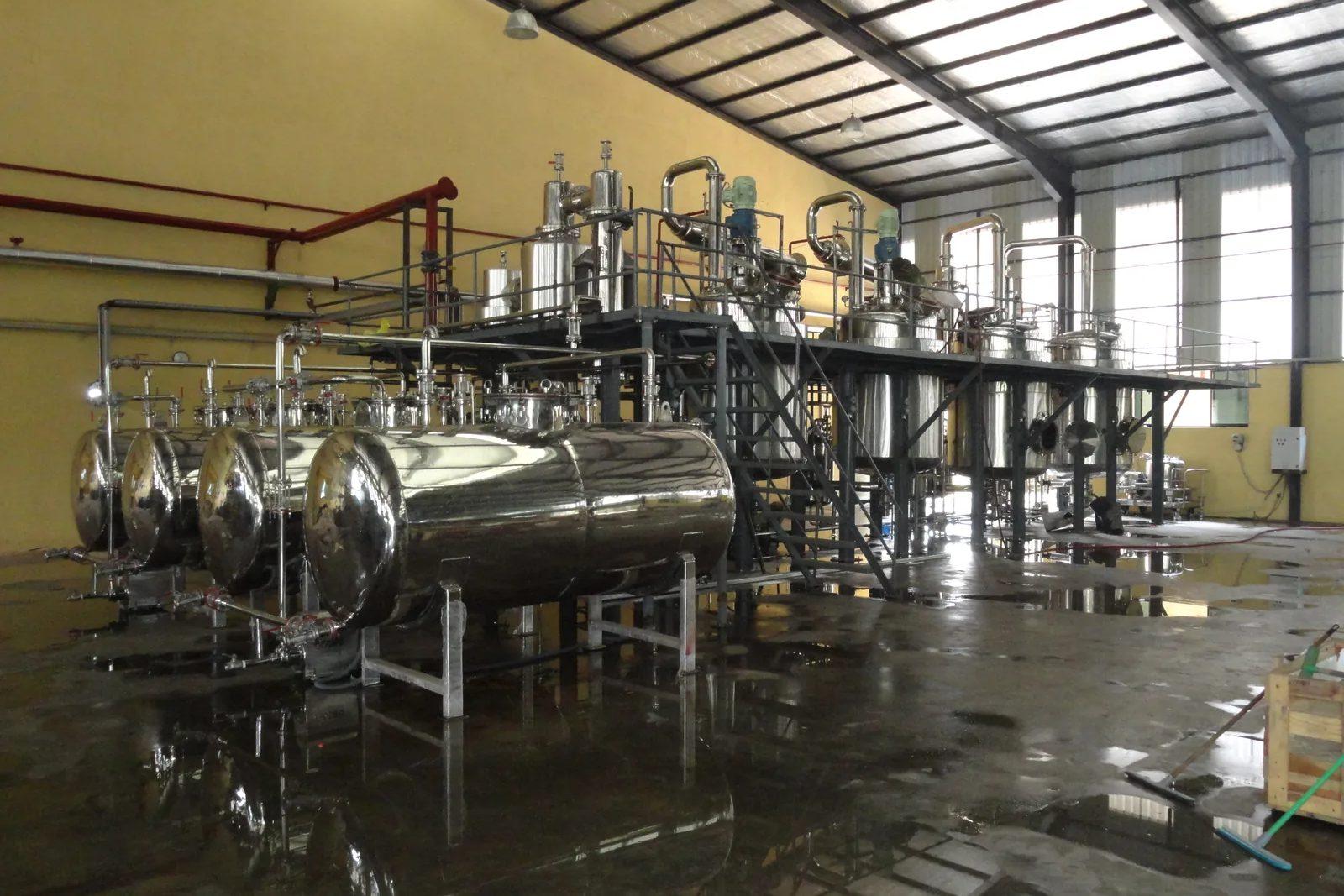
Starch, Flour, Edible Oil & Food Processing (7)
Category guide
Cassava Starch Processing Plants
View Product
Cassava Flour Processing Plants
View Product
Sunflower Oil Processing Plants
View Product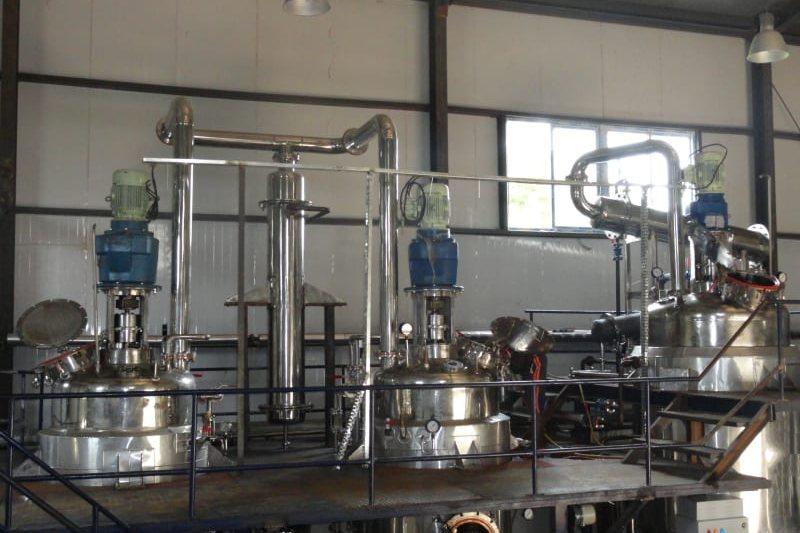
Groundnut Oil Processing Plants
View Product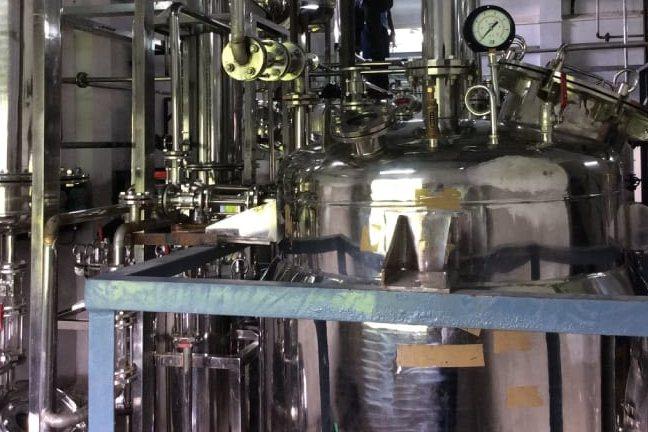
Peanut Butter Processing Plants
View Product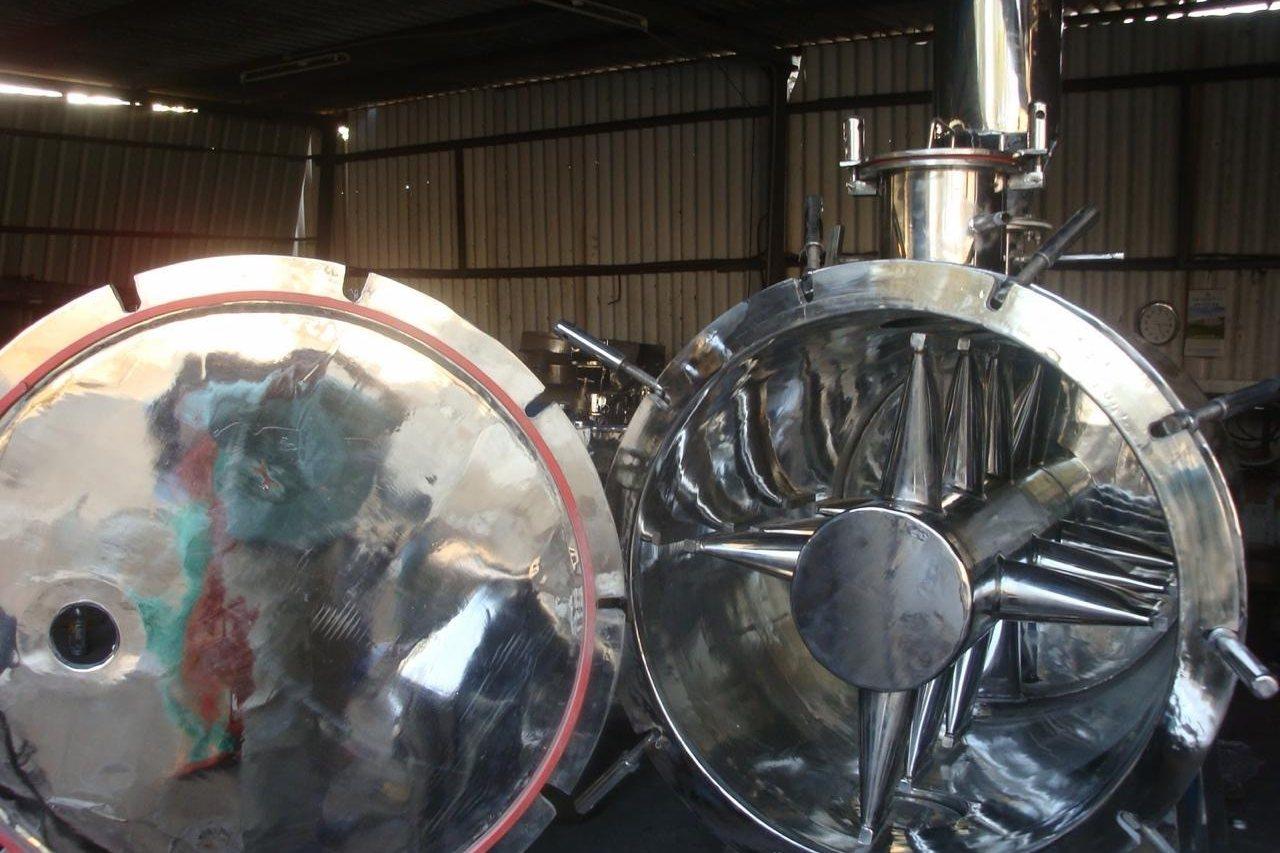
Coffee Processing Plants
View Product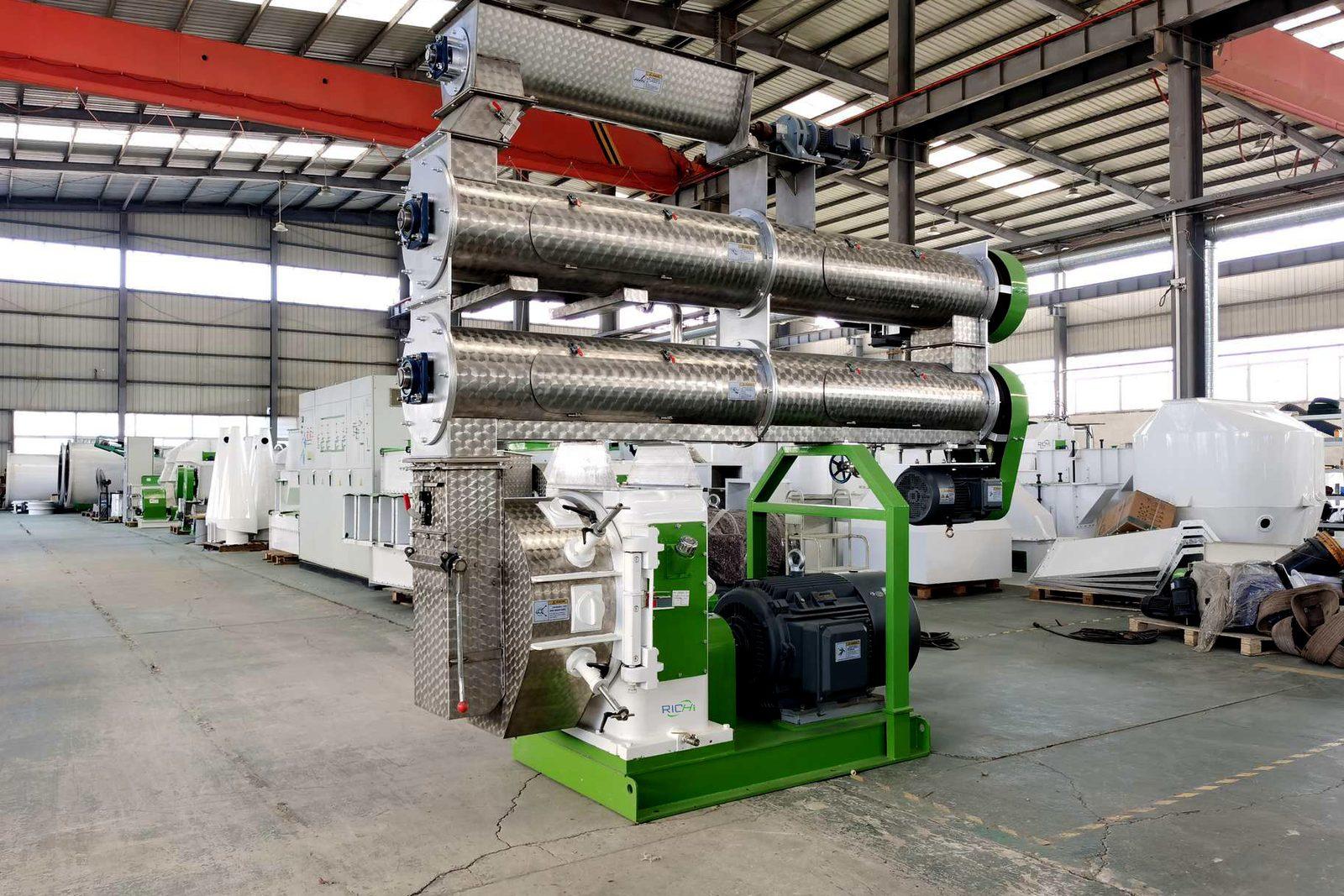
Animal Feed Plant Enquiry (Poultry, Cattle & Aqua Feed)
View Product
Drying & Dehydration Systems (5)
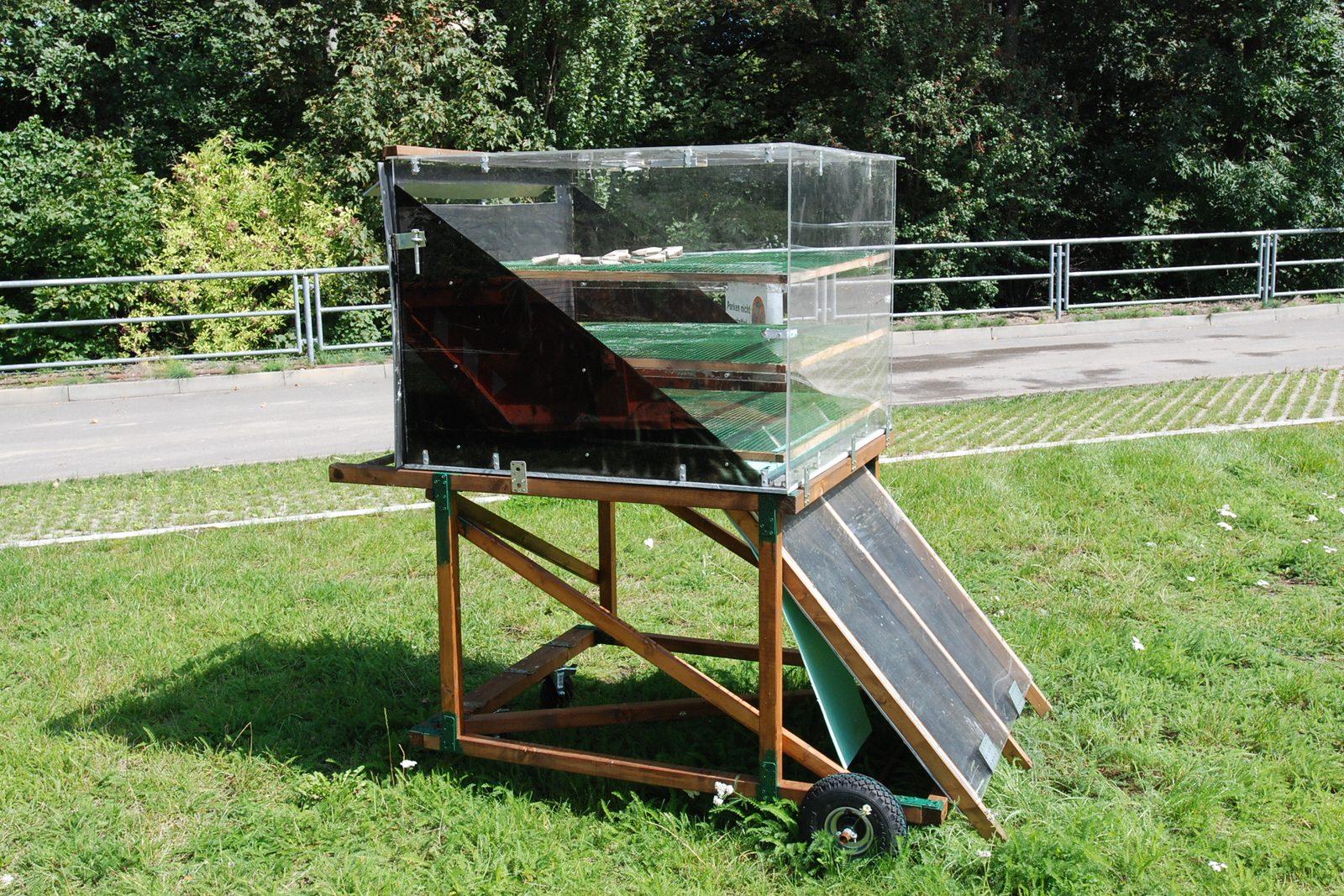
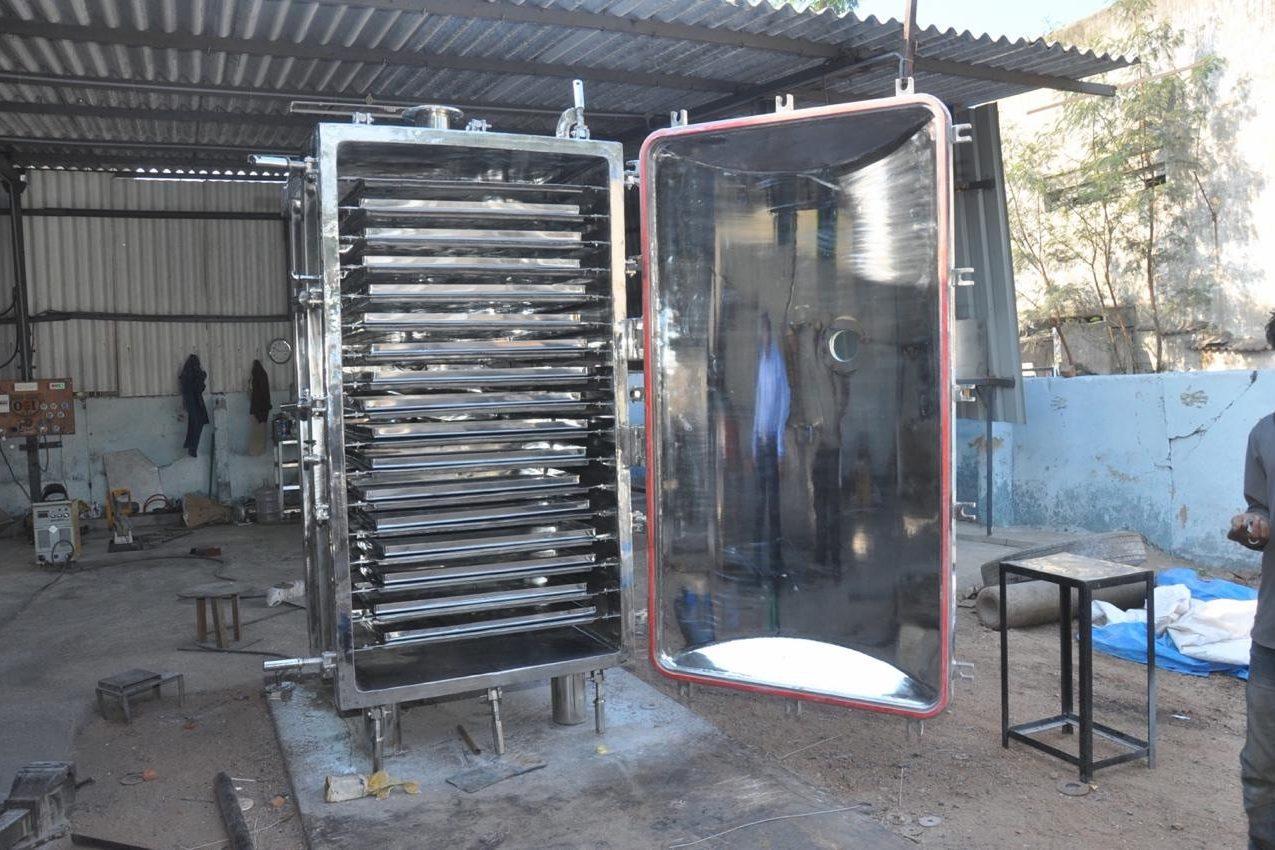
Category guide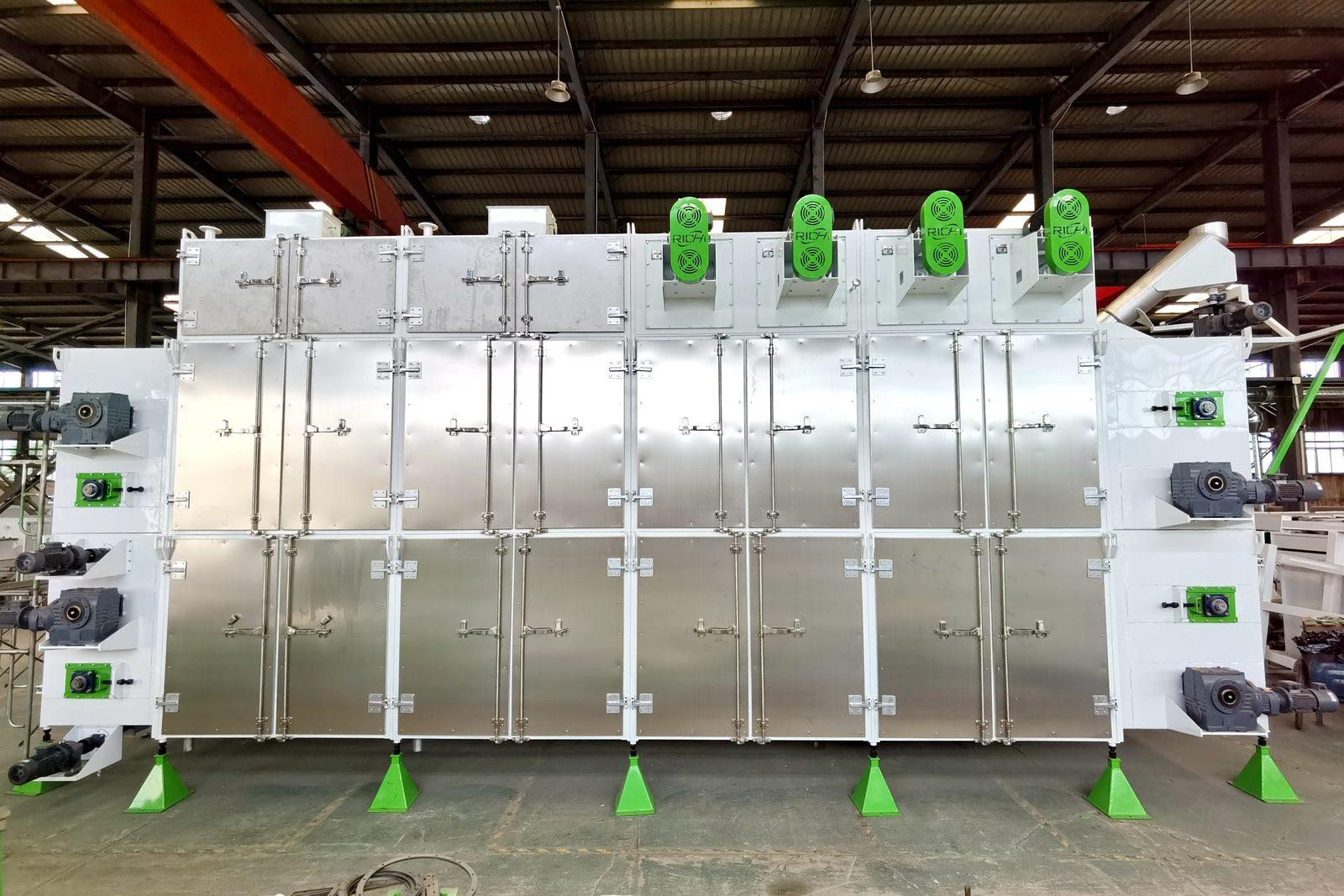
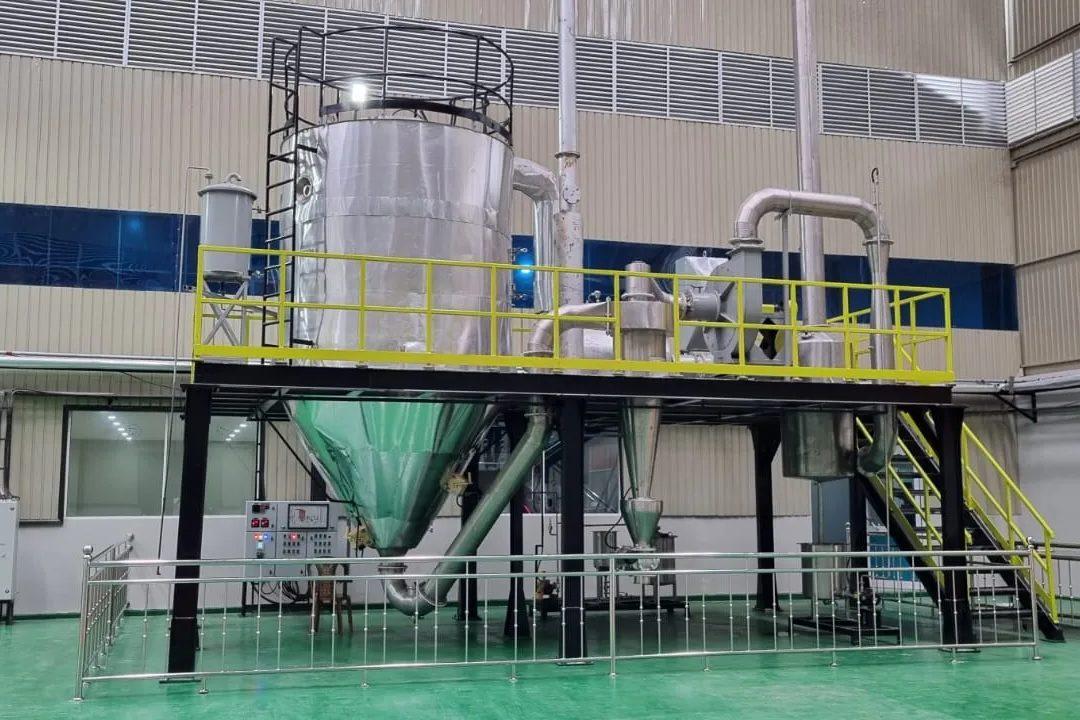
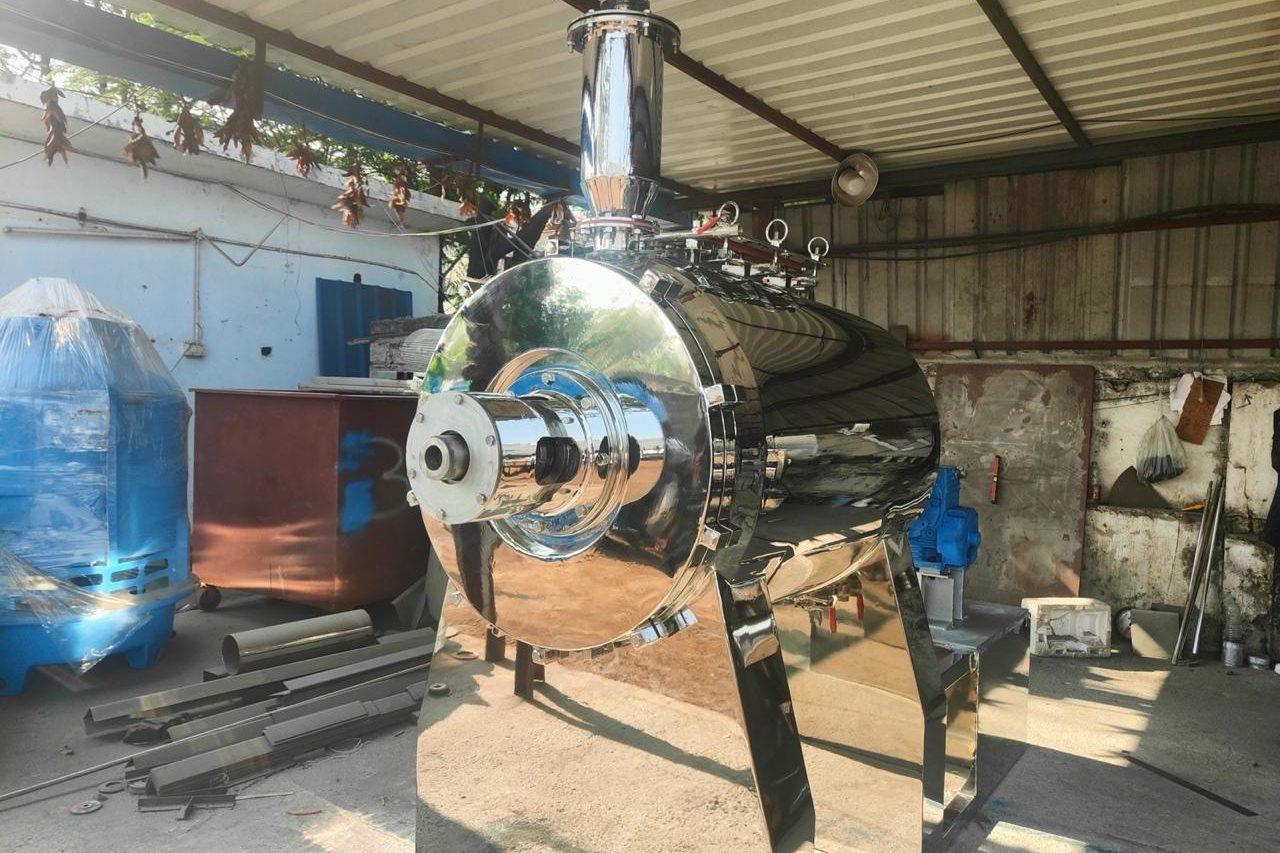
Evaporation, Concentration & Solvent Recovery (4)
Category guide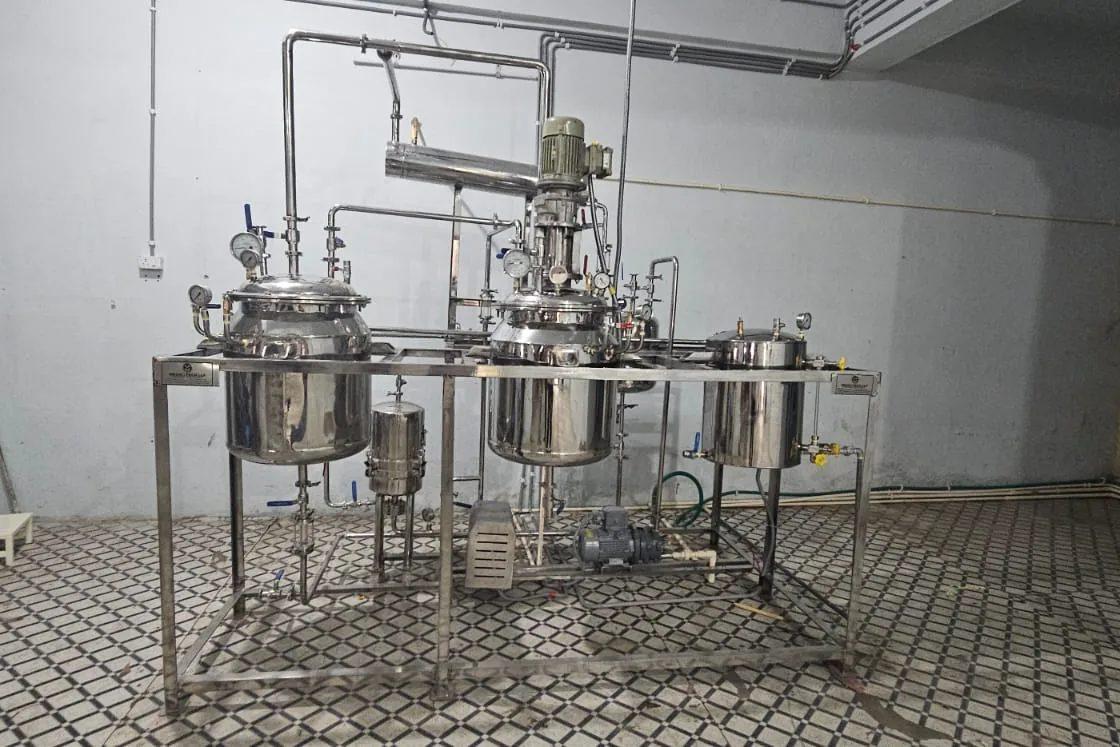
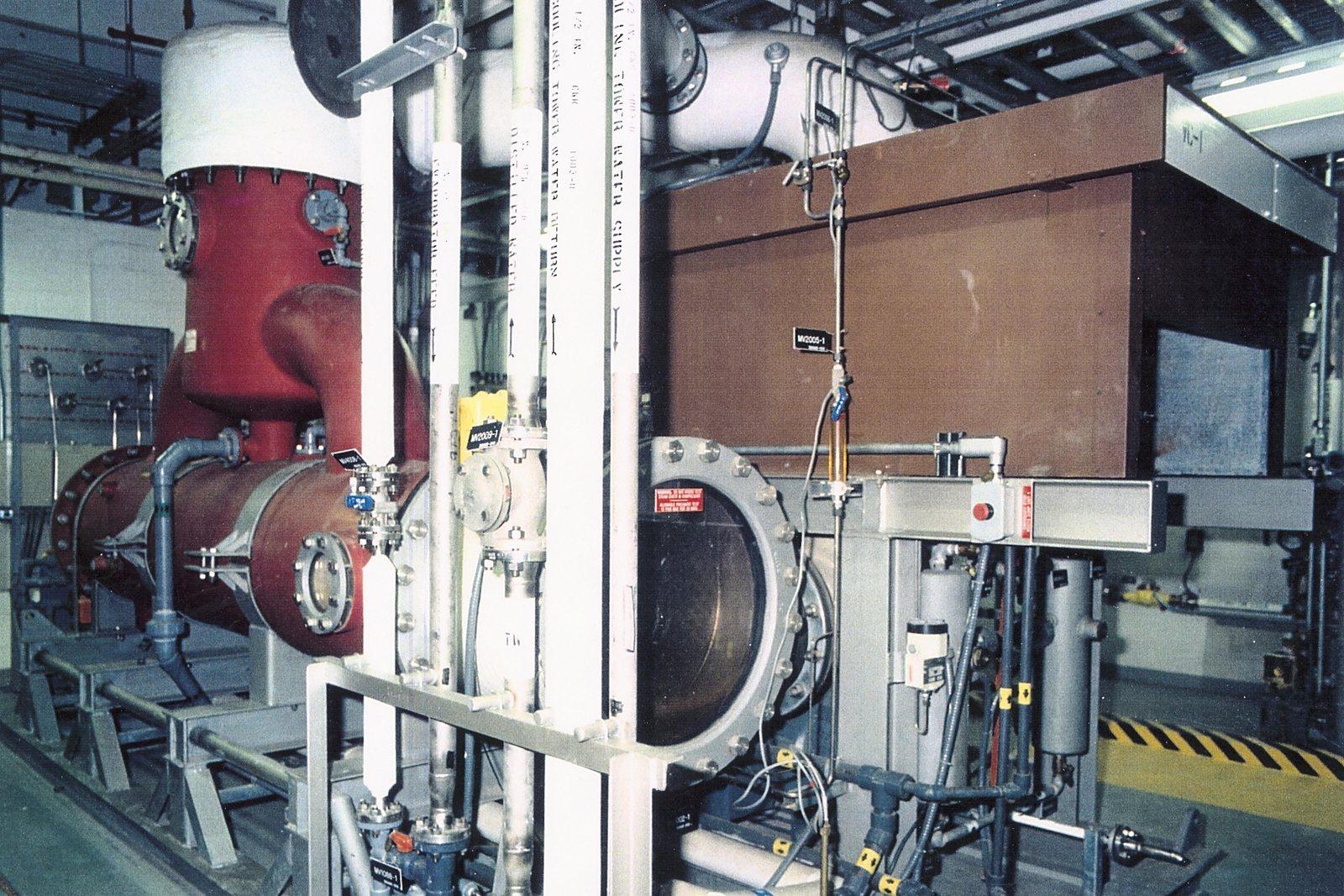
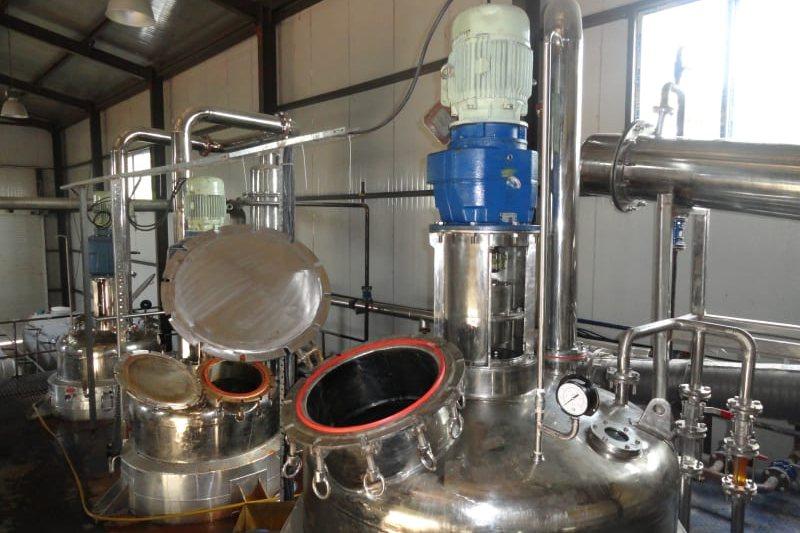
Pharmaceutical & Industrial Process Equipment (4)
Category guide
Cocoa, Shea, Palm Oil & Oilseed Processing (6)
Category guide
Cereals, Tubers & Sugar Processing (6)
Category guide
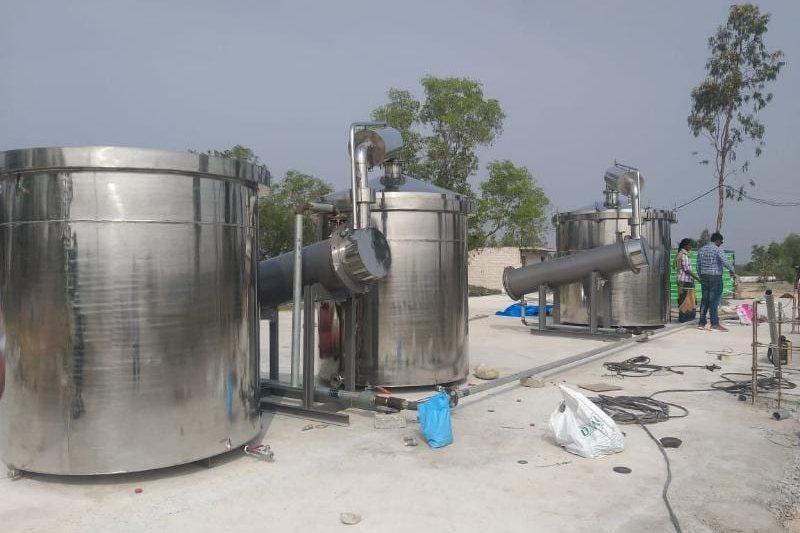
Specialty African Botanical & Natural Ingredients (9)
Category guide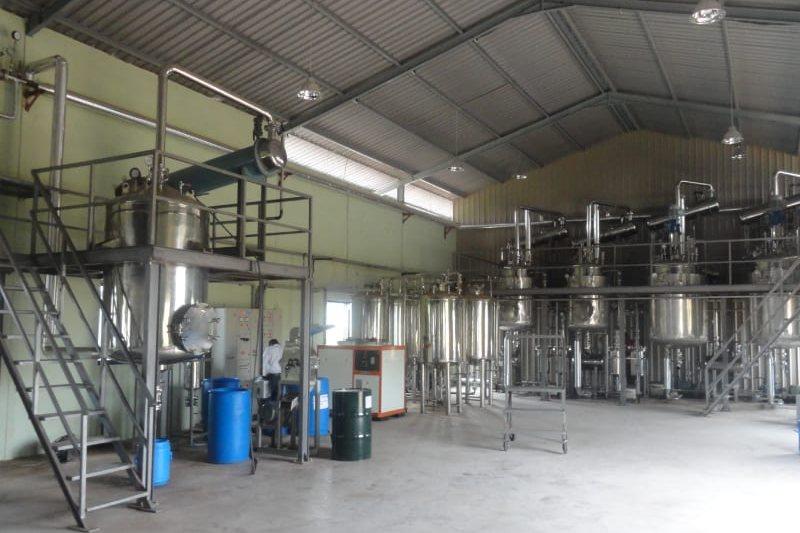
Baobab Processing & Extraction Plants
View Product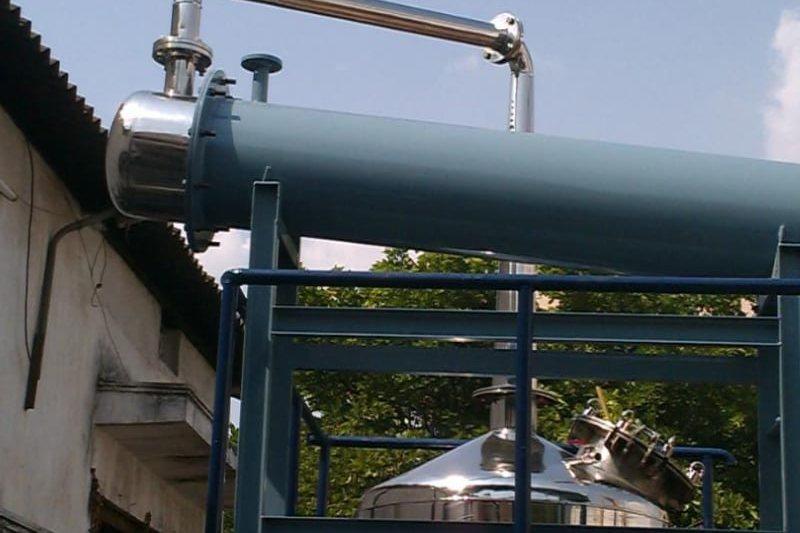
Aloe Vera
View Product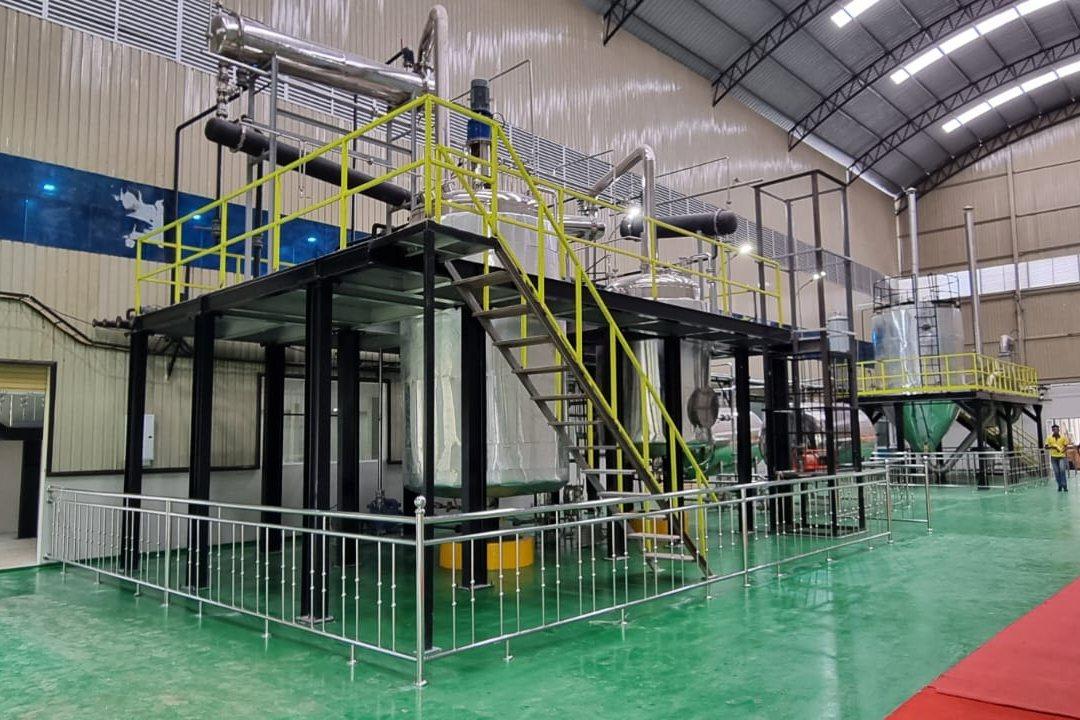
Gum Arabic Processing Plant
View Product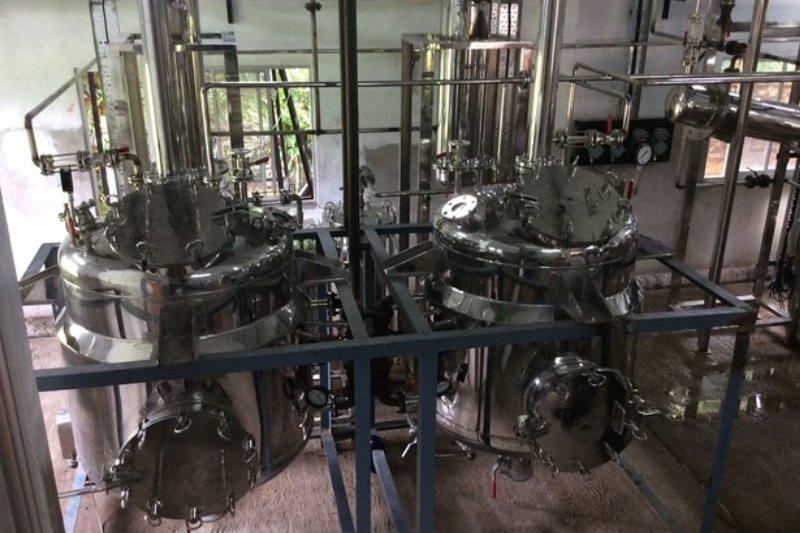
Seaweed Extraction & Drying Plants
View Product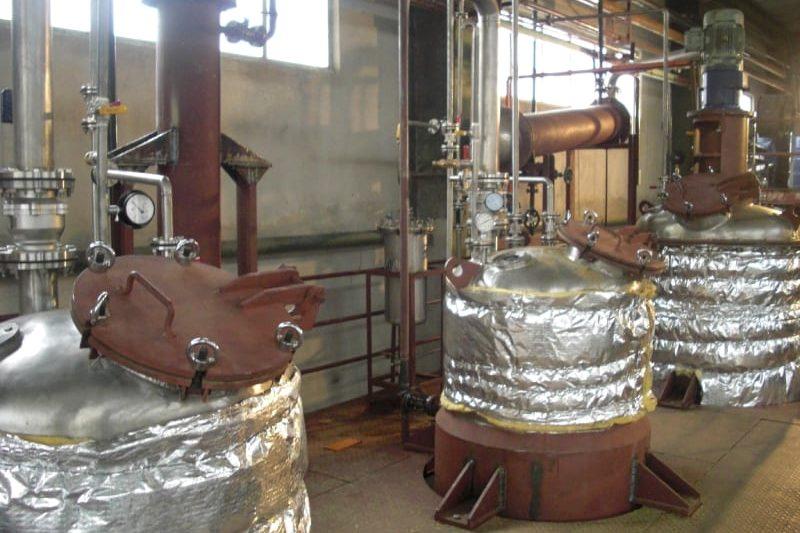
Natural Colour Extraction Plants
View Product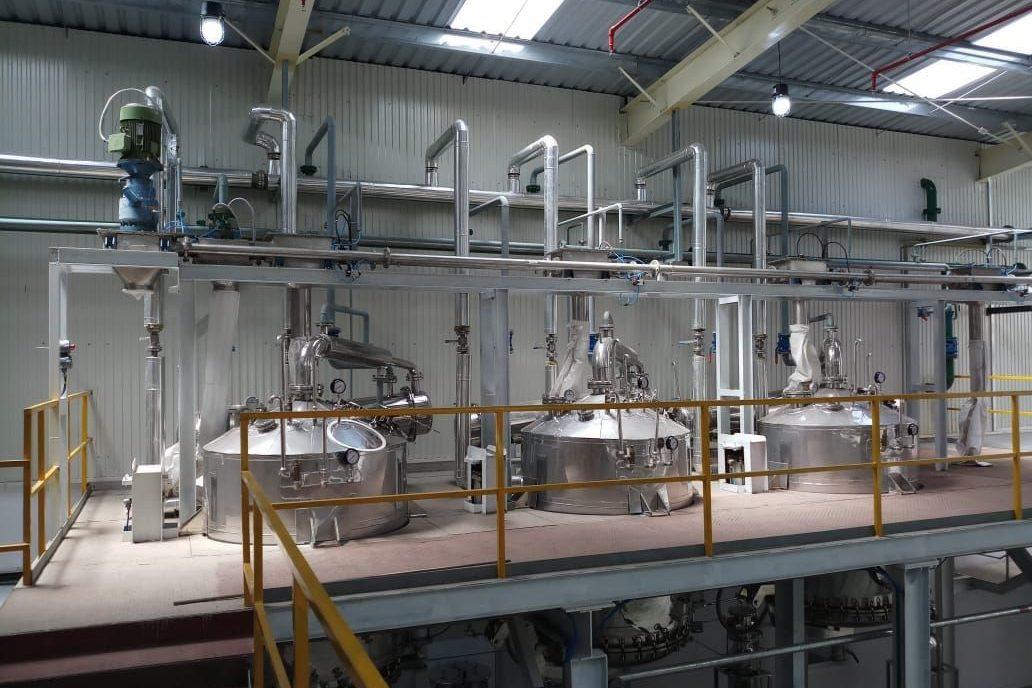
Vanilla
View Product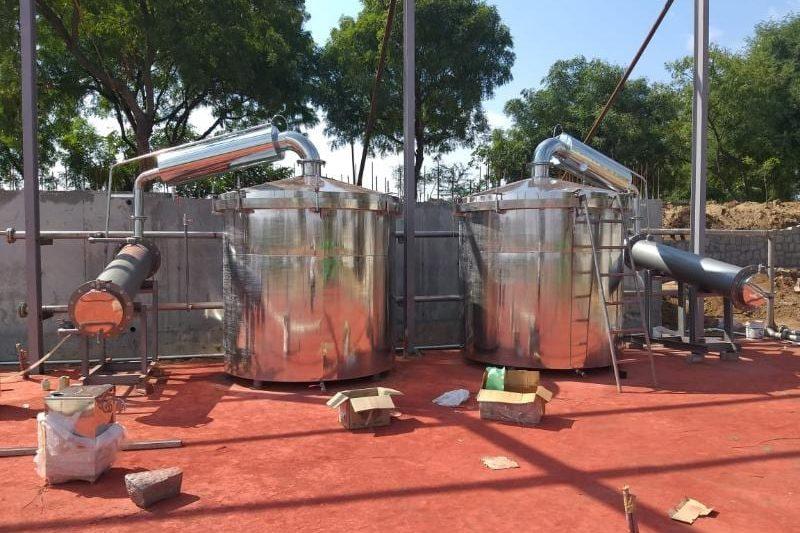
Clove Buds
View Product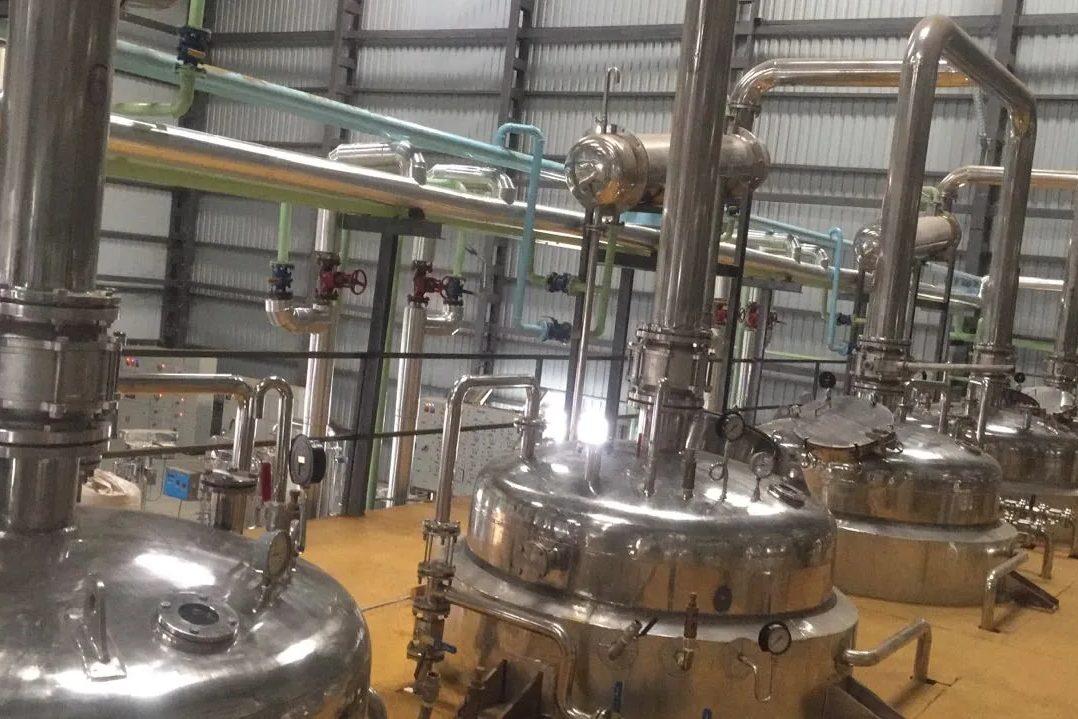
Olive Leaf Extract Powder
View Product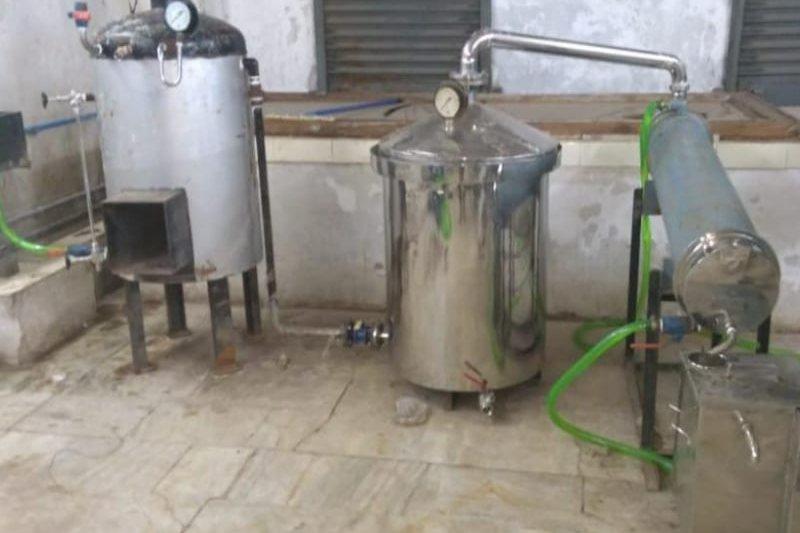
Frankincense Extraction Plant
View Product
Specialty Food, Beverage & By-Product Processing (7)
Category guide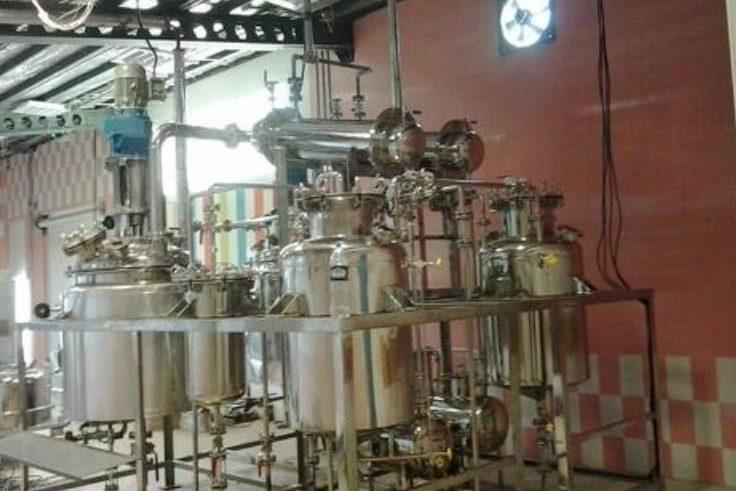
Date Processing Plant: Extracts & Concentration
View Product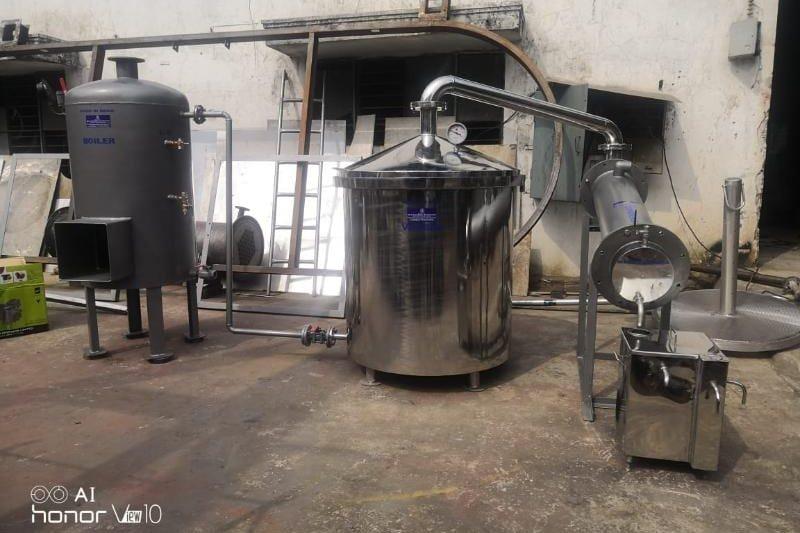
Fish Oil Recovery & By-Product Processing Plants
View Product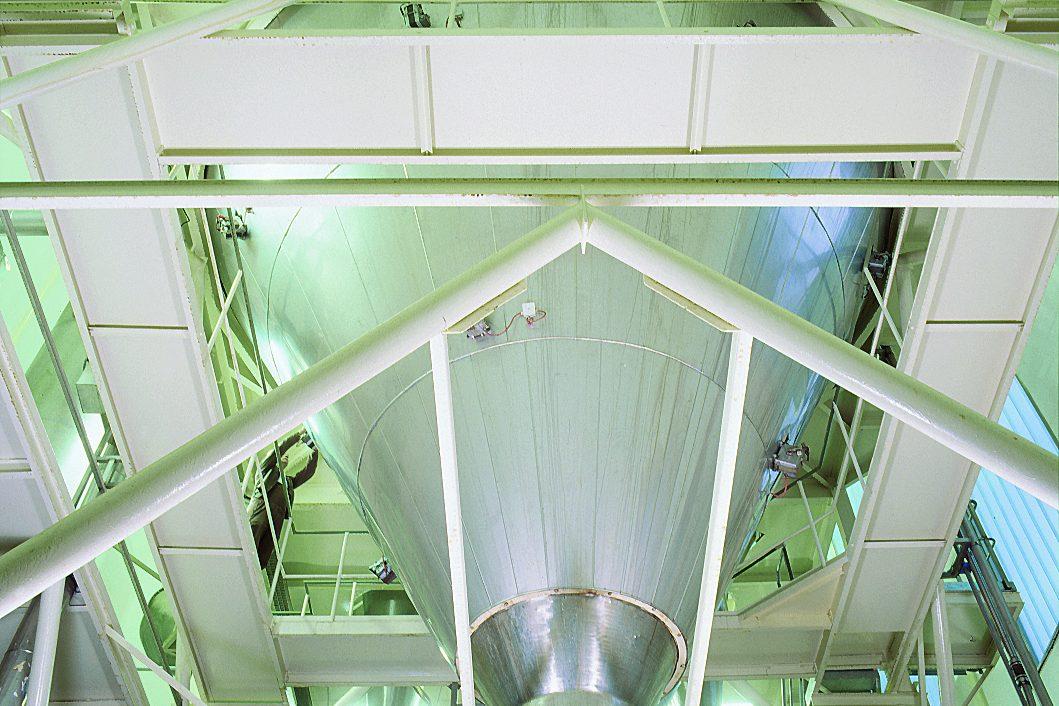
Dairy Evaporation & Spray Drying Plants
View Product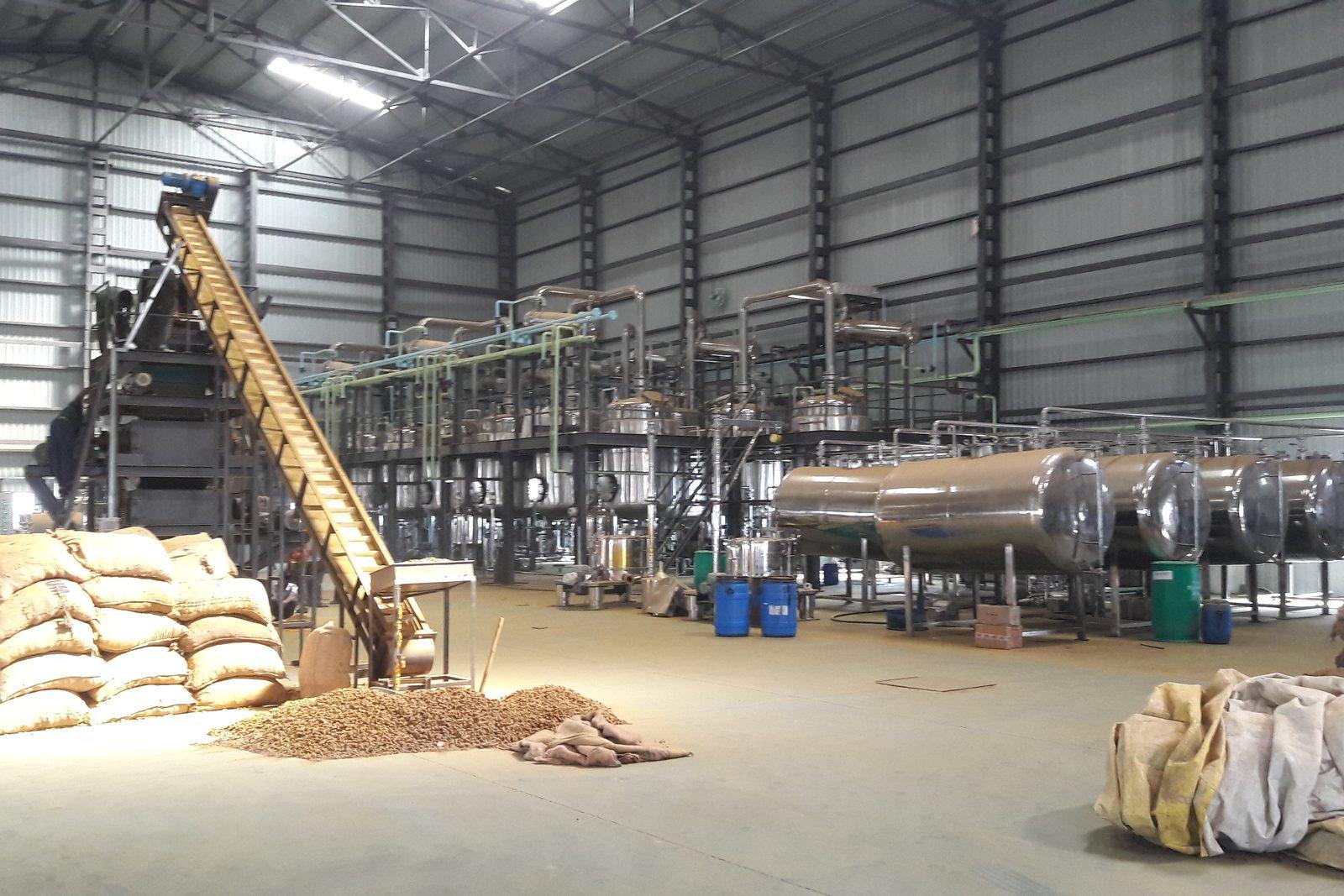
Tea Extraction & Concentration Plants
View Product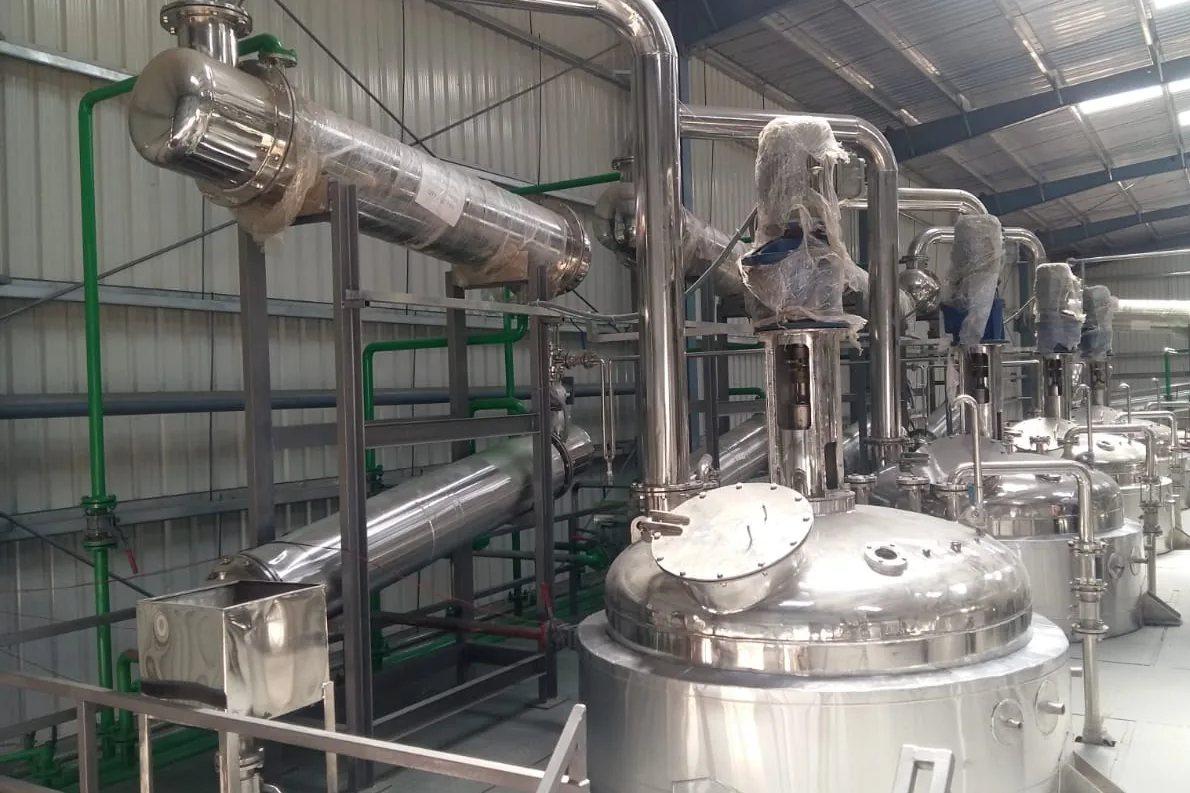
Coffee Extraction & Concentration Plants
View Product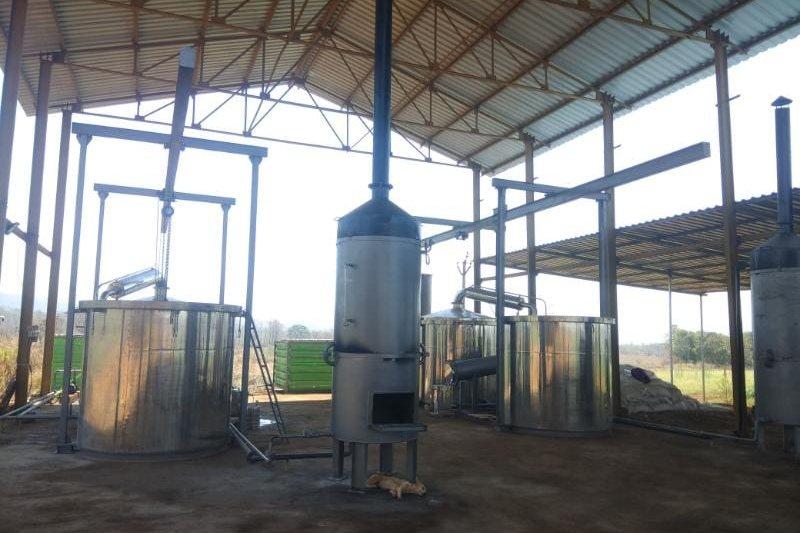
Coconut Oil & Milk Processing Plants
View Product
Onion & Garlic Dehydration Plants
View Product
What to Settle Before You Ask for a Proposal
Port access and inland distance
Tanger Med handles container cargo, so equipment can arrive by sea and then travel by road to plant sites inland. Road distances and access to the Atlas and the south are worth checking early for heavy loads.
Group scale for argan
Argan oil is traditionally extracted by rural women, and the tree grows in a limited area of the south-west. Size cracking, roasting and pressing capacity to the kernel supply of the group it serves, settle how nuts are collected and tracked, and leave room to add capacity later.
Water use and scarcity
Parts of the country are dry, so water use in washing, cooling and condensers matters. Recirculation and efficient heat recovery are worth specifying for juice, tomato and distillation plants.
Industries to read next
Essential Oil & Oleoresin Solutions
Rosemary and other aromatic herbs give oil producers a reason to look at distillation equipment suited to small and medium batches, including the mapped aromatic oil plants.
Read the industry pageAgro & Food Processing Solutions
Citrus juice and tomato paste or powder products are relevant to food processors working with these crops; the mapped citrus and tomato lines are worth discussing for this group.
Read the industry pageHerbal & Botanical Extraction Solutions
Botanical extraction lines suit makers of herbal ingredients who source from herb growers and collectors and need controlled extraction and concentration.
Read the industry page
From Enquiry to a Running Plant
Enquiries for Morocco Projects
Kadali Africa Ventures Limited, Accra
421, University Road
Sowutuom
Accra, Ghana
Questions About Plants for Morocco
How is argan oil made, and what must an argan line for Morocco settle?
The fruit is dried and pulped, the nuts are broken, and the kernels are roasted for culinary oil or left raw for cosmetic oil, then cold-pressed, settled and filtered. The group's kernel supply and whether it wants culinary or cosmetic oil shape the final scope.
Can citrus juice be concentrated for storage and shipment?
Citrus juice is extracted and finished, and evaporation is the usual route to a concentrate for storage and shipment. Whether a given plant suits your fruit is confirmed in the technical proposal, so please state the fruit type and daily intake.
Are rosemary and other aromatic herbs suited to steam distillation?
Aromatic crops such as rosemary and thyme are classic steam-distillation materials. The plant yields essential oil and floral water, and the batch size depends on the harvest of the grower or group supplying the material.
Does Kadali Africa Ventures have an office in Morocco?
Kadali Africa Ventures Limited has offices in Accra, Ghana and Kano, Nigeria, and none in Morocco. Engineering and manufacturing scope for each product is confirmed in the technical proposal.
What should I send for a Morocco project proposal?
Use the form on this page. Give your raw material, the product you want to make, the capacity and its basis (for example kg per hour or tonnes per day) and your site.
Planning a project in Morocco?
Send your raw material, target product and capacity. We will come back with the process route and equipment scope for your project.
Tell us about your Morocco project
Only name, email, phone and industry are required. The more you share about raw material and capacity, the more precise our proposal.