
Gum Arabic, Sesame, Hibiscus and Date Processing Plants for Sudan
See which gum arabic, oilseed, hibiscus, date and herbal plants are relevant to Sudan's raw materials, and use the page to ask for a technical proposal.
- 8 products in 6 categories, listed for Sudan
- Engineering and manufacturing scope confirmed in the technical proposal
Kadali Africa Ventures Limited has offices in Accra, Ghana and Kano, Nigeria, and no office in Sudan; enquiries from Sudan are handled from the Accra office.
From the gum belt to the northern date palms
Several of Sudan's raw materials offer a route towards cleaned, extracted or concentrated products. Gum arabic, tapped from acacia trees within a gum belt zone, is exported from Sudan. Sudan produces and exports sesame, and groundnuts are a cash crop in Darfur, so both oilseeds can be pressed locally; hibiscus calyces, used for the red infusion often called karkade, are a plant material that can be dried and extracted. Dates are grown mainly under irrigation in the north.
For gum arabic the processing questions are cleaning, sorting, dissolving, filtration and spray or other drying into a consistent powder. For sesame and groundnuts they are seed cleaning, drying and pressing, followed by filtration of the oil. Hibiscus can be dried and also extracted into colour- and flavour-rich concentrates, while dates can be pitted and processed into paste, syrup or concentrated extracts. Herbal and spice materials benefit from controlled drying that protects colour and aroma.
Buyers are likely to be commodity exporters moving into value addition, agro-processors, ingredient manufacturers and cooperatives. The climate ranges from desert in the north to savanna in the south, so dust control, hygiene and consistent moisture levels are important when the output is a food or beverage ingredient.
Products Relevant to Sudan
8 of the 73 products in the catalogue are listed for Sudan, in 6 categories: Herbal, Botanical & Nutraceutical Extraction (3), Starch, Flour, Edible Oil & Food Processing (1), Drying & Dehydration Systems (1), Cocoa, Shea, Palm Oil & Oilseed Processing (1), Specialty African Botanical & Natural Ingredients (1), Specialty Food, Beverage & By-Product Processing (1). The plants for Sudan’s own raw materials come first. A listing is a catalogue listing, not a statement of demand or supply; the final configuration depends on your raw material, target product and capacity.
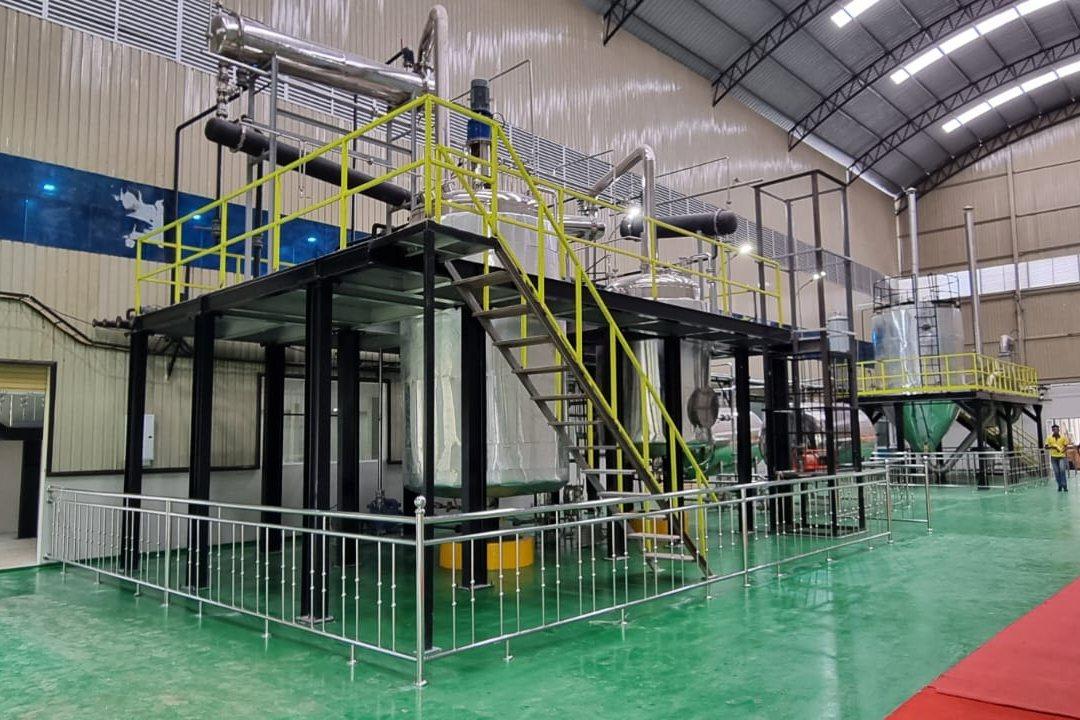
Gum arabic
Gum arabic is tapped from acacia trees, so cleaning, sorting, dissolving, filtering and drying into a uniform powder are the steps that decide the quality of the ingredient.
Sesame
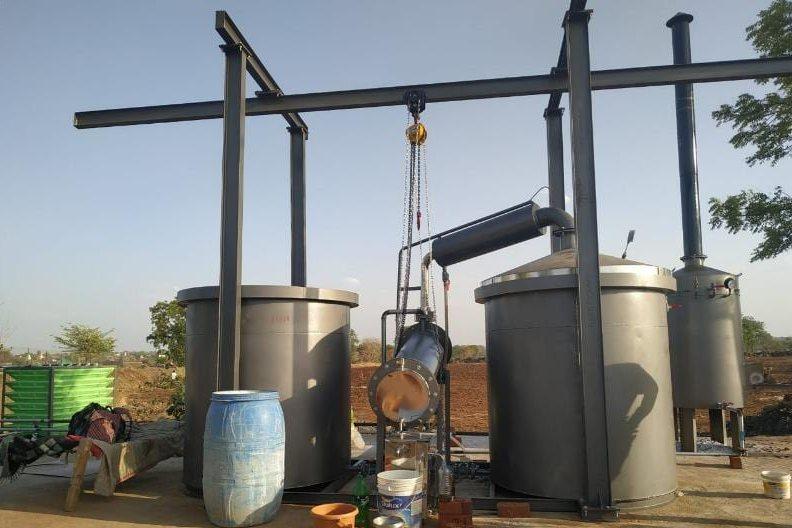
Sesame is an oilseed that can be sold as raw seed; cleaning, drying and pressing allow a processor to produce oil and a pressed cake instead.
Groundnuts
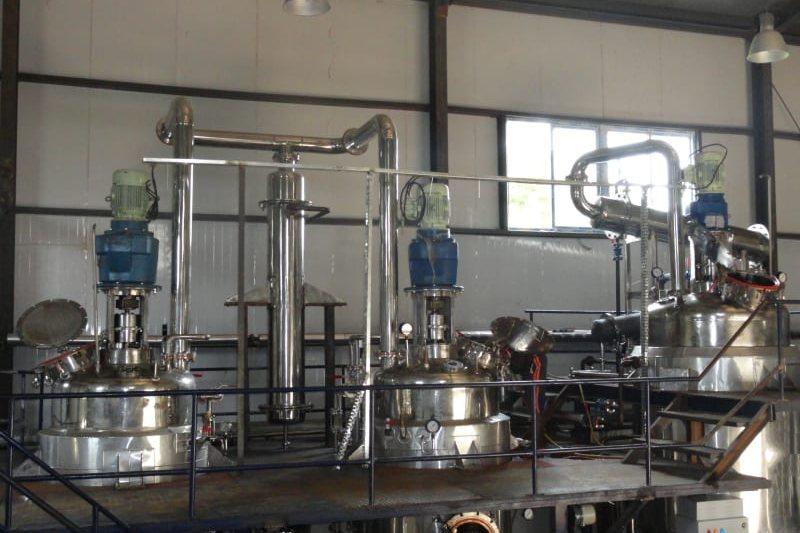
Groundnuts are an oilseed, and shelling, careful drying to protect oil quality and then pressing and filtration are the plant steps a prospective processor should look at.
Hibiscus (karkade)
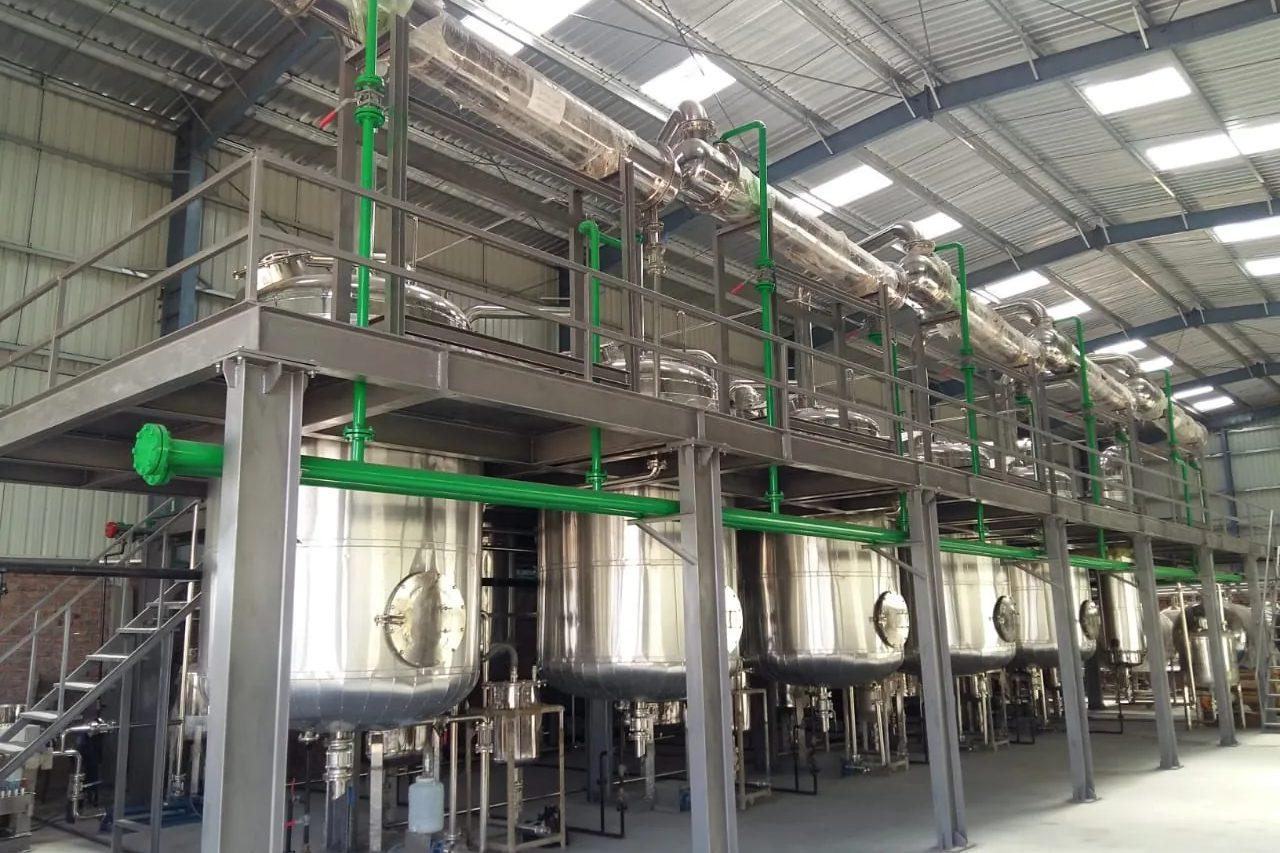
Dried hibiscus calyces are known for their deep red colour and tart flavour, and extraction followed by concentration can turn them into a liquid or powdered beverage and colouring base.
 For Hibiscus (karkade)
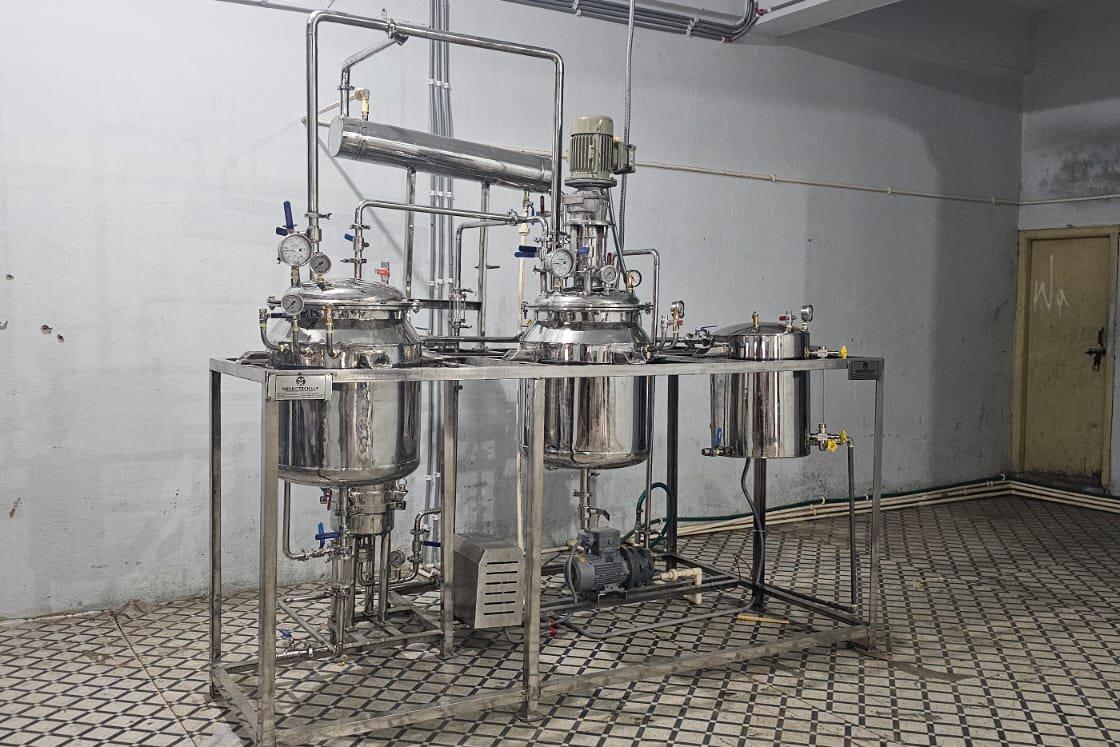
Hibiscus Extraction Plant
Hibiscus extraction plant for natural red colour, anthocyanins, calyx mucilage or liquid extract. Confirm species, feed and route, then ask for a proposal.
View Product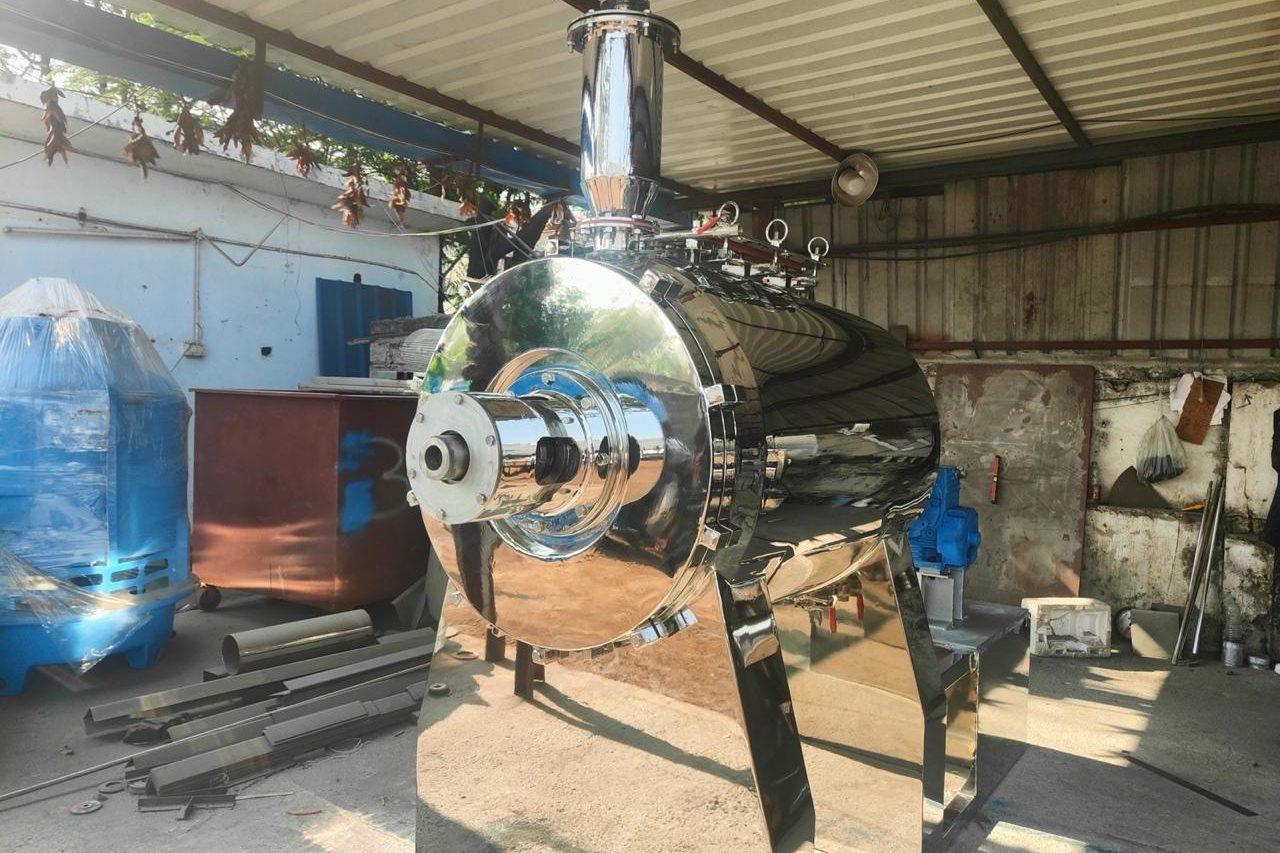 For Hibiscus (karkade)
Spice & Herbal Drying Plants
A spice and herb drying plant removes water from leaf, flower, root, seed and fruit under controlled temperature and airflow, so colour, aroma and drying time are managed instead of left to the weather.
View Product
Dates
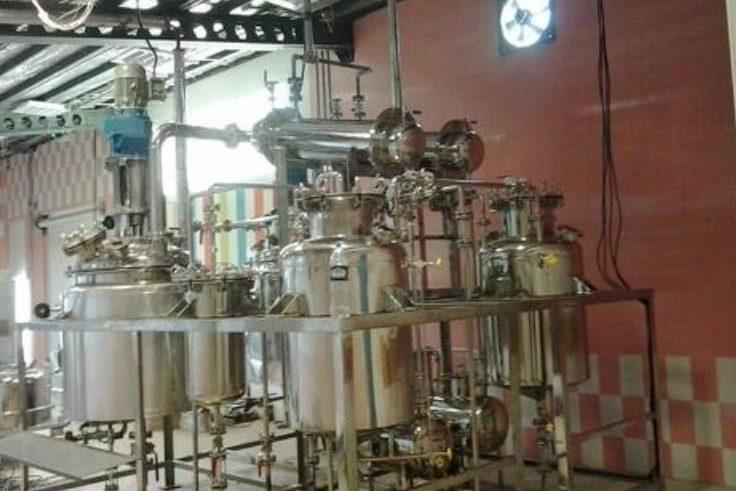
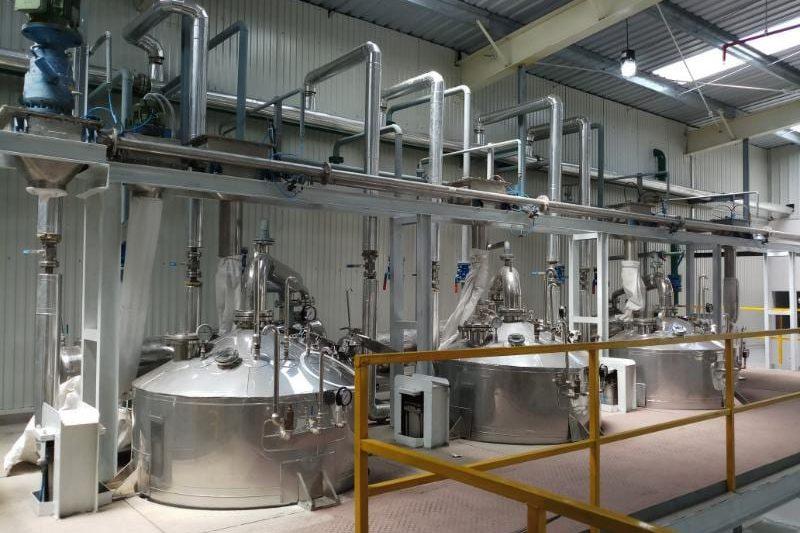
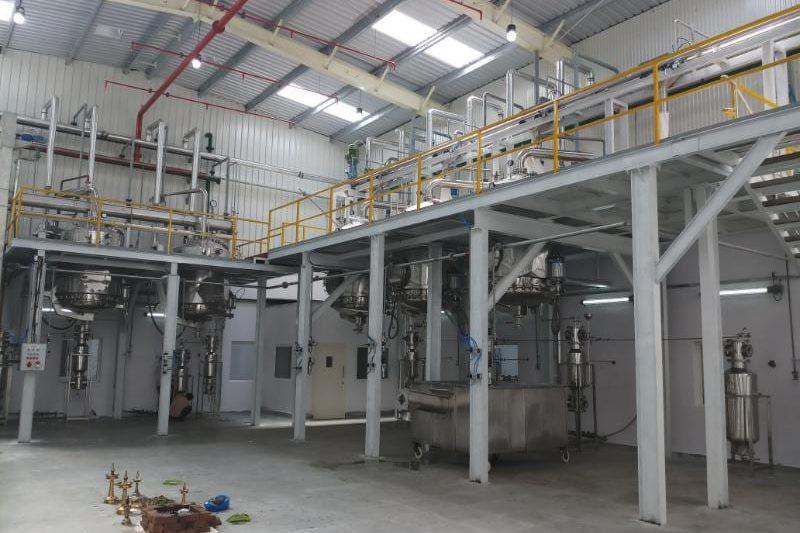
Date palms are grown mainly under irrigation in the north, and after pitting the fruit can be processed into paste, syrup or concentrated extract through extraction and evaporation.
More Plants and Equipment, by Category
The other 65 products of the 73-product catalogue, by category. A product that is not listed for Sudan is not ruled out: tell us your raw material and target product. Request a technical proposal
Herbal, Botanical & Nutraceutical Extraction (6)
Category guide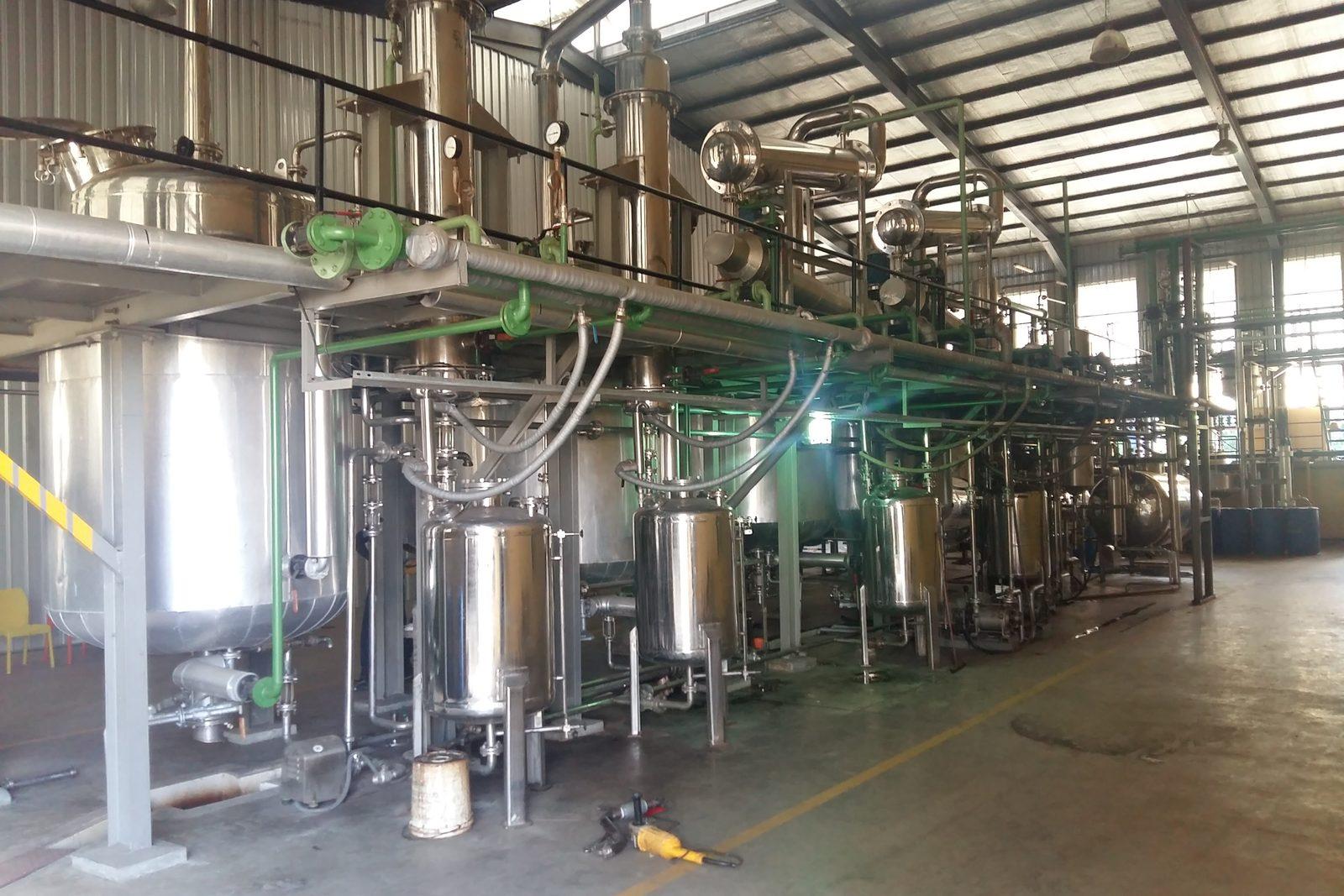
Essential Oils, Spices & Oleoresins (6)
Category guide
Fruit & Vegetable Processing (8)
Category guide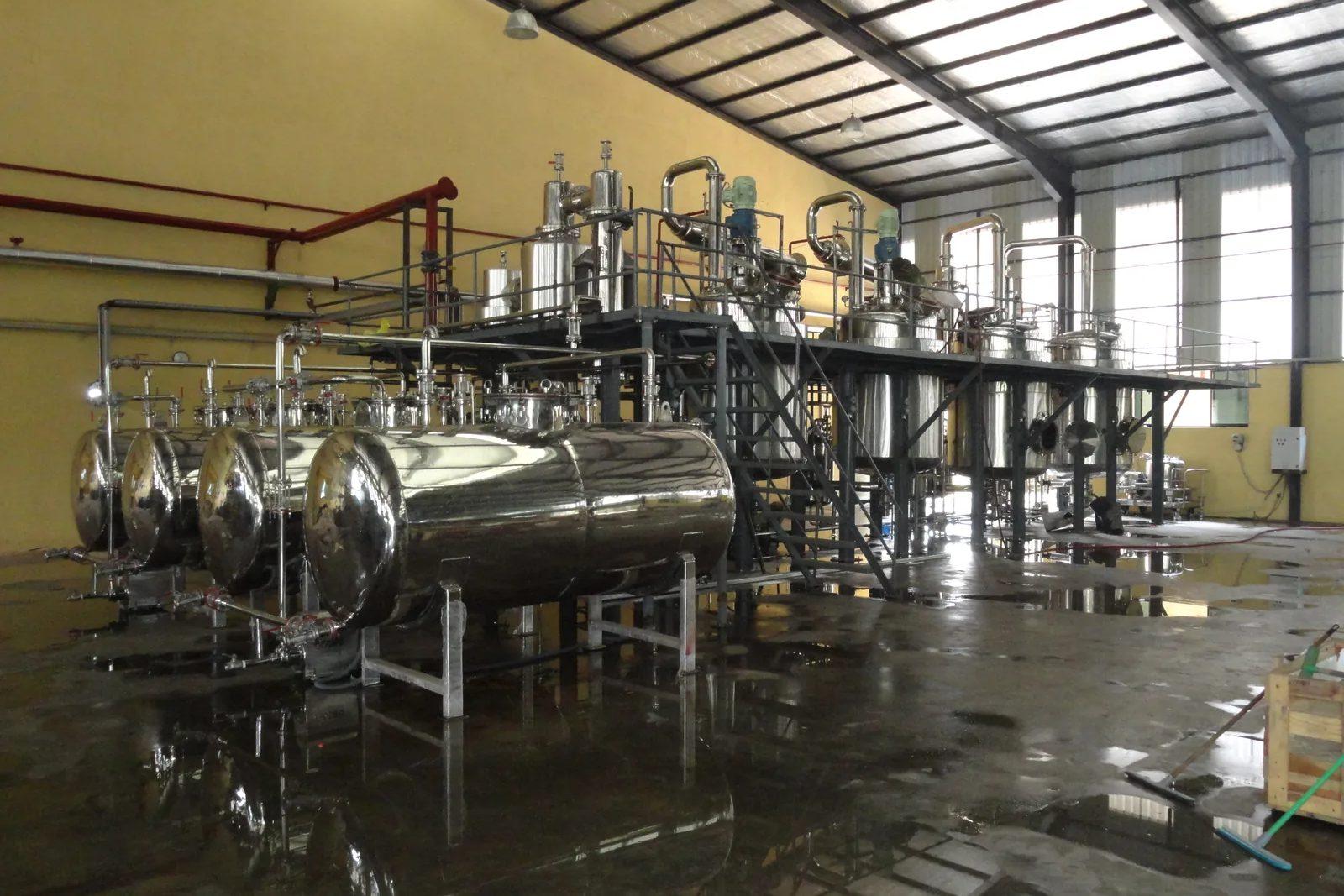
Fruit Juice Processing & Concentration Plant
View Product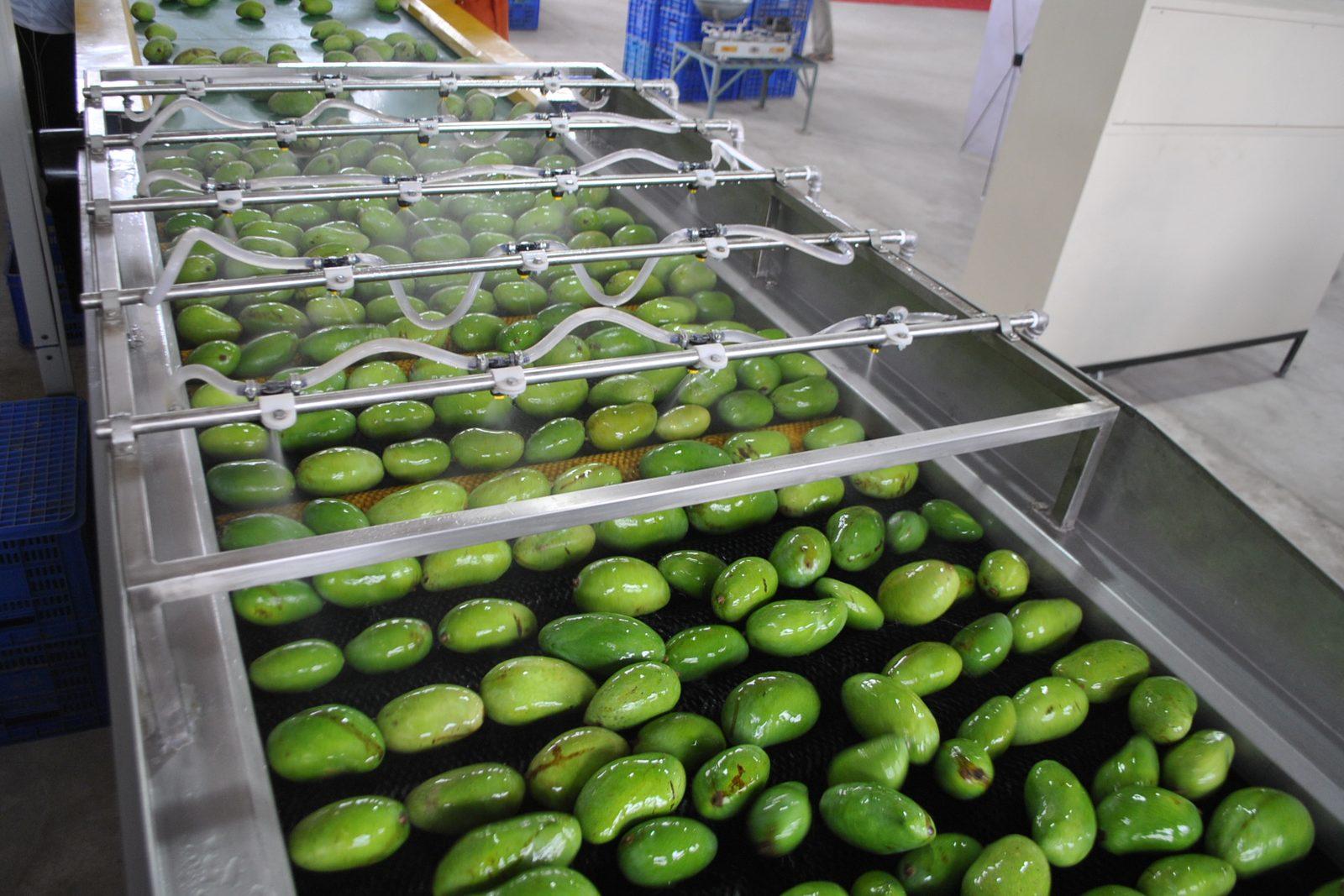
Mango Juice & Pulp Processing Plants
View Product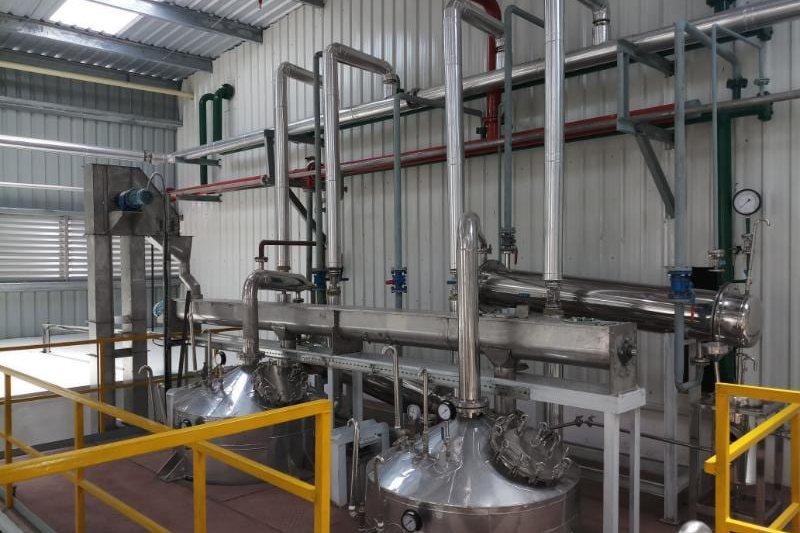
Pineapple Juice Processing Plants
View Product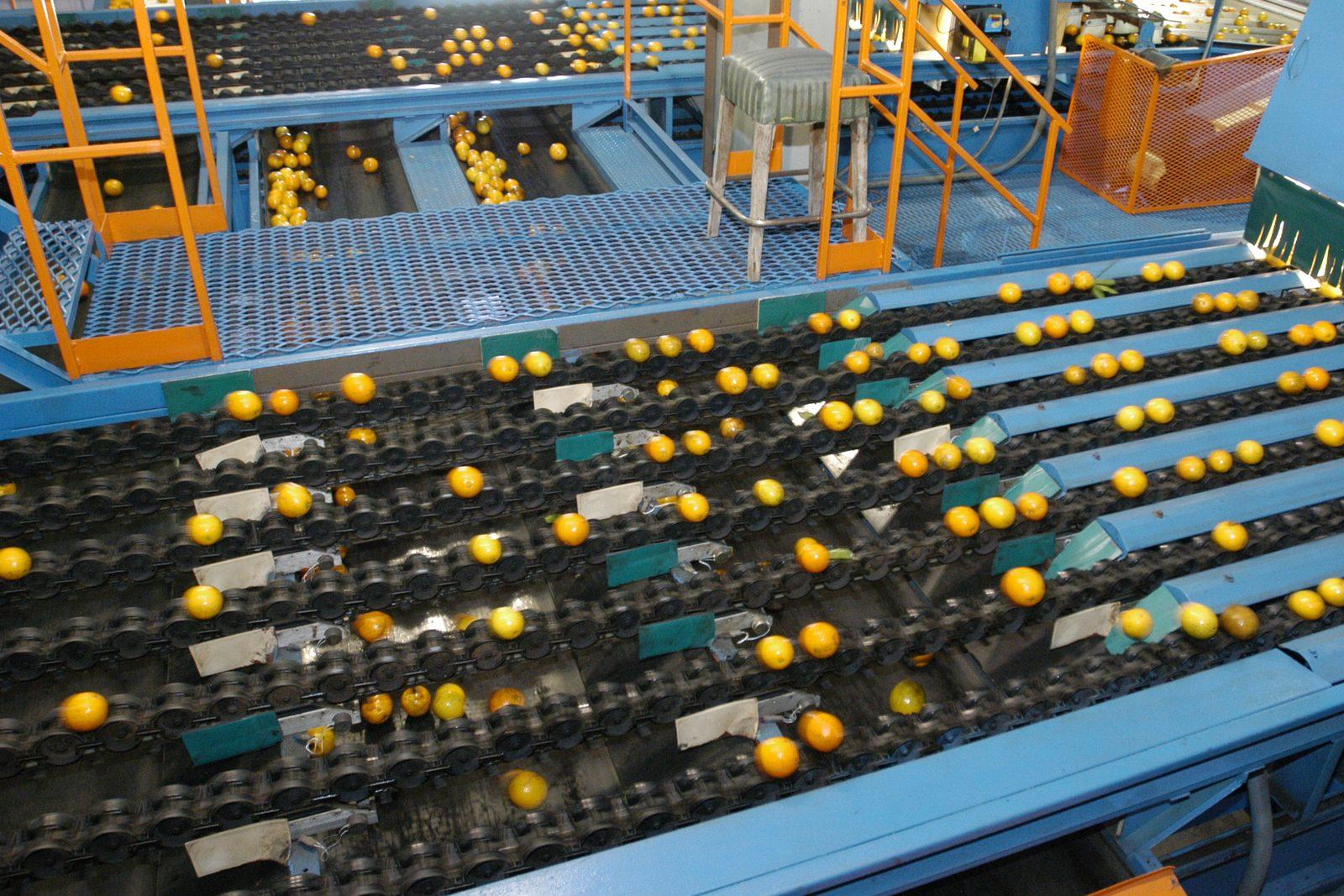
Citrus Juice Processing Plants
View Product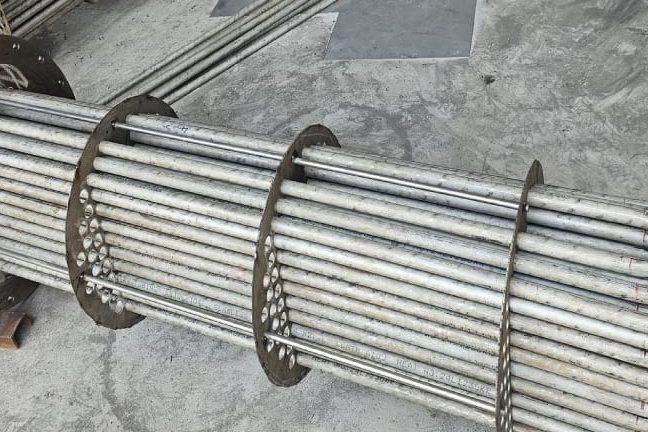
Fruit Juice Concentration Plants
View Product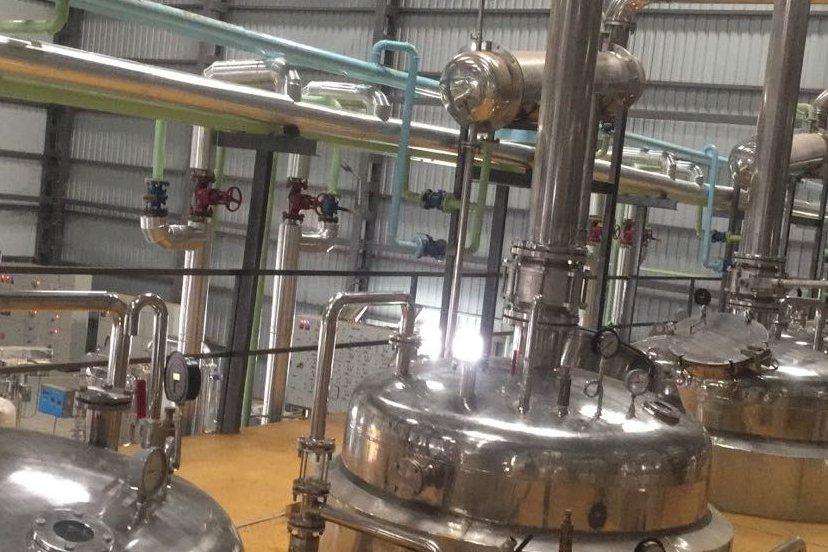
Tomato Paste Processing Plants
View Product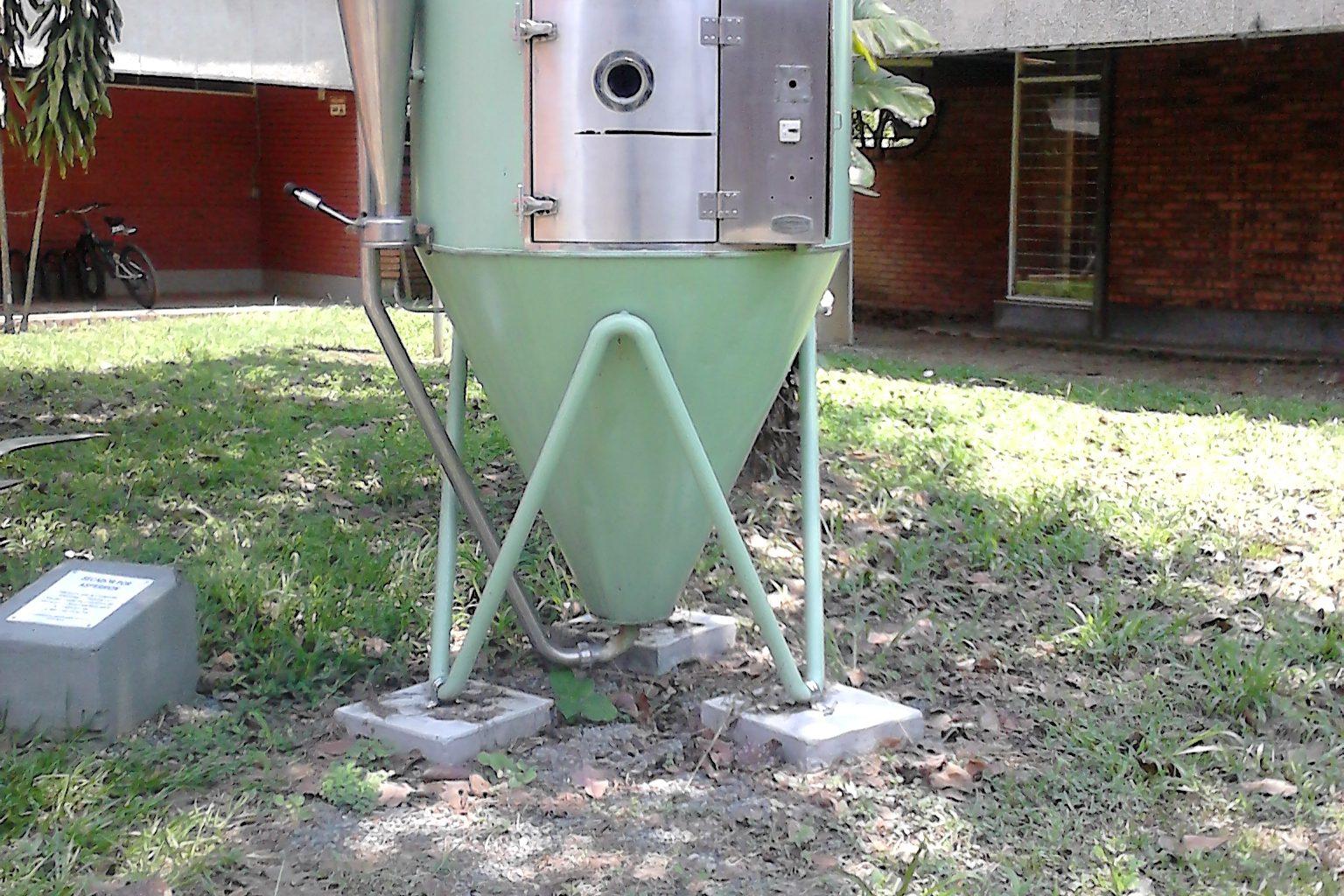
Tomato Powder Processing Plants
View Product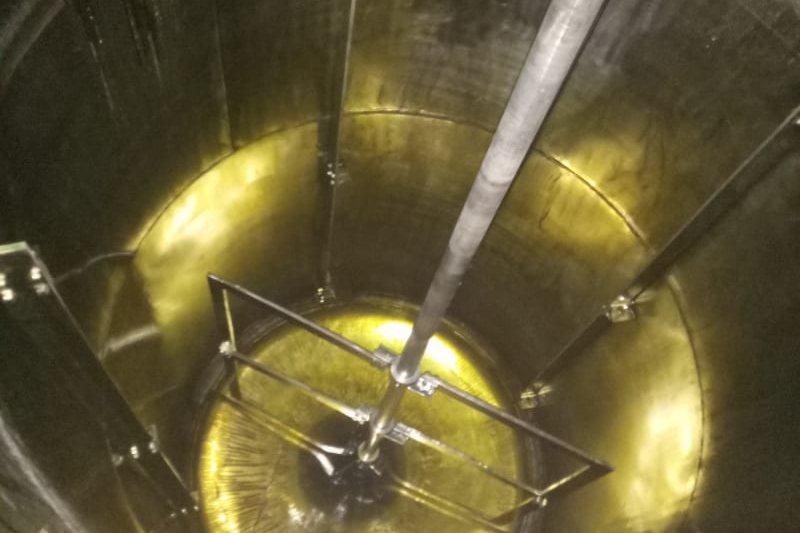
Avocado Processing Plants
View Product
Starch, Flour, Edible Oil & Food Processing (6)
Category guide
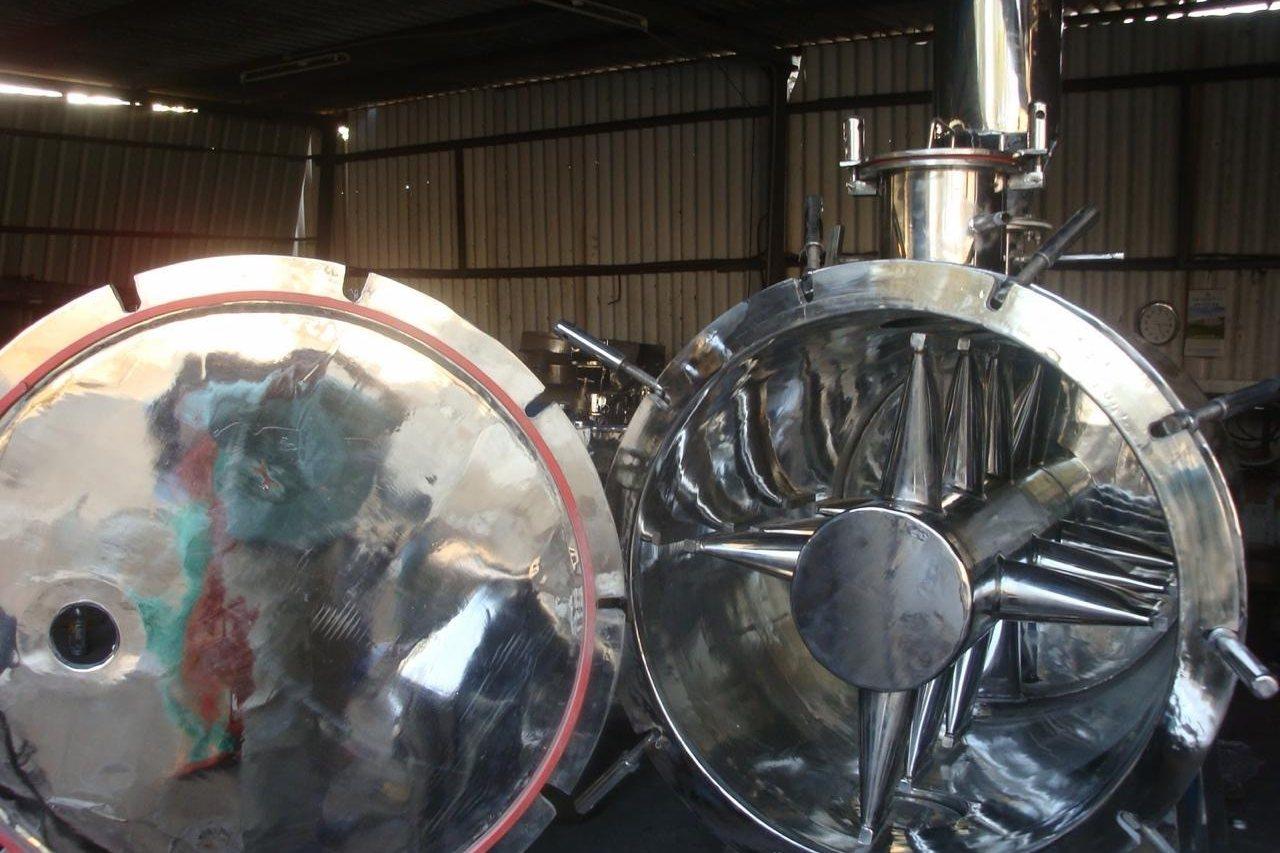
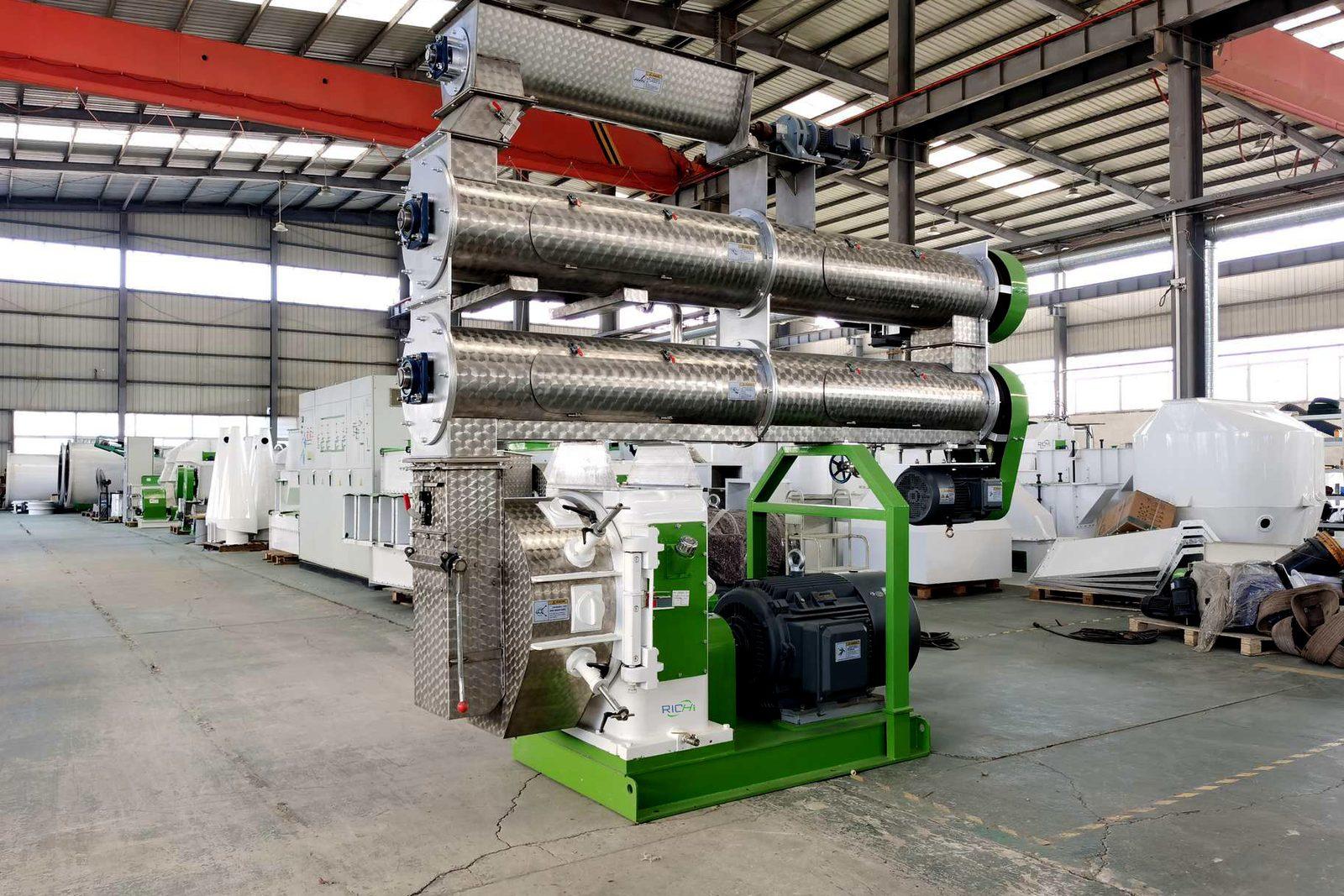
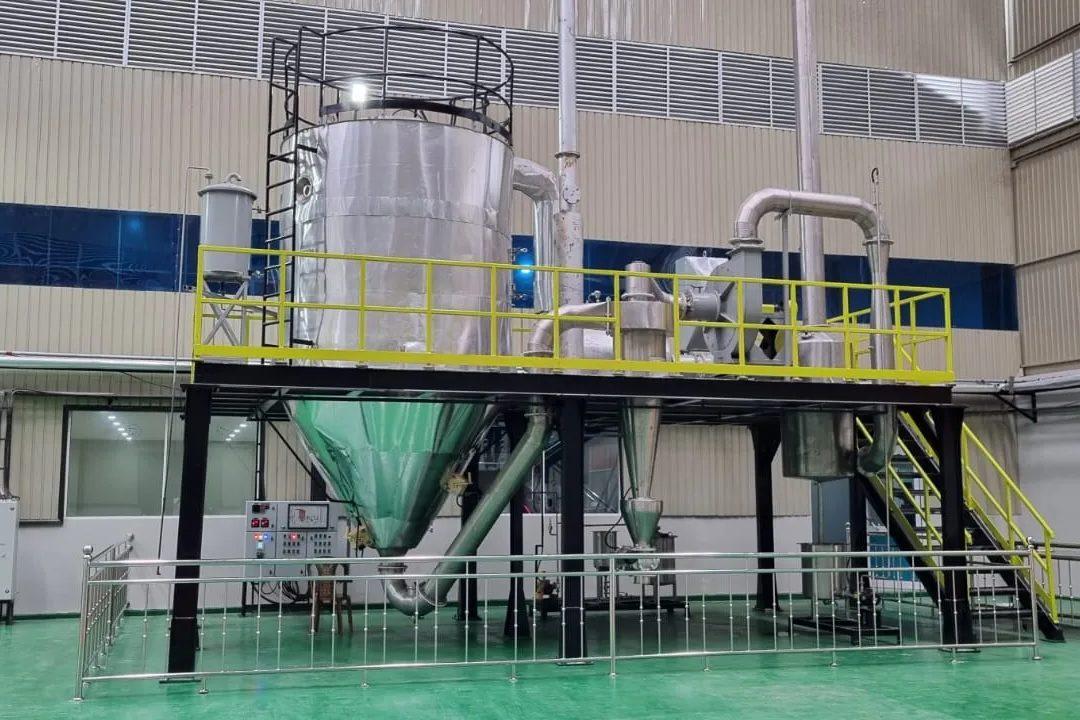
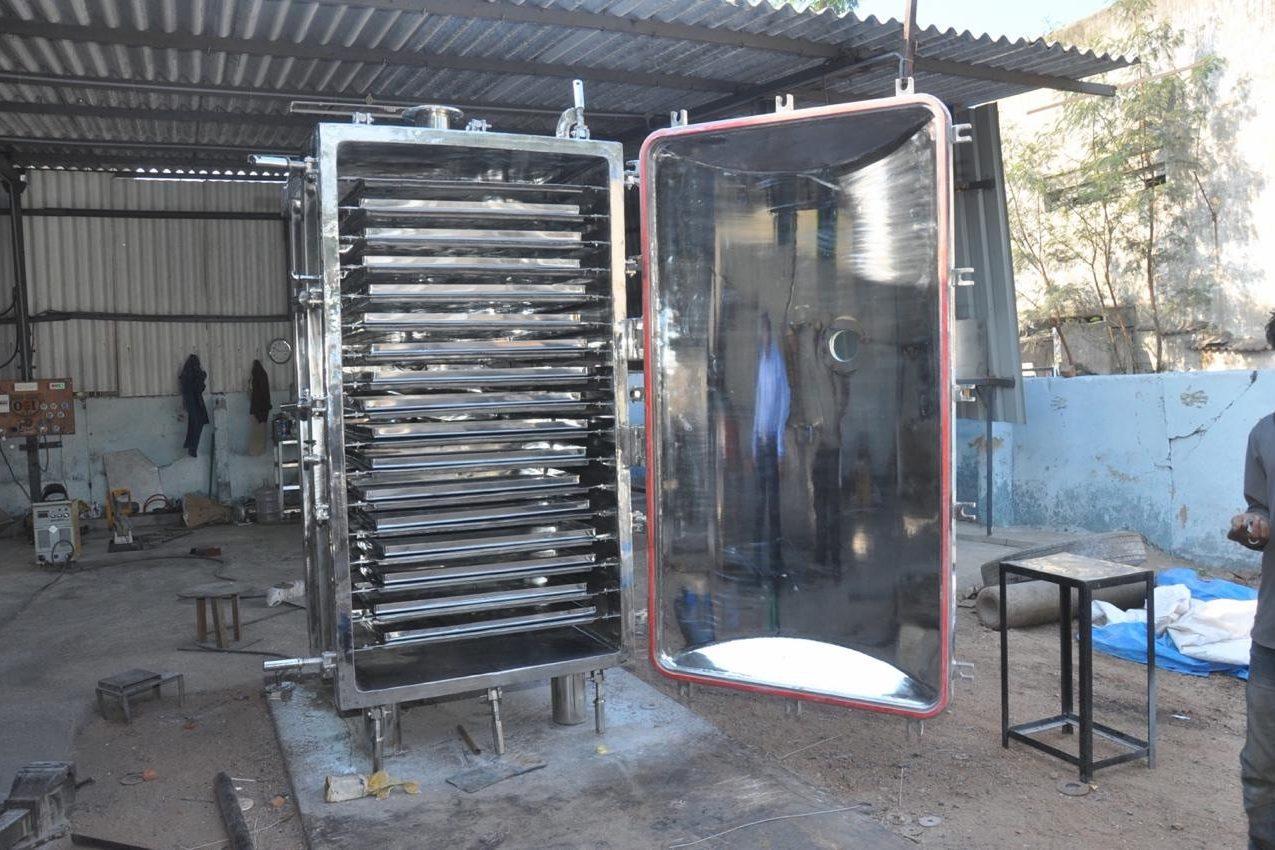
Drying & Dehydration Systems (4)
Category guide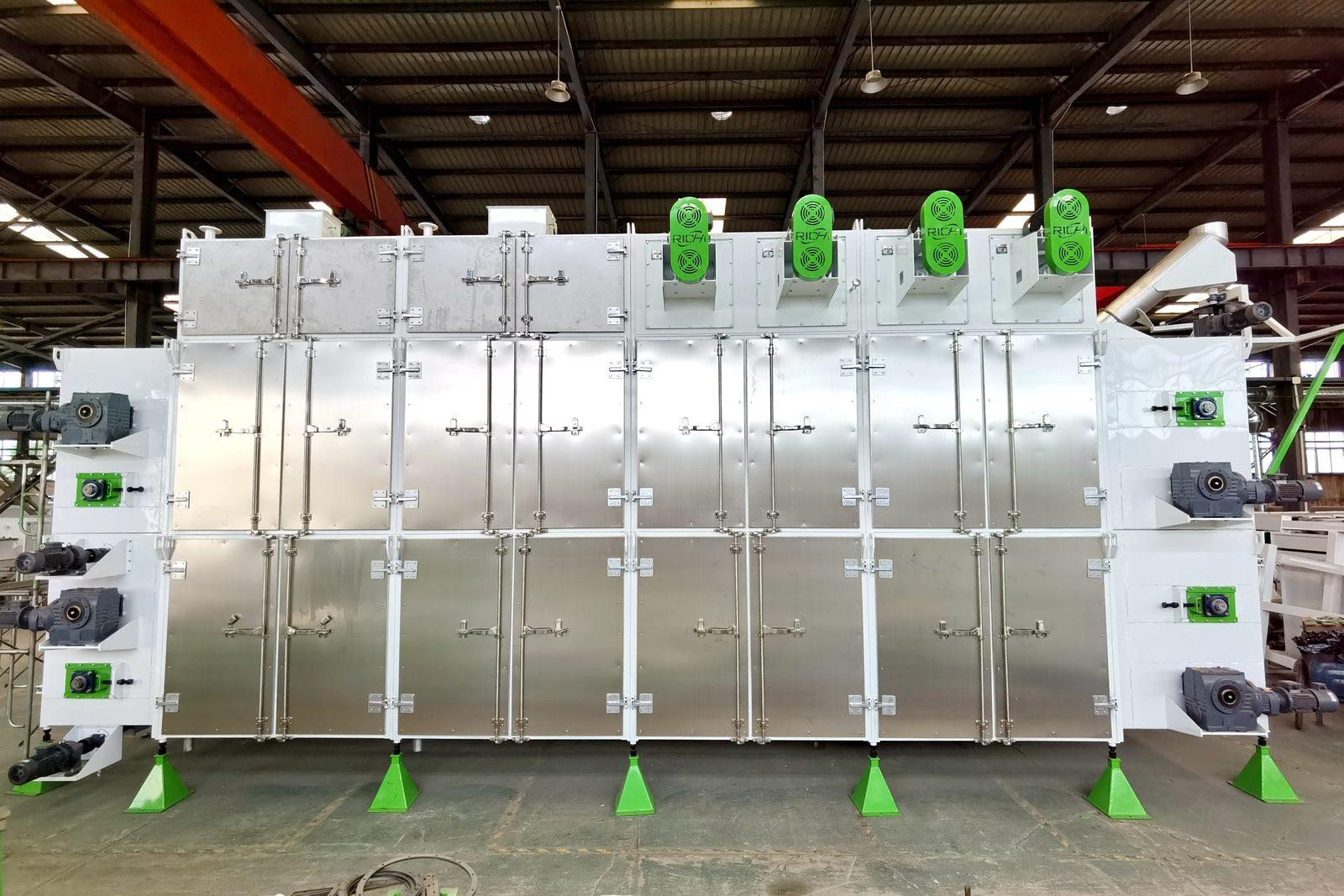
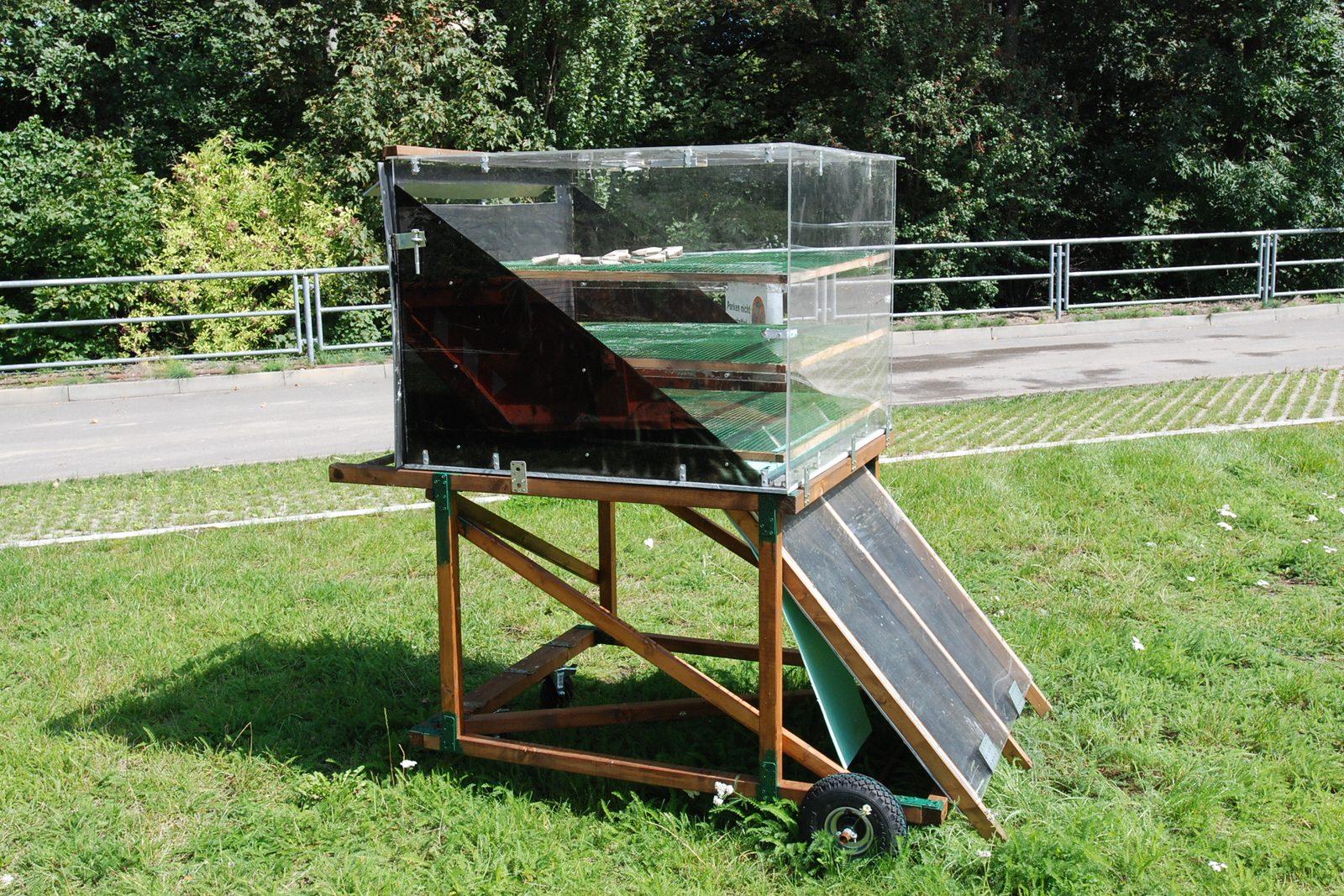
Evaporation, Concentration & Solvent Recovery (4)
Category guide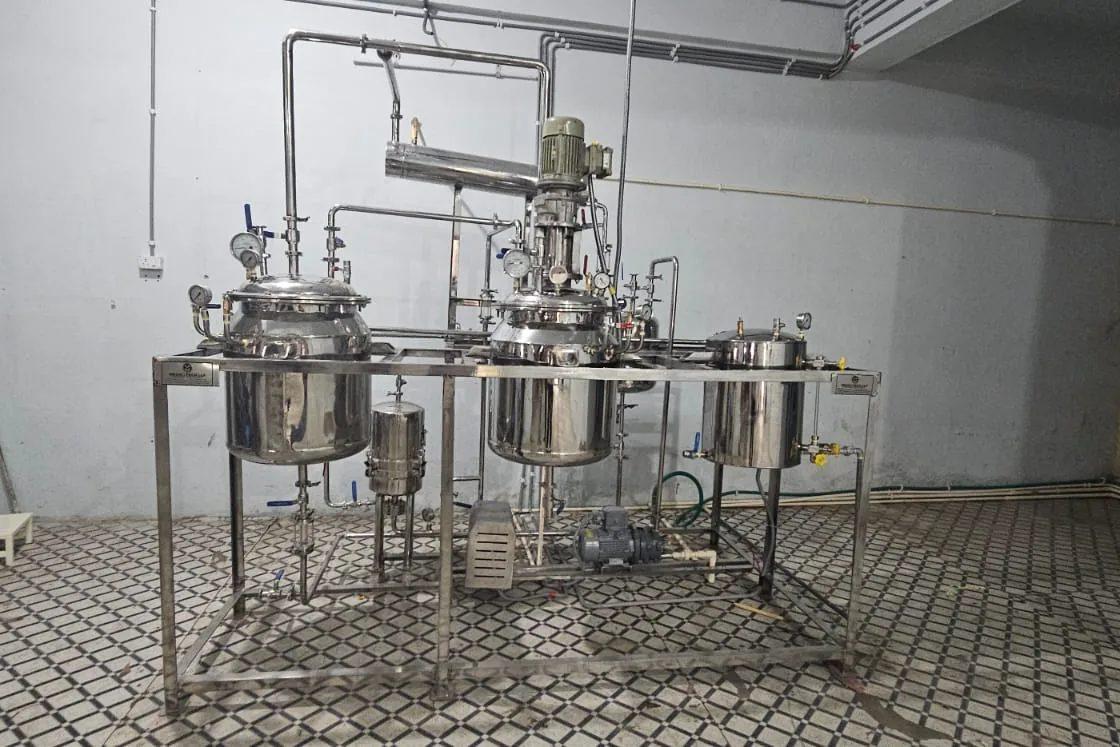
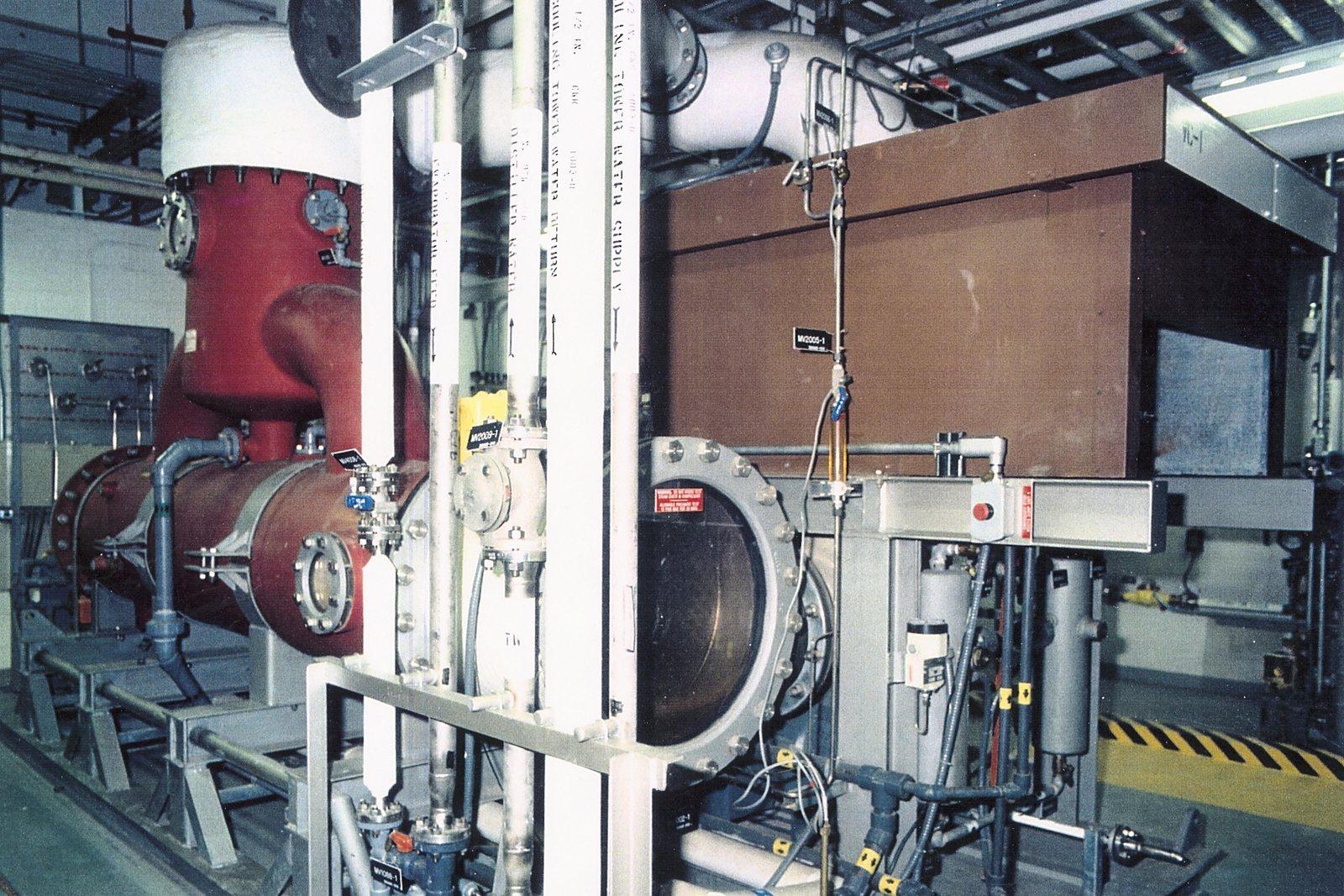
Pharmaceutical & Industrial Process Equipment (4)
Category guide
Cocoa, Shea, Palm Oil & Oilseed Processing (5)
Category guide
Cereals, Tubers & Sugar Processing (6)
Category guide
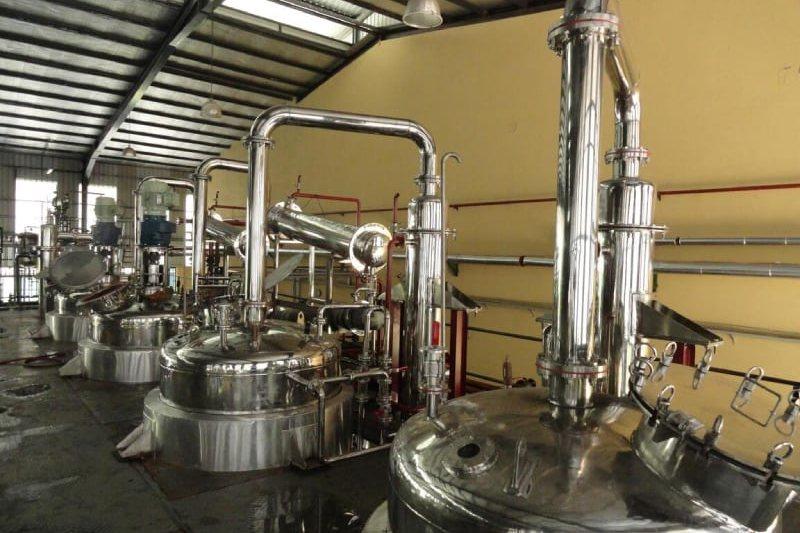
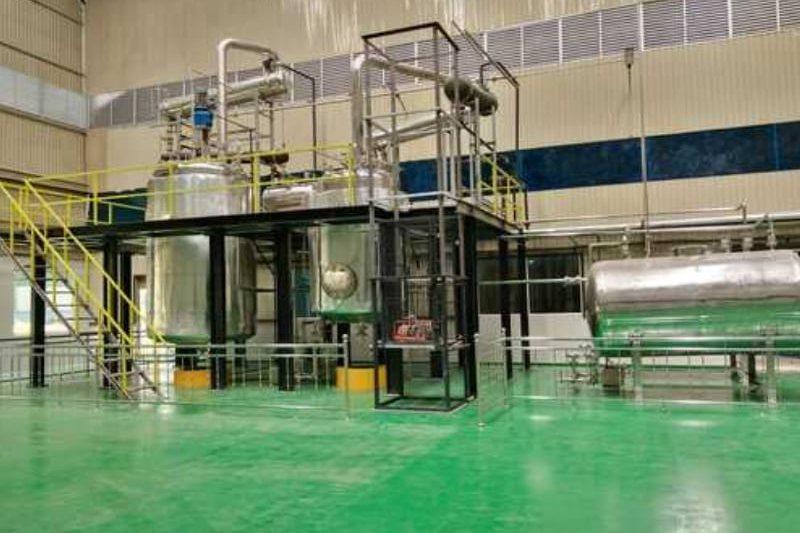
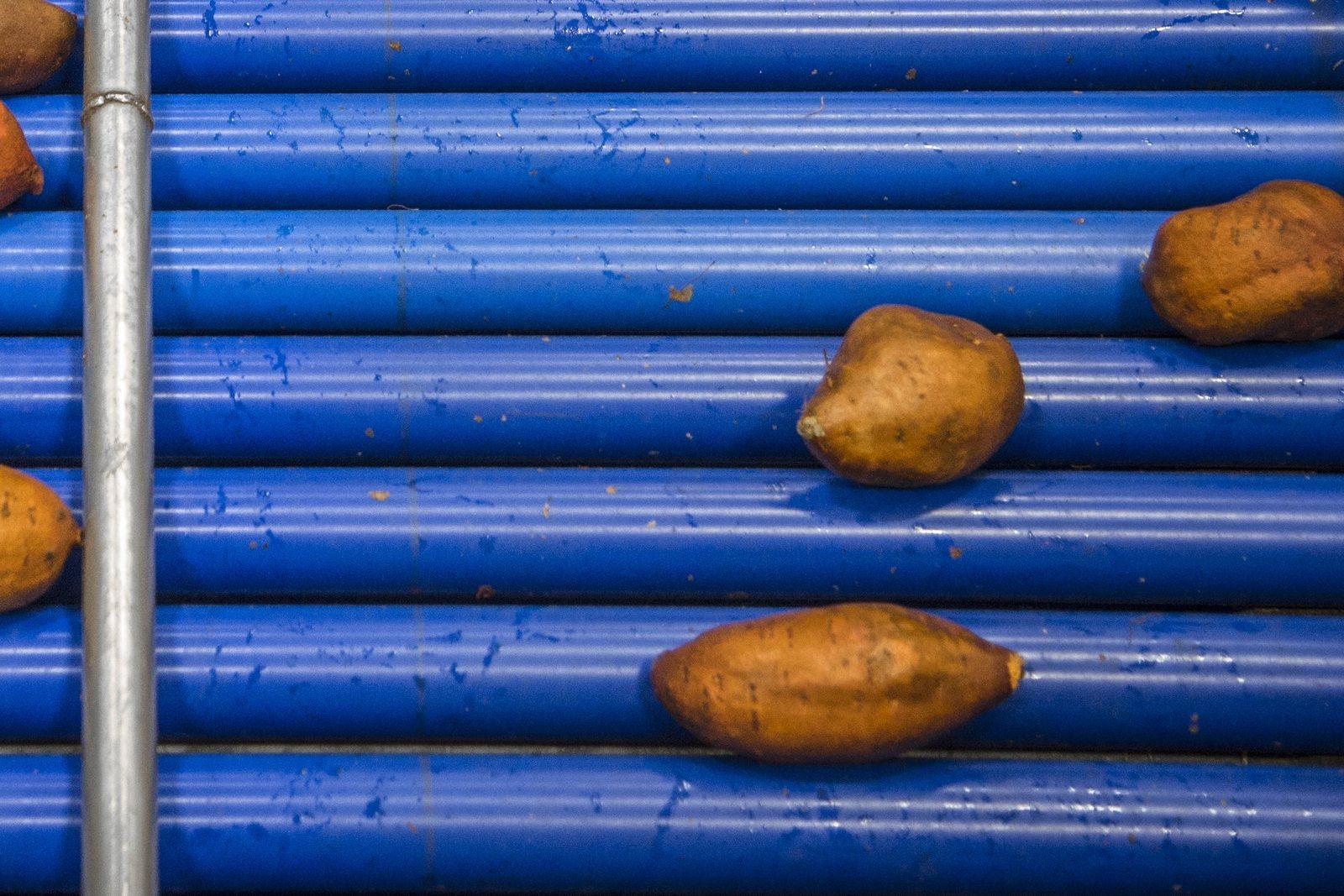
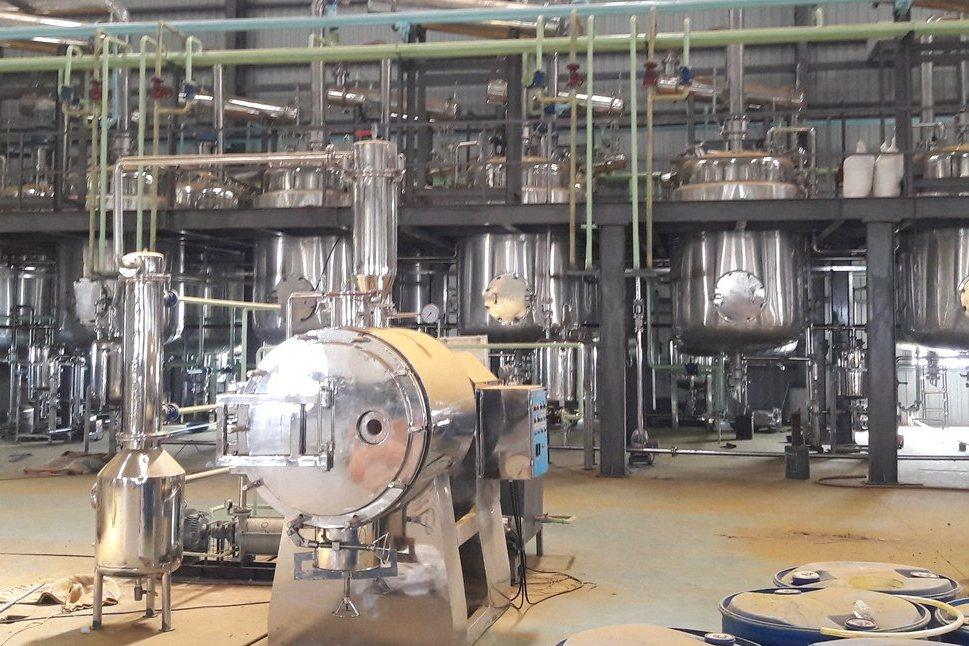
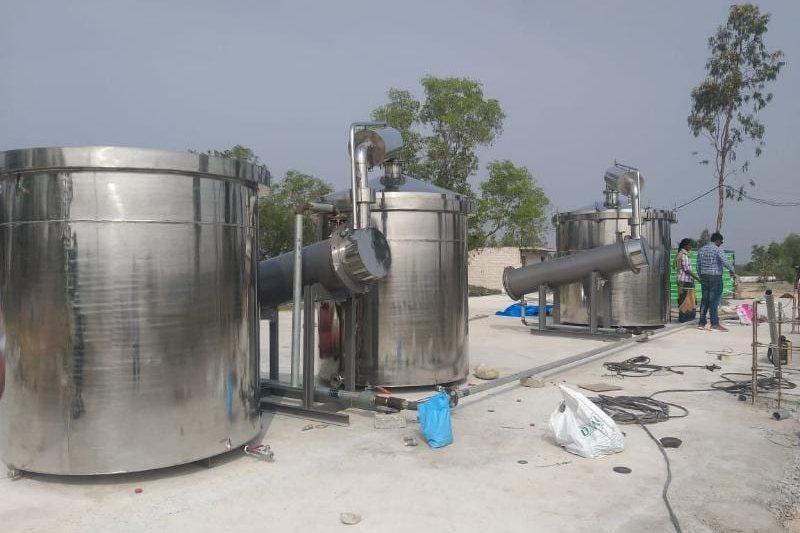
Specialty African Botanical & Natural Ingredients (10)
Category guide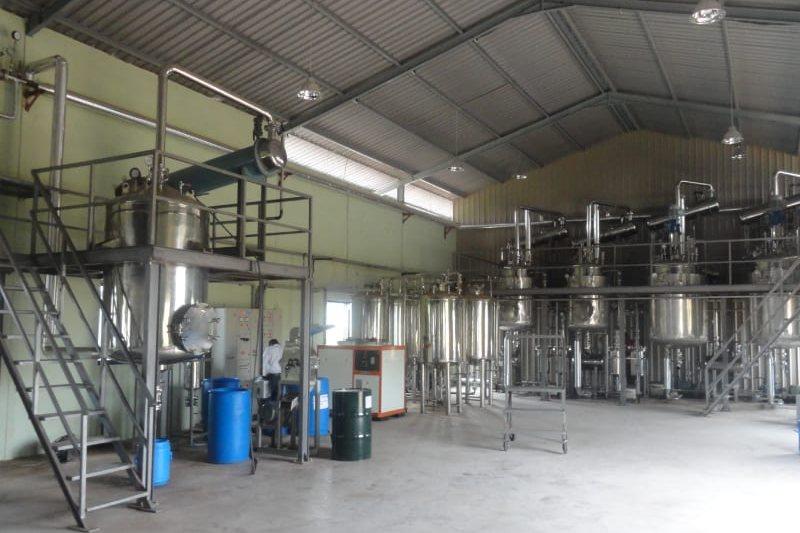
Baobab Processing & Extraction Plants
View Product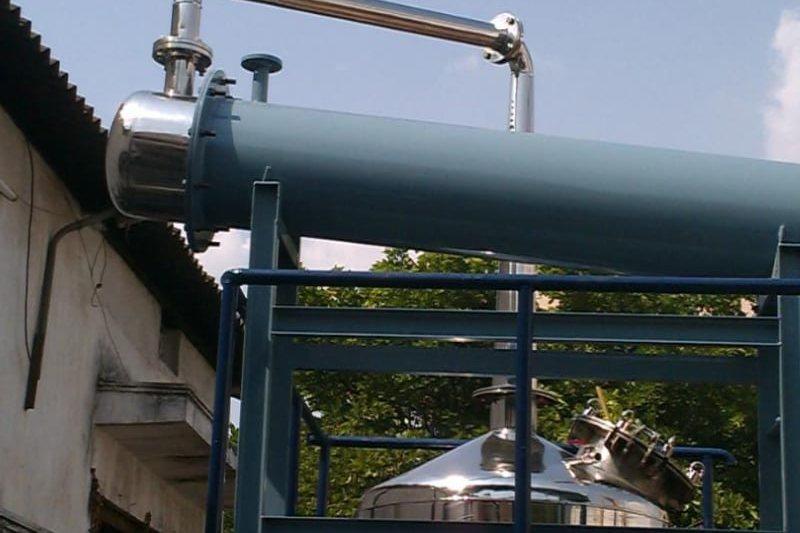
Aloe Vera
View Product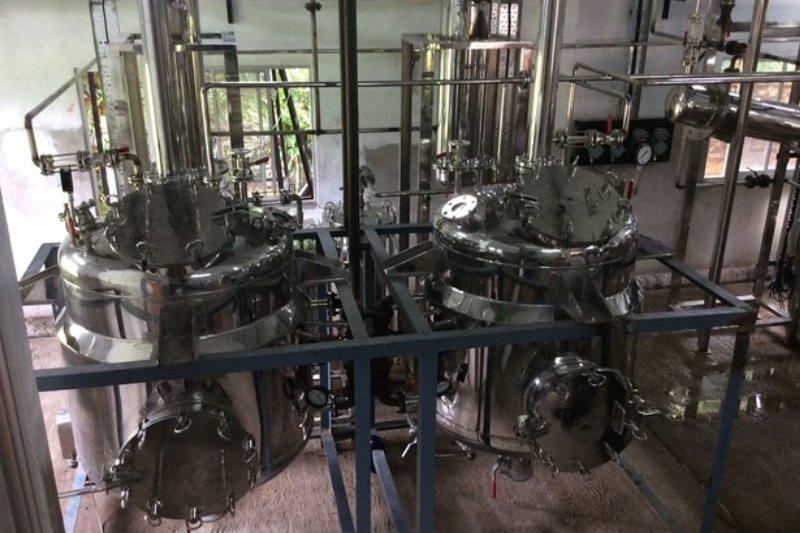
Seaweed Extraction & Drying Plants
View Product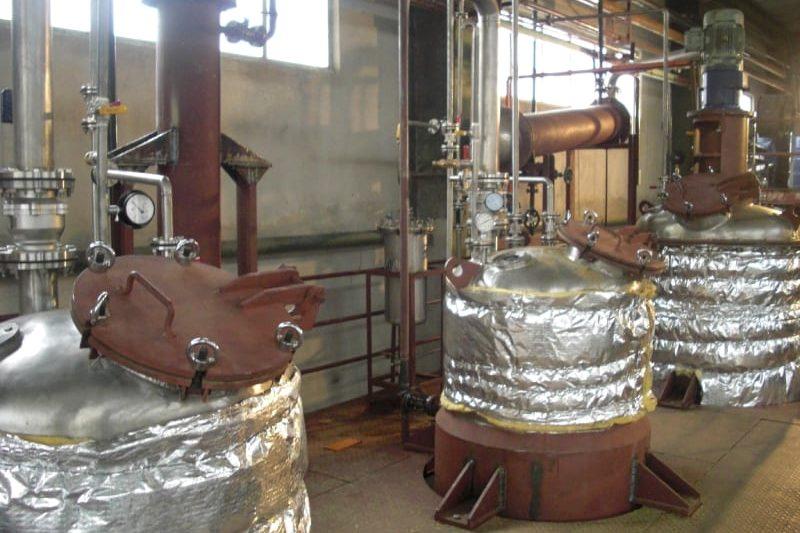
Natural Colour Extraction Plants
View Product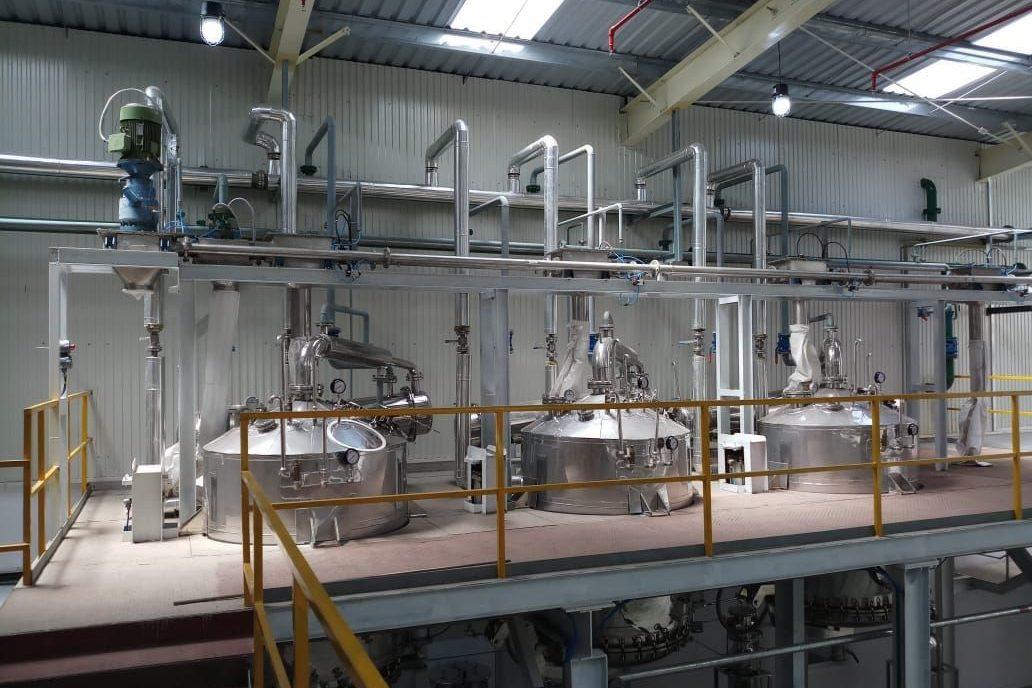
Vanilla
View Product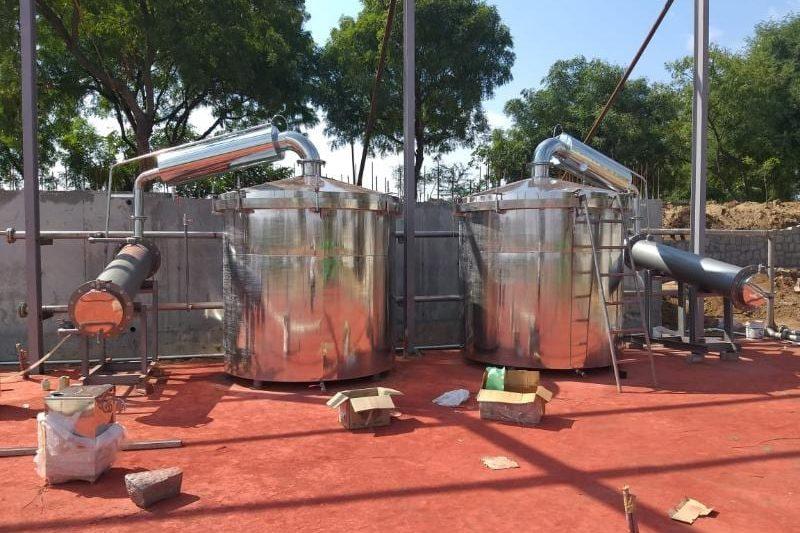
Clove Buds
View Product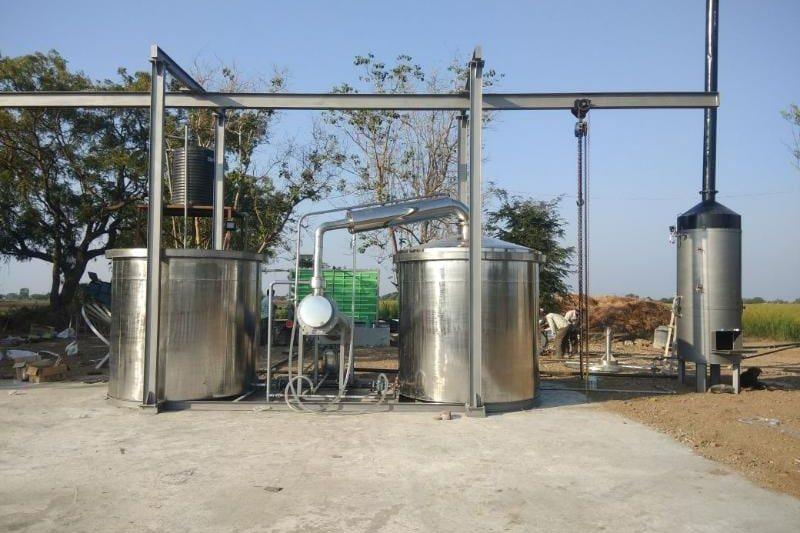
Ylang Ylang
View Product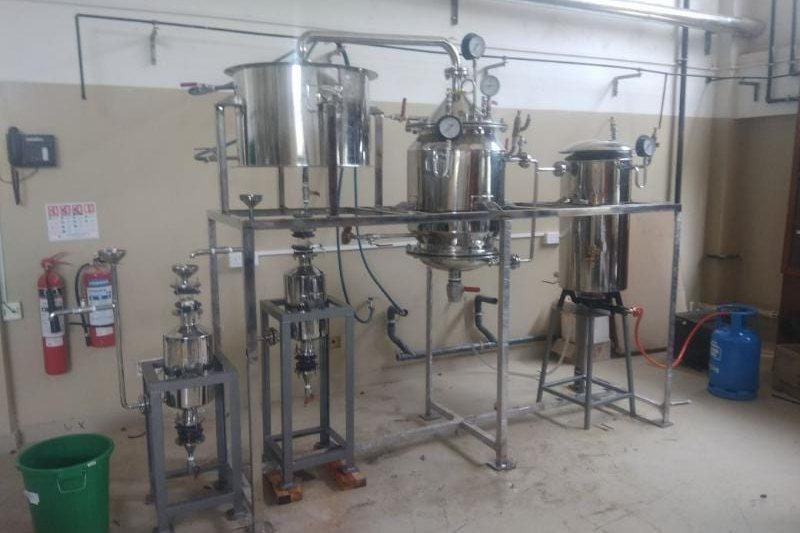
Argan Oil Processing Plants
View Product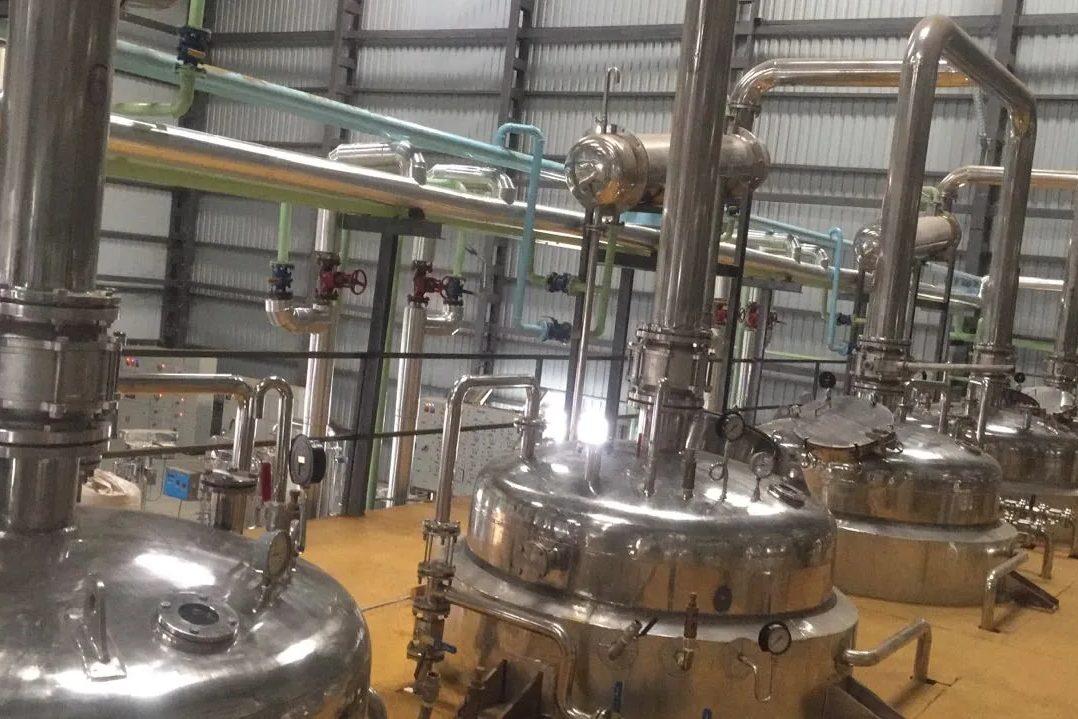
Olive Leaf Extract Powder
View Product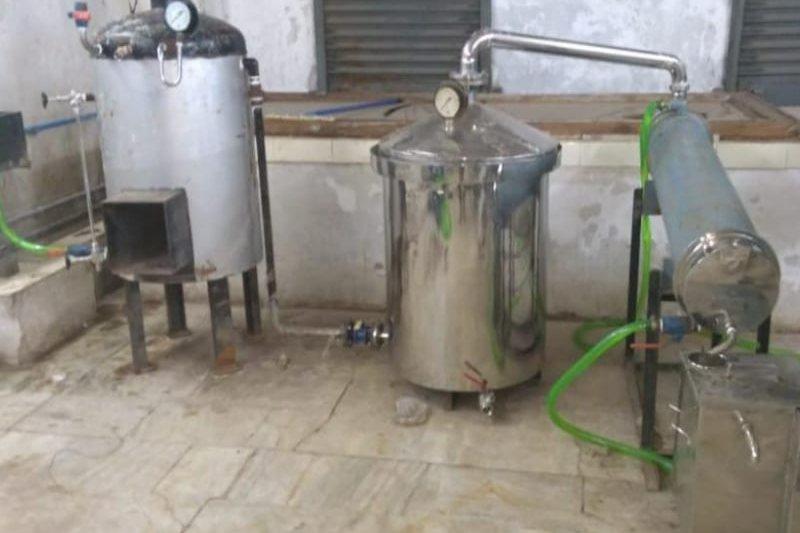
Frankincense Extraction Plant
View Product
Specialty Food, Beverage & By-Product Processing (6)
Category guide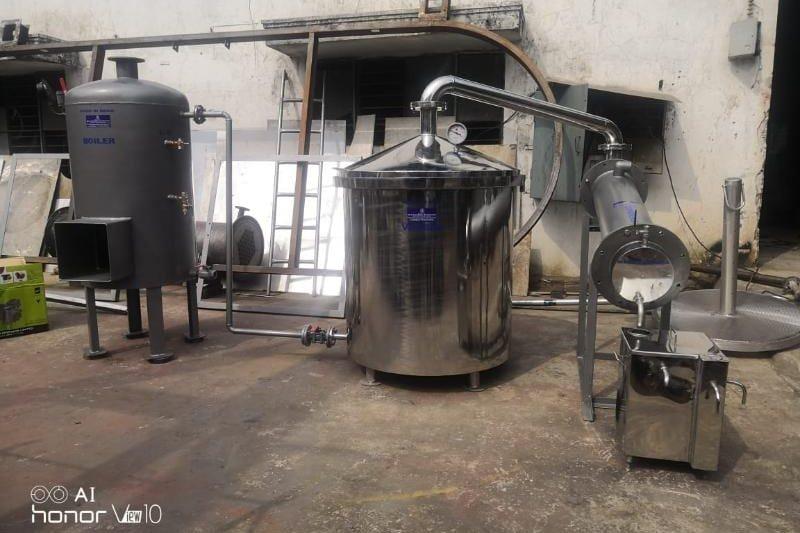
Fish Oil Recovery & By-Product Processing Plants
View Product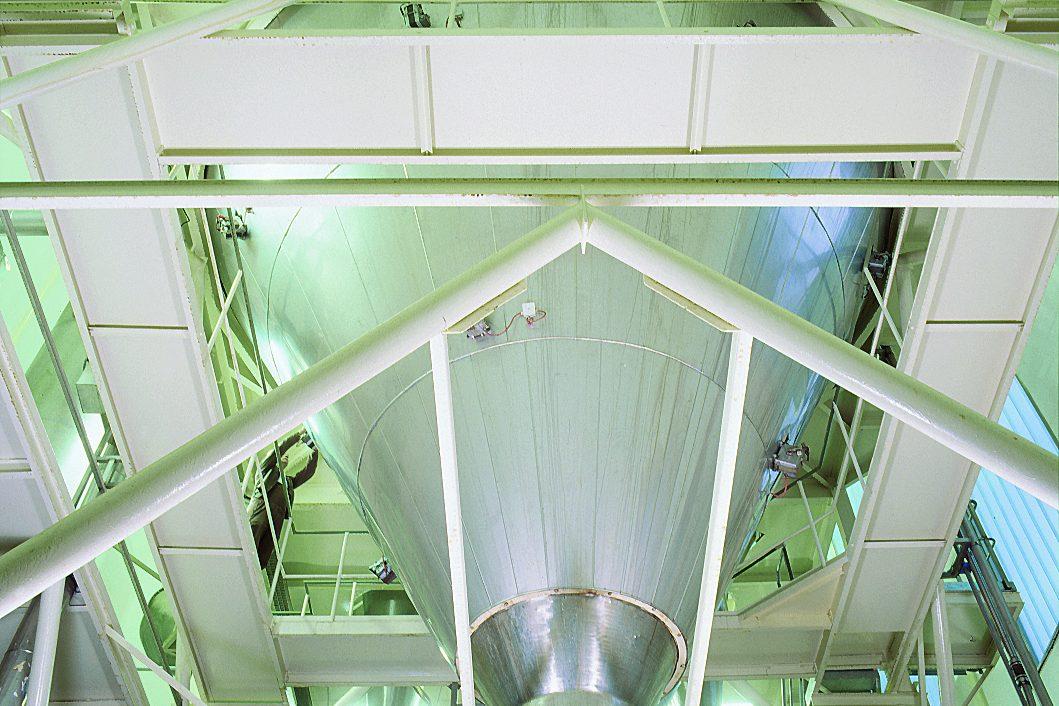
Dairy Evaporation & Spray Drying Plants
View Product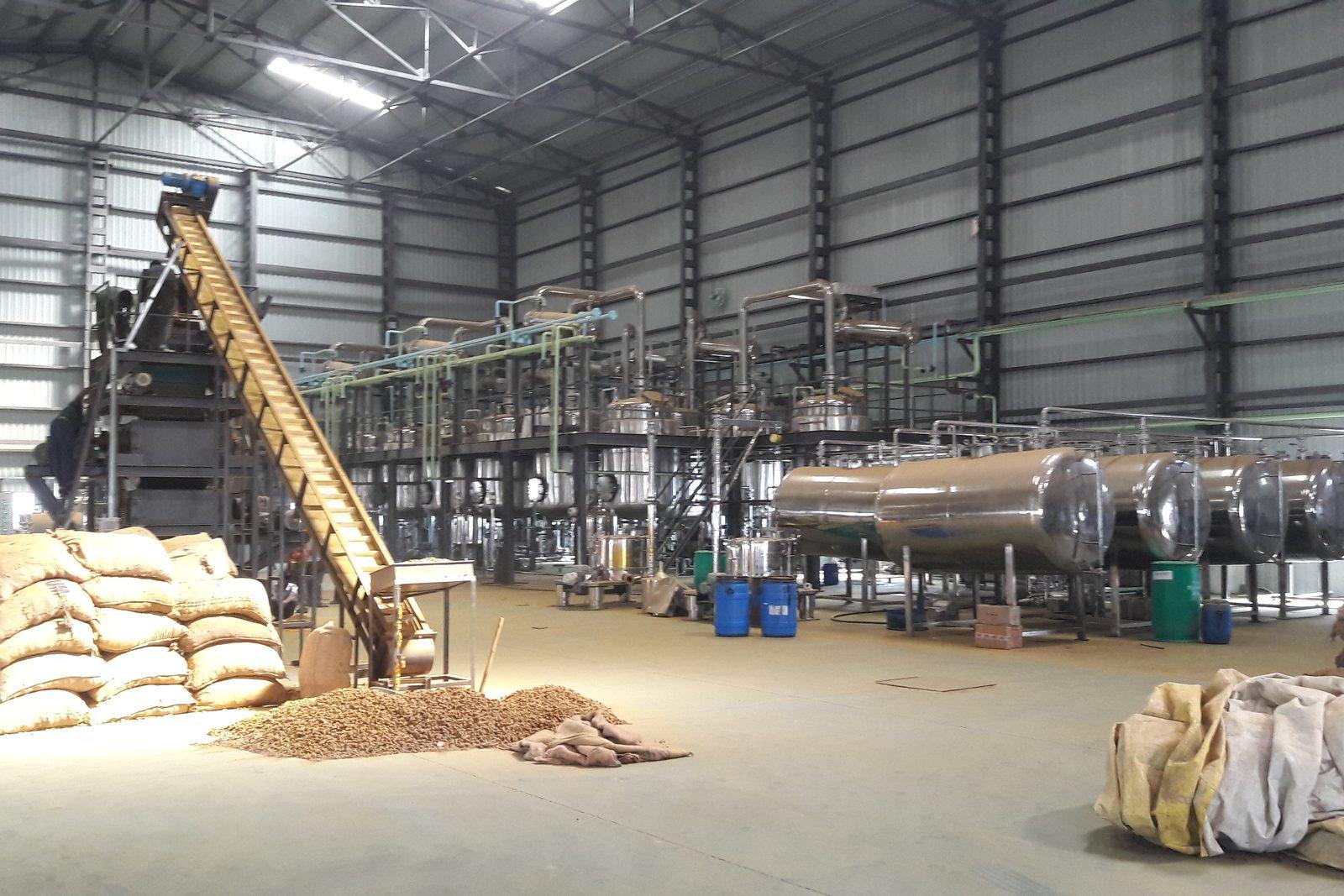
Tea Extraction & Concentration Plants
View Product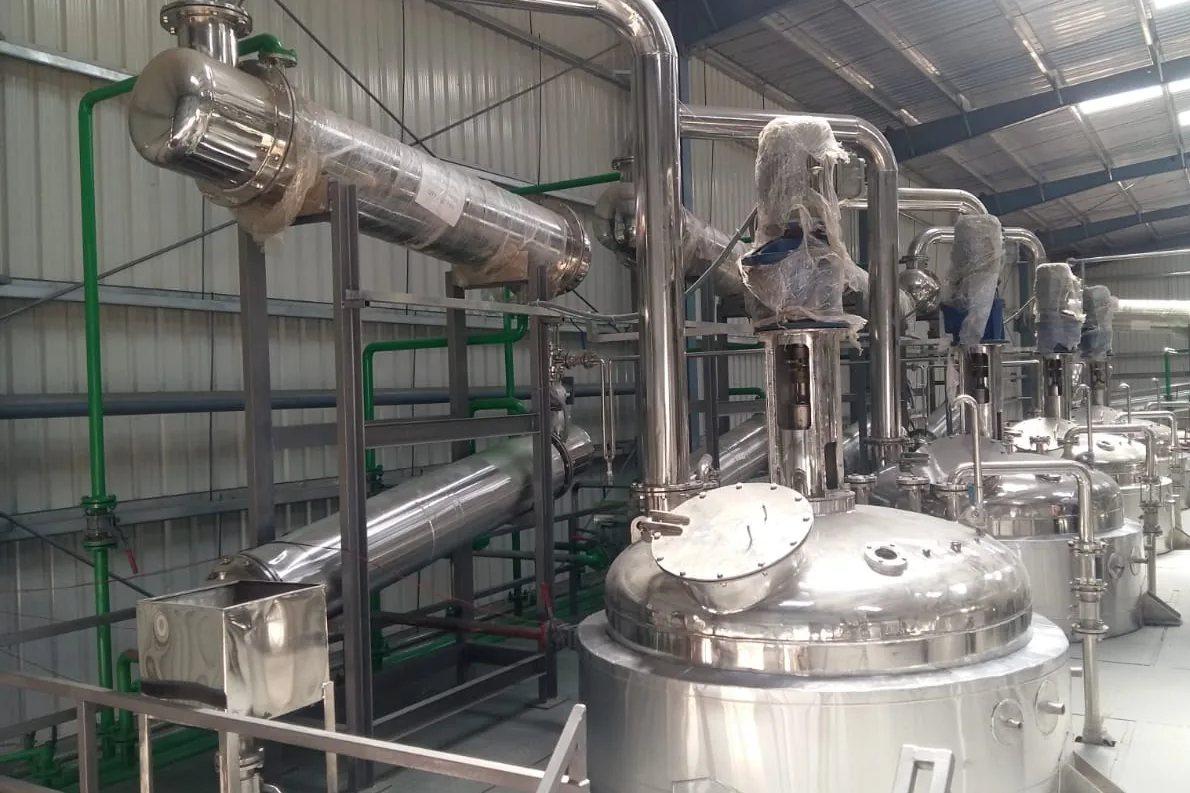
Coffee Extraction & Concentration Plants
View Product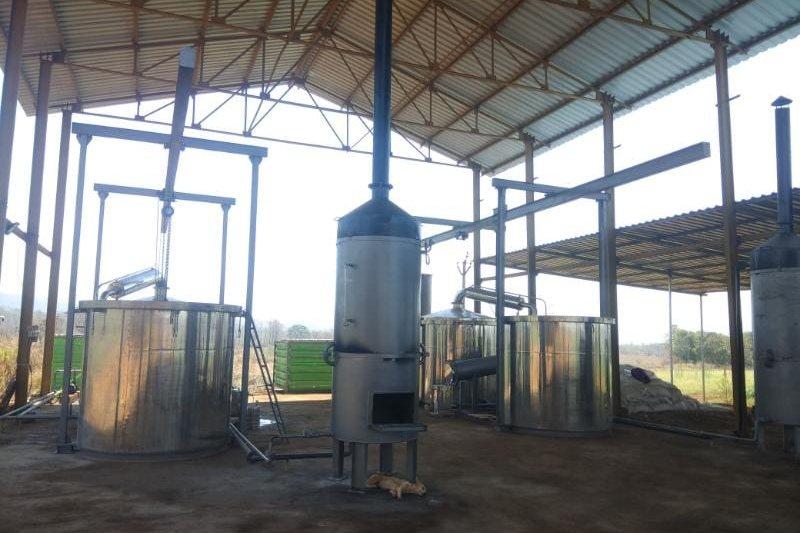
Coconut Oil & Milk Processing Plants
View Product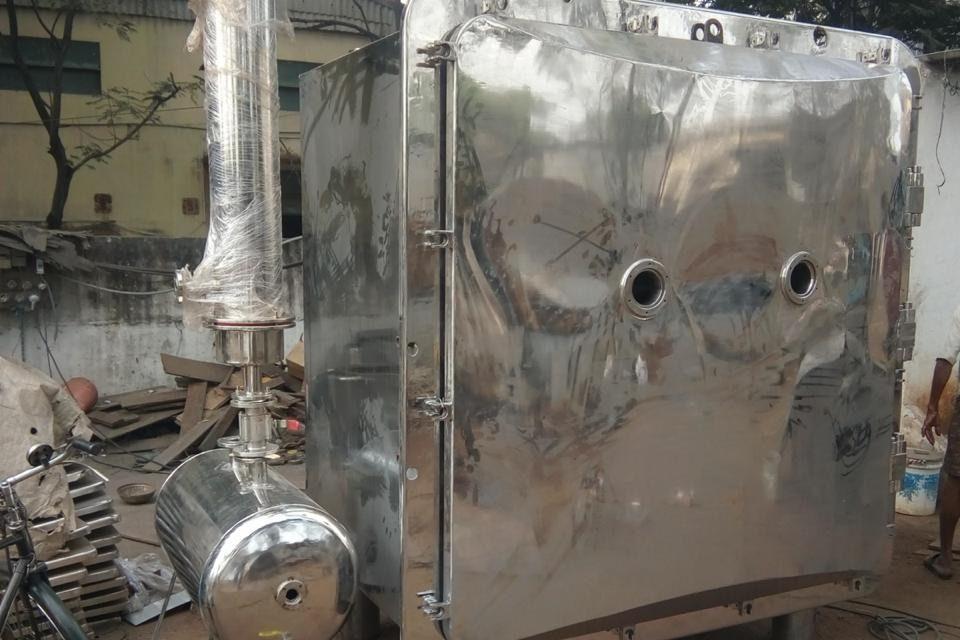
Onion & Garlic Dehydration Plants
View Product
What to Settle Before You Ask for a Proposal
Matching the site to the crop
Gum is tapped within a belt zone, while dates are grown mainly under irrigation in the north, so the distance raw material travels differs by crop. Decide which raw material the plant is built around, and confirm the delivery route and site access, before the layout is fixed.
Heat, dust and water
Heat and dust can affect equipment, hygiene and operator comfort. Water for extraction and cleaning is also a practical question, so confirm supply and any recycling or filtration needs at the specification stage.
Seasonal raw-material flow
Gum, oilseeds and hibiscus arrive in harvest seasons, and much of the gum is tapped by small-hold farmers. Plan storage, pre-cleaning and a plant capacity that can handle seasonal peaks without letting material deteriorate while it waits.
Industries to read next
Herbal & Botanical Extraction Solutions
Hibiscus, gum and other plant materials suit extraction work, and the herbal, turnkey multi-herbal and hibiscus extraction plants are all in the mapped list.
Read the industry pageAgro & Food Processing Solutions
Oilseed pressing of sesame and groundnuts, gum arabic processing and date concentration are the main agro-food routes among the products mapped to Sudan.
Read the industry pageIndustrial Drying & Dehydration Solutions
Spice and herbal drying plants help processors control moisture, colour and aroma in hibiscus, herbs, spices and other plant materials used as ingredients.
Read the industry page
From Enquiry to a Running Plant
Enquiries for Sudan Projects
Kadali Africa Ventures Limited, Accra
421, University Road
Sowutuom
Accra, Ghana
Questions About Plants for Sudan
How is raw Sudanese gum arabic processed?
Raw nodules are typically cleaned and sorted, dissolved in water, filtered to remove impurities, and then dried into a powder or granules. The exact flow depends on the grade and form the buyer wants to produce.
Can one plant process both sesame and groundnuts in Sudan?
Many oil presses can handle several seeds, but the seed preparation steps, press settings and filtration differ. State both crops in your enquiry so the proposal can set out how the plant would change between them.
Is hibiscus extraction a realistic project for a Sudanese processor?
Hibiscus is a recognised raw material for infusions, and extraction with concentration and drying is a common route to colourants and beverage bases. Feasibility depends on supply volumes and your target product, which a technical proposal can address.
Does Kadali Africa Ventures have an office in Sudan?
Kadali Africa Ventures Limited has offices in Accra, Ghana and Kano, Nigeria, and none in Sudan. Engineering and manufacturing scope for each product is confirmed in the technical proposal.
What should I send for a Sudan project proposal?
Use the form on this page. Give your raw material, the product you want to make, the capacity and its basis (for example kg per hour or tonnes per day) and your site.
Planning a project in Sudan?
Send your raw material, target product and capacity. We will come back with the process route and equipment scope for your project.
Tell us about your Sudan project
Only name, email, phone and industry are required. The more you share about raw material and capacity, the more precise our proposal.