
Coffee, Sesame, Tomato and Vegetable Processing Plants for Ethiopia
A planning page for Ethiopian coffee, sesame, vegetable and spice processors comparing drying, extraction and paste-making plants.
- 16 products in 8 categories, listed for Ethiopia
- Engineering and manufacturing scope confirmed in the technical proposal
Kadali Africa Ventures Limited has offices in Accra, Ghana and Kano, Nigeria, and no office in Ethiopia; enquiries from Ethiopia are handled from the Accra office.
Ethiopia's coffee, oilseeds, vegetables and spices
Ethiopia is a landlocked country with diverse topography, and its raw materials vary from one agro-ecological zone to the next. Agriculture is the mainstay of the economy, and coffee is a major source of foreign exchange. Processors who want to go beyond green bean can look at extraction and concentration for soluble coffee or liquid extract, alongside the drying and hulling steps that come before.
Sesame is among the oilseeds the country produces, so cleaning and oil pressing offer an alternative to shipping seed alone. The national investment commission describes the country as suited to a wide range of fruits and vegetables and lists tomato processing among its agro-processing opportunities; tomatoes are perishable and suit paste making, while bulky onions and garlic can be sliced and dehydrated. Spices are also among the crops the country can produce, and they need controlled drying to keep colour and flavour.
Likely users include coffee exporters, oil millers, vegetable and spice processors and farmer unions. Ethiopia has no coast, so imported equipment depends on the Addis Ababa to Djibouti railway and on roads, and the long inland haul is a central planning issue for every project.
Products Relevant to Ethiopia
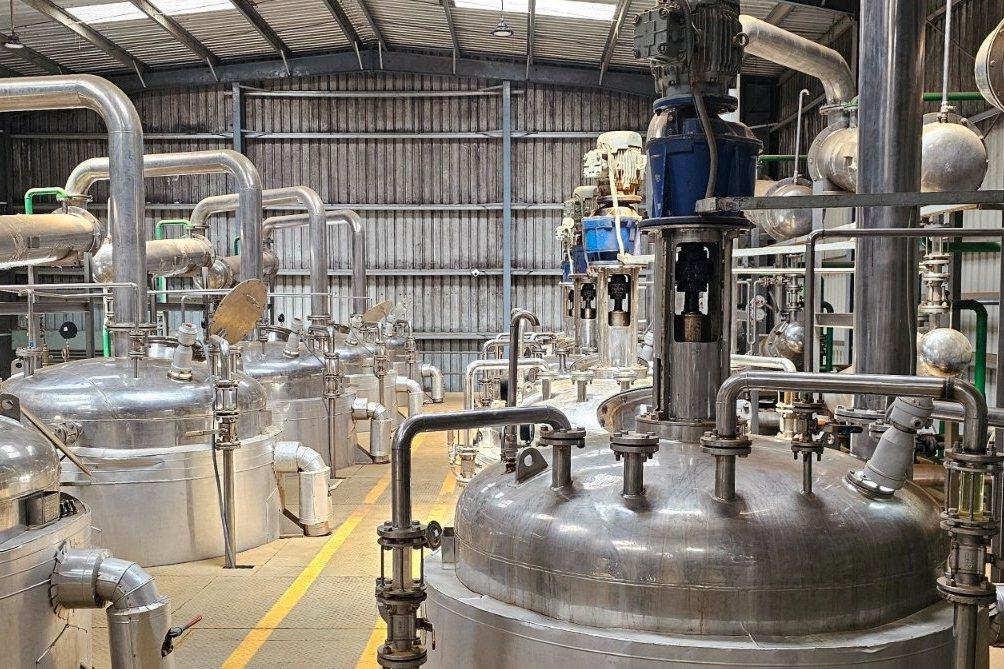
16 of the 73 products in the catalogue are listed for Ethiopia, in 8 categories: Herbal, Botanical & Nutraceutical Extraction (2), Fruit & Vegetable Processing (2), Starch, Flour, Edible Oil & Food Processing (1), Drying & Dehydration Systems (4), Cocoa, Shea, Palm Oil & Oilseed Processing (1), Cereals, Tubers & Sugar Processing (1), Specialty African Botanical & Natural Ingredients (2), Specialty Food, Beverage & By-Product Processing (3). The plants for Ethiopia’s own raw materials come first. A listing is a catalogue listing, not a statement of demand or supply; the final configuration depends on your raw material, target product and capacity.
Coffee
Coffee cherries are dried and hulled, and extraction and concentration equipment is relevant to processors making soluble coffee or liquid concentrate from the bean.
 For Coffee
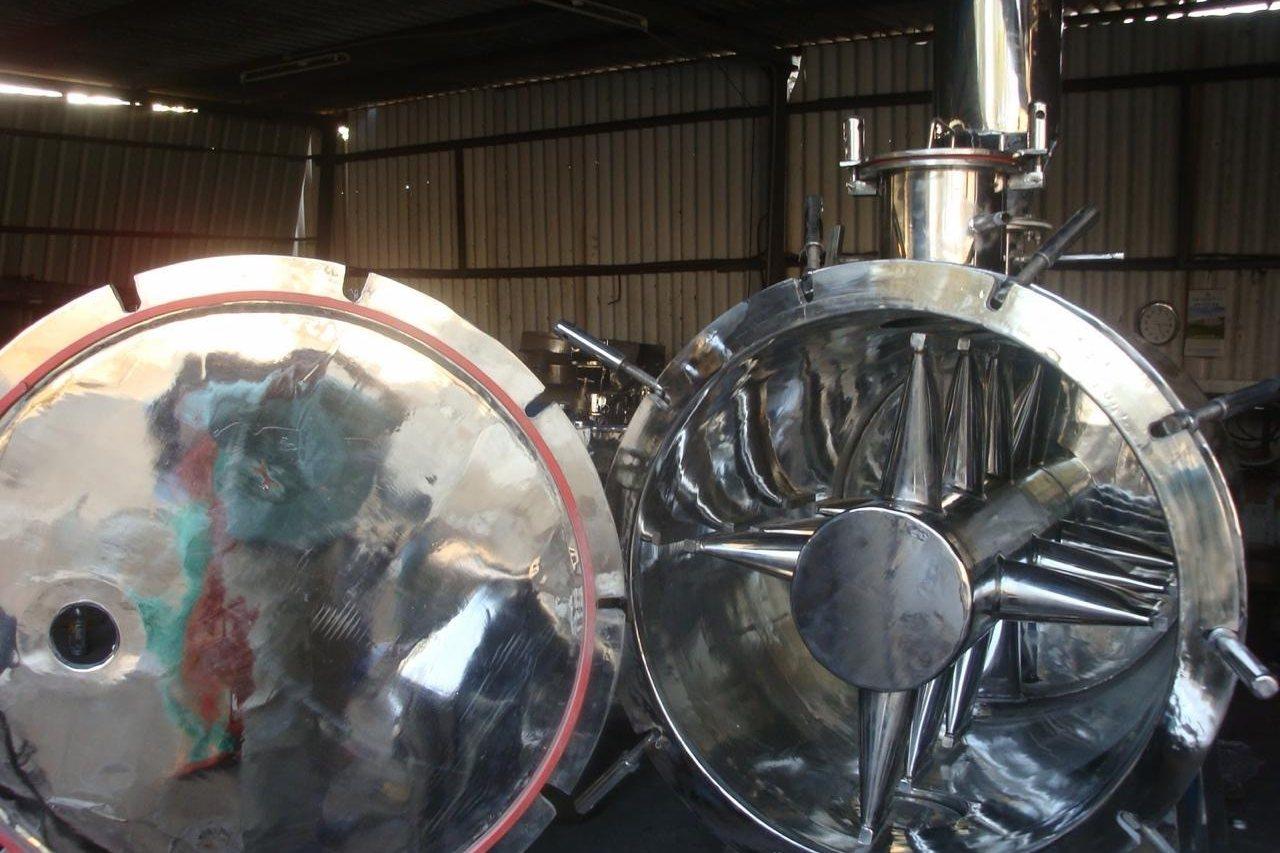
Coffee Processing Plants
A coffee processing plant takes green coffee and turns it into something a buyer can sell: cleaned and graded green beans, roasted whole beans or ground coffee in bags and pouches.
View Product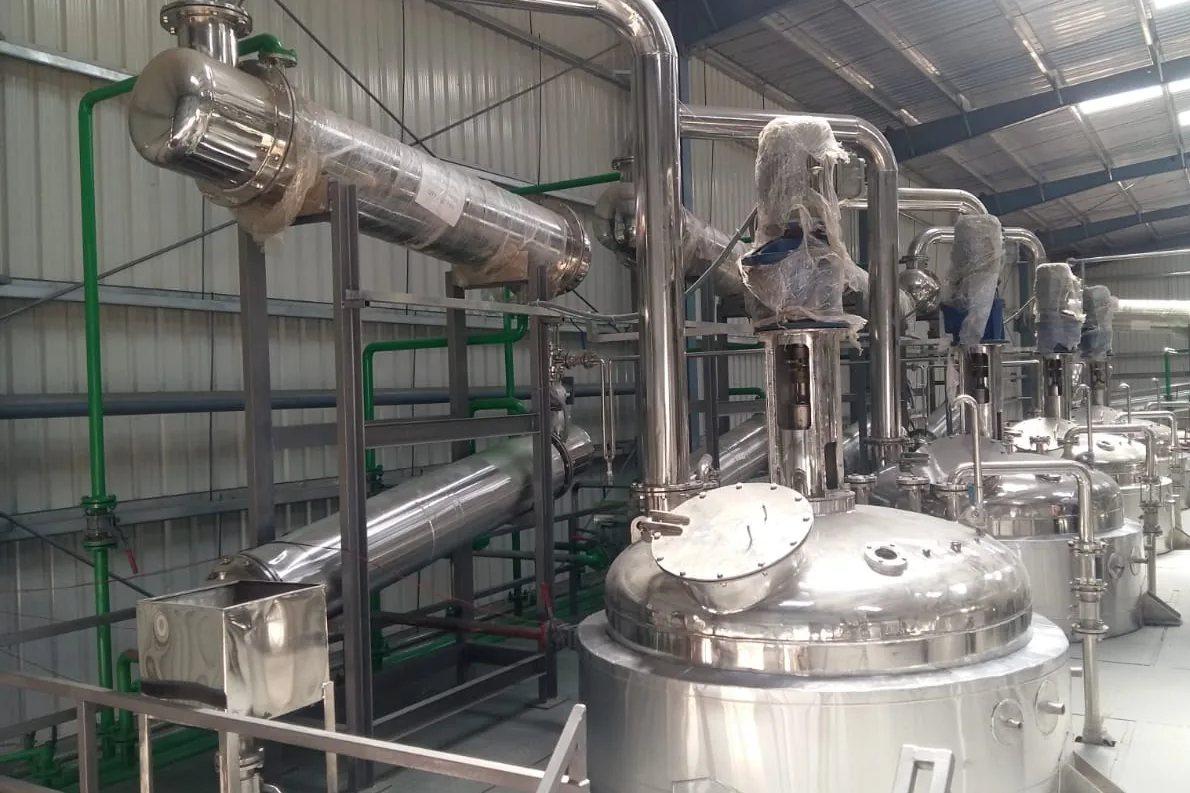 For Coffee
Coffee Extraction & Concentration Plants
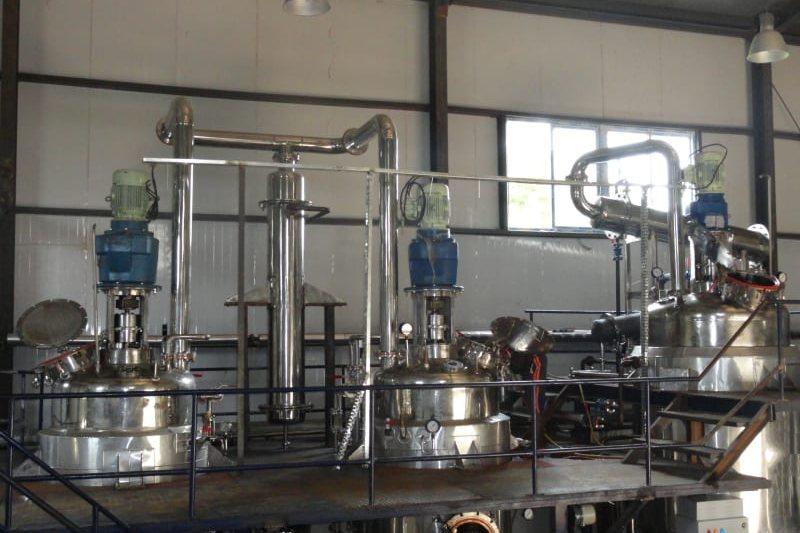
A soluble coffee extraction and concentration plant takes roasted and ground coffee, extracts the soluble solids with hot water, concentrates the extract and, where powder is wanted, dries it.
View Product
Sesame
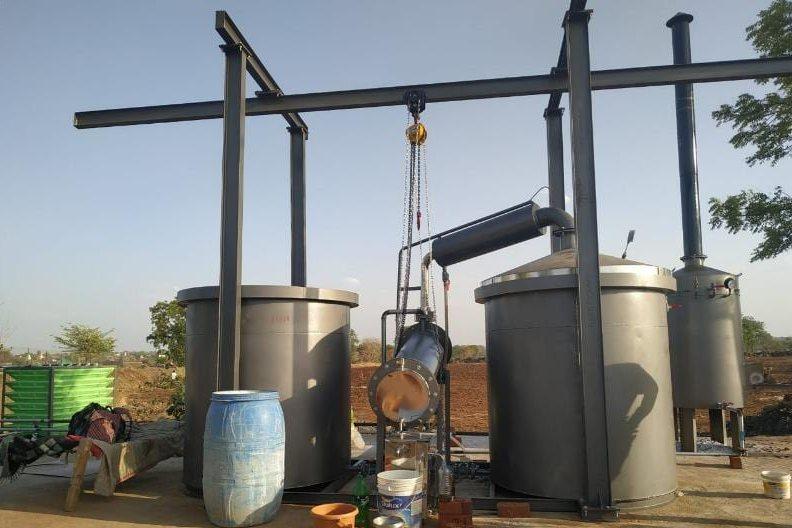
Sesame is cleaned and cold or hot pressed into oil, a processing route that gives exporters and local mills a product beyond seed alone, with the choice depending on the seed supply.
Tomato
Tomatoes ripen in a short window, so crushing, evaporation to paste and drying to powder are the processing steps that protect the crop, and they are relevant to discuss for a given supply.
 For Tomato
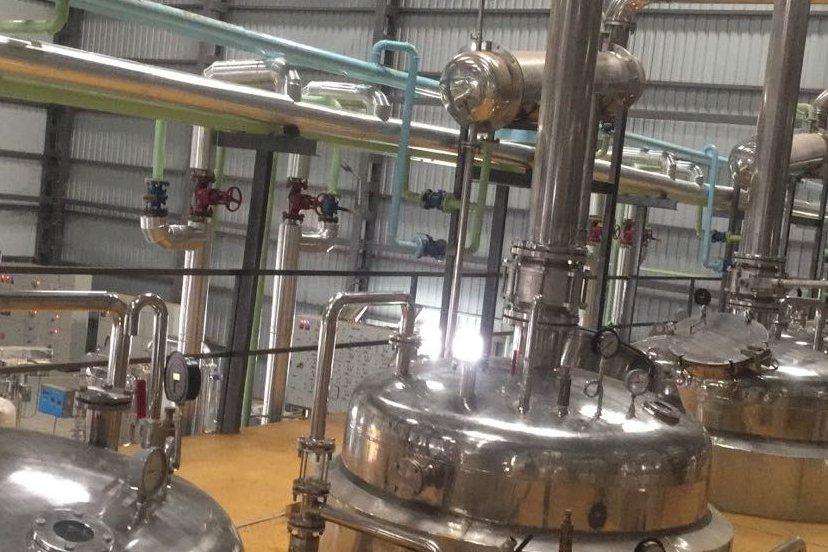
Tomato Paste Processing Plants
A tomato paste plant crushes, heats and pulps fresh tomatoes before evaporating them to a high-solids paste, and the choice between hot break and cold break sets how thick the paste will be.
View Product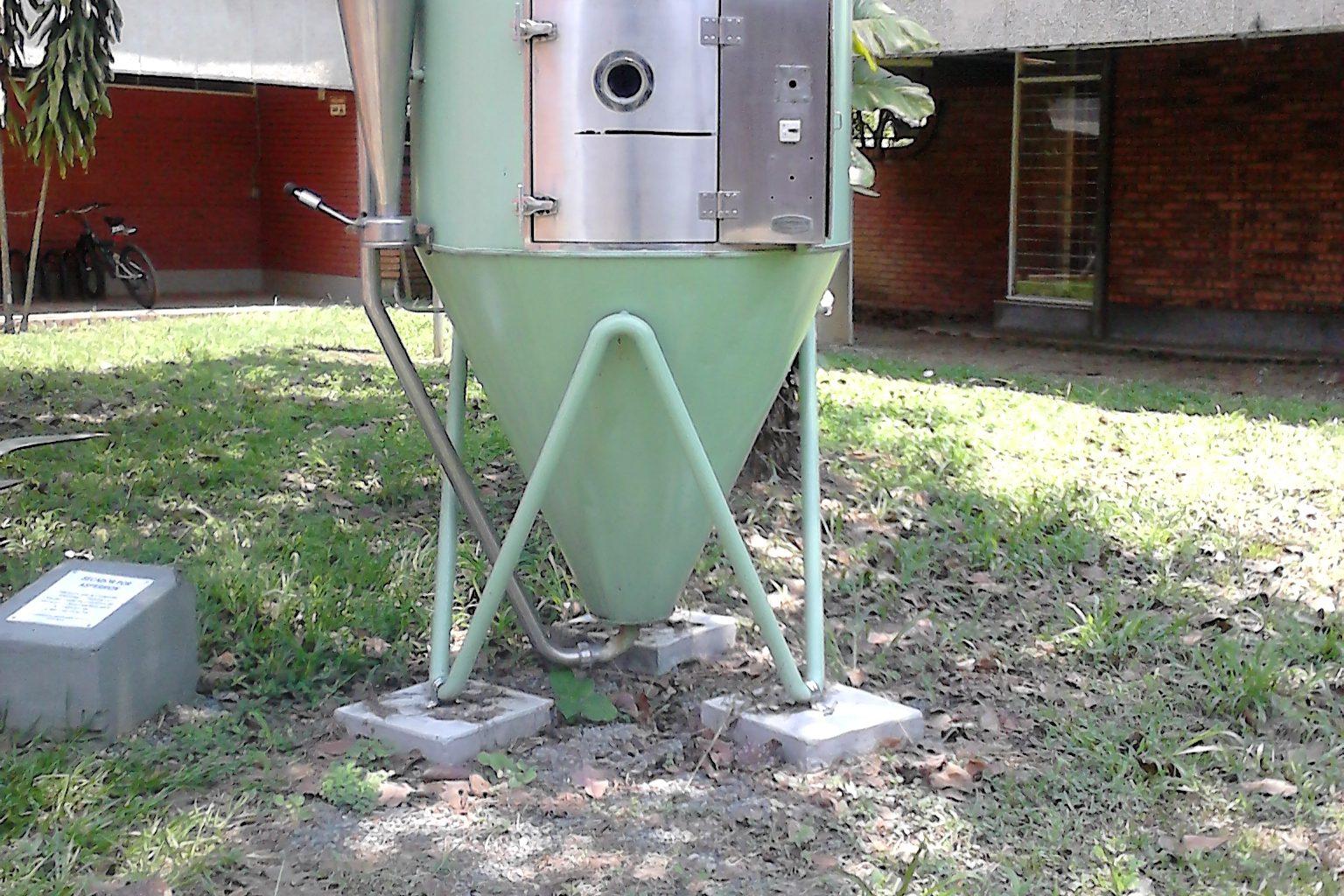 For Tomato
Tomato Powder Processing Plants
A tomato powder plant turns fresh tomatoes into a dry, shelf-stable ingredient: the fruit is pulped and concentrated, then dried and sieved to a set particle size and moisture.
View Product
Onion and garlic
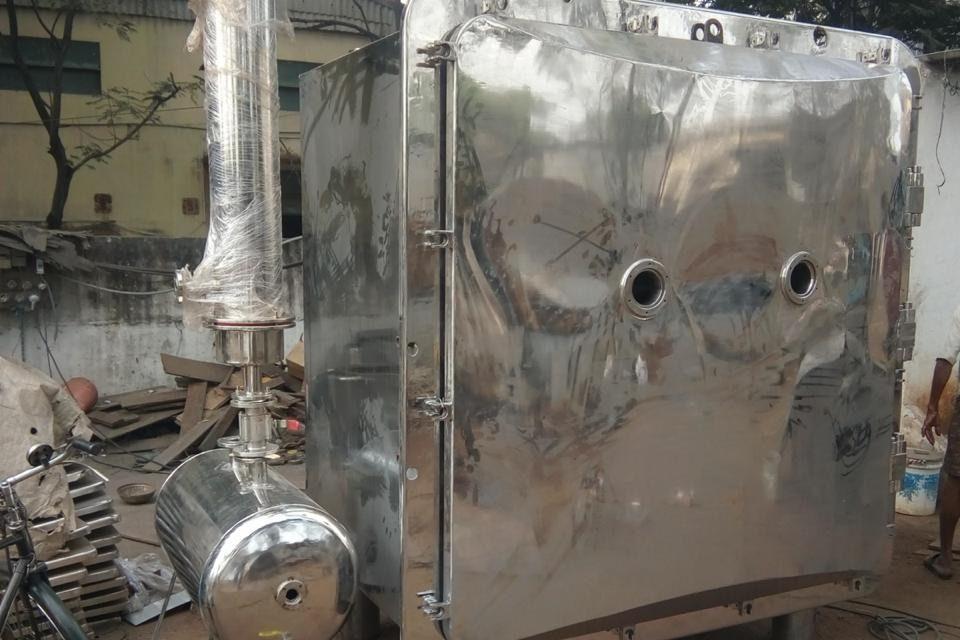
Onions and garlic are bulky and perishable, and slicing and dehydration turns them into a lighter, longer-lasting ingredient, so dehydration is worth discussing for processors who handle these vegetables.
Spices
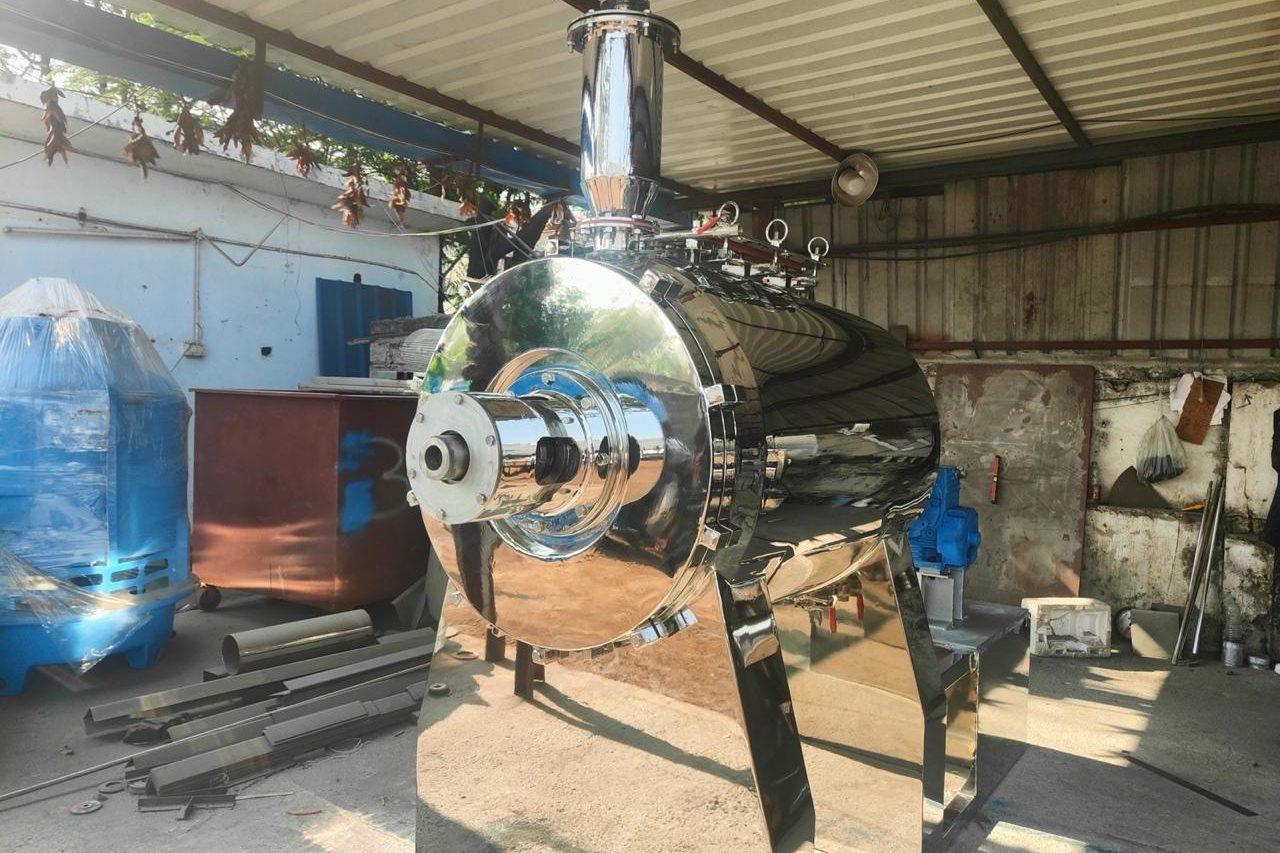
Spices such as chilli lose colour in poor drying, so a controlled spice drying plant helps processors keep a consistent product, and the choice depends on the spice and the volume handled.
Also Listed for Ethiopia
 Herbal, Botanical & Nutraceutical Extraction
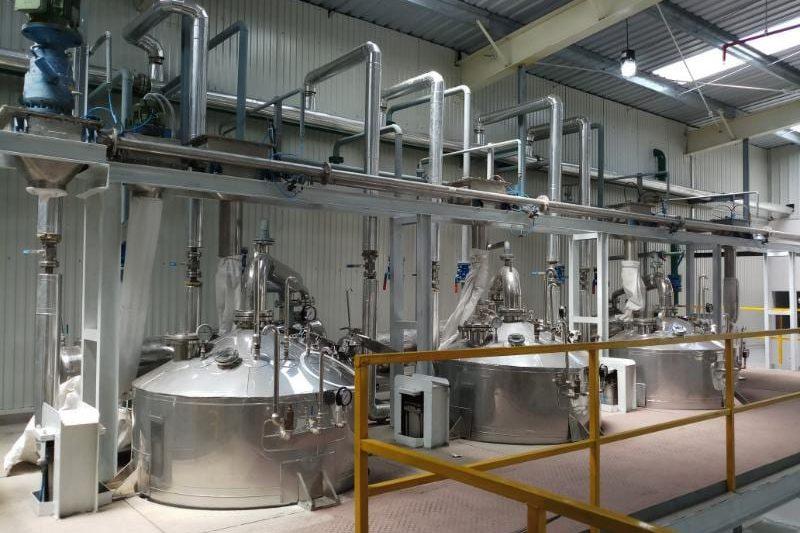
Herbal Extraction Plants
View Product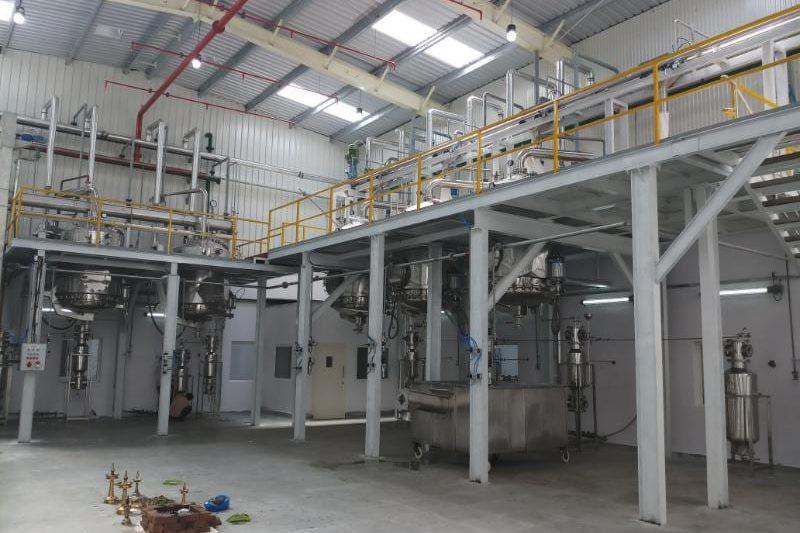 Herbal, Botanical & Nutraceutical Extraction
Turnkey Multi-Herbal Extraction Plants
View Product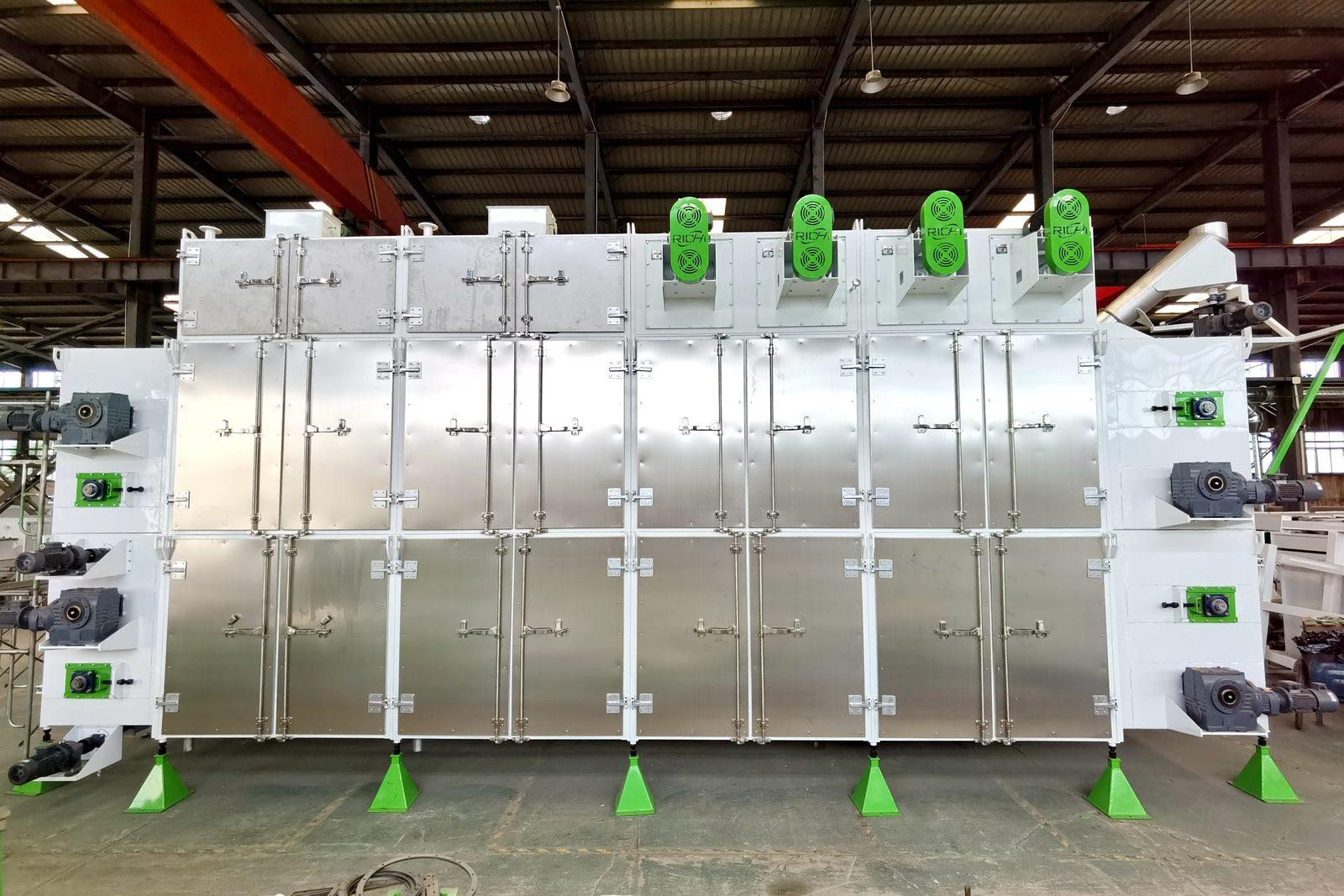 Drying & Dehydration Systems
Industrial Hot-Air Drying Systems
View Product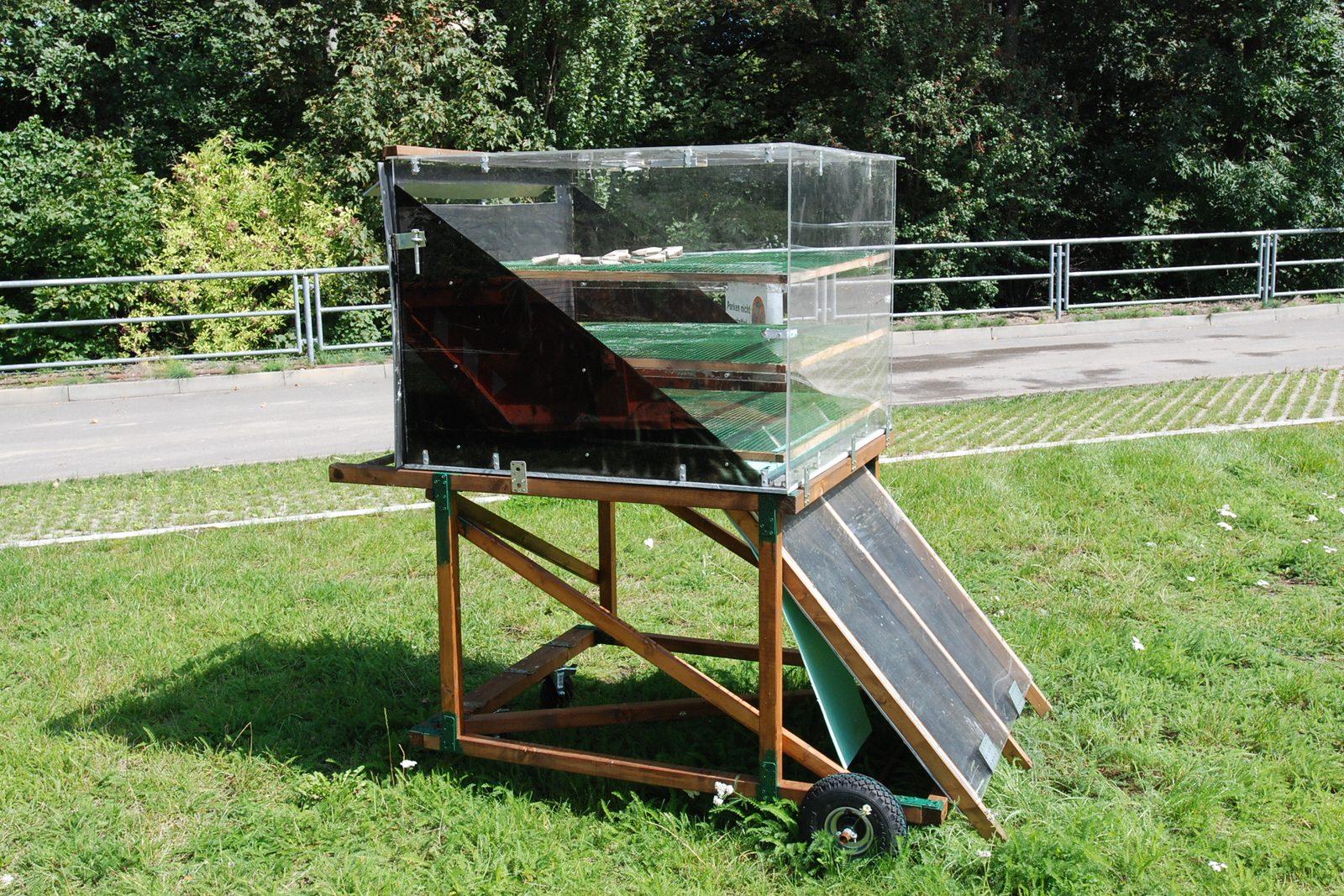 Drying & Dehydration Systems
Solar-Assisted Drying Systems
View Product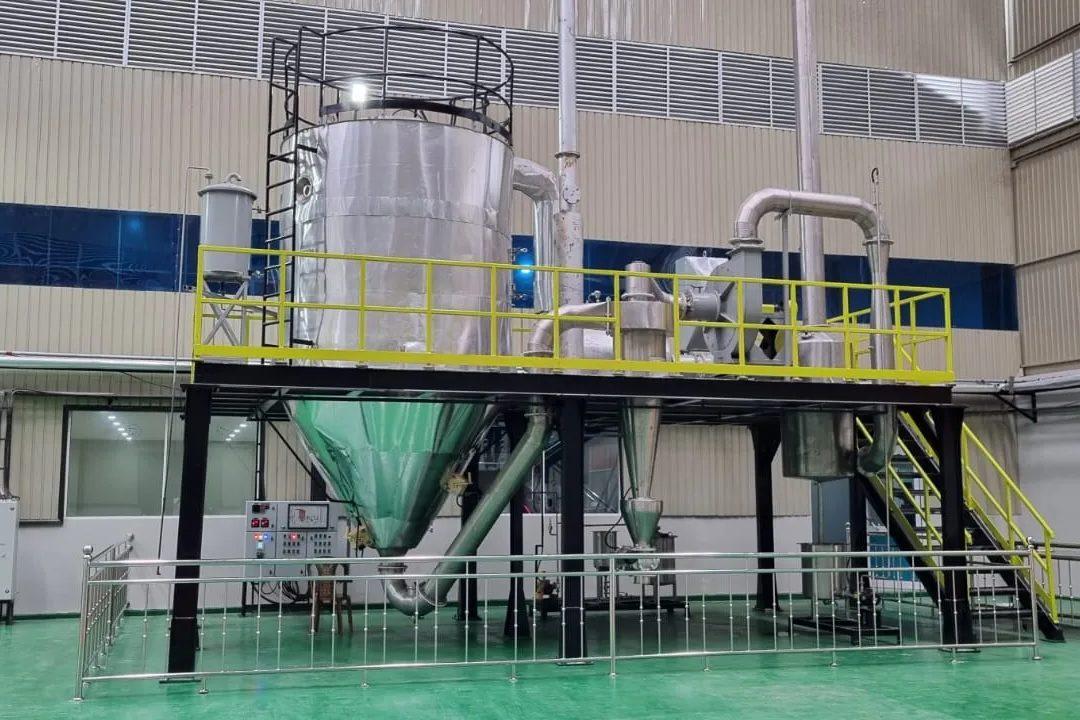 Drying & Dehydration Systems
Spray Dryer
View Product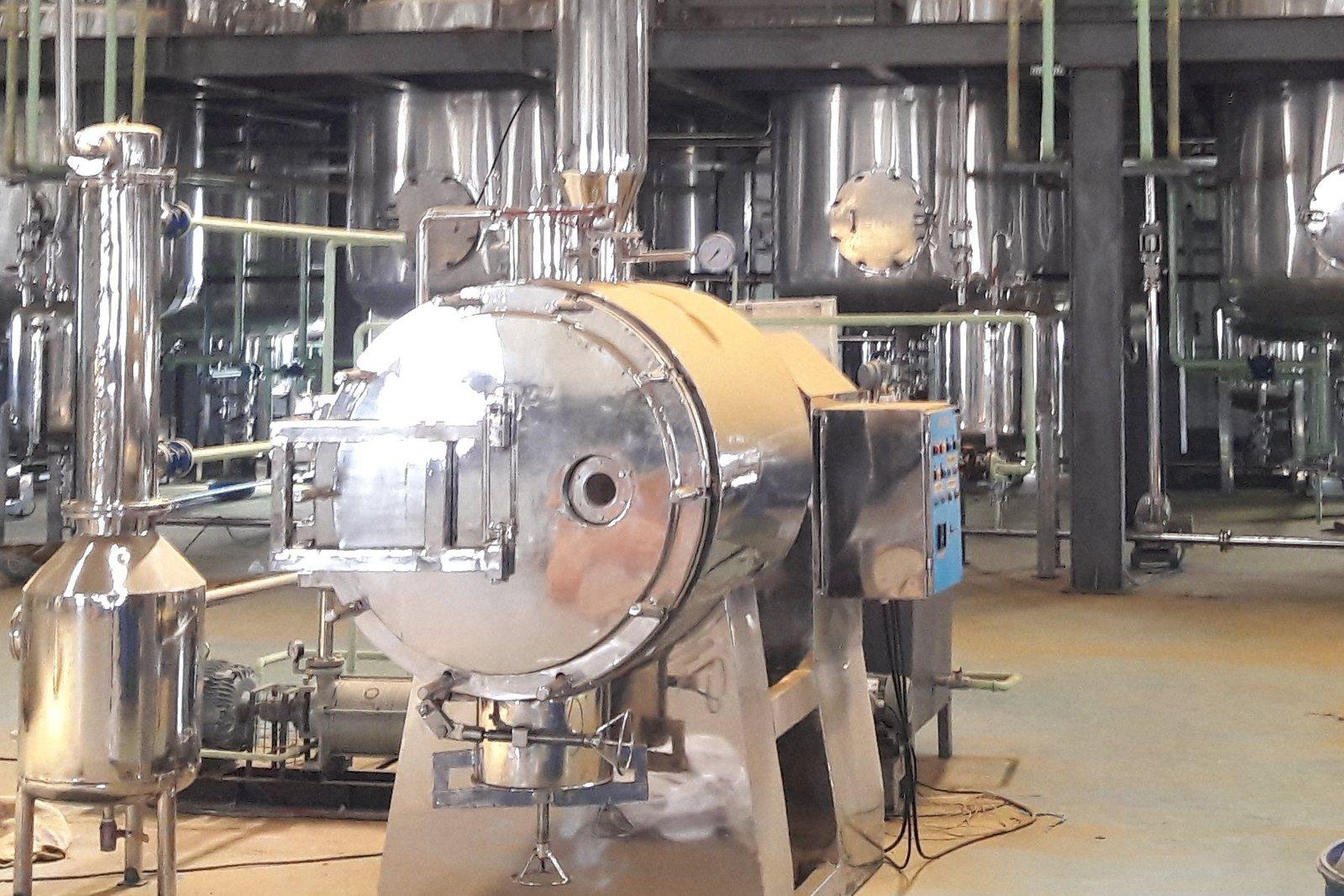 Cereals, Tubers & Sugar Processing
Rice Parboiling & Drying Plants
View Product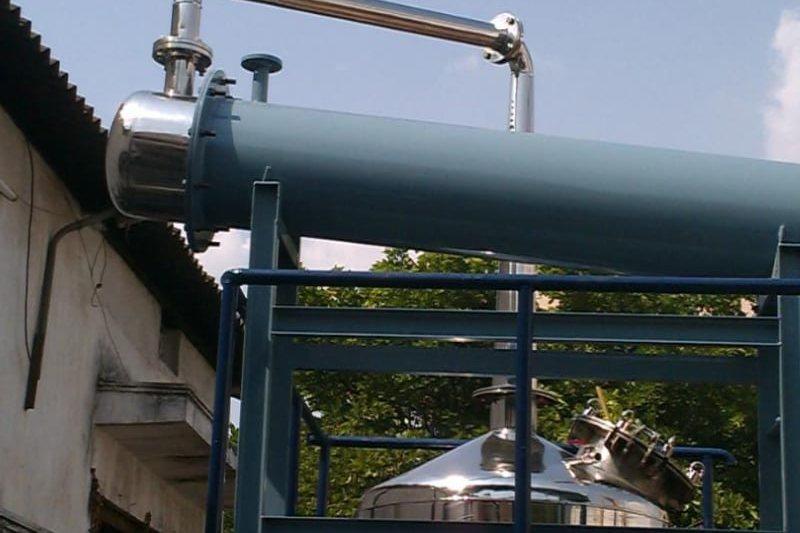 Specialty African Botanical & Natural Ingredients
Aloe Vera
View Product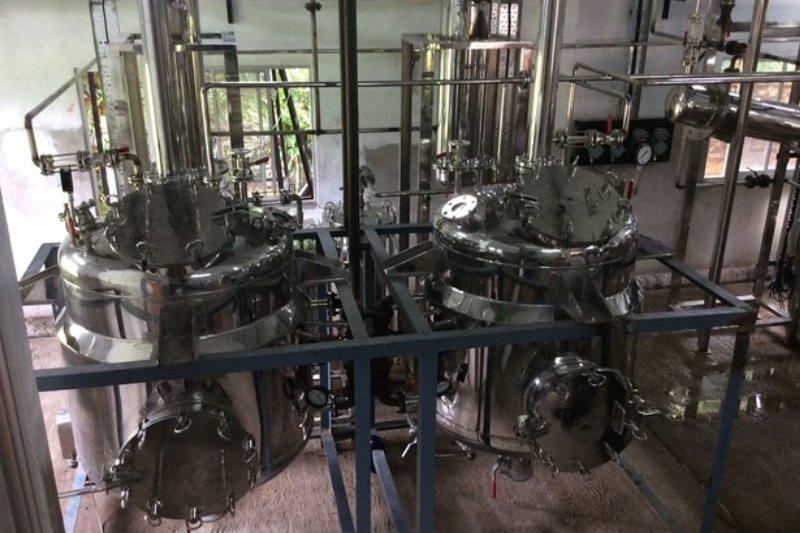 Specialty African Botanical & Natural Ingredients
Seaweed Extraction & Drying Plants
View Product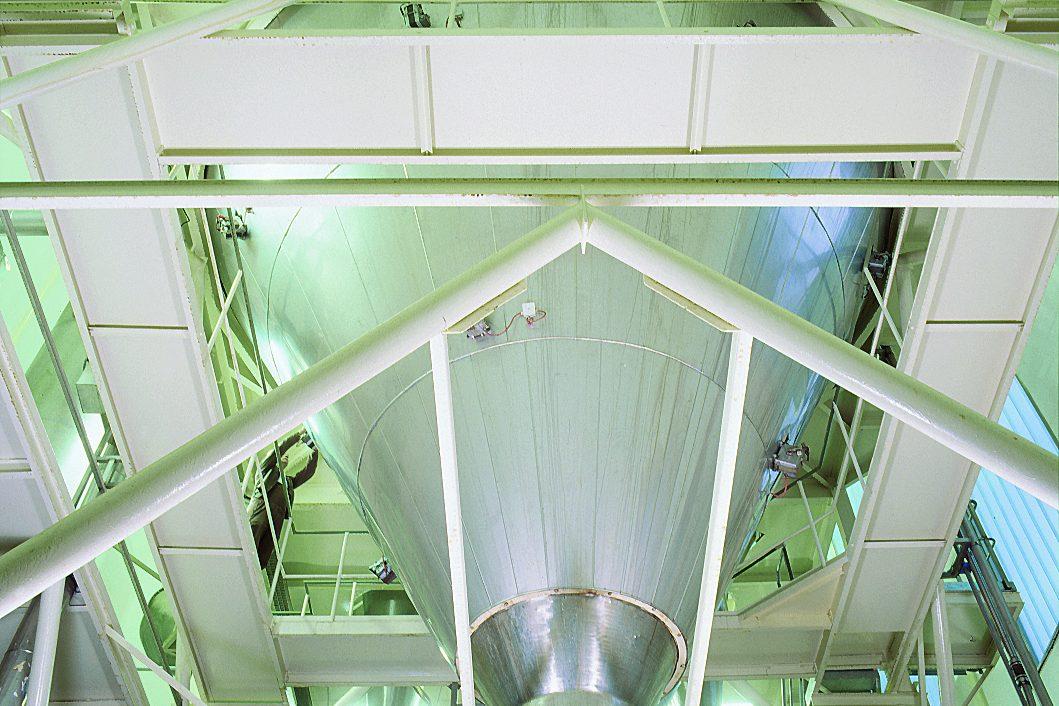 Specialty Food, Beverage & By-Product Processing
Dairy Evaporation & Spray Drying Plants
View Product
More Plants and Equipment, by Category
The other 57 products of the 73-product catalogue, by category. A product that is not listed for Ethiopia is not ruled out: tell us your raw material and target product. Request a technical proposal
Herbal, Botanical & Nutraceutical Extraction (7)
Category guide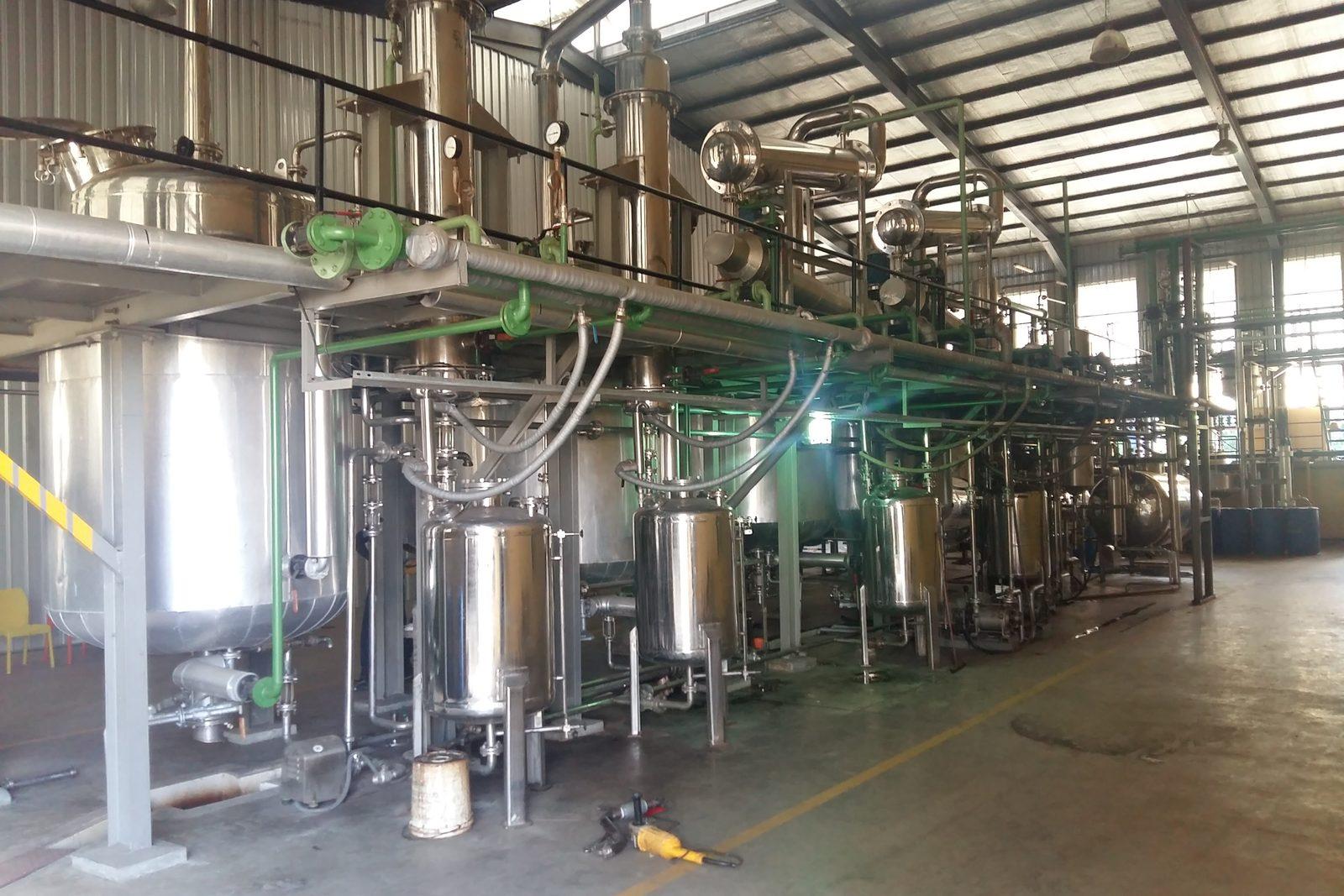
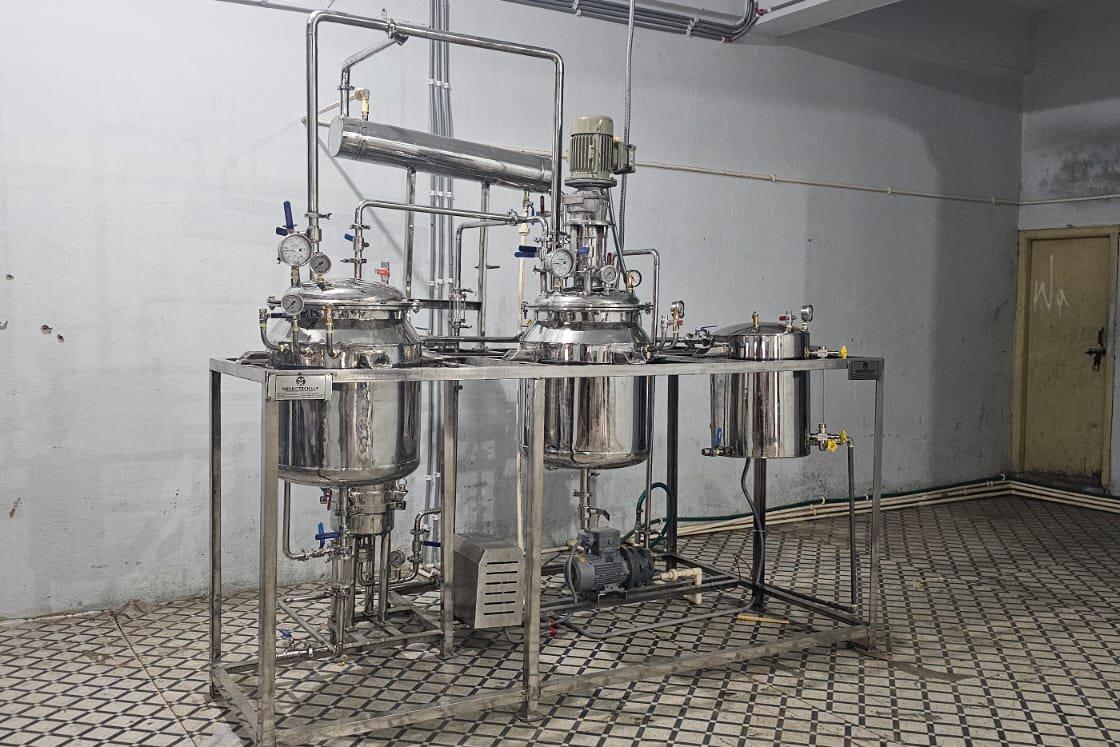
Essential Oils, Spices & Oleoresins (6)
Category guide
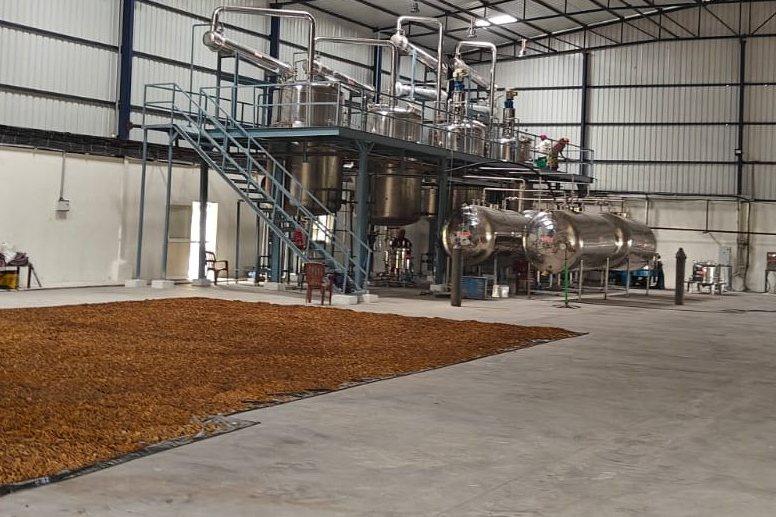
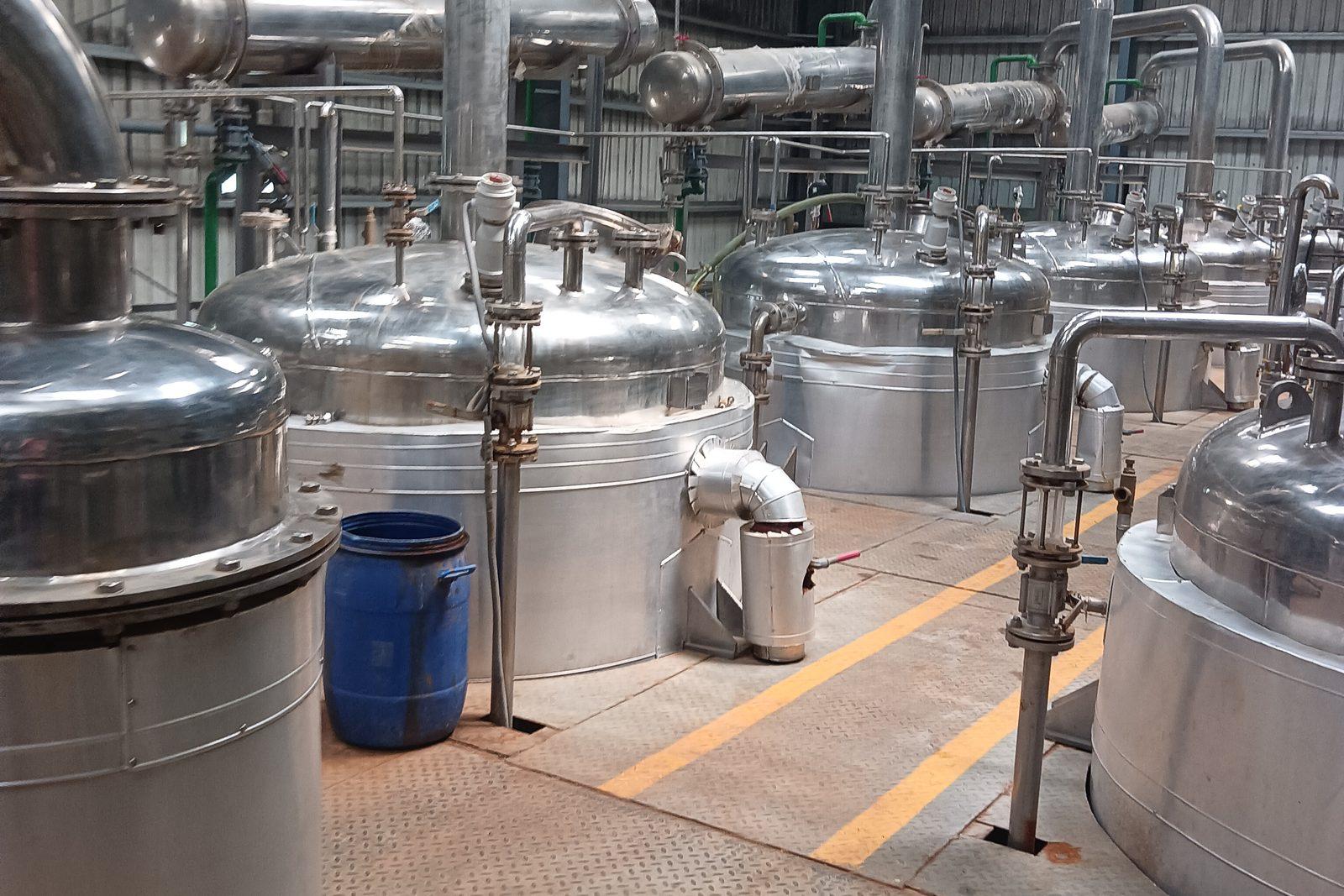
Fruit & Vegetable Processing (6)
Category guide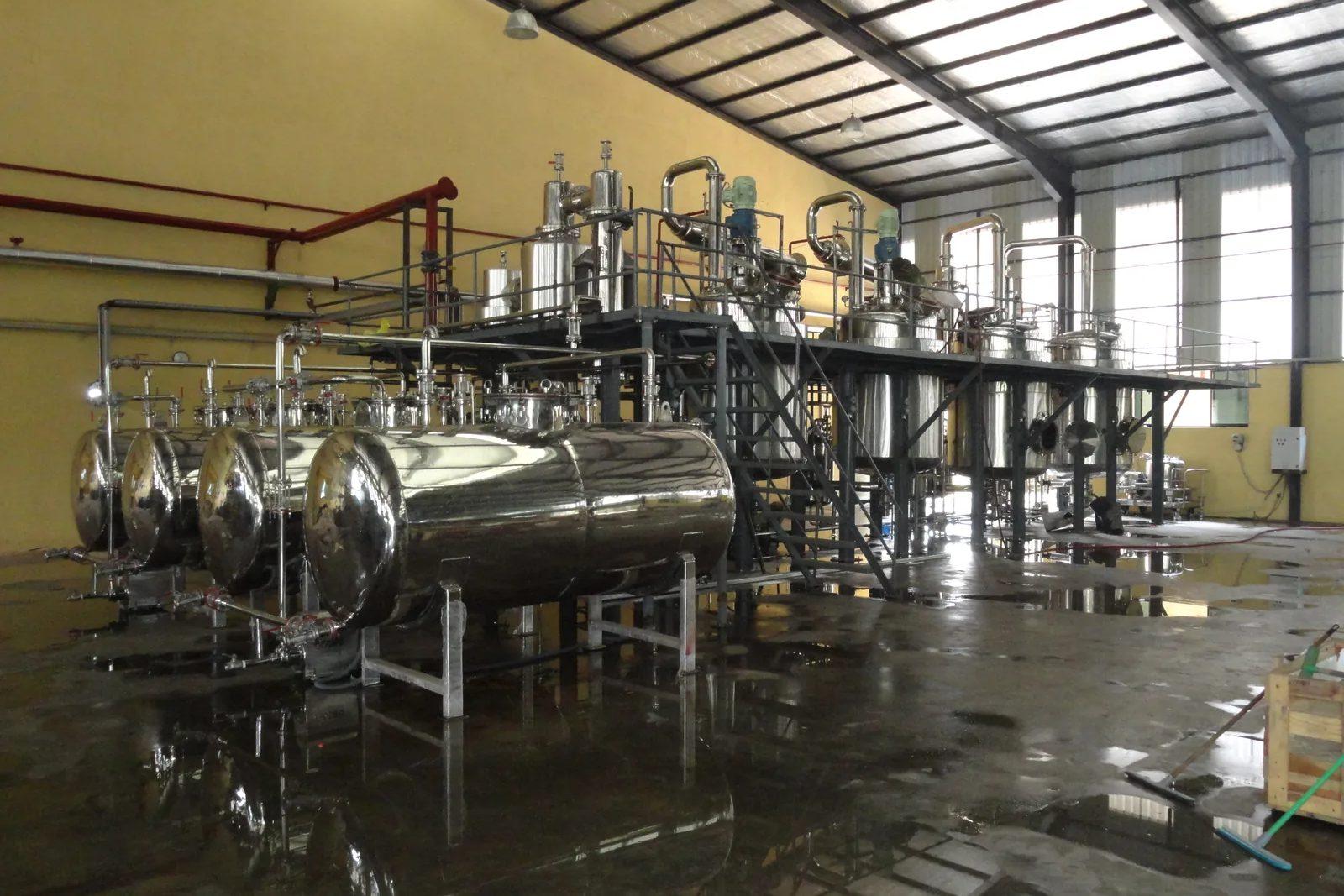
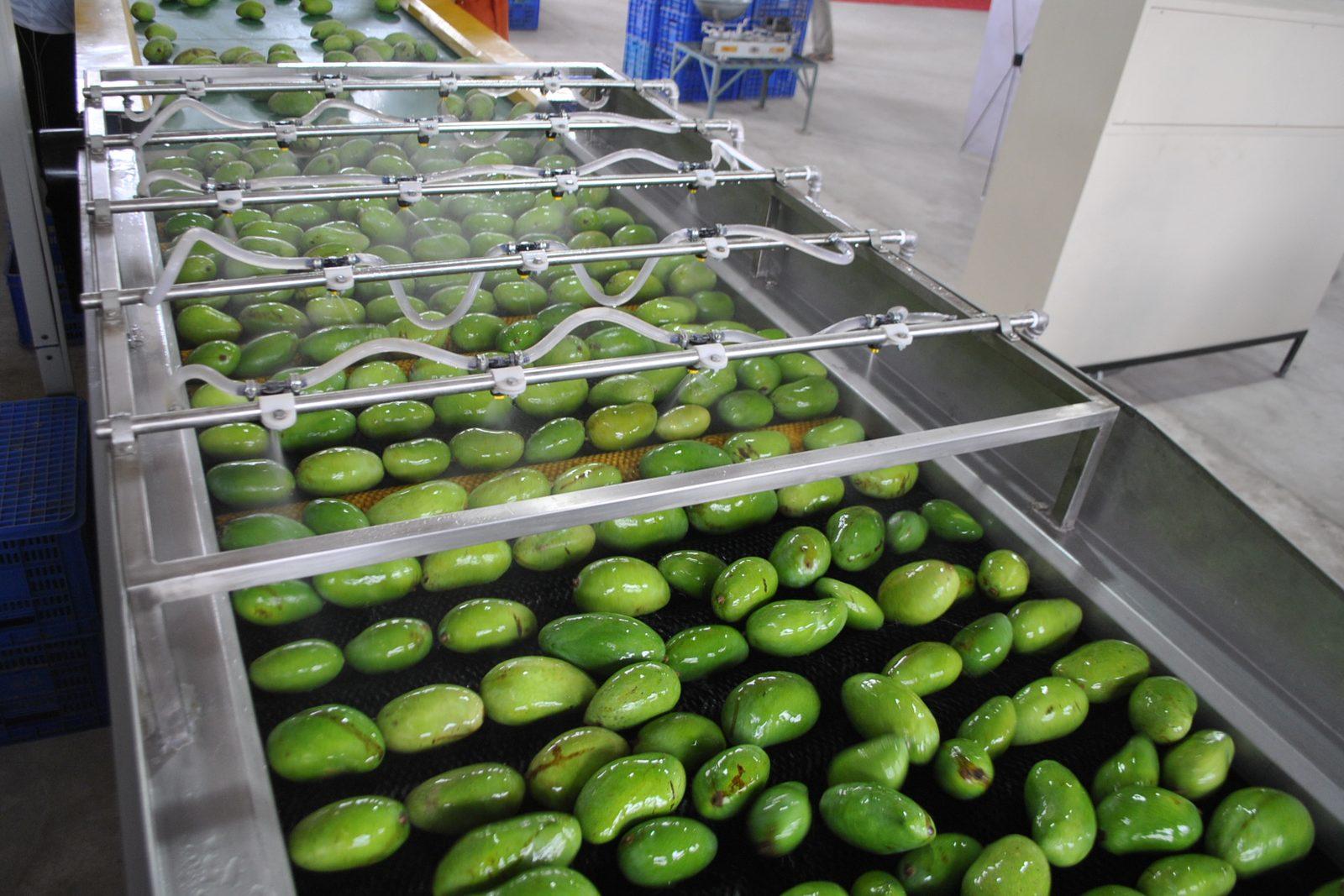
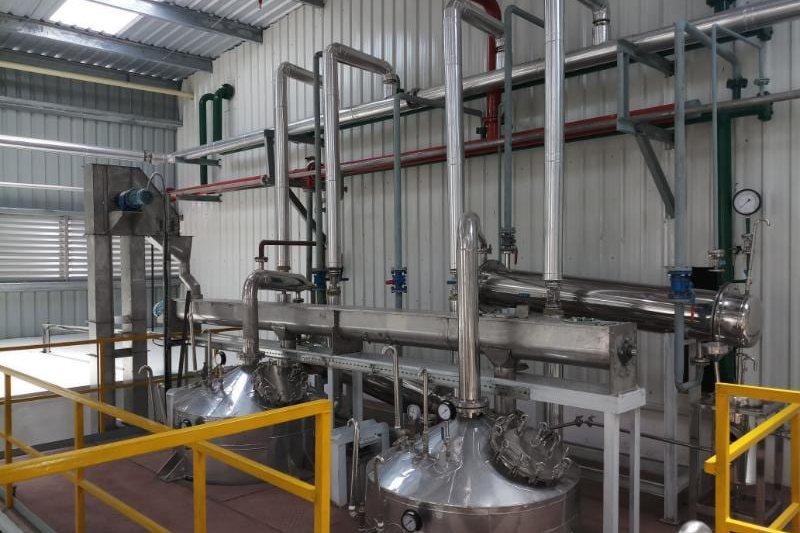
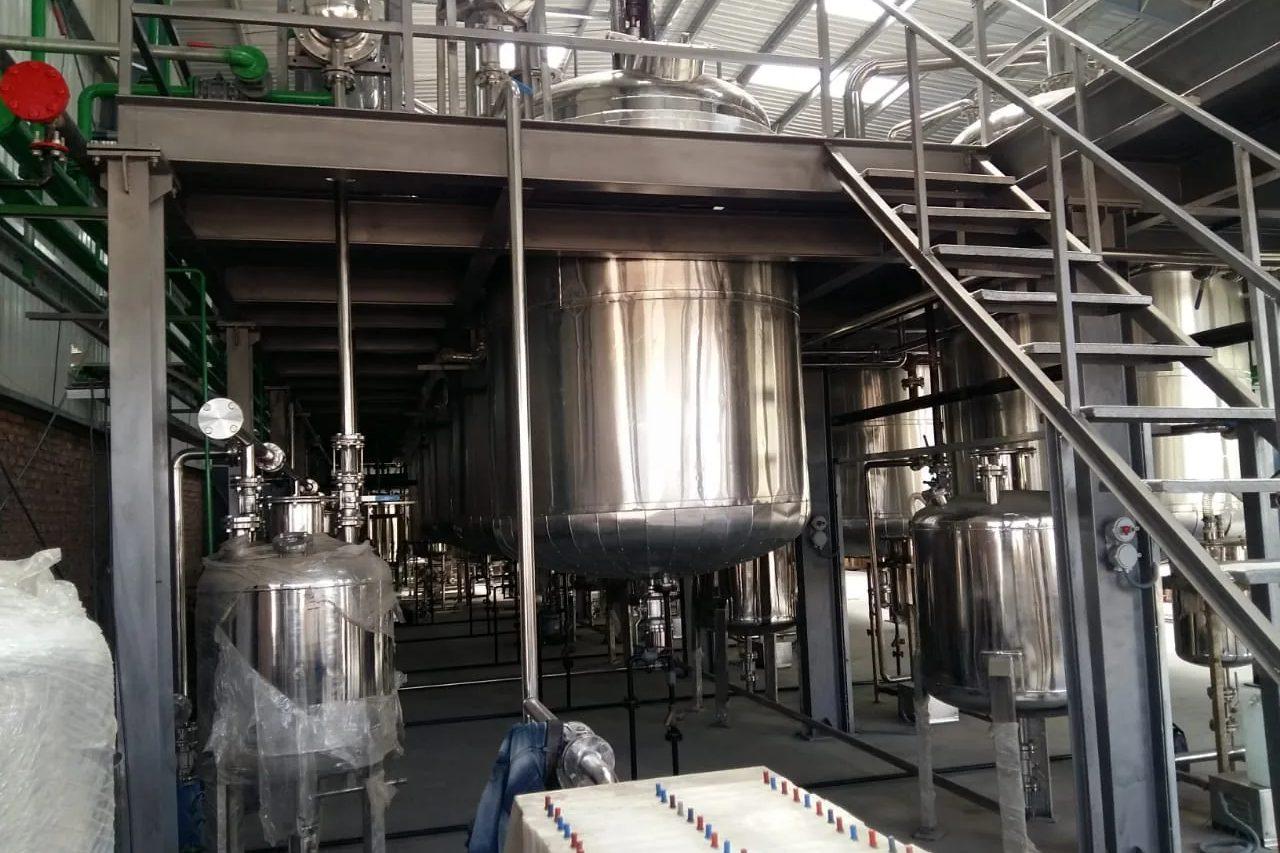
Starch, Flour, Edible Oil & Food Processing (6)
Category guide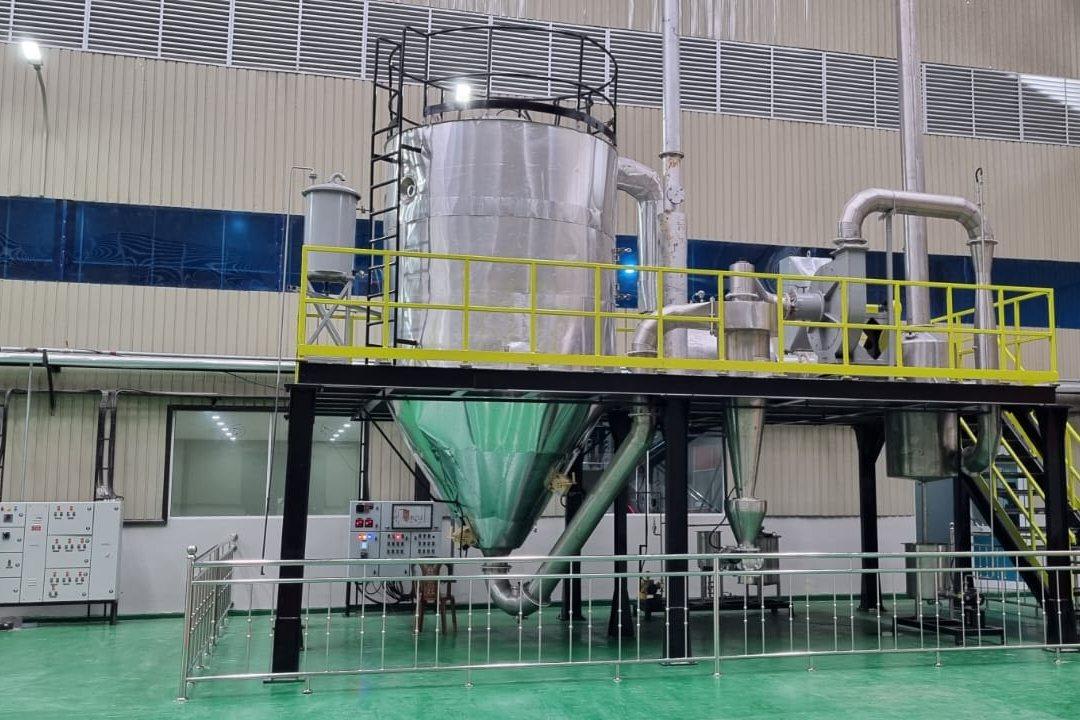
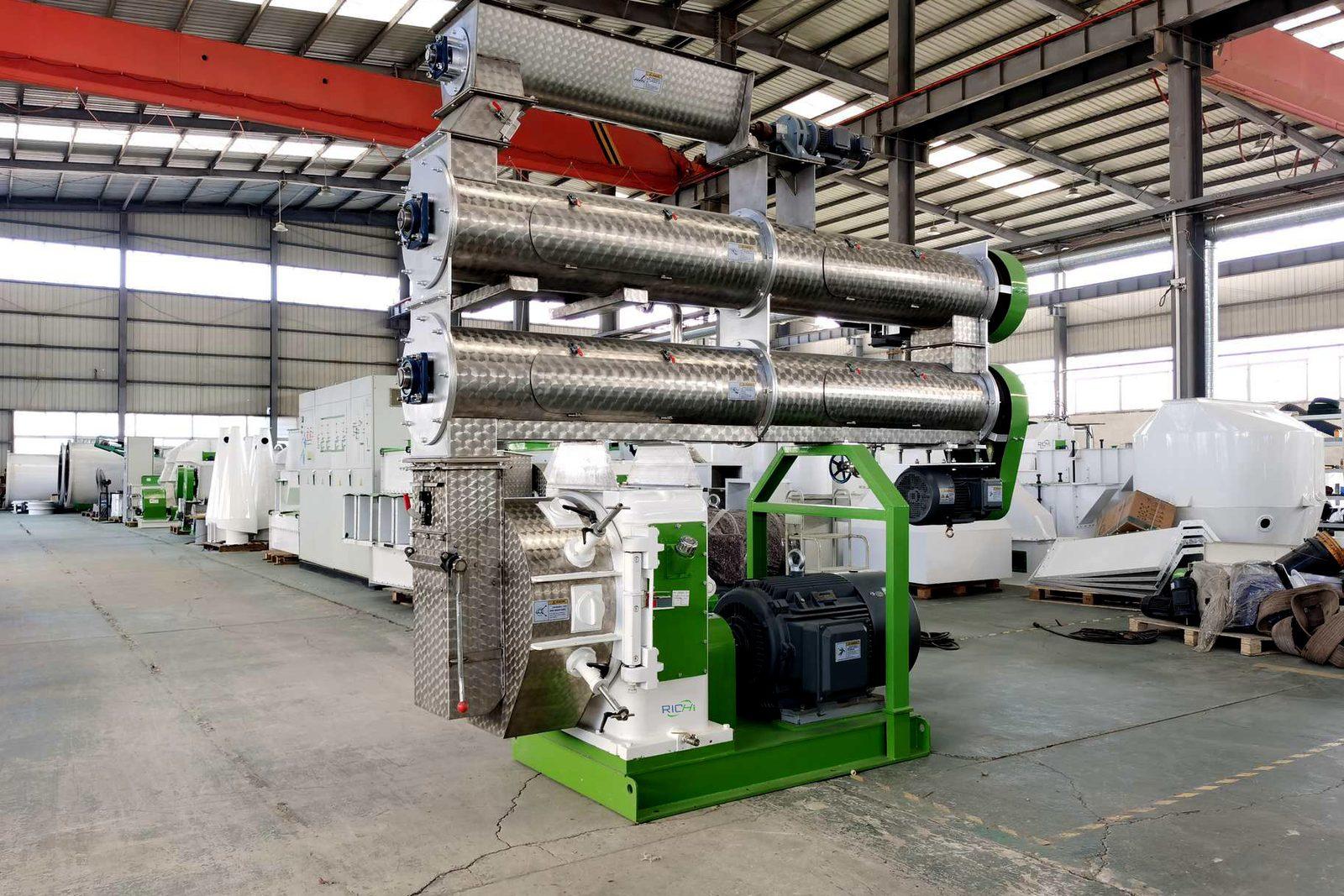
Drying & Dehydration Systems (1)
Category guide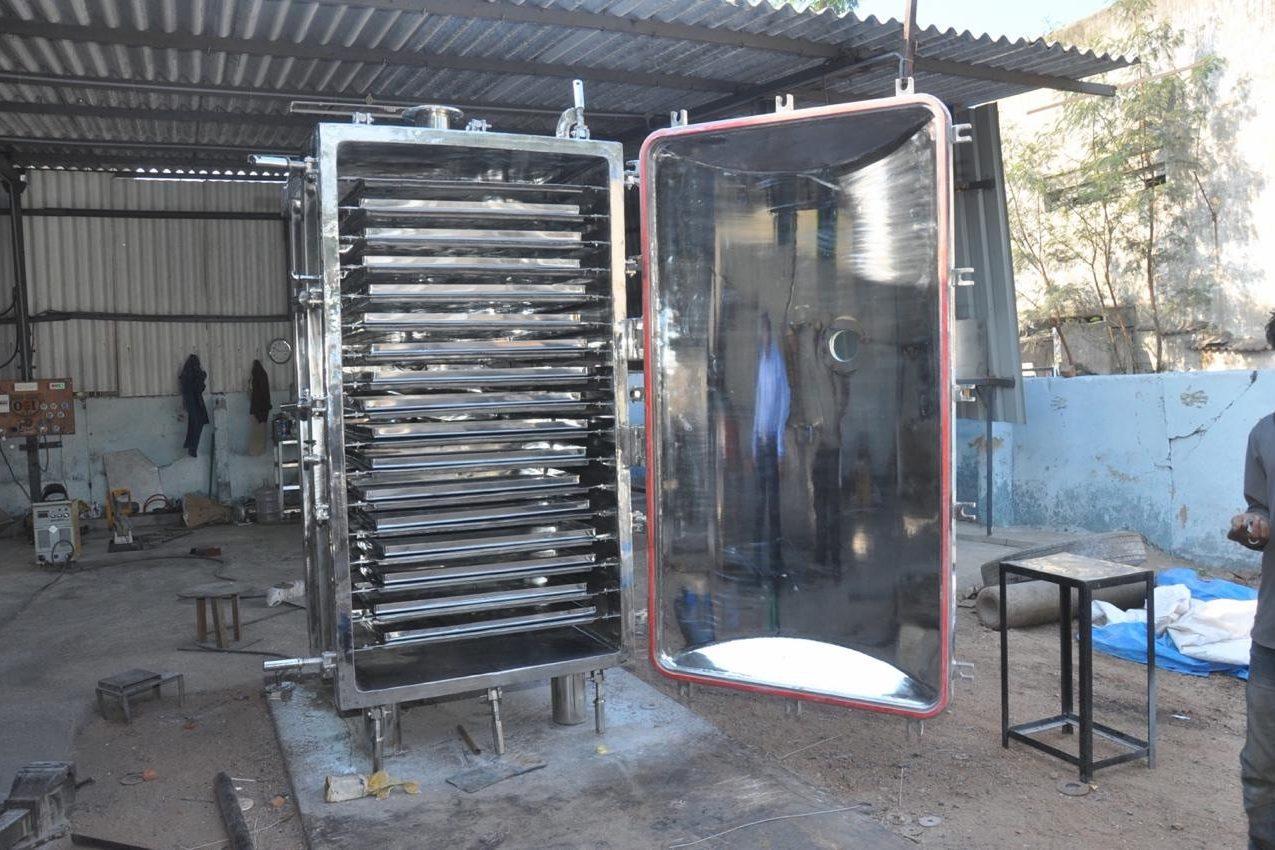
Evaporation, Concentration & Solvent Recovery (4)
Category guide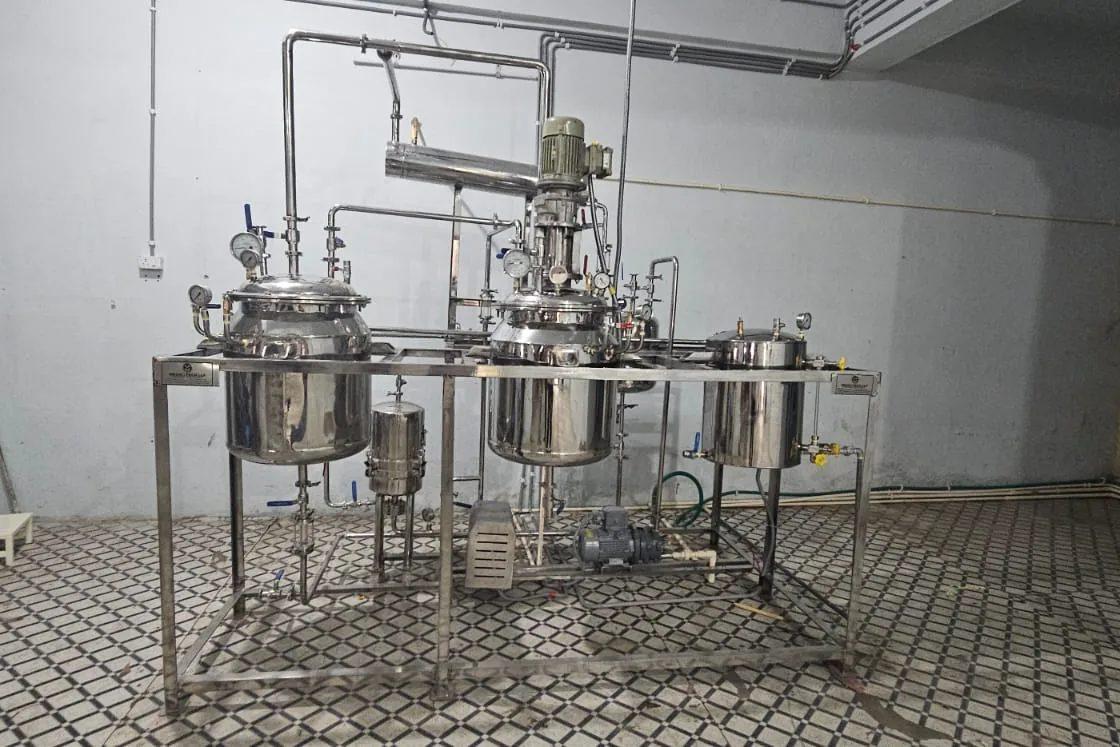
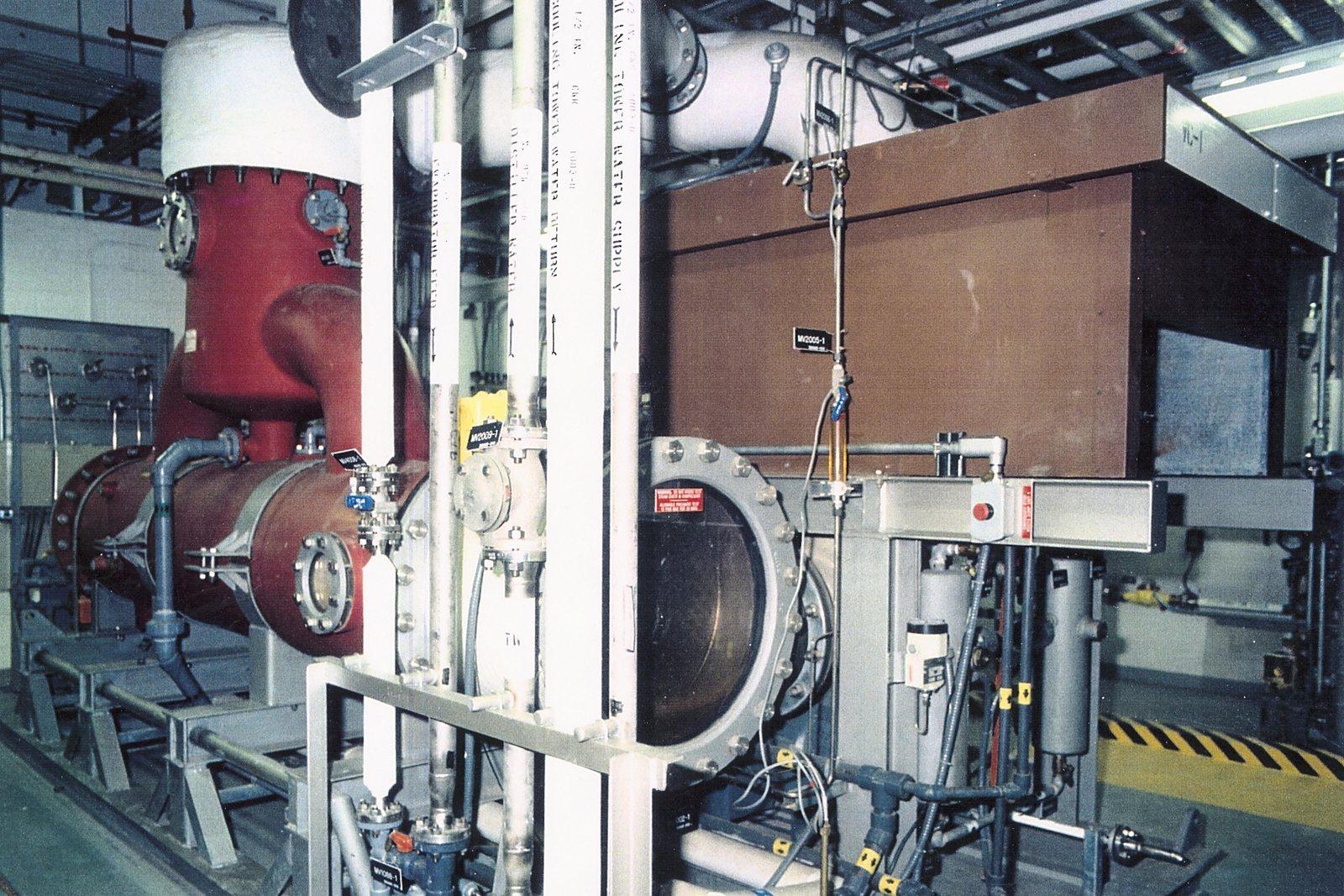
Pharmaceutical & Industrial Process Equipment (4)
Category guide
Cocoa, Shea, Palm Oil & Oilseed Processing (5)
Category guide
Cereals, Tubers & Sugar Processing (5)
Category guide
Specialty African Botanical & Natural Ingredients (9)
Category guide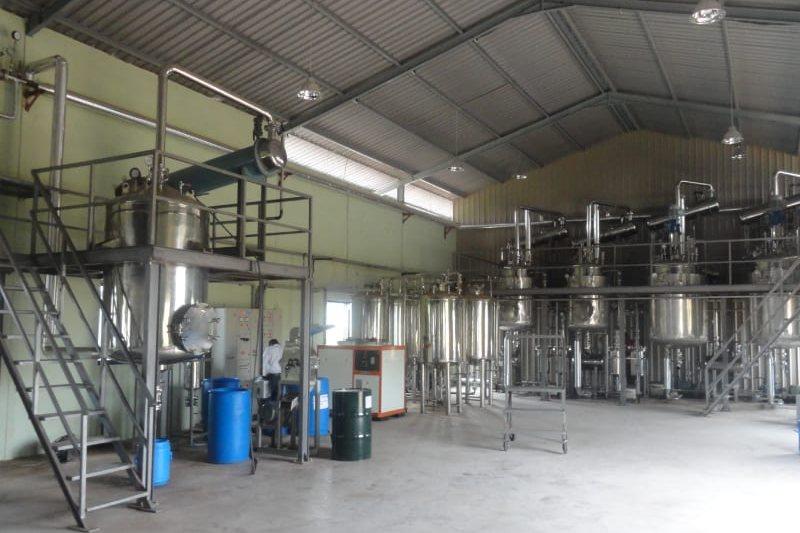
Baobab Processing & Extraction Plants
View Product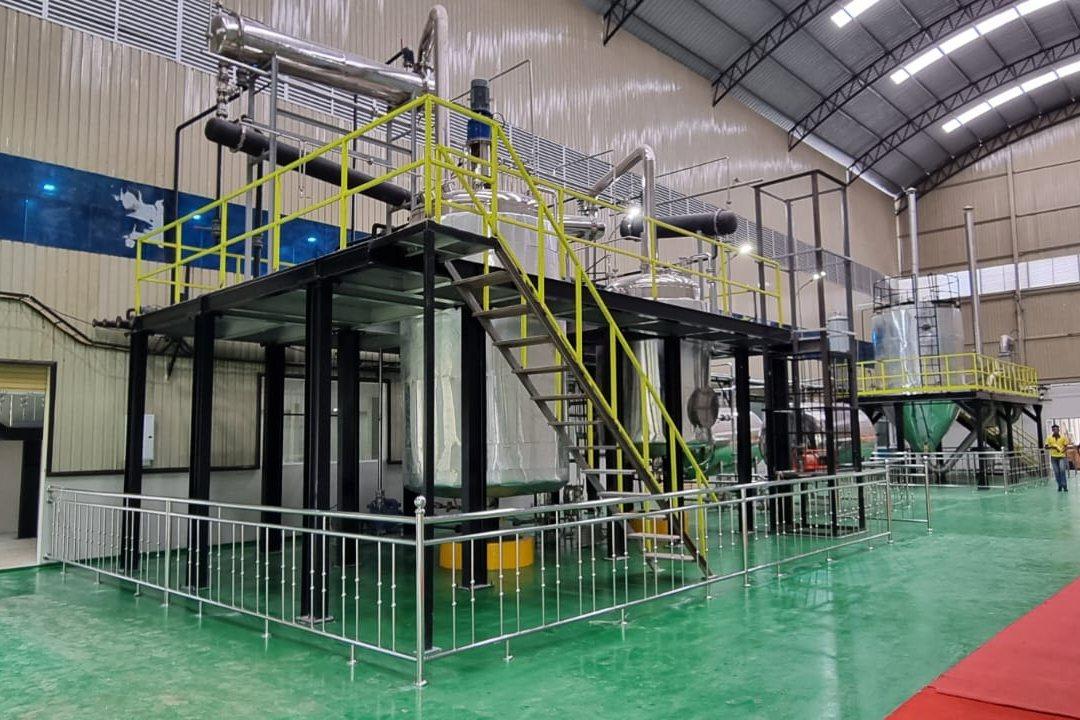
Gum Arabic Processing Plant
View Product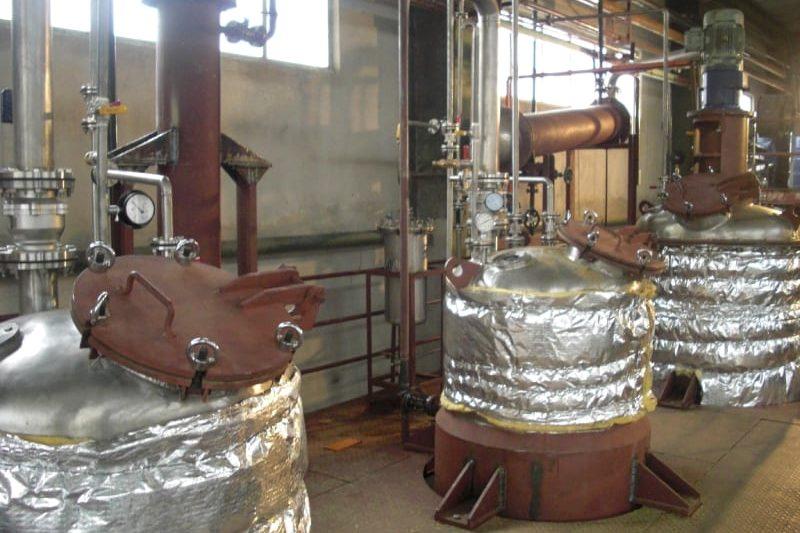
Natural Colour Extraction Plants
View Product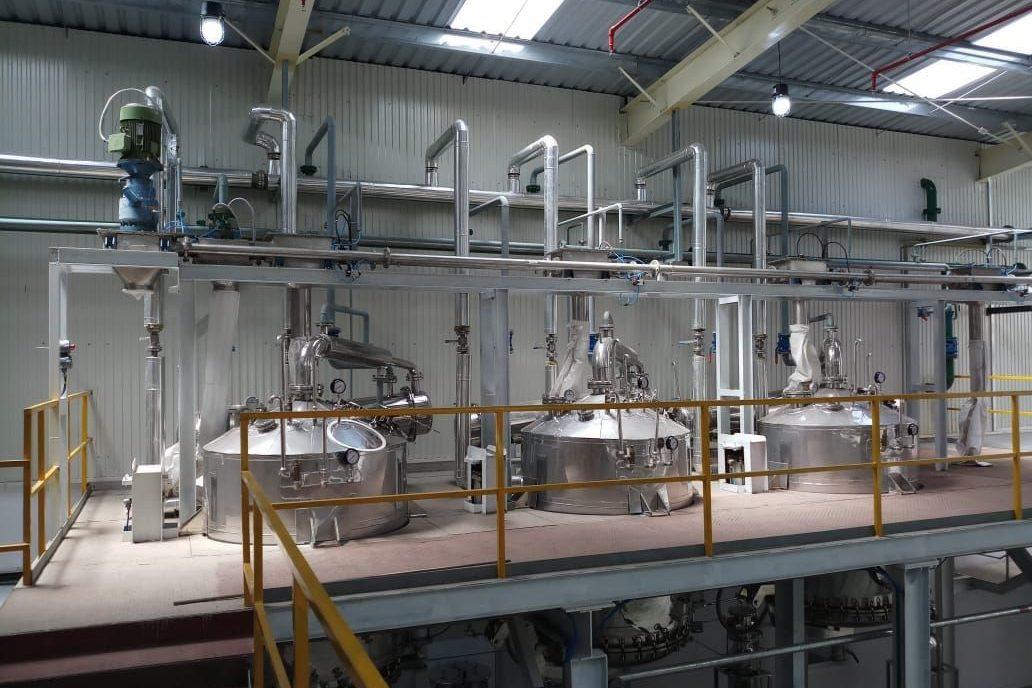
Vanilla
View Product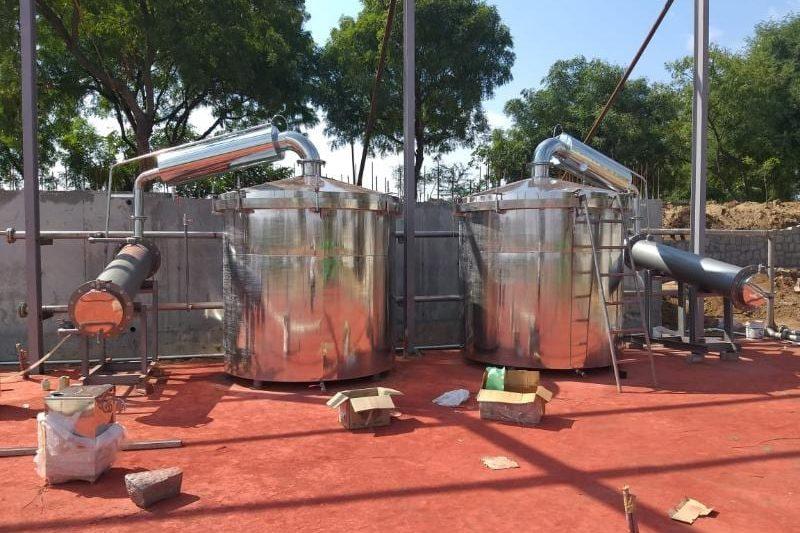
Clove Buds
View Product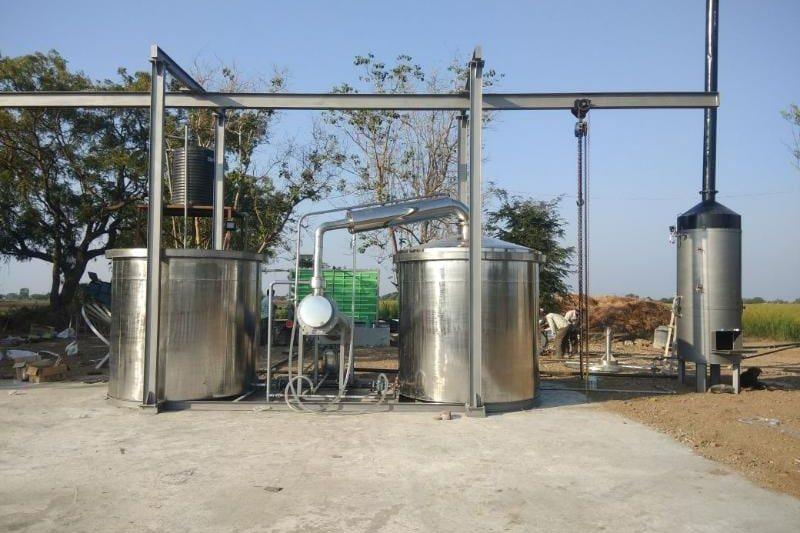
Ylang Ylang
View Product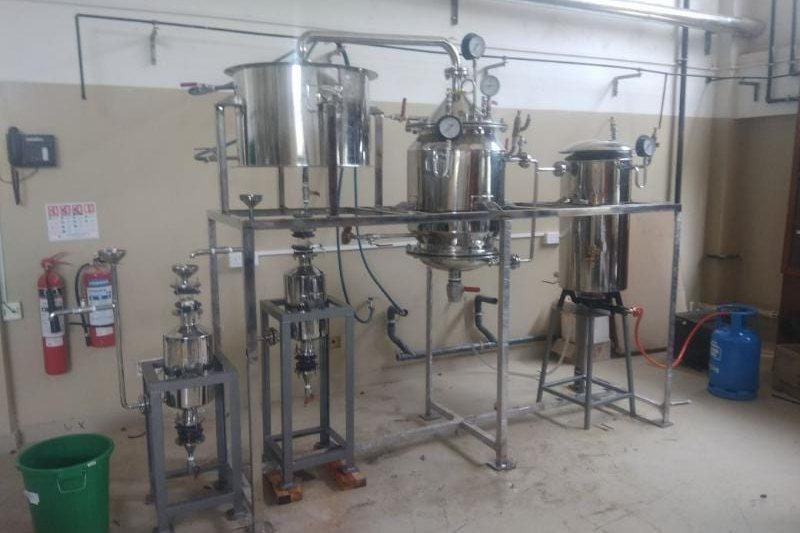
Argan Oil Processing Plants
View Product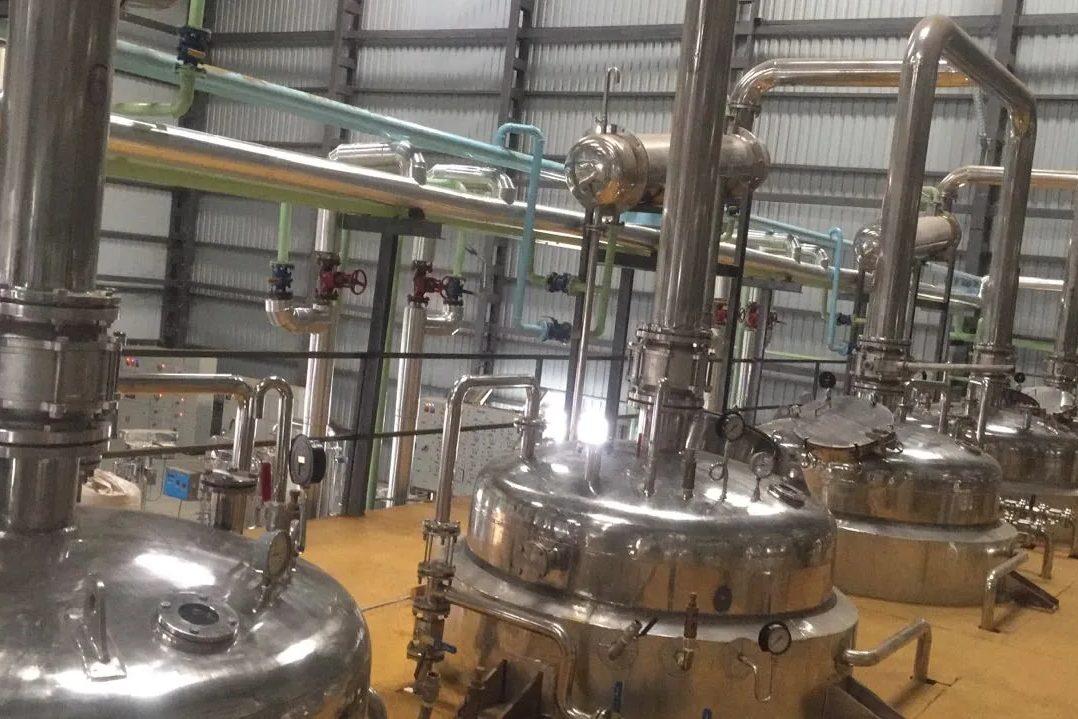
Olive Leaf Extract Powder
View Product
Frankincense Extraction Plant
View Product
What to Settle Before You Ask for a Proposal
Landlocked route through Djibouti
Imports use the Addis Ababa to Djibouti railway as well as roads, so equipment that arrives by sea has a long inland haul. Plan for careful packing of heavy items and clear scheduling of customs, rail and trucking.
Altitude and utilities
Sites differ widely in altitude and climate, which changes dryer and boiler sizing. Power supply and water quality at the proposed site should be confirmed with the engineer before layouts are fixed.
Seasonal vegetables and many growers
Where tomatoes and onions are harvested in concentrated periods, receiving capacity, cold or shaded storage and a flexible line that can run onions, garlic or tomatoes in turn are worth considering.
Industries to read next
Agro & Food Processing Solutions
Coffee, sesame oil, tomato paste and powder, and vegetable dehydration are the main agro-food streams discussed for Ethiopia, and each links to the relevant products among those mapped to this page.
Read the industry pageIndustrial Drying & Dehydration Solutions
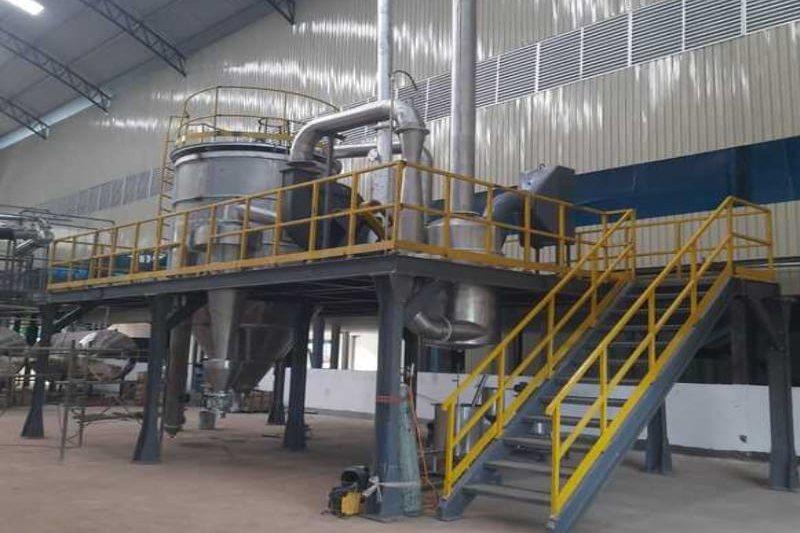
Onion, garlic, tomato, spices and herbs need controlled drying at some stage, and hot-air, solar-assisted and spray dryers are all relevant subjects for Ethiopian processors to discuss.
Read the industry page
From Enquiry to a Running Plant
Enquiries for Ethiopia Projects
Kadali Africa Ventures Limited, Accra
421, University Road
Sowutuom
Accra, Ghana
Questions About Plants for Ethiopia
Can coffee be processed into extract in Ethiopia?
Coffee extraction and concentration plants are intended for soluble coffee and liquid extract, while coffee processing plants cover drying and hulling. You would normally need to specify green bean or parchment supply, the target extract and the utilities on site before a proposal is discussed.
Which plants suit tomato processors in Ethiopia?
Tomato paste is made by crushing, heating, evaporating and filling, while tomato powder adds spray or other drying for a shelf-stable ingredient. The choice depends on fruit supply through the season, the water source and whether the product is for retail or industrial customers.
How are plants shipped to a landlocked project in Ethiopia?
Ethiopia has no coast, and the Addis Ababa to Djibouti railway and roads carry imports inland. Please give your site address and access limits in the enquiry so the proposal can address modular packaging, unloading and installation sequence for your location.
Does Kadali Africa Ventures have an office in Ethiopia?
Kadali Africa Ventures Limited has offices in Accra, Ghana and Kano, Nigeria, and none in Ethiopia. Engineering and manufacturing scope for each product is confirmed in the technical proposal.
What should I send for a Ethiopia project proposal?
Use the form on this page. Give your raw material, the product you want to make, the capacity and its basis (for example kg per hour or tonnes per day) and your site.
Planning a project in Ethiopia?
Send your raw material, target product and capacity. We will come back with the process route and equipment scope for your project.
Tell us about your Ethiopia project
Only name, email, phone and industry are required. The more you share about raw material and capacity, the more precise our proposal.