
Côte d'Ivoire Cocoa, Palm Oil and Mango Plant Solutions
Compare plants for the cocoa, oil palm, mango, cassava and rice raw materials that Ivorian processors may work with, and request a proposal for the one that fits.
- 17 products in 8 categories, listed for Côte d’Ivoire
- Engineering and manufacturing scope confirmed in the technical proposal
Kadali Africa Ventures Limited has offices in Accra, Ghana and Kano, Nigeria, and no office in Côte d’Ivoire; enquiries from Côte d’Ivoire are handled from the Accra office.
Ivorian tree crops and staples that feed processing lines
Côte d'Ivoire has a humid and dense forest in the south and a transition zone between the forest and the savannah in the centre. The country is known for cocoa and cashew, and small-scale family farms are the rule for traditional cocoa, so beans reach a processor from many growers. Cocoa beans are fermented on the farm and roasted in the factory, the shell is winnowed from the nib, and the ground nib is pressed into cocoa butter and cake. Large plantations are dominant in bananas, rubber, palm oil and pineapple.
Cassava and plantain are produced in the south. Mangoes are among the non-traditional agricultural exports, and mango is a seasonal fruit, so pulp, juice, concentrate and dehydration routes are relevant to discuss for surplus fruit. Rice is also grown in Côte d'Ivoire, with harvesting of the rice crop reported each year, and parboiling, the partial boiling of rice in the husk before milling, protects the grain from breaking.
Cashew and rubber are also grown, though they sit outside the plant range listed here. Possible users of plants like these include cocoa grinders, palm oil millers, fruit processors, starch and flour producers and cooperatives. The Port Autonome d'Abidjan is one gateway through which equipment deliveries may be planned.
Products Relevant to Côte d’Ivoire
17 of the 73 products in the catalogue are listed for Côte d’Ivoire, in 8 categories: Herbal, Botanical & Nutraceutical Extraction (2), Fruit & Vegetable Processing (3), Starch, Flour, Edible Oil & Food Processing (2), Drying & Dehydration Systems (5), Cocoa, Shea, Palm Oil & Oilseed Processing (2), Cereals, Tubers & Sugar Processing (1), Specialty African Botanical & Natural Ingredients (1), Specialty Food, Beverage & By-Product Processing (1). The plants for Côte d’Ivoire’s own raw materials come first. A listing is a catalogue listing, not a statement of demand or supply; the final configuration depends on your raw material, target product and capacity.
Cocoa beans
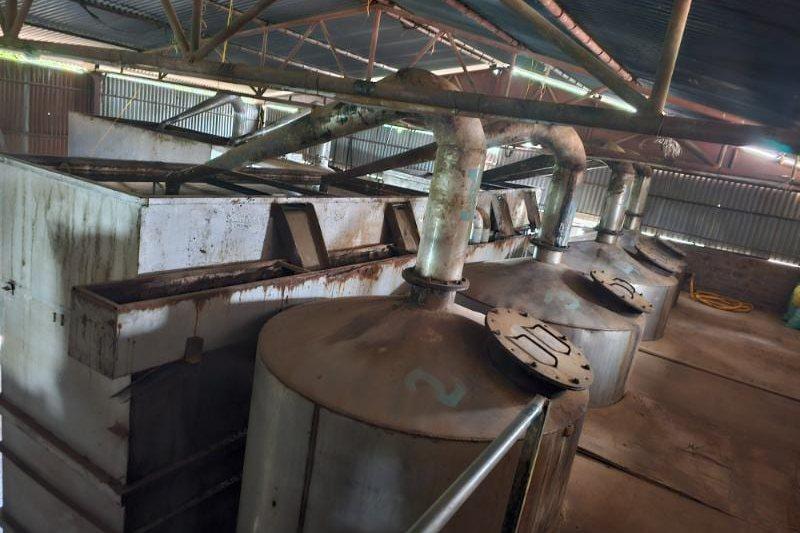
The country is known for cocoa, grown largely on small family farms, so beans reach a processor from many growers. After on-farm fermentation, a processor roasts the beans, winnows the shell from the nib, grinds the nib to liquor and presses it into cocoa butter and cake; starting from beans or from nibs changes the line.
Oil palm fruit
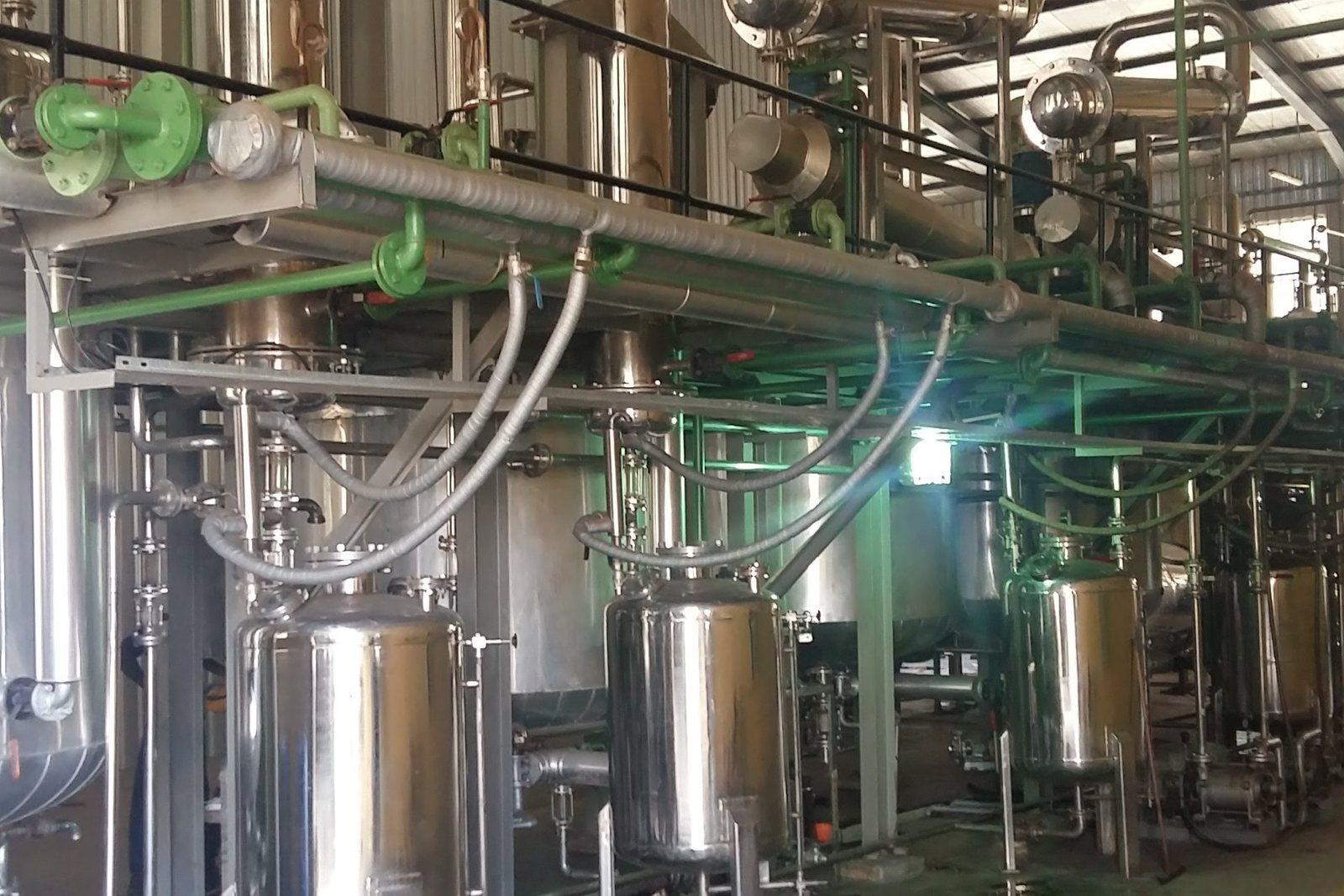
Large plantations are dominant in palm oil, and palm bunches must be sterilised and pressed soon after cutting, with clarification and refining following for edible-grade oil; these steps are worth discussing for millers.
Mango
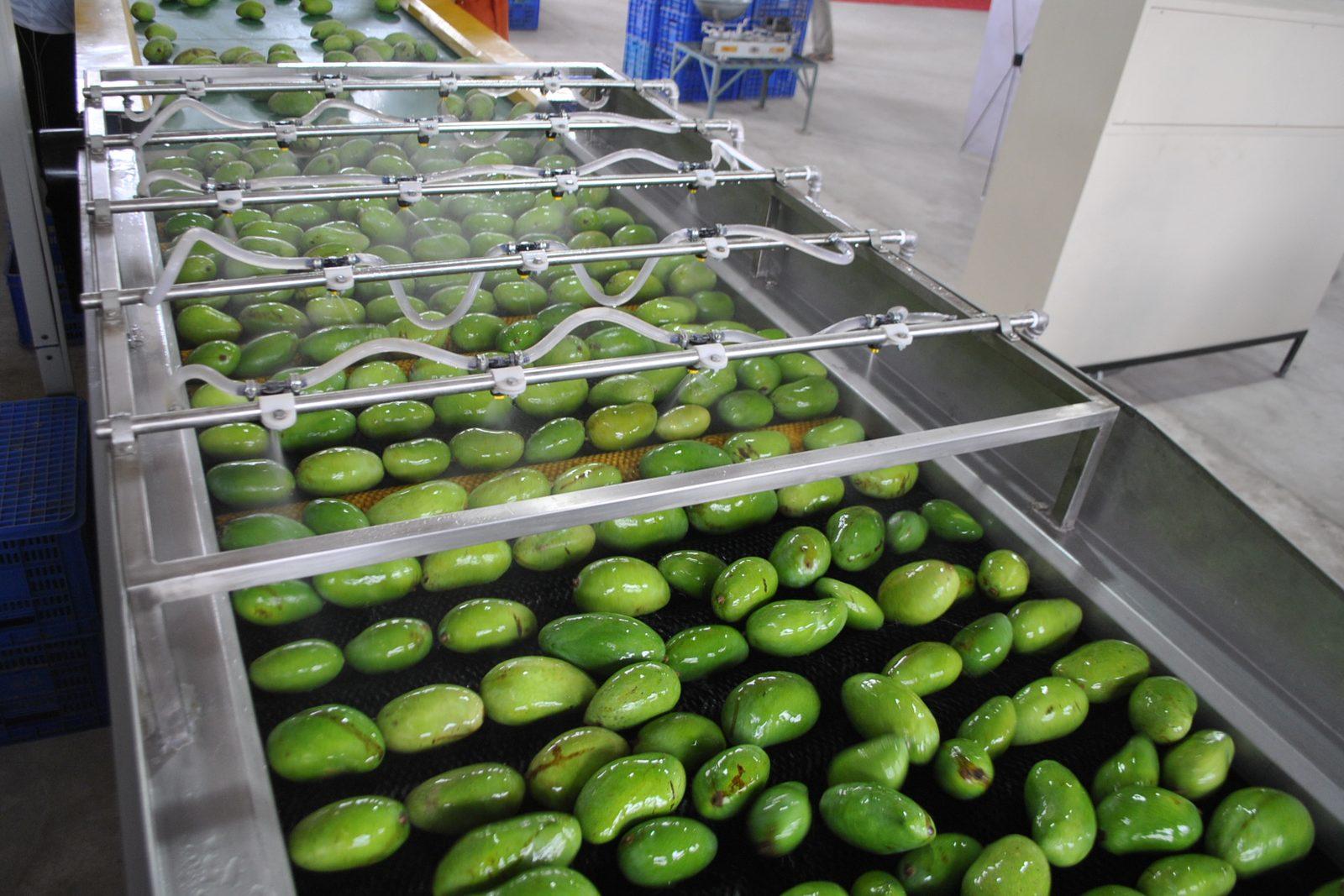
Mango is a seasonal fruit that ripens in a short window, which favours pulping, juice extraction and concentration, or slicing and dehydration, to avoid losses in glut weeks; these routes are relevant to discuss for mango processors.
 For Mango
Mango Juice & Pulp Processing Plants
A mango juice and pulp plant turns ripe, fibrous, stone-bearing fruit into pulp, puree or juice, and the variety, ripeness and fibre of the fruit decide the pulper, the screens and the heat treatment.
View Product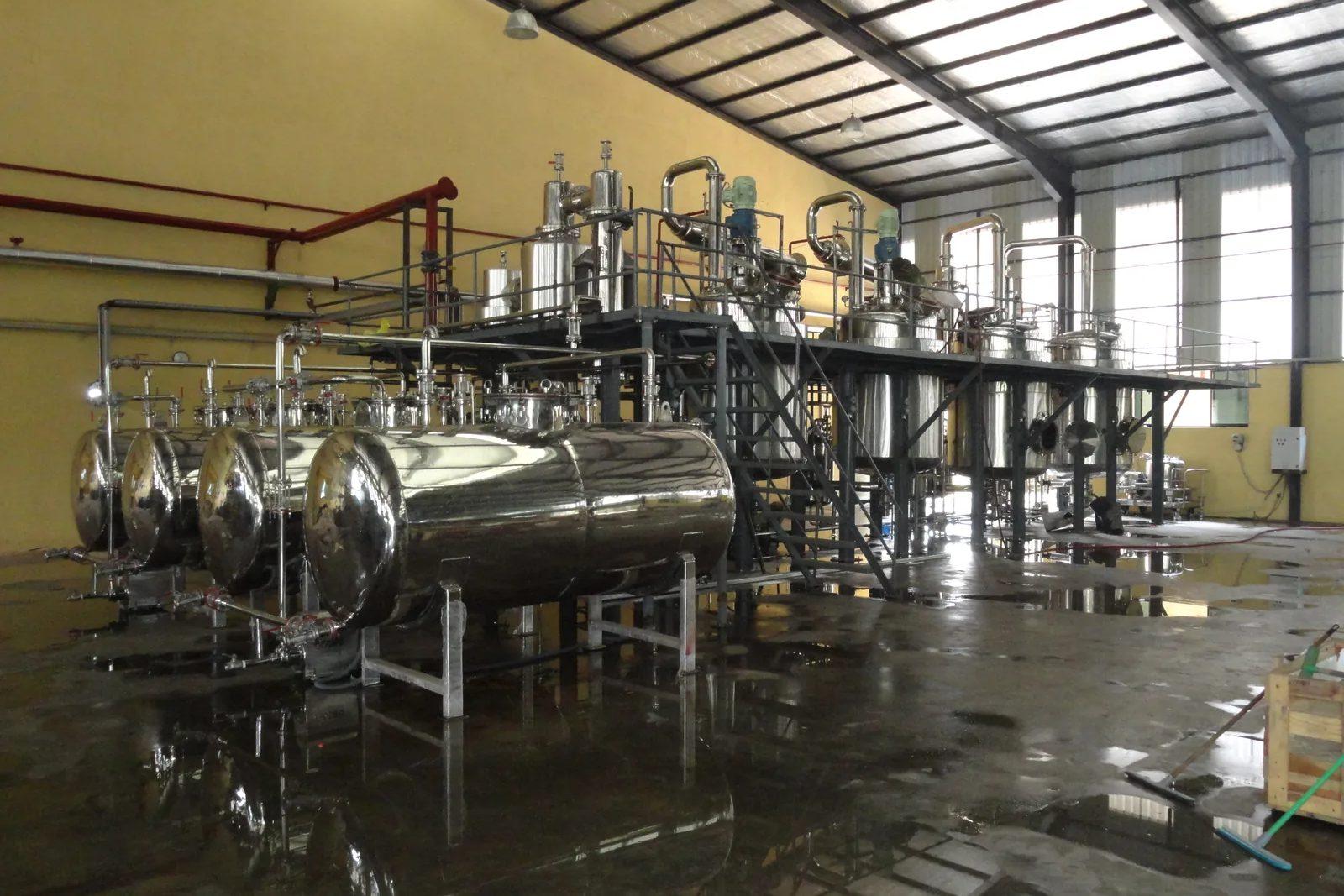 For Mango
Fruit Juice Processing & Concentration Plant
Juice concentration and drying equipment for fruit processors: evaporators, an aloe line and powder options. Define fruit, target Brix and pack first.
View Product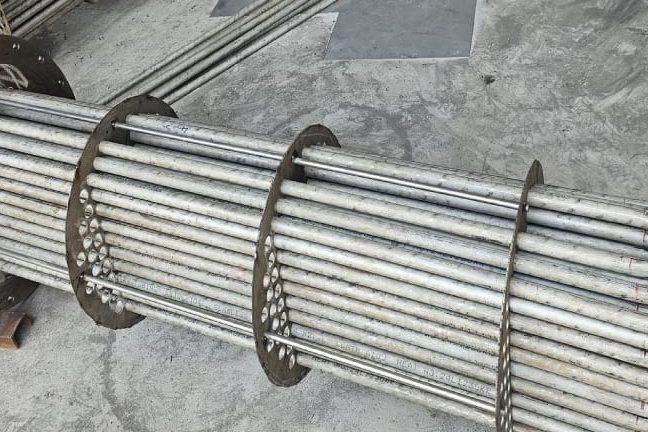 For Mango
Fruit Juice Concentration Plants
A fruit juice concentration plant removes water from extracted juice under vacuum, and the design turns on feed solids, final Brix, how heat-sensitive the juice is and how much aroma must be saved.
View Product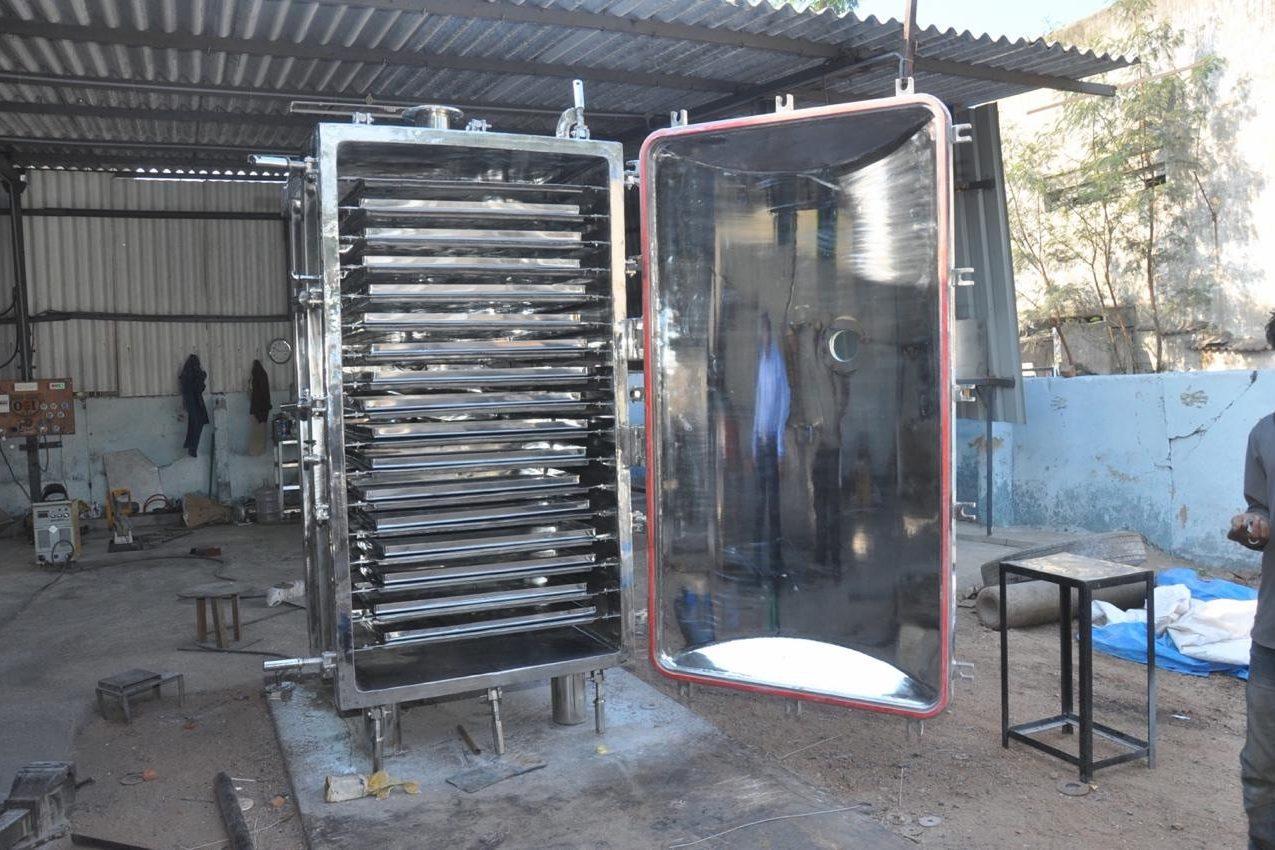 For Mango
Fruit & Vegetable Dehydration Plant
Planning fruit or vegetable dehydration? Slice size, moisture target, heat source and dryer choice to settle before a plant is sized.
View Product
Cassava
Cassava and plantain are produced in the south, and flour and starch are routes from a perishable root to a storable product; washing, grating, dewatering and drying are the relevant steps to discuss.
 For Cassava
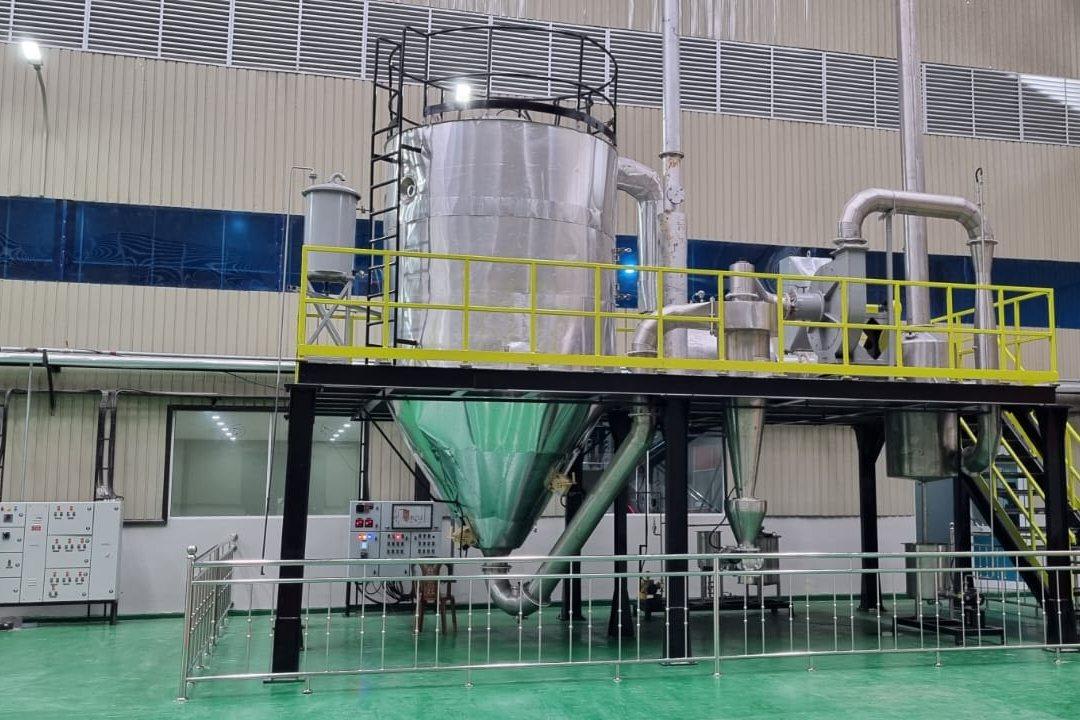
Cassava Starch Processing Plants
A cassava starch plant turns fresh roots into dry, white starch by rasping the roots, washing the starch out with water and drying it.
View Product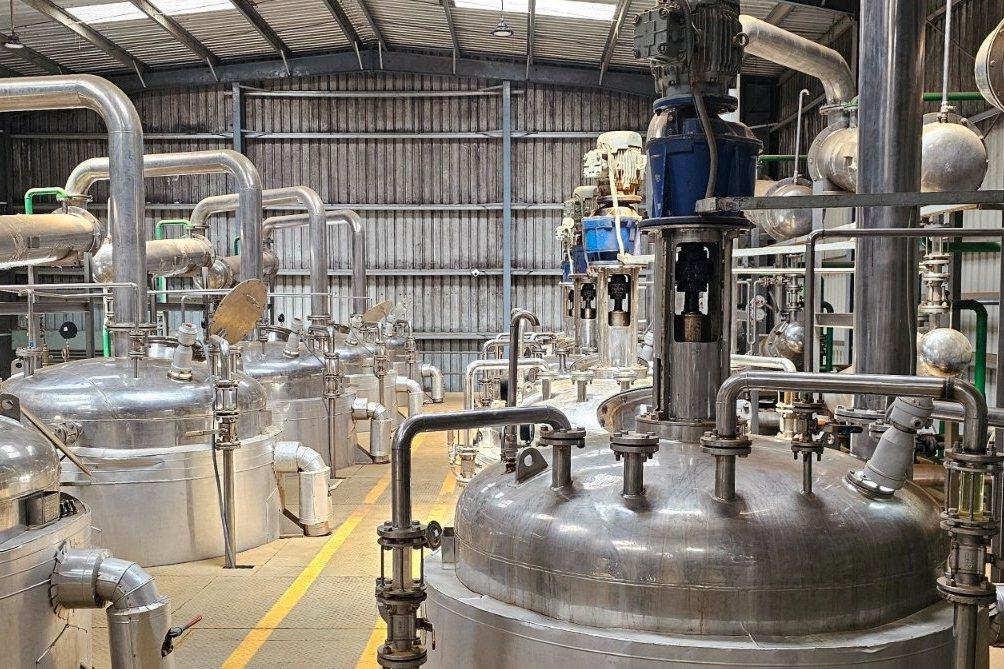 For Cassava
Cassava Flour Processing Plants
A cassava flour plant makes a fine, unfermented flour from peeled whole roots by grating or chipping, pressing, drying and milling.
View Product
Rice
Rice is grown in Côte d'Ivoire, and paddy needs parboiling and controlled drying before milling to reduce breakage; drying and steaming capacity is worth discussing for predictable grain quality.
 For Rice
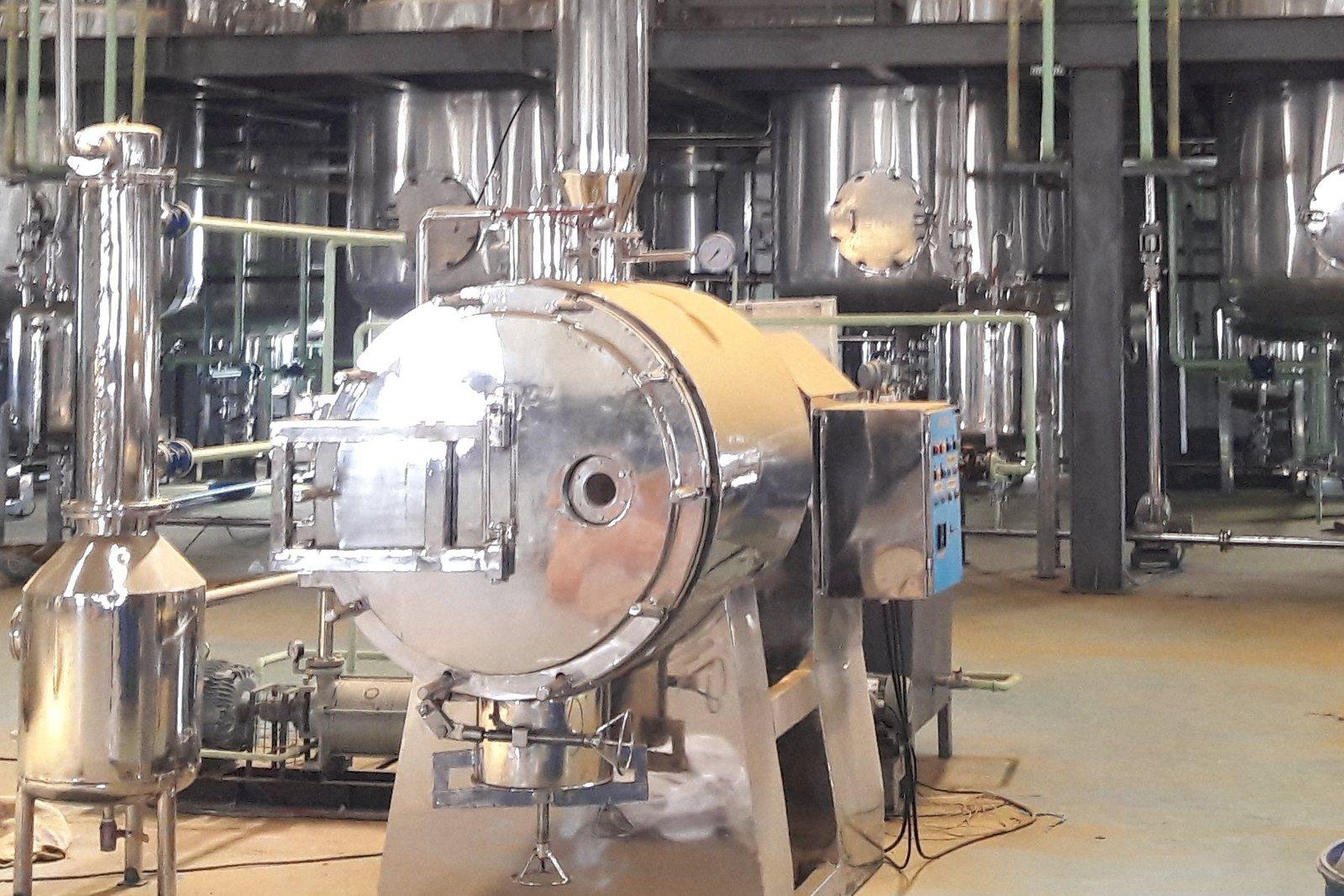
Rice Parboiling & Drying Plants
A rice parboiling plant soaks paddy in water, steams it to gelatinise the starch, then dries it back to a safe moisture. Milling is a separate step that follows it.
View Product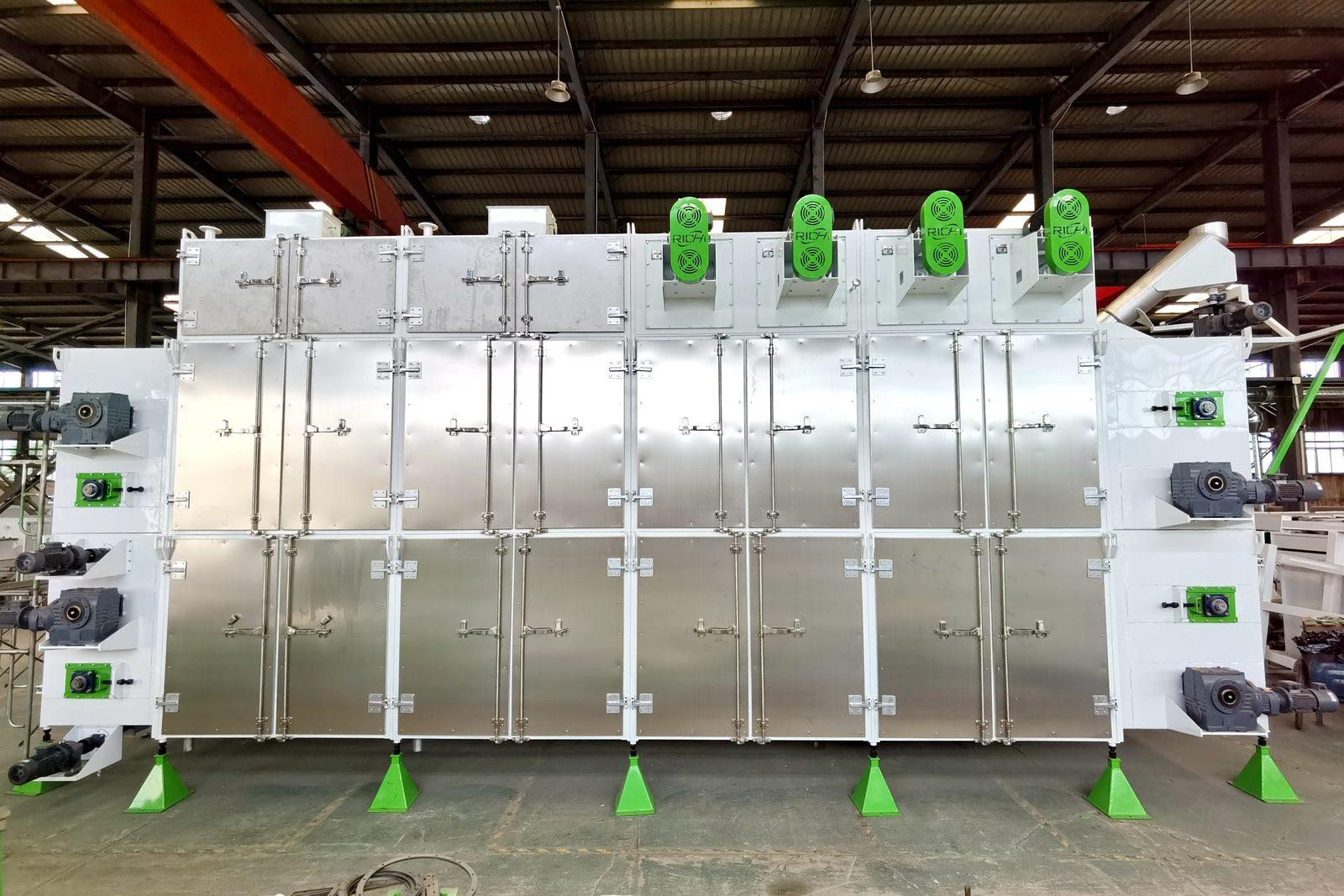 For Rice
Industrial Hot-Air Drying Systems
An industrial hot-air drying system, which buyers also call an industrial dehydrator, removes moisture from fruit, vegetables, herbs, spices and similar wet solids by passing heated air over the product in a cabinet, tunnel or belt dryer.
View Product
Also Listed for Côte d’Ivoire
 Herbal, Botanical & Nutraceutical Extraction
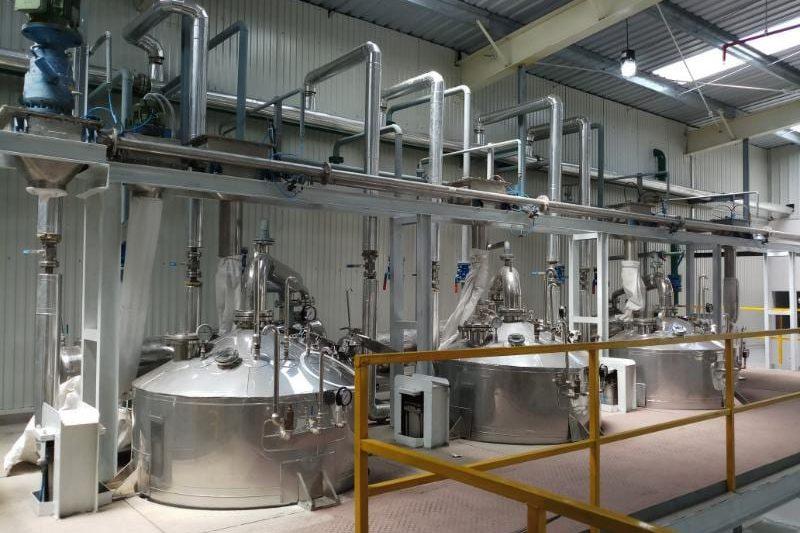
Herbal Extraction Plants
View Product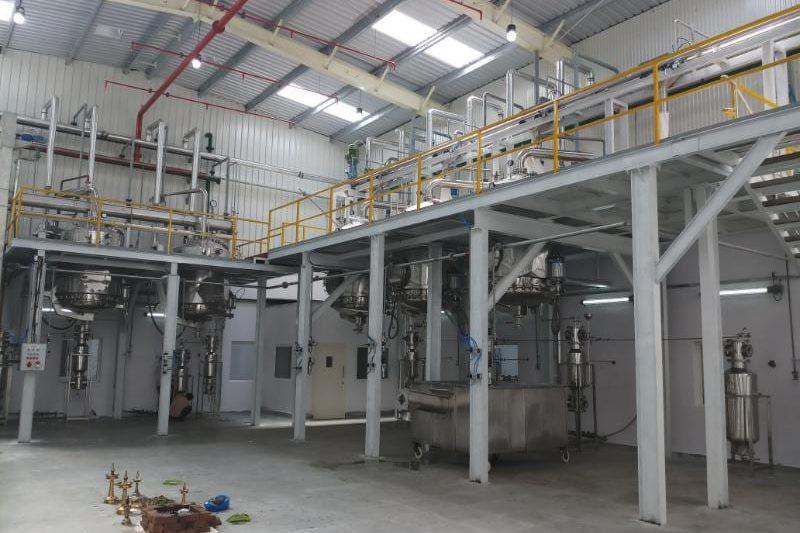 Herbal, Botanical & Nutraceutical Extraction
Turnkey Multi-Herbal Extraction Plants
View Product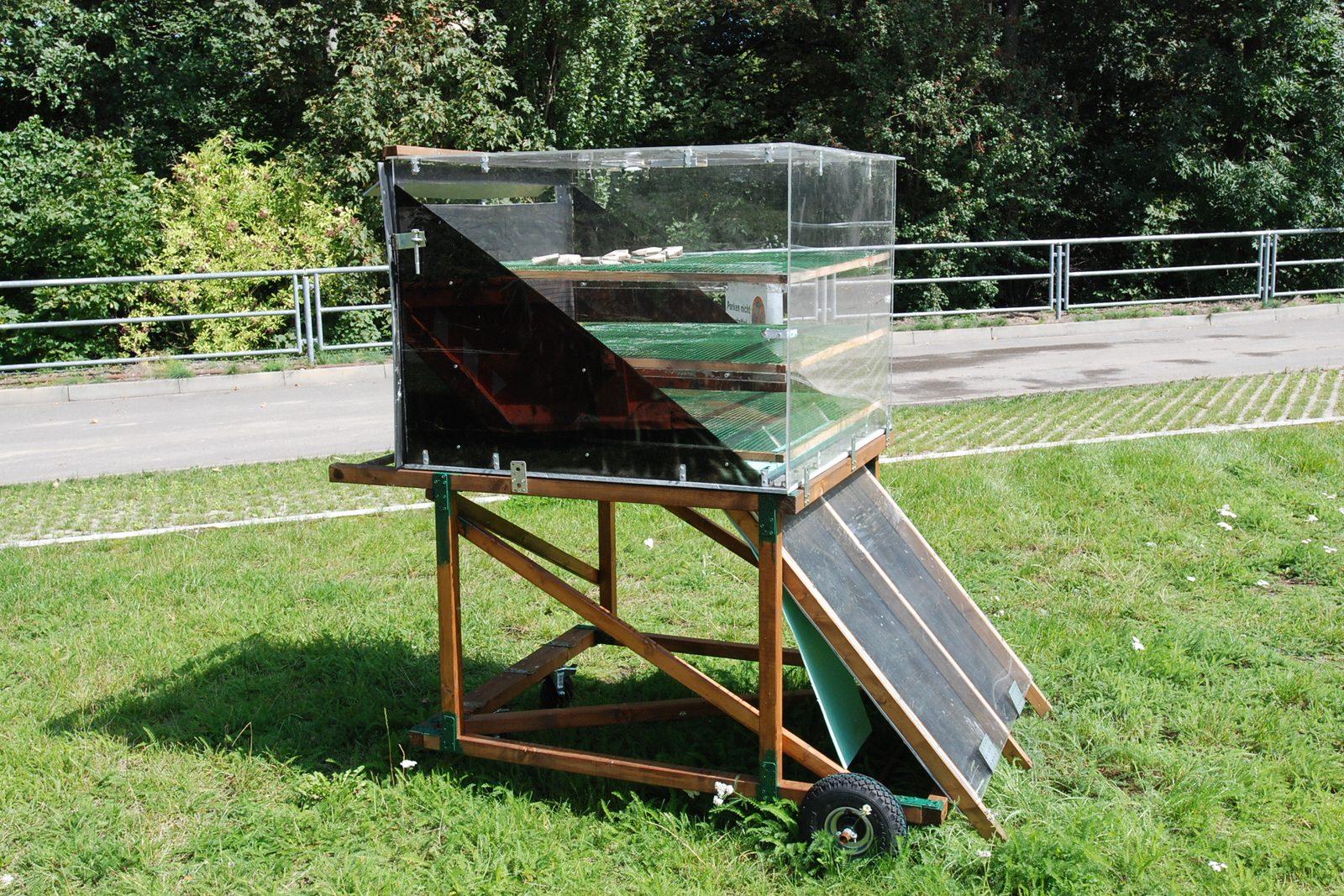 Drying & Dehydration Systems
Solar-Assisted Drying Systems
View Product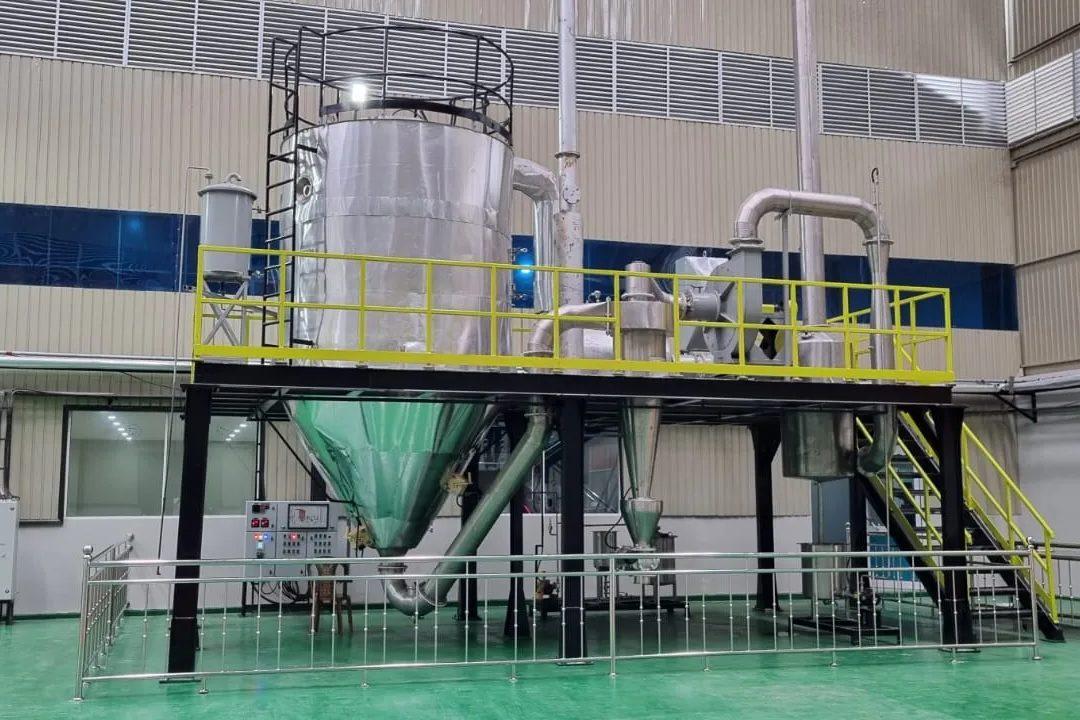 Drying & Dehydration Systems
Spray Dryer
View Product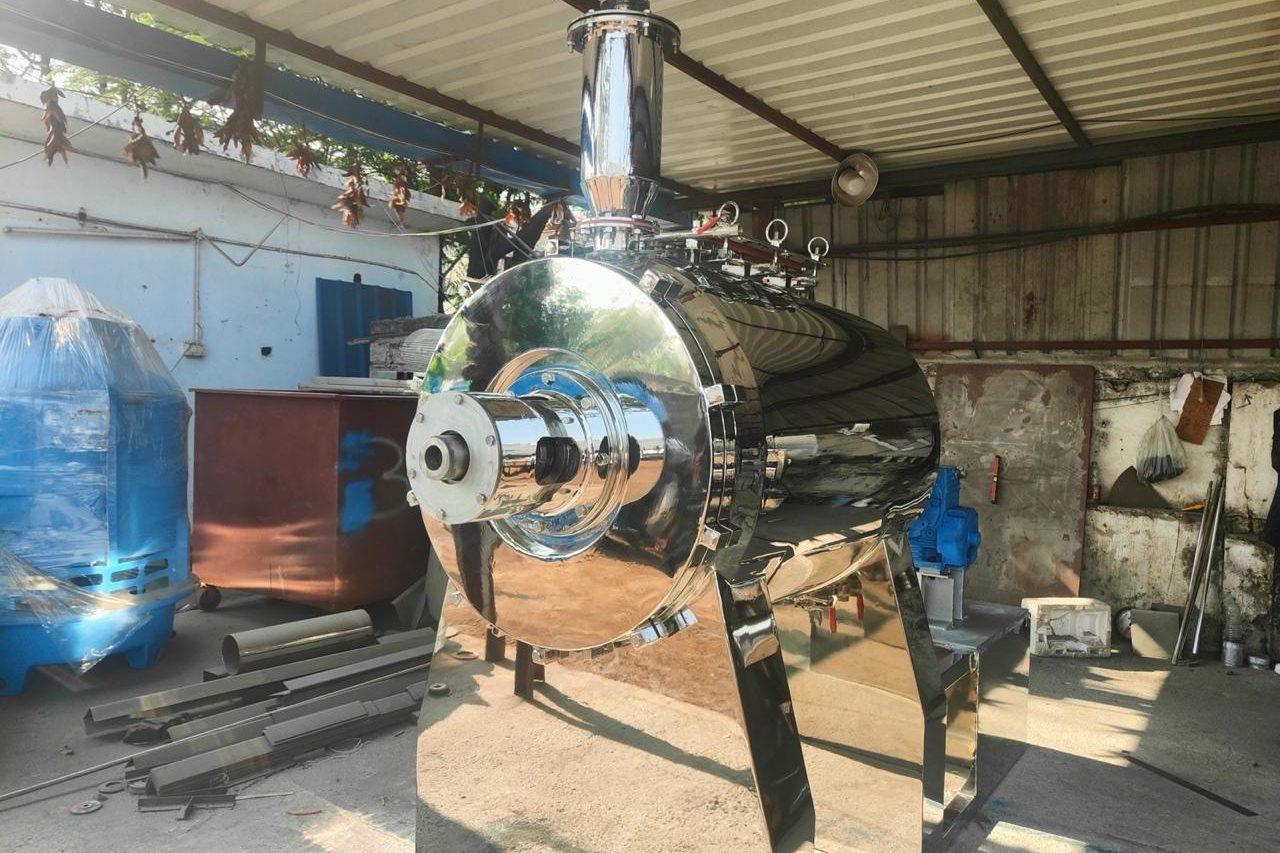 Drying & Dehydration Systems
Spice & Herbal Drying Plants
View Product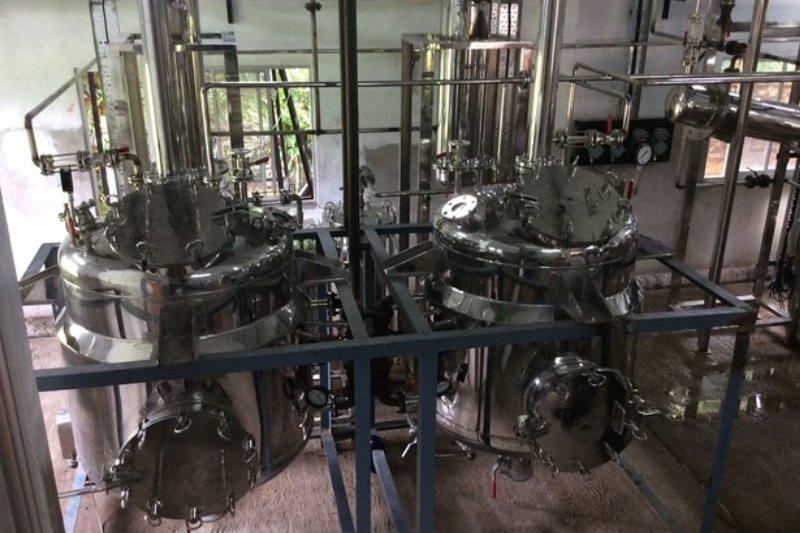 Specialty African Botanical & Natural Ingredients
Seaweed Extraction & Drying Plants
View Product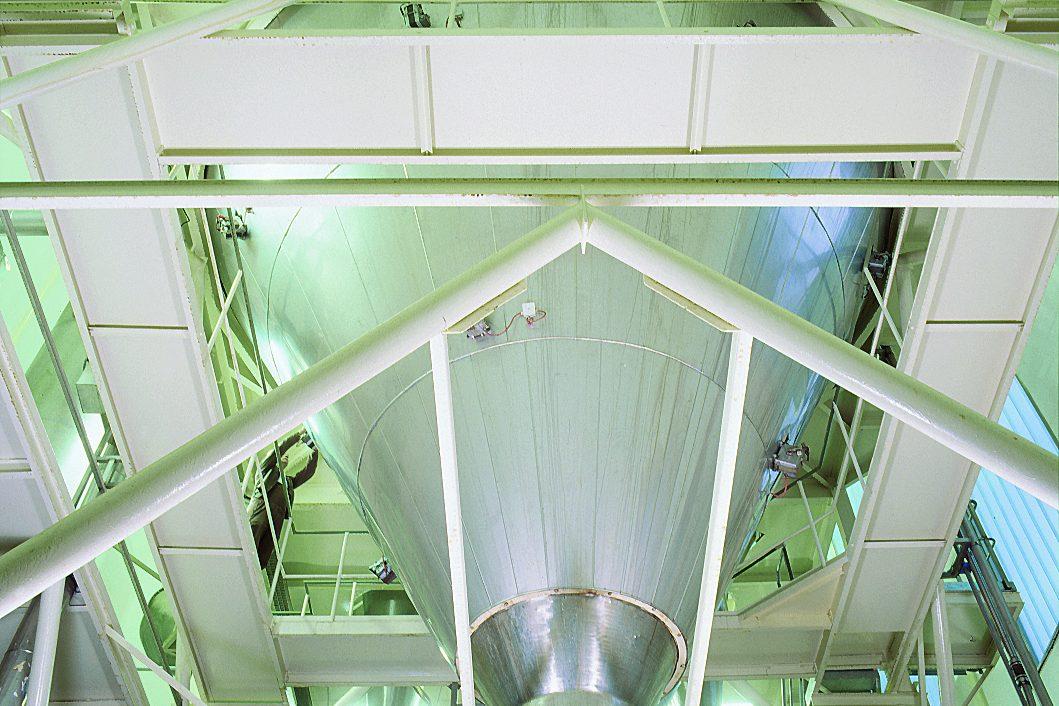 Specialty Food, Beverage & By-Product Processing
Dairy Evaporation & Spray Drying Plants
View Product
More Plants and Equipment, by Category
The other 56 products of the 73-product catalogue, by category. A product that is not listed for Côte d’Ivoire is not ruled out: tell us your raw material and target product. Request a technical proposal
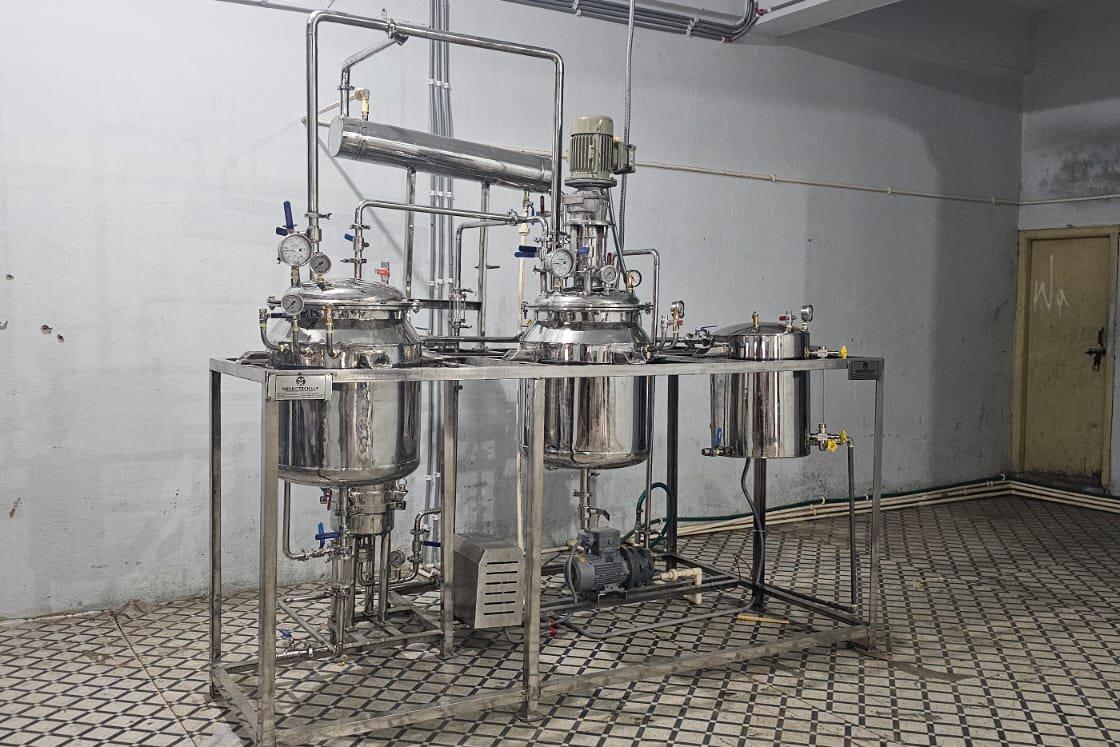
Herbal, Botanical & Nutraceutical Extraction (7)
Category guide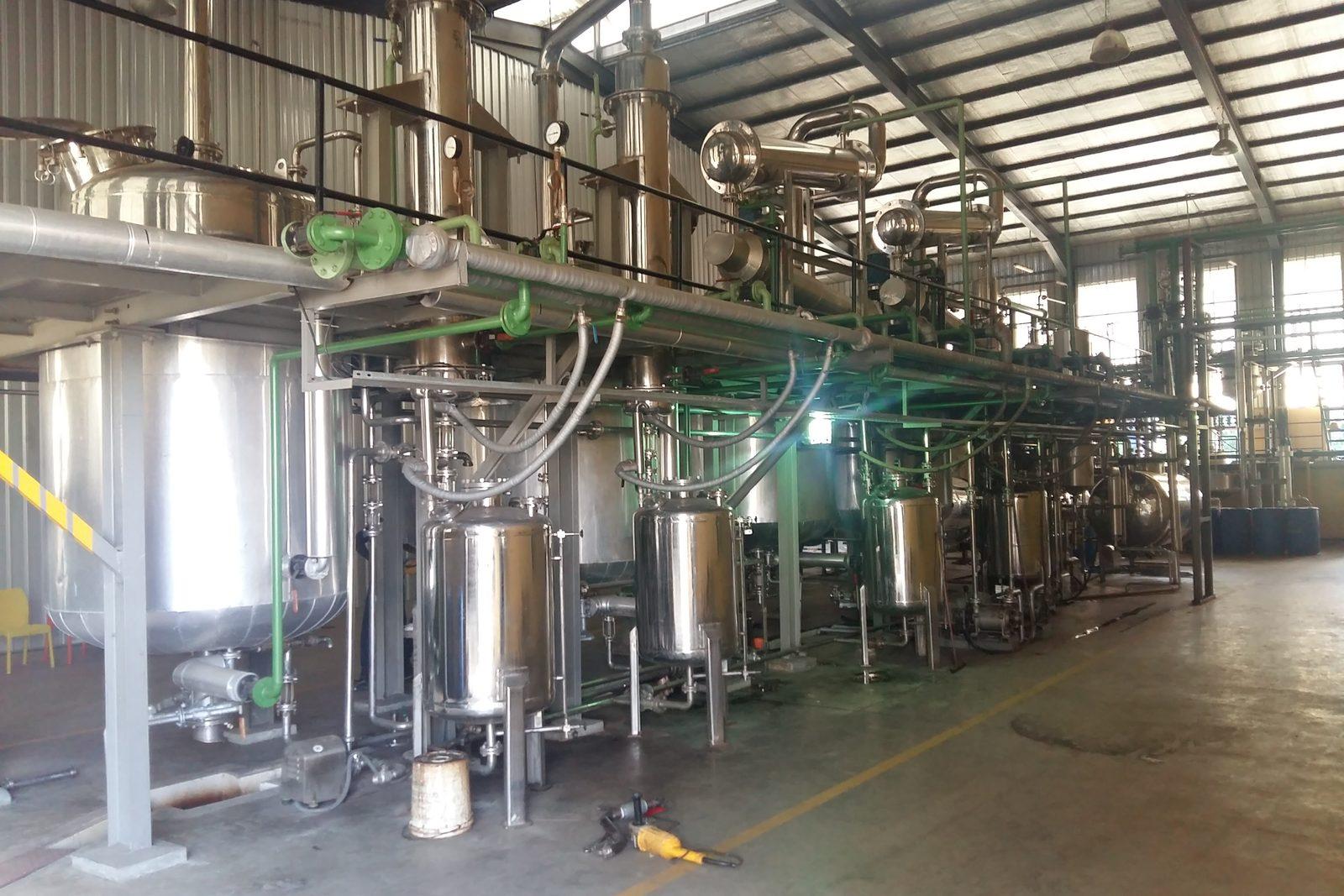
Essential Oils, Spices & Oleoresins (6)
Category guide
Fruit & Vegetable Processing (5)
Category guide
Starch, Flour, Edible Oil & Food Processing (5)
Category guide
Evaporation, Concentration & Solvent Recovery (4)
Category guide
Pharmaceutical & Industrial Process Equipment (4)
Category guide
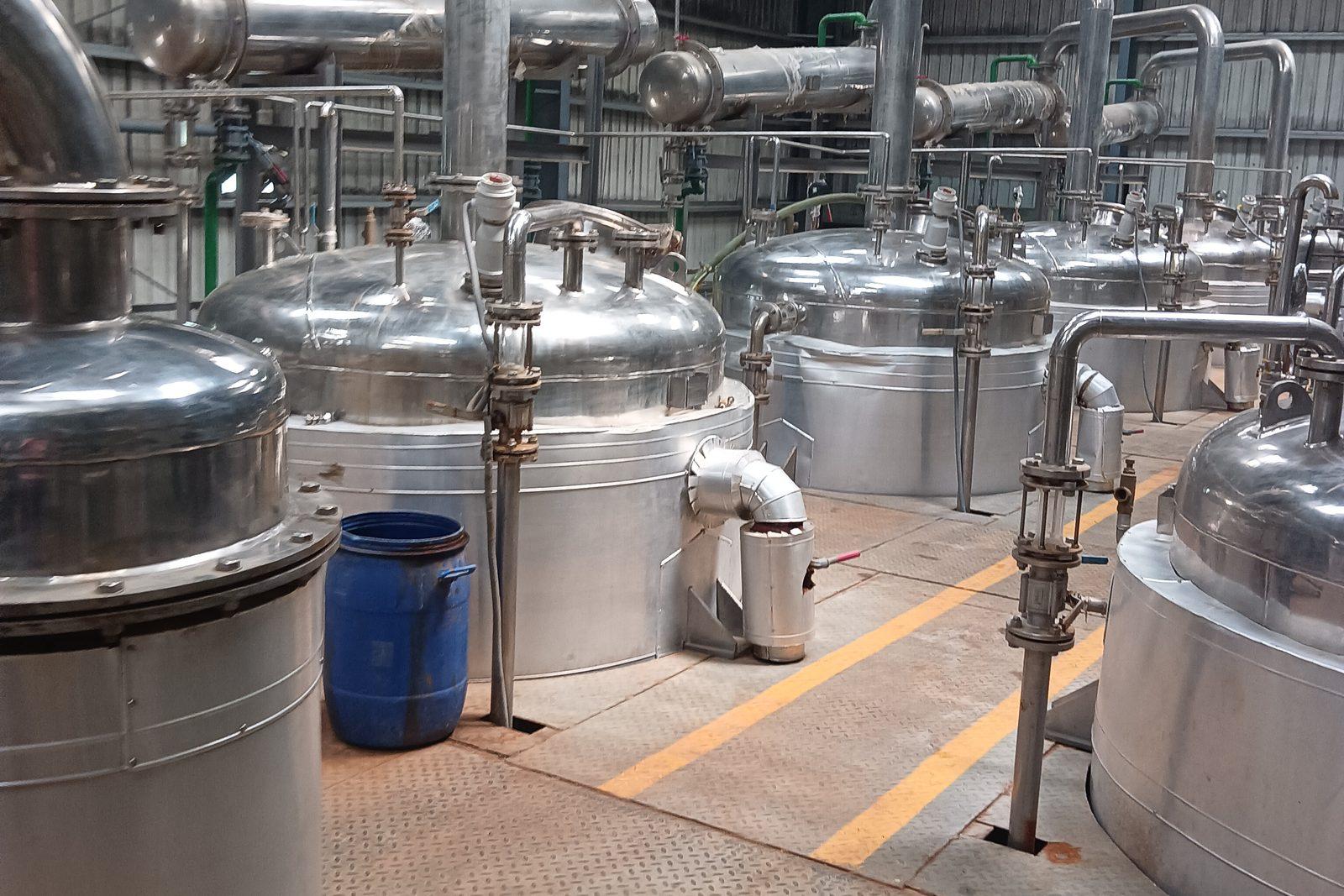
Cocoa, Shea, Palm Oil & Oilseed Processing (4)
Category guide
Cereals, Tubers & Sugar Processing (5)
Category guide
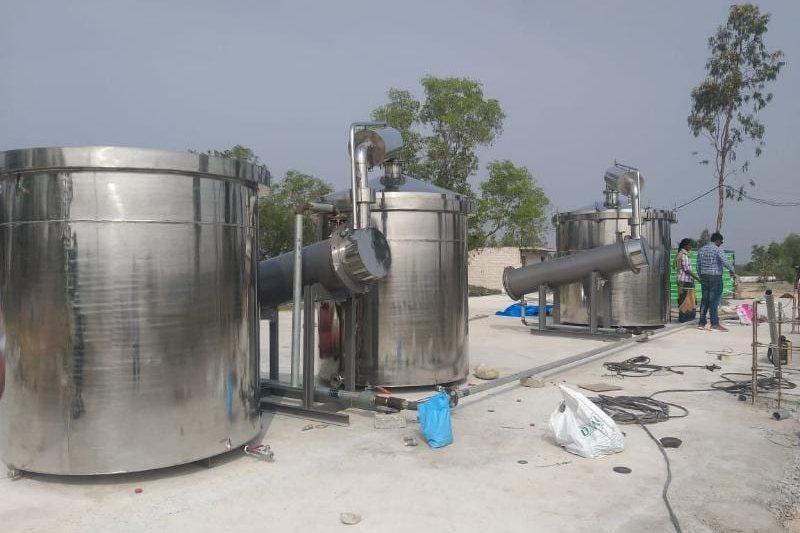
Specialty African Botanical & Natural Ingredients (10)
Category guide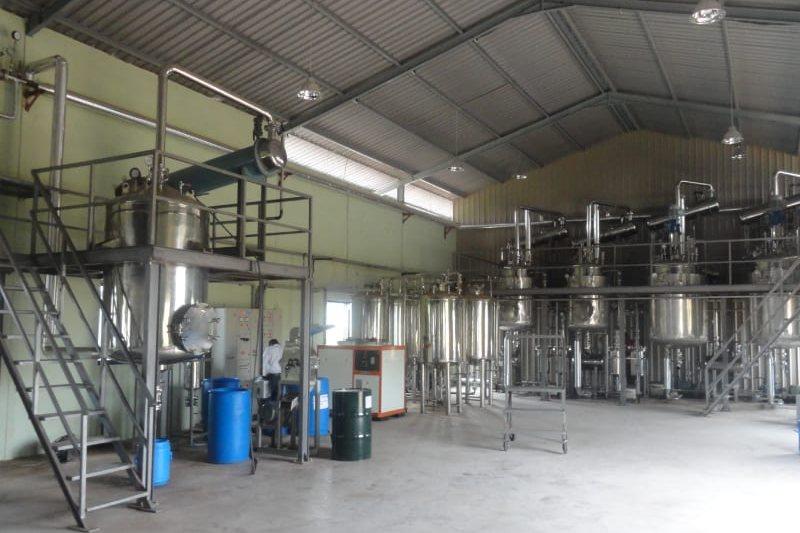
Baobab Processing & Extraction Plants
View Product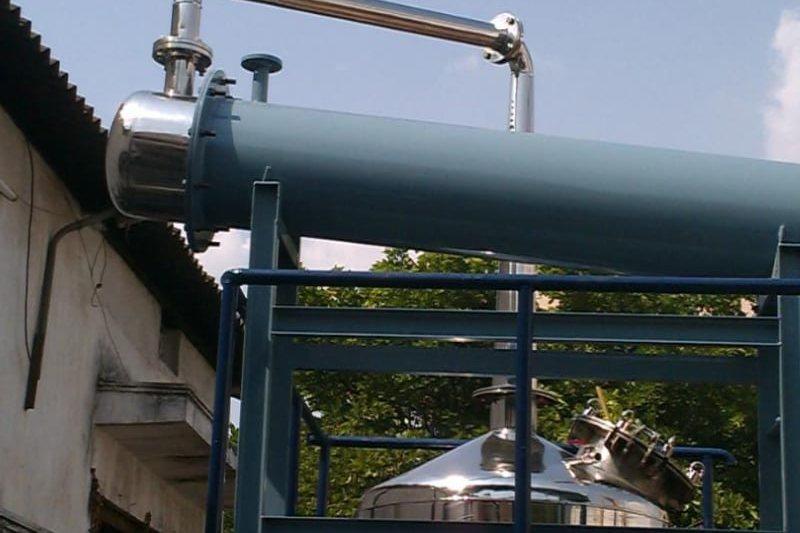
Aloe Vera
View Product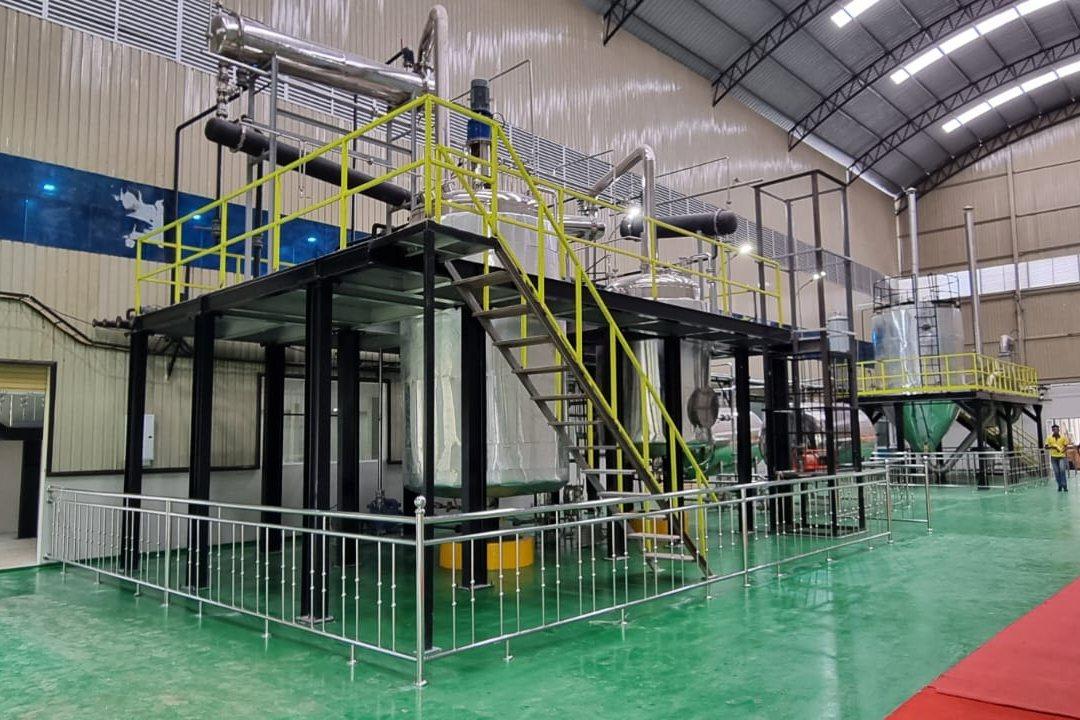
Gum Arabic Processing Plant
View Product
Natural Colour Extraction Plants
View Product
Vanilla
View Product
Clove Buds
View Product
Ylang Ylang
View Product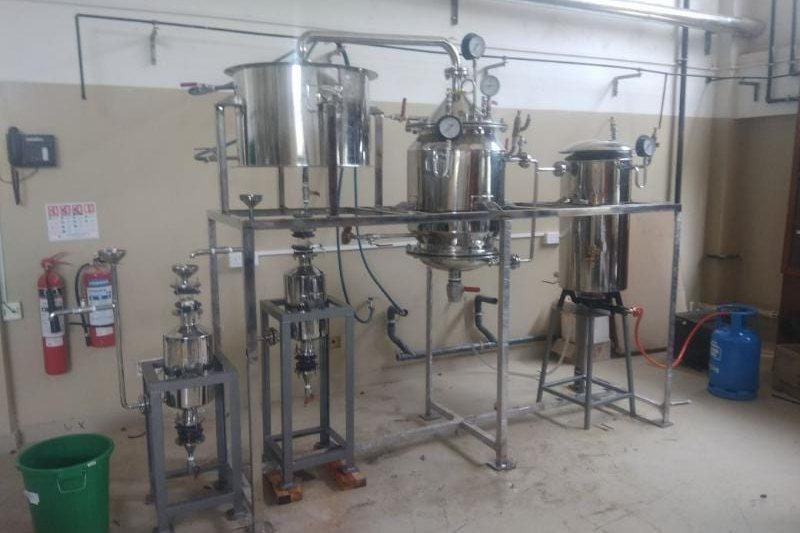
Argan Oil Processing Plants
View Product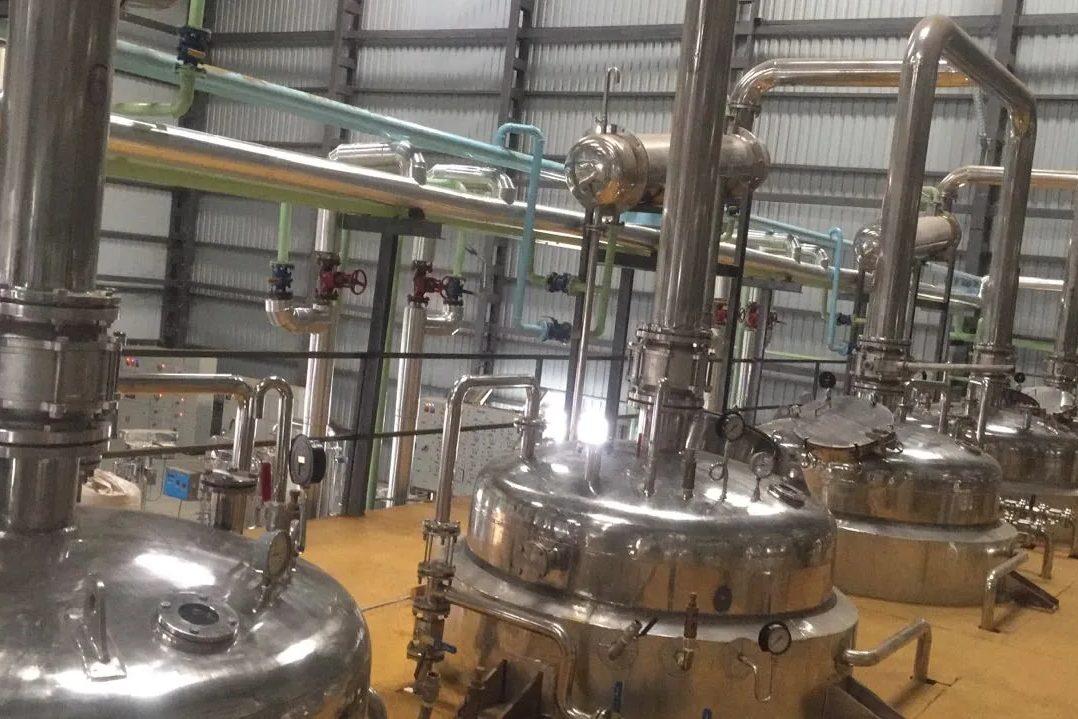
Olive Leaf Extract Powder
View Product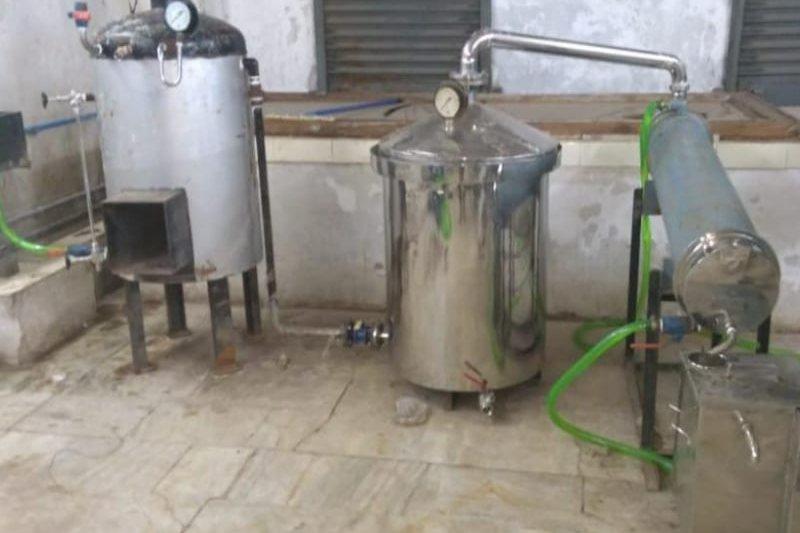
Frankincense Extraction Plant
View Product
Specialty Food, Beverage & By-Product Processing (6)
Category guide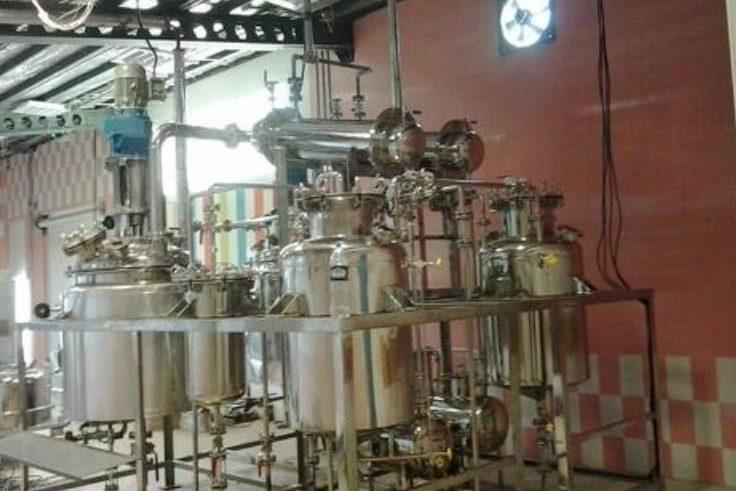
Date Processing Plant: Extracts & Concentration
View Product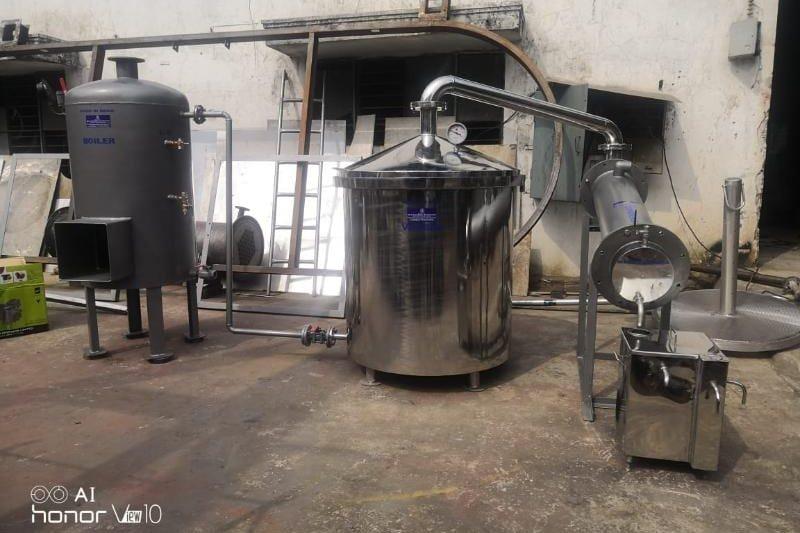
Fish Oil Recovery & By-Product Processing Plants
View Product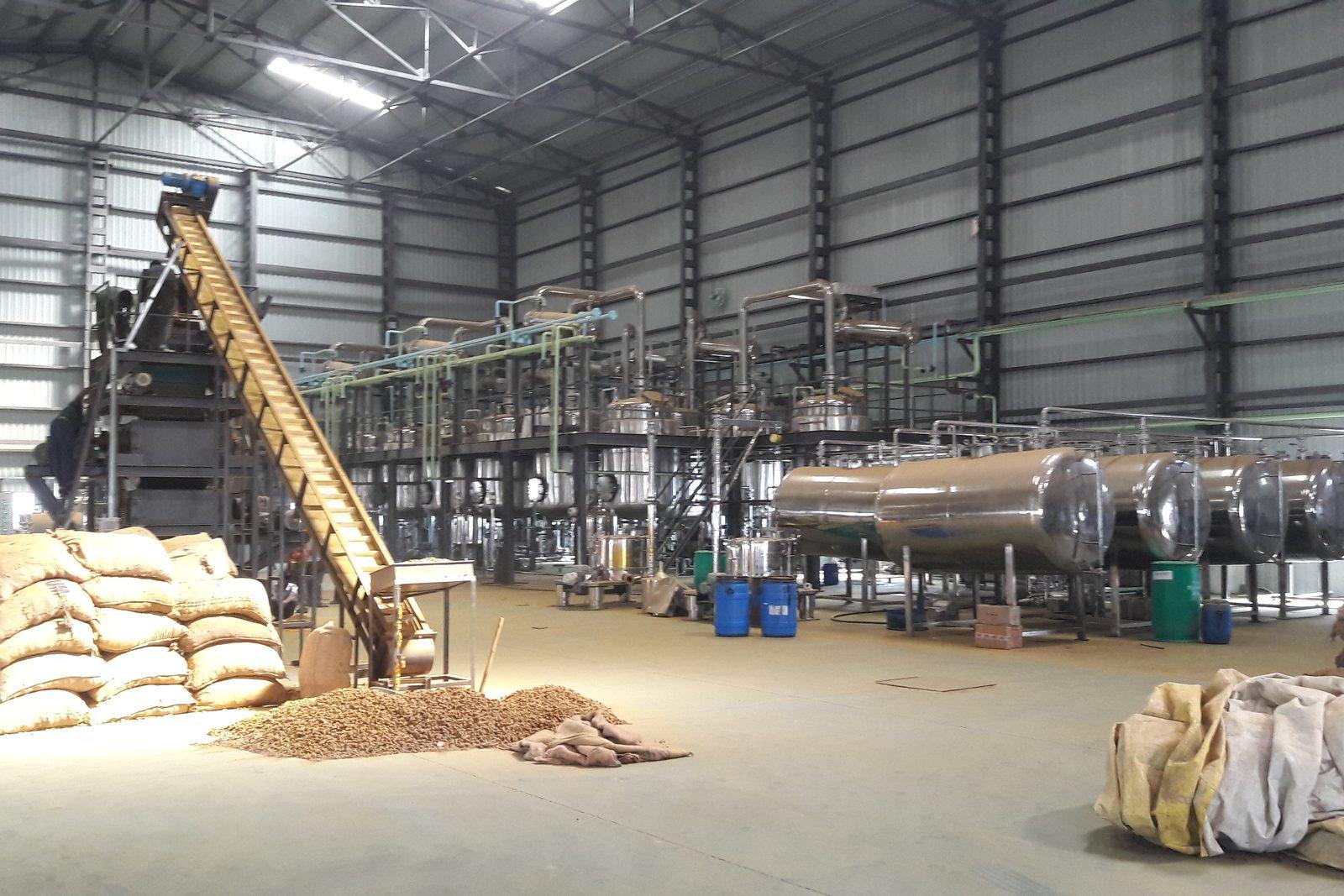
Tea Extraction & Concentration Plants
View Product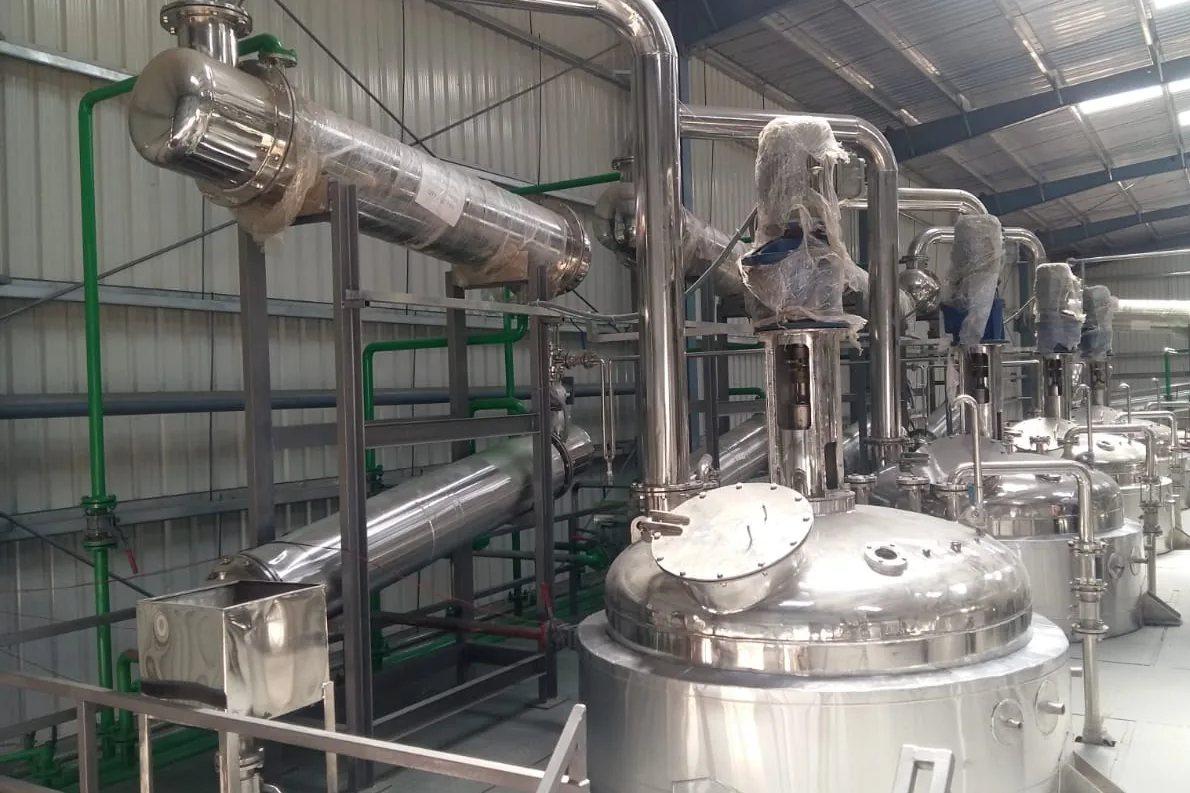
Coffee Extraction & Concentration Plants
View Product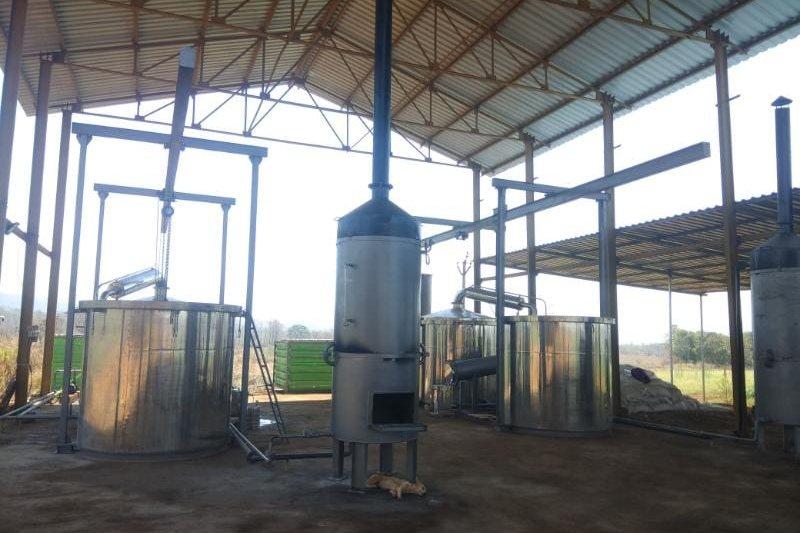
Coconut Oil & Milk Processing Plants
View Product
Onion & Garlic Dehydration Plants
View Product
What to Settle Before You Ask for a Proposal
Humid south, drier sites further north
Drying in the humid forest zone of the south can be slowed by humidity, so enclosed hot-air systems may make more sense there, while solar-assisted drying may suit sites further north as a supplement; the plant should be matched to the crop and its local climate.
Abidjan as a gateway
Equipment may arrive through the port of Abidjan, so plant location relative to the port and to the cocoa and palm areas influences transport cost and the logistics of feedstock collection.
Seasonal peaks and by-products
Mango ripens in a short window, so cold handling and flexible juice or drying capacity matter, while cocoa beans need dry storage before roasting; shell, pulp and press residue handling should also be considered in the design.
Industries to read next
Agro & Food Processing Solutions
Cocoa, palm oil, cassava, mango and rice give agro-food processing a clear fit with the products mapped to this country, spanning grinding, milling, juice and parboiling.
Read the industry pageIndustrial Drying & Dehydration Solutions
Beans, cassava, fruit and herbs all need drying or moisture control, and humidity in the forest zone of the south can slow open drying, so hot-air, solar-assisted and dehydration plants are worth discussing.
Read the industry page
From Enquiry to a Running Plant
Enquiries for Côte d’Ivoire Projects
Kadali Africa Ventures Limited, Accra
421, University Road
Sowutuom
Accra, Ghana
Questions About Plants for Côte d’Ivoire
What does cocoa processing involve in Côte d'Ivoire?
After on-farm fermentation, beans are roasted, winnowed, ground to liquor and pressed into cocoa butter and cake, and the cake is broken and milled to powder. Starting from beans or from nibs changes the line, so state your intended products; the scope of any plant is confirmed in the technical proposal.
Can mango be processed into both juice and dried fruit?
Yes, mango can follow a juice and pulp route or a slicing and dehydration route, and some processors use both for different fruit grades. The two routes use different equipment, so describe your fruit volumes and seasons when requesting a proposal.
What does palm oil processing involve for Ivorian millers?
Palm oil processing generally involves sterilising bunches, stripping and pressing the fruit, clarifying the oil and refining it where edible grade is needed. Mills differ in scale, so describe your fruit supply and target oil grade when you ask for a proposal.
Does Kadali Africa Ventures have an office in Côte d’Ivoire?
Kadali Africa Ventures Limited has offices in Accra, Ghana and Kano, Nigeria, and none in Côte d’Ivoire. Engineering and manufacturing scope for each product is confirmed in the technical proposal.
What should I send for a Côte d’Ivoire project proposal?
Use the form on this page. Give your raw material, the product you want to make, the capacity and its basis (for example kg per hour or tonnes per day) and your site.
Planning a project in Côte d’Ivoire?
Send your raw material, target product and capacity. We will come back with the process route and equipment scope for your project.
Tell us about your Côte d’Ivoire project
Only name, email, phone and industry are required. The more you share about raw material and capacity, the more precise our proposal.