
Mango, Cassava, Palm Oil and Rice Processing Plants for Guinea
Use this page to see which juice, starch, flour, palm oil, rice and drying plants relate to Guinea's crops, and to start a technical proposal request.
- 12 products in 7 categories, listed for Guinea
- Engineering and manufacturing scope confirmed in the technical proposal
Kadali Africa Ventures Limited has offices in Accra, Ghana and Kano, Nigeria, and no office in Guinea; enquiries from Guinea are handled from the Accra office.
Guinea's mango orchards, cassava fields and rice lands
Guinea has a coastline and is divided into four main regions: a narrow coastal belt, the Fouta Djallon Mountains, the Upper Guinean plains and a densely forested south-east. Most of the country has a tropical climate with high humidity and temperature. Mango provides income for many households in two regions, rice is planted in almost all areas, and roots and tubers are among the main foods. The national agricultural research institute works on cassava among its key crops, and the government has promoted oil palm as an industrial crop.
Much of this produce is perishable. The steps that add value are therefore the ones that stabilise a crop quickly after harvest: pulping and pasteurising mango or pineapple, grating, pressing and drying cassava into flour or starch, boiling and pressing palm fruit before the oil is refined, and parboiling and drying paddy so that it can be milled and kept through the rains.
Plants in these categories would typically interest agro-processors, farmer cooperatives and ingredient makers working near the coast or in the producing districts. Whether a given project makes sense depends on how raw material is collected and on the volumes that can be supplied steadily.
Products Relevant to Guinea
12 of the 73 products in the catalogue are listed for Guinea, in 7 categories: Fruit & Vegetable Processing (2), Starch, Flour, Edible Oil & Food Processing (2), Drying & Dehydration Systems (4), Cocoa, Shea, Palm Oil & Oilseed Processing (1), Cereals, Tubers & Sugar Processing (1), Specialty African Botanical & Natural Ingredients (1), Specialty Food, Beverage & By-Product Processing (1). The plants for Guinea’s own raw materials come first. A listing is a catalogue listing, not a statement of demand or supply; the final configuration depends on your raw material, target product and capacity.
Mango
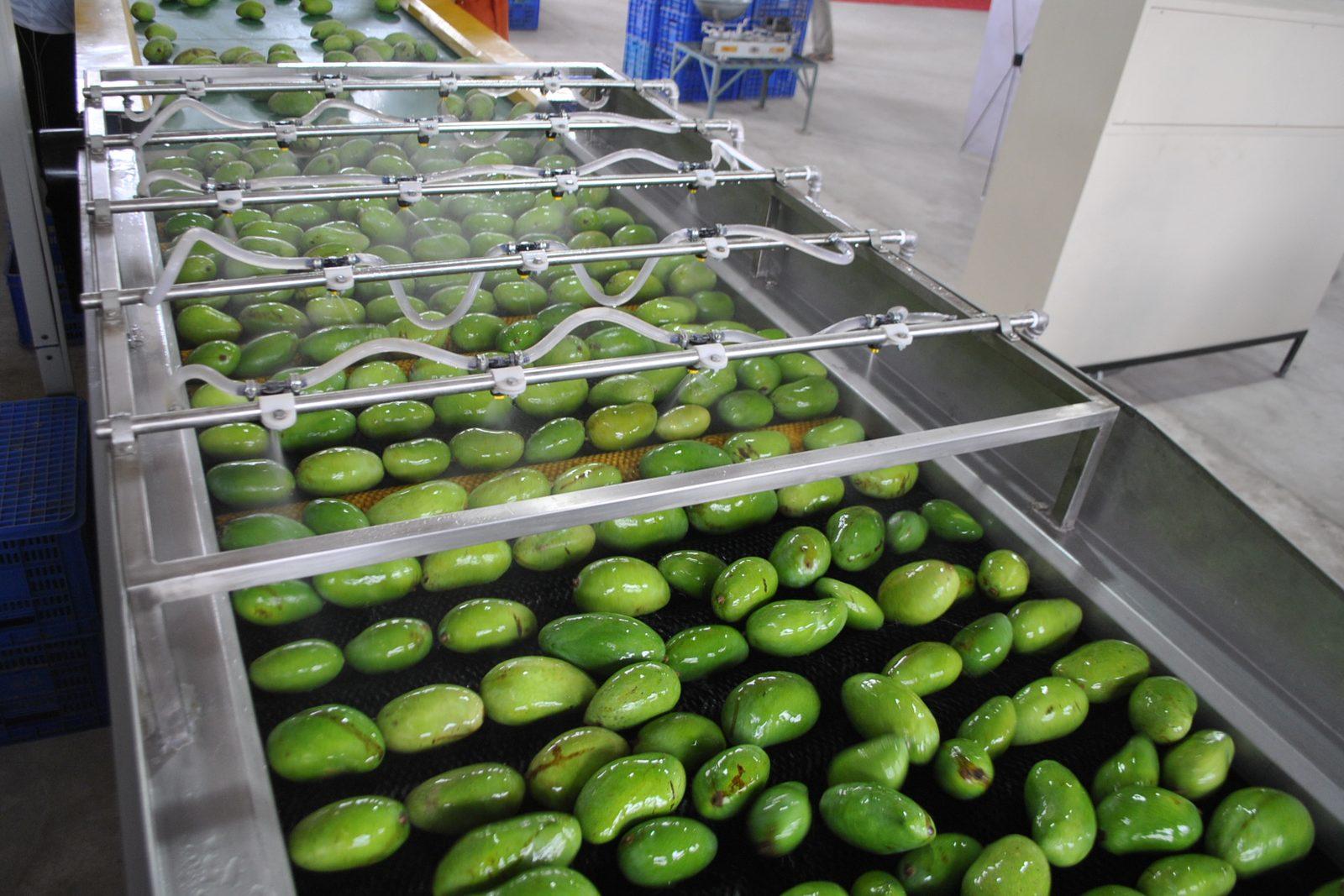
Mango arrives in a short, heavy season, so mango juice and pulp equipment with washing, destoning and filling stages is relevant to processors who want to turn surplus fruit into a storable product.
Pineapple
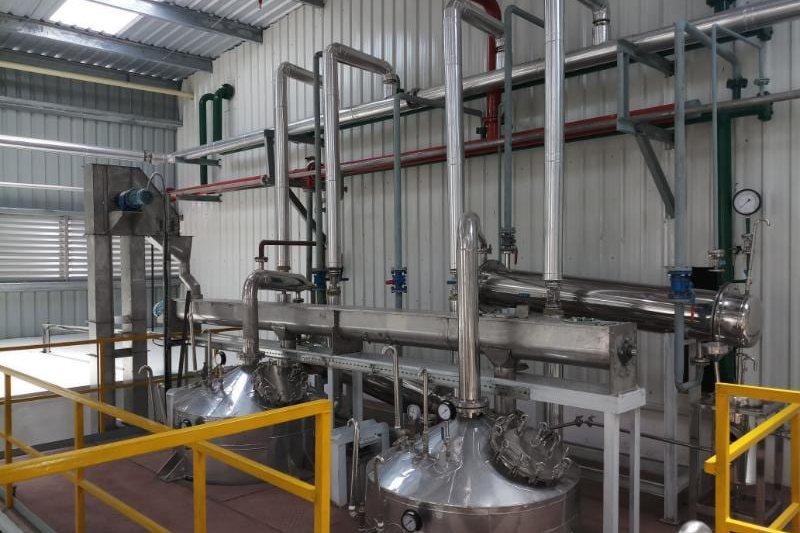
Pineapple was once a significant Guinean export before exports declined to virtually nothing, and the crop is being targeted for revival; fresh fruit is bulky and perishable, so juice extraction and concentration are relevant where processors can source it.
Cassava
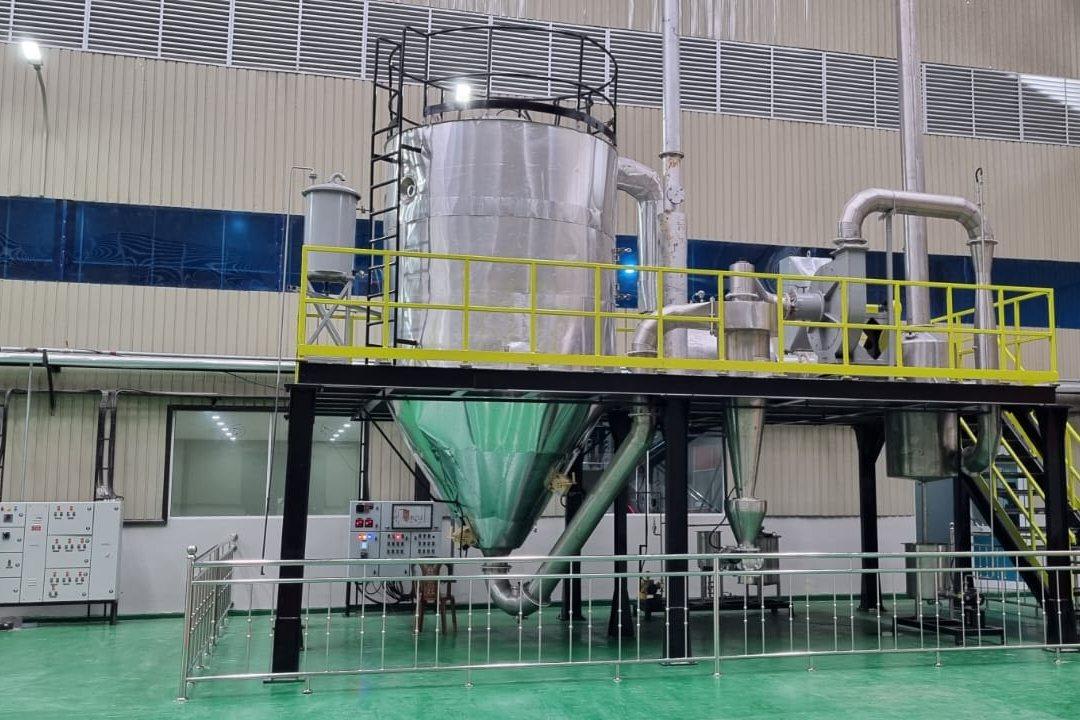
Fresh cassava roots spoil within days of lifting, and cassava is a key crop of the national agricultural research institute, so grating, dewatering and drying to flour, or washing and settling to starch, is worth planning close to where the roots are grown.
 For Cassava
Cassava Starch Processing Plants
A cassava starch plant turns fresh roots into dry, white starch by rasping the roots, washing the starch out with water and drying it.
View Product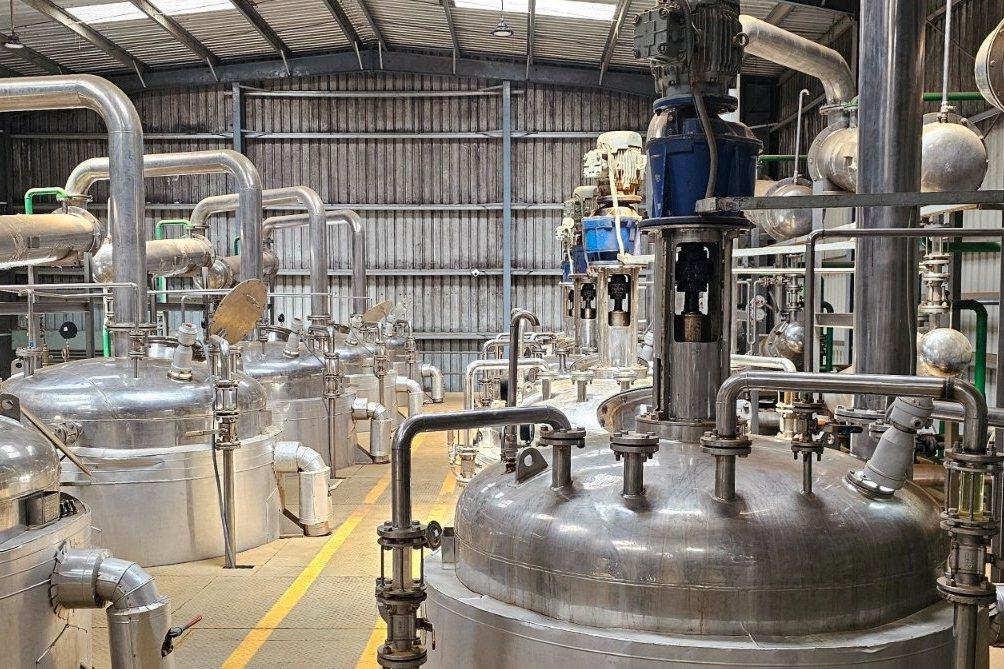 For Cassava
Cassava Flour Processing Plants
A cassava flour plant makes a fine, unfermented flour from peeled whole roots by grating or chipping, pressing, drying and milling.
View Product
Oil palm fruit
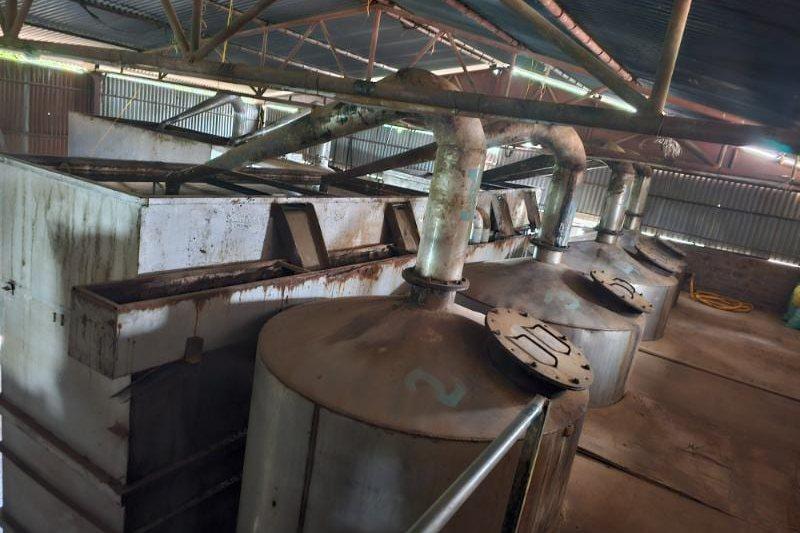
Oil palm is promoted as an industrial crop in Guinea; palm bunches are sterilised, threshed and pressed, and the crude oil is then clarified and refined, steps worth discussing for processors who handle palm fruit.
Paddy rice
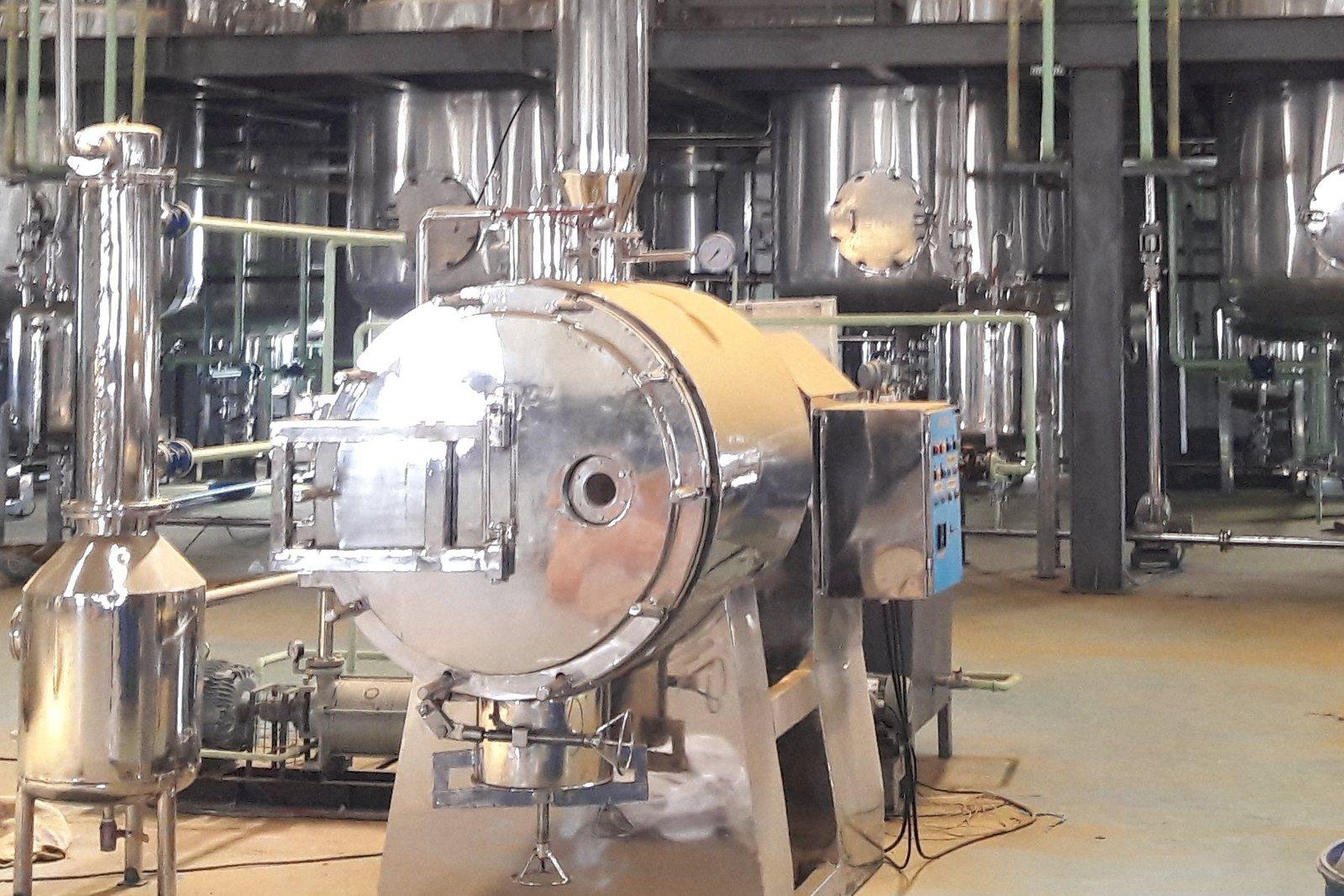
Paddy benefits from parboiling and controlled drying, which reduces breakage in milling, and parboiling and drying equipment is relevant to mills that want to store grain through humid months.
Also Listed for Guinea
 Drying & Dehydration Systems
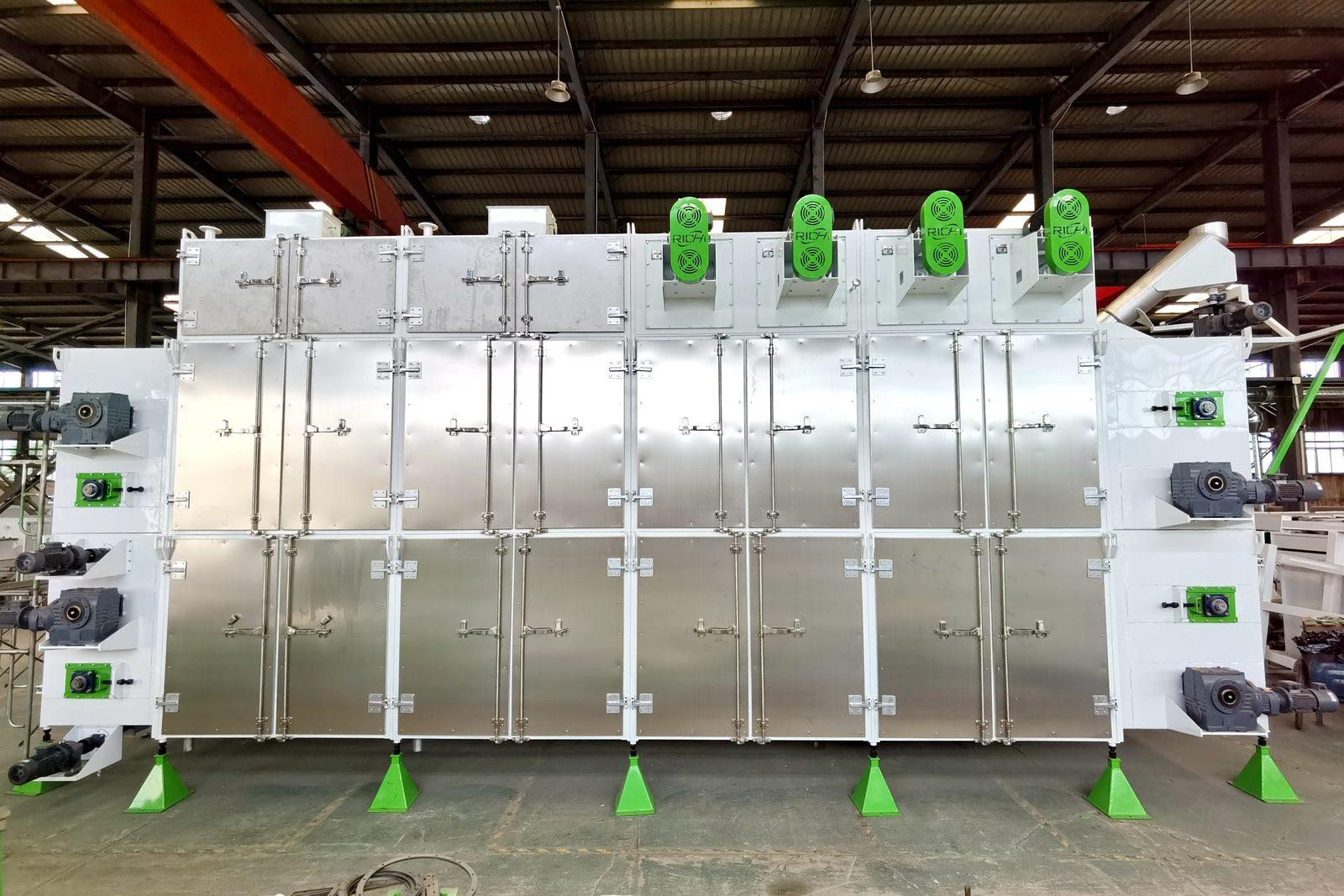
Industrial Hot-Air Drying Systems
View Product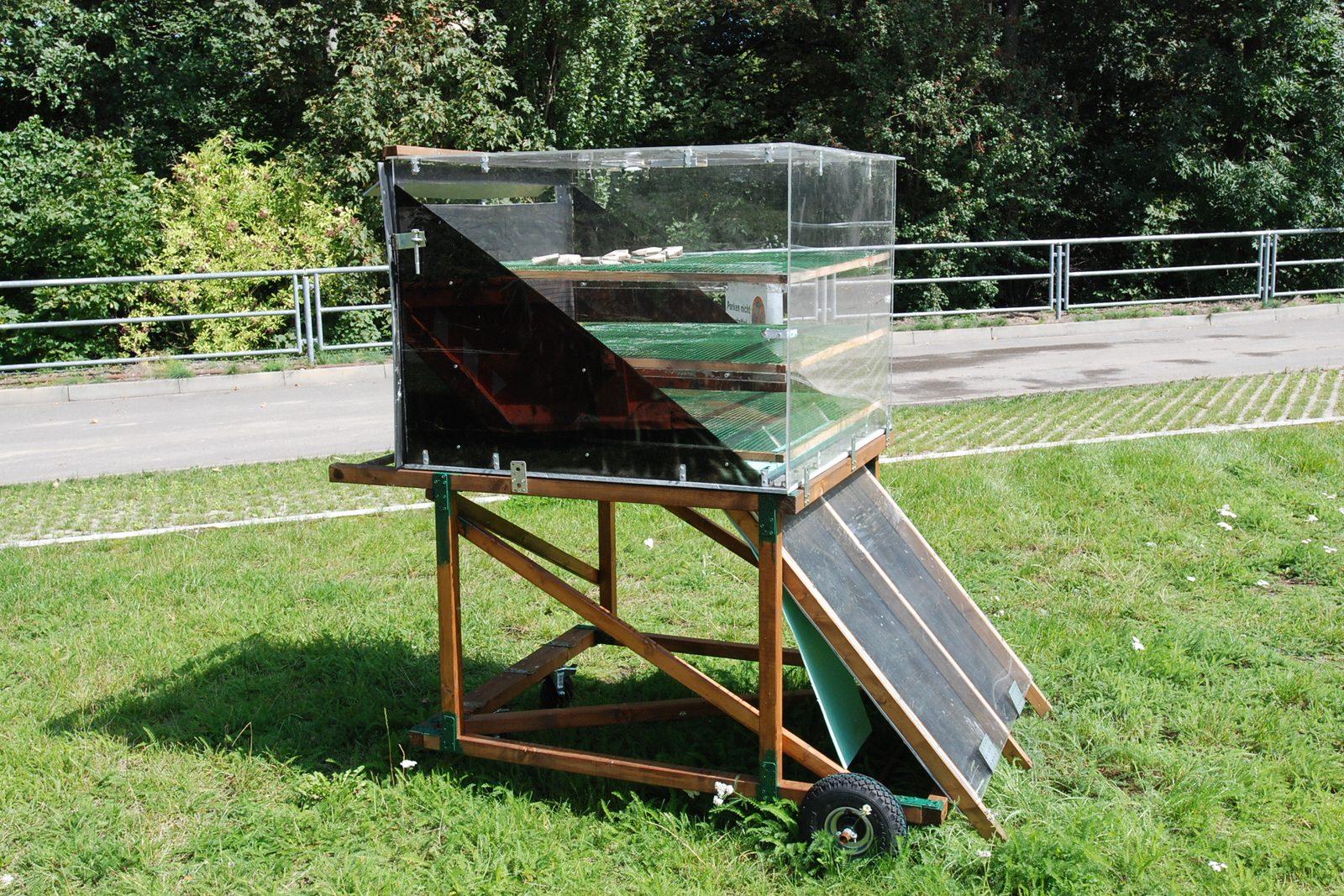 Drying & Dehydration Systems
Solar-Assisted Drying Systems
View Product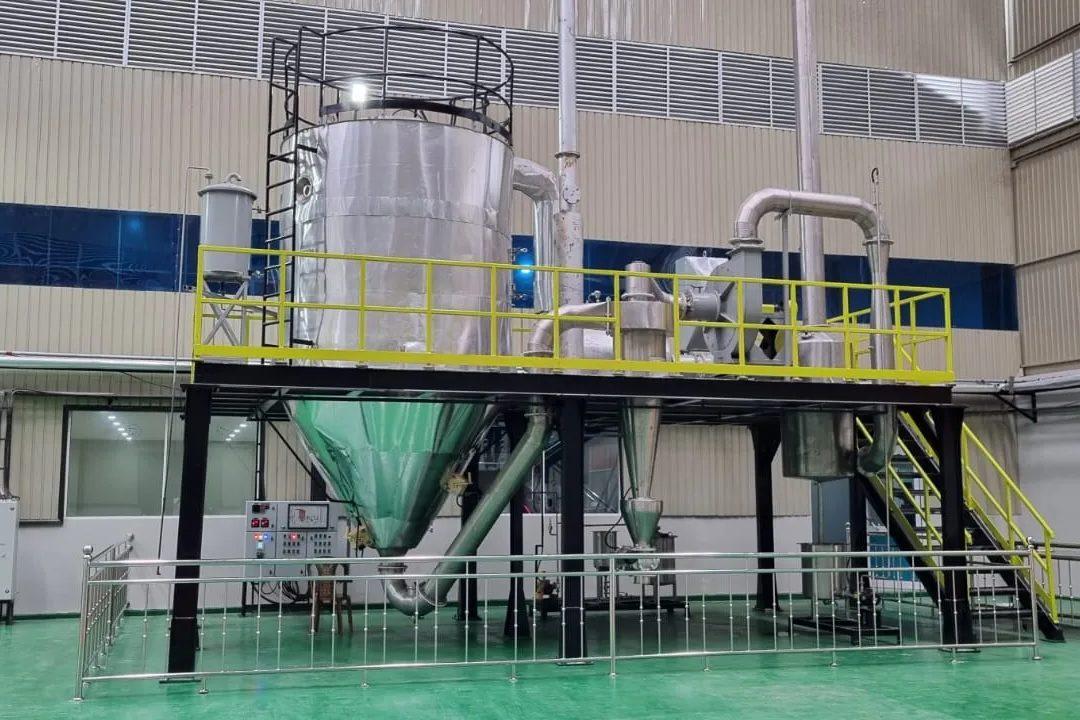 Drying & Dehydration Systems
Spray Dryer
View Product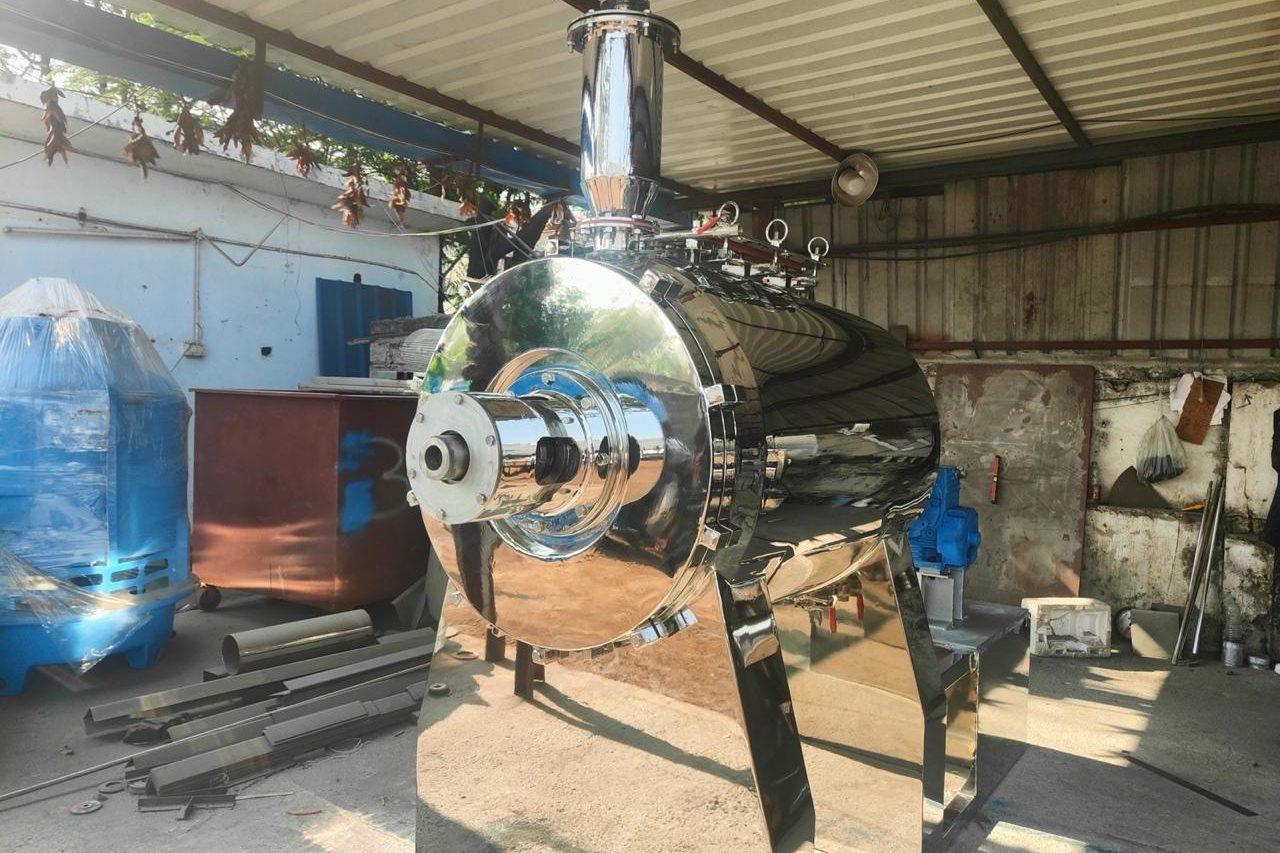 Drying & Dehydration Systems
Spice & Herbal Drying Plants
View Product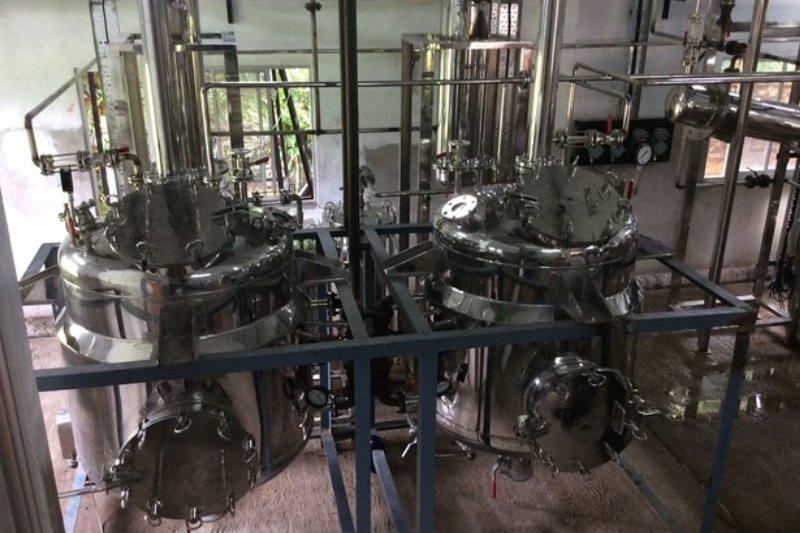 Specialty African Botanical & Natural Ingredients
Seaweed Extraction & Drying Plants
View Product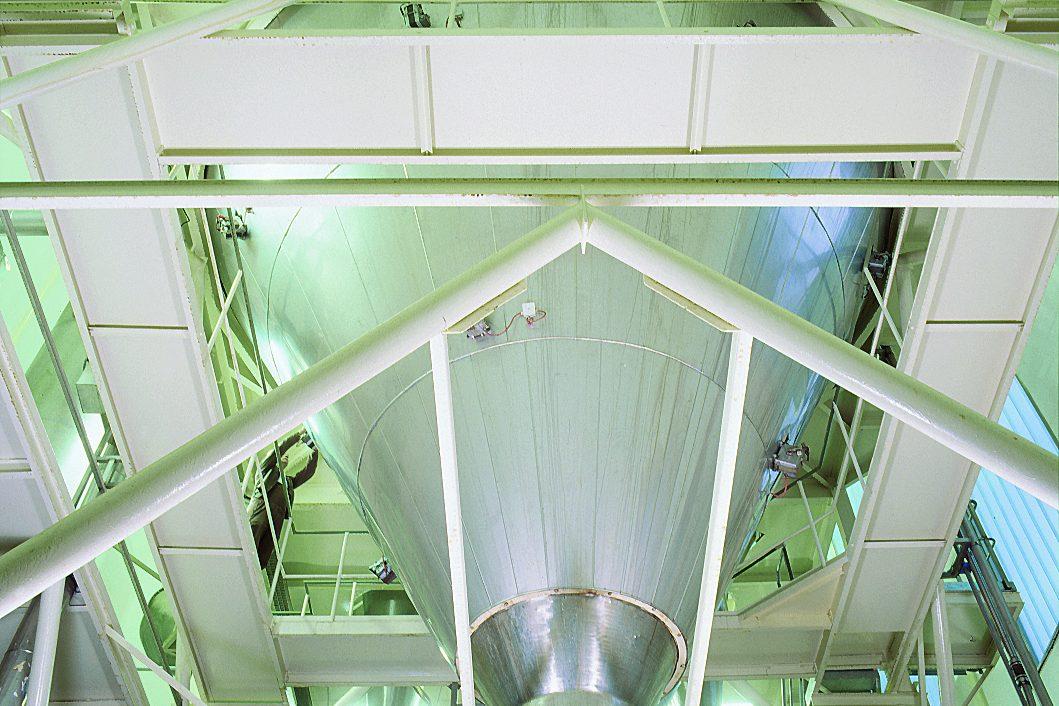 Specialty Food, Beverage & By-Product Processing
Dairy Evaporation & Spray Drying Plants
View Product
More Plants and Equipment, by Category
The other 61 products of the 73-product catalogue, by category. A product that is not listed for Guinea is not ruled out: tell us your raw material and target product. Request a technical proposal
Herbal, Botanical & Nutraceutical Extraction (9)
Category guide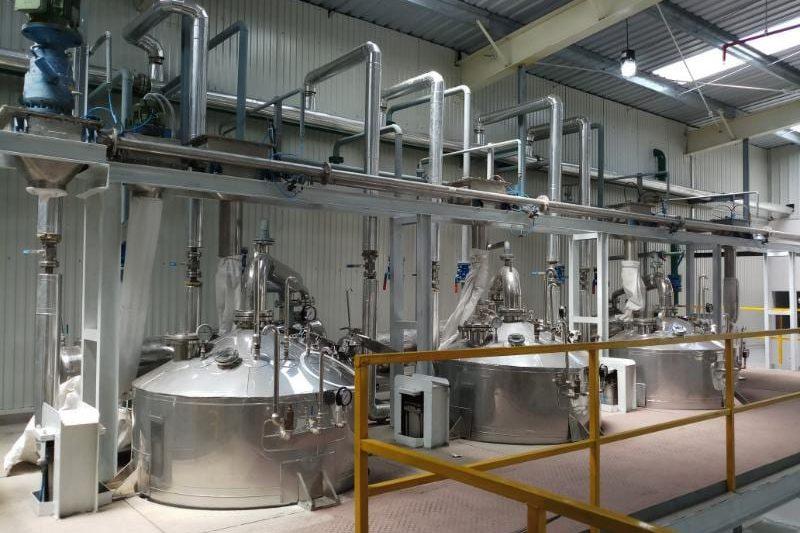
Herbal Extraction Plants
View Product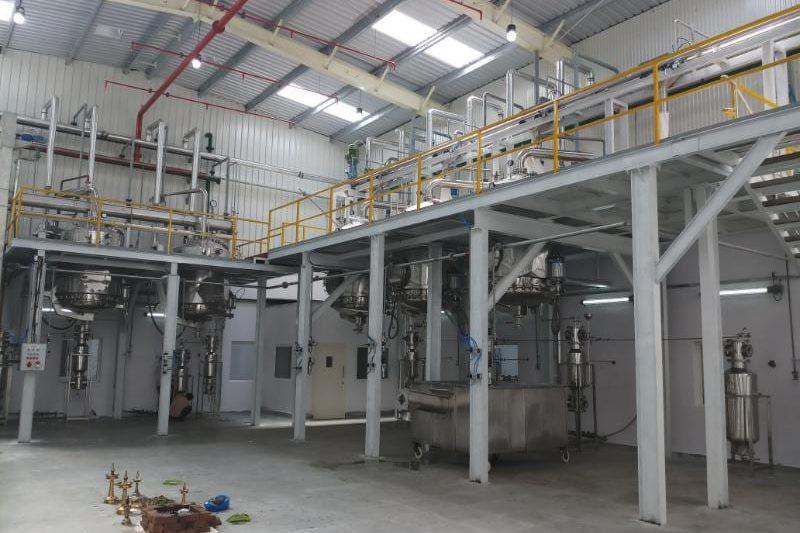
Turnkey Multi-Herbal Extraction Plants
View Product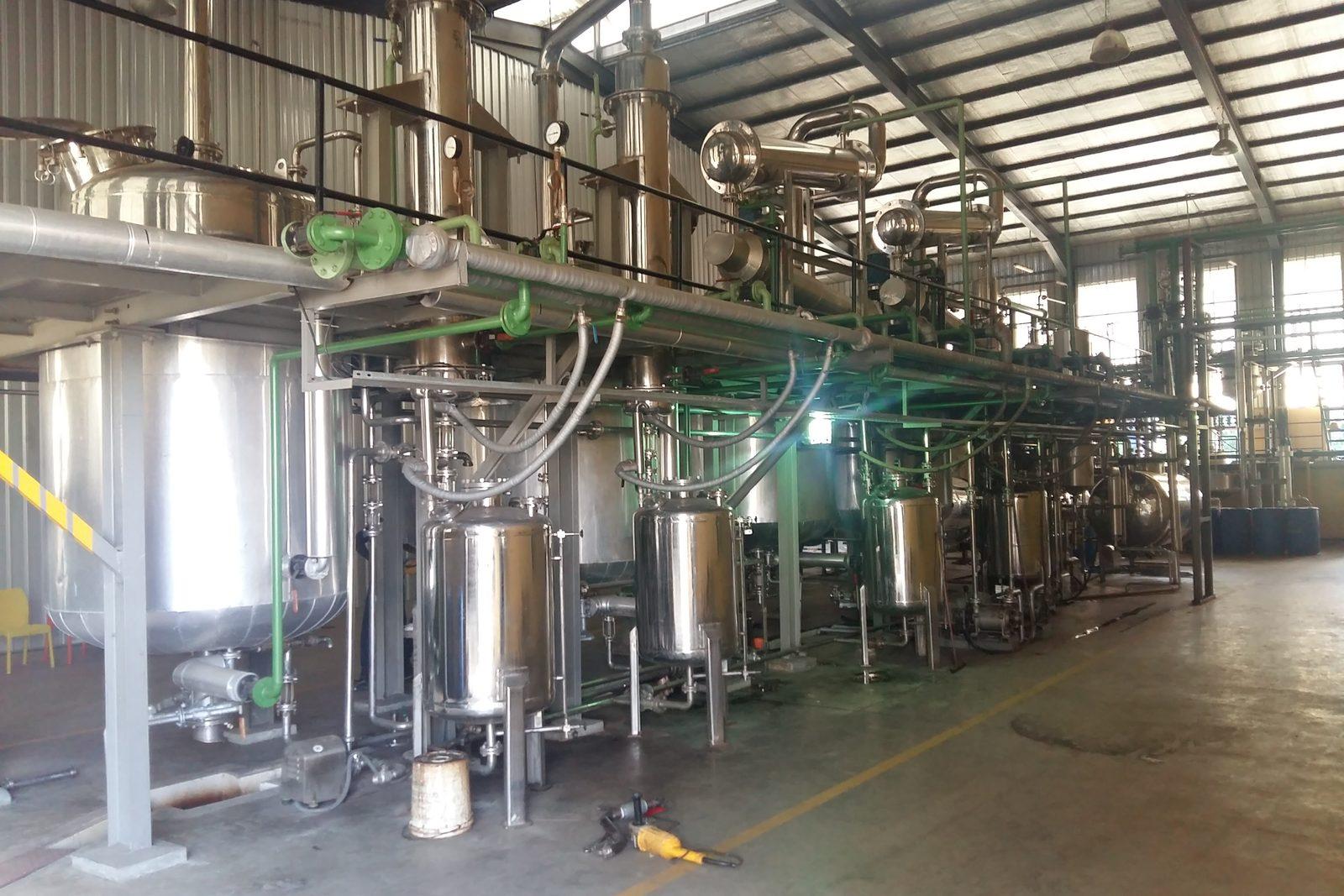
Nutraceutical & Botanical Extraction Plants
View Product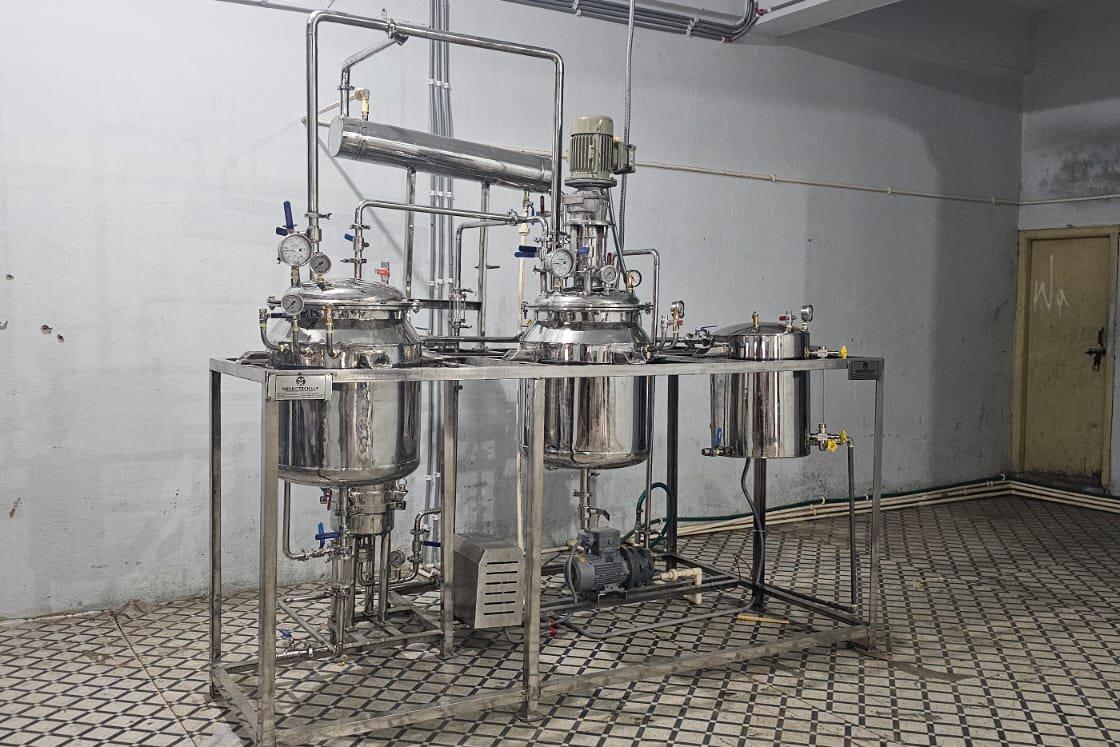
Pharmaceutical Extraction Plants
View Product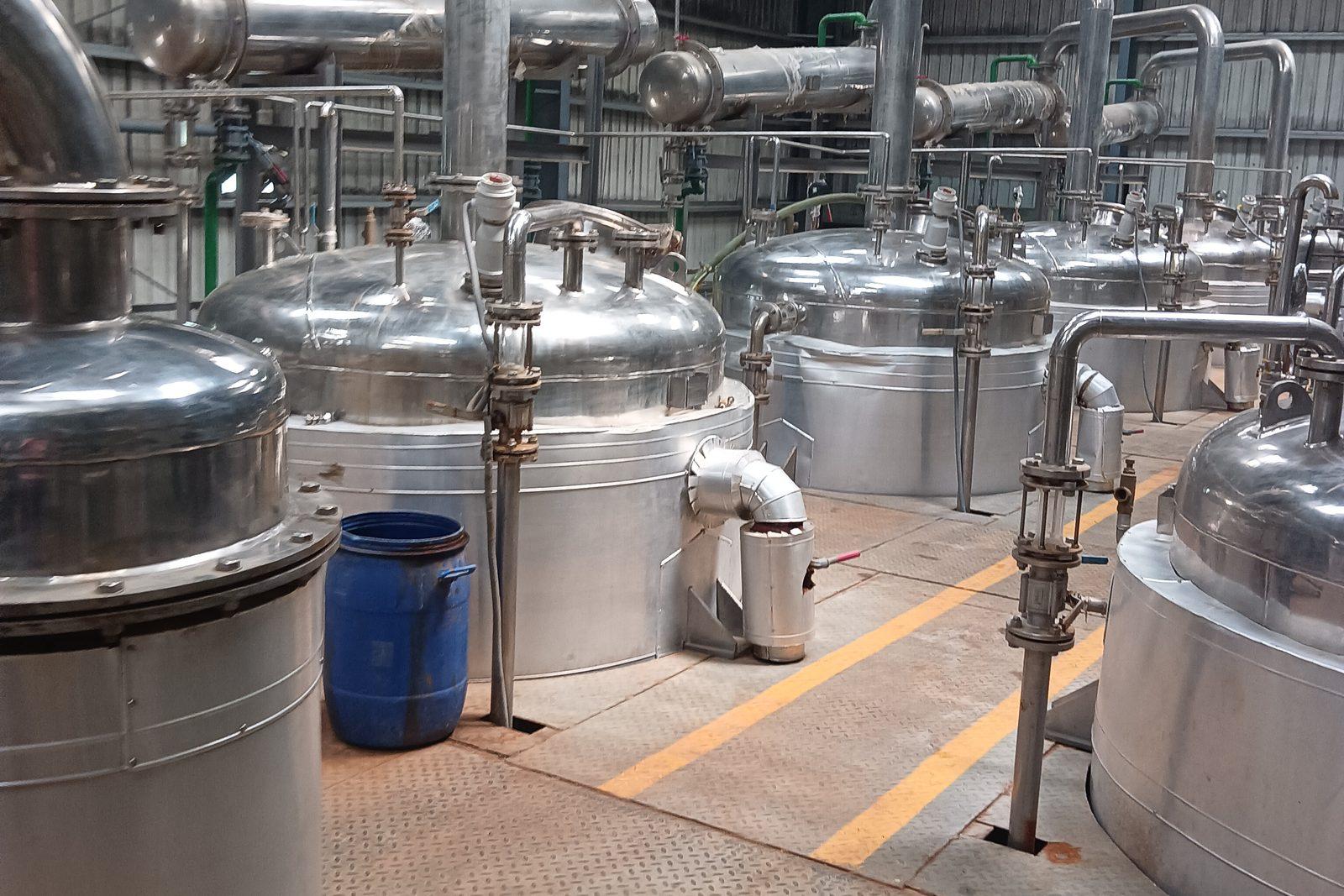
Curcumin Extraction Plant
View Product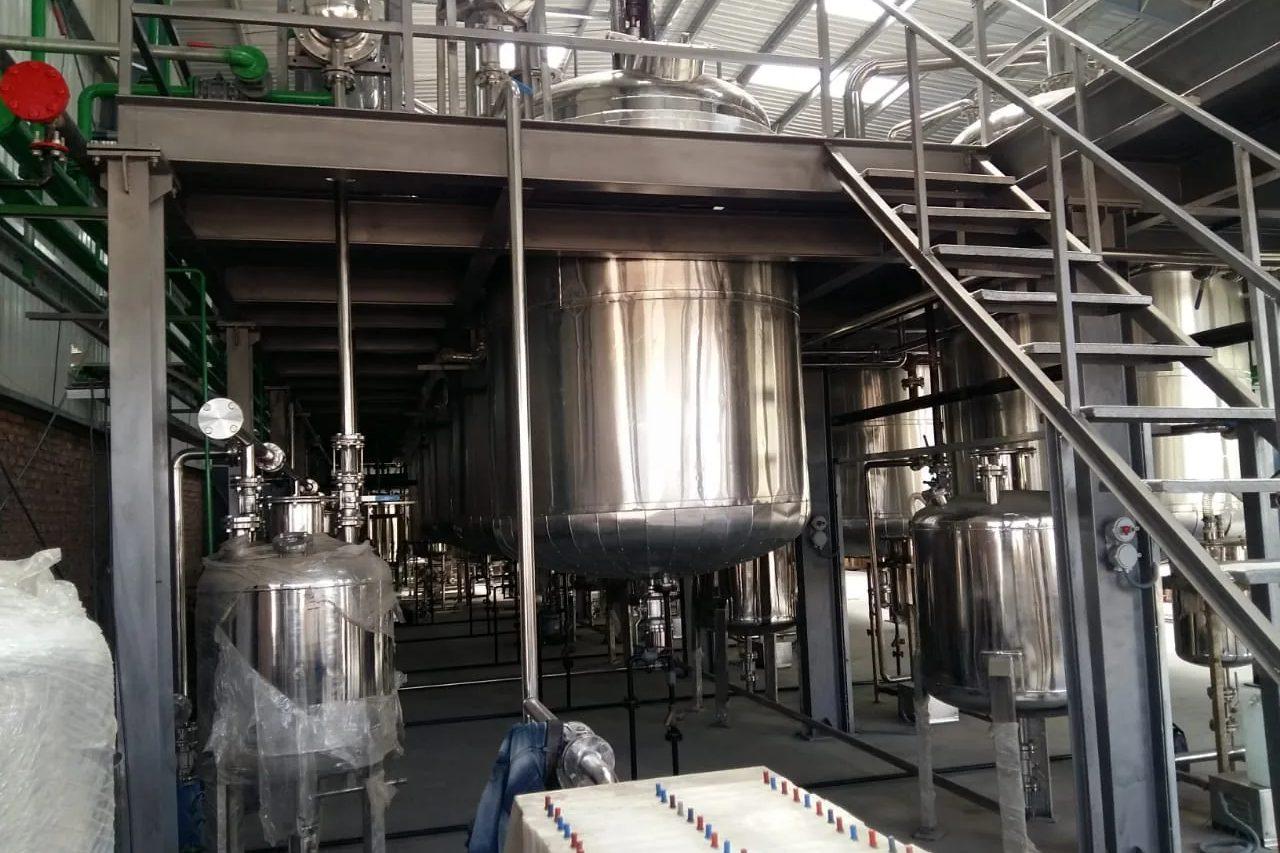
Ginger Extraction Plant
View Product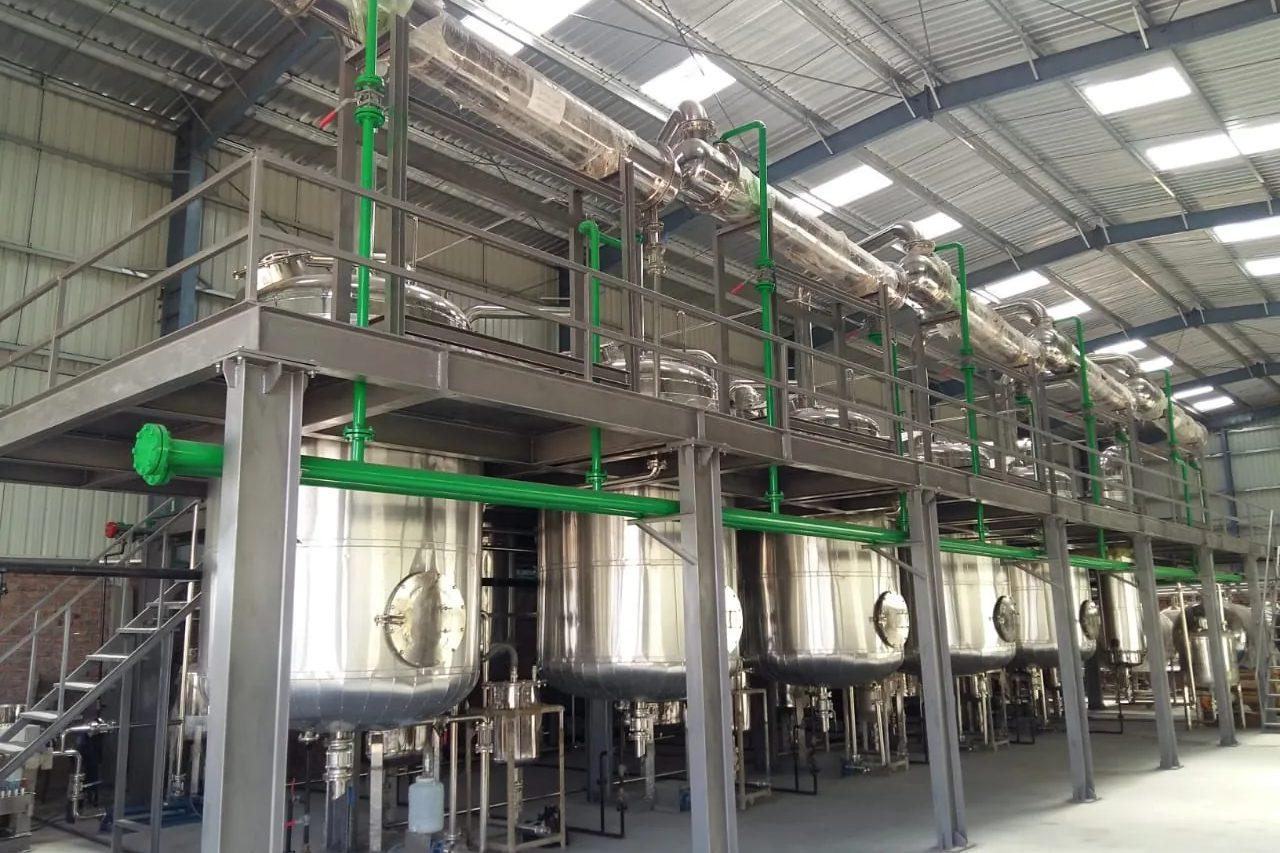
Hibiscus Extraction Plant
View Product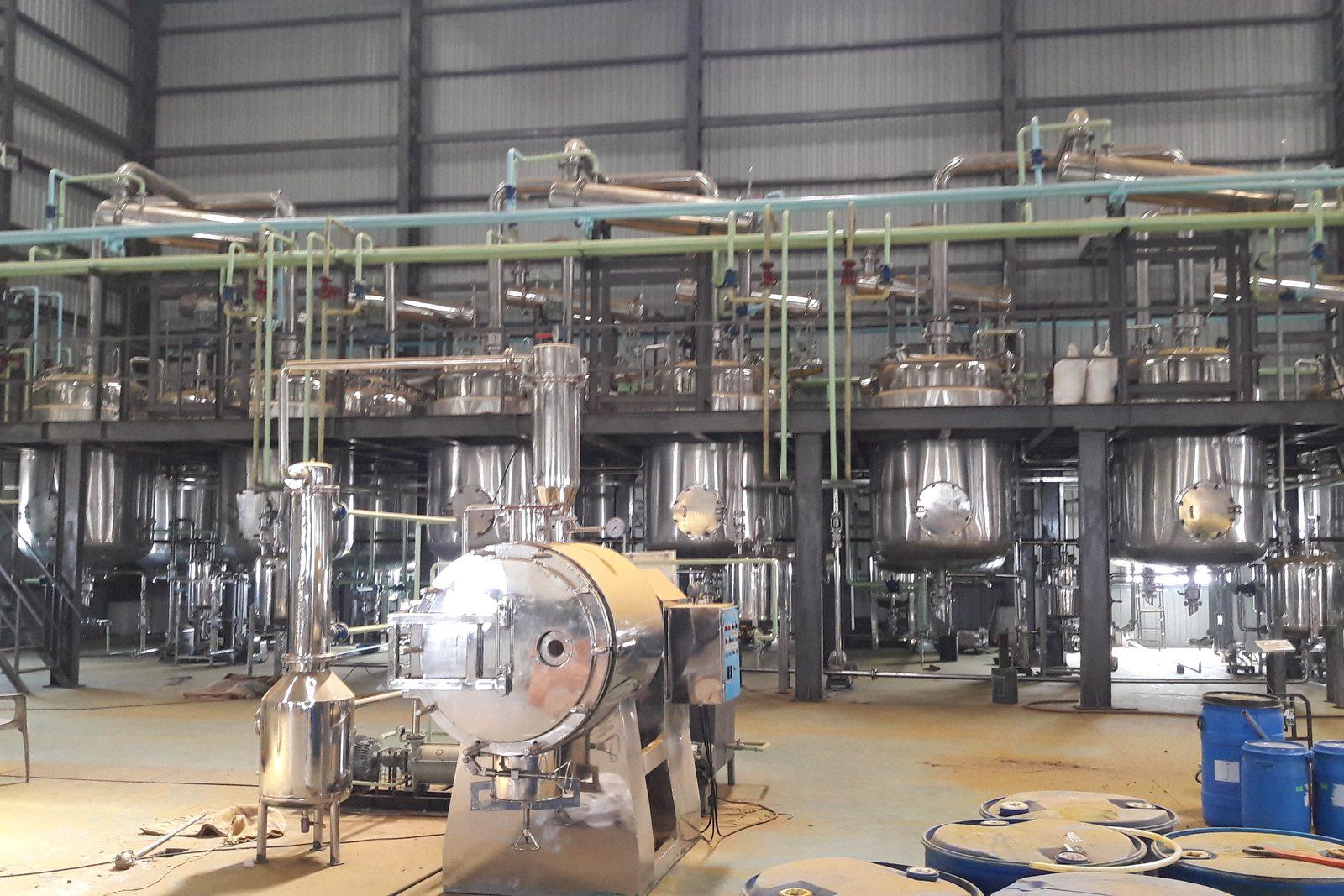
Moringa Extraction Plant
View Product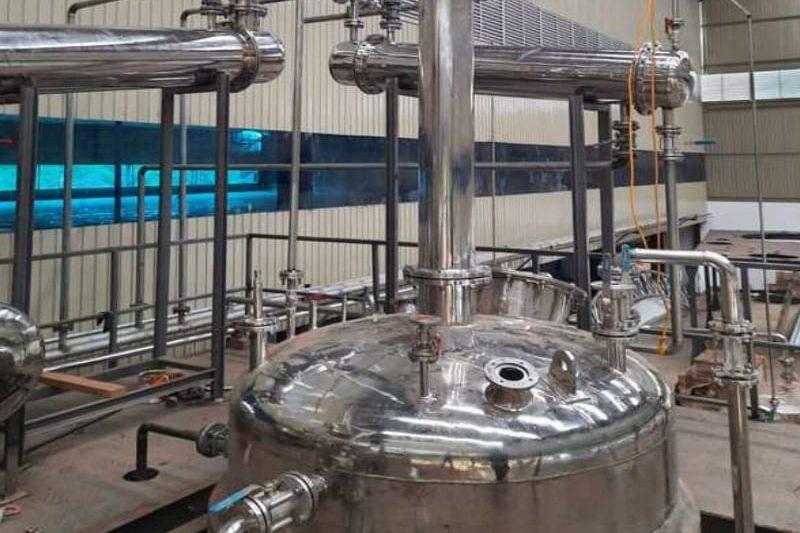
Advanced Botanical Extraction Systems
View Product
Essential Oils, Spices & Oleoresins (6)
Category guide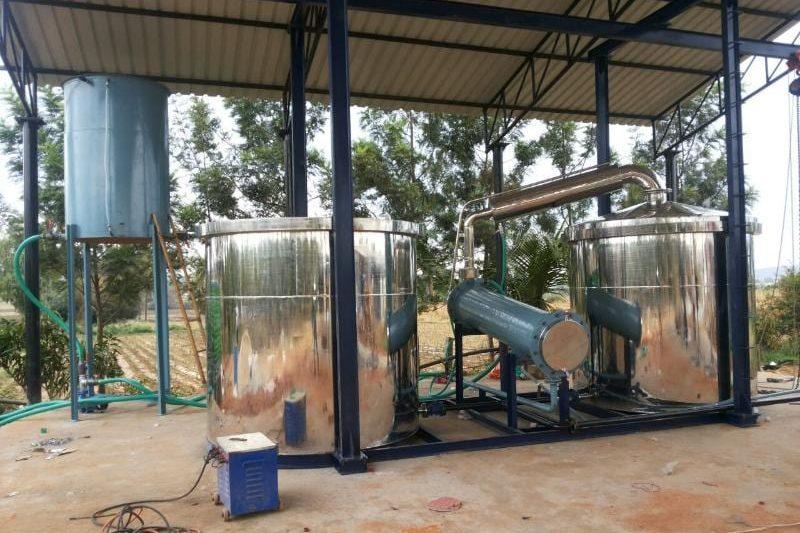
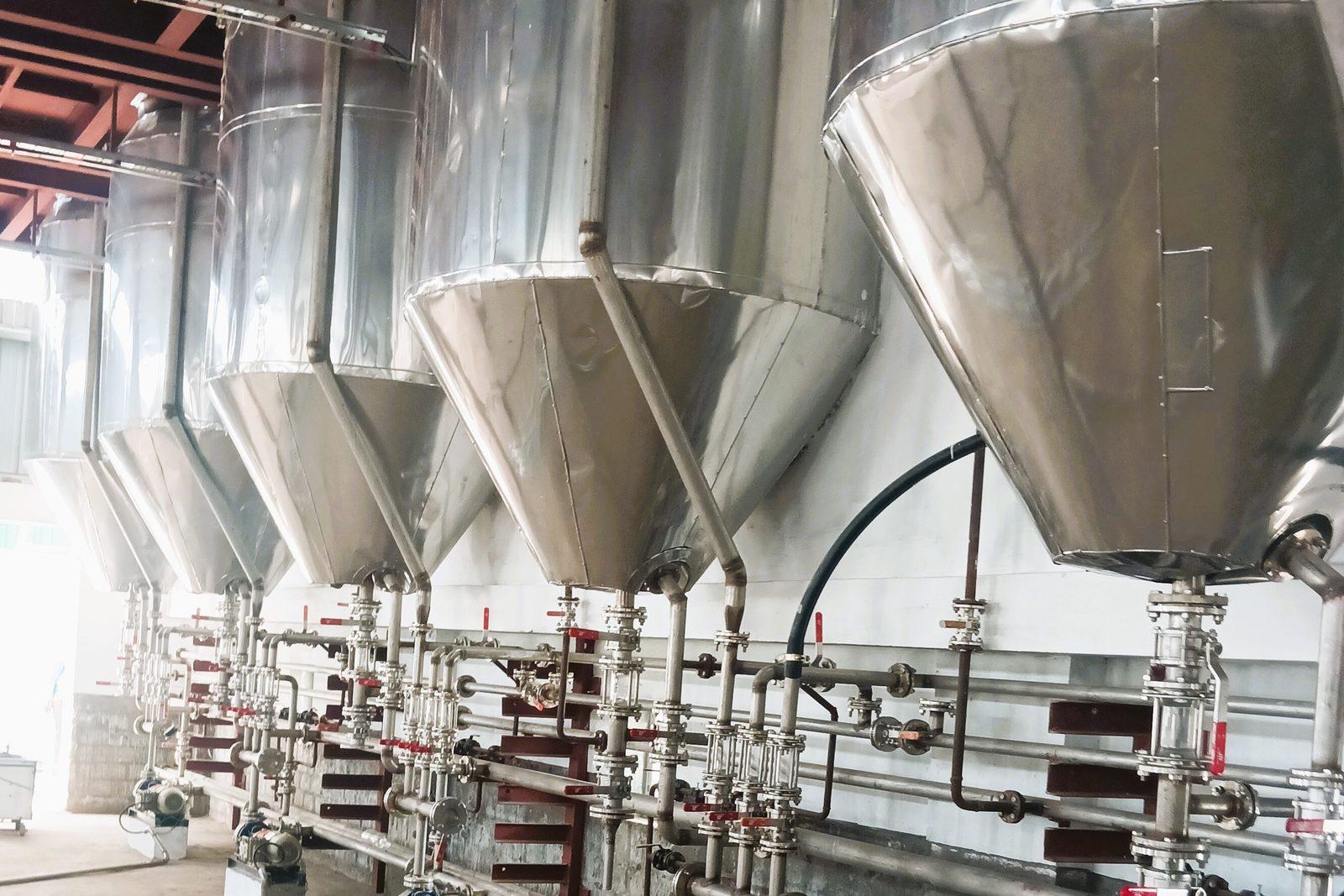
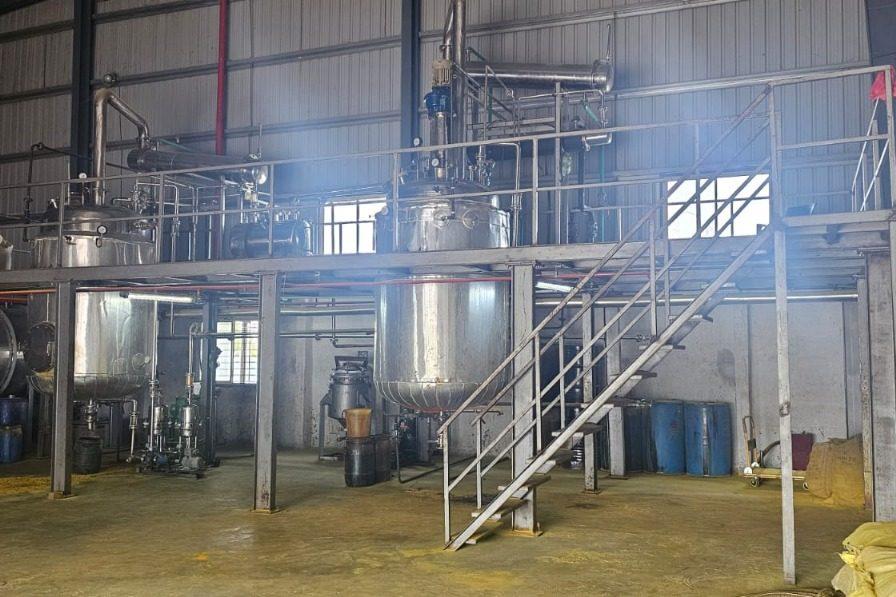
Fruit & Vegetable Processing (6)
Category guide
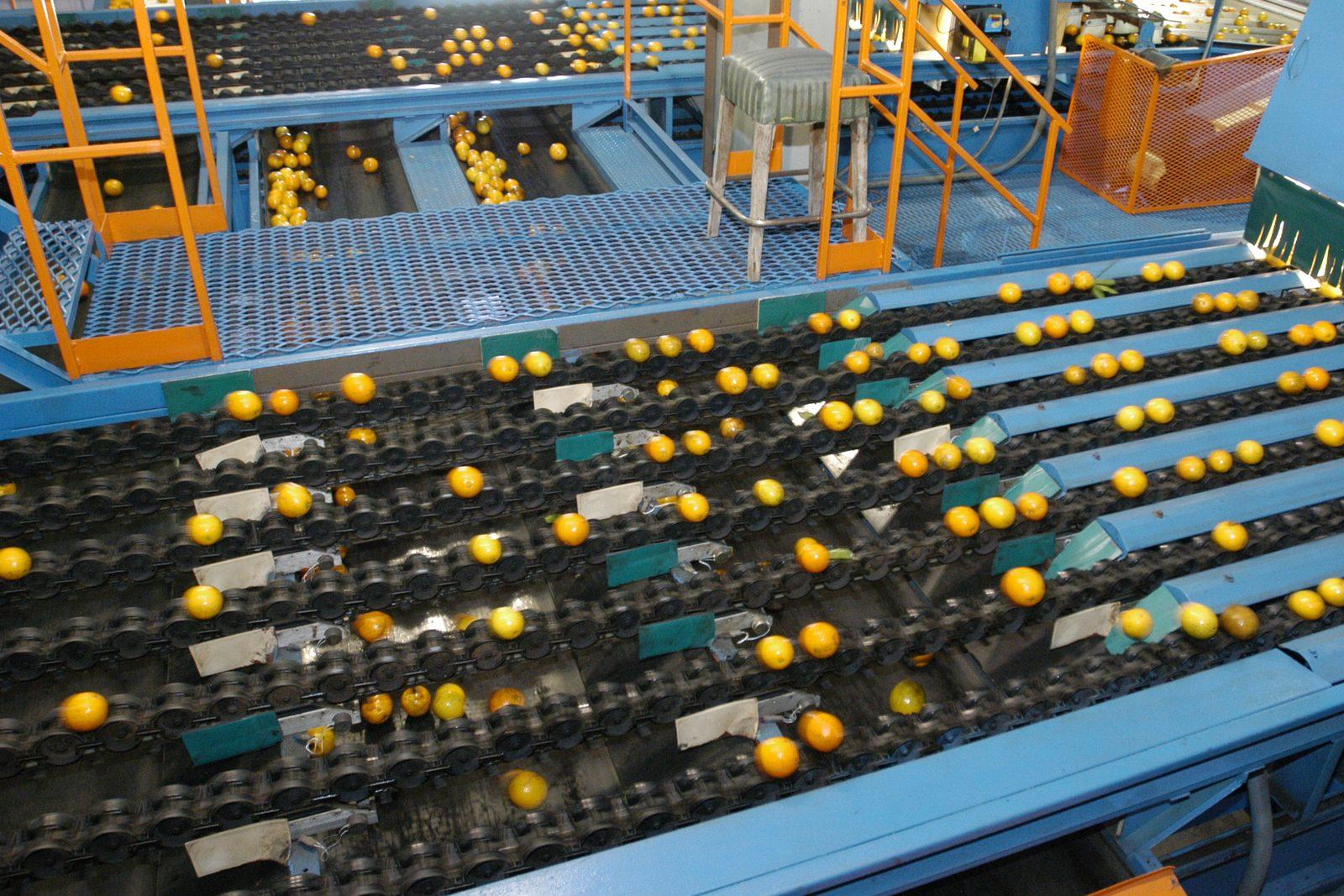
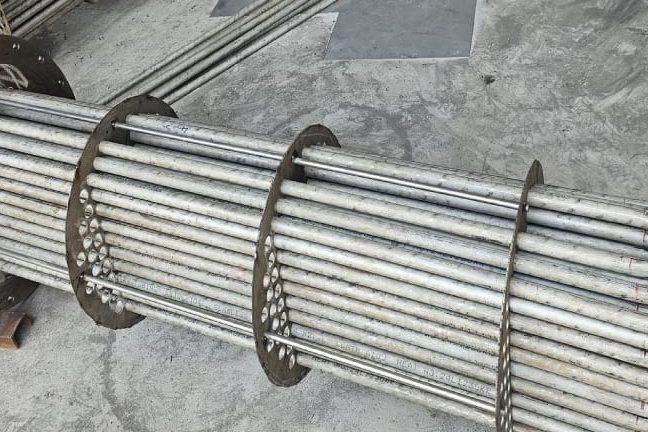
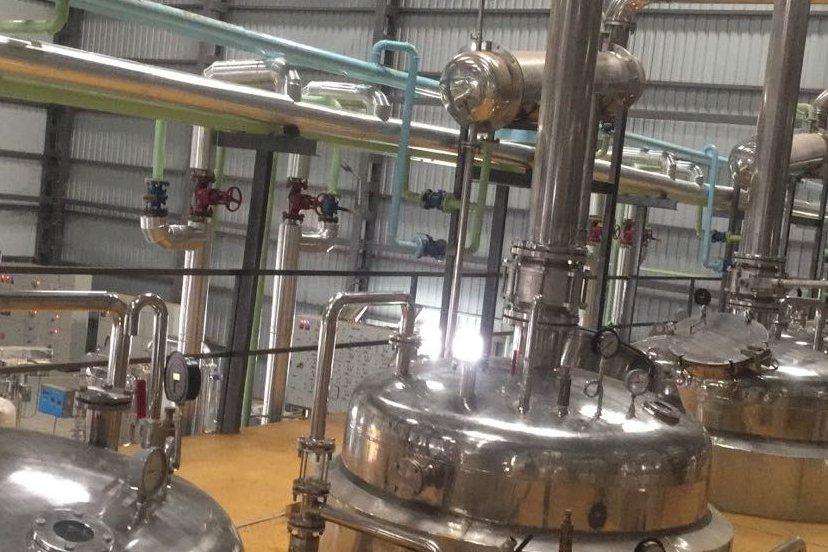
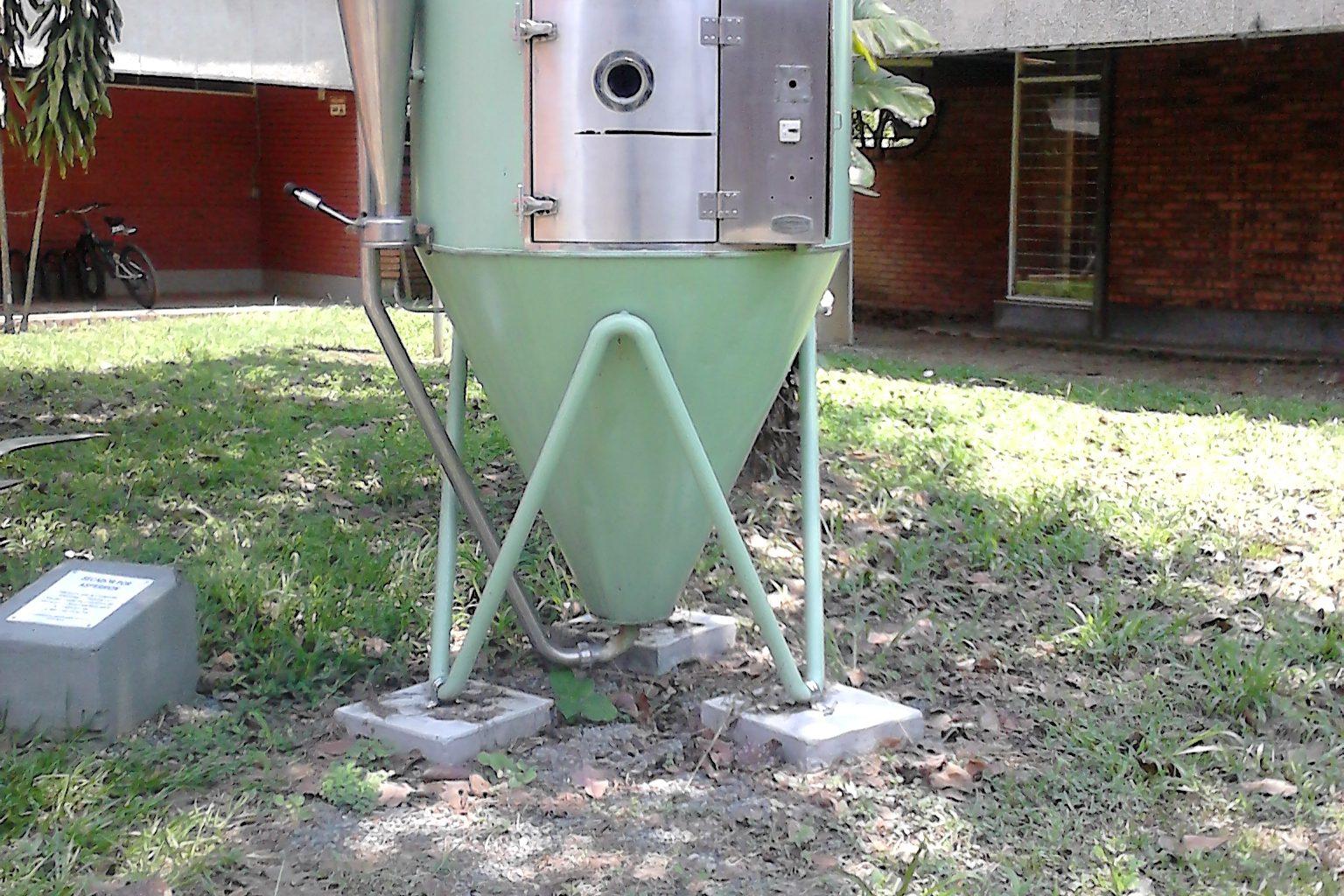
Starch, Flour, Edible Oil & Food Processing (5)
Category guide
Drying & Dehydration Systems (1)
Category guide
Evaporation, Concentration & Solvent Recovery (4)
Category guide
Pharmaceutical & Industrial Process Equipment (4)
Category guide
Cocoa, Shea, Palm Oil & Oilseed Processing (5)
Category guide
Cereals, Tubers & Sugar Processing (5)
Category guide
Specialty African Botanical & Natural Ingredients (10)
Category guide
Baobab Processing & Extraction Plants
View Product
Aloe Vera
View Product
Gum Arabic Processing Plant
View Product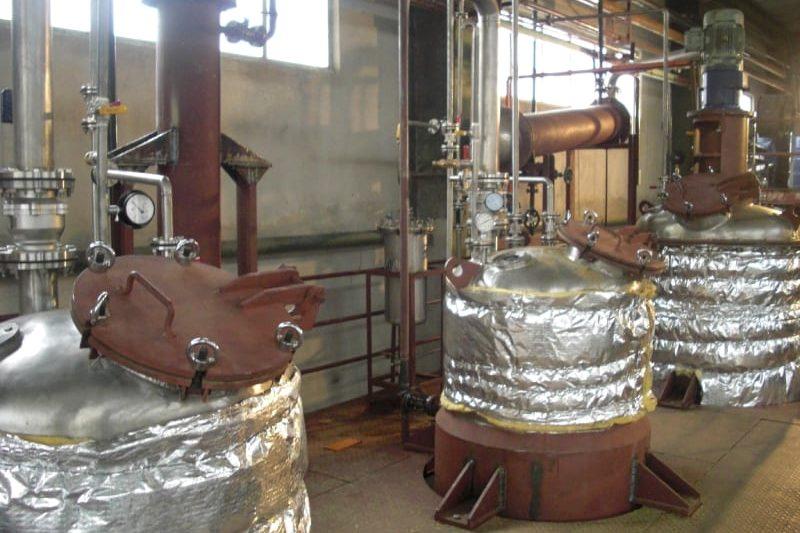
Natural Colour Extraction Plants
View Product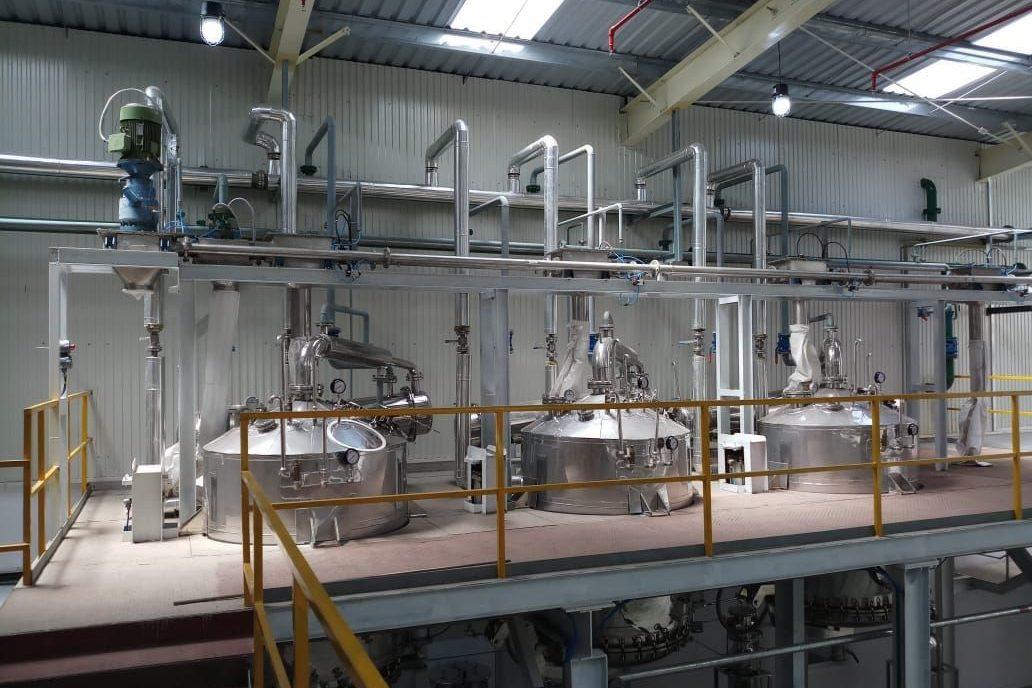
Vanilla
View Product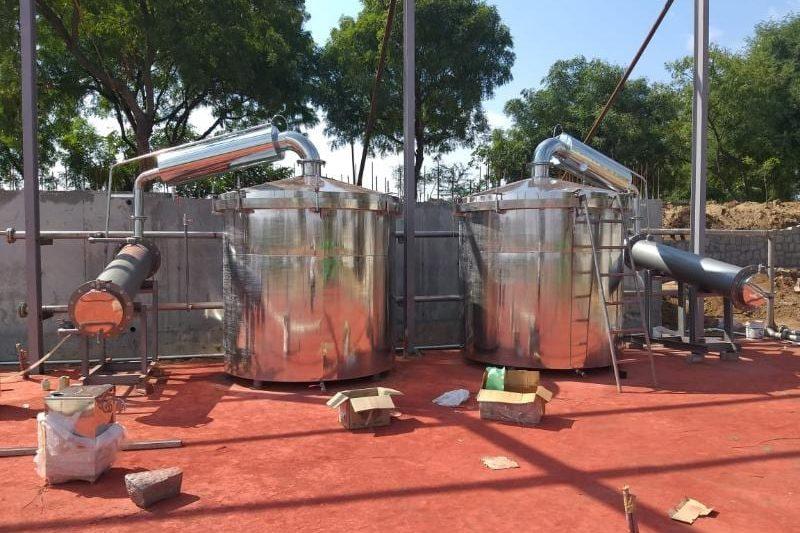
Clove Buds
View Product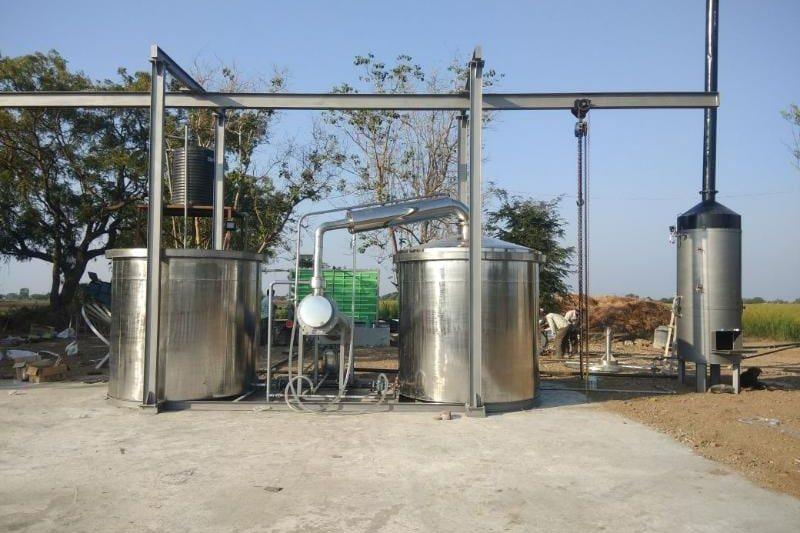
Ylang Ylang
View Product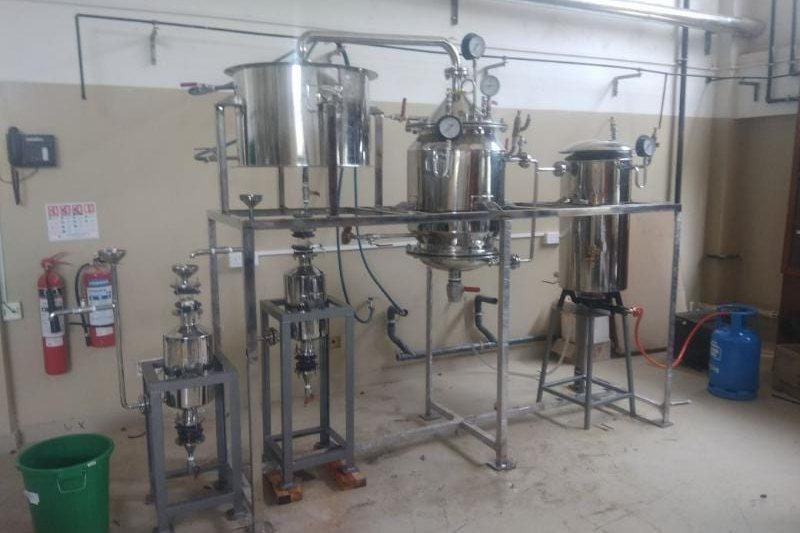
Argan Oil Processing Plants
View Product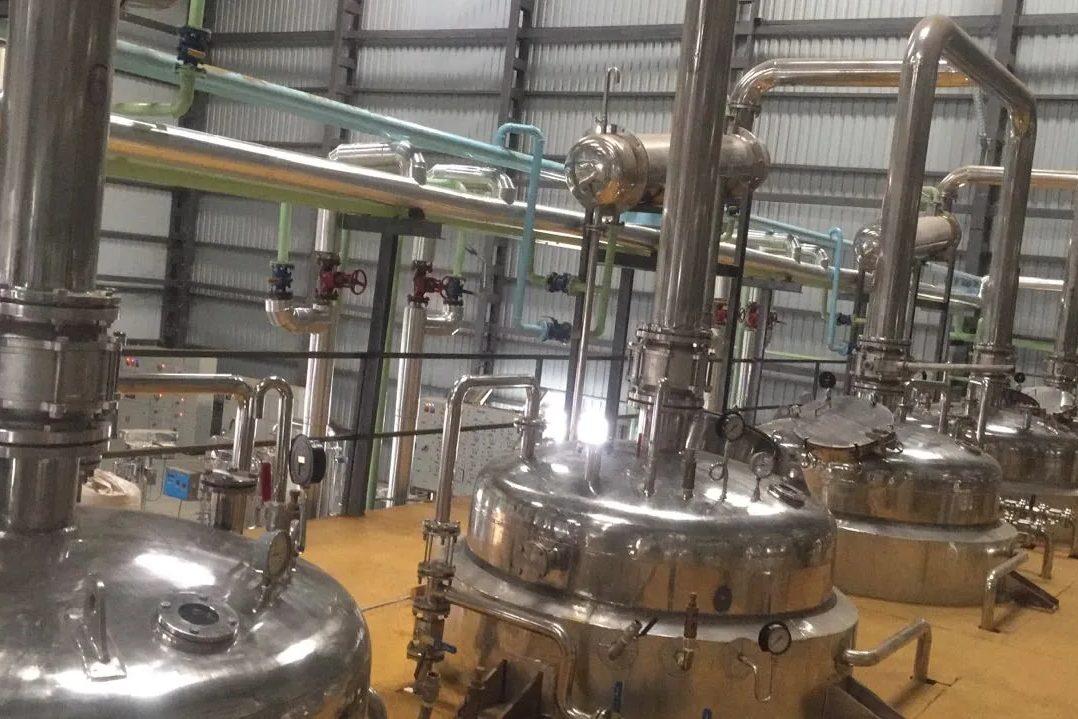
Olive Leaf Extract Powder
View Product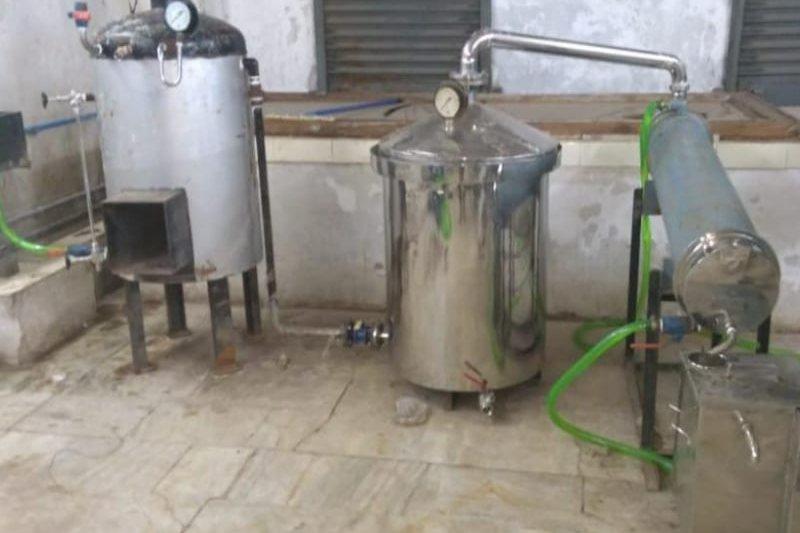
Frankincense Extraction Plant
View Product
Specialty Food, Beverage & By-Product Processing (6)
Category guide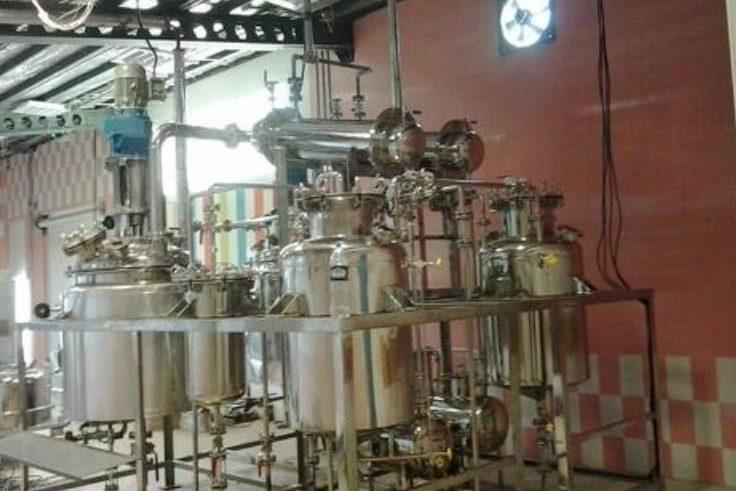
Date Processing Plant: Extracts & Concentration
View Product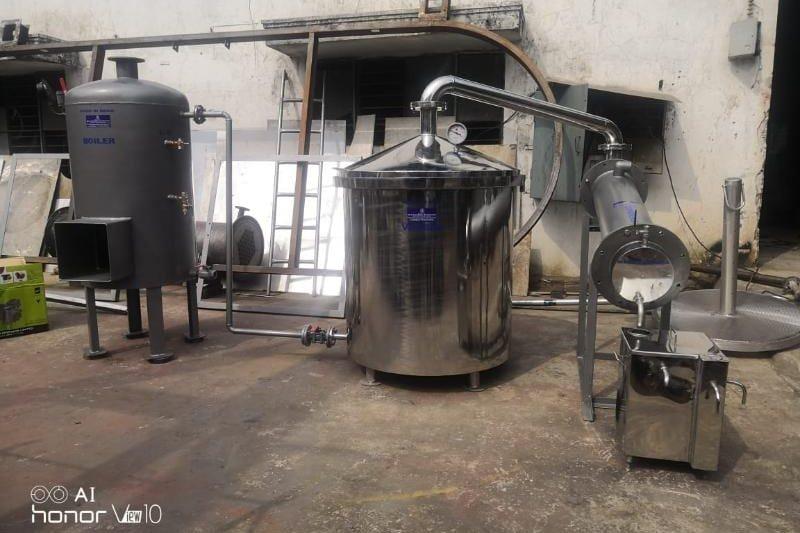
Fish Oil Recovery & By-Product Processing Plants
View Product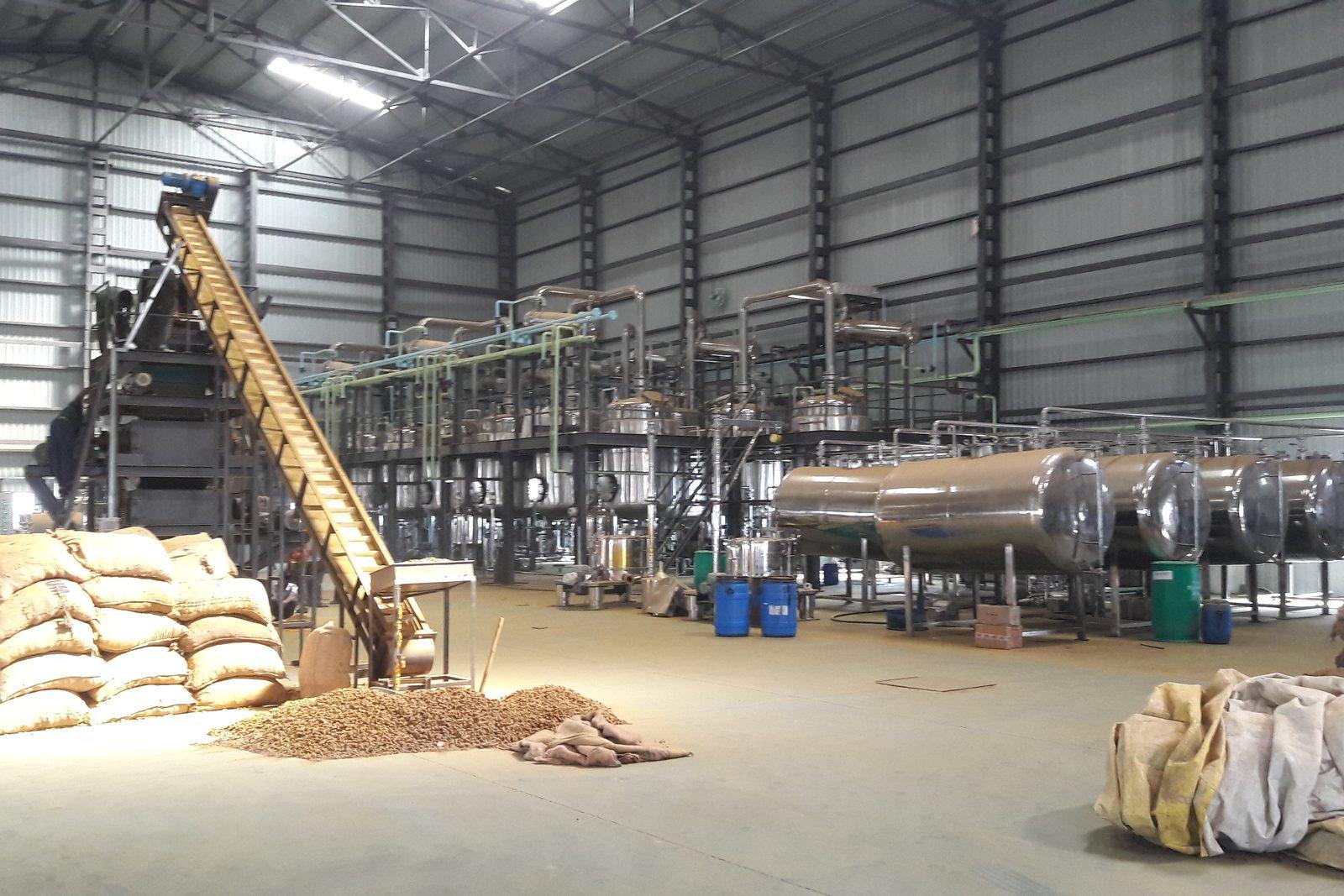
Tea Extraction & Concentration Plants
View Product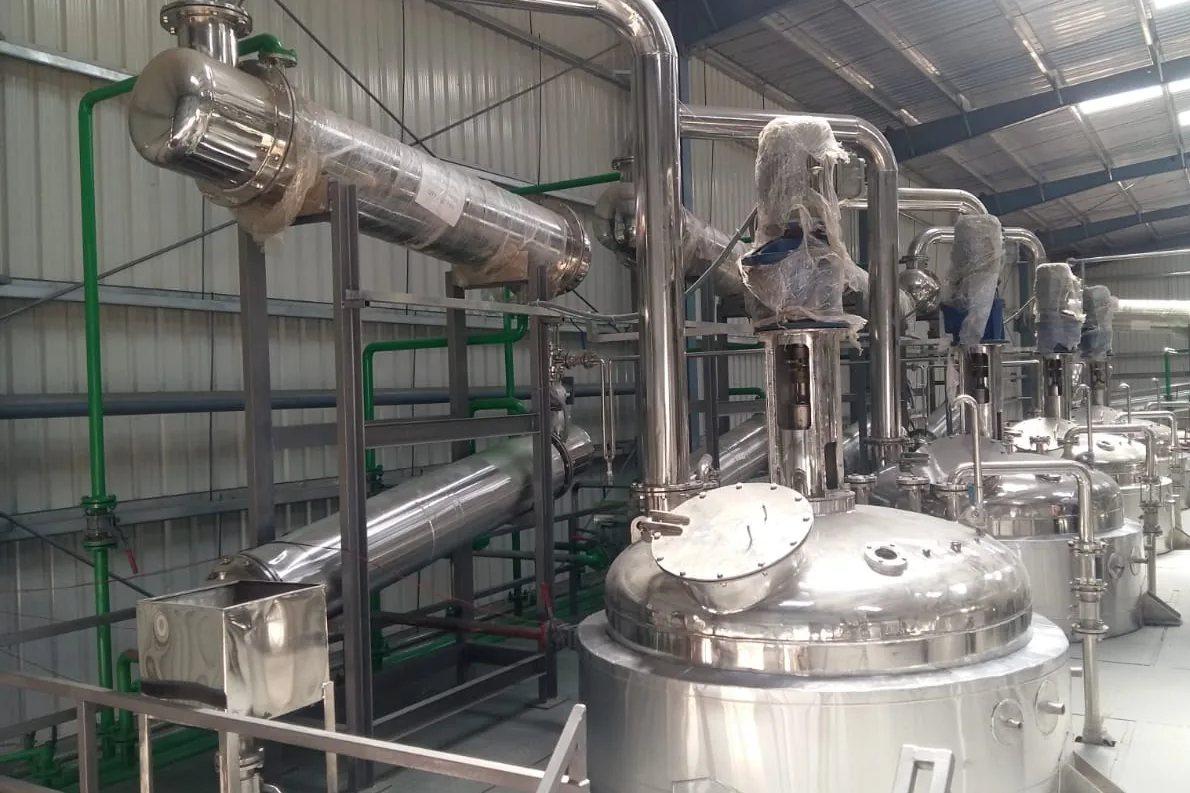
Coffee Extraction & Concentration Plants
View Product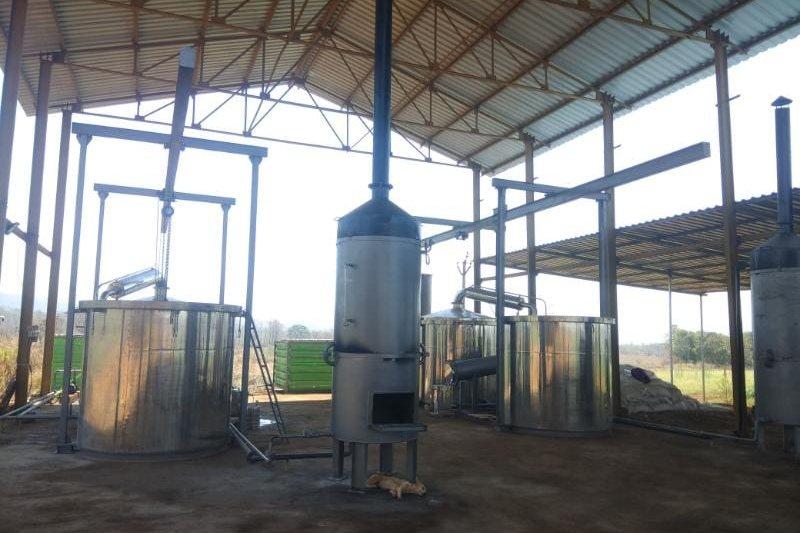
Coconut Oil & Milk Processing Plants
View Product
Onion & Garlic Dehydration Plants
View Product
What to Settle Before You Ask for a Proposal
Coastal entry, inland supply
Guinea has a coastline, so heavy plant equipment would normally arrive by sea, while crops are collected from the producing districts. Site selection should weigh road haulage of fruit and roots against the cost of moving machinery.
Humid air and drying
Most of Guinea has a tropical climate with high humidity, so drying duty is not constant through the year. Plants that pair solar-assisted drying with a heated back-up are worth discussing.
Seasonal fruit and root supply
Mango arrives in seasonal peaks and cassava is lifted as needed, so a flexible line that can switch between fruit and root processing may use equipment more evenly than a single-crop plant.
Industries to read next
Agro & Food Processing Solutions
Juice, cassava, palm oil and rice processing are the core of agro-food processing in Guinea, relevant to cooperatives and food manufacturers that want to move beyond raw or semi-dried produce.
Read the industry pageIndustrial Drying & Dehydration Solutions
Hot-air and solar-assisted drying systems suit cassava, rice and fruit streams where moisture removal is the step that limits shelf life.
Read the industry page
From Enquiry to a Running Plant
Enquiries for Guinea Projects
Kadali Africa Ventures Limited, Accra
421, University Road
Sowutuom
Accra, Ghana
Questions About Plants for Guinea
Which processing plants are relevant to fruit growers in Guinea?
Mango provides income for many households in two Guinean regions, so mango juice and pulp equipment is a relevant starting point for fruit growers. A proposal would be based on your fruit volumes, season length and the product format you want, and scope is confirmed in the technical proposal.
Can cassava be processed into starch or flour near where it is grown in Guinea?
Both routes are technically possible. Cassava roots deteriorate quickly after harvest, so grating, pressing and drying capacity is usually located close to the fields. Starch and flour plants differ in equipment, so state your target product and root supply pattern when you enquire.
Which palm oil and rice plants are relevant to Guinea?
Palm oil processing starts with sterilising, threshing and pressing bunches, followed by clarification and refining where edible-grade oil is needed. Rice processing centres on parboiling and controlled drying of paddy before milling. Send feedstock volumes, season length and site details so the plant can be matched to supply.
Does Kadali Africa Ventures have an office in Guinea?
Kadali Africa Ventures Limited has offices in Accra, Ghana and Kano, Nigeria, and none in Guinea. Engineering and manufacturing scope for each product is confirmed in the technical proposal.
What should I send for a Guinea project proposal?
Use the form on this page. Give your raw material, the product you want to make, the capacity and its basis (for example kg per hour or tonnes per day) and your site.
Planning a project in Guinea?
Send your raw material, target product and capacity. We will come back with the process route and equipment scope for your project.
Tell us about your Guinea project
Only name, email, phone and industry are required. The more you share about raw material and capacity, the more precise our proposal.